
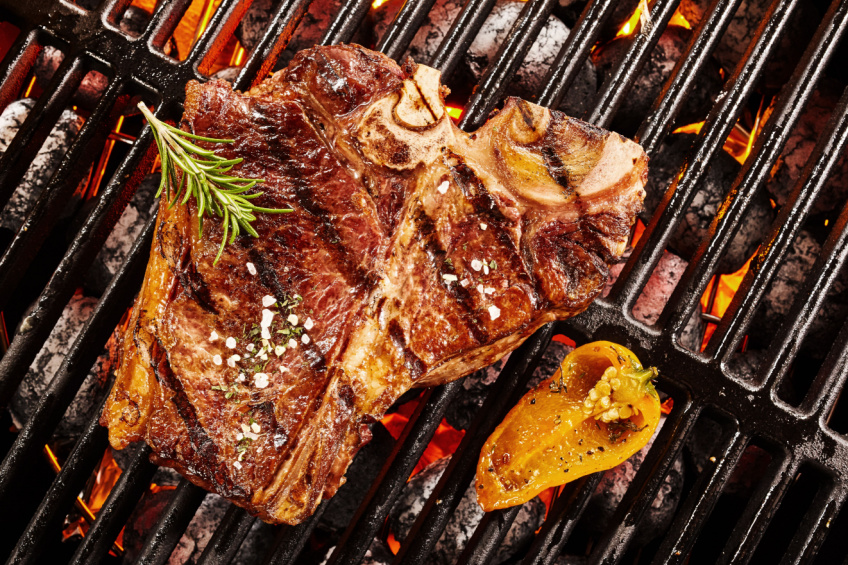
Grilling steak over charcoal is easier than most people think, but a few key steps make a big difference.
The best way to grill steak on charcoal is to choose a thick cut, build a two-zone fire for direct and indirect heat, and sear the steak over the hot side before finishing it over lower heat. This method gives you a crisp outer crust and a warm, juicy center.
Charcoal grilling adds a flavor you can’t get from a gas grill. Smoke and high heat from charcoal create a flavor many people prefer for steak night. For steakhouse-style results, your charcoal grill setup matters as much as the cut of meat you choose.
This guide covers each step, from choosing a steak to checking when it’s done. You’ll learn how to control grill heat, how long to cook each side, and how to check for your preferred doneness.
Choose and Prepare the Steak
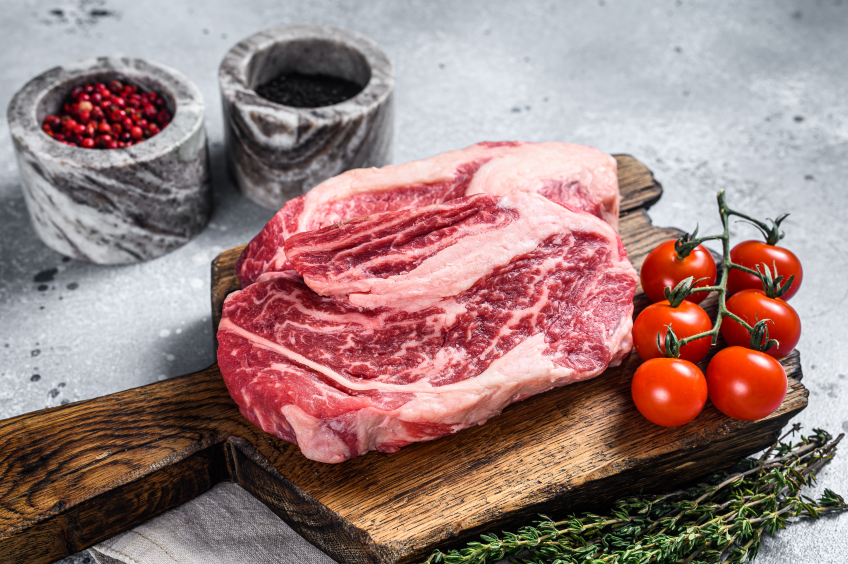 The right cut and thickness set the stage for a good sear. Simple prep steps, such as drying and salting the steak, also make a noticeable difference.
Pick a Cut and Thickness That Suit Your Cooking Method
A ribeye steak is one of the best choices for charcoal grilling because its marbling helps keep the meat juicy over high heat. Strip steak and tenderloin also work well if you prefer a leaner cut.
For a thick steak, aim for 1 1/2 to 2 inches. This gives you time to build a solid crust without overcooking the center.
Bone-in cuts may take longer to cook. Thin cuts like flank, skirt, or hanger steak cook quickly over high heat and are best marinated first, then sliced against the grain.
Dry, Salt, and Season the Steak
Before seasoning, pat the steak dry with paper towels. Surface moisture can prevent a good sear from forming and may cause flare-ups on the grill.
Season both sides with kosher salt and freshly ground black pepper. Season generously, since some will fall off during cooking.
A light brush of olive oil before seasoning helps the black pepper adhere firmly to a thick ribeye steak. Let the steak sit out for about 20 minutes before grilling so it cooks more evenly.
Before placing the steak on the grill, lightly coat the grates with olive oil using a paper towel and tongs. This can help prevent sticking and create clean grill marks.
Build a Two-Zone Charcoal Fire
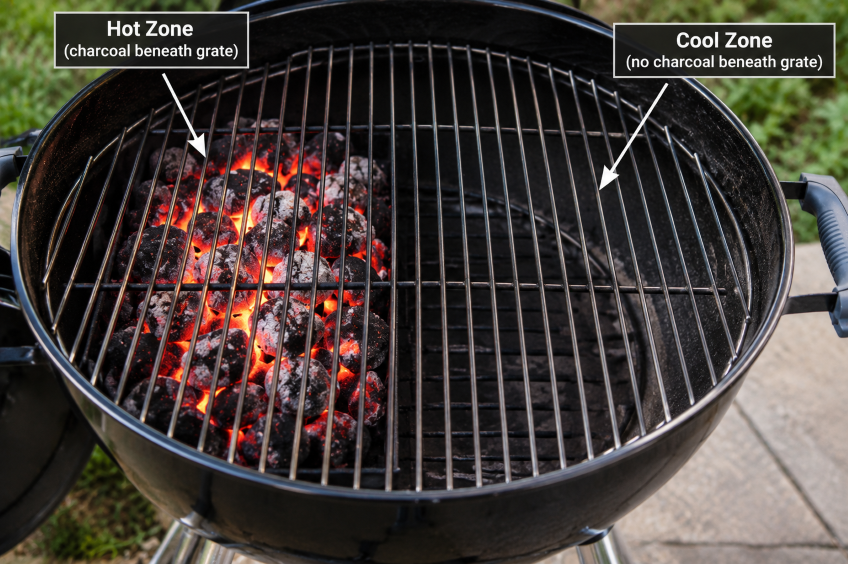 A two-zone fire gives you one hot side for searing and one cooler side for finishing. This helps the steak develop a crust without burning before the center is done. Here’s how to light your coals, arrange the two zones, and prepare the grate.
Light Lump Charcoal or Briquettes in a Chimney Starter
Fill a chimney starter with lump charcoal or charcoal briquettes. Lump charcoal lights faster and burns hotter, while briquettes tend to burn more evenly and last longer. Either works for a two-zone fire, so choose based on availability and your cooking preference.
Place two sheets of crumpled newspaper under the chimney and light them. Set the charcoal chimney on the charcoal grill grate and let the coals heat up.
Wait until the top coals are lightly covered with ash, usually about 15 to 20 minutes. The coals are then ready to pour out.
Arrange Hot Coals for Direct and Indirect Heat
Pour the lit coals onto one side of the grill’s charcoal grate. This creates the direct-heat zone for searing.
Leave the other side empty for indirect heat. Move the steak to this cooler zone if it needs more time to reach the right internal temperature without further browning.
You can also pile the coals into a rough pyramid on one side instead of spreading them out. This concentrates the hot zone and makes the difference between the two sides more pronounced. Two-zone cooking is a standard setup for searing steak and finishing it gently. It helps you control heat and avoid burning the food.
Preheat and Clean the Cooking Grate
Place the cooking grate on the grill and close the lid for about 5 minutes. This heats the grate and loosens residue from previous cooks.
Scrape the hot grate with a grill brush to remove leftover bits that could make the steak stick.
Lightly oil the grate with a paper towel dipped in oil and held with tongs. This can help the steak sear and release cleanly when you flip it. Once the grate is clean and hot, the direct and indirect zones are ready.
Grill the Steak Step by Step
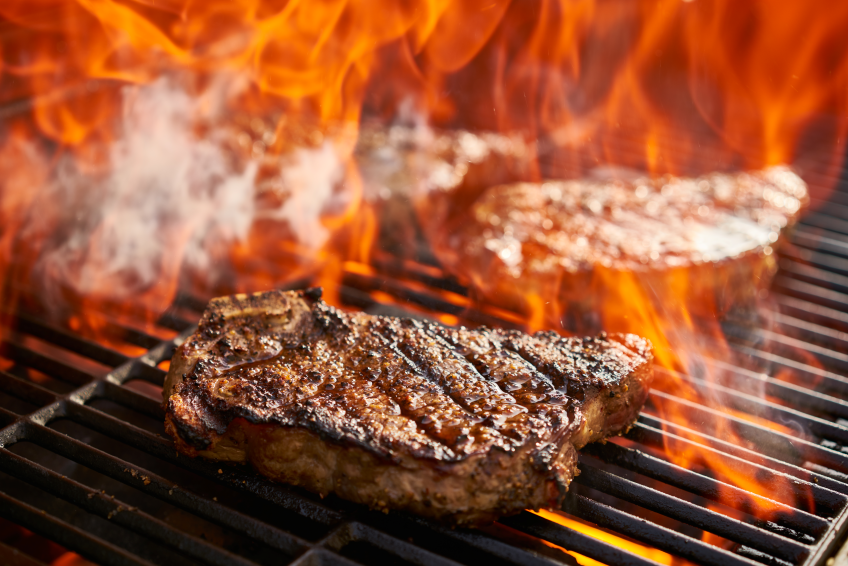 Combining direct and indirect grilling gives you complete temperature control on your charcoal grill. The best cooking method depends on the steak’s thickness.
Steaks about 1 to 1½ inches thick can be cooked over direct heat and moved to the cooler zone if needed. Thicker cuts benefit from the reverse sear method, which starts over indirect heat and finishes with a direct sear.
Sear a 1- to 1½-Inch Steak Over Direct Heat
Place your steak directly over the hot coals. Direct grilling provides a fast direct sear over concentrated heat to produce a deep crust.
Cook the first side for 3 to 4 minutes without moving the steak. Letting it sit helps develop a crust and grill marks.
Flip it once and sear the other side for another 3 to 4 minutes. Fat from a charcoal-grilled ribeye can drip and cause flare-ups. Keep a spray bottle of water nearby to manage small flames, but avoid spraying water onto hot coals.
Check the internal temperature with a meat thermometer. For medium-rare, pull the steak at about 125°F, then let it rest; carryover cooking will raise the temperature further.
Move It to Indirect Heat if the Center Needs More Time
 Direct heat can brown the outside before the center reaches your target temperature, especially with steaks closer to 1½ inches thick.
If this happens, move the steak to the cooler side of the grill. Indirect grilling uses the surrounding heat rather than direct contact with the coals.
Close the lid and let the steak finish cooking. This gentler heat raises the internal temperature without burning the crust.
Check the temperature every 2 to 3 minutes. Remove the steak when it reaches your chosen pull temperature, allowing for carryover cooking as it rests.
Reverse-Sear Steaks Over 1½ Inches Thick
Thick steaks can cook unevenly if you sear them first. The reverse sear method starts over indirect heat and finishes with high heat.
Place the steak on the cooler side of the grill with the lid closed. Cook slowly until it reaches about 115°F for medium-rare, checking with a thermometer every few minutes.
Move the steak directly over the hot coals when it’s close to temperature. A final direct sear of 60 to 90 seconds per side builds a dark crust and grill marks.
This method helps cook the steak evenly from edge to edge while building a crust without overcooking the center. It works well for thick cuts like ribeye or porterhouse.
Check Doneness and Rest Before Serving
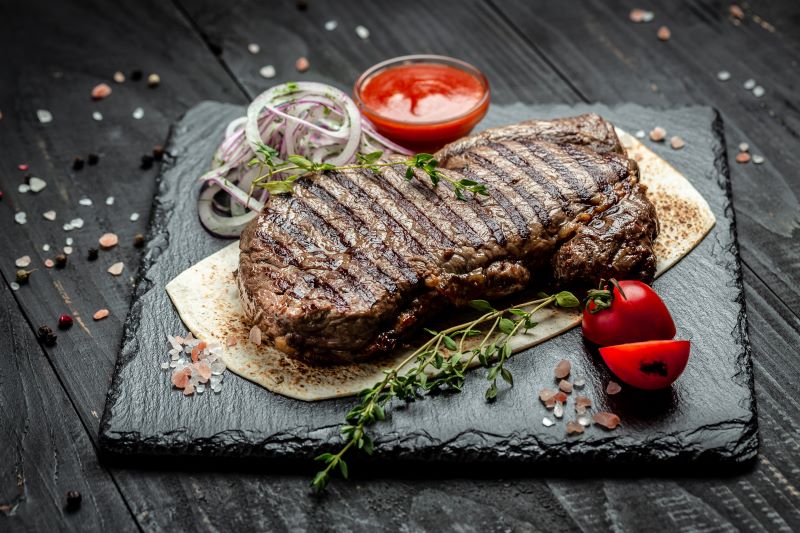 Use an instant-read thermometer to check your steak’s internal temperature, then let it rest before cutting so the juices have time to redistribute.
Measure the Center With an Instant-Read Thermometer
Use a digital meat thermometer to check your steak while it’s still on the grill. Insert the probe into the thickest part of the meat, away from bone or large pockets of fat.
An instant-read thermometer gives you a reading in seconds, so you can check the steak quickly. Keep the probe tip away from the grate, which can affect the reading.
Check more than one spot if your steak is thick or uneven. This helps you identify areas that are cooking faster or slower than the rest.
Use Pull Temperatures and Account for Carryover Cooking
Steaks continue cooking after you remove them from the grill. This carryover cooking can raise the internal temperature by about five degrees, though the increase varies with steak thickness and cooking method.
Pull your steak a few degrees below your desired final temperature. For rare, aim for about 115°F; for medium-rare, pull at about 125°F; and for medium, pull at about 135°F.
| Doneness | Pull Temp | Final Temp After Resting |
|---|---|---|
| Rare | 115°F | 120°F |
| Medium-Rare | 125°F | 130°F |
| Medium | 135°F | 140°F |
Using pull temperatures helps you control the final doneness instead of guessing.
Rest, Slice, and Serve the Steak
Move your steak to a cutting board and cover it loosely with foil. Let it rest for five to ten minutes before slicing.
Resting allows the juices to redistribute through the meat instead of running onto the cutting board. Skipping this step can leave your steak dry, even if you cooked it correctly.
Once rested, slice against the grain. Look for the direction of the muscle fibers and cut across them, not along them, for a more tender bite.
Prevent Common Charcoal-Grilling Problems
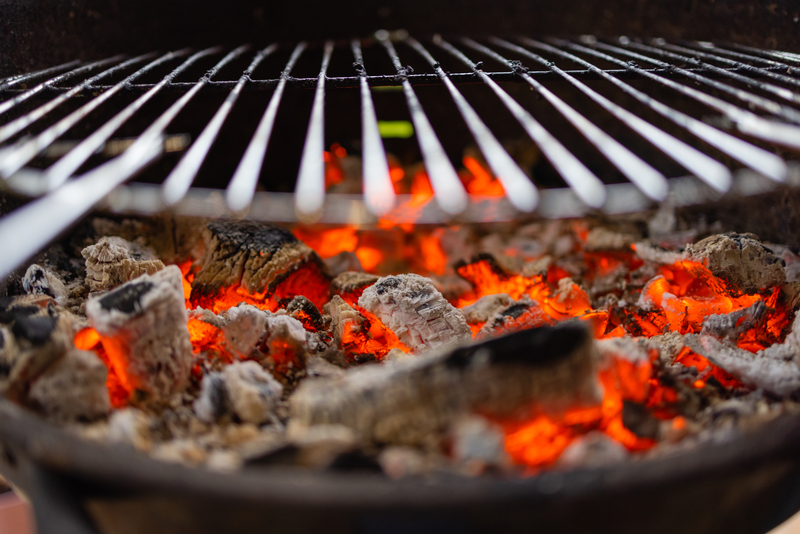 Charcoal grilling can go wrong quickly if fat drips onto hot coals or the fire gets too hot or too cool. Knowing how to handle flare-ups, adjust airflow, and manage heat zones helps prevent your steak from burning on the outside while staying raw in the middle.
Move the Steak Away From Flare-Ups
Flare-ups happen when fat or juices drip onto the coals and catch fire. The flames can quickly burn the outside of your steak and leave a bitter, sooty taste.
To prevent this, set up two cooking zones on your grill by piling the coals on one side and leaving the other side empty.
When a flare-up starts, use tongs to move your steak to the cool, empty side of the grill. Let the flames die down, then move the steak back over the coals to finish cooking. Never use water to put out a flare-up. It can spread hot ash and create steam that may affect the steak’s flavor.
Adjust Airflow When the Fire Is Too Hot or Too Cool
Airflow controls how hot your charcoal burns. More air makes the fire hotter, while less air makes it cooler. If your fire is too hot and your steak is cooking too quickly on the outside, partially close the bottom vents. This reduces the oxygen supply and lowers the temperature.
If the fire feels weak or your steak isn’t searing, open the vents fully. This gives the coals more air and raises the heat. Check your grill temperature with a lid thermometer, if available. For most steaks, aim for high heat on the direct-heat side, around 450°F to 500°F, to get a good sear.
Avoid a Burned Exterior or Undercooked Center
A burned crust with an undercooked center usually means the heat wasn’t managed well during cooking. This is one of the most common charcoal-grilling mistakes. Use a two-zone fire to fix this problem. A brief direct sear over the hot coals for a few minutes per side builds a good crust and clear grill marks.
Then move the steak to the cooler side of the grill and close the lid. This lets the inside finish cooking at a slower, gentler pace without burning the outside. For extra-thick cuts, using the reverse sear method helps prevent this problem by warming the center before searing.
Always check doneness with a meat thermometer instead of guessing based on time alone. Remove the steak from the grill a few degrees before it reaches your target temperature, since it will continue cooking slightly while it rests.
FAQ: Best Way to Grill Steak on Charcoal
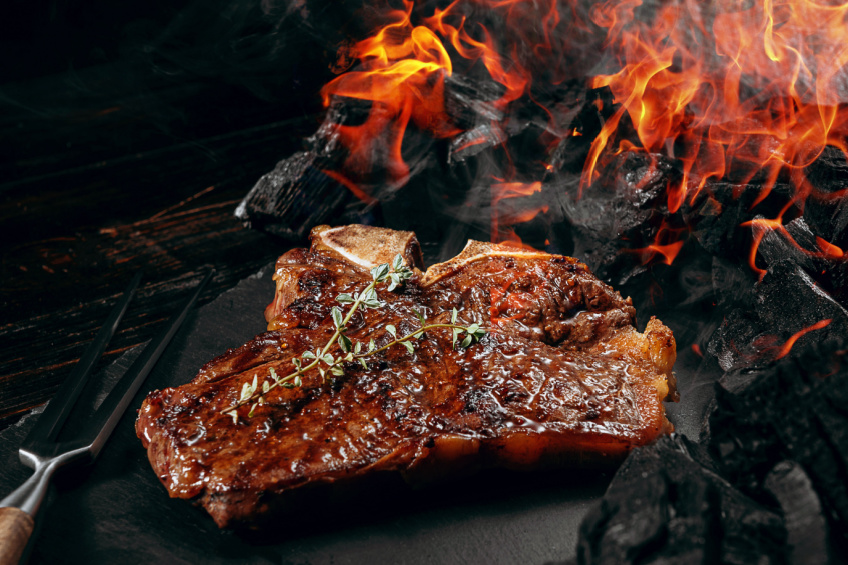 The best way to grill steak over charcoal is to build a hot, two-zone fire, sear the steak over direct heat, and finish cooking it to your preferred doneness. This method creates a flavorful, browned crust while giving you better control over the steak’s internal temperature.
Choose the Right Steak and Prepare It
Ribeye, strip steak, and T-bone are excellent choices for charcoal grilling because they develop a rich flavor over high heat. Steaks around 1–1½ inches thick are a good starting point for balancing a browned exterior with a juicy center.
Pat the steak dry with paper towels, season generously with salt and black pepper, and lightly coat it with a high-smoke-point cooking oil if desired. Drying the surface helps it brown more effectively.
Set Up a Two-Zone Charcoal Fire
Arrange the hot charcoal on one side of the grill, leaving the other side without direct coals. This creates a hot zone for searing and a cooler zone for finishing thicker steaks without burning the exterior.
Allow the coals to develop a layer of gray ash before cooking. Keep the cooking grate clean and preheat it thoroughly for better browning and to reduce sticking.
Sear the Steak Over Direct Heat
Place the steak directly above the hot coals and sear it for approximately 2–4 minutes per side, depending on its thickness, the heat of the fire, and the desired crust. Turn it with tongs and avoid repeatedly moving it around the grate.
If the flames flare up because fat drips onto the coals, move the steak temporarily to the cooler side. Excessive flames can char the outside before the center reaches the desired temperature.
Finish Cooking Over Indirect Heat
For a thick steak, move it to the cooler side of the grill after searing and close the lid. Continue cooking until the center reaches your target temperature, checking with an instant-read thermometer.
Approximate doneness temperatures before resting are:
- Rare: 120–125°F (49–52°C)
- Medium-rare: 130–135°F (54–57°C)
- Medium: 140–145°F (60–63°C)
- Medium-well: 150–155°F (66–68°C)
- Well-done: 160°F (71°C) or higher
These are common culinary doneness ranges, not all food-safety recommendations. For food safety, the USDA recommends cooking whole cuts of beef to 145°F (63°C), then resting for 3 minutes.
Rest the Steak Before Serving
Transfer the cooked steak to a clean plate or cutting board and let it rest for about 5–10 minutes, depending on its thickness. Resting allows the temperature to even out and helps reduce the amount of juice lost when you cut into it.
Slice against the grain where applicable and serve immediately.
How Long Should You Grill Steak on Charcoal?
Cooking time depends on the steak’s thickness, the intensity of the charcoal fire, and your preferred doneness. A steak about 1 inch thick may need only a few minutes per side over high heat, while a thicker cut often benefits from searing followed by indirect cooking.
Use a thermometer rather than relying on time or color alone.
Key Takeaways
- Use a hot, two-zone charcoal fire for better temperature control.
- Pat the steak dry to encourage a good sear.
- Sear over direct heat and finish thick steaks over indirect heat.
- Check internal temperature with a meat thermometer.
- Rest the steak before slicing and serving.