
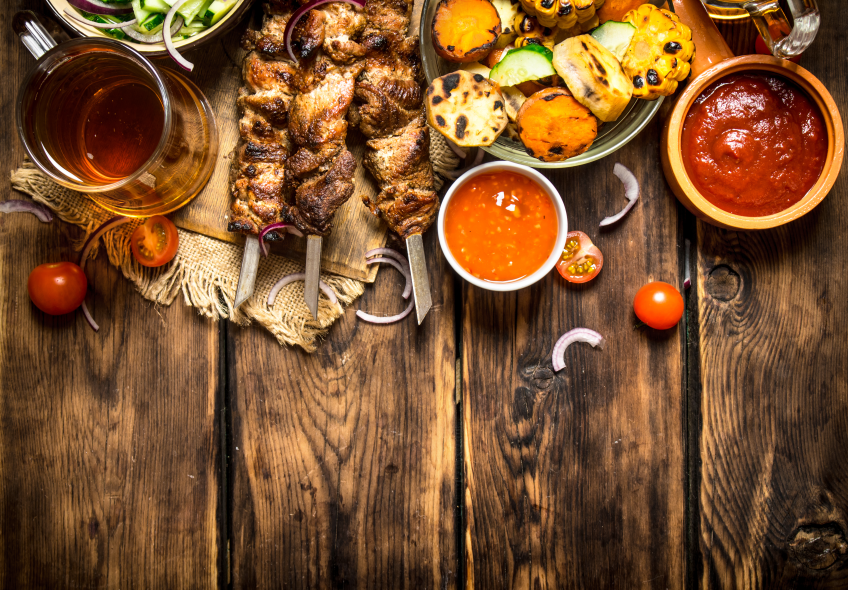
 Grilling season doesn’t have to mean choosing between good flavor and good health. Outdoor cooking can easily become a regular part of a healthy diet rather than an occasional treat.
The healthiest way to grill is to choose lean proteins, use moderate heat to limit charring, and fill your plate with vegetables. These habits can reduce exposure to harmful compounds that may form when meat cooks at high temperatures or is exposed to smoke. Healthy grilling isn’t about giving up flavor. It’s about using techniques that help protect your food and support a balanced diet.
Your choice of grill, marinade, and cooking time can all affect your meal. Learning the healthiest way to grill food helps preserve nutrients and reduce exposure to unwanted compounds.
The Healthy-Grilling Formula
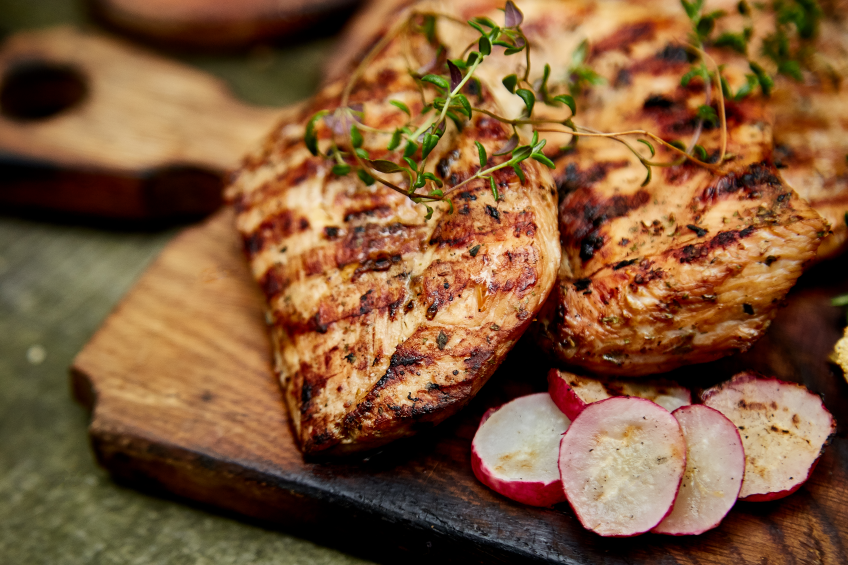 Healthy grilling comes down to choosing lean proteins and vegetables, cooking at moderate heat, and preventing flare-ups that can cause charring.
These habits can reduce the formation of harmful compounds while keeping food flavorful. Mindful outdoor cooking allows you to enjoy fresh air and rich flavors without compromising your wellness goals.
Choose Lean Foods and Use Moderate Heat
Lean proteins and vegetables are a good foundation for healthy grilling. Serving tender grilled vegetables alongside lighter meats adds nutrients without excess calories. Fish, chicken breast, tofu, and shrimp cook relatively quickly and contain less fat than many other options, which can reduce dripping and flare-ups.
Trim visible fat from meat before grilling. Less fat means fewer drippings and a lower chance of flare-ups and smoke. Medium to medium-high heat is generally preferable to very high heat. High heat can brown or burn the outside before the center is fully cooked.
A moderate approach can reduce exposure to compounds associated with high-temperature cooking, especially heterocyclic amines (HCAs). Cutting meat into smaller pieces or thinner cuts can also help it cook faster, limiting its time over direct heat.
Prevent Flare-Ups, Heavy Smoke, and Charring
Flare-ups happen when fat or juices drip onto flames or hot coals. The resulting smoke can deposit unwanted compounds on food.
Keep a spray bottle of water nearby to manage small flare-ups on a charcoal grill, but avoid spraying water on a gas grill. You can also move food to a cooler part of the grill if flames flare up.
Using a foil drip pan beneath the food can help catch drippings and reduce flare-ups while allowing the food to cook.
Flip your food regularly rather than leaving it in one spot. Turning meat every 30 to 60 seconds may reduce the formation of some harmful compounds, though cooking temperature and doneness also matter.
If food becomes charred, remove the blackened portions before eating. This can reduce your exposure to compounds concentrated in heavily charred areas.
Why High Heat and Smoke Matter
 Very high heat and smoke can contribute to the formation of two types of compounds that raise health concerns: heterocyclic amines (HCAs) and polycyclic aromatic hydrocarbons (PAHs). They form through different processes during cooking.
How HCAs Form in Meat
Heterocyclic amines (HCAs) form when meat, poultry, or fish is cooked at high temperatures. Heat can trigger reactions between amino acids, sugars, and creatine in muscle tissue.
HCAs form mainly on the surface of meat, where temperatures are highest. In general, higher temperatures and longer cooking times can increase their formation.
Well-done or charred meat may contain more HCAs than meat cooked for less time. Marinating meat before grilling can help reduce HCA formation.
Studies from the American Institute for Cancer Research suggest that certain ingredients, including rosemary, garlic, and turmeric, may lower HCA levels. Flipping meat often and avoiding prolonged cooking over direct high heat may also help.
How Drippings and Smoke Create PAHs
Polycyclic aromatic hydrocarbons (PAHs) form when fat and juices drip from food onto flames or hot coals, producing smoke.
The smoke can rise and deposit PAHs on the surface of food. This can happen more often with fatty cuts of meat, which produce more drippings.
You can reduce PAH formation by trimming excess fat before grilling. Moving coals to one side and cooking food away from direct flames can also help limit flare-ups.
Using a drip pan or cooking at lower heat can reduce smoke and flare-ups that contribute to PAH formation. Choosing leaner cuts of meat is another way to reduce exposure.
Choosing Between Electric, Gas, Charcoal, and Smokers
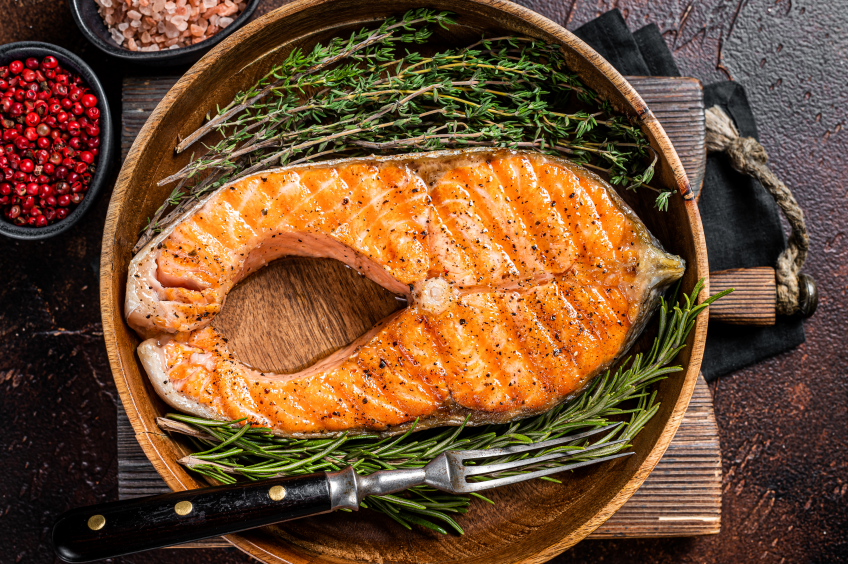
Different grills produce different amounts of smoke and make heat control easier or harder. Your choice of gas, charcoal, electric grill, or smoker can affect flavor and exposure to compounds associated with grilling.
Electric and Gas Grills: Easier Heat and Smoke Control
When searching for the healthiest grill for your patio, models that provide consistent temperature control stand out. Electric and gas grills generally make it easier to maintain steady heat.
Steady heat helps prevent burning, which may reduce the formation of harmful compounds.
With a gas grill, you can adjust the flame quickly, making it easier to respond to flare-ups and avoid charring food.
Electric grills produce no combustion smoke from fuel, although food can still create smoke as fat and juices cook. Because they do not burn charcoal or gas, electric grills may reduce some sources of smoke and flare-ups. They can also be convenient in limited outdoor spaces where an electrical outlet is available, as electric grills can suit small spaces or places with access to an outlet.
Gas grills can produce less smoke from fuel than charcoal grills. However, cooking technique, temperature, and dripping fat also affect the compounds that form, so the difference depends on how you grill, as gas grills may produce fewer compounds than charcoal grills when used with proper technique.
Consistent temperature makes gas grilling particularly beginner-friendly. Practicing gas grilling with indirect heat zones lets you cook proteins evenly while avoiding scorched surfaces.
Charcoal Grills: Managing Coals and Flare-Ups
Charcoal grills give food a smoky taste that many people enjoy. They can also produce more smoke and require closer heat management than gas or electric grills.
When fat drips onto hot coals, it can burn and create smoke that carries compounds onto food. Larger or longer flare-ups can increase the amount of smoke and charring.
You can reduce flare-ups with a few simple steps:
- Trim excess fat from meat before grilling
- Use a drip pan to catch grease before it reaches the coals
- Move food away from flare-ups instead of leaving it over direct flame
- Keep coals at a moderate, steady heat rather than letting them flare up and die down repeatedly
Charcoal grilling takes more hands-on effort than gas grilling. You need to monitor the coals and adjust airflow to control heat, since there’s no dial to turn.
Successful charcoal grilling relies on setting up a two-zone fire. Pushing briquettes to one side protects food from sudden flames and helps keep charcoal grilling both flavorful and health-conscious.
Smoking Meat: Understanding Prolonged Smoke Exposure
Smoking meat involves cooking food at low heat for a long time, often several hours. This slow process gives smoked meat its deep flavor, but it also exposes food to smoke for longer than typical grilling.
Longer smoke exposure can increase the amount of smoke-related compounds deposited on meat. If you frequently prepare smoked meat, moderation and smart prep techniques are key. The wood or fuel used also affects the type and amount of smoke produced.
You can reduce exposure with a few habits:
- Keep smoker temperatures low and steady instead of letting them spike
- Avoid direct contact between meat drippings and the fire source
- Trim visible fat before smoking to reduce dripping
- Choose leaner cuts of meat when possible
Charcoal and offset smokers produce a pronounced smoke flavor but require hands-on fire management, while gas and electric smokers offer steadier temperature control. If you want smoked flavor with less temperature adjustment, a gas or electric smoker may suit you better than a traditional charcoal setup.
Enjoying smoked meat as an occasional centerpiece rather than an everyday staple is another practical way to keep your cooking routine healthy.
Foods That Make a Healthier Grilled Meal
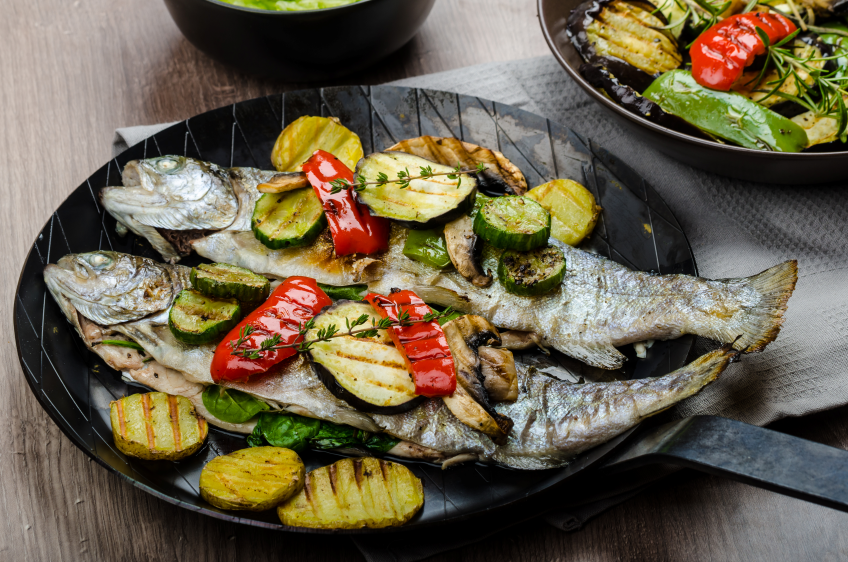 The food you put on the grill matters as much as how you cook it. Choosing nutritious proteins, vegetables, and fruits can help make a grilled meal part of a balanced diet.
Lean Proteins and Plant-Based Options
Your protein choice helps shape a healthy meal. Grilled chicken breast is a popular option because it’s high in protein and typically lower in fat than many other cuts of meat.
Other lean proteins work well too.
Try these options:
- Turkey breast
- Fish, like salmon or tilapia
- Shrimp
- Pork tenderloin
- Tofu or tempeh
- Portobello mushrooms
Fatty cuts of meat can drip grease onto hot coals, creating smoke that may deposit unwanted compounds on food. Trimming excess fat and using indirect heat can help reduce this.
Plant-based options like tofu and mushrooms add variety. Replacing some red meat with plant-based foods can also reduce saturated fat intake, depending on how the meal is prepared.
Vegetables and Fruits Worth Grilling
Grilling vegetables adds flavor without adding much fat. Heat brings out their natural sugars, making vegetables taste sweeter.
Adding a colorful variety of grilled vegetables to your plate boosts essential vitamins and fiber.
Good vegetables for the grill include:
- Bell peppers
- Zucchini
- Asparagus
- Corn on the cob
- Onions
- Grilled eggplant
Cut vegetables into even pieces so they cook at the same rate. Preparing seasoned grilled vegetables over indirect heat keeps them tender without scorching the edges.
Brush them with a small amount of olive oil to keep them from drying out.
Grilling fruits is another simple way to add nutrients to your plate. Pineapple, peaches, and watermelon all hold up well on the grill. The heat softens the fruit and deepens its flavor. Grilled fruit also makes a naturally sweet side dish without added sugar.
When grilling fruits, clean your grates thoroughly beforehand so sweet slices do not pick up savory residue. Grilling fruits over gentle, indirect heat prevents their natural sugars from scorching.
Prepare Food to Add Flavor and Limit Charring
 How you prepare food before grilling matters as much as how you cook it. Marinating meat and cutting food into even pieces can add flavor and help reduce charring.
Marinate Meat With Herbs and Acid
Marinating meat before grilling may reduce the formation of heterocyclic amines (HCAs) when meat is exposed to high heat. Acidic marinades made with lemon juice, vinegar, or wine can help.
Herbs can also help. Rosemary is one of the most studied herbs for this purpose and may substantially reduce the formation of these compounds. Other herbs from the mint family, including basil, thyme, sage, and oregano, may offer similar benefits.
Preparing marinated chicken breasts is an easy way to ensure poultry stays juicy and flavorful. Let the meat soak for at least 30 minutes before cooking.
Avoid sugary sauces, such as honey barbecue sauce, during grilling because sugar can increase charring. Brush sweet sauces on during the last few minutes of cooking instead.
Trim Fat and Cut Large Portions for Even Cooking
Cutting large pieces of meat into smaller, uniform portions helps them cook more evenly and faster, reducing the risk of burning the outside before the inside is done.
Trimming visible fat before grilling is another simple step. Fat that drips onto hot grates or flames can create smoke and flare-ups, increasing exposure to unwanted compounds. Leaner cuts can also reduce flare-ups.
Here are a few habits worth building into your routine:
- Cut thick cuts into thinner, uniform pieces
- Remove excess fat and skin before cooking
- Flip food often to help prevent flare-ups
- Use a meat thermometer to avoid overcooking
These small changes are easy to include in a healthy grilling routine and can improve how your food turns out.
Cook Thoroughly Without Overcooking
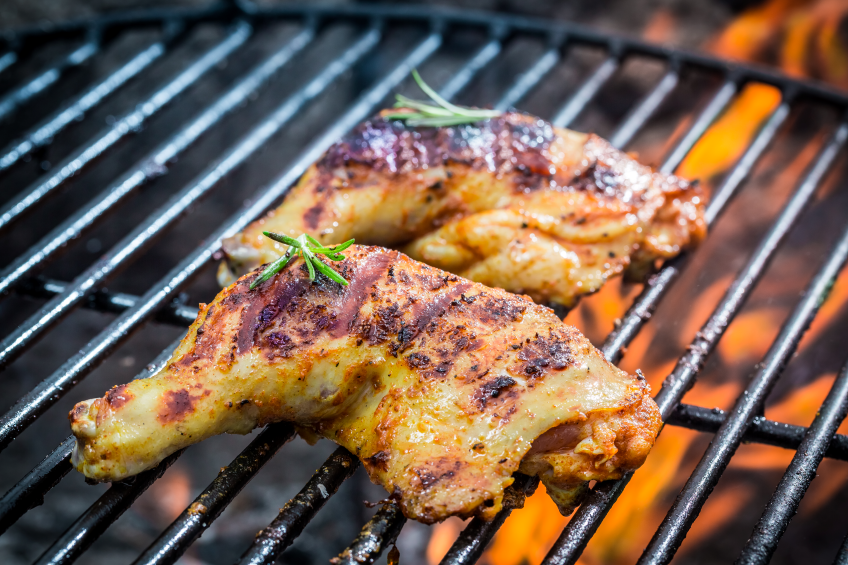 Meat needs to reach a safe internal temperature to kill harmful bacteria, but grilling it too long can dry it out and increase the formation of harmful compounds. The right heat setup, a food thermometer, and safe food-handling habits can help you cook meat thoroughly without overcooking it.
Use Indirect Heat and Adjust Grilling Time
Two-zone grilling gives you more control. Set one side of the grill to high heat and the other to low or no heat. Sear meat over high heat first, then move it to the cooler side to finish cooking without burning the outside.
This method works well for thick cuts, such as chicken breasts, pork chops, and bone-in pieces that need more time to cook through. Grilling time depends on the type and thickness of the food.
Thin cuts, such as burgers or fish fillets, cook faster than thick steaks or whole chicken breasts. Cutting meat into smaller, even pieces can also help it cook more evenly and reduce grilling time.
Check Doneness With a Food Thermometer
You cannot tell whether meat is safe to eat just by looking at its color. A food thermometer is the reliable way to check whether it has reached a safe internal temperature.
Here are some general safe internal temperatures to aim for:
- Chicken and poultry: 165°F
- Ground meats (beef, pork, lamb): 160°F
- Beef, pork, lamb steaks and roasts: 145°F, with a 3-minute rest time
- Fish: 145°F
Insert the thermometer into the thickest part of the meat, away from bone or fat. Once the food reaches the recommended temperature, remove it from the grill. Cooking it longer than needed can dry it out and increase the formation of unwanted compounds associated with overcooked meat.
Keep Raw and Cooked Foods Separate
Cross-contamination can undo all your other safe grilling techniques. Never place cooked food on a plate or cutting board that held raw meat, poultry, or seafood.
Use separate utensils and plates for raw and cooked foods. Keep two sets of tongs, spatulas, and plates on hand during your cookout.
Wash your hands, utensils, and surfaces with soap and hot water after they touch raw meat. If you use a marinade on raw meat, do not reuse it as a sauce unless you boil it first.
These simple grilling tips help protect you and your guests from foodborne illness, even when the meat is cooked thoroughly.
Adopting these healthy grilling tips allows you to enjoy great barbecue flavors while keeping every meal wholesome and nutritious. With the right techniques, outdoor cooking remains a delicious, health-conscious choice all year round.
FAQ: What Is the Healthiest Way to Cook on a Grill?
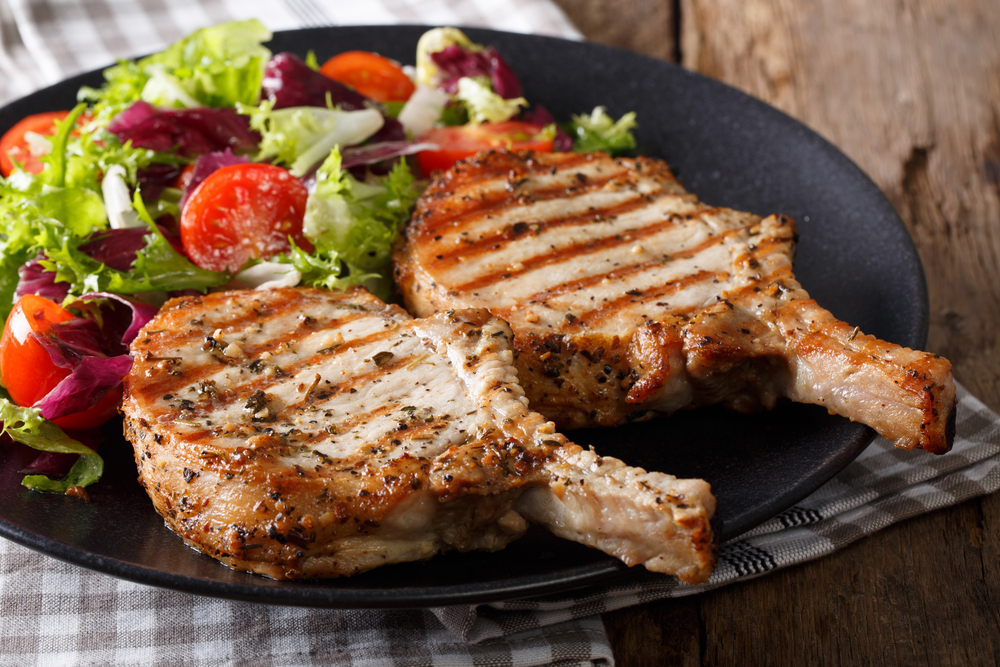 A healthier approach to grilling is to avoid excessive heat, flare-ups, prolonged cooking, and heavy charring, while including plenty of vegetables and other plant foods. Cooking meat at high temperatures can produce HCAs and PAHs, so reducing direct flame and smoke exposure can help limit these compounds. National Cancer Institute and American Institute for Cancer Research.
How Do You Reduce Harmful Compounds When Grilling?
Use moderate heat, avoid direct flames, turn meat frequently, and remove heavily charred portions before eating. Trimming excess fat can also reduce flare-ups caused by fat dripping onto hot coals or burners. National Cancer Institute.
Does Marinating Meat Make Grilling Healthier?
Marinating meat before grilling can help reduce the formation of HCAs. AICR notes that marinades containing ingredients such as vinegar or lemon juice, along with herbs and spices, may be particularly useful. American Institute for Cancer Research.
Are Grilled Vegetables Healthier Than Grilled Meat?
Grilled vegetables and fruits are a useful way to add more fiber, vitamins, and other plant nutrients to a barbecue. AICR notes that HCAs do not form in grilled vegetables and fruits in the same way they form in muscle meat, although heavily charring any food should still be avoided. American Institute for Cancer Research.
Should You Avoid Charred Meat?
It is sensible to avoid eating heavily charred or burnt portions of meat. Removing these areas can reduce exposure to HCAs and PAHs that can form during high-temperature cooking and exposure to smoke. National Cancer Institute.
Is Low-and-Slow Grilling Healthier?
Cooking meat at lower temperatures and avoiding prolonged exposure to intense heat can reduce the formation of HCAs and PAHs. Using indirect heat can also help minimize direct flame contact and flare-ups while allowing food to cook more gradually.