
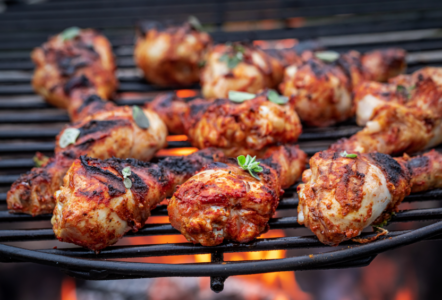
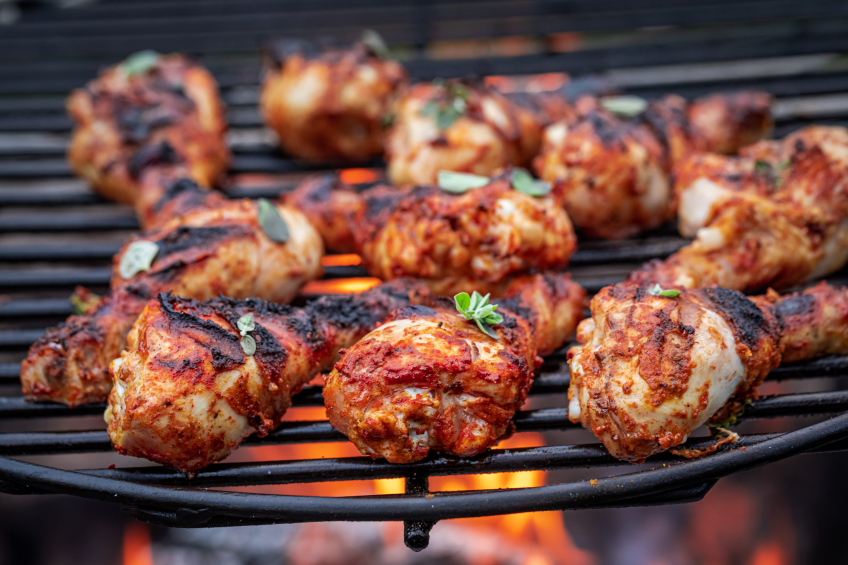
 Grilling chicken over charcoal gives it a smoky taste that is hard to get any other way. But if you leave it on too long or take it off too soon, you can end up with dry meat or chicken that is not safe to eat.
Most chicken pieces need 10 to 20 minutes on a charcoal grill, while a whole chicken takes about 60 to 90 minutes, with grill temperatures around 350°F to 450°F. Bone-in cuts like thighs and drumsticks often need 25 to 40 minutes over medium heat, so the exact time depends on the cut, its size, and the heat of your coals.
When grilling chicken on charcoal, having a clear plan ensures juicy results instead of burnt edges. This guide breaks down cooking times for different cuts of chicken, so you can grill with confidence. You will also learn how to set up your grill and check for doneness.
Cooking Times by Chicken Cut
 Cook times vary based on the cut, its thickness, and whether it is bone-in or boneless. Smaller, thinner pieces cook quickly, while whole birds take longer and are best cooked over indirect heat.
Boneless Breasts and Tenderloins
Boneless chicken breasts cook quickly on a charcoal grill. Expect them to take about 8 to 14 minutes, depending on thickness and grill temperature.
Tenderloins cook even faster because they are smaller. Grill them for around 6 to 8 minutes total. Flip the chicken halfway through cooking to help it cook evenly on both sides.
Pound thick breasts to an even size before grilling. This helps prevent the outside from drying out before the center is done. Boneless breasts typically cook in 8 to 12 minutes, making them a good choice when you are short on time.
Always check the internal temperature with a meat thermometer. Chicken is safe to eat when it reaches 165°F.
Thighs, Drumsticks, and Wings
These cuts have more fat and connective tissue than breasts, so they can withstand longer cooking without drying out as quickly.
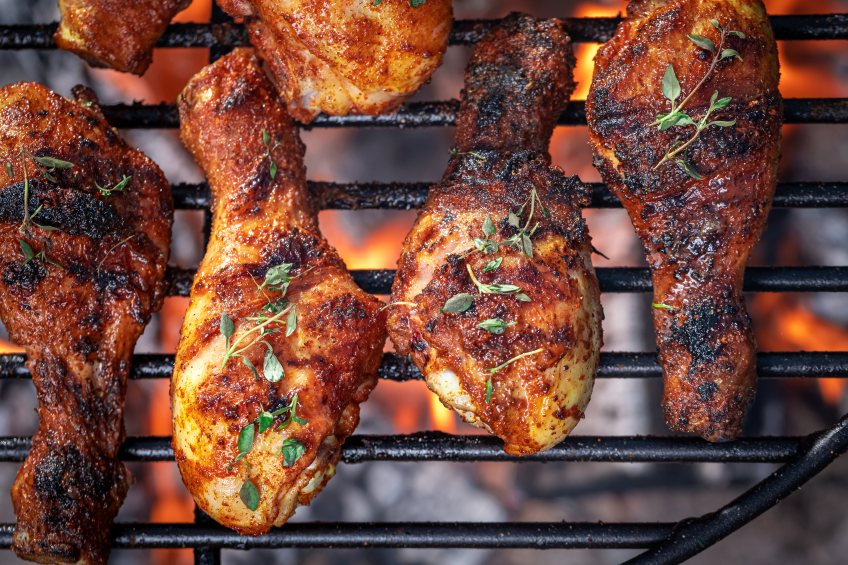
Bone-in thighs and drumsticks usually take 25 to 40 minutes over medium heat. A thin boneless breast can cook in about 10 to 14 minutes, while bone-in thighs and drumsticks take 25 to 40 minutes, so allow extra time if you are grilling a mix of cuts.
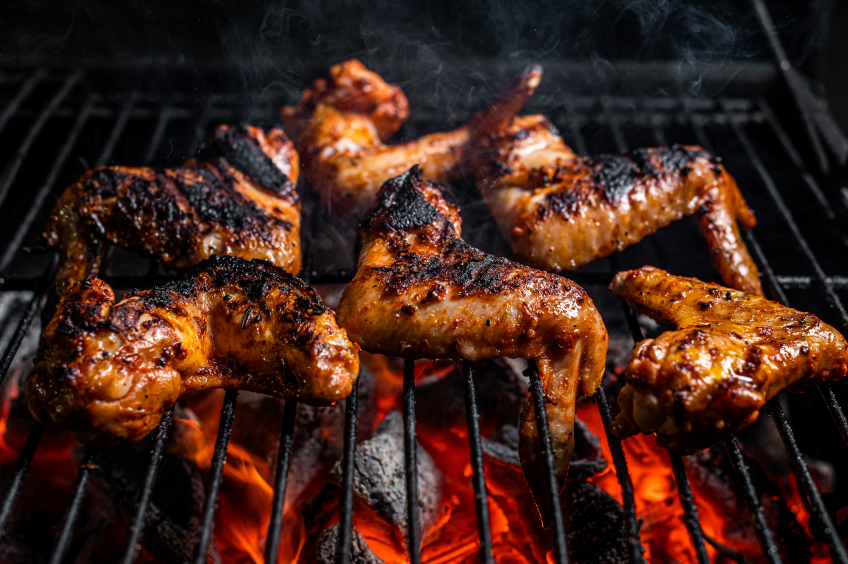
Wings cook faster because they are small. Expect them to take about 18 to 20 minutes, turning them often so the skin browns evenly.
Move these cuts to indirect heat if the skin starts to char too quickly. This lets the inside finish cooking without burning the outside.
Bone-In Breasts and Whole Chicken
Bone-in breasts take longer than boneless cuts because the bone slows heat transfer. Plan for about 30 to 40 minutes, flipping once or twice during cooking.
A whole chicken takes the most time and care. A whole chicken typically takes 60 to 90 minutes at medium-high heat, with the grill around 350°F to 450°F. The exact time depends on the bird’s size and the grill’s temperature.
Use indirect heat for whole chickens. Place the coals on one side of the grill and the chicken on the other to prevent the outside from burning before the inside cooks through.
Use a meat thermometer to check the thickest parts of the breast and thigh. The chicken is safe to eat when each reaches at least 165°F.
Internal Temperatures and Doneness
 Temperature, not time, tells you when chicken is done. A meat thermometer removes the guesswork and helps prevent serving undercooked or dried-out meat.
The Safe Minimum Temperature for Chicken
Chicken is safe to eat when it reaches an internal temperature of 165°F, as recommended by Weber’s grilling guide.
Dark meat can be cooked beyond the minimum for a more tender texture. Springer Mountain Farms notes that dark meat can reach 170°F to 175°F for a more tender bite.
The National Chicken Council also suggests 170°F as a target for leg quarters, which take longer to cook than breast meat, often 25 to 30 minutes on the grill.
For a whole chicken, check the breast and thigh separately. Both should reach at least 165°F before you take the bird off the grill.
Where and How to Check Each Cut
Thermometer placement matters as much as the reading itself.
- Chicken breast: Insert the probe into the thickest part, away from the grill grate. Avoid touching bone, since bone conducts heat and can give a misleading reading.
- Chicken thighs: Push the probe into the center, steering clear of the bone. Thighs often need a few extra minutes compared with breasts.
- Whole chicken: Check both the breast and the inner thigh. The thigh is close to the bone and may cook more slowly, so checking both spots helps confirm the bird is done.
Remove the chicken from the grill when it reaches a safe temperature and let it rest for five minutes. Carryover cooking may raise the internal temperature slightly.
Setting Up the Charcoal Grill
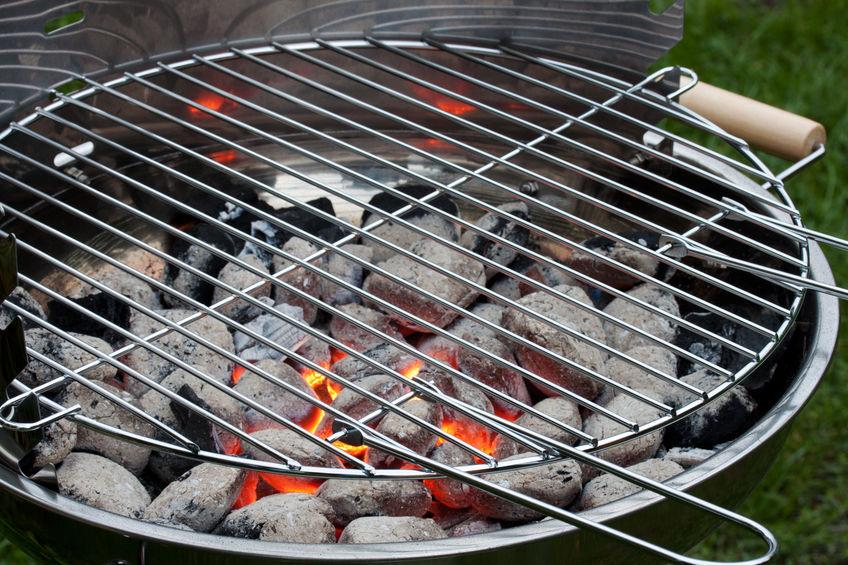 When grilling chicken on charcoal, a good setup starts with the right fuel and creates two heat zones. This gives you control over how quickly your chicken cooks, letting you move pieces between direct and indirect heat as needed.
Choosing Charcoal and Preheating the Grill
You have two main choices: briquettes or lump charcoal. Briquettes burn steadily, making them a reliable choice for beginners who want predictable heat. Lump charcoal burns hotter and can add a stronger smoky flavor, which many grillers prefer for chicken.
Light your charcoal with a chimney starter instead of lighter fluid. This helps produce even heat and avoids lighter-fluid flavor on your food.
Wait until the coals are covered with gray ash before cooking. This usually takes 10 to 15 minutes.
Once your coals are ready, place the grate on top and let the grill preheat for 5 to 10 minutes with the lid closed.
Creating Direct and Indirect Heat Zones
Push your hot coals to one side of the grill, leaving the other side empty. This creates a direct heat zone for searing and an indirect heat zone for slower cooking.
Use the hot side to sear the chicken skin and build color. Then move the chicken to the cooler side to finish cooking without burning the outside.
This two-zone method works well for bone-in cuts like thighs, which benefit from searing followed by slower cooking to reach a safe internal temperature. Thinner cuts, like boneless breasts, may cook over direct heat the whole time.
Keep the lid closed as much as possible. This traps heat and smoke, helping your chicken cook evenly.
Matching the Cooking Method to the Cut
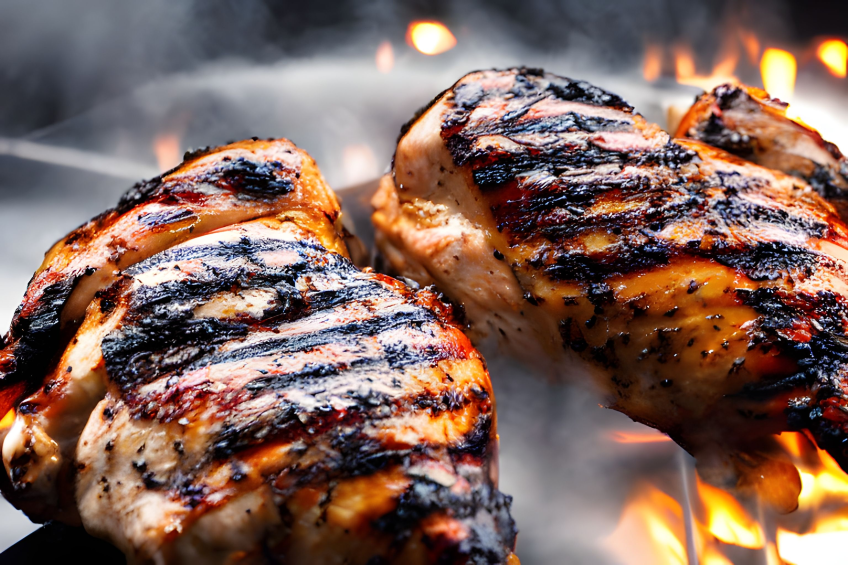 Different cuts of chicken need different heat levels to cook properly. Thin, boneless pieces cook quickly over direct heat, while thicker, bone-in cuts need slower, indirect heat to cook through without burning.
Grilling Thin Cuts Over Direct Heat
Boneless chicken breasts and other thin cuts cook best directly over the hot coals. This is called direct heat grilling.
The strong heat sears the outside quickly, creating grill marks and helping retain moisture.
Boneless chicken breasts usually take 8 to 12 minutes to cook this way. Flip them halfway through so both sides cook evenly.
If you pound your chicken breasts to an even thickness with a meat mallet, they will cook more evenly. Thin cuts can burn quickly, so watch them closely and check the temperature often.
Cooking Bone-In Pieces and Whole Birds Indirectly
Bone-in chicken thighs and a whole chicken need a different approach. These cuts are thicker, so direct heat alone can burn the outside before the inside is done.
Instead, use indirect heat. Place the chicken away from the hot coals so it cooks slowly and evenly, much like it would in an oven.
Many grillers start bone-in thighs over direct heat for a few minutes to brown the skin. Then they move the chicken to the indirect side to finish cooking.
A whole chicken cooks best over indirect heat. This slower method can take 50 minutes or more, depending on its size. Always check the thickest parts with a meat thermometer before serving.
Preparing Chicken for Even Cooking
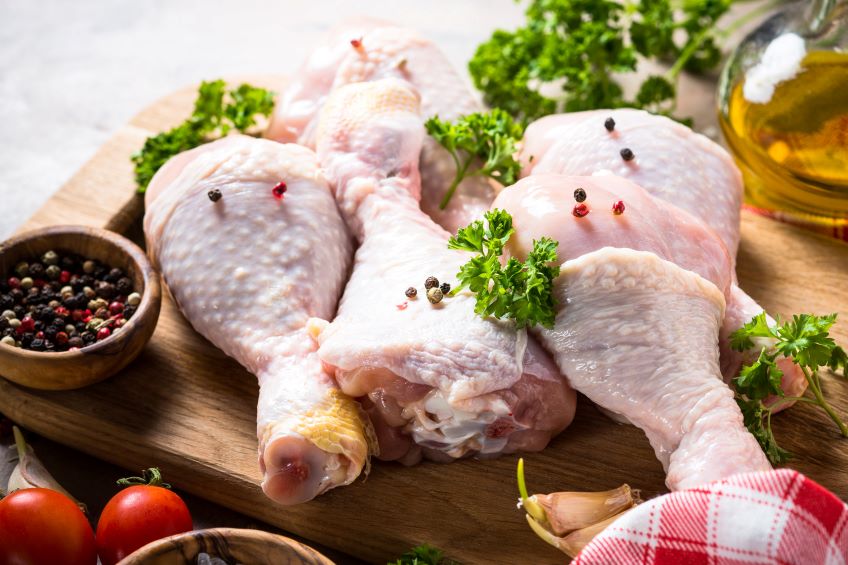 Preparing chicken before it hits the grill matters as much as cooking it. Thickness, skin, and seasoning all affect how evenly chicken cooks and how much flavor it retains.
Managing Thickness and Skin
Uneven thickness is one of the main reasons chicken cooks unevenly on the grill.
For boneless chicken breasts, pound the thicker end with a meat mallet or the bottom of a heavy pan until the piece is closer to an even thickness. This helps it finish cooking at the same time throughout.
You can also butterfly a whole chicken by removing the backbone and pressing the bird flat. This exposes more surface area to the heat and helps the chicken cook faster and more evenly.
Skin also affects grilling. Leaving it on helps keep the meat moist, but it needs direct contact with the grates to crisp. Pat the skin dry before grilling so it browns rather than steams.
Marinades, Seasonings, and Sugary Sauces
Marinating chicken adds flavor and can help keep lean cuts, such as boneless breasts, tender. Marinate for at least 30 minutes; a few hours in the refrigerator allows more time for the flavors to develop.
Dry seasoning rubs are a simpler option. A mixture of salt, pepper, and spices adheres to the surface and forms a light crust as the chicken cooks.
Use sugary barbecue sauces carefully. Sugar burns quickly over direct heat, so brush sauce on during the last few minutes of grilling rather than at the start. This helps prevent charring while creating a sticky, caramelized finish.
Avoiding Common Grilling Problems
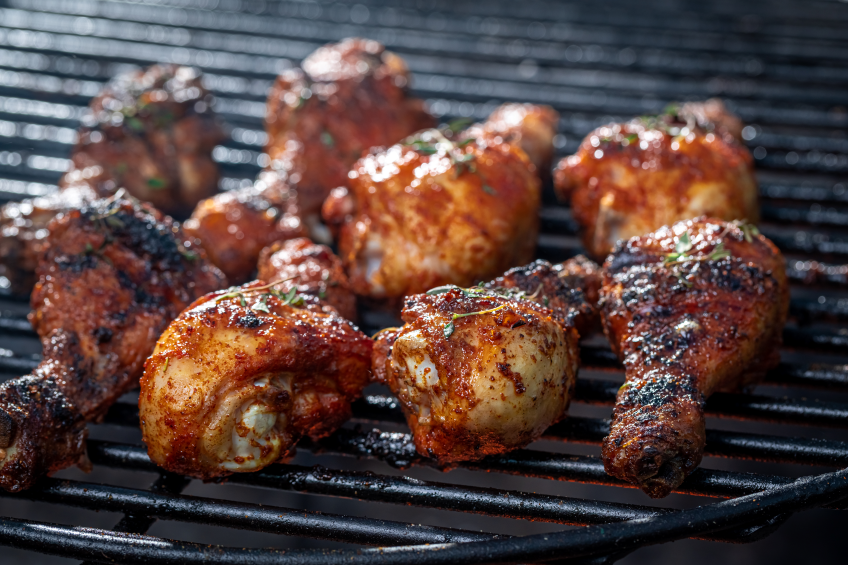 Flare-ups and overcooking are common hurdles when grilling chicken on charcoal. A few simple habits can help keep your grilled chicken juicy and prevent both problems.
Preventing Flare-Ups and Burnt Exteriors
Flare-ups happen when fat drips onto hot coals and causes sudden flames. These flames can char the outside of the chicken while the inside remains undercooked.
Set up a two-zone grill: place coals on one side for direct heat, leaving the other side coal-free for indirect heat. Sear the chicken over direct heat for a few minutes, then move it to the indirect-heat side to finish cooking.
Use these tips to help keep flames under control:
- Trim excess fat and skin before grilling
- Keep a spray bottle of water nearby to calm sudden flames
- Avoid pressing down on the chicken with tongs or a spatula, since this releases juices that can cause flare-ups
- Close the grill lid partway to limit oxygen reaching the flames
If black, charred spots form quickly, move the chicken away from direct heat right away.
Resting Chicken Without Overcooking It
Use a meat thermometer to check the chicken’s internal temperature. For food safety, cook it to 165°F, measured in the thickest part, before removing it from the heat.
Chicken continues cooking for a few minutes after you take it off the grill. This is called carryover cooking.
Let the chicken rest on a clean plate or cutting board for 5 to 10 minutes before cutting into it. Cover it loosely with foil to keep it warm without trapping steam, which can make the skin soggy.
Resting also gives the juices time to redistribute through the meat. Cutting too soon can cause them to run out, leaving the chicken dry.
FAQ: How Long to Cook Chicken on a Charcoal Grill?
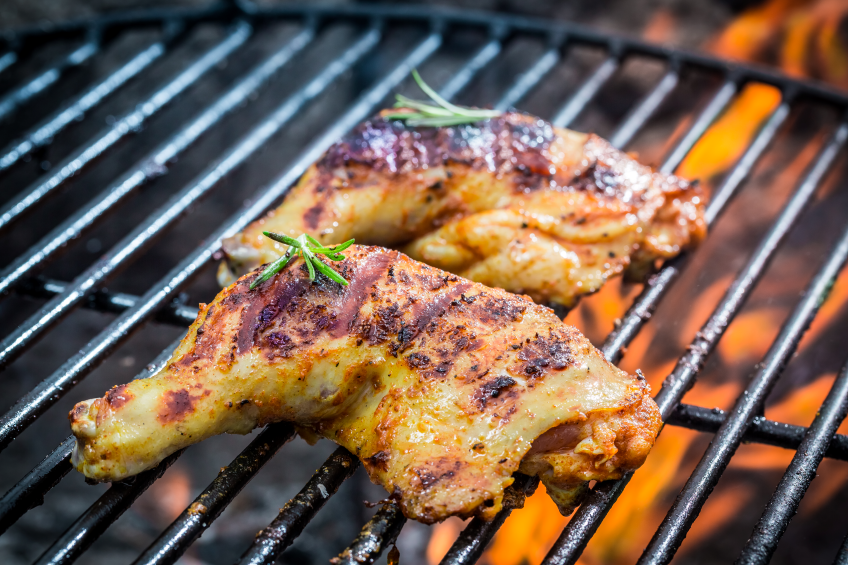 Chicken typically takes 20 to 40 minutes on a charcoal grill, depending on the cut, thickness, bone-in or boneless preparation, and grill temperature. The most reliable way to know chicken is done is to check that the thickest part reaches 165°F (74°C) with a food thermometer.
How Long Does It Take to Grill Chicken Breasts?
Boneless, skinless chicken breasts typically take about 15 to 25 minutes over medium to medium-high heat, depending on their thickness. Turn them during cooking and check the thickest part with a thermometer rather than relying solely on time.
How Long Does It Take to Grill Chicken Thighs?
Boneless chicken thighs generally take around 15 to 25 minutes, while bone-in thighs may take approximately 25 to 35 minutes. Cook them until the thickest portion reaches 165°F (74°C), while avoiding excessive charring.
How Long Does It Take to Grill Chicken Wings?
Chicken wings usually take approximately 20 to 30 minutes over moderate heat. Turn them regularly to promote even cooking and move them away from direct flames if the skin begins to burn before the meat is fully cooked.
How Long Does It Take to Grill Chicken Legs?
Chicken drumsticks commonly take around 25 to 35 minutes on a charcoal grill. Because they contain bone and vary in size, use an instant-read thermometer to confirm that the thickest part reaches 165°F (74°C).
Should You Grill Chicken Over Direct or Indirect Heat?
A combination of direct and indirect heat works particularly well for chicken. Start thicker pieces over indirect heat so they cook through without burning the exterior, then move them over direct heat near the end to brown and crisp the skin.
What Temperature Should Chicken Be on a Charcoal Grill?
The grill itself can be maintained around 350°F to 450°F (177°C to 232°C) for many chicken recipes, but the exact cooking temperature depends on the cut and cooking method. Regardless of grill temperature, chicken should reach a safe internal temperature of 165°F (74°C) before serving.
How Do You Keep Chicken From Burning on a Charcoal Grill?
Use a two-zone fire so you have a cooler area available when the chicken begins to brown too quickly. Keep the lid closed when appropriate, control the charcoal and vents, and move chicken away from direct flames caused by dripping fat.