
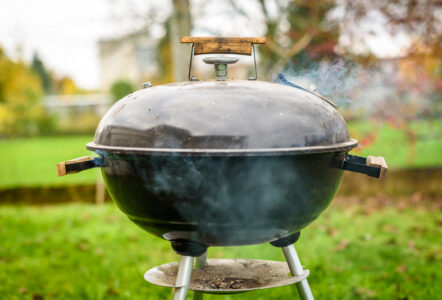

A kettle grill is a round charcoal grill with a domed lid, and many people use it for everyday outdoor cooking.
Kettle grills offer good heat control, smoky flavor, and the ability to cook many types of food, while being simple to use and easy to move. Grill burgers over direct heat, or move the coals to one side and slow-cook a whole chicken with indirect heat. The round shape helps hot air circulate around the food, supporting consistent results whether you are searing or roasting.
If you want an affordable grill that is easy to clean and delivers charcoal flavor, a kettle grill might be the right choice for you. This guide covers its main benefits, including heat retention and portability, to help you decide whether this classic outdoor cooker fits your needs.
Versatility Across Cooking Methods
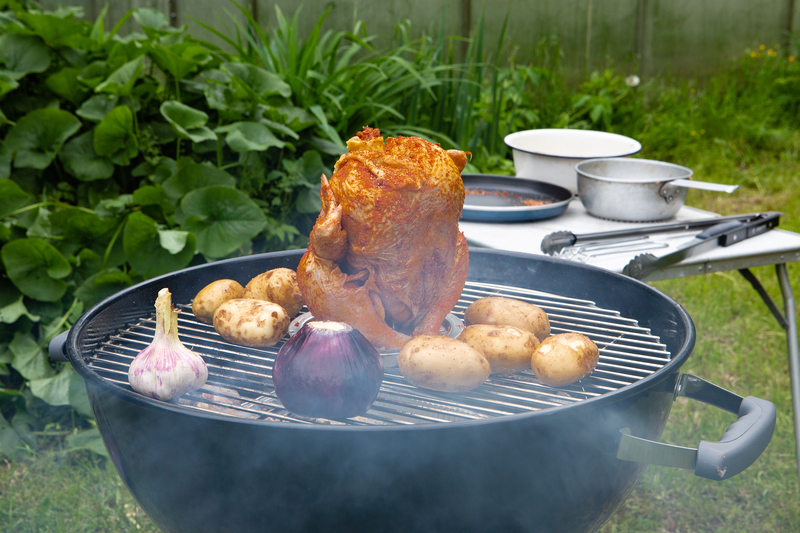 A single kettle grill supports several methods for outdoor cooking. Move the charcoal to switch between direct grilling, indirect cooking, and smoking.
Direct Grilling for Quick Meals
Direct grilling is a fast way to cook on a kettle grill. Spread the coals in an even layer beneath the cooking grate so the heat reaches your food directly from below.
This method works best for foods that cook quickly. Burgers, hot dogs, steaks, and sausages are well suited to direct grilling because they need only a few minutes on each side.
High heat sears the outside, but watch food closely to prevent thin cuts from burning. It remains one of the fastest approaches to outdoor cooking when you want an easy meal.
Indirect Grilling and Roasting
For indirect grilling, push the coals to one side of the grill instead of spreading them out. Place the food on the other side, away from the coals, so it cooks more slowly in the circulating heat.
This method is ideal for roasting whole chickens, turkeys, and thick cuts of meat. The gentler heat helps cook food through without burning the outside.
Kettle grills work well for this style of cooking. The rounded lid helps circulate hot air around the food, promoting even heat distribution and reducing cold spots.
Reliable heat retention allows the grill to cook like an oven, turning out evenly roasted meats.
Smoking Meats on a Kettle Grill
You can also use a kettle grill for smoking, although it is not designed like a dedicated smoker. It is best suited to smaller cuts and shorter smoking sessions, since maintaining low heat for many hours can be difficult.
Chicken pieces, pork chops, and ribs are good options for smoking meats on a kettle grill. Add wood chips to the charcoal, close the lid, and let the smoke flavor the food as it cooks.
The vents regulate airflow and temperature, helping you maintain low, steady heat. This lets you add smoky flavor without buying a separate smoker.
Steadier Heat and Greater Temperature Control
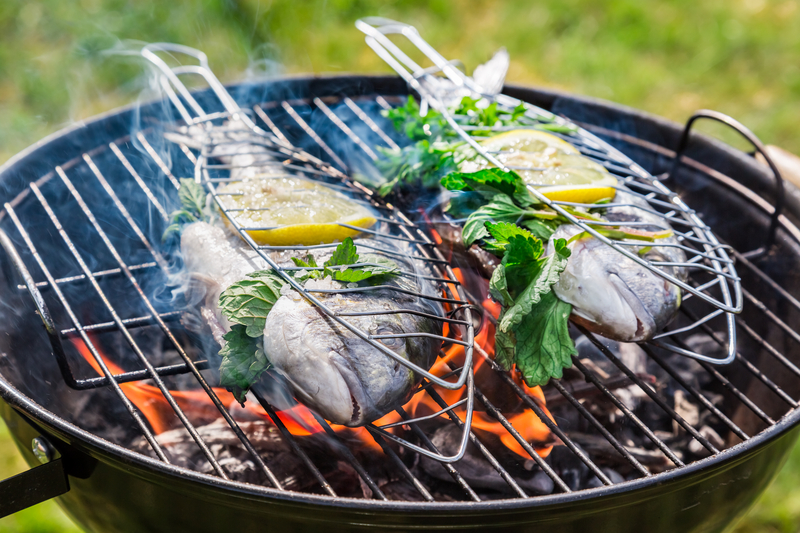 A kettle grill’s round shape and vent system provide balanced heat distribution and regulate the fire. This can make it easier to manage cooking temperatures, though heat may still vary depending on coal placement and airflow.
How the Lid Circulates Heat
The domed lid helps kettle grills distribute heat and maintain temperature. When you close the lid, hot air circulates around the food rather than rising straight up and escaping.
This circulation is called convection. It helps heat reach the top and sides of food as well as the bottom, resulting in more uniform heat distribution.
You may not need to flip food as often for even cooking. Proper heat retention under the lid also keeps the cooking temperature stable over time.
How Adjustable Vents Regulate the Fire
Kettle grills have vents at the top and bottom. These vents control how much air reaches the charcoal, and airflow feeds the fire.
Opening the vents lets in more air, making the fire burn hotter and faster. Closing the vents reduces airflow, cooling the fire and helping it burn more slowly.
Look for models with adjustable vents and dampers, which let you control cooking temperature. Small adjustments can change the heat, reducing the need to add or remove charcoal. This makes it easier to maintain a steady temperature for longer cooks or raise the heat for a quick sear.
Charcoal Flavor for Grilling and Barbecue
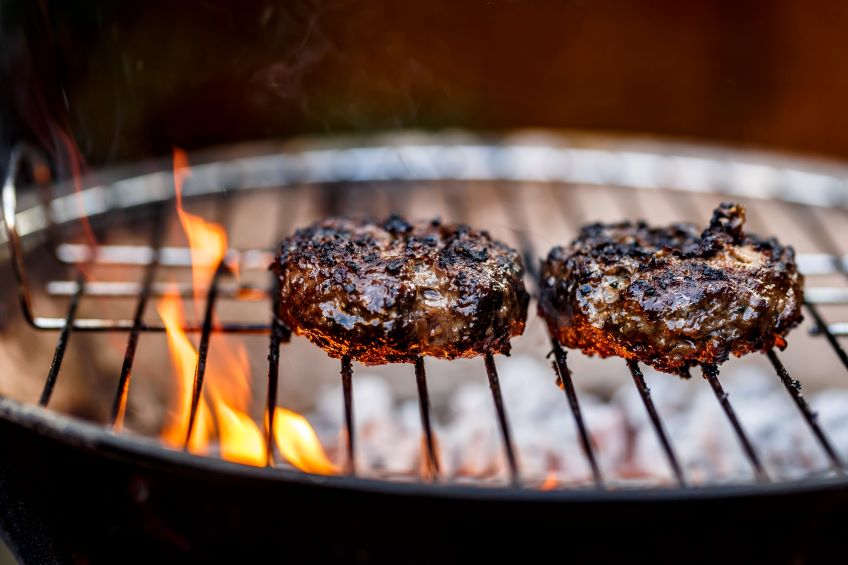 A kettle grill gives food a distinct charcoal-grilled flavor. This flavor comes mainly from smoke produced by the charcoal and by fat and juices that drip onto the hot coals.
Flavor From Charcoal and Drippings
Charcoal burns hot and produces smoke as it heats, adding flavor to food.
As meat cooks, fat and juices can drip onto the coals and produce smoke. That smoke rises and flavors the food, adding a taste that gas or electric grills do not reproduce in the same way.
This process is especially noticeable with fattier cuts, such as burgers, sausages, and chicken thighs. Lean cuts like chicken breast can still taste good, but produce fewer drippings and less smoke flavor.
Adding Wood for a Smokier Cook
You can intensify the smoky flavor by adding wood to your charcoal. Wood chips or chunks placed near or on the coals smolder and release smoke as you cook. They can be used for quick grilling and longer barbecue cooks.
Different types of wood produce different flavors.
Here are a few common choices:
- Hickory – strong, bacon-like flavor, good for pork and ribs
- Mesquite – bold and earthy, best for beef
- Applewood – mild and slightly sweet, works well with chicken or fish
- Cherry – light and fruity, pairs well with most meats
For longer smoking sessions, soak wood chips in water for about 30 minutes first if you choose to soak them. Soaking may delay ignition, but it does not reliably make wood smoke for longer.
Practical Benefits for Everyday Use
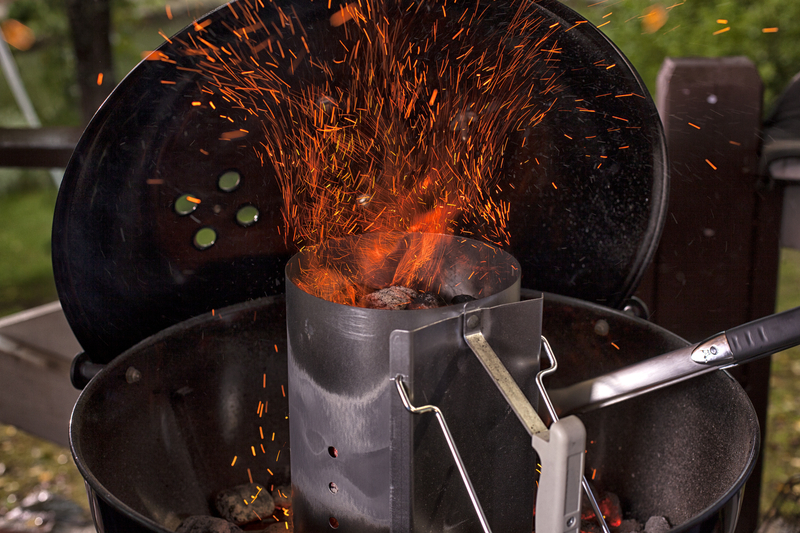 A kettle grill’s compact design can suit smaller spaces, and charcoal is widely available as fuel. Removable ash catchers on some models can also make cleanup simpler.
Compact Size and Portability
Many kettle grills are easy to move. Models with wheels can be rolled around a patio or driveway, while lighter models can be lifted for transport. Check the manufacturer’s guidance before using a grill at a campsite or tailgate, and never use charcoal grills indoors or in enclosed spaces.
The round shape can take up less floor space than some rectangular grills. This may suit a small yard or limited storage area. Check local rules before using a charcoal grill on an apartment balcony.
Some models have wheels built into the base, making them easier to move when you are done cooking. This mobility makes the kettle a convenient choice for outdoor cooking on patios and decks.
Fuel Use and Cleanup
Kettle grills run on charcoal, so they do not require propane tanks or a gas line. Careful airflow management maximizes fuel efficiency, letting a modest amount of charcoal burn steadily for hours.
You can also close the vents completely when finished to snuff out coals, boosting fuel efficiency by saving leftover fuel for your next meal.
Many kettle grills come with a removable ash pan or catcher. This lets you dispose of cooled ash without scooping it out by hand, as described in this guide to the EasyDump Ash Pan feature.
Features such as removable ash catchers can make cleanup and teardown easier.
Features That Affect Long-Term Value
 A kettle grill’s materials and components affect how long it lasts and how well it works over time. Some features cost more upfront but may save money and effort later.
Durable Bowl, Lid, and Grate Materials
The bowl and lid on a kettle grill should be made from porcelain-enameled steel. This coating helps resist rust and withstand high heat over many years of use. The heavy enamel finish also improves heat retention, helping the grill hold target temperatures with less fuel.
The Weber Original Kettle Premium Charcoal Grill uses porcelain-enameled steel, one reason it remains popular with grillers looking for a durable charcoal grill. Look for stainless steel components on parts such as the grate and vents. Stainless steel handles heat and moisture better than plain steel, so it can resist wear and corrosion longer.
Cheaper grills often use thin steel that can dent or rust after a season or two. A grill with durable materials in the bowl, lid, and grate may need fewer repairs and replacements over time.
Useful Features to Look For
Design details can make a big difference in how easy your grill is to use and maintain.
Check for these features before you buy:
- Ash catchers: These sit under the grill and collect ash, making it easier to empty without a mess and speed up cleanup after each cook.
- Adjustable vents: Vents on the top and bottom let you control airflow and manage the temperature for grilling or smoking.
- Locking lid: A lid that locks in place can help keep heat steady and prevent spills when moving the grill.
- Wheels or handles: These make it easier to move your grill around your yard or into storage.
These features add convenience and, with proper care, can help extend your grill’s service life.
When Another Grill Might Suit You Better
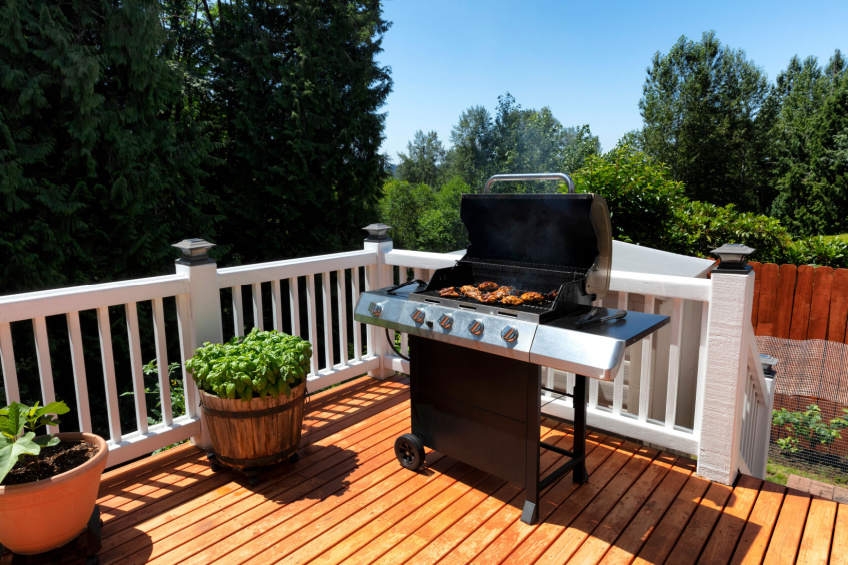 A kettle grill is not the right fit for every cook. If you value speed, hands-off cooking, or digital controls, another grill type may better match your needs.
Kettle Grills Versus Gas Grills
Gas grills light with the push of a button. You do not need to light charcoal or wait for the coals to be ready. If you cook on busy weeknights, this speed matters. A gas grill also provides steady heat with less effort.
Kettle grills require more hands-on work. You have to manage the vents and charcoal placement to control the heat.
In return, charcoal can add a smoky flavor that gas grilling does not typically provide. Choose gas if convenience is your priority. Choose a kettle grill if you prioritize charcoal flavor, versatility, and value, as discussed in this comparison of kettle grills for flavor, versatility, and value.
Kettle Grills Versus Pellet Grills
Pellet grills use an electric auger to feed wood pellets into a fire, providing set-and-forget temperature control. Set your desired temperature on a digital controller, and the grill maintains it. This makes pellet grills well suited to long cooks, such as smoking ribs or brisket.
Kettle grills require you to adjust the vents by hand during cooking, which takes more attention and practice.
Pellet grills also cost more upfront and need electricity to run. If you want low-maintenance smoking, a pellet grill may suit you. If you prefer manual control and a lower upfront cost, choose a kettle grill.
Is Charcoal Grilling Cheaper Than Gas Grilling?
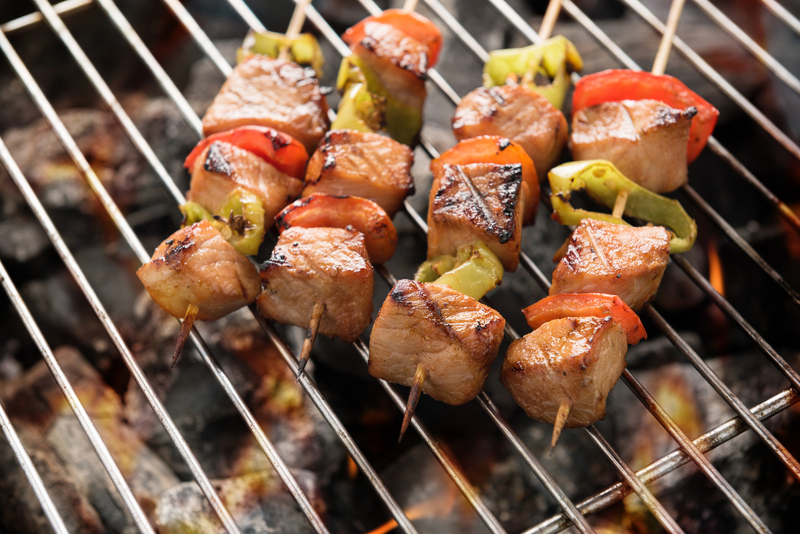 Whether charcoal grilling is cheaper than gas grilling depends on the initial cost of the grill, fuel prices, and how frequently you cook outdoors. Charcoal grills are often less expensive to purchase, but gas grills can be more economical to operate for frequent grilling because propane can provide multiple cooking sessions from a single tank.
Charcoal also needs to be replaced regularly, with the amount used depending on the grill, cooking temperature, and length of each grilling session. Gas grills, on the other hand, allow you to control the burners precisely and turn the fuel off immediately when cooking is finished, which can make them more efficient for regular use.
For occasional grilling, the lower purchase price of a basic charcoal grill can make it an economical option. However, if you grill several times a week, fuel costs and efficiency become more important, and a gas grill may offer lower ongoing cooking costs.
Ultimately, the more economical choice depends on how often you grill, local charcoal and propane prices, and the cost and efficiency of the grill itself.
Why the Weber Original Kettle Premium Charcoal Grill is a Top Choice
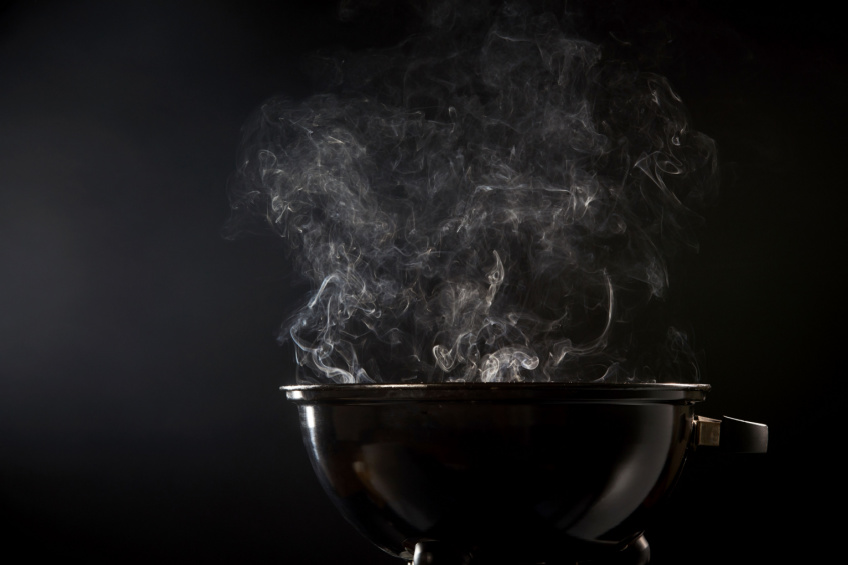 The Weber Original Kettle Premium Charcoal Grill, is a classic kettle-style grill that combines simple design with practical features for everyday charcoal cooking.
Its 22-inch cooking grate provides enough space to cook for a family or small gathering, with capacity for up to 13 burgers at once. The porcelain-enameled bowl and lid help retain heat while resisting rust and peeling, providing durability for regular outdoor use.
A built-in lid thermometer makes it easier to monitor cooking temperatures, while the One-Touch cleaning system simplifies ash removal after grilling. The grill also features durable wheels, making it easy to reposition around the backyard when needed.
Overall, the Weber Original Kettle Premium combines generous cooking space, effective heat control, and convenient cleaning features in a straightforward charcoal grill design.
FAQ: What Are the Benefits of a Kettle Grill?
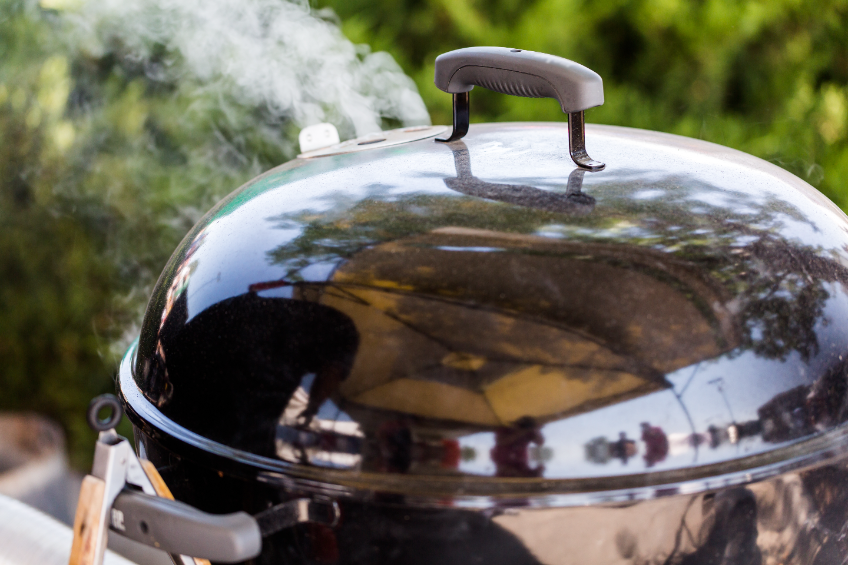 Kettle grills are popular because they are simple, versatile, and relatively affordable. Their rounded design helps retain heat and makes them suitable for both direct grilling and indirect cooking.
Why Is a Kettle Grill Good for Grilling?
A kettle grill can reach high temperatures for searing steaks, burgers, and other foods while also providing enough space for different heat zones. The adjustable vents allow you to control airflow and regulate the cooking temperature.
Can You Smoke Food on a Kettle Grill?
Yes. A kettle grill can be used for low-and-slow cooking and smoking by arranging the charcoal to one side and placing the food away from the direct heat. The lid helps retain heat and smoke around the food.
Are Kettle Grills Good for Indirect Cooking?
Yes. Indirect cooking is one of the main advantages of a kettle grill. Charcoal can be placed on one side while the food cooks on the opposite side, allowing you to roast larger or slower-cooking foods without placing them directly over the coals.
Are Kettle Grills Easy to Use?
Kettle grills have a relatively simple design with few mechanical components, making them straightforward to operate and maintain. Learning how to manage the charcoal and vents is important for maintaining consistent temperatures.
Are Kettle Grills Affordable?
Many kettle grills are less expensive than larger gas or premium charcoal grills, although prices vary considerably by brand, size, and features. Their simple construction also makes them a practical option for people who want a versatile charcoal grill without a large cooking system.