
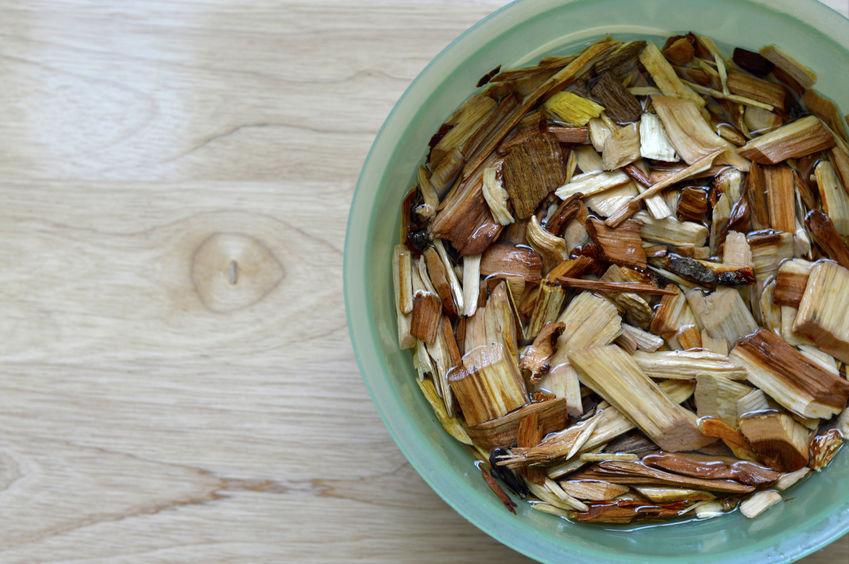
Soaking wood chips before smoking is a common practice, but how long you should soak them varies.
While some recommend soaking for up to 24 hours or more, most agree that soaking wood chips for at least 30 minutes is sufficient to improve smoke generation.
Soaking helps prevent the chips from burning too quickly and allows them to smolder longer.
Longer soaking times, such as 8 to 12 hours or even a full day, are often suggested for wood planks or chunks.
However, soaking beyond a few hours doesn’t significantly increase water absorption, because water penetrates wood only slightly after the surface is saturated.
This means soaking too long doesn’t provide extra benefits and could delay the smoking process unnecessarily.
Understanding the right soaking time is useful for anyone looking to optimize their smoking technique without unnecessary waiting.
This article breaks down the best practices for soaking wood chips and explains why excessive soaking isn’t needed for most smoking situations.
Recommended Soaking Times for Wood Chips
Soaking wood chips affects how long they burn and the smoke intensity during cooking.
Different cooking methods and wood types may require variations in soaking time to achieve optimal flavor and smoke control.
Standard Soaking Duration
Wood chips are typically soaked for at least 30 minutes before use.
This allows chips to absorb water, which slows their ignition and prolongs smoke production.
Some sources suggest soaking up to 2-3 hours to increase burn time, but more than a few hours offers diminishing returns.
Chips soaked less than 30 minutes often produce less smoke and can burn quickly.
However, soaking overnight is unnecessary and may reduce smoke quality.
Users should remove soaked chips from water about 30 minutes before cooking to let excess water drain.
Soaking for Different Cooking Methods
For high-heat grilling or quick smoking, soaking wood chips for 30-60 minutes is generally sufficient.
The moisture helps chips smolder rather than burn rapidly, providing a steadier smoke.
When using slow smokers or pellet grills, soaking is less crucial, especially for wood chunks.
Small chips may not require soaking at all for long, low-temperature cooking.
For charcoal or gas grills, soaking chips extends smoke duration, useful during short smoke sessions.
Wood chunks, by contrast, rarely need soaking, as their larger size maintains longer smoldering without water.
Soaking Times by Wood Type
Hardwoods like hickory and oak benefit from soaking times of 1-2 hours.
Their dense structure absorbs more water, which helps regulate smoke output.
Softer woods such as fruit woods (apple, cherry) require less soaking—around 30 minutes—to avoid muffling their delicate smoke flavors.
Always avoid oversaturating wood chips since soaking too long (24+ hours) can reduce effective smoke and cause chips to produce steam rather than smoke.
Adjust soaking based on the wood’s density and desired smoke strength.
Why Soak Wood Chips?
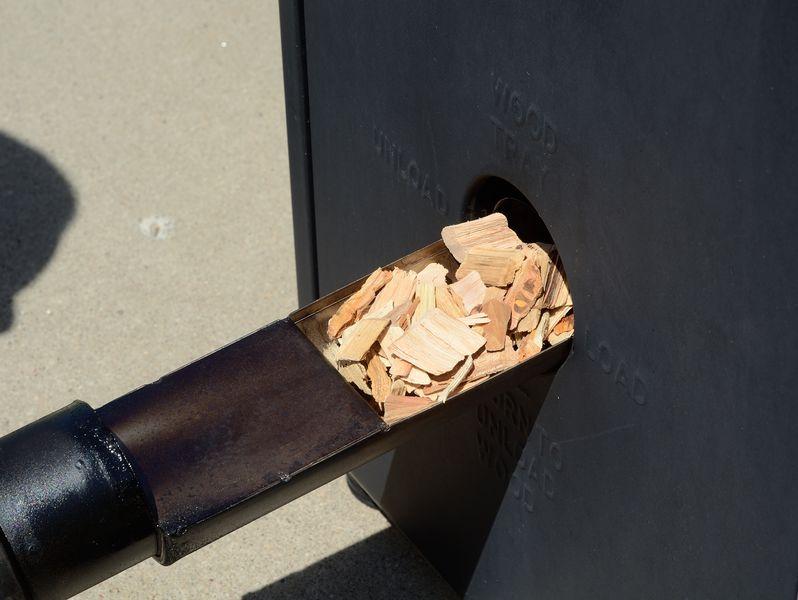
Soaking wood chips is done with specific goals in mind, such as controlling burn time and managing the type of smoke produced.
Some people believe soaking changes the flavor or improves the smoking process, but the facts about its actual effects are more precise.
Purpose of Soaking
Soaking wood chips primarily aims to slow their combustion.
When soaked, chips retain surface moisture that must evaporate before they burn, which can extend the smoldering time slightly.
This is intended to produce smoke longer during a cook without adding more chips.
People soak chips for 30 minutes to several hours, believing that longer soaking leads to better results.
However, wood chips only absorb water superficially, so the internal moisture does not increase much, even after extended soaking.
This limits the practical impact soaking has on burning duration.
Impact on Smoke Production
Contrary to popular belief, soaked wood chips produce more steam than smoke initially because moisture must evaporate.
This steam can cool the fire and delay smoke formation, potentially reducing the efficient generation of flavorful wood smoke.
Soaked chips can also cause longer cook times because the heat used to vaporize water is energy not used for combustion.
This may dry out food if the heat source struggles to maintain temperature.
Dry chips light more quickly and produce smoke more consistently for grilling or smoking.
Common Misconceptions
One common misconception is that soaking wood chips enhances smoke flavor.
In reality, moisture in soaked chips creates steam, which dilutes smoke intensity rather than intensifying aromatic compounds.
Another misunderstanding is that soaking prevents chips from burning too fast.
Since chips absorb little water internally, soaking does not drastically slow burn rates or eliminate flare-ups.
Some argue soaking is unnecessary or even counterproductive because it can cause inconsistent smoke and longer cooking times.
Factors That Influence Soaking Time
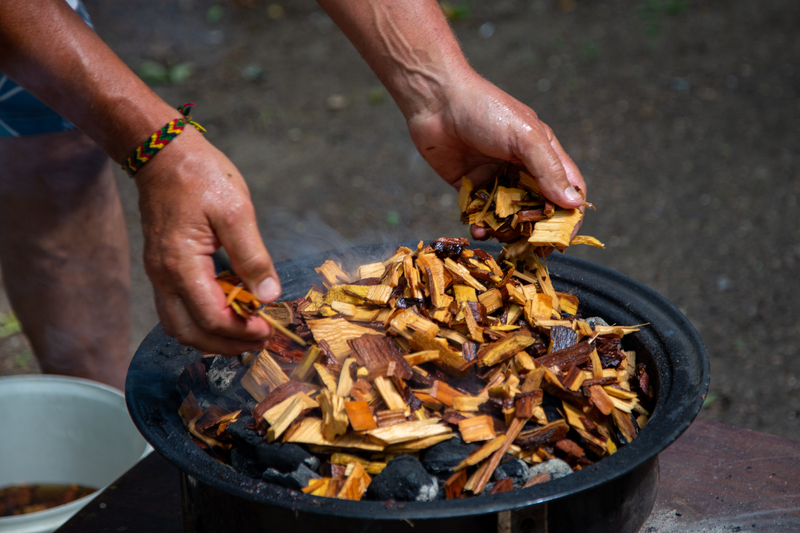
Soaking time varies depending on chip characteristics, grill or smoker type, and the desired smoke flavor.
Each factor plays a role in how long wood chips should be soaked to balance smoke production and cooking efficiency.
Size and Thickness of Wood Chips
Smaller, thinner wood chips absorb water faster but only minimally.
Even after soaking, wood chips don’t soak deeply due to their cellular structure.
Larger chunks or thicker chips may benefit from longer soaking times, typically 24 hours or more, because their size slows water penetration.
However, soaking mainly delays the chips catching fire rather than increasing smoke.
Soaking for 30 minutes to a few hours is common for typical chips.
Over-soaking does not increase smoke but can cause smoldering that affects flavor negatively.
Type of Grill or Smoker
Gas and electric grills heat quickly, so soaked chips in these setups can slow reaching smoking temperature, extending cooking time.
Therefore, soaking may not be necessary and can hinder performance.
Charcoal smokers allow direct heat contact, so unsoaked chips usually work fine.
Chunks intended for longer smokes might be soaked longer to produce steady smoke.
For pellet smokers, chips are usually dry, relying on technology to control smoke, so soaking is rarely recommended.
Desired Intensity of Smoke
Soaking chips slightly can extend smoke duration but does not increase smoke volume.
It delays ignition, causing a slower, steadier release of smoke.
Dry chips ignite quickly and produce intense smoke bursts but burn faster.
Soakers aiming for milder or longer smokes might soak for 30 minutes to an hour.
Excess soaking produces wet chips that smolder unevenly, creating bitter or acrid smoke.
Adjust soak time based on whether rapid, heavy smoke or slow, controlled smoke is preferred.
How to Properly Soak Wood Chips
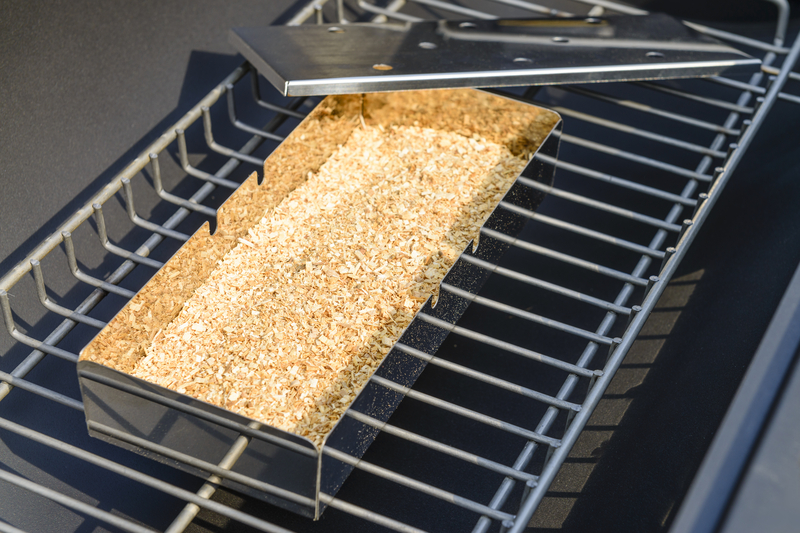
Soaking wood chips involves a few careful steps to ensure they hold enough moisture for effective smoking without becoming waterlogged.
The choice of liquid impacts flavor subtly, while proper draining prevents excessive steam during cooking.
Steps for Effective Soaking
Start by placing wood chips in a container large enough to allow full submersion.
Cover the chips entirely with liquid and let them soak for at least 30 minutes.
Soaking for an hour is common, but longer soak times, like 24 hours, are generally unnecessary.
Agitation during soaking can help remove dust and expose all chips evenly to the liquid.
After the soak, remove the chips promptly to avoid oversaturation, which may delay smoke production.
Choosing the Right Soaking Liquid
Plain water is the most common and effective soaking liquid, as it hydrates the wood chips without altering their natural smoke flavor.
Some use alternatives like apple juice, beer, or wine, which can add subtle flavor notes during smoking.
However, these liquids can increase stickiness and cause quicker combustion, so use them with caution.
Avoid soaking in oils or heavily sugary liquids, as these can produce unpleasant flavors or excessive smoke.
Draining and Preparing Wood Chips After Soaking
After soaking, drain wood chips thoroughly to remove excess water.
Excess water creates steam rather than smoke, which can interfere with the smoking process and flavor.
Spread the chips out on a tray or paper towel for 5–10 minutes before placing them on the smoker or grill.
This brief drying helps reduce initial steam without drying the chips too much.
Wood chips should be moist but not dripping when added to heat.
This balance ensures a steady smoke for flavor without delay.
Alternatives to Soaking Wood Chips
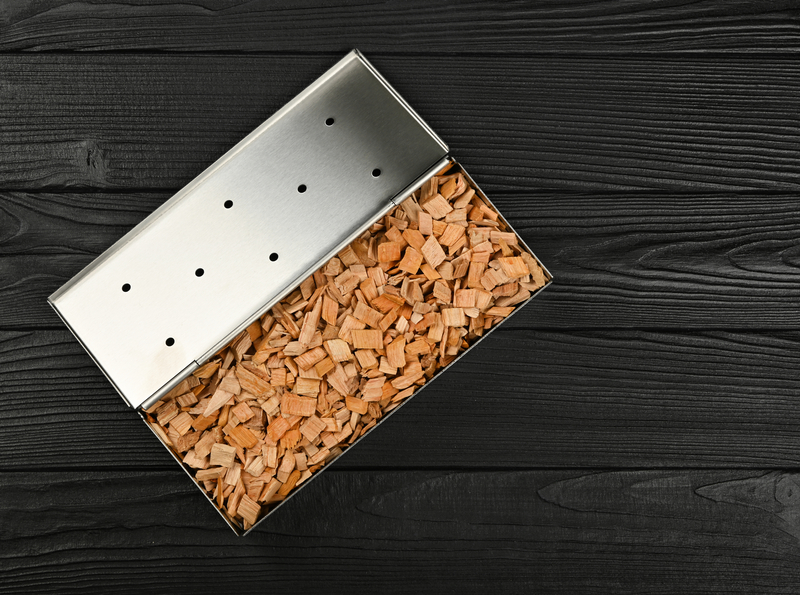
Soaking wood chips is not the only way to produce smoke when grilling or smoking.
Using dry wood chips or adjusting smoking techniques can achieve the desired flavor and smoke intensity without prolonged soaking.
Using Dry Wood Chips
Dry wood chips burn faster than soaked ones, creating quicker bursts of smoke.
They are ideal for shorter cooking times or when a strong smoke flavor is needed quickly.
Because dry chips ignite faster, they may require careful monitoring to prevent burning and bitterness.
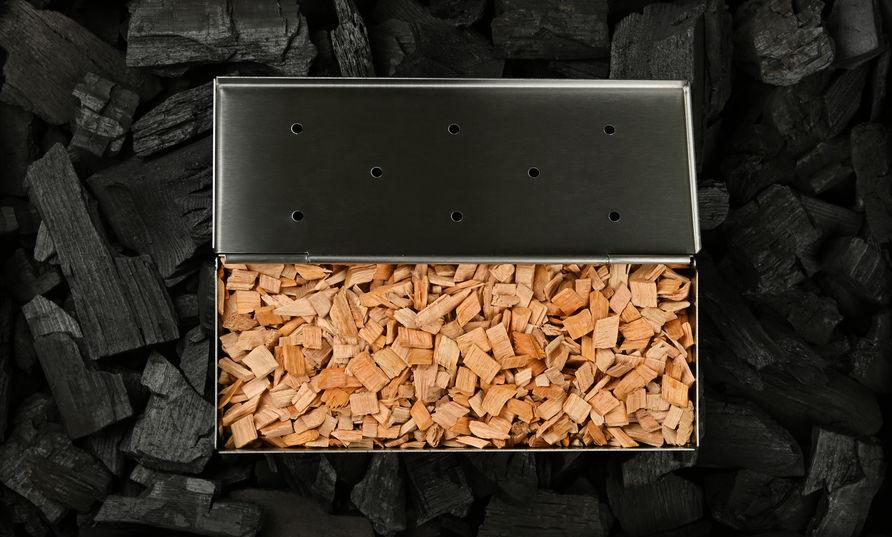
It is common to add them sparingly during cooking or use a smoker box to contain and control their burn rate.
Using dry chips also avoids the mess and waiting time associated with soaking.
This method is preferred when cooks want a cleaner, more direct smoke impact without moisture dampening the heat source.
Smoking Techniques Without Soaking
Many professional smokers skip soaking altogether, relying instead on indirect heat and controlled airflow to manage smoke production.
This prevents the chips from smoldering too quickly and burning up.
Techniques include placing dry wood chips on coals or in smoker boxes with water pans nearby to maintain moisture in the cooking environment.
Adjusting grill temperature and airflow ensures sustained smoke without soaking.
This approach enhances smoke flavor by maintaining consistent heat and preventing chips from extinguishing prematurely.
It requires attention but delivers reliable, flavorful results without waiting hours for soaking.
What are the Best Wood Chips to Buy?
It can take some experimentation to find a smoke flavor that works for your favorite red meat, poultry, fish, and other ingredients.
It’s best to start with a variety pack.
The Western Wood Smoking Chip Pack contains six varieties for you to try:
- Apple is perfect for Pork with a delicate fruity flavor.
- Cherry is sweet and fruity and is a favorite for poultry.
- Pecan is a nutty wood that is perfect for chicken and game birds.
- Post Oak works best with dark cuts like beef.
- Hickory is a versatile classic used for pork and beef.
- Mesquite has a strong smoky flavor that works well with chicken.
When you soak your wood chips for at least ten minutes before cooking, you’ll get better results with more flavor.
Try using wood chips and create your best gourmet meals yet.
Common Mistakes When Soaking Wood Chips
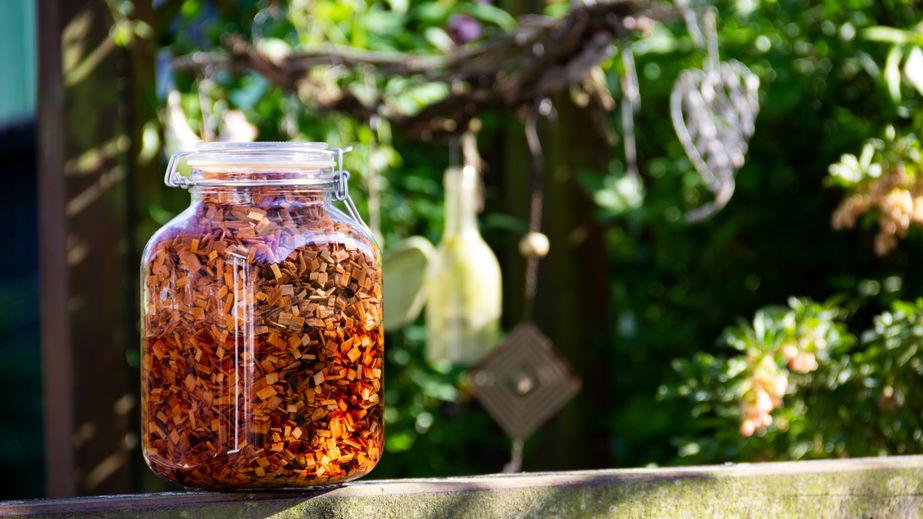
Soaking wood chips requires balance to avoid common pitfalls that affect smoke quality and cooking time.
Mistakes can either reduce smoke output or cause unintended delays and dryness.
Over-Soaking Issues
Soaking wood chips for too long can saturate them beyond the useful moisture level.
Excess water causes the chips to smolder rather than burn cleanly, producing steam instead of smoke.
This steam can delay the process by up to an hour as the water evaporates before smoking starts.
Over-soaked chips may also weaken the smoke flavor.
The prolonged wetness slows combustion, leading to uneven smoking and extended cook times.
It is generally unnecessary to soak chips longer than 8-12 hours.
Beyond this, benefits plateau while risks of inefficient burning increase.
For wood chunks, soaking is usually not recommended as they absorb minimal water.
Under-Soaking Risks
Not soaking wood chips at all can cause them to ignite too quickly and burn out fast.
This limits the duration of smoke production, especially for finer chips.
Quick burning means you may need to add chips more frequently during cooking.
Fine wood chips benefit from a short soak (around 20-30 minutes) to slow their burn rate, allowing steady smoke release.
Without any soaking, chips may smolder excessively when exposed to moist food surfaces, creating bitter flavors.
Under-soaking risks uneven smoke and can result in less control over smoke intensity and timing.
Balancing soak time based on chip size and cooking goals helps maintain desired smoking performance.
Expert Tips for the Best Results
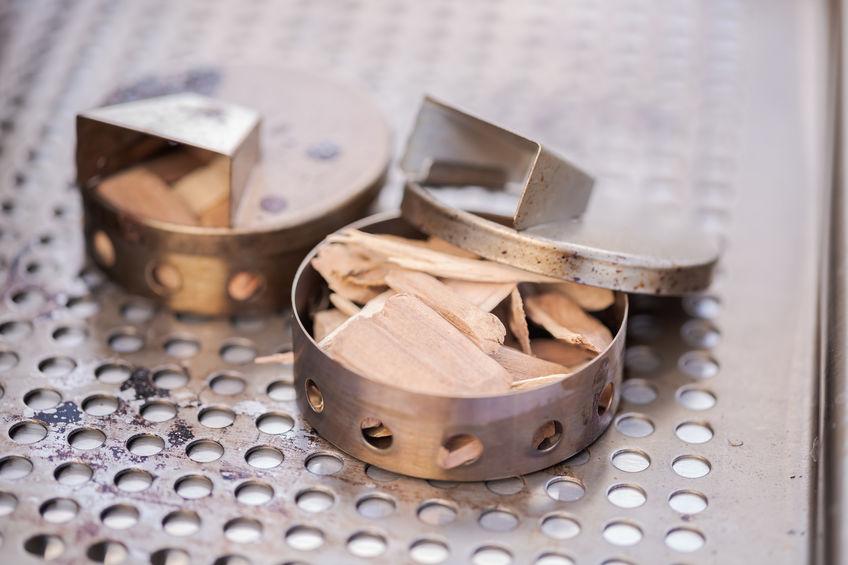
Effective soaking techniques depend on the type of recipe and desired smoking intensity.
Knowing when to adjust soak time and how to enhance flavors safely can improve the quality of smoked foods.
Adjusting Soak Time for Recipes
Soaking wood chips for 30 minutes is generally sufficient to prevent them from burning too quickly.
However, some cooks extend soak time to an hour or more for a slower, longer smoke.
For quick, high-heat smoking, shorter soak times or even dry chips can be effective.
Longer soaks benefit low-and-slow recipes, helping chips smolder rather than flare.
Wood chunks require longer soaking periods if soaked at all, but usually, they are used dry for consistent heat.
Removing soaked chips from water about 10-15 minutes before use allows them to start drying slightly, which can improve smoke production.
Enhancing Flavor With Additives
Adding ingredients to the soaking water can subtly influence smoke flavor.
Common additives include apple juice, beer, or vinegar.
These liquids add moisture and can infuse mild fruity, tangy, or malty notes into the smoke.
However, additives should be used sparingly to avoid overpowering the natural wood smoke.
Saltwater is typically avoided since it can increase corrosion of grills and produce undesirable flavors. Users should test additives in small batches to assess flavor impact before applying to full recipes.