

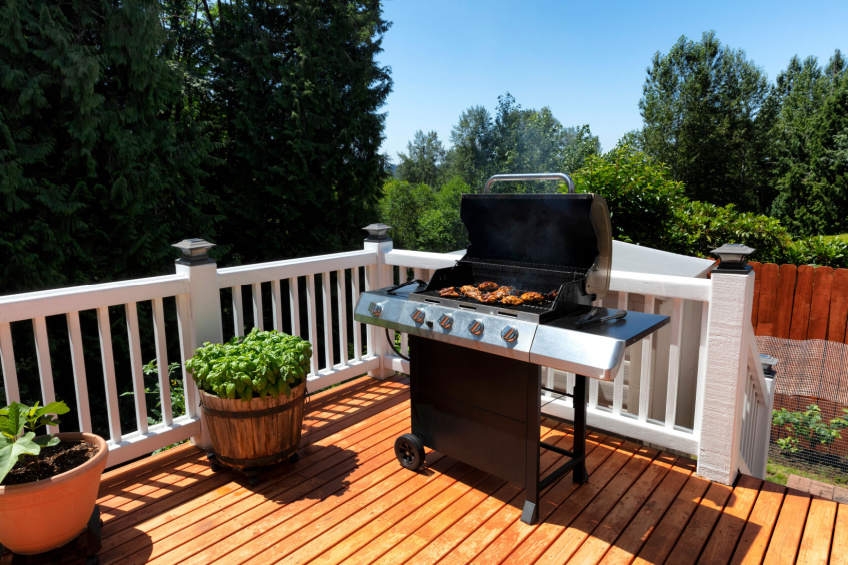
Choosing the right grill depends heavily on understanding how burner count affects your outdoor cooking experience.
The main difference between 2-burner and 4-burner grills lies in cooking capacity, heat control options, and the ability to prepare multiple dishes simultaneously at different temperatures.
A 2-burner grill offers simplicity and portability, making it suitable for smaller households and limited outdoor spaces.
The compact design provides adequate cooking surface for basic grilling needs while maintaining fuel efficiency and easier maintenance requirements.
A 4-burner grill delivers expanded cooking capacity and enhanced versatility for larger gatherings and more complex meal preparation.
The additional burners create multiple heat zones, allowing cooks to manage different foods at varying temperatures while accommodating rotisserie attachments and other cooking accessories that require dedicated burner space.
Overview of 2-Burner and 4-Burner Grills

2-burner grills typically offer 300-500 square inches of cooking space and suit households of 2-4 people, while 4-burner grills provide 500-700 square inches and accommodate groups of 6-10 people.
The main differences center on cooking capacity, heat control zones, price, and portability.
What Is a 2-Burner Grill?
A 2-burner grill features two independently controlled gas burners positioned side by side beneath the cooking grates.
These grills typically measure 20-30 inches in width and provide 300-500 square inches of total cooking surface.
Most 2-burner models generate 20,000-30,000 BTUs of total heat output.
This configuration creates two distinct heat zones, allowing cooks to use direct high heat on one side while maintaining lower heat or an indirect cooking zone on the other.
Key characteristics include:
- Compact footprint suitable for small patios or balconies
- Weight ranges from 40-80 pounds for portability
- Price points typically fall between $150-$600
- Ideal cooking capacity for 2-4 people
The dual-burner setup works well for simple grilling tasks like burgers, chicken breasts, or vegetables.
Many models include side tables, warming racks, and basic temperature gauges.
What Is a 4-Burner Grill?
A 4-burner grill contains four separate gas burners arranged in a rectangular pattern beneath the cooking surface.
These units typically span 40-60 inches in width and offer 500-700 square inches of primary cooking area.
Total BTU output ranges from 40,000-60,000 across the four burners.
This configuration creates multiple heat zones for simultaneous cooking of different foods at varying temperatures.
Standard features include:
- Larger cooking grates accommodating 12-20 burger patties
- Multiple heat zones for versatile cooking methods
- Weight ranges from 80-150 pounds
- Price ranges from $300-$1,500
The four-burner layout enables techniques like searing steaks on high heat while slow-cooking vegetables on medium heat.
Users can also create indirect cooking zones by turning off center burners while keeping outer burners active.
Additional features often include side burners, rotisserie attachments, and built-in thermometers.
Key Differences at a Glance
| Feature | 2-Burner Grill | 4-Burner Grill |
|---|---|---|
| Cooking Surface | 300-500 sq inches | 500-700 sq inches |
| BTU Output | 20,000-30,000 | 40,000-60,000 |
| Serving Capacity | 2-4 people | 6-10 people |
| Weight | 40-80 lbs | 80-150 lbs |
| Price Range | $150-$600 | $300-$1,500 |
| Heat Zones | 2 zones | 4 zones |
Cooking versatility differs significantly between the two options.
2-burner grills limit users to basic direct and indirect cooking methods.
4-burner models enable complex techniques like rotisserie cooking, smoking, and simultaneous preparation of multiple dishes.
Portability favors 2-burner units due to their lighter weight and smaller dimensions.
Many 2-burner grills include wheels and folding side tables for easy transport.
Space requirements vary considerably, with 2-burner grills fitting on small balconies while 4-burner models need dedicated patio space or deck areas.
Cooking Capacity and Performance
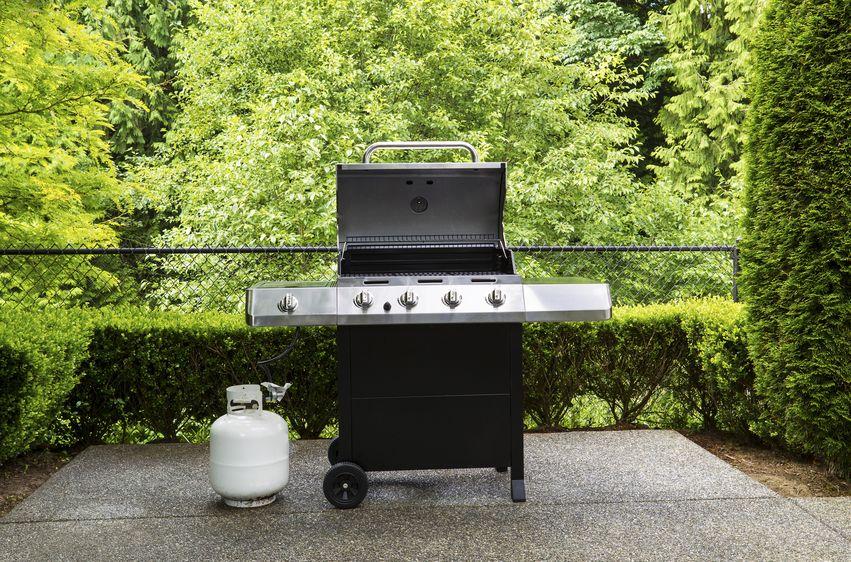
The cooking capacity and performance differences between 2-burner and 4-burner grills stem from three primary factors: available cooking surface area, heat distribution patterns, and total power output.
These elements directly impact how much food can be prepared simultaneously and the quality of cooking results.
Grill Surface Area Comparison
A 2-burner grill typically provides 200-400 square inches of primary cooking space.
This surface area accommodates 8-12 burgers or 4-6 chicken breasts at once.
Most 2-burner models work well for families of 2-4 people.
The compact cooking surface makes them suitable for casual weeknight dinners and small gatherings.
4-burner grills offer 450-600 square inches of primary cooking space.
This expanded area handles 16-24 burgers or 8-12 chicken breasts simultaneously.
The larger surface area serves families of 6-8 people effectively.
These grills excel at hosting parties and preparing multiple food types at the same time.
Cooking Surface Comparison:
- 2-Burner: 200-400 sq inches
- 4-Burner: 450-600 sq inches
- Capacity Difference: 2-3x more cooking space
Heat Distribution
2-burner grills create two distinct heat zones across the cooking surface.
This setup allows for basic direct and indirect cooking methods.
The limited number of burners restricts temperature variation options.
Cooks can achieve high heat on one side and medium heat on the other.
4-burner grills provide four independent heat zones with greater temperature control flexibility.
Each burner operates separately, creating multiple temperature gradients.
This configuration enables advanced cooking techniques like searing steaks on high heat while slow-cooking vegetables on low heat.
The additional burners support more precise temperature management across different areas of the grill.
Power Output and BTUs
Most 2-burner gas grills generate 20,000-30,000 total BTUs of heat output.
This power level provides adequate heating for the smaller cooking surface area.
Individual burners typically produce 10,000-15,000 BTUs each.
The concentrated heat works efficiently for the available cooking space.
4-burner gas grills deliver 36,000-60,000 total BTUs across all burners.
Higher-end models like the Char-Broil Performance series generate 36,000 BTUs from the main burners.
Each individual burner produces 9,000-15,000 BTUs.
The distributed power ensures consistent heating across the larger cooking surface without creating cold spots.
Versatility and Cooking Options
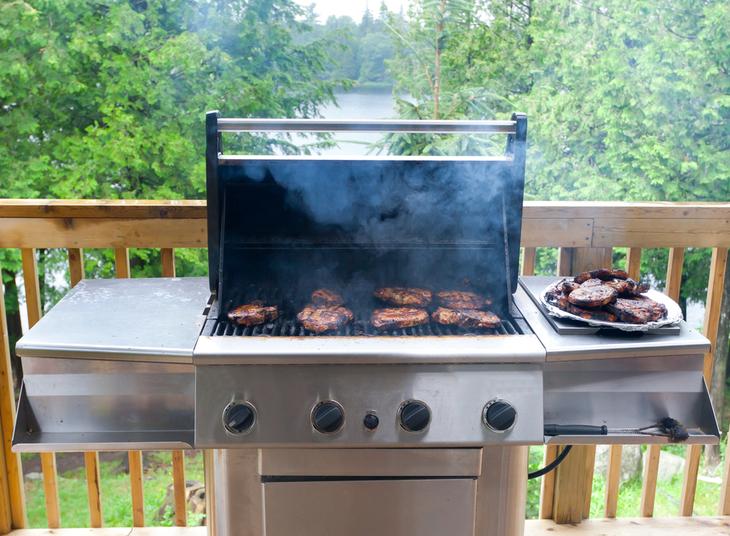
The number of burners directly impacts a grill’s flexibility for different cooking techniques.
Four-burner grills provide superior zone control and heat distribution options compared to two-burner models.
Multi-Zone Cooking
Four-burner grills excel at creating distinct temperature zones across the cooking surface.
Users can set two burners to high heat for searing while maintaining medium or low temperatures on the remaining burners for slower cooking.
This setup allows simultaneous preparation of different foods requiring various heat levels.
Steaks can sear over high heat while vegetables cook gently on a cooler section.
Two-burner grills offer limited zone flexibility.
The cooking surface typically provides only two distinct temperature areas.
This restricts the ability to cook multiple items with different heat requirements simultaneously.
Temperature Zone Options:
- 4-Burner: Up to 4 distinct zones
- 2-Burner: Maximum 2 zones
- Heat Range: 4-burner models maintain more consistent temperature gradients
The additional burners enable more precise temperature control across the entire grill surface.
Cooks can create warm zones for keeping food heated without overcooking.
Direct vs. Indirect Heat Capabilities
Four-burner grills provide superior indirect cooking capabilities.
Users can turn off center burners while keeping outer ones lit, creating an oven-like environment for roasting whole chickens or large cuts of meat.
The larger cooking area accommodates bigger items away from direct flame contact.
This method works effectively for smoking, slow-roasting, and baking on the grill.
Two-burner models offer basic indirect cooking by lighting only one burner.
The cooking space for indirect heat remains limited due to the smaller overall surface area.
Indirect Cooking Capacity:
- 4-Burner: Can accommodate items up to 12-15 inches
- 2-Burner: Limited to items under 8-10 inches
- Heat Circulation: 4-burner models provide better air flow around food
The additional burners create more even heat circulation for consistent cooking results.
This proves particularly beneficial when preparing larger meals or cooking for groups.
Size, Portability, and Space Considerations
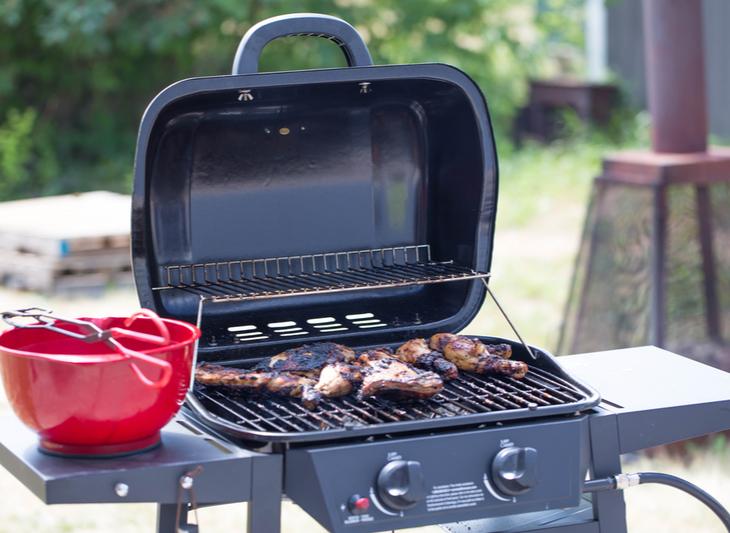
Two-burner grills typically measure 20-24 inches wide, while four-burner models range from 48-60 inches in width.
The weight difference spans from 40-60 pounds for smaller units to 100-200 pounds for larger grills.
Footprint and Storage Needs
A two-burner grill requires approximately 4-6 square feet of deck or patio space.
Most models fit comfortably on small balconies or compact outdoor areas.
Four-burner grills need 12-20 square feet of space for proper operation and safety clearances.
Side shelves and additional features can extend the footprint by another 2-4 feet in width.
Storage Requirements:
- 2-burner: Standard garage bay or 6×4 foot shed space
- 4-burner: Requires 8×6 foot minimum storage area
Many two-burner models feature folding side tables and removable components.
This design reduces storage width by 8-12 inches when collapsed.
Four-burner grills often include fixed side burners and cabinets that cannot be folded.
The permanent width makes storage in smaller spaces challenging.
Portability for Outdoor Activities
Two-burner grills weigh between 40-80 pounds depending on materials and features.
Most include wheels and handles designed for single-person transport to campsites or tailgating events.
The compact size allows these grills to fit in truck beds and large SUVs.
Assembly time typically runs 15-30 minutes for setup at remote locations.
Four-burner grills range from 100-250 pounds and require two people for safe movement.
The larger frame and additional components make transportation difficult without a trailer.
Most four-burner models are designed as semi-permanent installations.
Moving them frequently can damage wheels, connections, and frame components.
Fuel Efficiency and Maintenance

Two-burner grills consume approximately 30-40% less propane than four-burner models during typical cooking sessions.
Cleaning requirements increase with more burners, though both configurations need similar maintenance schedules.
Gas Consumption
Two-burner grills typically consume 15,000-20,000 BTUs per hour when both burners operate at full capacity.
A standard 20-pound propane tank provides approximately 18-24 hours of cooking time.
Four-burner grills consume 40,000-60,000 BTUs per hour at maximum output. The same propane tank lasts 10-15 hours under full operation.
Most grilling sessions don’t require all burners at maximum heat.
Four-burner users often run only two burners for smaller meals, making fuel consumption comparable to two-burner models.
| Grill Type | BTU Range | Tank Life (20 lb) | Cost Per Hour* |
|---|---|---|---|
| 2-Burner | 15,000-20,000 | 18-24 hours | $1.25-$1.65 |
| 4-Burner | 40,000-60,000 | 10-15 hours | $2.00-$3.00 |
*Based on $30 propane refill
Ease of Cleaning and Upkeep
Two-burner grills feature fewer components requiring maintenance.
Users clean two burner tubes, fewer grates, and smaller grease management systems.
Four-burner grills demand more thorough cleaning routines.
Each additional burner adds cleaning time and complexity to maintenance schedules.
Common maintenance tasks include:
- Cleaning burner tubes and ports
- Scrubbing cooking grates
- Emptying grease trays
- Inspecting gas connections
Both configurations require identical maintenance frequency.
Monthly deep cleaning prevents grease buildup and ensures proper gas flow through burner ports.
Replacement parts cost more for four-burner models.
Burner tubes, igniters, and control knobs multiply the expense when components need replacement.
Pricing and Value

Two-burner grills typically cost $100-$400, while four-burner models range from $300-$1,000.
The price difference reflects cooking capacity, materials, and features that affect long-term value.
Initial Purchase Cost
Two-burner gas grills offer the most budget-friendly entry point into gas grilling.
Entry-level models start around $100-$200 for basic units with porcelain-coated grates and simple controls.
Mid-range two-burner grills cost $200-$400.
These models feature stainless steel construction, better heat distribution, and improved build quality.
Four-burner grills require a higher upfront investment.
Basic four-burner models start at $300-$500 with standard features and materials.
Premium four-burner grills can cost $500-$1,000 or more.
These units include stainless steel construction, multiple cooking zones, side burners, and advanced temperature control systems.
Price Comparison:
- 2-Burner: $100-$400
- 4-Burner: $300-$1,000+
Long-Term Investment Considerations
Four-burner grills often provide better cost per cooking area.
A typical four-burner grill offers 600-800 square inches of cooking space compared to 300-400 square inches on two-burner models.
Fuel efficiency varies between models.
Two-burner grills consume less propane for smaller cooking sessions, making them economical for couples or small families.
Four-burner grills excel when cooking for larger groups.
They eliminate the need for multiple cooking batches, saving time and fuel for frequent entertainers.
Durability factors affect long-term value. Higher-priced models typically feature thicker steel, better warranties, and replaceable parts that extend grill lifespan.
Maintenance costs remain similar between both options.
Propane consumption and replacement parts like grates and igniters cost roughly the same per burner across different grill sizes.
Ideal Use Cases and Suitability
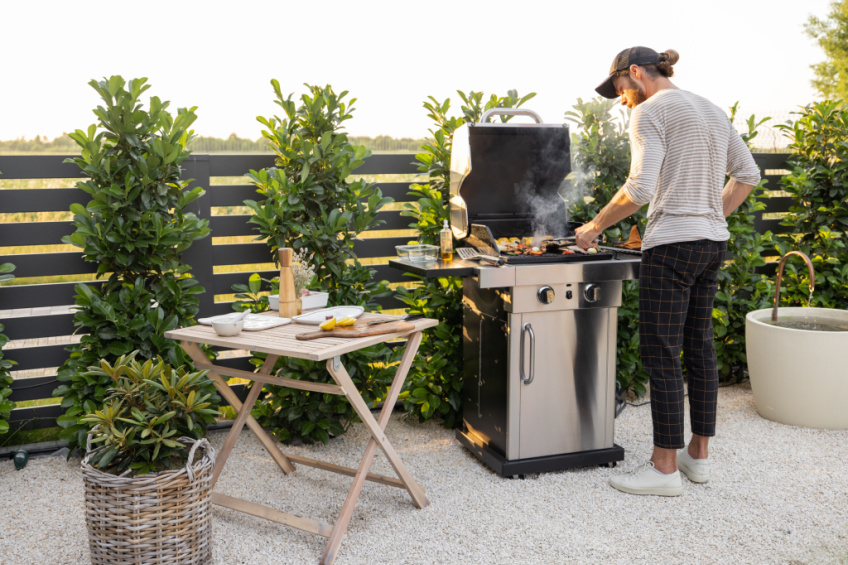
A 2-burner grill serves 2-6 people comfortably for regular family meals and intimate gatherings.
A 4-burner grill accommodates 8-15 people efficiently, making it the preferred choice for larger social events and frequent entertaining.
Best for Small Gatherings
2-burner grills excel for households of 2-4 people who grill regularly but don’t need extensive cooking space.
They provide adequate surface area for preparing meals for small families or couples entertaining close friends.
The compact cooking surface handles 4-6 burgers, 8-10 hot dogs, or 4-6 chicken breasts simultaneously.
This capacity suits weekend barbecues with neighbors or casual dinner parties without overwhelming food preparation requirements.
Budget-conscious buyers benefit from 2-burner models due to lower initial costs and reduced propane consumption.
They require less deck or patio space, making them ideal for apartments, condos, or homes with limited outdoor areas.
Temperature control remains simpler with fewer burners to manage.
Cooks can easily maintain consistent heat across the smaller surface area, reducing the learning curve for grilling beginners.
Perfect for Large Events and Parties
4-burner grills accommodate groups of 8-15 people effectively, providing the cooking capacity needed for birthday parties, family reunions, and neighborhood gatherings.
The expanded surface area handles multiple food types simultaneously.
These grills cook 12-16 burgers, 20+ hot dogs, or 8-10 chicken breasts in a single session.
The additional cooking zones allow preparation of different foods at varying temperatures, such as searing steaks while warming vegetables.
Multiple heat zones enhance cooking flexibility, enabling indirect grilling techniques and temperature variations across the cooking surface.
This capability proves essential when preparing diverse menus with different cooking requirements.
The larger cooking area reduces cooking time for big groups by eliminating the need for multiple batches.
Party hosts can serve everyone simultaneously rather than preparing food in stages.
Features, Accessories, and Upgrades
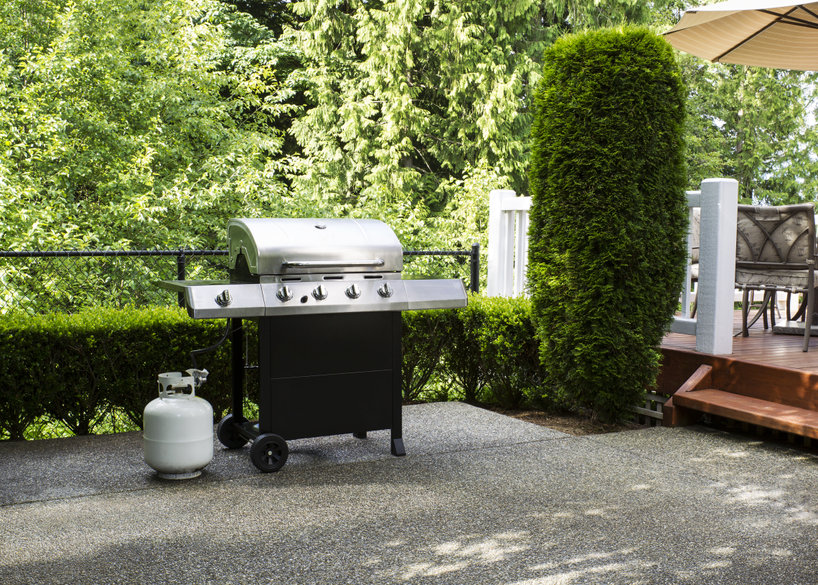
Two-burner models typically focus on essential grilling features, while four-burner grills offer expanded cooking zones, additional accessories like side burners, and enhanced storage options.
Common Features on 2-Burner Models
Most 2-burner grills include basic temperature gauges built into the lid.
These thermometers help users monitor cooking temperatures without lifting the cover.
Standard accessories typically include:
- Porcelain-coated cooking grates
- Grease management trays
- Basic side shelves for food prep
Electronic ignition systems are standard on most models.
Users can start their grills with the push of a button rather than using matches.
Many 2-burner units feature fold-down side shelves.
This design saves space when the grill is stored or not in use.
Warming racks appear on some models.
These elevated surfaces keep cooked food warm while other items finish grilling.
Basic storage options include bottom shelves or cabinets.
These spaces hold propane tanks, grilling tools, and seasonings.
Extra Options with 4-Burner Grills
Four-burner models often include dedicated side burners with 10,000-12,000 BTU output.
These auxiliary cooking surfaces accommodate sauces, side dishes, or beverages.
Enhanced features commonly found include:
- Multiple cooking zones with independent controls
- Sear burners for high-heat cooking
- Rotisserie attachments and motors
- Built-in tool hooks and storage compartments
Advanced grease management systems appear more frequently on 4-burner models.
These designs channel drippings away from burners to reduce flare-ups.
Expanded workspace comes from larger side shelves and prep areas.
Some models feature swing-out cutting boards or additional counter space.
Premium cooking surfaces like stainless steel or cast iron grates are more common.
These materials provide better heat retention and distinctive grill marks.
Storage capacity increases significantly with enclosed cabinets and multiple shelves.
Users can store larger quantities of supplies and accessories.
Comparing 2-Burner and 4-Burner BBQs: Real-World Examples

When choosing between a 2-burner and a 4-burner BBQ, it helps to look at real models on the market to understand how size, performance, and features differ.
Here are four standout grills—two from each category—offering a clear look at what each setup can offer.
 The Weber Spirit II E‑210 2‑Burner Grill is compact, beginner-friendly, and built for efficiency.
Its two stainless steel burners deliver about 26,500 BTU to a 450 sq in cooking area.
It includes porcelain-enameled cast iron grates, flavorizer bars for enhanced taste, and the Snap‑Jet ignition system for easy starting.
A built-in propane gauge and ample tool hooks make it straightforward to operate, while a folding side table and enclosed cabinet keep your workspace tidy.
 Another great 2-burner option is the Char-Broil Performance 2-Burner Cabinet Gas Grill.
It’s slightly more budget-friendly than the Weber, with stainless steel construction and a modern design.
The enclosed cabinet adds storage, while the side shelves fold down, making it perfect for those who need to save space without sacrificing function.
 On the 4-burner side, the Napoleon Rogue XT 525 is a premium option that’s built for serious grillers.
It boasts 57,000 BTUs across four main burners, plus an optional infrared side burner for high-heat searing.
The spacious cooking area (over 700 square inches) allows for large-scale entertaining, and the build quality is high-end, with stainless steel finishes and Napoleon’s signature wave-shaped grates.
 A strong alternative for those wanting a more affordable 4‑burner grill is the Char‑Broil Performance Series 4‑Burner Gas Grill.
It features four stainless steel burners producing 36,000 BTUs across a 475-square-inch primary cooking surface, with an additional warming rack for flexibility.
It includes a 10,000 BTU side burner for boiling or simmering sides.
With its sleek stainless-steel lid, electronic ignition, and porcelain-coated grates for easy cleanup, this grill offers excellent functionality for the price—making it a favorite among weekend grillers who want solid performance without going over budget.
Each of these models highlights the differences in power, capacity, and convenience between 2‑burner and 4‑burner BBQs—helping buyers match their grill to their space, cooking style, and entertainment needs.
Conclusion
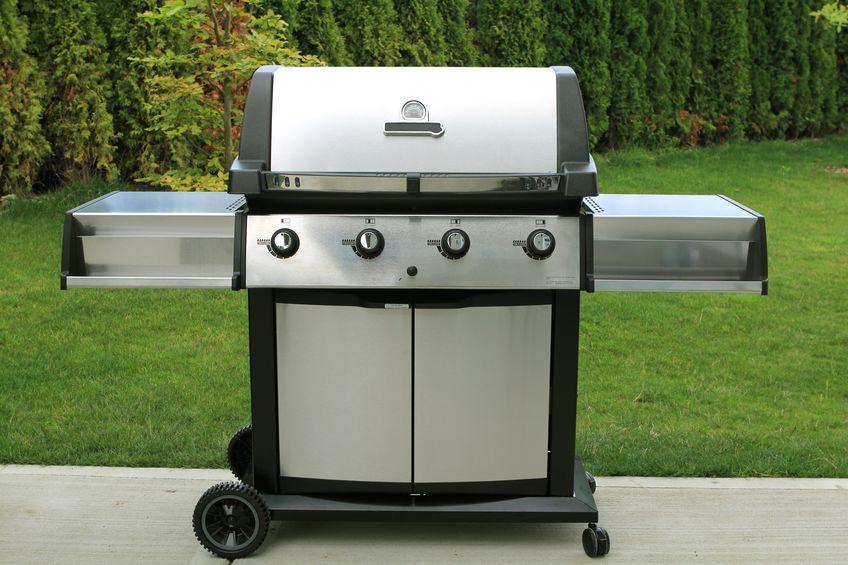
The choice between a 2-burner and 4-burner grill depends on specific cooking requirements and constraints.
Each configuration offers distinct advantages for different grilling scenarios.
Key Decision Factors:
| Factor | 2-Burner Advantage | 4-Burner Advantage |
|---|---|---|
| Space | Compact footprint | More cooking surface |
| Cost | Lower initial investment | Higher capacity value |
| Portability | Easier to transport | Stationary setup |
| Heat Zones | Basic temperature control | Multiple cooking zones |
Small households and occasional grillers find 2-burner models sufficient for their needs.
The reduced size makes storage simpler and setup faster.
Families cooking for larger groups benefit from 4-burner systems.
The additional burners enable simultaneous cooking at different temperatures.
Critical Considerations:
- Available outdoor space
- Typical cooking volume
- Budget constraints
- Desired cooking techniques
Grillers who frequently prepare multiple dishes simultaneously require the versatility of four burners.
Those with limited space or basic grilling needs achieve adequate results with two burners.
The size difference between models is often minimal, making space constraints less significant than initially expected.
Users should evaluate their actual cooking patterns rather than assumed needs.
Both configurations deliver quality grilling results when matched appropriately to user requirements.
The decision ultimately comes down to balancing cooking capacity against practical limitations.