
Starting a grilling journey can feel overwhelming with countless options available in today’s market.
New grillers often struggle to navigate between gas, charcoal, and electric models while considering factors like budget, space, and cooking preferences.
For beginners, gas grills offer the best combination of ease of use, consistent temperature control, and quick startup, making them the ideal choice for those learning fundamental grilling techniques.
These grills eliminate the learning curve associated with charcoal management and provide reliable results that build confidence in novice cooks.
Understanding the key differences between grill types, essential features, and practical considerations helps beginners make informed decisions that match their specific needs.
This guide covers everything from budget-friendly options to safety practices, ensuring new grillers have the knowledge needed to select equipment that will serve them well as their skills develop.
- Recommended Gas Grill for Beginners
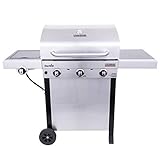 One standout option is the Char-Broil Performance Series.
Durable stainless-steel construction and even heat distribution make it a reliable, confidence-building choice for anyone starting their grilling journey.
 Another trusted name in grilling is the Weber Spirit E-325.
It provides excellent temperature control, reliable ignition, and a spacious cooking area.
Its sturdy build and beginner-friendly design make it a long-term investment for new grillers.
Both options deliver reliability, performance, and ease of use—helping beginners build confidence while enjoying great results from day one.
- Recommended Charcoal Grill for Beginners
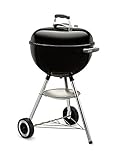 The Weber Kettle is a classic choice that’s perfect for beginners learning the art of charcoal grilling.
Its simple design makes it easy to use, while the adjustable dampers give you solid temperature control without being overwhelming.
Durable, versatile, and reasonably priced, it’s a reliable starter grill that can handle everything from burgers to slow-cooked barbecue.
Key Considerations Before Choosing a Grill
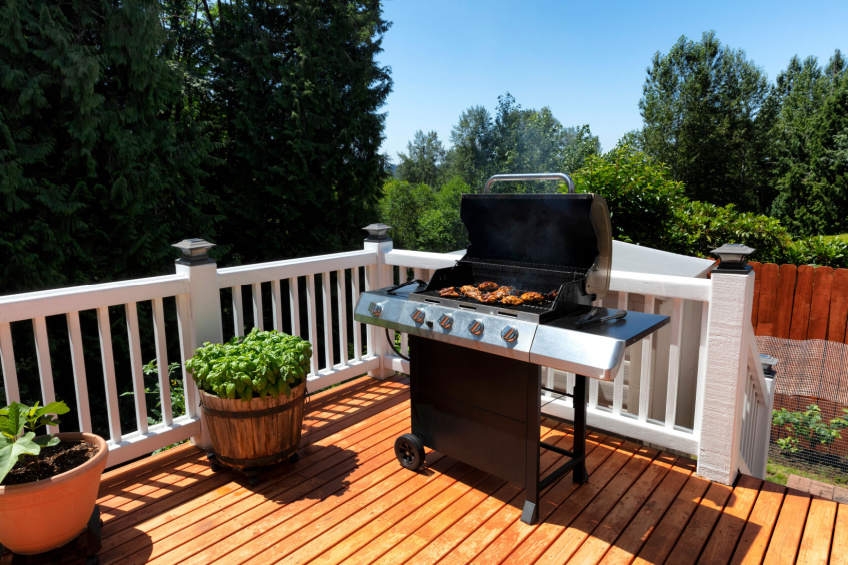
Budget, available space, and cooking preferences form the foundation of any grill-buying decision.
These factors determine which type of grill will best serve a beginner’s needs.
Assessing Your Budget
Entry-level gas grills typically range from $150 to $400 for basic models.
Charcoal grills offer more affordable options, starting around $50 for simple kettle designs.
Mid-range gas grills cost between $400 and $800.
These models include better temperature control and additional features like side burners or warming racks.
Premium grills exceed $800 and can reach several thousand dollars.
Beginners rarely need these advanced features when starting out.
Budget considerations include:
- Initial purchase price
- Fuel costs over time
- Replacement parts and maintenance
- Accessories like covers and tools
Charcoal costs less upfront but requires ongoing purchases of charcoal and lighter fluid.
Propane grills need tank refills every 15-20 cooking sessions for average users.
Evaluating Available Space
Grill size directly impacts cooking capacity and storage requirements.
Small balconies accommodate compact grills with 200-300 square inches of cooking surface.
Medium patios support mid-size grills ranging from 400-500 square inches.
Large yards can house full-size grills with 600+ square inches of cooking area.
Space measurements to consider:
| Grill Size | Cooking Surface | Space Needed | Serves |
|---|---|---|---|
| Compact | 200-300 sq in | 4×3 feet | 2-4 people |
| Medium | 400-500 sq in | 6×4 feet | 4-6 people |
| Large | 600+ sq in | 8×5 feet | 6+ people |
Storage space matters for both the grill and accessories.
Apartment dwellers need grills that fit on balconies or can be stored indoors safely.
Understanding Cooking Preferences
Cooking style influences grill type selection significantly.
Gas grills provide precise temperature control and quick startup times for weeknight cooking.
Charcoal grills deliver smoky flavors and high-heat searing capabilities.
They require more time and skill to manage temperatures effectively.
Electric grills work well for apartment living where gas and charcoal restrictions apply.
They offer convenience but lack the authentic grilled taste many people prefer.
Consider these cooking factors:
- Frequency of use
- Types of food typically grilled
- Desired flavor profiles
- Available cooking time
Beginners who value convenience often prefer gas grills.
Those seeking traditional barbecue flavors gravitate toward charcoal options despite the learning curve.
Types of Grills for Beginners

Gas grills provide instant heat control and easy startup, while charcoal grills offer traditional smoky flavors at lower costs.
Electric grills work well for apartments and condos with cooking restrictions, and pellet grills combine wood-fired taste with automated temperature management.
Gas Grills
Gas grills run on propane tanks or natural gas lines and ignite with the push of a button.
They heat up within 10-15 minutes and offer precise temperature control through adjustable burner knobs.
Key advantages for beginners:
- No lighting difficulties or fuel preparation
- Consistent heat distribution across cooking surface
- Easy cleanup with minimal ash production
- Temperature adjustments happen instantly
Most entry-level gas grills feature 2-4 burners and cost between $150-400.
Popular beginner models include the Weber Spirit series and Char-Broil Performance line.
Gas grills require propane tank refills every 15-20 cooking sessions.
The fuel costs approximately $15-20 per tank exchange.
Maintenance needs:
- Clean grease traps monthly
- Replace propane tanks when empty
- Cover grill during weather exposure
- Annual burner tube inspection
Charcoal Grills
Charcoal grills use briquettes or lump charcoal as fuel and require manual lighting with starter fluid or chimney starters.
They reach higher temperatures than gas grills and impart distinctive smoky flavors to food.
Benefits for new grillers:
- Lower initial purchase costs ($50-200)
- Superior searing capabilities at 600-700°F
- Authentic barbecue taste from wood smoke
- No mechanical parts to malfunction
Charcoal requires 20-30 minutes to reach cooking temperature.
Users control heat by adjusting air vents and moving coals around the firebox.
Learning considerations:
- Fire management skills develop over time
- Cleanup involves ash disposal after each use
- Weather affects lighting and heat retention
- Fuel costs run $1-2 per cooking session
Weber Kettle grills represent the most popular choice for charcoal beginners due to their simple design and reliable performance.
For beginners looking to get started with charcoal grilling, the Weber Original Kettle Classic is a trusted choice.
Its 18-inch cooking surface gives plenty of space for burgers, hot dogs, and more.
The simple, durable design makes it easy to control heat and manage charcoal, while the One-Touch™ cleaning system keeps ash removal hassle-free.
A built-in lid thermometer and sturdy porcelain-enameled construction make grilling consistent and reliable.
With even heat distribution and a reputation for long-lasting performance, the Kettle Classic is perfect for anyone starting their charcoal grilling journey.
Electric Grills
Electric grills plug into standard household outlets and use heating elements to cook food.
They work well for apartments, condos, and areas with fire restrictions or gas prohibitions.
Beginner-friendly features:
- No fuel storage or refilling required
- Safe indoor and covered patio operation
- Simple on/off controls with temperature dials
- Minimal smoke production during cooking
Most electric grills cost $100-300 and heat up within 15-20 minutes.
They typically reach maximum temperatures of 400-500°F.
Limitations to consider:
- Lower heat output compared to gas or charcoal
- Requires nearby electrical outlet access
- Limited portability for camping or tailgating
- Higher electricity costs in some regions
George Foreman Portable BBQ and the Weber Q1400 offer reliable electric options for beginners with space constraints.
Pellet Grills
Pellet grills burn compressed wood pellets fed automatically into a fire pot by an auger system.
Digital controllers maintain precise temperatures while adding wood smoke flavors to food.
Advanced features for beginners:
- Set-and-forget temperature control like an oven
- Built-in meat thermometers with smartphone apps
- Consistent results without constant monitoring
- Multiple cooking methods: grilling, smoking, baking
Entry-level pellet grills start around $400-600.
Popular beginner brands include Traeger and Pit Boss models.
Operating characteristics:
- 15-20 minute startup time for initial heating
- Pellet consumption averages 1-2 pounds per hour
- Requires electricity for auger and fan operation
- Works well in temperatures above 35°F
Wood pellet flavors include hickory, apple, cherry, and oak varieties.
Each 20-pound bag costs $15-20 and provides 10-15 hours of cooking time.
Pros and Cons of Each Grill Type
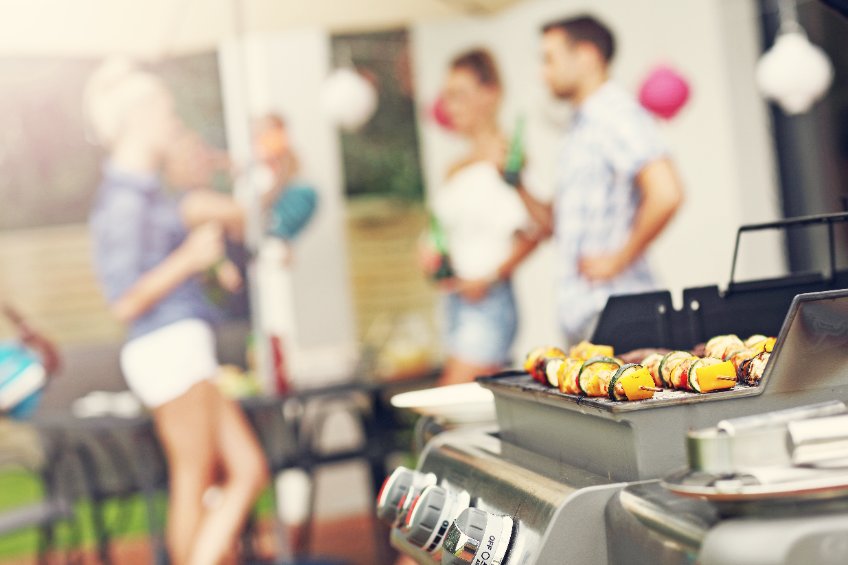
Each grill type offers distinct advantages and challenges for beginners.
Gas grills provide convenience and control, while charcoal delivers superior flavor at the cost of complexity.
Gas Grill Advantages and Disadvantages
Advantages:
- Quick startup and heating: Gas grills ignite instantly with the push of a button and reach cooking temperature within 10-15 minutes
- Precise temperature control: Built-in thermostats and adjustable burner knobs allow exact heat management for consistent results
- Easy cleanup: No ash removal required, and grease management systems simplify post-cooking maintenance
- Consistent fuel supply: Propane tanks or natural gas lines provide steady, predictable fuel without mid-cook interruptions
Disadvantages:
- Higher initial cost: Quality gas grills typically cost $300-800 more than comparable charcoal models
- Fuel dependency: Propane tanks can run empty unexpectedly, and refills add ongoing expense
- Limited smoky flavor: Gas combustion produces minimal smoke compared to charcoal or wood
- Complex components: More parts mean higher potential for mechanical failures and repair costs
Charcoal Grill Advantages and Disadvantages
Advantages:
- Superior flavor: Charcoal combustion creates authentic smoky taste that enhances meat and vegetables
- High heat capability: Charcoal reaches temperatures of 700°F or higher, perfect for searing steaks
- Lower purchase price: Basic charcoal grills start around $50-150, making them budget-friendly
- Portable options: Many charcoal grills are lightweight and require no fuel connections
Disadvantages:
- Longer preparation time: Charcoal requires 20-30 minutes to reach proper cooking temperature
- Temperature control challenges: Managing heat involves adjusting vents and moving coals, requiring practice
- Messy cleanup: Ash disposal and thorough cleaning take significantly more time and effort
- Weather sensitivity: Wind and rain affect charcoal performance more than gas grills
Electric Grill Advantages and Disadvantages
Advantages:
- Indoor/outdoor versatility: Electric grills work safely in apartments, condos, and covered patios where gas is prohibited
- Simple operation: Plug-in convenience with temperature dial controls makes cooking straightforward
- Minimal cleanup: Non-stick surfaces and removable plates simplify post-cooking maintenance
- Consistent heating: Electric elements provide steady, even heat distribution across the cooking surface
Disadvantages:
- Limited flavor development: Electric heating produces no smoke, resulting in less authentic grilled taste
- Power dependency: Requires electrical outlet access, limiting placement options and outdoor portability
- Lower maximum temperatures: Most electric grills cap at 400-500°F, insufficient for proper searing
- Smaller cooking areas: Electric models typically offer less grilling space than gas or charcoal alternatives
Pellet Grill Advantages and Disadvantages
Advantages:
- Automated temperature control: Digital controllers maintain precise temperatures within 5-10°F for hours
- Excellent smoke flavor: Wood pellets produce rich, varied flavors depending on wood type selection
- Versatile cooking methods: Functions as grill, smoker, roaster, and baker in one appliance
- Set-and-forget convenience: Automated pellet feeding allows unattended cooking for large cuts
Disadvantages:
- High initial investment: Quality pellet grills cost $500-2000, significantly more than basic alternatives
- Electricity requirement: Digital controls and auger systems need power, limiting true portability
- Pellet storage concerns: Wood pellets require dry storage and can be expensive in some regions
- Complex maintenance: Auger systems, fire pots, and electronic components need regular cleaning and potential repairs
Important Features To Look For
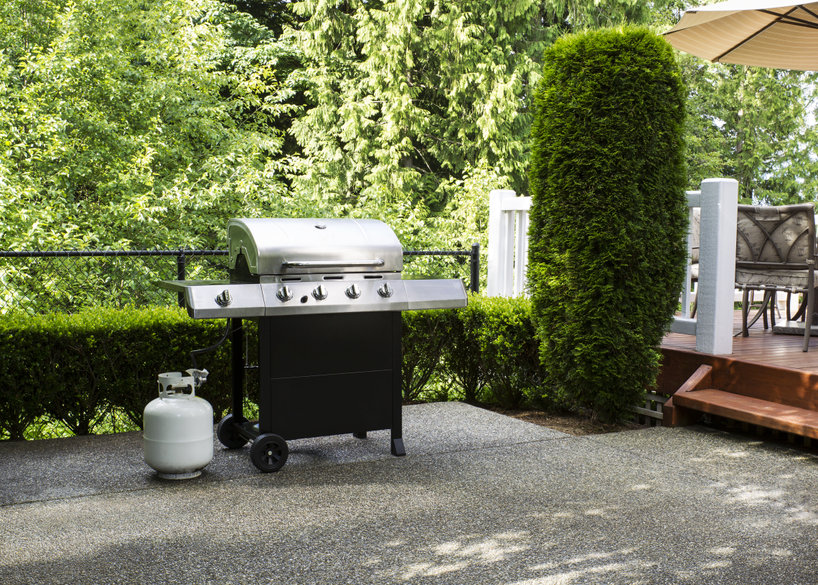
Selecting the right features makes the difference between frustrating cooking sessions and enjoyable grilling experiences.
Temperature control, ignition reliability, adequate cooking space, and simple maintenance determine long-term satisfaction with any grill purchase.
Ignition Systems
Electronic ignition systems provide the most reliable startup experience for beginners.
These battery-powered systems create consistent sparks with the push of a button, eliminating the need for matches or lighters.
Piezo ignition offers another dependable option that generates sparks through mechanical pressure.
This system requires no batteries and rarely fails, making it ideal for those who grill infrequently.
Manual lighting systems cost less but create unnecessary complications for new grillers.
They require separate lighters and often lead to uneven flame distribution during startup.
Gas grills with multiple ignition points light more evenly across all burners.
Single-point systems may leave some areas unlit, requiring manual intervention to achieve proper heat distribution.
Temperature Control
Built-in thermometers eliminate guesswork when monitoring cooking temperatures.
Look for models with thermometers positioned at grate level rather than dome level for accurate readings.
Adjustable burner controls on gas grills should offer smooth operation from high heat to low simmer.
Quality control knobs turn easily without sticking and provide precise flame adjustment.
Charcoal grills require adjustable air vents for temperature management.
Bottom vents control oxygen flow to coals, while top vents regulate heat retention and smoke circulation.
Multi-zone cooking capabilities allow different temperature areas on the same grill.
This feature enables simultaneous cooking of foods requiring different heat levels.
Grill Size and Cooking Area
Primary cooking space should accommodate typical meal sizes without overcrowding.
A 400-square-inch surface handles four to six servings comfortably for most households.
Warming racks provide additional space for keeping cooked food hot or warming buns and vegetables.
These secondary surfaces typically add 100-200 square inches of usable area.
Consider grill footprint relative to available patio or deck space.
Measure the area before purchasing, accounting for clearance requirements around the unit for safety.
Portability needs influence size selection for those wanting to transport grills to campsites or tailgating events.
Compact models sacrifice cooking area for mobility.
Ease Of Cleaning
Porcelain-coated grates resist rust and release food more easily than bare metal surfaces.
They require gentle cleaning to avoid chipping but maintain appearance longer.
Removable drip pans simplify grease management and prevent flare-ups.
Look for dishwasher-safe pans that slide out without tools for quick replacement.
Smooth interior surfaces without excessive crevices or joints clean faster after cooking sessions.
Avoid models with numerous small parts that trap grease and food particles.
Grease management systems channel fats away from heat sources into collection areas.
Effective systems reduce cleaning time and improve food safety through better sanitation.
Safety Tips for First-Time Grill Owners
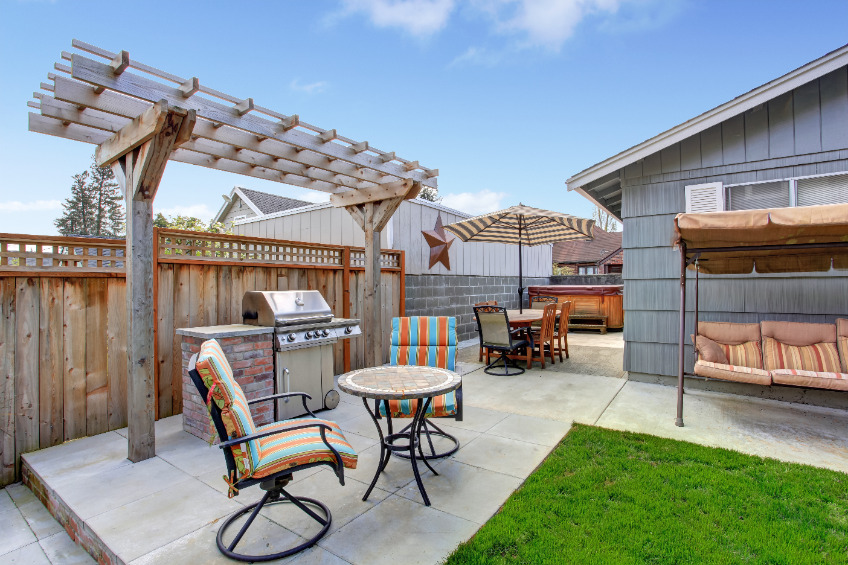
New grill owners must establish safe placement practices, understand fire prevention protocols, and maintain their equipment properly.
These foundational safety measures prevent accidents and ensure years of successful grilling.
Proper Setup and Placement
The grill should sit on a stable, level surface at least 10 feet away from buildings, overhanging branches, and combustible materials.
Concrete patios or decks work best for stability.
Never place a grill under covered porches, gazebos, or low-hanging structures.
Heat and flames can ignite overhead materials even during normal operation.
Essential clearance requirements:
- 10 feet from house siding
- 10 feet from deck railings
- 3 feet from patio furniture
- Away from high-traffic areas
Wind direction matters significantly.
Position the grill so prevailing winds blow smoke away from dining areas and neighbors’ properties.
Keep a clear path to the house and ensure adequate lighting for evening grilling sessions.
Poor visibility increases accident risks when handling hot equipment and food.
Fire Prevention Guidelines
A fire extinguisher rated for grease fires should remain within 20 steps of the grill at all times.
Class K extinguishers work best for cooking fires, while ABC extinguishers handle most other fire types.
Pre-cooking safety checks:
- Inspect gas connections for leaks using soapy water
- Clear grease buildup from drip pans
- Remove any debris from burner tubes
- Test ignition system before adding food
Never leave a lit grill unattended, even for quick trips inside.
Flare-ups can occur within seconds and spread rapidly to nearby combustibles.
Keep pets and children at least 3 feet away from the grill during operation.
The exterior surfaces become extremely hot and remain dangerous long after cooking ends.
If a grease fire occurs, turn off the gas supply immediately and close the lid to starve the flames of oxygen.
Never use water on grease fires.
Grill Maintenance for Safety
Clean the grill after every third use to prevent dangerous grease accumulation.
Built-up grease creates fire hazards and can cause severe flare-ups during cooking.
Monthly maintenance tasks:
- Empty and wash drip pans thoroughly
- Scrub cooking grates with appropriate brushes
- Clear spider webs and debris from burner tubes
- Check gas hose for cracks or wear
Inspect wire grill brushes before each use for loose bristles that could contaminate food.
Replace brushes showing any bristle loss immediately.
Store propane tanks upright in well-ventilated outdoor areas, never inside garages or basements.
Tanks should remain cool and away from heat sources.
Check gas connections seasonally using leak detection solution.
Bubbles indicate dangerous leaks requiring immediate professional attention or component replacement.
Replace worn-out parts promptly rather than continuing to use damaged equipment.
Faulty igniters, cracked hoses, and corroded burners create serious safety risks.
Budget-Friendly Grill Options
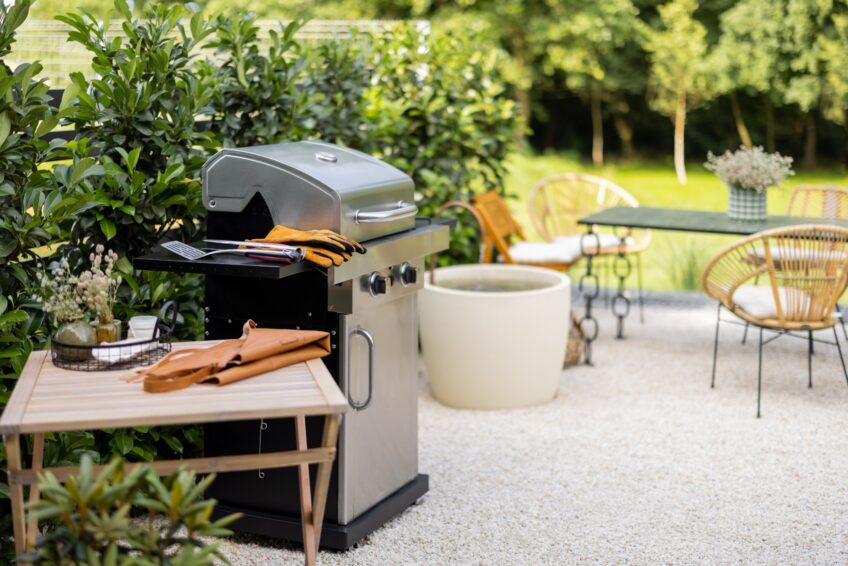
New grillers can find quality equipment without spending hundreds of dollars.
Basic gas and charcoal grills offer excellent value for beginners learning fundamental techniques.
The Char-Broil Classic Series Gas Grill provides reliable performance at approximately $179.
This model offers consistent heat control and easy cleanup for first-time users.
Weber Spirit series grills occasionally go on sale, bringing premium features within reach of budget-conscious buyers.
These units typically offer better long-term durability than entry-level alternatives.
Basic kettle grills start around $50-80 and deliver authentic smoky flavors.
These simple designs require minimal maintenance and replacement parts cost less than gas grill components.
| Grill Type | Price Range | Best For |
|---|---|---|
| Basic Kettle Charcoal | $50-$100 | Flavor enthusiasts |
| Entry Gas Grill | $150-$250 | Convenience seekers |
| Portable Electric | $80-$150 | Small spaces |
Electric Alternatives
Indoor/outdoor electric grills like the George Foreman 15-Serving model work well for apartment dwellers.
These units eliminate fuel costs and work in spaces where gas or charcoal isn’t permitted.
Money-Saving Tips
End-of-season sales in fall offer significant discounts on grills.
Previous year models frequently provide identical performance at reduced prices.
Refurbished grills from reputable manufacturers often include warranties while costing 30-50% less than new units.
Easy Grill Accessories for Beginners
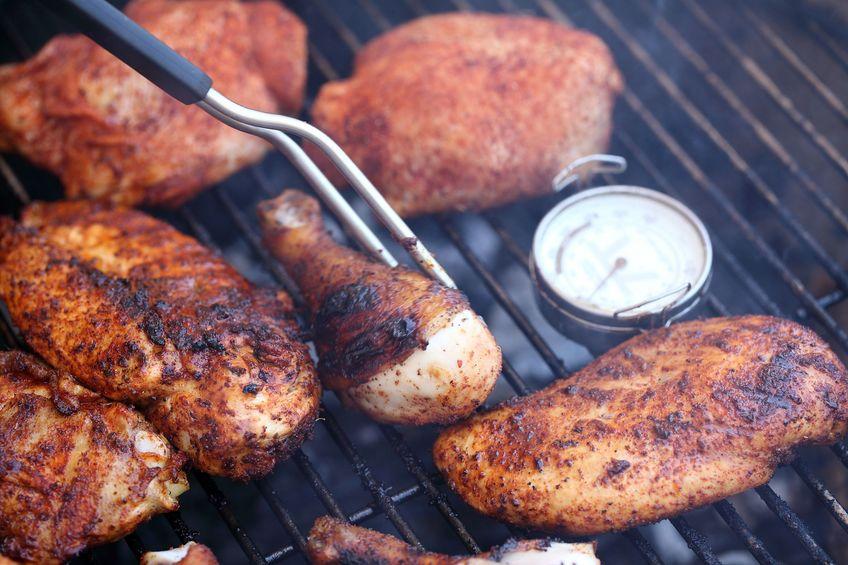
New grillers need basic tools to cook safely and effectively.
A few essential utensils, a quality grill cover, and a reliable thermometer form the foundation of any beginner’s grilling setup.
Essential Utensils
 Spatula and tongs represent the most critical grilling tools.
A sturdy metal spatula with a wide blade helps flip burgers and fish without breaking them apart.
Long-handled tongs allow safe turning of chicken, sausages, and vegetables without getting too close to the heat.
Grill brushes keep cooking surfaces clean between uses.
 Wire brushes work well for most grates, but nylon bristle brushes suit non-stick surfaces better.
Clean grates prevent food from sticking and reduce flare-ups.
Basic plates and trays organize raw and cooked foods.
Separate cutting boards for raw meat and vegetables prevent cross-contamination.
A large serving platter gives cooked food a clean landing spot.
 Heat-resistant gloves protect hands when adjusting vents or moving hot items.
Silicone or leather gloves withstand higher temperatures than regular oven mitts.
They provide better grip control than bulky fabric gloves.
Grill Covers
 Weatherproof covers extend grill lifespan significantly.
Heavy-duty vinyl or polyester materials resist rain, snow, and UV damage.
Proper covers prevent rust formation on metal components and protect electronic ignition systems.
Size matters when selecting covers.
Measure the grill’s width, depth, and height before purchasing.
Covers should fit snugly without being too tight, allowing air circulation while blocking moisture.
Ventilation features prevent condensation buildup.
Quality covers include air vents or breathable panels.
Trapped moisture causes more damage than exposure to light rain or snow.
Tie-down straps or elastic hems secure covers during windy conditions.
Loose covers flap against the grill surface and wear out quickly.
Well-fitted covers stay in place without constant adjustment.
Thermometers
 Instant-read thermometers ensure food safety and quality.
Digital models provide accurate readings within seconds.
They eliminate guesswork when determining if chicken reaches 165°F or steaks hit the desired doneness level.
 Probe thermometers monitor large cuts during long cooking sessions.
Leave-in probes track internal temperature without opening the grill lid frequently.
Some models include wireless alerts when target temperatures are reached.
 Grill surface thermometers help beginners understand heat zones.
Built-in lid thermometers show general cooking chamber temperature.
Separate grate-level thermometers provide more accurate readings where food actually cooks.
Calibration capabilities maintain accuracy over time.
Quality thermometers include calibration instructions or adjustment features.
Test accuracy in ice water (32°F) or boiling water (212°F) periodically to ensure reliable readings.
Grill Assembly and Setup
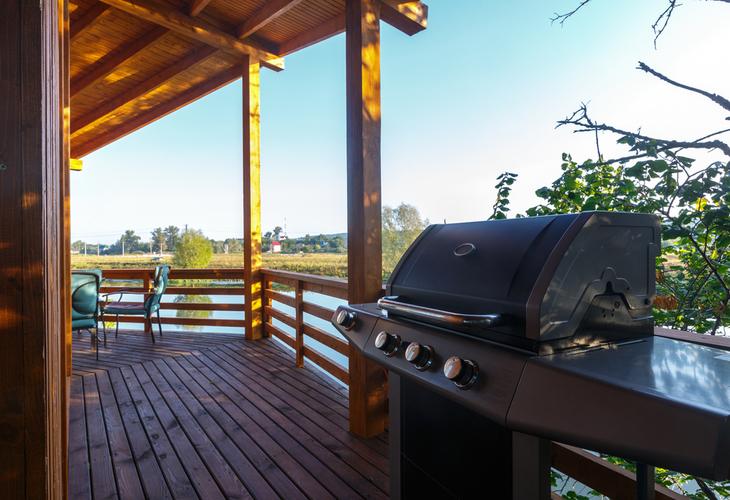
Assembly complexity varies significantly between grill types.
Electric and charcoal grills require minimal setup compared to gas grills or pellet smokers.
Essential Setup Considerations:
- Clear, detailed instructions
- Required tools availability
- Assembly time requirements
- Safety precautions
Gas grills present the most assembly challenges for beginners.
They involve connecting propane lines, installing multiple burners, and attaching control knobs.
Most gas grills require 2-4 hours for complete assembly.
Charcoal grills offer the simplest setup process.
Basic kettle grills often require only attaching legs and handles.
Assembly typically takes 30-60 minutes.
Key Assembly Tips:
- Read all instructions before starting
- Organize hardware by size and type
- Use proper tools to avoid stripping screws
- Double-check all connections before first use
Electric grills fall between charcoal and gas in complexity.
They require basic assembly but eliminate fuel line connections.
Setup usually takes 1-2 hours.
Initial setup extends beyond physical assembly.
Gas grills need propane tank connection and leak testing.
All grills benefit from initial seasoning to remove manufacturing residues.
Critical Safety Steps:
- Test all gas connections with soap solution
- Verify proper ventilation clearances
- Check stability before cooking
- Review ignition procedures
Beginners should prioritize grills with comprehensive instruction manuals and customer support.
Many manufacturers provide online assembly videos and troubleshooting guides.
Consider professional assembly services if comfort level with tools is low.
Simple Maintenance and Cleaning Tips
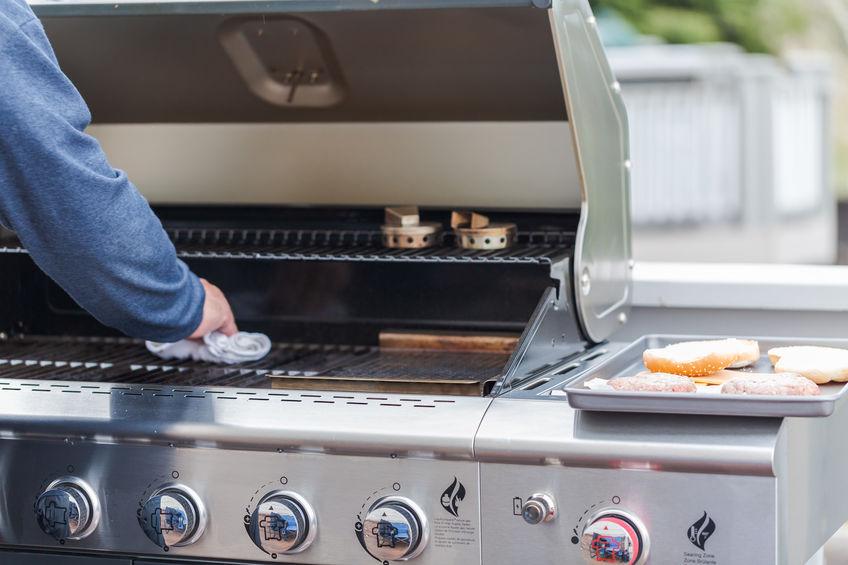
Regular maintenance keeps grills functioning properly and extends their lifespan.
Most beginner grills require minimal upkeep when maintained consistently.
After Each Use:
- Clean grates while still warm using a grill brush
- Empty grease trays or drip pans
- Wipe down exterior surfaces
Weekly Cleaning:
- Remove and wash grates with warm soapy water
- Clean interior walls with appropriate cleaner
- Check gas connections on gas grills
Gas grills need occasional burner tube cleaning to prevent clogs.
Charcoal grills require ash removal after every few uses.
| Grill Type | Key Maintenance Tasks |
|---|---|
| Gas | Check propane levels, clean burner tubes, inspect hoses |
| Charcoal | Remove ash buildup, check vents, clean firebox |
| Electric | Wipe heating elements, check cord condition |
Monthly Tasks:
- Deep clean cooking chamber
- Inspect grill cover for damage
- Lubricate hinges and moving parts
Storage matters for grill longevity.
Cover grills when not in use to protect from weather.
Store propane tanks upright in ventilated areas.
Most cleaning supplies are basic household items.
Warm water, dish soap, and baking soda handle most cleaning tasks effectively.
Proper maintenance prevents food sticking and ensures even heat distribution.
Clean grills also reduce flare-ups and produce better-tasting food.