

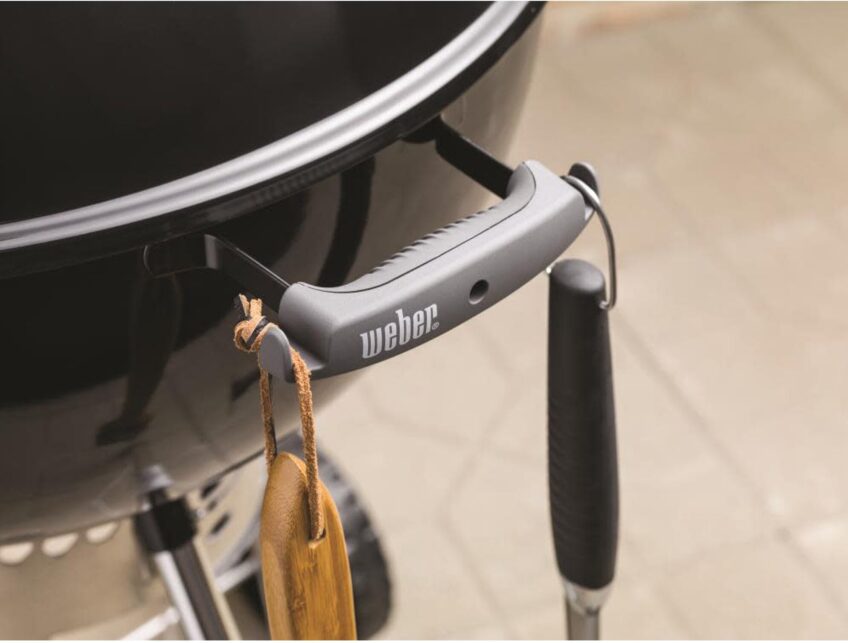
 Weber charcoal grills have dominated American backyards for generations, earning their reputation through consistent quality and the iconic kettle design that revolutionized outdoor cooking.
These grills deliver authentic smoky flavors that gas grills simply cannot match, making them the preferred choice for serious grilling enthusiasts.
Weber offers multiple charcoal grill models ranging from compact portable units to large premium kettles, each designed to meet specific cooking needs and budgets.
Understanding the differences between these models, along with proper operation techniques and maintenance requirements, helps grillers maximize their investment and achieve consistent results.
This comprehensive guide covers everything from selecting the right Weber charcoal grill model to mastering advanced cooking techniques, essential accessories, and long-term maintenance strategies.
Readers will also discover how Weber compares to competing brands and where to find the best deals on these trusted grills.
Overview of Weber Charcoal Grills

Weber transformed outdoor cooking with the revolutionary kettle design in 1952, establishing the company as the leader in charcoal grilling.
Their charcoal models feature porcelain-enameled bowls, precise air vents, and hinged grates for optimal heat control and durability.
History of Weber Grills
Weber began as Weber Bros. Metal Works on May 8, 1893, in Illinois.
The company operated for decades before George Stephen Sr. created the first kettle grill in 1952.
Stephen worked at Weber Brothers Metal Works when he developed his iconic design.
He cut a metal buoy in half and added legs, creating the distinctive dome shape that defines Weber grills today.
The kettle design solved common grilling problems of the 1950s.
Traditional flat grills offered poor heat distribution and weather protection.
Stephen’s enclosed design provided better heat retention and protection from wind and rain.
Weber officially became Weber-Stephen Products Company after this innovation.
The company is headquartered in Palatine, Illinois, and continues family ownership through multiple generations.
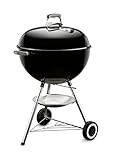 The original kettle grill established Weber’s reputation for quality and innovation.
This single product launch transformed backyard cooking and created an entire industry around kettle-style grilling.
Key Features of Charcoal Models
Weber charcoal grills feature porcelain-enameled bowls and lids that resist rust and retain heat efficiently.
The enamel coating provides easy cleanup and maintains its appearance for years.
Dual air vents control temperature precisely through the damper system.
Bottom vents regulate airflow into the charcoal, while top vents control heat release and smoke circulation.
Hinged cooking grates allow easy charcoal access during cooking sessions.
Users can add charcoal or wood chips without removing food from the grill surface.
The One-Touch cleaning system simplifies ash removal after cooking.
A lever-operated sweeper pushes ash through the bottom vents into a removable pan below.
Heavy-duty construction includes thick steel components and reinforced legs.
Weber charcoal grills typically weigh 40-60 pounds, indicating substantial build quality compared to lighter alternatives.
Heat retention design maintains consistent temperatures through the kettle shape.
The dome lid creates convection currents that circulate heat evenly around food items.
Why Choose Weber Charcoal Grills
Weber charcoal grills deliver authentic smoky flavor that gas grills cannot replicate.
Charcoal combustion creates complex flavor compounds that penetrate food during the cooking process.
Affordability makes Weber charcoal models accessible to most consumers.
 The Original Kettle starts at approximately $140, significantly less than comparable gas grills or electric smokers.
Versatility allows multiple cooking methods on a single device.
Users can grill, smoke, roast, or bake by adjusting charcoal placement and vent settings appropriately.
Durability ensures decades of reliable performance with proper maintenance.
Many Weber kettle grills from the 1970s and 1980s remain functional today with replacement parts readily available.
Temperature control reaches higher heat levels than most gas grills.
Charcoal can generate temperatures exceeding 700°F for perfect searing on steaks and other proteins.
Low maintenance requirements include basic cleaning and occasional part replacement.
No gas lines, electronic ignition systems, or complex mechanical components require regular service or repair.
Types of Weber Charcoal Grills

Weber produces three main categories of charcoal grills, each designed for different cooking styles and capacities.
The Kettle Series offers traditional round grills in various sizes, while the Smokey Mountain Cooker specializes in smoking and slow cooking.
Kettle Series Explained
The Kettle Series represents Weber’s most iconic charcoal grill design, featuring the classic bowl-and-lid construction that revolutionized backyard grilling.
These grills range from compact 14-inch models to large 26-inch versions.
 Original Kettle models provide the essential grilling experience with basic features like ash catchers and bottom dampers.
The 18-inch and 22-inch sizes are most popular for typical household use.
 Original Kettle Premium adds convenience features including a hinged cooking grate, built-in thermometer, and improved ash removal system.
These upgrades make cooking management significantly easier.
 Master-Touch represents the premium kettle option with additional features like a Gourmet BBQ System cooking grate and char basket compatibility.
 Performer models combine kettle cooking with cart convenience, featuring side tables, tool hooks, and propane ignition systems.
Some versions include enclosed storage compartments for accessories and charcoal.
Smokey Mountain Cooker Series
 The Smokey Mountain Cooker operates as a dedicated water smoker designed for low-and-slow cooking methods.
This vertical smoker uses a water pan to maintain consistent temperatures and moisture levels.
Available in 14-inch, 18-inch, and 22-inch diameters, these smokers feature two cooking levels for maximum capacity.
The smaller 14-inch model suits beginners, while the 22-inch version handles large gatherings.
Key features include porcelain-enameled water pan, temperature-resistant nylon handles, and built-in thermometer.
The access door allows fuel addition without removing the entire cooking section.
Temperature control happens through top and bottom dampers, allowing precise heat management for different smoking applications.
Most users achieve temperatures between 225-250°F consistently.
The design accommodates both wood chunks and charcoal, producing authentic smoke flavors for brisket, ribs, and poultry.
Cooking times often extend 8-16 hours for larger cuts.
Ranch Kettle and Specialty Models
 The Ranch Kettle Grill feature 37-inch cooking surfaces designed for large-scale entertaining and commercial applications.
These oversized units can handle 50+ burger patties simultaneously.
The heavy-duty construction includes reinforced legs, commercial-grade cooking grates, and enhanced ash management systems.
Professional caterers and restaurants often choose these models.
 Jumbo Joe provides portable kettle cooking in an 22-inch compact design.
The tabletop format works well for camping, tailgating, and small outdoor spaces.
 Go-Anywhere charcoal grills offer rectangular cooking surfaces with legs that fold for transport.
These units fit easily in car trunks and RVs.
Specialty accessories transform standard kettles into pizza ovens, rotisserie systems, or griddle surfaces.
The Gourmet BBQ System enables quick cooking surface changes during meals.
Limited edition colors and finishes occasionally appear in Weber’s kettle lineup, featuring unique powder coatings or commemorative designs while maintaining standard cooking performance.
Choosing the Right Weber Charcoal Grill
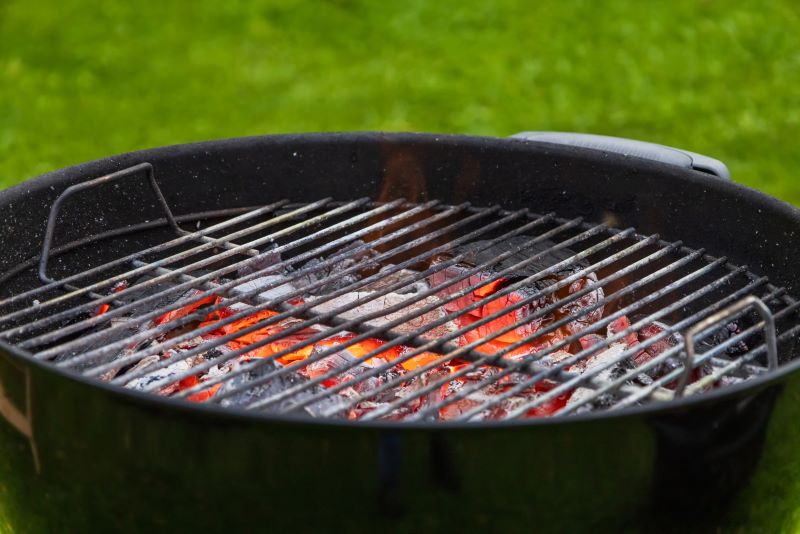 Selecting the ideal Weber charcoal grill requires careful evaluation of your cooking habits, available space, and budget.
Key considerations include determining the appropriate size for your household and assessing whether portability features align with your grilling lifestyle.
Factors to Consider
Budget range forms the foundation of any grill selection process.
Weber charcoal grills span from $150 for basic kettle models to over $2,000 for premium options like the Summit Charcoal series.
Cooking frequency directly impacts which features matter most.
Daily grillers benefit from advanced airflow controls and larger fuel capacities.
Weekend cooks can focus on simpler, cost-effective models.
Fuel efficiency varies significantly across Weber’s charcoal lineup.
Models with adjustable dampers and tight-fitting lids consume 20-30% less charcoal than basic designs.
Construction materials determine longevity and performance.
Porcelain-enameled steel resists rust and maintains heat better than painted alternatives.
Stainless steel components in premium models offer superior durability.
Temperature control capabilities separate entry-level from advanced models.
Built-in thermometers, multiple damper positions, and heat deflection systems provide precise cooking control.
Size and Cooking Capacity
18-inch grills accommodate 4-6 burger patties and suit 1-3 people.
The Original Kettle 18″ offers 240 square inches of cooking space, ideal for apartments or small households.
22-inch models represent the most popular size category.
These grills provide 363 square inches of cooking area, handling 8-10 burgers or a whole chicken comfortably for 4-6 people.
26-inch grills deliver 508 square inches of cooking space.
They accommodate large gatherings of 8-12 people and allow for extensive indirect cooking setups with multiple food types.
Ranch kettle sizes extend to 37 inches, offering over 1,100 square inches of cooking area.
These commercial-grade units serve large events or serious barbecue enthusiasts who regularly cook for crowds.
Consider your typical guest count when selecting size.
Buying too small creates frustration during gatherings, while oversized grills waste fuel and occupy unnecessary space.
Portability and Space Requirements
Portable models like the Smokey Joe weigh under 20 pounds and feature compact 14-inch cooking surfaces.
These units fit in car trunks and work well for camping, tailgating, or beach trips.
Wheeled kettle grills balance mobility with cooking capacity.
Standard 22-inch models with wheels weigh 40-50 pounds, allowing easy repositioning around patios while maintaining stability during cooking.
Storage considerations affect model selection significantly.
Kettle grills require 4-5 feet of clearance from structures.
Covered storage extends grill life but isn’t mandatory with porcelain-enameled models.
Assembly requirements vary by model complexity.
Basic kettles assemble in 30-45 minutes with minimal tools.
Premium models with multiple components may require 2-3 hours and additional assistance.
Ash management systems impact placement flexibility.
Models with removable ash pans allow easier cleanup in confined spaces compared to traditional bottom-dump designs.
Essential Accessories for Weber Charcoal Grills
The right accessories transform a Weber charcoal grill from basic equipment into a complete outdoor cooking system.
Quality chimney starters eliminate lighter fluid needs, upgraded grates improve heat retention, and proper covers extend grill lifespan significantly.
Charcoal Chimneys and Starters
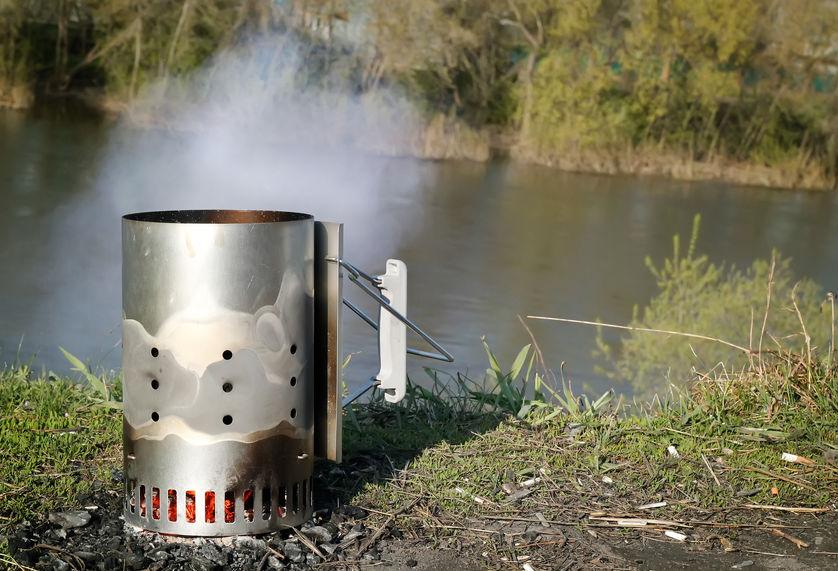
A charcoal chimney starter ranks as the most crucial Weber accessory for consistent lighting results.
 The Weber Rapidfire Chimney Starter holds enough briquettes for a full kettle load and eliminates lighter fluid completely.
Key Benefits:
- Even charcoal heating in 15-20 minutes
- No chemical flavors from lighter fluid
- Safer lighting process with controlled flame
 The Weber Compact Rapidfire works well for smaller grilling sessions or 18-inch kettles.
Both models feature heat-resistant handles and ventilation holes for optimal airflow.
Cooking Grates and Tools
Weber hinged cooking grates allow charcoal additions without removing food from the grill surface.
The Gourmet BBQ System (GBS) grates include a removable center section that accommodates specialty inserts.
Essential GBS Inserts:
- Sear Grate: Cast iron surface for restaurant-quality marks
- Griddle: Flat cooking surface for eggs and vegetables
- Wok: High-heat stir-frying capabilities
- Pizza Stone: Even heat distribution for crispy crusts
 The Weber 3-piece tool set includes a spatula, fork, and tongs with extended handles for safe cooking.
Each tool features hang loops for convenient storage on grill handles.
Grill brushes maintain clean cooking surfaces between sessions.
 Weber’s brush designs include angled heads that reach between grate wires effectively.
Covers and Storage Solutions
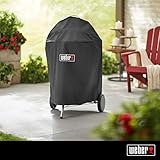 Weber Premium Covers use heavy-duty vinyl construction with Velcro straps for secure attachment.
These covers fit specific kettle sizes and include fade-resistant materials that withstand UV exposure.
Cover Features:
- Water-resistant coating prevents rust
- Breathable fabric reduces condensation
- Custom fit eliminates wind displacement
Using Your Weber Charcoal Grill
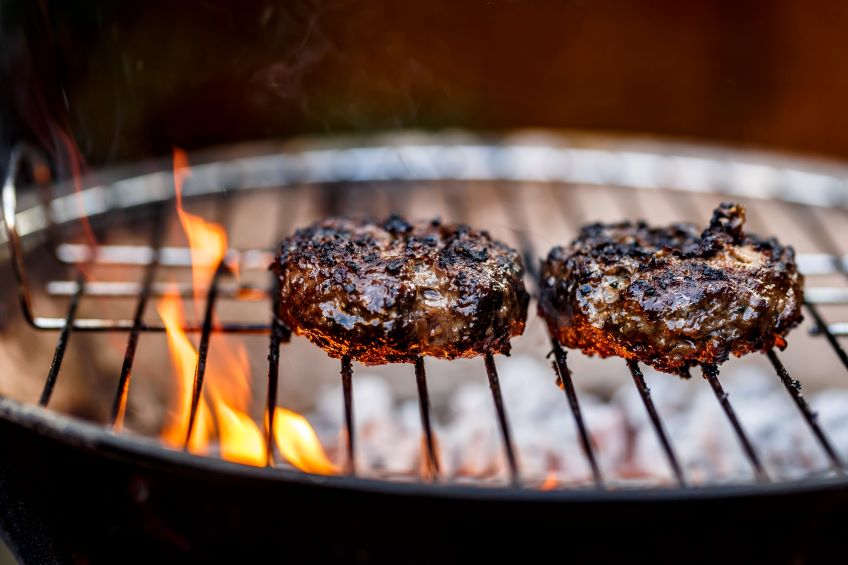
Proper setup, temperature management, and understanding cooking zones form the foundation of successful Weber charcoal grilling.
These core skills enable consistent results and unlock the full potential of charcoal cooking.
Setup and Assembly Guide
Users should begin by removing the cooking grate and charcoal grate to access the bottom of the kettle.
Clean out any ash from previous grilling sessions using a plastic scraper or ash tool.
Replace the charcoal grate and ensure it sits properly on the charcoal rails.
The grate should be level and secure before adding fuel.
Charcoal arrangement depends on the cooking method:
- Direct cooking: Spread coals evenly across the entire grate
- Indirect cooking: Push coals to one or both sides, leaving center empty
- Two-zone setup: Create hot and medium zones for versatile cooking
Light the charcoal using a chimney starter for best results.
Fill the chimney with briquettes and place crumpled newspaper underneath.
Light the paper and wait 15-20 minutes until coals glow red with ash coating.
Pour the hot coals into the desired arrangement.
Replace the cooking grate and preheat for 10-15 minutes with all vents open.
Temperature Control Techniques
Weber grills use a two-vent system for precise temperature control.
The bottom vent controls oxygen flow to the fire, while the top vent manages heat retention and airflow.
Vent positions for temperature control:
- High heat (450-500°F): Both vents fully open
- Medium heat (350-400°F): Bottom vent half open, top vent three-quarters open
- Low heat (250-300°F): Bottom vent quarter open, top vent half open
Opening vents increases temperature by feeding more oxygen to the coals.
Closing vents reduces temperature by limiting airflow.
Monitor internal temperature using the built-in thermometer or a digital probe thermometer placed at grate level.
Adjust vents gradually and allow 10-15 minutes for temperature changes to stabilize.
Wind conditions affect temperature control.
Strong winds may require partially closing the top vent to prevent temperature spikes.
Direct vs. Indirect Grilling
Direct grilling places food directly over hot coals for high-heat searing and quick cooking.
This method works best for steaks, burgers, chicken pieces, and vegetables that cook in under 25 minutes.
Position coals evenly across the charcoal grate for consistent direct heat.
Preheat the grill to the desired temperature with the lid closed between adding coals and cooking.
Indirect grilling uses heat circulation rather than direct flame contact.
Coals sit on one or both sides of the grill while food cooks in the center area without coals underneath.
This method suits larger cuts like whole chickens, roasts, and ribs that require longer cooking times.
The closed lid creates an oven-like environment for even heat distribution.
Two-zone cooking combines both methods on one grill.
Hot coals on one side provide direct heat for searing, while the cooler side offers indirect heat for slower cooking or resting food.
Maintenance and Cleaning
 Regular cleaning keeps Weber charcoal grills performing at their best and extends their lifespan.
Proper maintenance involves cleaning grates after each use and performing deeper cleaning sessions seasonally.
Routine Cleaning Steps
Cleaning the grill after each use prevents grease buildup and food residue accumulation.
Users should preheat the grill on high for 10-15 minutes to burn off food particles stuck to the grates.
- Scrub grates with a steel brush or pot scrubber while warm
- Rinse thoroughly with water
- Allow grates to dry completely before storage
The kettle interior requires regular attention to remove ash and grease.
Users should scrape the inside walls with a plastic paint scraper to avoid damaging the porcelain coating.
Post-Cook Cleaning:
- Remove loose ash with a long-handled brush
- Wipe interior surfaces with paper towels
- Clean exterior with warm soapy water
- Rinse and dry thoroughly
The ash catcher should be emptied after every few cooking sessions.
This prevents overflow and makes cleanup easier for subsequent grilling sessions.
Long-Term Maintenance Tips
Deep cleaning should occur twice yearly to maintain optimal grill performance.
This involves dismantling removable parts and thoroughly cleaning each component separately.
Deep Cleaning Schedule:
- Spring: Prepare grill for peak season use
- Fall: Winterize and protect from weather damage
Users can apply liquid dish soap directly to the kettle interior without water for stubborn grease removal.
This method breaks down accumulated residue more effectively than water-based solutions.
Storage Considerations:
- Keep grill covered when not in use
- Store in dry location during winter months
- Check for rust spots and treat immediately
Regular inspection of gaskets, handles, and hinges ensures smooth operation.
Loose bolts should be tightened and worn components replaced promptly to prevent further damage.
Common Troubleshooting
Rust Prevention and Treatment: Weber’s porcelain coating resists rust, but chips or scratches can lead to corrosion.
Users should touch up damaged areas with high-temperature paint designed for grills.
Airflow Issues: Blocked vents reduce temperature control effectiveness.
Clean bottom and top vents regularly to remove ash and debris buildup that restricts airflow.
Grate Maintenance: Cast iron grates require seasoning after deep cleaning to prevent rust.
Users should coat clean grates with cooking oil and heat them until the oil polymerizes.
Temperature Control Problems: Inconsistent temperatures often result from ash accumulation in the bottom vents.
Regular ash removal and vent cleaning restore proper air circulation and heat distribution.
Recipes and Cooking Tips for Weber Charcoal Grills

Weber charcoal grills excel at producing perfectly seared steaks, juicy burgers, and smoky barbecue through direct and indirect cooking methods.
Temperature control through vent adjustment and proper coal arrangement enables both quick grilling and low-and-slow smoking techniques.
Classic Grilling Recipes
Steaks perform best over high direct heat at 450-500°F.
Grillers should sear each side for 2-3 minutes, then move to indirect heat to finish cooking.
A good thermometer helps achieve perfect doneness.
Burgers require medium-high heat around 400°F.
Cooks should form patties slightly larger than buns since they shrink during cooking.
Grilling time ranges from 4-5 minutes per side for medium doneness.
Chicken pieces need careful attention to prevent burning.
Direct medium heat at 350°F works well for thighs and drumsticks.
Breast meat cooks faster and may require moving to cooler zones.
Vegetables like peppers, zucchini, and corn benefit from medium heat.
Oil coating prevents sticking to grates.
Dense vegetables like potatoes need pre-cooking or longer indirect heat exposure.
Fish fillets cook quickly over medium heat with clean, oiled grates.
Skin-on fish stays together better during flipping.
Cooking time averages 4-6 minutes per inch of thickness.
Smoking Techniques and Ideas
Two-zone setup creates the foundation for smoking on Weber kettles.
Coals pile on one side while food cooks on the opposite side.
This indirect method maintains temperatures between 225-275°F.
Wood chunks add smoky flavor when placed directly on hot coals.
Hickory works well with pork, while apple complements chicken and fish.
Soaking wood is unnecessary and delays smoke production.
Water pans help stabilize temperature and add moisture during long cooks.
Placement between coals and food creates a heat barrier.
This technique works especially well for brisket and pork shoulder.
Vent control manages airflow and temperature.
Bottom vents control oxygen supply to coals, while top vents create draft.
Closing vents reduces heat, opening them increases temperature.
Popular smoking recipes include pulled pork shoulders cooked for 12-14 hours, beef brisket requiring 1.5 hours per pound, and whole chickens finished in 2-3 hours at steady temperatures.
Comparing Weber Charcoal Grills to Other Brands
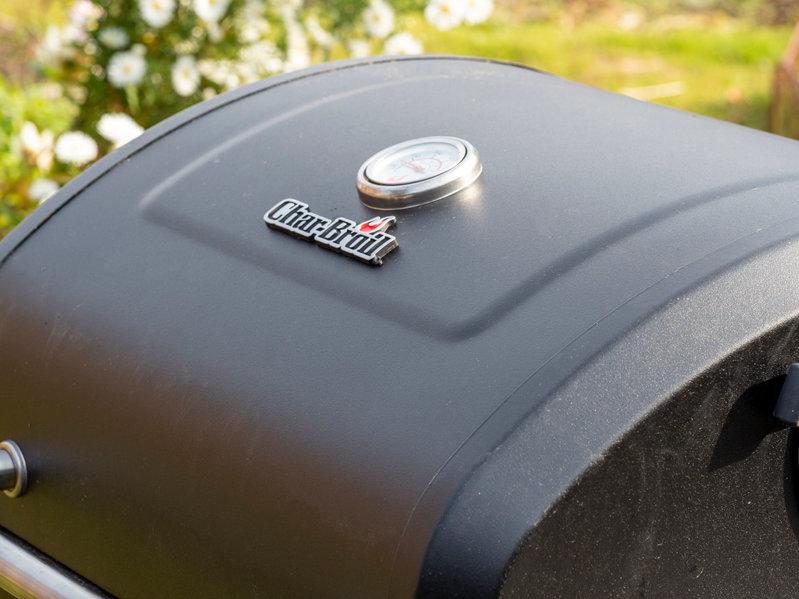
Weber charcoal grills consistently outperform most competitors in heat retention and cooking consistency, while brands like Char-Griller offer similar features at lower price points.
The investment in Weber’s premium construction typically pays off through superior durability and long-term reliability.
Performance Differences
Weber’s porcelain-enameled bowls provide superior heat retention compared to standard steel construction found in Char-Broil and other budget brands.
This translates to more consistent cooking temperatures and reduced charcoal consumption during longer cooking sessions.
The One-Touch cleaning system sets Weber apart from competitors like Char-Griller, which often require manual ash removal.
Weber’s ash catcher simplifies cleanup significantly.
Airflow control represents another key advantage.
Weber’s damper system offers more precise temperature management than basic vents found on brands like Expert Grill or Backyard Grill.
Construction quality shows clear differences. Weber uses thicker gauge steel and better hardware compared to value brands.
The legs, handles, and hinges maintain stability and function after years of use.
Cooking grate quality varies substantially between brands.
Weber’s plated steel grates resist rust better than basic chrome-plated options from discount manufacturers.
Some premium Weber models include stainless steel grates for enhanced durability.
Value and Price Comparison
Weber charcoal grills typically cost $150-$500 depending on size and features.
Comparable models from Char-Griller range from $100-$300, while basic brands like Expert Grill start around $50.
The price difference reflects material quality and longevity.
Weber grills often last 10-15 years with proper maintenance, while budget alternatives may require replacement after 3-5 years.
Warranty coverage varies significantly. Weber offers 10-year warranties on bowls and lids, compared to 1-3 year warranties from most competitors.
This coverage difference indicates confidence in build quality.
Replacement parts availability favors Weber substantially.
Parts remain available for decades-old Weber models, while discontinued budget grills become unrepairable once components fail.
Resale value strongly favors Weber.
Used Weber grills retain 40-60% of original value, while budget brands depreciate rapidly and have minimal resale appeal.
Warranty and Support

Weber provides comprehensive warranty coverage for charcoal grills with varying terms based on components, and offers multiple customer service channels for support needs.
Warranty Coverage Details
Weber charcoal grills feature simpler warranty structures compared to their gas counterparts.
The bowl and lid components typically receive the longest warranty coverage due to their porcelain-enameled steel construction.
The One-Touch cleaning system and other mechanical components generally have shorter warranty periods than the main grill body.
Warranty duration varies by specific model and year of manufacture.
Weber excludes normal wear and tear from warranty coverage.
This includes items like cooking grates that naturally degrade through regular use and exposure to heat.
Key warranty components:
- Bowl and lid: Extended coverage
- One-Touch cleaning system: Limited period
- Hardware and mechanical parts: Standard terms
Customers should consult their Owner’s Guide for specific warranty terms applicable to their particular charcoal grill model.
Warranty coverage details differ between product lines and manufacturing years.
How to Access Customer Service
Weber provides warranty claims processing through their consumer care system.
Customers can file claims for covered defects by following established procedures outlined in their warranty documentation.
Primary support channels include:
- Online warranty claim submission
- Customer service phone support
- Owner’s Guide reference materials
The warranty claims process requires customers to provide proof of purchase and detailed information about the defect.
Weber evaluates each claim based on their warranty terms and coverage limitations.
Customers should maintain their purchase receipts and product registration information to facilitate warranty claims.
This documentation helps verify coverage eligibility and purchase dates for warranty validation.
Where to Buy Weber Charcoal Grills
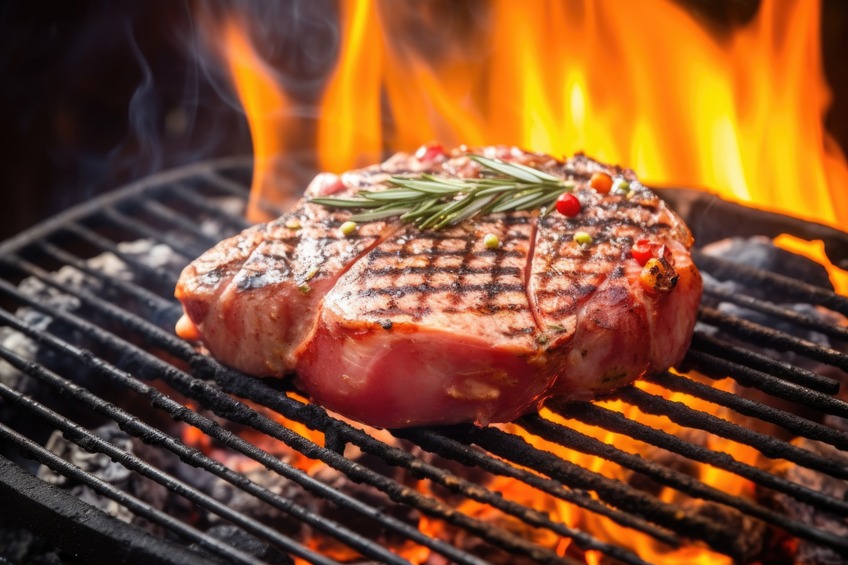
Weber charcoal grills are available through major home improvement stores, big-box retailers, and online platforms.
Buyers should verify seller authenticity and check for warranty coverage to ensure they receive genuine Weber products.
Authorized Retailers and Online Stores
Major Home Improvement Stores offer extensive Weber selections with in-store pickup options.
Home Depot and Lowe’s carry multiple Weber charcoal grill models year-round.
These retailers provide free shipping on qualified purchases and allow customers to inspect grills before buying.
Big-Box Retailers like Walmart and Target stock popular Weber models including the Original Kettle series.
Walmart offers both online ordering and in-store availability.
Target focuses on kettle grills and portable models with competitive pricing.
Specialty Outdoor Retailers such as Tractor Supply Co. provide expert guidance for grill selection.
These stores often carry a wider range of Weber accessories and replacement parts.
Online Platforms include Amazon, Best Buy, and Weber’s official website.
Amazon offers the largest selection with customer reviews and fast delivery options.
Best Buy provides both charcoal and gas grill options with technical support.
Weber’s direct website ensures access to the complete product line and latest models.
Tips for Purchasing Authentic Products
Verify Authorized Dealers by checking Weber’s official retailer list on their website.
Unauthorized sellers may offer counterfeit products or void warranties.
Check Product Warranties before purchase.
Genuine Weber grills include manufacturer warranties that require authorized dealer purchases.
Third-party sellers often cannot provide valid warranty coverage.
Compare Serial Numbers with Weber’s database when buying from unfamiliar sources.
Weber provides serial number verification tools on their website.
Avoid Suspiciously Low Prices from unknown sellers.
Counterfeit grills often lack proper materials and safety certifications.
Facebook Marketplace and similar platforms require extra caution when verifying seller legitimacy.
Examine Product Packaging for Weber logos, proper branding, and quality control stickers before accepting delivery.