
 You fire up the grill, but how can you tell when it is truly ready for cooking? Guessing can quickly ruin a good barbecue. Successful grilling depends on starting with grates that have reached the right temperature. A grill that is too cool may leave food undercooked, while excessive heat can burn the outside before the inside has finished cooking.
The easiest way to estimate the heat of either a gas or charcoal grill is to hold your hand about five inches above the grates and count how many seconds you can comfortably keep it there.
If you can hold it there for only two to three seconds, the grill is at high heat and ready for searing. If you can hold it there for four to five seconds, it is at medium heat, which works well for many foods. This hand test is only an estimate, so it should not replace a grill thermometer or a check of the food’s safe internal temperature.
This simple trick provides a quick indication of your grilling temperature and helps you choose the right cooking zone, whether you are using gas or charcoal. Keep reading for more grilling tips on judging your grill’s heat, adjusting it when necessary, and matching the right temperature to whatever you are cooking.
Quick Signs Your Grill Is Ready
 Before you begin barbecuing, a few simple checks can show whether your grill has reached the right heat. You can look at the coals, feel the heat, check the smoke, and test different spots on the grates.
Use the Hand Test Safely
The hand test is a quick way to check grill temperature without a thermometer. Hold your open palm about 5 inches above the grates and count how long you can keep it there before the heat feels too strong. Use caution because radiant heat can cause burns.
Weber “Measuring Heat – The Hand Test” recommends pulling your hand away before the heat becomes painful, with approximately 2–4 seconds indicating high heat, 5–7 seconds medium heat, and 8–10 seconds low heat.
If you pull your hand away after 2 to 3 seconds, the grill is very hot. This estimate can work for searing steaks or burgers.
If you can keep your hand there for 4 to 5 seconds, the heat is approximately medium. This range can work for foods such as chicken or fish.
Keep your hand steady and move it away promptly when the heat becomes uncomfortable. Do not touch or rest it on the grates. This method works on both gas and charcoal grills, but it provides only a rough estimate of grate-level heat.
Read Charcoal Color and Ash
Charcoal color provides a general indication of heat level. Fresh charcoal starts black, then develops a gray ash coating as it heats.
Black coals may indicate that the fire has not fully established. Wait until most of the coals have a layer of white ash before cooking. Weber advises that charcoal is fully lit when it is covered with a coating of white ash and should be ashed over before food is placed on the cooking grate.
Charcoal briquettes often take about 15 to 20 minutes to reach this stage, although weather, airflow, charcoal quantity, and grill design affect timing. Lump charcoal can heat faster, often in 10 to 15 minutes, but it can burn hotter and less evenly than briquettes.
You want ash covering most of the surface, with some red or orange glow underneath. This combination generally indicates that the coals are hot and ready. Coals that are still mostly black or shiny need more time.
Watch for Steady Heat and Clean Smoke
A ready charcoal grill often gives off thin, light smoke rather than thick white smoke. Heavy white smoke can indicate incomplete combustion or damp fuel and may give food a harsh flavor.
Watch the smoke for a minute or two. It should look light and steady, not heavy or rolling.
Heat should also feel reasonably steady, not rise and fall sharply. If the flames flicker excessively or the heat feels uneven, give the grill more time or adjust the airflow and fuel.
A steady flame and cleaner smoke generally indicate that the fire is established. This step matters most for charcoal grills, although gas grills can also produce uneven flames if a burner is dirty, damaged, or blocked.
Weber recommends regularly inspecting and cleaning gas-grill burner tubes because blocked or dirty burner ports can restrict gas flow and cause uneven heating. Burners should also be checked for damage such as cracks or splitting and replaced if necessary.
Check Heat Across the Cooking Grates
Heat is not always consistent across the entire grill. Some spots may sit directly over a burner or hot coals, while others are farther away and remain cooler.
Move your hand slowly across different areas of the grill grates using the hand test. This helps you locate hotter areas for searing and cooler areas for slower cooking.
If you want more exact numbers, a grill surface thermometer can measure heat at grate level. This can provide a more useful cooking-surface reading than a lid-mounted grill thermometer, which measures air temperature near the lid and may not reflect the temperature where the food sits.
Knowing where the hot and cool zones are helps you control cooking speed and avoid burning food on one side while the other remains undercooked.
Match the Heat Level to the Food
 Not every food needs the same amount of heat when barbecuing. Once you know the approximate temperature of your BBQ grill, choose the zone that best suits the food and its cooking time.
High Heat for Fast Searing
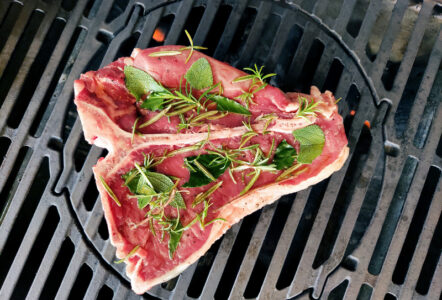
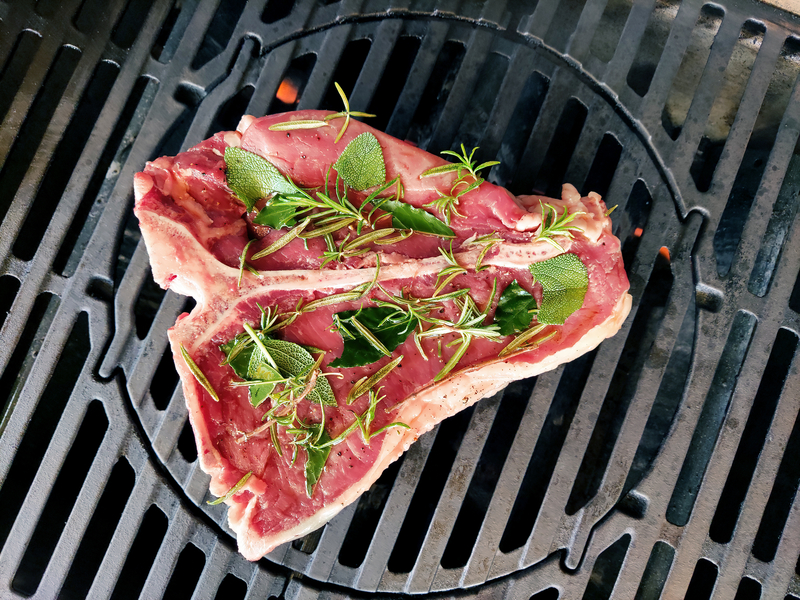
High heat works well for thin cuts that cook quickly. Examples include steaks, burgers, and other cuts of beef with a relatively high surface-fat content.
This range is approximately 450°F to 600°F at the cooking surface. At this temperature, you can develop a browned crust on the outside while the inside continues cooking. Searing refers to browning the surface through high-heat cooking; it does not seal juices inside the meat. See AmazingRibs, “Myth: Searing Steaks Seals in the Juices”.
Searing steaks may take only a few minutes per side, depending on thickness, starting temperature, and desired doneness. Stay close to the grill at this heat level because food can burn quickly if left unattended.
Use high heat for:
- Steaks
- Burgers
- Ground beef patties
- Thin pork chops
Medium-High Heat for Everyday Grilling
Medium-high heat is approximately 375°F to 400°F at the cooking surface. This is a useful all-purpose range for foods that need more time than a steak but still benefit from browning.
Chicken breasts and chicken thighs can cook well in this range. It can brown the skin on grilled chicken without scorching the exterior before the center reaches a safe temperature. Use an instant-read thermometer.
Fish and sausage can also do well at medium-high heat. Fish cooks quickly and can fall apart, so cleaning and lightly oiling the grates can help it release more easily, as noted by Chefstemp’s grill temperature guide. Sausage casings can split when exposed to excessive heat, so a moderate cooking temperature can help them cook more evenly.
Many grilled vegetables also cook well at medium-high heat, including zucchini, peppers, and corn.
Medium Heat for Larger or Delicate Foods
Medium heat, approximately 325°F to 350°F, works for foods that need more time to cook through. This includes whole chickens, turkey pieces, and pork chops that are thicker than usual.
This range gives the inside of the meat more time to cook without burning the outside. It’s also a practical choice for vegetables that take longer to soften, such as carrots and onions.
Delicate vegetables such as asparagus and mushrooms can also do well at medium heat. Fresh asparagus stalks become tender-crisp without drying out or developing bitter, charred surfaces from excessive direct heat.
If you’re grilling a mix of foods with different cooking times, medium heat gives you more control than high heat alone.
Low Heat for Smoking and Slow Barbecue
Low heat, usually between 225°F and 250°F, is commonly used for smoking and slow-cooked barbecue. Whether you are using an offset smoker, a pellet unit, or a kettle setup, this range works for tough cuts of BBQ meat that need hours to tenderize, such as brisket, pork shoulder, and ribs.
At this cooking temperature, collagen and other connective tissue gradually break down as the meat cooks. This process helps brisket and pork shoulder become tender over several hours.
Roasts can also benefit from controlled low-temperature cooking, although the correct method and target internal temperature depend on the cut.
Temperature control matters here because large heat swings can change cooking time and affect moisture loss, according to barbecuebible.com’s guide on grill temperatures.
Preheat and Set Up Heat Zones
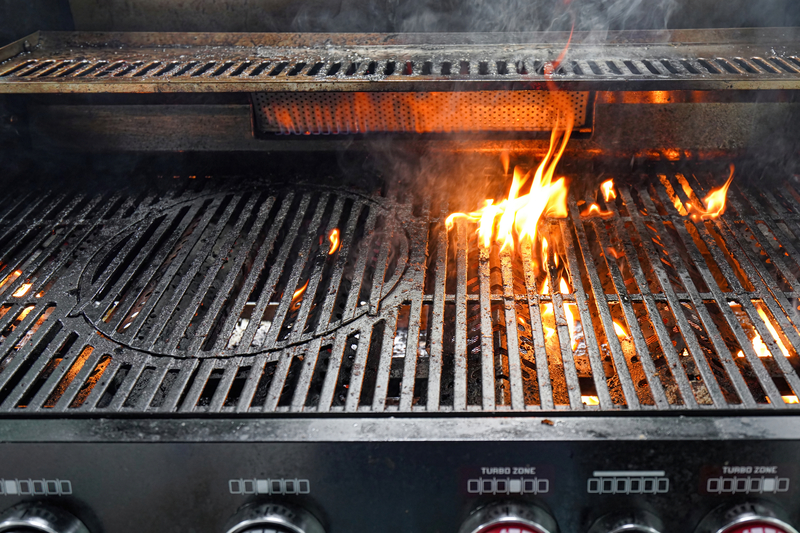 Getting your BBQ ready to cook takes more than turning on the burners or lighting the coals. You also need to build distinct temperature zones so you can control cooking time and handle different foods on the same grill.
Preheat a Gas Grill With the Lid Closed
Close the lid when preheating your gas grill. This helps warm the cooking chamber and grates, not just the area directly above the burners.
Turn all burners to high and let the grill preheat for 10 to 15 minutes, or follow the manufacturer’s instructions. Check the built-in thermometer after preheating, but remember that it measures air temperature near the lid rather than the exact temperature at the grates.
For high-heat cooking such as steaks and burgers, many grills reach approximately 450°F to 550°F during preheating. Opening the lid repeatedly lets heat escape and can slow the process.
Once the temperature is reasonably stable, adjust the burners to create your target heat zones.
Let Charcoal Stabilize Before Cooking
Charcoal grills generally need more time to stabilize than gas grills. Light the coals and wait until they are mostly gray or white with ash, which can take about 20 to 30 minutes, depending on the fuel, weather, airflow, and grill.
This ash layer generally indicates that the coals are burning more steadily rather than simply flaring up. Cooking over freshly lit charcoal can lead to uneven heat and stronger smoke flavors.
A chimney starter can speed up the process and heat coals more evenly than lighter fluid. Once the coals are ready, spread them out based on the heat zones you want to create.
Taking time to stabilize the fire helps produce more consistent cooking conditions.
Create Direct and Indirect Cooking Areas
Every grill, whether it’s a charcoal grill, gas grill, or pellet grill, benefits from having both direct and indirect heat zones. Dual zones are essential for successful barbecuing. Direct cooking places food straight above the flame or coals, which works best for quick-searing thin cuts, burgers, and tender vegetables.
Indirect heat sits away from the direct flame. This area cooks food more slowly and gently, which works well for thicker cuts such as chicken breasts, roasts, and other large items.
On a gas grill, create this setup by leaving one or more burners off while keeping the others on. On a charcoal grill, push the coals to one side and leave the other side empty.
| Zone Type | Best For | Heat Level |
|---|---|---|
| Direct | Burgers, steaks, vegetables | High |
| Indirect | Chicken, roasts, thick cuts | Medium to low |
This setup gives you more control over how each type of food cooks.
Use the Lid to Manage Heat Distribution
The grill lid does more than trap heat during preheating. It also helps manage heat distribution once you start cooking.
Closing the lid during indirect cooking traps hot air around the food, similar to how an oven works. This helps thicker cuts cook through evenly without burning on the outside.
For direct grilling, leave the lid open for short cooks such as burgers, or close it briefly to speed up cooking for thicker items. Opening and closing the lid too often causes heat loss and makes cooking times less predictable.
Keep lid use consistent based on the cooking zone and the food you’re preparing.
Control Temperature During the Cook
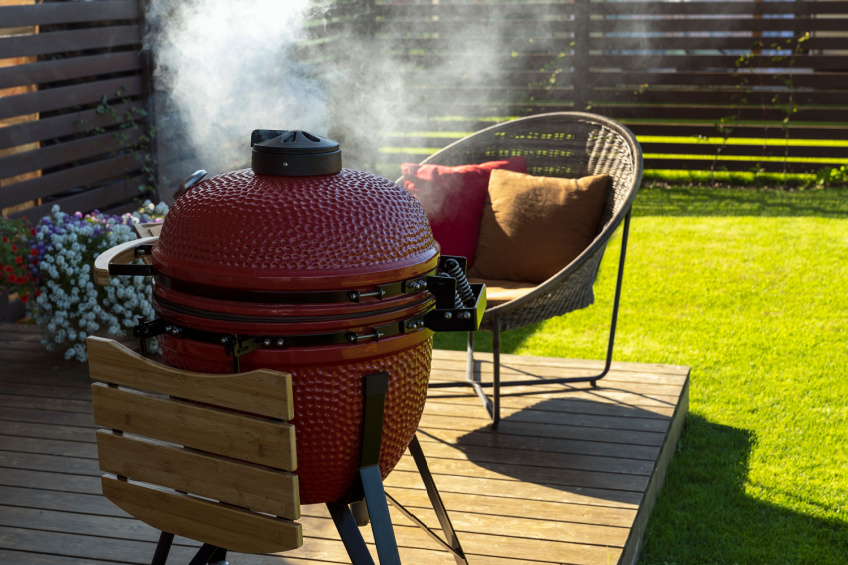 Once your grill is hot enough to start cooking, your job is to keep it there. Small adjustments to airflow, food placement, and fuel help keep the grill temperature steady from start to finish.
Adjust Charcoal Air Vents for Airflow
Air vents control how much oxygen reaches your coals, and oxygen keeps a fire burning. More airflow generally means a hotter fire, while less airflow lowers the temperature.
AmazingRibs explains that charcoal temperature is controlled primarily by regulating the oxygen supply through the intake vents: opening the intake raises the temperature, while restricting it reduces the oxygen reaching the coals and lowers the heat.
Most charcoal grills have two sets of vents: bottom vents and a top vent on the lid. The bottom vents feed air to the coals directly. The top vent lets heat and smoke escape, which helps draw fresh air through the grill.
If your grill temperature is running low, open both vents a bit more. If it’s too hot, close them partway. Avoid closing both sets completely unless you want to extinguish the fire. This method for charcoal grill temperature control works better than opening the lid to check on your food, since every peek lets heat escape.
Move Food Away From Flare-Ups
Flare-ups happen when fat or juice drips onto hot coals or a gas burner and catches fire. This creates a sudden burst of direct flame that can burn your food quickly.
When you see a flare-up, move your food to a cooler part of the grill right away. This is why it helps to set up two zones before cooking: one side with direct heat and one side with little or no heat underneath.
Don’t pour water on a grease flare-up, since water can spread hot grease and create a mess. Instead, move the food away from the flames and close the lid if appropriate for your grill, while monitoring the fire. Trim excess fat from meat before grilling to reduce the likelihood of flare-ups.
Add Fuel Without Causing Temperature Swings
Charcoal burns down over time, so you may need to add more during a long cook. The key is doing this without causing a large drop or spike in heat.
Add unlit coals to the edges of your existing fire rather than dumping them directly on top. This lets them heat gradually and catch fire from the coals already burning, instead of smothering the heat source.
Never use lighter fluid to restart a fire while food is cooking. Its fumes can affect the food’s flavor, and adding lighter fluid to hot coals can create a flare-up. Lump charcoal lights faster and responds more quickly to air-vent changes, while charcoal briquettes generally burn longer and provide more steady heat over time.
Know When to Rebuild the Fire
Every fire eventually burns low, and no amount of vent adjustment will restore heat that is no longer available. If your coals have turned mostly to gray ash and your grill won’t return to the target cooking temperature, it may be time to rebuild the fire.
Rake out old ash first, since built-up ash can block airflow and make it difficult to start a new fire. Add fresh charcoal, light it, and let it heat up for about 10 to 15 minutes before spreading it out.
This matters most for long cooks such as ribs or a whole chicken, where steady heat over several hours helps food cook evenly and reduces the risk of dry or undercooked results.
Confirm Doneness and Food Safety
 Checking the outside temperature of your grill won’t tell you whether your food is safe to eat. You need to check the internal temperature of the food itself to confirm that it has reached a safe temperature.
Measure Internal Temperature With a Meat Thermometer
Guessing by color or how firm the meat feels isn’t reliable. Clear juices don’t always mean food is safe, and pink meat isn’t always undercooked. The most reliable way to check is with a meat thermometer.
The USDA Food Safety and Inspection Service states that color, texture, and other visual indicators are unreliable for determining food safety and recommends using a food thermometer to verify that meat has reached a safe internal temperature.
Push the probe into the thickest part of the meat. Stay away from bone, fat, and the cooking surface, since these areas can produce inaccurate readings.
A grill thermometer built into the lid only tells you the air temperature inside the grill. It won’t tell you the internal temperature of your chicken, steak, or pork chops. You need a separate instant-read meat thermometer for that job.
Check more than one spot when cooking something large, such as a whole chicken or turkey. Grills often have hot and cool areas, so one part of the food can cook faster than another.
Use Safe Temperatures for Poultry and Ground Meat
Different meats need different internal temperatures for safety. These numbers come from the USDA safe minimums.
| Food | Safe Internal Temperature |
|---|---|
| Chicken breasts, chicken thighs, turkey | 165°F |
| Ground beef, ground turkey | 160°F |
| Pork chops, whole pork cuts | 145°F |
| Beef steaks and roasts | 145°F |
| Sausages (fresh, ground) | 160°F |
Chicken and turkey need to reach 165°F, no matter which part you’re cooking. Ground beef needs to reach 160°F because grinding can spread bacteria throughout the meat rather than leaving it only on the surface.
Steak is different. A whole cut of beef has a USDA-recommended minimum internal temperature of 145°F, followed by a three-minute rest. Surface bacteria are reduced by proper cooking, but the interior of a whole cut is not necessarily sterile.
The USDA Food Safety and Inspection Service recommends cooking beef steaks, chops, and roasts to a minimum internal temperature of 145°F, measured with a food thermometer, followed by at least a three-minute rest.
Rest Meat After Grilling
Remove meat from the grill when it is a few degrees below its target internal temperature. The center can continue cooking for several minutes after removal, a process called carryover cooking.
Let steaks, pork chops, and roasts rest for at least three minutes before slicing. Resting allows the internal temperature to stabilize and gives the juices time to redistribute through the meat. Use a food thermometer to verify that the meat reaches the recommended safe internal temperature.
Skipping the rest can cause more juices to run onto the cutting board, leaving the meat less juicy. Resting alone does not make undercooked meat safe, so always confirm doneness with a food thermometer.
FAQ: How Can I Tell If My BBQ Grill Is Hot Enough to Start Cooking?
 The most accurate way is to use a grill thermometer and check the temperature at the cooking grate. For a quick visual check on a charcoal grill, the coals should be mostly covered with gray ash and producing a steady, even heat.
How Hot Should a BBQ Grill Be Before Cooking?
The ideal temperature depends on what you are cooking. Medium heat is generally around 350–450°F (175–230°C), while high-heat grilling is typically around 450–550°F (230–290°C).
Can You Use the Hand Test to Check Grill Temperature?
Yes, the hand test can give you a rough indication of heat, but it is not as accurate as a thermometer. Hold your hand several inches above the cooking grate and count how long you can comfortably keep it there before the heat becomes too intense.
How Long Should You Heat a BBQ Grill Before Cooking?
A gas grill often needs around 10–15 minutes to preheat, while a charcoal grill generally needs time for the charcoal to become fully lit and develop a layer of gray ash. The exact time varies with the grill, fuel, weather, and amount of charcoal.
Should You Oil the Grill Grates Before Cooking?
Lightly oiling clean grates can help reduce sticking, particularly when cooking foods such as fish or lean meats. Apply oil carefully and avoid allowing excess oil to drip onto the burners or charcoal.
Should the Lid Be Open While the BBQ Grill Heats Up?
Keep the lid closed while preheating a gas or lidded charcoal grill, unless the manufacturer’s instructions recommend otherwise. Closing the lid allows the cooking chamber and grates to heat more efficiently before the food is added.