This content has been archived. It may no longer be relevant
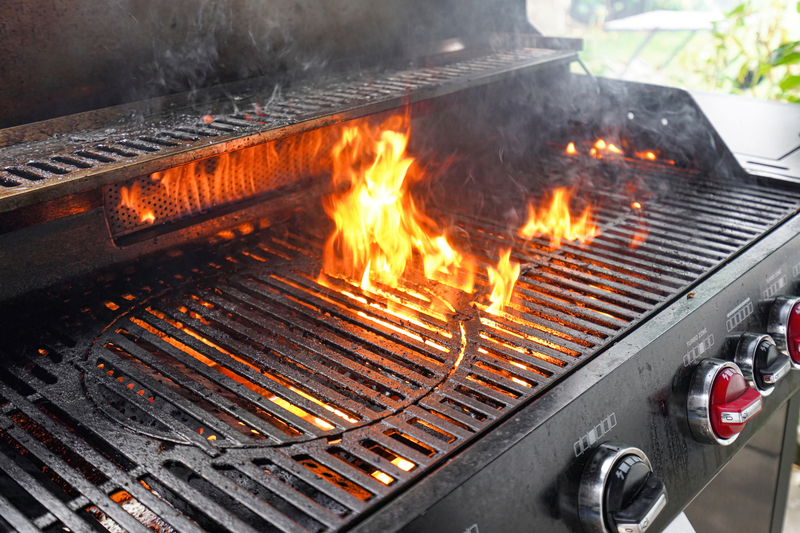

Using all burners on a gas grill is not always necessary, but it depends on what you are cooking and the heat you need.
For even cooking and consistent heat distribution, using all burners is often recommended, especially for larger amounts of food.
This approach helps prevent hot spots and uneven cooking.
However, many grillers adjust burner use based on the size of their food or preferred cooking method.
For example, turning on only the center burners or using a combination of high and low heat zones can provide more control.
Understanding when to use all burners or a few will improve grilling results and fuel efficiency.
This article explores the best practices for burner use to help anyone get the most from their gas grill.
Understanding Gas Grill Burners
Gas grill burners vary in type and design, influencing heat output and cooking performance.
Their arrangement and how gas is distributed determine the heat zones, essential for cooking different foods properly.
Types of Burners on a Gas Grill
There are mainly two types of burners used in gas grills: stainless steel tube burners and infrared burners.
Stainless steel tube burners rely on convection to distribute heat evenly across the cooking surface.
They tend to be durable and provide consistent heat.
Infrared burners operate through radiant heat, reaching higher temperatures faster than traditional burners.
This makes them ideal for searing and quick cooking but they are less suitable for low-and-slow grilling.
Burner materials can include cast stainless steel or stamped steel, each affecting heat retention and longevity.
Selecting the right burner type depends on grilling style and what kind of heat control the user needs.
How Burners Work Together
In grills with multiple burners, each burner plays a role in heat control and even cooking.
When all burners operate, heat covers the entire grilling area uniformly, ideal for large cooking loads.
However, burners can be used individually or in combinations to create zones of different heat levels.
For example, turning on just the center burner for high heat and outer burners low or off promotes indirect cooking.
Using all burners isn’t mandatory.
The arrangement allows for flexibility, supporting both direct and indirect cooking methods depending on the food and recipe.
Gas Distribution and Heat Zones
Gas grills distribute fuel through separate valves to each burner, allowing independent control.
This setup creates multiple heat zones, from high-heat direct zones to cooler indirect zones.
Heat zones enable users to sear food on one side of the grill and finish it with slower cooking on the other.
Understanding these zones helps prevent burning or undercooking.
Proper preheating, usually 10-15 minutes, ensures even gas flow and burner ignition.
Heat management depends on burner quality, grill design, and adjustment of flame intensity across zones.
Pros and Cons of Using All Burners

Using all burners on a gas grill affects heat distribution, fuel consumption, and cooking flexibility.
It can provide even heat but may not always be necessary depending on the type and amount of food.
Advantages of Using All Burners
Lighting all burners creates a consistent, evenly distributed heat across the grill.
This reduces the risk of hot spots and ensures food cooks uniformly, especially useful for large or multiple items.
It also allows the grill to reach and maintain higher temperatures more quickly.
This is beneficial for searing meats or when cooking foods that require precise heat control.
Preheating the grill with all burners on can improve cooking efficiency.
After preheating, the user can adjust the temperature by lowering some burners while still having a stable heat base.
Drawbacks of Maximum Burner Use
Using all burners continuously increases fuel consumption, which can be wasteful when cooking small amounts or foods needing low heat.
It can limit control over heat zones within the grill.
Some recipes or items require indirect or zoned cooking, which is harder to achieve if all burners are on at once.
Additionally, running all burners when not necessary can wear out components faster and increase the risk of flare-ups, making it less practical for casual grilling or small meals.
When to Use All Burners on a Gas Grill
Using all burners on a gas grill is beneficial when high, even heat is necessary.
This approach ensures consistent cooking temperatures and prevents unevenly cooked food.
It also suits specific grilling styles, certain foods, and events where precision and speed matter.
Grilling Techniques for Maximum Heat
Activating all burners maximizes the grill’s overall temperature.
This is crucial for searing foods quickly, locking in juices, and achieving proper Maillard browning.
The even heat prevents hot spots and reduces the risk of burning or undercooking.
Full-burner use is also practical during preheating.
Turning all burners on allows the grill to reach the target temperature uniformly, usually within 10-15 minutes.
For grilling methods like direct grilling, where heat is applied directly beneath the food, full burner use is the standard.
It enables rapid cooking times and consistent surface char.
Ideal Foods for Full-Burner Cooking
Thick cuts of meat, such as steaks, pork chops, and whole chickens, benefit from using all burners.
High, even heat cooks these items thoroughly and evenly, avoiding raw spots.
Foods that require fast searing—like burgers or fish fillets—also need the full burner setting.
This retains moisture and creates a crisp crust.
Large quantities of food or multiple items placed across the grill surface demand even heat distribution.
Using all burners prevents temperature fluctuations, ensuring uniform cooking throughout.
Special Occasions Requiring High Heat
Full burner use is common during events involving many guests or quick turnaround times.
The grill heats faster and maintains stable cooking temperatures, which is important for efficient meal preparation.
Tailgates, barbecues, and celebrations where grilling speed and consistency are priorities benefit from this approach.
It minimizes waiting and keeps food ready to serve.
In outdoor cooking contests or competitions, full burner use is essential.
It ensures control over cooking conditions to meet strict timing and quality standards.
Direct vs. Indirect Grilling Methods

Using all burners on a gas grill depends on the cooking technique—direct or indirect grilling.
Each method controls heat differently and impacts how food cooks.
Understanding these approaches helps decide when to use full burner power or just partial heating.
Benefits of Indirect Heat
Indirect grilling means turning on only some burners, creating zones of heat.
Food is placed away from direct flames, allowing slower, more even cooking.
This method works best for larger or tougher cuts, like whole chickens or roasts.
It prevents burning the outside while the inside reaches a safe temperature.
Indirect heat also reduces flare-ups and is suited for foods that require longer cooking times.
It gives better control over doneness without constant turning or monitoring.
Managing Multiple Heat Zones
Setting the grill with multiple heat zones is essential for combining direct and indirect cooking in one session.
One zone has all burners on high for searing, while the other zone stays off or low to cook food slowly.
The food can start over direct heat for browning, then move to indirect heat to finish.
This approach maximizes flexibility and efficiency.
Adjusting burner settings allows for precise temperature control, keeping food tender while developing a crust or crisp exterior.
Safety Considerations for Full-Burner Operation
Operating all burners on a gas grill requires attention to how heat and flames behave.
Proper management helps avoid common hazards while ensuring safe and effective cooking.
Preventing Flare-Ups
Flare-ups occur when fat or grease drips onto the burners or flames, causing sudden bursts of fire.
To reduce this risk, it is important to trim excess fat from meat before grilling and clean the grill grates regularly to prevent buildup.
Using a drip pan beneath the cooking surface can catch grease and minimize flare-ups.
Opening the grill lid cautiously also helps control sudden flames by limiting oxygen influx.
If a flare-up does happen, turning off some burners or moving food to a cooler section of the grill slows the fire.
Keeping a spray bottle of water nearby allows for quick suppression of minor flames without damaging the grill.
Handling Excessive Heat
Using all burners produces strong, consistent heat but can create zones that are too hot for certain foods.
Monitoring the internal grill temperature with a built-in or external thermometer ensures that heat stays within safe limits.
To handle high heat, adjusting burner settings or using indirect cooking areas where burners are off reduces the risk of burning food or the grill surface.
It also preserves fuel efficiency while avoiding damage.
Proper ventilation is critical.
Ensuring vents and air intakes are clear prevents heat buildup inside the grill housing.
This reduces pressure on components and lowers fire risk.
Grill Maintenance and Efficiency Tips

Proper management of burner usage and attentive cleaning habits directly impact fuel efficiency and the grill’s lifespan.
Understanding these factors helps maintain consistent cooking performance and reduces unnecessary wear.
Fuel Consumption with All Burners
Using all burners on a gas grill increases fuel consumption because more gas is required to maintain higher heat levels across the entire cooking surface.
However, when cooking for large groups or preparing multiple items simultaneously, this approach can save time by ensuring even heat distribution.
For smaller meals, it is more fuel-efficient to use fewer burners and concentrate heat where needed.
To optimize fuel use, adjusting burner settings to medium or low rather than full power can maintain consistent temperatures without excessive gas burn.
Regular burner maintenance, such as checking for blockages and leaks, also promotes efficient fuel use.
Cleaning After High-Heat Grilling
High-heat grilling causes grease and food residue to accumulate quickly on grates and burners, which can hamper efficiency and affect flavor.
Cleaning should be done soon after the grill has cooled slightly but is still warm.
Use a wire brush to scrape off residue from grates, and inspect burners for clogs or buildup that restrict flame patterns.
Neglecting cleaning reduces heat distribution and may force the grill to consume more fuel to achieve the desired temperature.
Additionally, buildup can lead to flare-ups, which damage the grill and create safety risks.
Routine cleaning includes wiping down surfaces, emptying drip trays, and inspecting hoses and connections to ensure safe, efficient operation.
Bottom Line – Should I Use All Burners On a Gas Grill?
Using all burners on a gas grill is not always necessary but can offer benefits such as even heat distribution and faster cooking times.
This approach works well when grilling large quantities or different types of food simultaneously.
For smaller or delicate items, using fewer burners is advisable to avoid overcooking or burning.
Adjusting the number of burners based on the food and cooking style provides better control and results.
Key factors to consider:
- Size and type of food
- Number of items being cooked
- Desired cooking temperature and duration
Using all burners helps maintain an even temperature across the grill surface, reducing hot spots.
However, flexibility is important; many grills allow turning burners on or off individually, similar to stove burners, to match cooking needs efficiently.
In short, their decision depends on the balance between cooking volume, heat control, and food type.
Proper burner management leads to better grilling outcomes without necessarily using all burners at once.