

This content has been archived. It may no longer be relevant

High-end grills represent a significant financial commitment, with premium models ranging from $1,000 to $5,000 or more compared to standard grills that cost between $100 to $1,000.
For serious outdoor cooking enthusiasts, the question isn’t just about price but about long-term value and performance capabilities.
High-end grills are worth the investment for dedicated grillers who prioritize superior temperature control, durability, and cooking performance over decades of use.
These premium models offer advanced features like precise heat management, commercial-grade construction materials, and comprehensive warranty coverage that budget options simply cannot match.
The decision ultimately depends on individual cooking habits, entertainment frequency, and budget considerations.
Understanding the specific benefits of premium construction, performance capabilities, and long-term ownership costs helps determine whether the substantial upfront investment aligns with personal grilling goals and lifestyle needs.
Defining High-End Grills
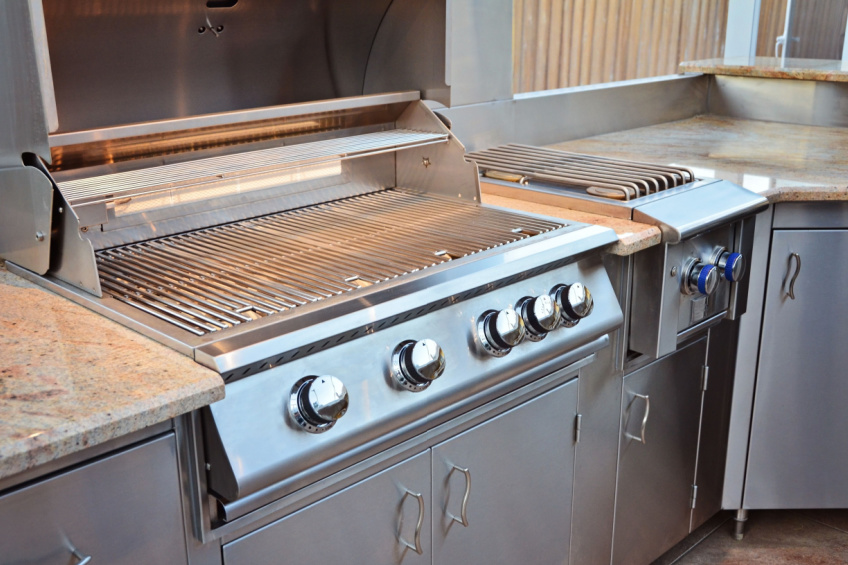
High-end grills typically start at $2,000 and can exceed $5,000, featuring premium materials like heavy-duty stainless steel construction and advanced temperature control systems.
These grills distinguish themselves through superior build quality, extended warranties of 10-20 years, and professional-grade features that standard models lack.
Key Features and Technologies
High-end grills incorporate heavy-duty stainless steel or cast iron construction that resists corrosion and maintains structural integrity over decades of use.
The thicker gauge materials retain heat more effectively than standard grills.
Precise temperature control systems allow users to maintain consistent cooking temperatures within 5-10 degrees.
Digital displays and multiple temperature probes monitor different cooking zones simultaneously.
Advanced burner systems provide 15-25% greater fuel efficiency compared to standard models.
These burners distribute heat evenly across the cooking surface, eliminating hot spots.
Many premium models feature rotisserie systems with heavy-duty motors capable of handling large roasts.
Infrared searing stations reach temperatures exceeding 900°F for restaurant-quality results.
Fuel flexibility allows switching between natural gas, propane, charcoal, or wood.
This versatility enables different cooking techniques and flavor profiles on a single unit.
Major High-End Grill Brands
 Weber leads the premium market with models like the Genesis E-415 and Summit series.
With sleek design and durable materials, it combines functionality and style for the serious backyard chef.
The Weber Genesis E-415 and Summit series represent the brand’s high-end grilling excellence.
 The Genesis E-415 offers a powerful sear station with durable stainless steel components in a sleek, compact design.
For those seeking even more, the Summit series adds advanced features like built-in rotisserie systems, smoker boxes, and lighted control knobs.
With expansive cooking areas and premium finishes, the Summit is built for serious outdoor chefs.
Both models showcase Weber’s dedication to performance, innovation, and luxury in backyard cooking.
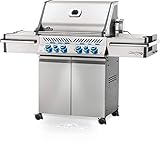 Napoleon produces the Prestige PRO series, known for professional-grade construction and dual-fuel capabilities.
The Napoleon Prestige PRO Series stands at the pinnacle of backyard cooking, blending commercial-grade performance with refined luxury.
These grills are engineered for serious enthusiasts, offering dual-fuel flexibility (natural gas or propane) and precision-crafted from premium 304 stainless steel for lasting durability and a sleek, polished look.
With up to 123,000 BTUs of total output and a limited lifetime warranty, the Prestige PRO series isn’t just about cooking—it’s about craftsmanship, control, and culinary confidence.
For those who view outdoor kitchens as an extension of their lifestyle, this series is a standout choice.
Blaze Grills are a standout in the high-end grilling world for those who want commercial-grade durability without the extreme price tag.
Made from 304 (and sometimes 316) stainless steel, these grills are built to last—rain, salt air, or sun.
 Models like the Blaze LTE and Professional LUX come with infrared sear burners, heat zone separators, and LED-lit knobs, making them both powerful and sleek.
 The Professional LUX even features 12 mm hex cooking rods for serious sear marks.
Backed by a lifetime warranty, Blaze is ideal for outdoor chefs who want premium performance and style—with fewer frills and more fire.
Differences Between Standard and Premium Grills
| Feature | Standard Grills | Premium Grills |
|---|---|---|
| Price Range | $100-$1,000 | $2,000-$8,000+ |
| Materials | Thin steel, porcelain coating | Heavy stainless steel, cast iron |
| Warranty | 1-3 years | 10-20 years |
| Temperature Control | Basic knobs | Digital displays, multiple probes |
| Fuel Efficiency | Standard consumption | 15-25% more efficient |
Standard grills use thinner materials that warp and rust within 3-5 years.
Premium grills maintain their appearance and functionality for decades with proper maintenance.
Heat distribution differs significantly between categories.
Standard grills create uneven cooking zones, while premium models maintain consistent temperatures across the entire cooking surface.
Premium grills offer modular accessories like pizza stones, smoking boxes, and griddle plates.
Standard models typically lack compatibility with professional accessories.
Initial Investment Considerations

High-end grills typically range from $800 to $8,000, with premium models requiring careful evaluation of upfront costs, financing alternatives, and protection plans.
Smart buyers should analyze total ownership expenses beyond the initial purchase price.
Price Range and Cost Breakdown
Entry-level high-end grills start around $800-$1,500 and feature stainless steel construction with basic premium components.
These models offer improved heat distribution and cooking space compared to budget options.
Mid-tier premium grills cost $1,500-$4,000 and include advanced features like infrared burners, smart temperature controls, and heavy-duty materials.
Professional-grade construction with 304 stainless steel becomes standard in this range.
Ultra-premium grills exceed $4,000 and can reach $8,000 or more.
These units feature 316L stainless steel, commercial-grade components, and extensive cooking surfaces exceeding 1,000 square inches.
Additional costs include:
- Professional installation: $200-$500
- Natural gas line connection: $300-$800
- Premium accessories: $300-$1,000
- Annual maintenance supplies: $100-$200
The material quality directly impacts pricing.
Heavy-duty stainless steel and cast iron components increase durability but significantly raise manufacturing costs.
Payment and Financing Options
Zero-interest financing plans are commonly available through major retailers for 12-24 months on purchases over $1,000.
Buyers must qualify based on credit scores and complete payments within promotional periods.
Store credit cards often provide extended financing terms up to 48 months for premium grill purchases.
Interest rates typically range from 19.99% to 29.99% after promotional periods end.
Manufacturer financing programs may offer competitive rates through partnerships with lending institutions.
Some brands provide seasonal promotions with reduced interest rates during peak grilling months.
Cash purchases sometimes qualify for additional discounts of 3-5% at specialty retailers.
This approach eliminates interest charges and simplifies the ownership process.
Payment timing affects total investment costs significantly.
Financing adds 15-30% to the final price when buyers extend payments beyond promotional periods.
Warranty and Service Agreements
Standard warranties typically cover 2-5 years for major components like fireboxes and burners.
Premium brands often provide 10-15 year warranties on stainless steel construction and key structural elements.
Extended service plans cost $200-$800 depending on grill value and coverage duration.
These agreements include annual maintenance, part replacements, and priority repair scheduling.
Parts availability varies significantly between manufacturers.
Established brands maintain inventory for 10+ years, while newer companies may discontinue support sooner.
Labor coverage differs across warranty types.
Basic warranties cover parts only, while premium plans include technician visits and installation services.
Service network density affects repair convenience and costs.
National brands typically offer broader coverage than boutique manufacturers with limited dealer networks.
Performance and Cooking Experience
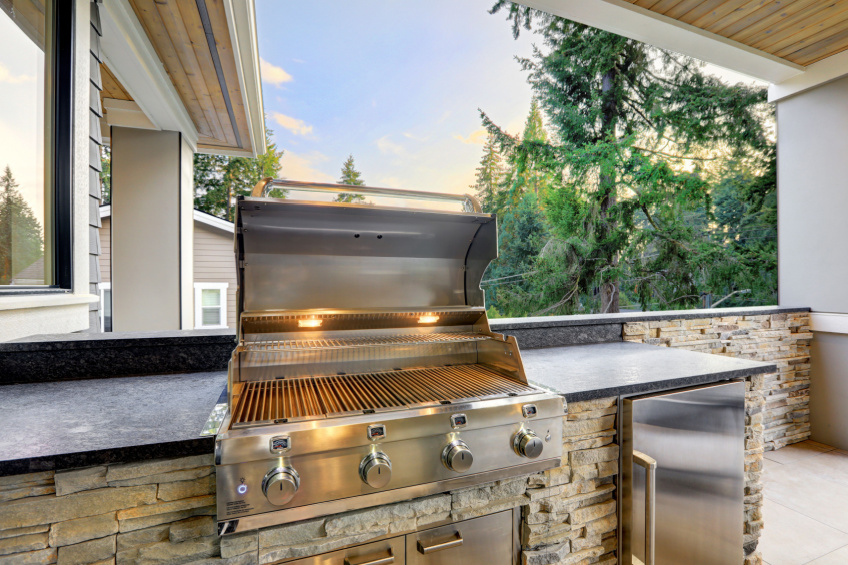
High-end grills deliver measurably better heat distribution, precise temperature management, and expanded cooking capabilities compared to budget models.
Premium materials and construction methods directly impact cooking results and long-term performance.
Heating Precision and Temperature Control
Premium gas grills feature multiple independently controlled burner zones that allow cooks to create different temperature areas across the cooking surface.
This zoning capability enables simultaneous searing at high heat while slow-cooking other items at lower temperatures.
High-end models incorporate infrared burners and ceramic heat distributors that eliminate hot spots and cold zones.
These systems maintain temperature variations within 25°F across the entire cooking area, compared to budget grills that can vary by 100°F or more.
Digital temperature monitoring systems in luxury grills provide real-time feedback and automated temperature adjustments.
Many models include meat probes and smartphone connectivity for remote monitoring during extended cooking sessions.
The BTU-to-cooking-area ratio in premium grills typically ranges from 80-120 BTU per square inch, providing adequate power density for proper searing and heat recovery when the lid opens.
Cook Versatility and Specialty Features

Premium grills include dedicated smoking chambers with separate wood chip boxes and controlled airflow systems.
These features maintain consistent smoke production at temperatures between 225-250°F for extended periods.
Rotisserie systems in high-end models feature heavy-duty motors rated for 15+ pounds and include counterbalanced spits with adjustable forks.
The positioning allows even browning and self-basting during rotation.
Side burners and warming racks expand cooking capacity beyond the main grilling surface.
Professional-grade side burners produce 10,000-15,000 BTU output suitable for woks, stockpots, and sauce preparation.
Many luxury models incorporate ceramic or lava rock heat retention systems that store thermal energy and provide consistent radiant heat even when gas flow fluctuates.
Build Quality and Materials
316-grade stainless steel construction in premium grills resists corrosion and warping under high temperatures.
This marine-grade steel maintains structural integrity in coastal environments and harsh weather conditions.
Cast iron cooking grates retain and distribute heat more effectively than chrome-plated alternatives.
These grates develop natural non-stick properties through seasoning and provide superior searing marks.
Double-wall firebox construction with insulation maintains internal temperatures while keeping exterior surfaces cooler.
This design improves fuel efficiency and reduces heat loss during windy conditions.
Premium grills feature precision-machined gas valves and regulators that provide consistent fuel flow and eliminate the pressure fluctuations common in budget models.
These components typically carry 10-25 year warranties compared to 1-3 years on standard equipment.
Longevity and Durability

High-end grills typically last 10-15 years compared to 3-5 years for budget models, with premium materials like heavy-duty stainless steel providing superior resistance to rust and wear.
Weather resistance and reduced maintenance requirements further extend their operational lifespan.
Expected Lifespan
Premium grills constructed with stainless steel and cast iron components deliver significantly longer service lives than budget alternatives.
Quality materials resist corrosion and withstand repeated heating cycles without warping or degrading.
- High-end grills: 10-15 years average lifespan
- Mid-range grills: 6-8 years average lifespan
- Budget grills: 3-5 years average lifespan
The construction quality directly impacts longevity.
Premium models feature thicker gauge metals, reinforced joints, and commercial-grade components that maintain structural integrity over time.
Heavy-duty burners and cooking grates resist cracking and maintain even heat distribution throughout their extended lifespan.
This durability translates to fewer replacements and lower long-term costs despite higher initial investment.
Maintenance Requirements
High-end grills require less frequent maintenance due to superior material quality and engineering.
Stainless steel surfaces resist staining and clean more easily than painted or chrome-plated alternatives.
Premium models often include removable drip trays, dishwasher-safe components, and grease management systems that simplify routine cleaning.
These features reduce time spent on upkeep while preventing grease buildup that can damage internal components.
Quality burners maintain consistent performance with minimal adjustment or replacement needs.
Cast iron cooking grates develop natural non-stick properties over time and resist rust when properly seasoned.
Key maintenance advantages:
- Easier cleaning due to premium materials
- Fewer component replacements needed
- Better grease management systems
- Self-maintaining cooking surfaces
Weather Resistance and Outdoor Performance
Premium grills feature enhanced weather protection through marine-grade stainless steel construction and protective coatings.
These materials resist salt air, humidity, and temperature fluctuations that typically cause premature deterioration.
Double-wall construction and insulated fireboxes maintain consistent cooking temperatures while protecting internal components from moisture infiltration.
Weather-sealed control panels and reinforced covers prevent water damage to electronic ignition systems.
High-end models perform reliably in extreme temperatures, from freezing winters to scorching summers.
This all-weather capability eliminates seasonal storage requirements and extends usable cooking seasons.
UV-resistant finishes prevent fading and chalking that commonly affect budget models.
Powder-coated surfaces maintain appearance and protective properties for years without requiring refinishing or touch-up maintenance.
Taste and Food Quality Impact

High-end grills deliver superior cooking results through advanced heat distribution systems and specialized cooking technologies.
Premium materials and precision engineering create more consistent temperatures that enhance food flavor and texture.
Flavor Enhancement Technologies
High-end grills incorporate multiple burner zones with precise temperature control systems.
These features allow cooks to create different heat zones across the cooking surface simultaneously.
Multi-zone cooking capabilities enable users to sear steaks at high temperatures while keeping vegetables warm on lower heat areas.
This prevents overcooking and maintains optimal texture for each food type.
Premium grills use thicker cooking grates made from cast iron or heavy-duty stainless steel.
These materials retain heat more effectively than thin chrome-plated grates found on budget models.
Enhanced heat retention results from superior insulation and heavier construction materials.
The consistent temperatures reduce hot spots that can burn food unevenly.
Flavorizer bars and heat tents redirect drippings to create flavorful smoke while preventing flare-ups.
This system adds smoky taste without the bitter flavors that come from burned grease.
Infrared and Rotisserie Options
Infrared burners generate intense, even heat that reaches temperatures up to 1,500°F.
This technology sears meat quickly to lock in juices while creating restaurant-quality grill marks.
The infrared cooking method reduces cooking time by 30-50% compared to conventional gas burners.
Food retains more moisture because the high heat seals the surface immediately.
Rotisserie systems in premium grills include heavy-duty motors and adjustable forks.
These components handle large roasts and whole chickens while ensuring even cooking on all sides.
Rear infrared rotisserie burners provide consistent heat from behind the rotating food.
This positioning prevents hot spots and eliminates the need to manually turn items during cooking.
The combination creates self-basting effects as juices circulate around the rotating meat.
This process enhances flavor development and maintains tender textures throughout larger cuts.
Cost of Ownership Over Time
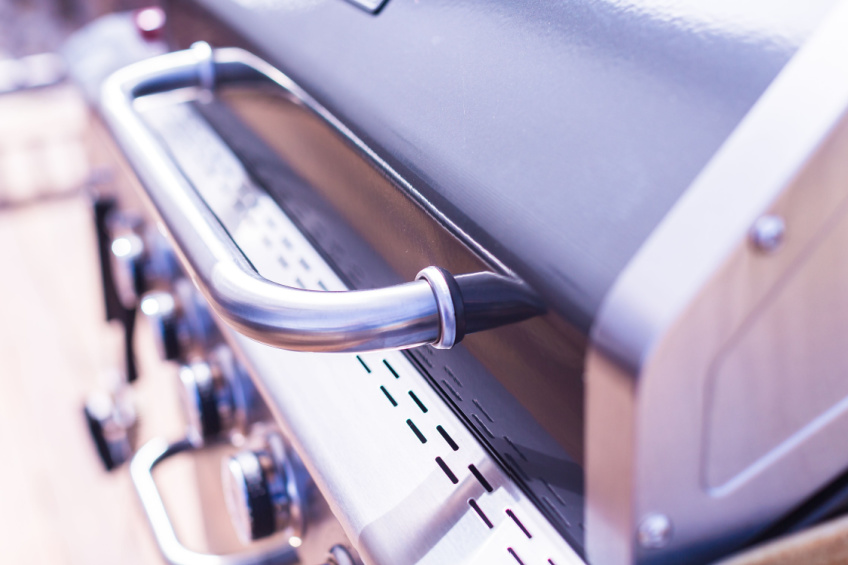
High-end grills typically deliver superior energy efficiency and longer component lifespans, while budget models often require frequent part replacements and lose value rapidly.
Premium grills also maintain stronger resale values due to brand reputation and build quality.
Energy and Fuel Efficiency
High-end grills achieve significantly better fuel efficiency through superior insulation and precise temperature control systems.
A 2023 consumer study found premium grills had 20% higher energy efficiency ratings compared to budget alternatives.
Gas Grills: Premium models feature better heat distribution and retention, reducing propane consumption by 15-25% during typical cooking sessions.
Heavy-duty burners maintain consistent flames at lower gas flow rates.
Charcoal Grills: High-end ceramic and steel models require 20-30% less charcoal due to superior airflow control and heat retention.
Thick walls and tight-fitting lids preserve heat longer.
Electric models with quality heating elements reach target temperatures faster and maintain them with less energy draw.
Users typically see 10-15% lower utility costs compared to budget electric grills.
Replacement Parts Availability
Premium grill manufacturers maintain extensive parts inventories for 10-20 years after production ends.
Major brands like Weber, Lynx, and Traeger stock components for decades-old models.
Budget grill manufacturers often discontinue parts within 2-3 years.
Generic replacement parts may not fit properly or match original specifications.
This forces complete grill replacement sooner.
Common replacement needs:
- Grill grates every 3-5 years
- Burner tubes every 5-7 years
- Ignition systems every 4-6 years
- Heat shields every 4-8 years
High-end parts cost more initially but last longer.
A premium stainless steel grate costs $150-300 but lasts 8-10 years versus budget grates lasting 2-3 years at $40-80 each.
Resale Value and Depreciation
Premium grills retain 40-60% of their original value after five years with proper maintenance.
Budget grills typically retain only 10-20% of their value over the same period.
Factors affecting resale value:
- Brand recognition and reputation
- Build quality and visible wear
- Maintenance history and condition
- Original feature set and capabilities
High-end stainless steel models show minimal visible aging compared to painted steel budget options that rust and fade.
Professional-grade features like infrared burners and rotisserie systems add resale appeal.
Premium grills often sell within weeks on secondary markets, while budget models may sit for months.
The strong resale market makes upgrading more affordable for high-end grill owners.
Lifestyle and Entertaining Value
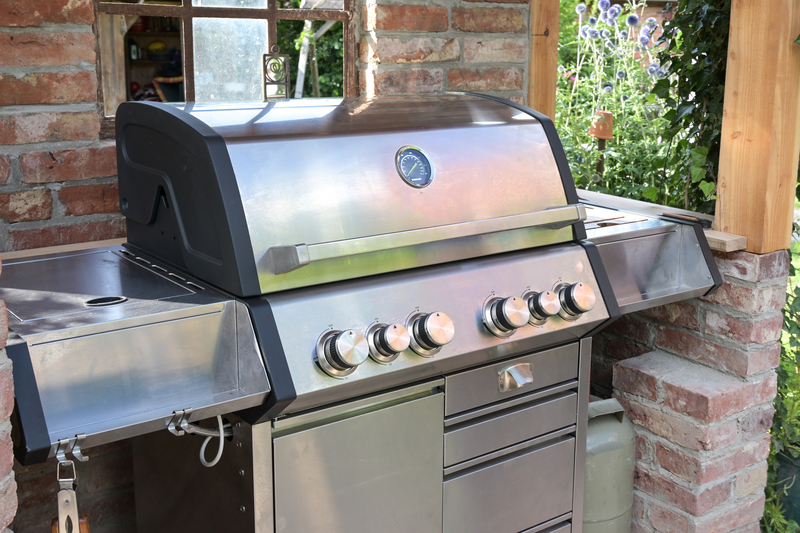
High-end grills transform outdoor spaces into sophisticated entertainment areas while offering premium cooking capabilities that enhance social gatherings.
The visual impact and performance benefits create lasting value beyond basic food preparation.
Aesthetics and Outdoor Design
Premium grills serve as centerpiece appliances that elevate the entire outdoor kitchen aesthetic.
Stainless steel construction and professional-grade finishes complement high-end patio furniture and landscaping investments.
Built-in models integrate seamlessly with stone countertops and outdoor cabinetry.
Freestanding luxury units feature clean lines and commercial-style knobs that create a restaurant-quality appearance.
Design consistency matters for property value.
A $3,000 grill maintains visual harmony with expensive outdoor furniture and hardscaping elements that homeowners typically invest $15,000-30,000 to create.
Premium materials resist weathering and maintain their appearance longer than budget alternatives.
Stainless steel grades used in luxury grills resist corrosion and discoloration from UV exposure and temperature changes.
Professional styling details include LED lighting, rotisserie systems, and side burners that add functional appeal.
These features create focal points that draw attention and admiration from guests.
Hosting and Social Benefits
High-end grills enable hosts to prepare restaurant-quality meals while remaining engaged with guests.
Multiple cooking zones allow simultaneous preparation of appetizers, main courses, and side dishes.
Superior temperature control prevents overcooking and ensures consistent results when serving groups.
Infrared burners sear steaks to perfection while separate warming areas keep finished dishes at optimal serving temperatures.
Cooking capacity expands entertaining possibilities.
Premium grills accommodate 20-30 portions simultaneously, making them practical for dinner parties and family gatherings.
Built-in features reduce prep time and kitchen trips.
Side burners handle sauces and vegetables while the main cooking surface manages proteins. Storage drawers keep utensils and seasonings within reach.
The cooking process becomes entertainment itself.
Guests gather around premium grills to watch culinary techniques and interact with hosts who can focus on both cooking and conversation.
Comparing Alternative Options
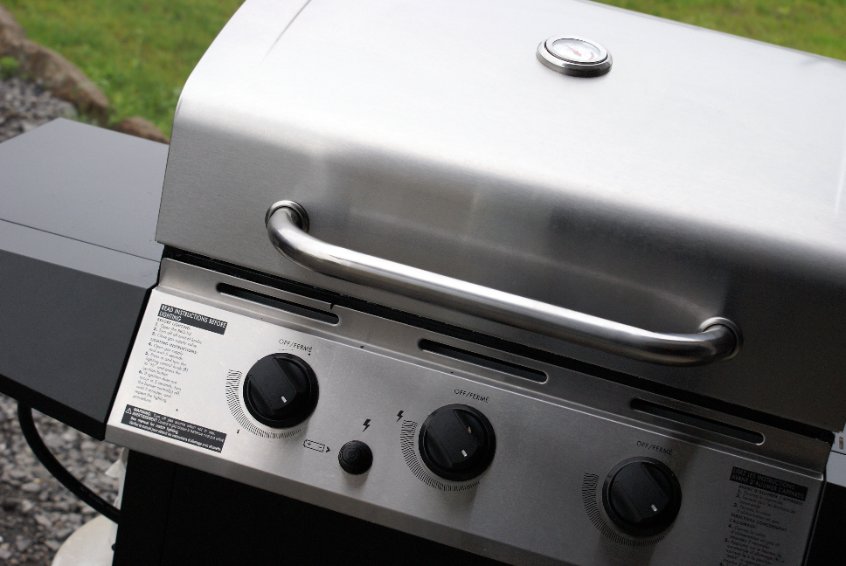
High-end grills face competition from mid-range models that offer solid performance at lower prices, while portable options provide flexibility for those with space constraints or occasional grilling needs.
Mid-Range and Entry-Level Grills
Mid-range grills typically cost $300-$800 and deliver reliable performance for most home cooks.
These models often feature stainless steel burners, decent heat distribution, and basic temperature controls.
 Weber Spirit series exemplifies quality mid-range options with consistent heat output and durable construction.
Known for its consistent heat output, these grills feature durable construction with porcelain-enameled cast iron cooking grates and sturdy steel frames designed to withstand regular outdoor use.
The Spirit series strikes a great balance between affordability and advanced features, including easy-to-use ignition systems and ample cooking space, making it a popular choice for those seeking dependable, no-fuss grilling without compromising on quality.
 The Char-Broil Performance series offers dependable mid-range grills designed for casual and aspiring grillers who want solid cooking power without breaking the bank.
These grills deliver consistent heat through stainless steel or porcelain-coated burners and feature durable steel construction built to handle everyday outdoor cooking.
With user-friendly controls, decent cooking area, and often integrated features like side burners or warming racks, the Performance series provides a versatile grilling experience ideal for backyard gatherings and family meals.
It’s a practical choice for those seeking reliable performance and value in a mid-tier grill.
They provide basic cooking capabilities without premium materials or advanced features.
The performance gap between mid-range and high-end models often centers on heat retention, build quality, and longevity rather than basic cooking ability.
Most mid-range grills handle standard grilling tasks effectively.
Temperature control becomes less precise in lower-priced models.
Heat distribution may create hot spots that require more attention during cooking.
Portable and Tabletop Models
Portable grills serve apartment dwellers, tailgaters, and campers who need compact cooking solutions.
These models typically cost $100-$400 and prioritize portability over cooking space.
 Weber Q series leads the portable gas category with effective heat output in compact designs.
 Tabletop charcoal options like Weber Smokey Joe provide authentic grilling flavors in small packages.
These units cook effectively for 2-4 people despite their size limitations.
Cooking surface area becomes the primary constraint with portable models.
Most units accommodate 4-6 burgers simultaneously, making them unsuitable for large gatherings.
Battery-powered or manual ignition systems replace the electronic starters found in full-sized grills.
Wind resistance and fuel efficiency matter more in outdoor portable applications.
Making an Informed Investment Decision

Buyers should establish a clear budget range before shopping for high-end grills.
Premium models typically cost between $1,000 to $5,000, with some exceeding this range.
Key factors to evaluate include:
- Current grilling frequency and habits
- Available outdoor space and storage
- Preferred cooking methods and features
- Long-term durability expectations
Serious outdoor cooking enthusiasts who grill regularly often find high-end models worthwhile.
Those who grill occasionally may benefit more from mid-range options.
Research priorities should focus on:
- Material quality and construction
- Temperature control precision
- Warranty coverage and support
- User reviews from verified purchasers
Buyers need to compare features across different brands and price points.
Smart technology, premium materials, and advanced temperature systems add value for frequent users.
The investment makes sense when buyers plan to use the grill extensively over many years.
High-quality construction typically provides better longevity than budget alternatives.
Financial considerations include:
- Initial purchase price
- Installation and setup costs
- Ongoing maintenance expenses
- Replacement part availability
Buyers should test grills in person when possible to assess build quality and ease of use.
Many retailers offer demonstration periods or generous return policies for expensive models.
The decision ultimately depends on individual cooking habits, budget constraints, and quality expectations.
Buyers who prioritize durability and performance often find premium grills justify their higher costs through extended use and superior results.