
A Weber kettle sits in many backyards, but most people use it for burgers and steaks. A Weber kettle can work well as a smoker if you set it up correctly and monitor the heat. You do not need to buy extra gear right away. With a few simple changes, your charcoal grill can handle low and slow cooking.
Smoking with a Weber kettle comes down to charcoal placement and airflow control. Put the coals on one side and the food on the other, away from direct heat. This lets heat and smoke circulate under the lid and cook your food slowly. It takes practice, but the method is easy to learn once you understand the basics.
You might wonder how this setup compares with a dedicated smoker and whether it is worth the effort. This article covers the setup, fuel choices, and common mistakes to avoid so you can get steady results from your kettle.
The Verdict: Where the Kettle Excels and Falls Short
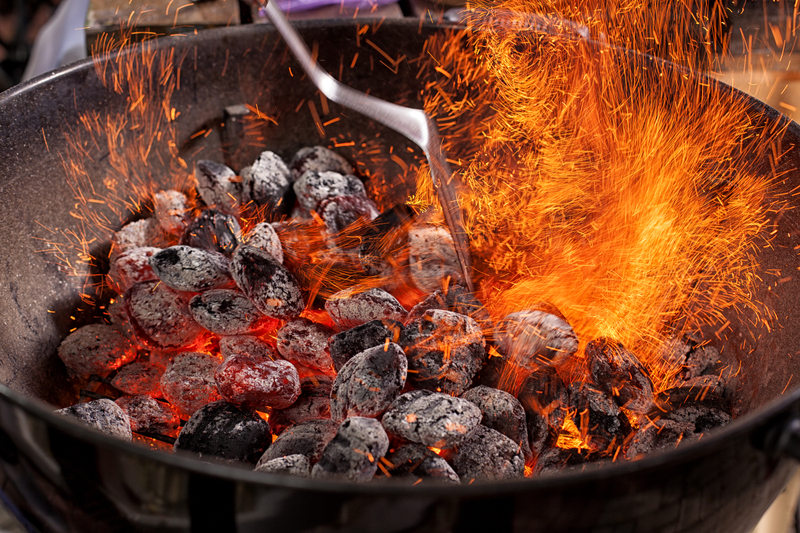 A Weber kettle can produce good smoked food, but it has limitations compared with a dedicated smoker. Knowing what it does well and where it struggles helps you set realistic expectations before you start cooking.
Why It Works for Occasional Smoking
If you already own a Weber kettle for grilling, you have most of what you need to smoke food on it. Its round shape and tight-fitting lid retain smoke, while the vents provide enough control to manage heat for several hours.
This setup works best for shorter cooks, such as ribs, chicken, or a small pork shoulder. You need only charcoal, wood chunks, and the two-zone or snake method. For many backyard cooks, it is a practical way to try low-and-slow cooking without buying a second grill.
It also keeps your outdoor cooking space simple. One charcoal grill can handle burgers on a weeknight and ribs on the weekend, so you do not need to store multiple cookers in a small yard or patio.
Learning low and slow cooking on a familiar cooker also builds your confidence before investing in dedicated smoking equipment.
Limits to Expect on Long Cooks
The kettle’s limited capacity can be a challenge during longer smokes. You may need to add charcoal and water more often than you would with a purpose-built smoker, because the kettle holds less fuel.
Temperature swings are also more common. A kettle has a shallow body and a single grate, so its temperature can react quickly to vent adjustments, wind, and opening the lid to check your food.
For brisket or an overnight cook, expect more hands-on time and frequent checks. You can still get good results, but the kettle needs closer attention than a cooker designed for long, steady sessions at low heat.
What You Need to Smoke on a Weber Kettle
 You do not need much gear to use your kettle as a smoker. A few basic tools help control heat and smoke, while a few optional accessories can make cooking easier.
Essential Fuel, Wood, and Temperature Tools
Charcoal is your base fuel. Briquettes burn at a steady rate, making them a good choice for long, low-and-slow cooks. They provide the steady burn needed for low and slow cooking in a charcoal grill. Lump charcoal also works, but it can burn hotter and less evenly.
Wood chunks add smoke flavor. They burn more slowly than wood chips and produce smoke for longer, which is useful during a multi-hour cook.
A water pan can sit below the grate, between the coals and the food. It helps stabilize the cooking temperature and catches drippings.
You also need a reliable thermometer. A digital probe placed near the meat, rather than relying only on the lid thermometer, gives you a better reading of the cooking temperature.
Optional Accessories Worth Considering
A charcoal basket keeps coals contained in one spot, making it easier to create a two-zone fire with coals on one side and meat on the other.
A heat deflector also helps block direct heat from reaching your food, reducing the risk of hot spots and scorching.
Some grillers use a product like the Slow ‘N Sear, which holds charcoal in a concentrated area and supports a slow-burning fire. It can extend your burn time beyond 10 hours on one load of charcoal, depending on conditions and setup.
These tools are not required to smoke on a kettle, but they can make temperature control easier, especially if you are new to long cooks.
How to Set Up Indirect Heat
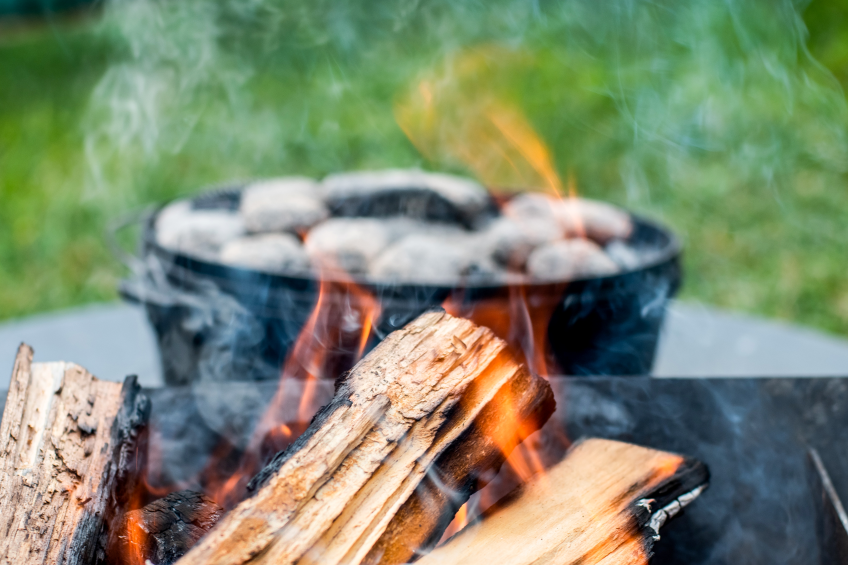
A Weber kettle works as a smoker when you keep the meat away from direct flame. Setting up your charcoal grill for indirect heat lets you manage low and slow cooking without extra modifications. Use a two-zone fire for shorter cooks or a charcoal snake for longer sessions.
Use a Two-Zone Fire for Shorter Cooks
A two-zone fire splits your grill into a hot side and a cool side. Light a full chimney of charcoal, let it ash over, then pour the coals onto one half of the charcoal grate. Leave the other half empty.
This setup works well for cooks under two hours, such as chicken thighs or pork chops. You get direct heat on one side for searing and indirect heat on the other for gentler cooking. A charcoal basket helps keep the coals in place so they do not spread across the grate.
Place a drip pan on the empty side under the food. It catches grease and helps prevent flare-ups that can affect the food’s bark.
Build a Charcoal Snake for Longer Cooks
The snake method works well for long smokes, such as brisket or pork shoulder. Arrange unlit charcoal briquettes in a curved line around the edge of the charcoal grate, usually two or three briquettes wide and two briquettes high.
Light one end of the snake with a few lit coals. The fire then burns slowly along the line. Depending on the setup and conditions, this can provide four to six hours of steady heat without adding fuel.
Add wood chunks along the snake for smoke flavor. Space them along the line to provide smoke throughout the cook.
Position the Food, Water Pan, and Lid Vent
Place your meat on the cool side of the grate, away from the coals. With the snake method, set the food in the center of the grate, inside the curve of the snake.
A water pan can help stabilize the cooking temperature and add moisture to the air inside the grill. Set it between the coals and the food, or in the center of the snake’s curve.
The water pan can also act as a heat deflector, blocking some direct heat from reaching the bottom of the meat.
Keep the lid vent open about halfway and position it over the food, not over the coals. This draws smoke across the meat before it exits, helping add flavor.
How to Maintain Steady Heat and Clean Smoke
 Good smoking on a Weber kettle depends on three things: measuring the temperature accurately, adjusting the vents in small steps, and adding fuel at the right time. These practices help you maintain steady heat for hours without constantly tending the grill.
Measure Temperature at Grate Level
The lid thermometer on a Weber kettle may not show the temperature at the grate. Because it sits higher than the food, its reading can differ from the temperature where the meat is cooking.
For accurate temperature control, use a separate probe at grate level, next to your meat. A dual-probe digital thermometer is useful: one probe tracks the air temperature near the food, and the other tracks the meat’s internal temperature.
Check both readings during the first hour, when the fire is settling and temperature changes are more likely.
Adjust Vents Without Smothering the Fire
Your bottom vent controls how much air feeds the fire. The top vent lets smoke and heat escape. Changes to either vent can affect the temperature, so adjust them gradually.
Start with the bottom vent about one-quarter open. Keep the top vent at least half open to maintain airflow. Closing it too much can trap smoke and make the food taste bitter or sour.
If the temperature climbs too high, close the bottom vent slightly and wait 15 minutes before checking again. If it drops too low, open the bottom vent a little. Avoid opening or closing the vents all at once, since sudden changes can cause temperature spikes or extinguish the fire.
Add Wood and Manage Fuel During the Cook
Clean smoke comes from dry fuel that burns steadily, not from adding too much wood at once.
Use wood chunks instead of wood chips for longer cooks. Chunks burn more slowly and produce smoke for longer. Chips burn out quickly and need frequent refilling, which means opening the lid more often and losing heat.
Add two or three chunks at the start of the cook, resting them on top of unlit coals. As the fire reaches them, they will smolder and release smoke gradually.
Check your charcoal level every couple of hours during long cooks. Add small amounts of unlit charcoal before the fire runs low, rather than waiting until it dies out. This helps maintain a steady temperature and avoids a difficult restart.
What to Smoke First
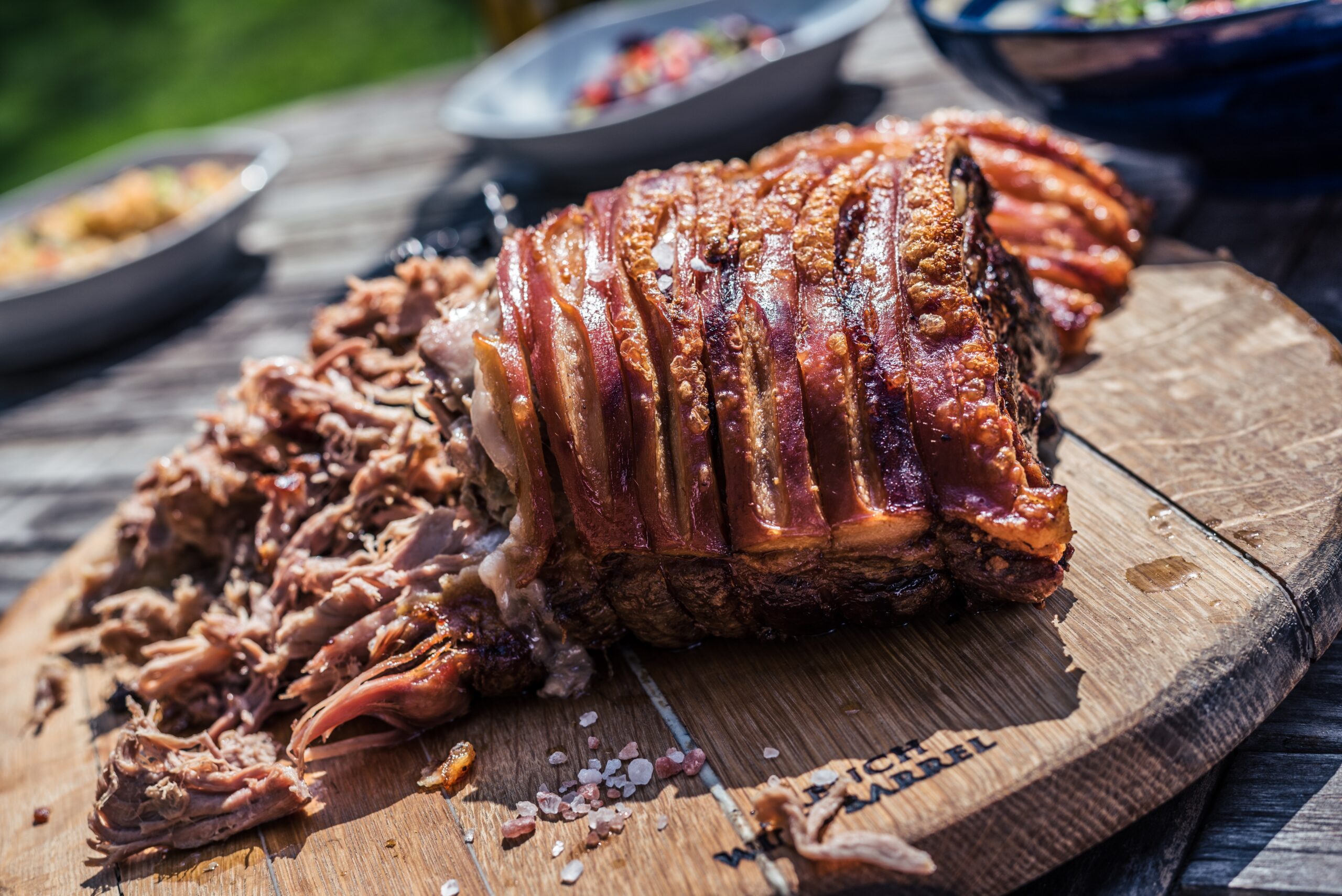 Your first smoke should be simple and forgiving. Ribs, chicken, and pork shoulder are all good choices, but each requires a different approach.
Beginner-Friendly Ribs and Chicken
Ribs and chicken are good starting points because they cook faster than many other meats. A rack of ribs usually takes about 5 to 6 hours. A whole or spatchcocked chicken can be done in under 2 hours.
These shorter cook times mean you spend less time managing the fire. You can practice controlling the vents without worrying about running out of charcoal halfway through.
Set up your kettle using the 2-zone method, with coals on one side and the meat on the other. This keeps the meat away from direct heat so it cooks slowly and evenly.
Chicken skin can turn rubbery at low temperatures. If this happens, move the chicken over direct heat for the last few minutes to crisp the skin.
Planning a Longer Pork Shoulder Cook
A pork shoulder takes much longer than ribs or chicken, often 10 to 14 hours depending on its size. This cut requires true low and slow cooking, demanding patience and a steady charcoal grill setup.
The snake method works well for this. Arrange charcoal in a C-shape around the edge of the kettle, light one end, and let it burn slowly toward the other end. This can keep the grill steady at 225 to 250°F for up to 16 hours, though the burn time depends on the grill, fuel, and conditions.
Before you start, place a water pan inside the C-shape to help moderate temperature changes. Add wood chunks near the start of the snake so the meat gets smoke early in the cook.
Check the meat’s internal temperature instead of relying on the clock. Pork shoulder is usually ready to pull when it reaches about 203°F and is tender, though the exact temperature can vary.
Weber Kettle vs. Weber Smokey Mountain
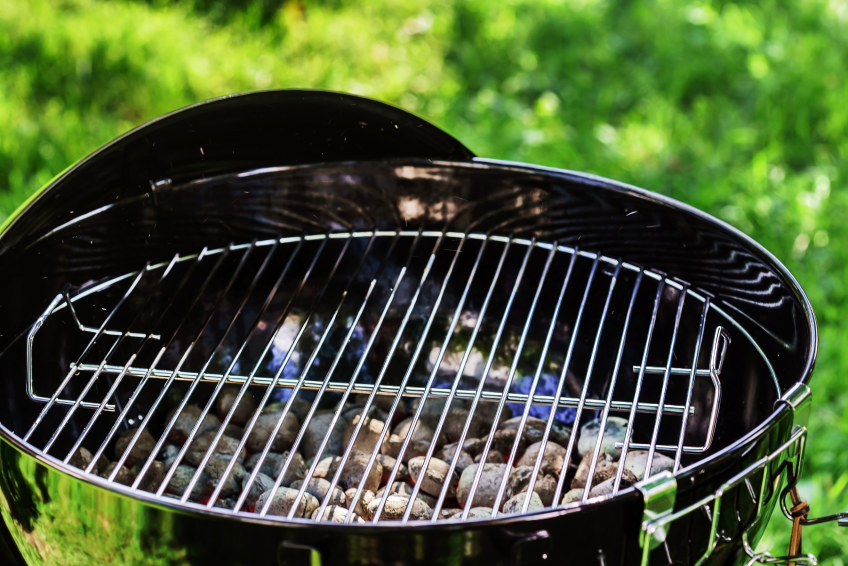 The Weber Kettle and the Weber Smokey Mountain are both charcoal cookers, but they are built for different jobs. The Kettle is primarily a charcoal grill that can also smoke, while the Smokey Mountain is designed for low and slow outdoor cooking.
Cooking Capacity and Temperature Stability
The Smokey Mountain has two stacked cooking grates, so it can hold more food than a Kettle of a similar size. You can fit a brisket and a pork shoulder on it at the same time, which is difficult on a single-grate Kettle.
Temperature control is also easier on the Smokey Mountain. Its water pan sits between the fire and the food, helping moderate temperature changes during long cooks. The Smokey Mountain’s water pan and tall body help maintain a low, even temperature, though you still need to monitor the cooker.
The Kettle can also smoke well using the two-zone or snake method. However, you’ll need to watch the vents more closely because the smaller fire and shallower body can respond faster to airflow changes.
Which Cooker Fits Your Budget and Cooking Habits
Price is one of the clearest differences between these cookers. The Weber Kettle costs less than the Weber Smokey Mountain, making it a more budget-friendly choice if you want a versatile grill rather than a dedicated smoker.
Your cooking habits matter just as much as price. If you want one grill for weeknight burgers and weekend ribs, the Kettle handles both grilling and smoking. If smoking is your main goal and you don’t mind owning a second cooker, the Smokey Mountain’s vertical design can make low-and-slow cooking easier to manage.
Here’s a quick way to decide:
- Choose the Kettle if: you grill often, have limited patio space, or want one cooker for everyday grilling and occasional smoking.
- Choose the Smokey Mountain if: you smoke regularly, want a dedicated smoker, or already own a grill for everyday cooking.
Maintenance and Longevity
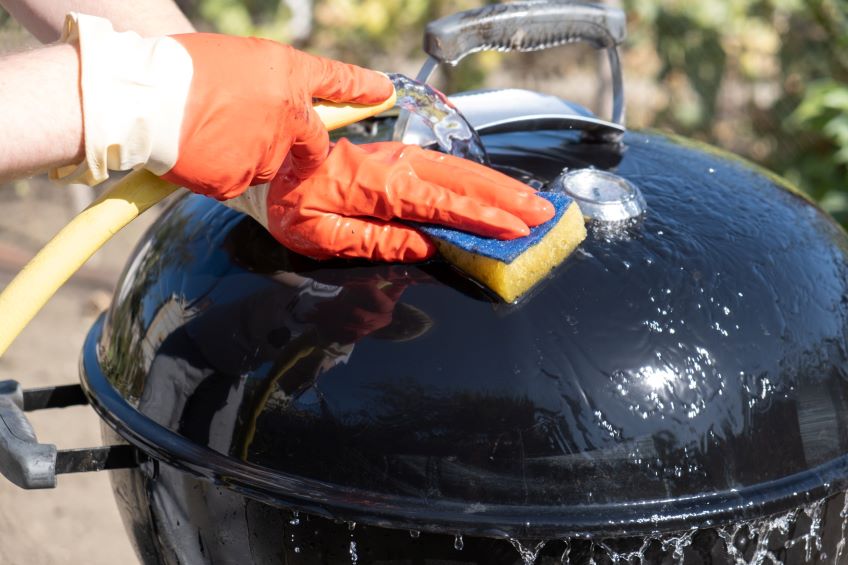 Weber kettle grills are relatively straightforward to maintain, and a well-cared-for model can last for many years. Regular cleaning, proper ash removal, and protection from the elements help preserve the grill’s condition and maintain consistent airflow for smoking.
Cleaning and Routine Maintenance
Clean the cooking grate after each use to remove food residue and grease. Brushing the grate while it is still warm can make this easier, provided you handle it carefully. Allow the grill to cool completely before removing ash or carrying out more thorough maintenance.
Ash should be emptied regularly using the grill’s ash-removal system. Excess ash can obstruct airflow, making it harder to control the charcoal’s temperature during smoking. It is also worth checking the lower vents, lid damper, and ash catcher periodically to ensure they remain clear and function correctly.
Wipe the exterior with a soft cloth and mild soapy water when needed, following Weber’s cleaning recommendations. Avoid abrasive cleaners that could damage the porcelain-enamel finish. The lid’s interior may develop a dark, flaky residue from smoke and grease over time. This is normal, but loose deposits should be removed periodically to prevent them from falling onto food.
Durability and Expected Lifespan
The Weber Kettle’s porcelain-enamelled bowl and lid are designed to withstand the high temperatures associated with charcoal cooking while resisting corrosion. With sensible care and suitable storage, a kettle can remain usable for many years, although its lifespan depends on how frequently it is used, the weather it is exposed to, and how well it is maintained.
Some components may eventually need replacing. Cooking grates, charcoal grates, handles, wheels, and vent hardware can wear or deteriorate over time, depending on the model and conditions. The availability of replacement parts can make routine repairs more practical than replacing the entire grill.
To extend its lifespan, use a suitable grill cover when the kettle is cool and not in use, and avoid leaving it exposed to prolonged wet weather. Check the vents and moving parts occasionally to make sure they operate smoothly, and follow the manufacturer’s instructions for cleaning and maintenance.
Weber provides model-specific warranty coverage, with terms that vary by component and product. Check the warranty for your particular kettle to understand which parts are covered and for how long. Good maintenance can help preserve the grill’s performance and extend its useful life, making it a practical choice for regular grilling and occasional smoking.
Is the Weber Kettle Right for Your Smoking Needs?
 The Weber Kettle charcoal grill can handle both grilling and smoking, making it a practical option for anyone who wants to experiment with low-and-slow cooking without buying a separate smoker. Its relatively simple design makes it approachable for beginners, while its versatility appeals to more experienced outdoor cooks.
For beginners, the kettle provides an accessible way to learn how to manage charcoal, control airflow, and maintain a steady cooking temperature. The charcoal snake method is particularly useful for longer smoking sessions because it allows the coals to ignite gradually. Adding suitable wood chunks or chips introduces the smoky flavour associated with traditional barbecue.
The kettle also suits budget-conscious cooks and anyone with limited outdoor space. Instead of buying separate equipment for grilling and smoking, you can use the same grill for burgers, steaks, chicken, ribs, and other smoked foods. However, successful smoking still requires monitoring the temperature and adjusting the vents when necessary.
There are some limitations to consider. Maintaining a consistent temperature over many hours can require attention, especially in changing weather conditions. The kettle also has less cooking capacity than many dedicated smokers, which may be inconvenient when preparing large quantities of food. For frequent, extended smoking sessions, a dedicated smoker with greater capacity and more precise temperature controls may be more convenient.
Overall, the Weber Kettle is well suited to beginners, occasional smokers, and barbecue enthusiasts who value versatility. It can produce excellent smoky flavour when used correctly, although results depend on the cooking technique, fuel management, and type of food being prepared. If smoking becomes a regular activity or you frequently cook for large groups, you may eventually prefer a dedicated model from a range of purpose-built smokers.
Yes, the Weber kettle is a good smoker, particularly for beginners and home cooks who want to smoke ribs, brisket, pork shoulder, chicken, and other barbecue favourites without buying a dedicated smoker. Its round design, adjustable vents, and charcoal fuel make it possible to maintain low temperatures for several hours using indirect heat.
The main challenge is temperature control. Unlike a dedicated smoker, a standard Weber kettle has a relatively compact cooking chamber, so you need to manage the charcoal, airflow, and lid position carefully to maintain steady heat during a long smoking session.
FAQ:Is the Weber Kettle a Good Smoker?
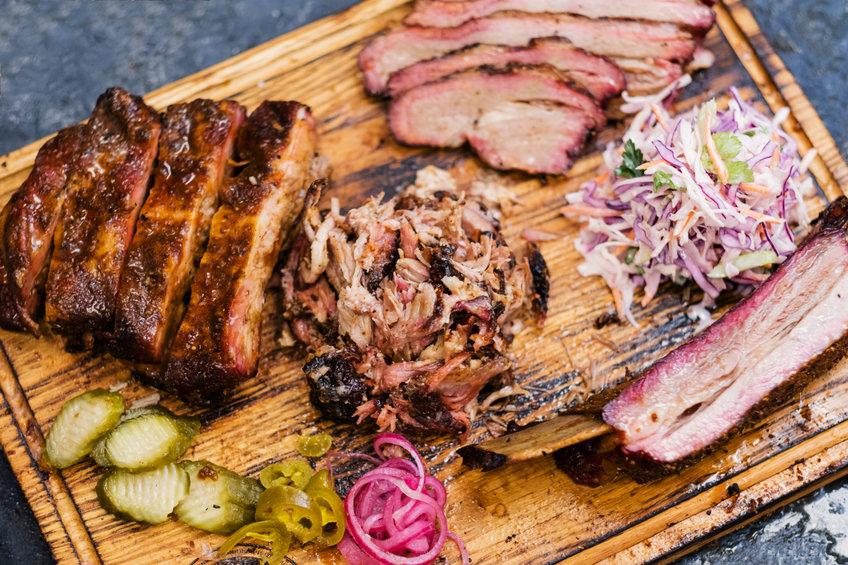 Yes, the Weber kettle is an excellent smoker for home barbecue, offering an affordable way to cook ribs, brisket, pork shoulder, chicken, and other foods low and slow. Its adjustable air vents and domed lid help maintain cooking temperatures while circulating heat and smoke around the food.
Although it is primarily designed as a charcoal grill, the Weber kettle can produce excellent smoked food when you use indirect heat and manage the charcoal carefully. The main drawback is that maintaining a consistent temperature requires more attention than with a dedicated smoker.
Why Is the Weber Kettle Good for Smoking?
The Weber kettle’s round cooking chamber, adjustable vents, and charcoal fuel make it versatile enough for both grilling and smoking. You can arrange the charcoal away from the food, add smoking wood, and let the heat circulate beneath the closed lid.
It is also more versatile than a dedicated smoker because you can use it for high-temperature searing, roasting, and everyday grilling. For someone who wants to explore smoking without purchasing another appliance, it is a practical option.
How Do You Smoke Meat on a Weber Kettle?
The easiest approach is to use indirect heat, keeping the food away from the burning charcoal.
Arrange the charcoal on one side of the grill or use the charcoal snake method, in which unlit briquettes are arranged around part of the charcoal grate and ignited gradually from one end. Add a few chunks of suitable smoking wood, place a drip pan beneath the food if appropriate, and close the lid.
For low-and-slow barbecue, aim for approximately 225–275°F (107–135°C), adjusting the vents to control airflow and temperature. A digital thermometer with a probe positioned near the food helps you monitor the cooking temperature more accurately than relying solely on the lid thermometer. Weber’s guide to smoking on a charcoal grill explains the two-zone method.
What Foods Can You Smoke on a Weber Kettle?
A Weber kettle can smoke a wide range of foods, including pork ribs, pulled pork, brisket, whole chicken, chicken wings, fish, and vegetables.
Smaller cuts and shorter smoking sessions are generally easier for beginners. Larger cuts, such as brisket and pork shoulder, require more fuel management and temperature monitoring because they may cook for many hours.
How Long Can a Weber Kettle Smoke?
The cooking time depends on the charcoal arrangement, fuel quantity, weather, target temperature, and food being prepared. With the charcoal snake method, a suitable kettle setup can maintain low heat for several hours, sometimes long enough for an extended barbecue session without adding fuel.
However, a standard kettle has less insulation and fuel capacity than many dedicated smokers, so long cooks may require more monitoring and occasional refuelling.
Is the Weber Kettle Better Than a Dedicated Smoker?
A Weber kettle is a good choice if you want one appliance for grilling and occasional smoking. It is versatile, relatively compact, and usually less expensive than buying a separate grill and smoker.
A dedicated smoker may be more convenient for frequent, long smoking sessions because some models offer greater fuel capacity, better insulation, or automatic temperature control. The kettle remains a strong option for anyone willing to learn how to manage charcoal and airflow.