
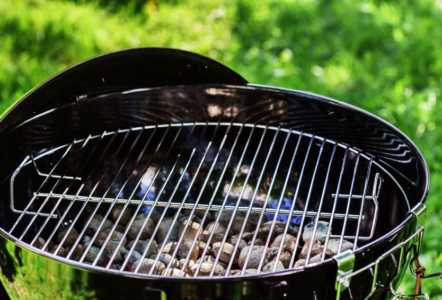
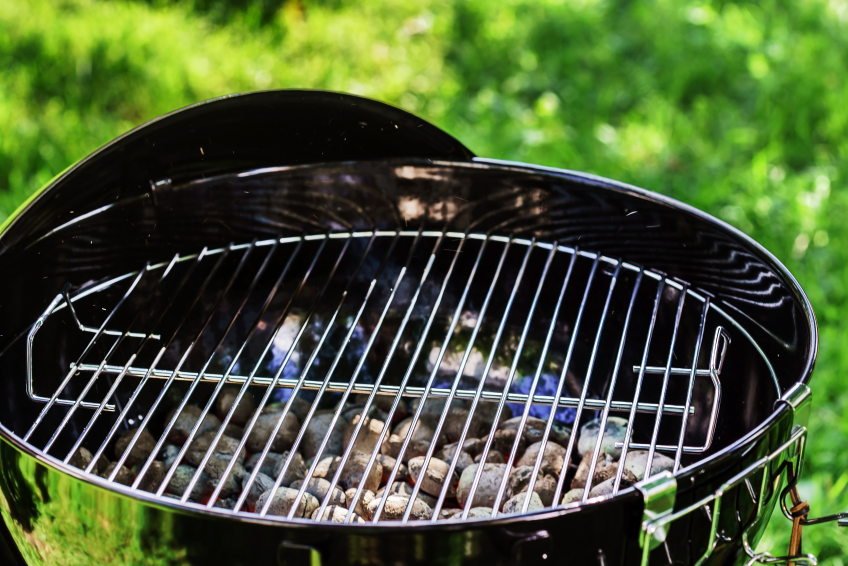
 You may wonder why so many people still choose kettle grills when gas and pellet grills are widely available. The answer lies in their simple, versatile design, which makes them suitable for a wide range of outdoor cooking.
Kettle grills deliver the smoky flavor of charcoal, precise heat control through adjustable vents, and the versatility to sear, smoke, roast, and grill—all often at a lower cost than other types of grills. A quality kettle grill typically costs between $100 and $400, while many kamado grills start at around $500.
Most kettle grills feature durable porcelain-enameled steel, while the round bowl and domed lid help circulate heat around the food for more even cooking.
Keep reading to discover how the kettle design affects flavor, what you can cook on one, and how kettle grills compare with other popular backyard grilling options.
How Kettle Grills Build Flavor
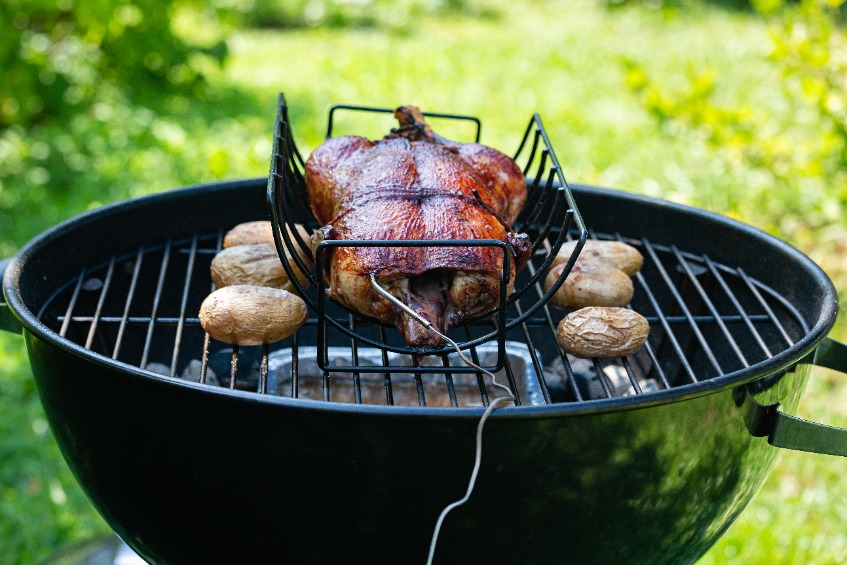
A kettle grill flavors food with direct charcoal heat, vapor from drippings that land on hot coals, and optional wood smoke. Relying on quality charcoal fuel provides high heat that gas burners struggle to match. Good heat control and proper cooking are still essential.
Charcoal Heat, Browning, and Smoky Flavor
Charcoal can heat a cooking grate to higher temperatures than many gas grills. That heat speeds up the Maillard reaction, the browning process that creates a dark crust and savory flavor on steaks, burgers, and chops.
Fat and juices drip onto the coals and vaporize. That vapor rises and adds flavor to your food, contributing to the distinctive taste of charcoal grilling.
The domed lid traps heat and circulates air around the food, functioning like a convection oven. This consistent heat distribution ensures meats cook evenly rather than scorching in isolated spots.
Your choice of charcoal fuel affects how the fire behaves. Lump charcoal burns hotter and faster, while briquettes provide longer-lasting, consistent heat.
| Fuel Type | Heat | Burn Time | Best For |
|---|---|---|---|
| Lump charcoal | Hotter, less even | Shorter | Fast searing |
| Briquettes | Steady, even | Longer | Long cooks |
What Wood Smoke Adds—and What It Cannot Fix
Adding wood chunks or chips to your coals adds smoke flavor to charcoal-grilled food.
Different hardwoods have distinct flavors:
- Hickory: strong, bacon-like
- Apple or cherry: mild and slightly sweet
- Mesquite: bold, best used in small amounts
Aim for thin, pale blue smoke. Thick white smoke usually means the fire is not getting enough air and can leave a bitter taste. Adjust the vents to control airflow and help the fire burn cleanly.
Smoke has limits. It cannot fix dry, overcooked meat, poor seasoning, or a low-quality cut. Too much wood can also overpower the natural flavor of your food. Treat smoky flavor as one element of the result, not the whole thing.
One Grill, Several Cooking Methods
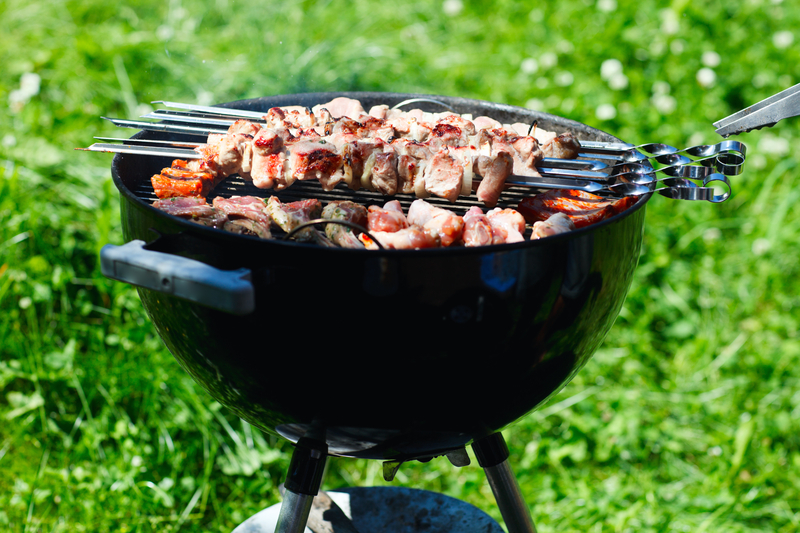
A kettle grill supports both direct and indirect heat, so you can sear steaks, gently finish thick cuts, and slow-cook ribs on the same grill.
Mastering direct and indirect cooking gives you full versatility across various recipes. The charcoal arrangement and vent settings determine the cooking method.
Direct Grilling for Fast, High-Heat Cooking
Direct grilling means cooking food directly over hot coals. Spread the charcoal across the bottom grate, open both vents, and let the grill heat up with the lid on.
This method works best for foods that cook in about 20 minutes or less.
Good choices include:
- Burgers and hot dogs
- Thin steaks and pork chops
- Shrimp and fish fillets
- Sliced vegetables like zucchini and peppers
High heat browns the outside of the food and creates grill marks. Watch for dripping fat, which can cause flare-ups. Opening both vents fully helps maximize heat for searing.
Two-Zone Cooking for Searing and Finishing
Two-zone cooking creates a hot side and a cooler side. Pile the coals on one half of the grill and leave the other half empty.
This layout gives you simultaneous access to direct and indirect heat. It is especially useful for thicker foods that could burn before the center is cooked.
Sear the food over the coals first, then move it to the cooler side to finish with the lid closed.
| Zone | Heat Level | Best Use |
|---|---|---|
| Hot side | High, direct | Searing steaks, browning chicken skin |
| Cool side | Lower, indirect | Finishing thick chops, bone-in chicken |
The cool side also provides a safe place to move food if flare-ups occur. Many cooks use this everyday setup because it works for a wide range of meals.
Indirect Heat for Roasting, Smoking, and Pizza
Indirect grilling cooks food away from the coals with the lid on. The domed lid traps heat and circulates it around the food, much like an oven.
For roasting, place coals on both sides of the grill and set a drip pan in the center. This works well for a whole chicken or turkey. For smoking meats like ribs or pork shoulder, bank the coals to one side, add wood chunks, and partially close the vents to maintain a low temperature.
You can also bake pizza. Set a pizza stone on the grate and preheat the grill for at least 20 minutes before adding the dough. With the right accessories, a Weber-style kettle can function as a grill, smoker, oven, and rotisserie.
Why the Lid and Vents Improve Heat Control
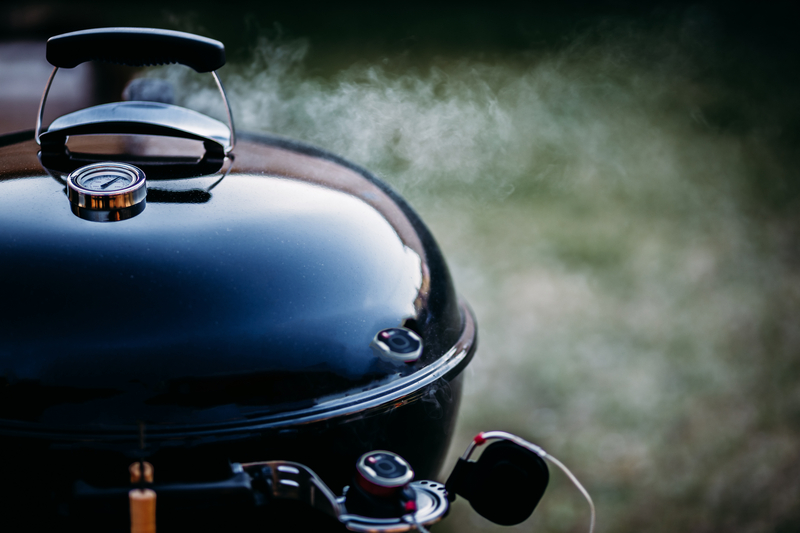 A kettle grill’s heat control comes from three features: a rounded lid that circulates hot air, vents that regulate the oxygen reaching the coals, and the charcoal arrangement. Together, these features help you adjust the temperature for steaks, chicken, and slow-cooked ribs.
How the Domed Lid Circulates Heat
The bowl and lid of a kettle are shaped to promote heat circulation inside the grill. With the lid closed, hot air rises, follows the curve of the dome, and flows back down over the food.
This works much like a convection oven: food cooks from the top and sides as well as from the bottom.
The spherical design provides circular heat distribution, preventing the hot spots common in flat grills.
The lid also helps in other ways:
- It holds heat in, helping the temperature stay steady.
- It traps smoke, adding flavor to the food.
- It limits flare-ups, by restricting fresh air reaching the fire.
Weber grills are designed to be used with the lid closed. Each time you lift it, heat escapes and the temperature can drop. Keep it closed unless you need to flip or check your food.
How Airflow Adjustments Change the Fire
Charcoal needs oxygen to burn. A kettle grill has adjustable vents on the lid and at the bottom of the bowl. These vents let you control airflow and adjust the cooking temperature.
| Vent Setting | What Happens | Best Use |
|---|---|---|
| Fully open | More oxygen, hotter fire | Searing steaks and burgers |
| Half open | Medium heat | Chicken pieces, vegetables |
| Mostly closed | Less oxygen, cooler fire | Ribs, pork shoulder, smoking |
| Fully closed | Fire goes out | Shutting down the grill |
Small adjustments matter. Move the vents a little at a time and wait 10 to 15 minutes before adjusting them again. This helps you maintain steady temperature control.
How Coal Placement Creates Reliable Heat Zones
Coal placement affects how your food cooks. The charcoal grate lets you arrange the coals in several ways to create direct and indirect heat zones.
Common setups include:
- Direct heat: Spread coals evenly across the grate. Food sits directly over the fire. Use this setup for thin cuts that cook quickly.
- Two-zone setup: Pile coals on one side and leave the other side empty. Sear food over the hot side, then move it to the cooler side to finish cooking.
- Indirect heat: Place coals on both sides with a drip pan in the middle. Food in the center cooks slowly.
Charcoal baskets make arranging coals easier. These small metal holders keep coals in a compact pile and help them stay in place. They also support steady heat distribution during long cooks.
Where the Value Comes From
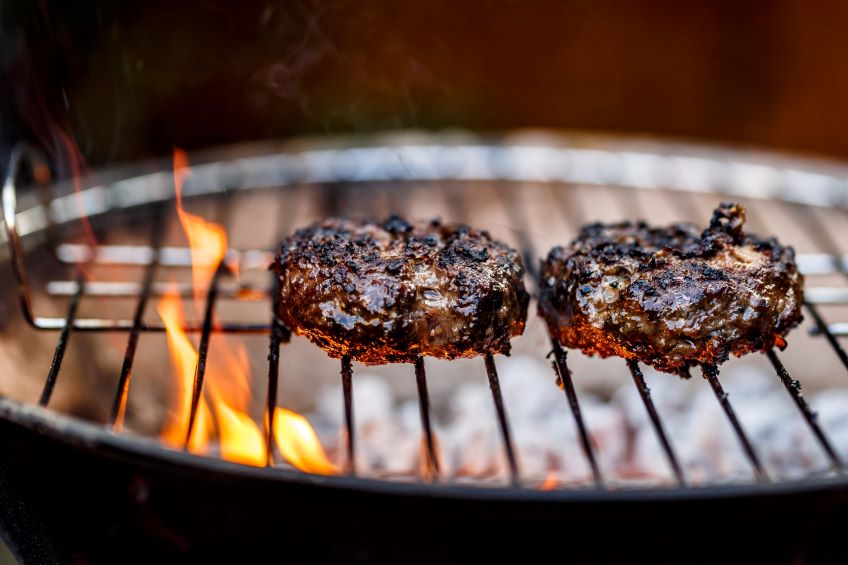
A kettle grill lets you sear, smoke, and bake at a relatively low purchase price. Its steel body, simple fuel controls, and easy-to-clean parts can help it last for many years.
Cooking Range Compared With the Purchase Price
A good kettle grill typically costs between $100 and $400. A kamado grill starts near $500 and can cost more than $2,000. Pellet smokers often cost about as much as kamado grills.
At a lower price, a kettle grill still offers several cooking methods:
| Cooking Method | How You Set It Up | Good For |
|---|---|---|
| Direct grilling | Even layer of coals | Burgers, steaks, vegetables |
| Indirect cooking | Coals on one side | Whole chickens, roasts |
| Smoking | Indirect heat plus wood chunks | Ribs, pork shoulder |
| Baking | Indirect heat, lid closed | Pizza, cornbread |
You do not need a second grill to smoke or bake. One kettle handles direct and indirect cooking with ease, covering most backyard meals.
Durable Construction and Manageable Fuel Use
Many quality kettle grills have a porcelain-enameled steel bowl and lid. The coating resists rust and withstands high heat. With basic care, many kettles last for years, which has helped give Weber kettle grills a reputation for durability.
Fuel efficiency can also help reduce costs. When you finish cooking, close the top and bottom vents to cut off airflow and extinguish the coals.
You can save unburned charcoal for your next cook. Efficiently managing your charcoal fuel also means a small kettle needs less fuel than a large barrel grill.
Features That Make Long-Term Ownership Easier
Small features can make a big difference when you use a grill regularly.
Look for these:
- Ash catcher: A removable pan collects ash under the grill for easier cleanup. Char-Griller’s 22-inch model includes an EasyDump ash pan and a 5-year warranty.
- Hinged cooking grate: Sections of the grate flip up, letting you add charcoal or wood during a long cook without removing hot food.
- Vent-based cleaning system: Blades sweep ash down into the catcher.
If you want a kettle grill that is easy to use and maintain, I recommend the Weber Original Kettle Premium. It includes three particularly useful features: a hinged cooking grate, a large ash catcher, and Weber’s One-Touch cleaning system. Together, they make adding charcoal, removing ash, and cleaning the grill much easier.
It is also a good choice for long-term use because replacement parts are readily available, allowing you to repair or replace individual components rather than replacing the entire grill when a part eventually wears out.
Trade-Offs Compared With Other Grills
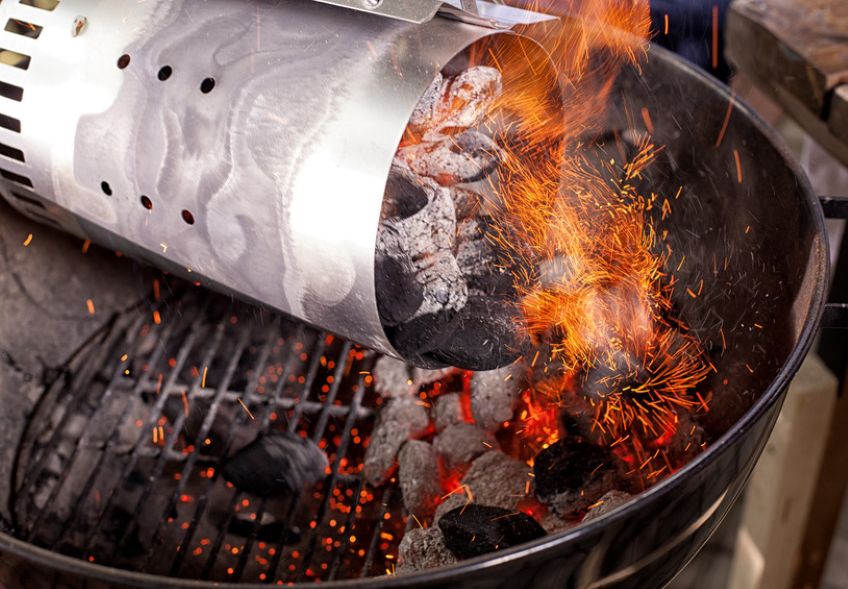 Kettle grills take longer to light, require more hands-on heat control, and need more cleanup than gas grills. Their 22-inch cooking grate also limits how much food you can cook at once for a large crowd.
Charcoal Setup, Cleanup, and Learning Curve
A gas grill heats up with the turn of a knob, but a kettle grill takes longer. With a chimney starter, coals usually need about 15 to 20 minutes to become ready for cooking. As a result, charcoal grilling takes longer to set up than gas grilling.
Heat control also takes practice. You manage the temperature with the top and bottom vents, and changes take a few minutes to affect the grill. Your first few cooks may be hotter or cooler than planned.
After each cook, you have a few extra tasks:
- Wait for the coals and ash to cool fully
- Empty the ash catcher
- Brush the cooking grate
- Buy and store charcoal in a dry place
These steps are simple, but they add time that gas grill owners can skip.
Cooking Capacity and When Another Grill Fits Better
The most common kettle size is 22 inches, with about 363 square inches of cooking space. That fits around 13 burgers at once. With two-zone cooking, some space is reserved for the cooler side.
For large gatherings, a bigger barrel-style charcoal grill may serve you better. A traditional charcoal grill for large groups gives you more room to spread out coals and food.
Here is when another grill may fit your needs better:
| Your Priority | Better Fit | Why |
|---|---|---|
| Fast weeknight meals | Gas grill | Ready in minutes |
| Cooking for 20+ people | Barrel charcoal grill | More grate space |
| Long, hands-off smoking | Pellet smoker | Automatic temperature control |
| Steady heat for many hours | Kamado grill | Thick walls hold heat |
Keep cost in mind. A kettle grill typically costs $100 to $400, while a kamado grill starts around $500 and can pass $2,000.
Getting the Most From a Kettle Grill
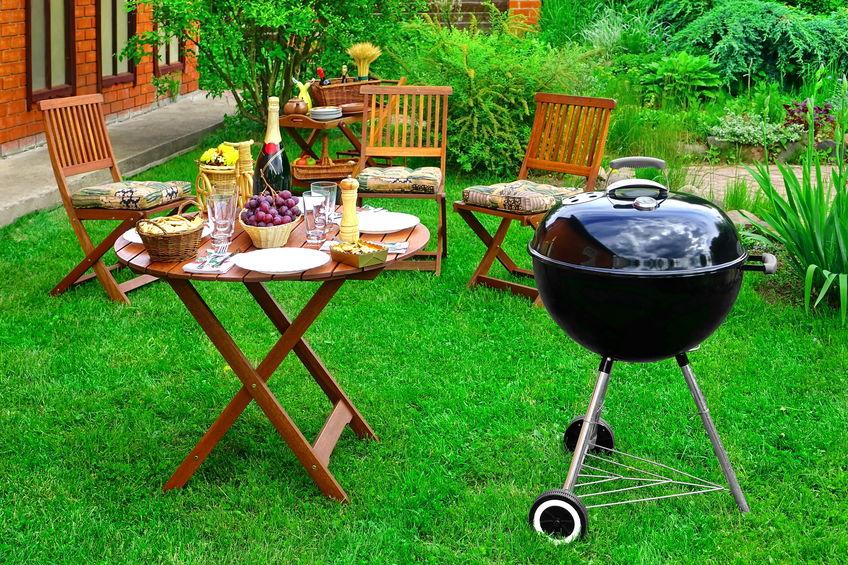 A kettle grill works best when its size fits the number of people you feed and you arrange the charcoal with a hot side and a cool side. The right features and a basic fire setup make cooking easier and more consistent.
Choose a Size and Features That Match Your Cooking
The 22-inch kettle is the most common size. Models like the Weber Original Kettle Premium offer 363 square inches of cooking space, enough for about 12 to 14 burgers.
An 18-inch kettle, such as the Weber Original Kettle 18-Inch Charcoal Grill, provides 240 square inches of cooking space and is a more compact option for smaller households.
Look for these features:
- Adjustable vents on the top and bottom for heat control
- A removable ash pan for faster cleanup
- A hinged grate so you can add charcoal during long cooks
- A bowl and lid made of porcelain-enameled steel to prevent weather damage and rust
- A strong warranty that covers the bowl and lid
Price also matters. A quality kettle grill usually costs between $100 and $400, so you can find solid features without spending kamado-level prices.
Start With a Simple Two-Zone Fire
Two-zone cooking means placing all the coals on one side of the grill and leaving the other side empty. The hot side sears food, while the cooler side cooks it gently without burning.
Follow these steps:
- Fill a chimney starter with briquettes or lump charcoal and light it from below.
- Wait about 15 to 20 minutes, until the top coals are covered with gray ash.
- Pour the coals onto one side of the grill. Charcoal baskets help keep them in a tight pile.
- Put the lid on and preheat the grill for 10 to 15 minutes.
Open the vents wider to increase the heat, or close them partway to lower it. Position the lid vent over the cool side so smoke flows across the food.
This setup works for most outdoor cooking jobs, from searing steaks to cooking whole chickens.
FAQ: Why Are Kettle Grills Better for Flavor, Versatility, and Value?
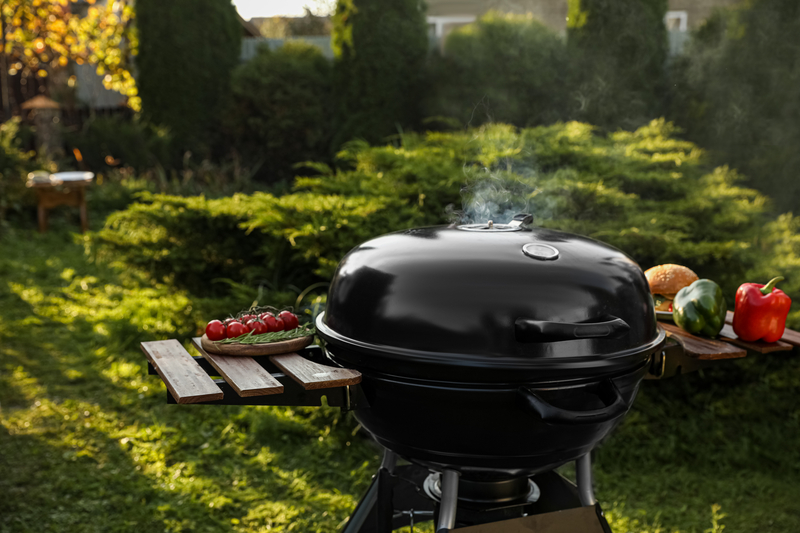 Kettle grills are popular because they combine charcoal flavor, versatile cooking methods, and relatively simple construction. Their rounded cooking chamber helps retain heat, while adjustable vents allow you to control airflow and temperature.
Why Do Kettle Grills Produce Good Flavor?
Cooking over charcoal gives food a distinctive smoky, grilled flavor. The kettle’s lid also helps retain smoke and heat around the food, which can be particularly useful when cooking with indirect heat.
Why Are Kettle Grills Versatile?
A kettle grill can handle direct grilling, indirect cooking, roasting, and smoking. By moving charcoal to one side, you can create separate hot and cooler zones for different foods and cooking methods.
Why Are Kettle Grills Good Value?
Many kettle grills have a relatively simple design and few mechanical components, which can make them less expensive than some larger or more complex grills. A single kettle can also perform several cooking functions without requiring separate equipment.
Are Kettle Grills Good for Beginners?
Yes. Their basic design makes them relatively straightforward to operate, although learning to manage charcoal, vents, and cooking zones takes some practice. Once you understand airflow and charcoal placement, a kettle grill can handle a wide range of recipes.
Are Kettle Grills Better Than Gas Grills?
They offer different advantages rather than one being universally better. Kettle grills provide charcoal flavor and flexible cooking methods, while gas grills generally offer faster startup, easier temperature adjustment, and greater convenience.