

Many people choose kettle grills over gas or pellet models for one simple reason. A kettle grill delivers smoky charcoal flavor and precise heat control, and lets you sear, smoke, roast, and grill, often for less than other grill types, making it a versatile, budget-friendly choice for backyard cooks.
If you want one grill that can handle different jobs, a kettle grill fits the bill. You can grill burgers for a quick weeknight meal, then use the same grill to smoke ribs low and slow for your next cookout. This versatility helps explain why kettle grills remain popular alongside newer gas and pellet models.
The round shape, domed lid, and adjustable vents work together to provide reliable heat distribution and help you manage the fire. That hands-on control is one reason outdoor cooking fans often prefer a charcoal grill. This article explains how a kettle grill builds flavor, what you can cook on one, and how it compares in value with other grills on the market.
Historical Evolution of Kettle Grills
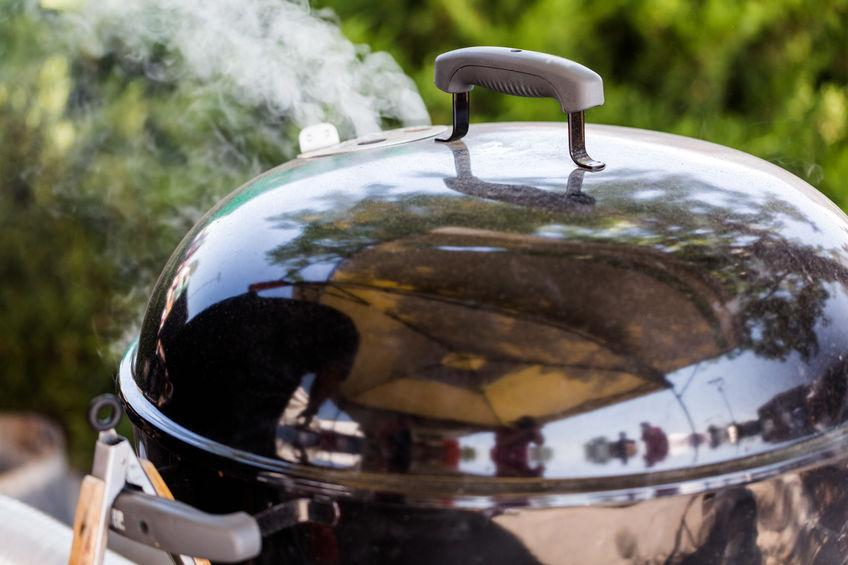 Kettle grills have evolved significantly since their introduction, but their basic design has remained remarkably consistent. The combination of a rounded lid, adjustable vents, charcoal grate, and cooking grate continues to define the kettle grill.
Origins and Design Breakthroughs
The kettle grill was invented in 1952 by George Stephen Sr., who worked at Weber Brothers Metal Works. He created the first design by cutting a metal buoy in half and adding legs, producing the distinctive dome shape. The enclosed design improved heat circulation and gave cooks greater control over airflow and temperature.
Stephen initially sold his “George’s Barbecue Kettle” locally, and its success eventually led to the formation of Weber-Stephen Products Co. in 1958. The original features—including the domed lid, adjustable vents, charcoal grate, and cooking grate—remain central to modern kettle grills.
Popularity and Modern Adaptations
Kettle grills became increasingly popular during the 1960s and 1970s, with manufacturers adding features such as ash catchers, hinged cooking grates, built-in thermometers, and larger cooking areas. Later models also introduced different colors and improved options for indirect cooking.
Modern kettle grills have expanded further with features such as rotisserie attachments, pizza inserts, and digital temperature controls. Despite these additions, the basic kettle design remains largely unchanged and continues to appeal to cooks who value simplicity, versatility, and charcoal-fired flavor.
How the Kettle Design Improves Cooking
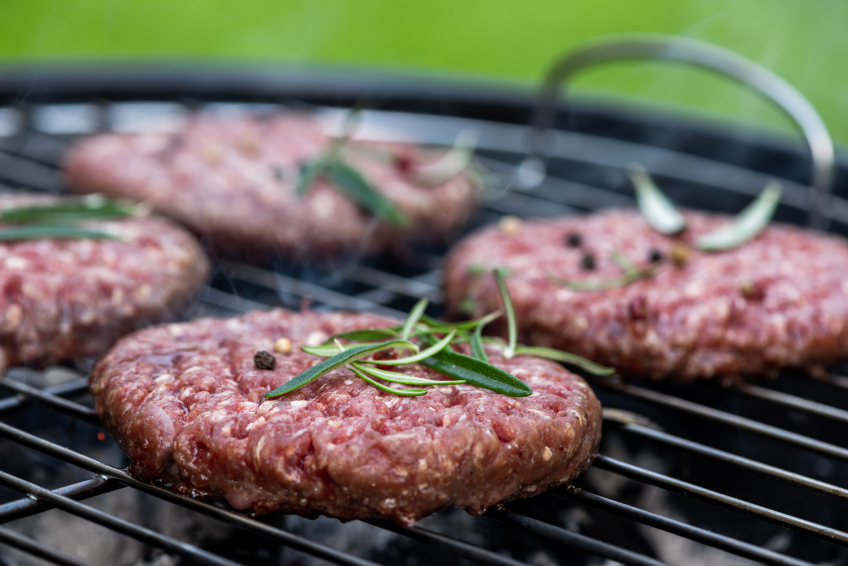 A kettle grill’s round shape, vents, and materials work together to influence how your food cooks, from the first spark to the last coal.
Why the Bowl and Lid Circulate Heat
The round bowl and domed lid are more than a style choice. Their shape helps hot air circulate around your food instead of escaping straight up.
As heat rises, the curved lid redirects it around the grill. This circulation is similar to a convection oven, improving heat distribution across the grate to cook food evenly with fewer cold spots.
This matters most when you close the lid. Weber recommends using its kettle grills with the lid closed because the lid traps heat and supports airflow through the bowl. Opening it too often lets heat escape and interrupts circulation.
How Adjustable Vents Control the Fire
Your kettle grill has two sets of vents: one on the lid and one on the bottom. They regulate how much oxygen reaches the charcoal.
More airflow generally makes the fire hotter, while less airflow lowers its intensity. This lets you adjust the cooking temperature without adding or removing coals, though changes may take time to affect the grill.
The top vent, often called a damper, helps regulate airflow while the lid is closed. Opening it wider generally increases airflow, while closing it reduces airflow and can lower the temperature. Combined with the bottom vent, it helps you switch between high-heat searing and low-and-slow smoking on the same grill.
The bottom vents let air enter from underneath, while the ash catcher collects falling ash. Together with the top vent, they help you manage airflow and the fire’s intensity.
What the Materials and Ash Catcher Add
Many kettle grills use porcelain-enameled steel for the bowl and lid. The coating is baked onto the steel and helps protect it from rust and wear over time.
The enamel also creates a smooth surface that can make cleanup easier, since ash and grease are less likely to stick than they are to bare metal.
Below the charcoal grate sits the ash catcher, which collects falling ash and keeps it off the ground. Clearing ash from the bottom of the grill helps maintain airflow during a long cook.
Where Heat Retention Has Limits
Kettle grills can retain heat thanks to their closed shape and steel construction, but their heat retention has limits.
Wind, cold weather, and frequently opening the lid can cause heat to escape faster than the fire can replace it. In these conditions, you may need to add charcoal or adjust the vents.
Heat retention also depends on how much charcoal you use and how you arrange it. A small or uneven pile may not maintain steady heat, even in a well-built kettle grill.
One Grill, Several Cooking Methods
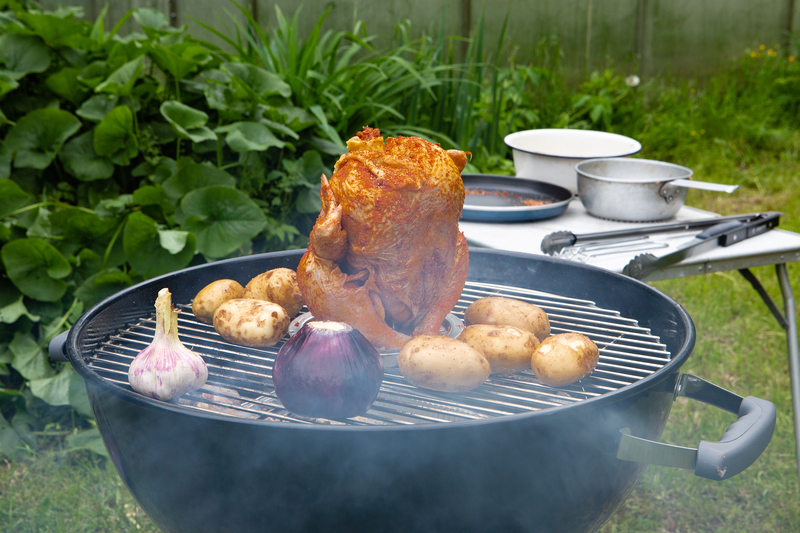 A kettle grill can handle high-heat grilling, direct grilling, searing, slow roasting, and smoking without extra equipment. You just need to change how you arrange your charcoal and adjust the vents.
Direct Heat for Fast Searing
Direct grilling means placing food over the coals. It works best for foods that cook quickly, such as burgers, hot dogs, and thin cuts of steak.
To get started, spread the charcoal in an even layer across the bottom of the grill. This creates an even, hot zone across the cooking surface for reliable direct grilling.
Direct heat helps create a good sear. This method of high-heat grilling browns the outside of meat, forming a flavorful crust while the inside cooks. Keep the lid off or partially closed so you can watch the food and flip it as needed.
Two-Zone Cooking for Better Control
Two-zone cooking divides the grill into a hot side and a cooler side. Push the charcoal to one half of the grill, leaving the other half without coals.
This setup gives you more control over your cook. Sear food over the coals, then move it to the cooler side to finish cooking without burning the outside.
This method works well for thicker cuts of meat, such as pork chops or chicken breasts. You can sear the outside, then let the inside cook through more slowly. The cooler side also provides a place to rest food or keep it warm while you finish other items.
Indirect Heat for Roasting and Slow Cooking
Indirect grilling keeps food away from direct contact with the coals. Arrange the charcoal on one side of the grill, then place the food on the other side and close the lid.
This setup turns your kettle grill into an outdoor oven. Heat circulates around the food instead of hitting it directly, making this method useful for roasting whole chickens, turkeys, and large cuts of meat.
This gentle heat circulation is perfect for slow cooking large roasts until juicy and tender. Because the meat stays away from open flame, it browns evenly without drying out.
Charcoal baskets make indirect cooking easier by holding the coals in place on one side of the grill. This creates distinct hot and cool zones and provides steady heat for longer cooks without requiring you to manage loose coals constantly.
Smoking and Baking With the Right Setup
Smoking on a kettle grill uses the same indirect heat setup at a lower temperature. Add wood chips or chunks to the charcoal for the smoky flavor associated with barbecue.
Adjust the vents to control airflow and maintain a low temperature, usually between 225°F and 275°F. This slow cooking approach uses steady heat to break down tough cuts of meat, such as brisket and ribs, over several hours.
A kettle grill can also bake. Place a pizza stone over indirect heat and close the lid to create consistent heat around the food, similar to an oven. This works for pizza, bread, and desserts such as cobbler.
Where Charcoal Flavor Comes From
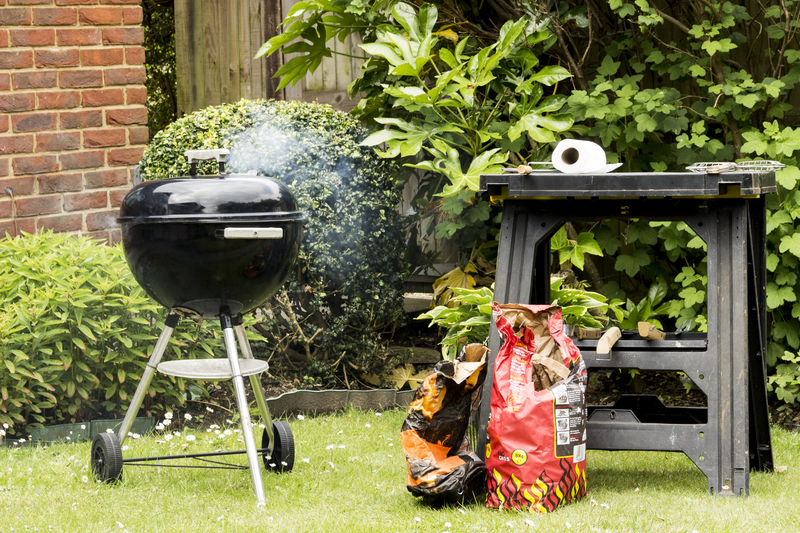 Smoky flavor develops from a combination of browning, food drippings, charcoal, and wood compounds. Each contributes to the final taste.
Browning, Drippings, and Smoky Flavor
When you cook over charcoal, the heat can be intense and direct. This high heat browns the surface of food quickly, creating a flavorful crust.
As fat and juices drip from the food, they may land on the hot coals or other hot surfaces below. They can vaporize and produce smoke and flavorful compounds.
Smoke rises around the food, where some of its compounds settle on the surface and contribute to its flavor. This process can continue throughout the cook. The result is a steak or chicken breast with a distinctive smoky flavor that differs from food cooked in an oven or stovetop pan.
Choosing Lump Charcoal or Briquettes
Your choice of fuel can affect how your grill cooks and the flavor of your food. Lump charcoal is made from pieces of wood that have been heated with limited oxygen until they become carbon-rich fuel.
Lump charcoal can produce a clean-burning fire and may add a mild wood aroma. It often burns hotter and faster than briquettes, making it useful for high-heat searing.
Briquettes are made by compressing materials such as charcoal fines into uniform blocks. They typically burn at a steadier rate, though burn time and temperature vary by product and conditions.
This steady burn can make briquettes a practical choice for longer cooks, such as smoking a large cut of meat for several hours.
Adding Wood Without Overpowering Food
You can add wood chunks to your charcoal grill to add smoke flavor. Wood chunks are small, solid pieces of wood placed on or beside hot coals.
As they heat, they release smoke, adding another layer of flavor to your food. It is easy to use too much wood, though. A few small chunks are often enough for a typical cook.
Too much wood can produce heavy, bitter smoke and make food taste harsh rather than rich. Start with a small amount and adjust to taste.
How Kettle Grills Compare With Other Grills
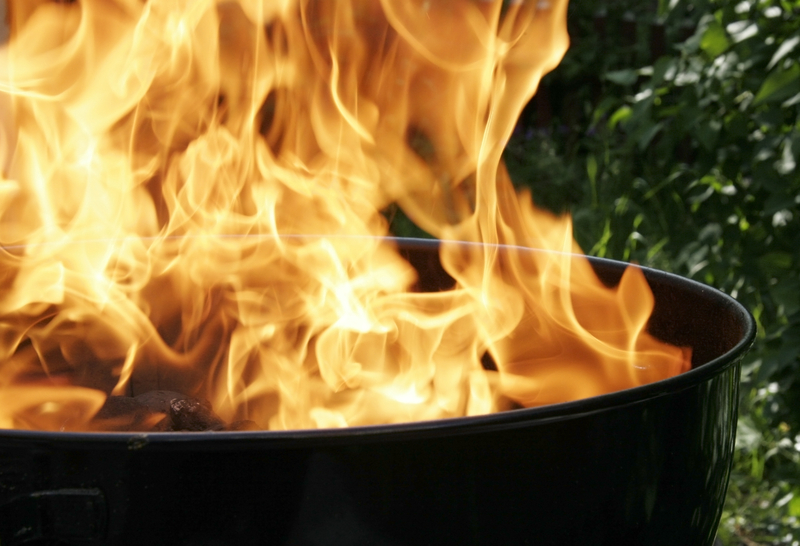 Kettle grills, gas grills, pellet grills, and kamado grills each handle heat, fuel, and temperature control differently. Understanding these differences can help you choose the right grill for your budget and cooking style.
Kettle Grills Versus Gas Grills
Gas grills heat up quickly and offer precise temperature control with the turn of a knob. Kettle grills require more effort because you need to arrange charcoal and adjust the vents to manage heat.
However, kettle grills offer a distinct charcoal flavor. Burning charcoal can add a smoky taste that gas burners typically do not provide.
Gas grills can also cost more to run over time, depending on fuel prices and how often you cook. Kettle grills are usually cheaper to buy, and a well-managed charcoal fire can use less fuel for a short cooking session.
If convenience is your priority, choose gas. If you prefer charcoal flavor and a lower upfront cost, a kettle grill may be a better fits.
Kettle Grills Versus Pellet Grills
Pellet grills use electric augers to feed wood pellets into a fire pot, providing steady temperatures with limited manual adjustment. Some models also offer app-based controls, which can make long cooks easier to manage.
Kettle grills require manual temperature control through vent adjustments. This takes practice, but lets you adjust airflow and heat directly.
Fuel use also differs. Pellet grills burn wood pellets at a rate that varies with temperature and weather. In contrast, kettle grills offer great fuel efficiency when airflow is tightly controlled, allowing charcoal to burn slowly and evenly.
Pellet grills suit people who want more hands-off cooking. Kettle grills suit people who prefer direct control and don’t mind giving the cook more attention.
Kettle Grills Versus Kamado Grills
Kamado grills are built from thick ceramic, which provides excellent heat retention. This makes them well suited to low-and-slow smoking over many hours.
Kettle grills use thinner metal, so they tend to lose heat faster in cold or windy weather. However, they heat up more quickly and usually cost less than kamado models.
Kamado grills often cost $500 or more, while kettle grills typically range from $100 to $400.
If you need excellent insulation for extended smoking, a kamado may suit you better. If you want a versatile, budget-friendly option, a kettle grill works well for many backyard cooking needs, as shown in this charcoal grill comparison.
Costs and Trade-Offs to Consider
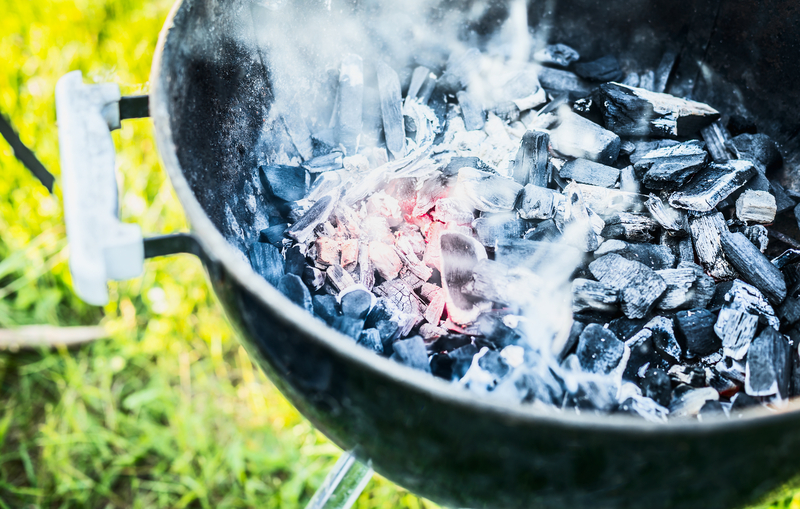 Kettle grills generally cost less upfront than many alternatives, but you should also consider fuel costs, cleanup, and weather when deciding whether one fits your needs.
Purchase Price and Charcoal Use
A good kettle grill typically costs between $100 and $400, making it one of the more affordable options for outdoor cooking. This is generally less than a kamado grill, which often starts around $500.
You’ll also need to budget for ongoing charcoal costs. Unlike gas grills, charcoal grills use fuel each time you cook, so you’ll need to buy briquettes or lump charcoal regularly.
Fuel efficiency depends on how you manage the vents and arrange the coals. Adjusting the vents controls airflow, which affects how quickly charcoal burns and how long it lasts.
Maximizing fuel efficiency helps keep long-term operating costs down. When finished cooking, you can close the dampers completely to snuff out remaining coals and reuse them later.
Cleanup, Weather, and Hands-On Fire Management
Charcoal grills usually require more cleanup than gas models. You’ll need to empty the ash catcher regularly and brush the grates to prevent buildup.
Weather can also affect cooking. Wind can speed up charcoal combustion, while rain may mean you need to cook under cover or postpone grilling.
Operating a kettle grill takes more hands-on attention than using many other grills. You’ll need to light the charcoal, wait for it to reach the right temperature, and adjust the vents during cooking to maintain heat.
Here’s what regular maintenance looks like:
- Empty the ash catcher after every cook
- Scrub grates to remove grease and food residue
- Keep water away from ash to prevent corrosive buildup
- Check for rust on the exterior over time
When Another Grill May Suit You Better
A kettle grill isn’t the right choice for everyone. If you want quick startup with minimal setup, a gas grill may suit you better because it avoids the charcoal-lighting process.
If you want to smoke meat at very low, steady temperatures for long periods, a pellet smoker may provide consistent results with less manual vent adjustment.
Kamado grills, while pricier, offer better heat retention in cold or windy conditions. If you live somewhere with harsh winters and want to grill year-round, that added cost may be worthwhile.
Finally, if portability matters, a tabletop or portable gas grill will generally be easier to transport than a kettle grill, which is often used as a stationary backyard setup.
Choosing and Using Your First Kettle
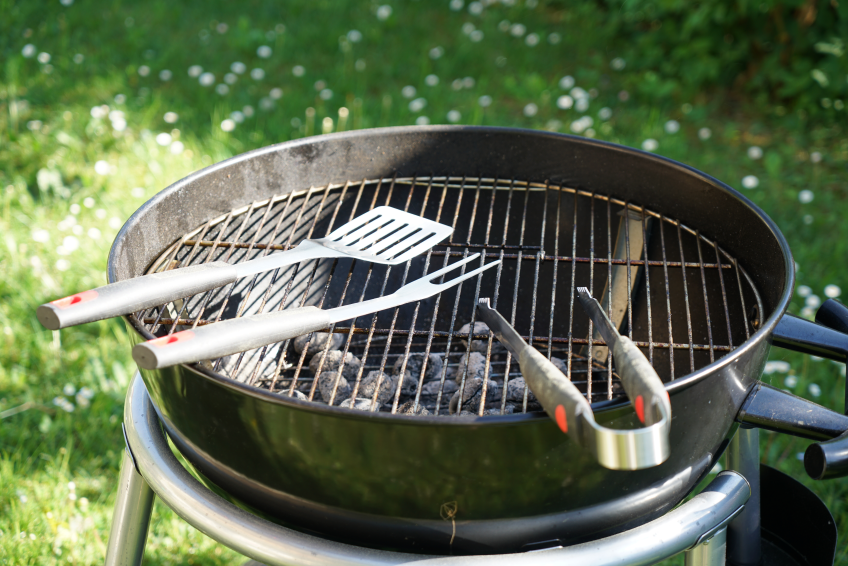 Choosing a kettle grill comes down to size, build quality, and features that make cooking easier. Once you have your grill, lighting charcoal and setting up cooking zones will affect how your food turns out.
Picking a Size and Useful Features
Start by considering how many people you usually cook for. A 22-inch kettle provides room to cook a full meal, while an 18-inch model works well for smaller households or tight patios.
Look for adjustable vents on the top and bottom of the grill. These control airflow and help regulate temperature: more air increases heat, while less air reduces it.
A few other features are worth checking:
- Ash catcher or removable ash pan – makes cleanup faster
- Hinged cooking grate – lets you add charcoal without removing the whole grate
- Sturdy wheels – make it easier to move the grill around your yard
These details might seem small, but they can affect how convenient the grill is to use over time.
Comparing Two Weber Kettle Options
The Weber Original Kettle Premium and the Weber Original Kettle 18-inch are both solid choices, but they suit different needs. The Premium version is available in a 22-inch size and includes a built-in thermometer, a one-touch cleaning system, and a larger cooking surface for bigger gatherings.
Many backyard cooks pick the Weber Original Kettle Premium because the enclosed ash catcher keeps windy messes to a minimum. It offers an easy balance of grilling space and straightforward cleanup.
The 18-inch model is smaller and more budget-friendly. It uses the same basic design and charcoal setup, but is better suited to smaller portions or limited outdoor space.
Both models use adjustable vents for heat control and work well for grilling, smoking, and indirect cooking. If you often cook for a group, the Weber Original Kettle Premium offers more space and convenience features. If you’re grilling solo or for one or two people, the 18-inch model can do the job at a lower cost.
Lighting Charcoal and Setting Up Cooking Zones
A chimney starter, also called a charcoal chimney starter, is an easy way to light charcoal without lighter fluid. Fill the charcoal chimney starter with charcoal, place crumpled newspaper underneath, and light the paper. The coals are usually ready in about 15 minutes, when they’re covered with gray ash and glowing red underneath.
Once the coals are lit, pour them into the grill to create heat zones. For two-zone cooking, push the coals to one side of the grill. This creates a hot side for searing and a cooler side for slower cooking.
Charcoal baskets help keep coals contained on one side, making it easier to maintain separate heat zones. This setup works well for cooking different foods at the same time or finishing thicker cuts of meat without burning the outside.
Maintenance and Cleaning
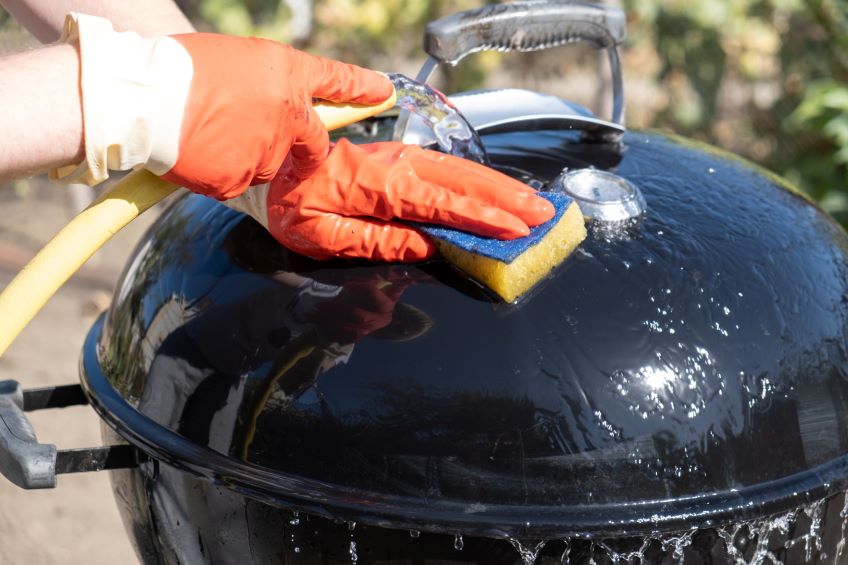 Kettle grills are relatively easy to maintain, and regular cleaning helps preserve their performance, appearance, and lifespan. A simple cleaning routine after each cook, combined with occasional deeper maintenance, can prevent buildup and reduce the risk of rust and corrosion.
Ease of Care
The simple design of a kettle grill makes routine cleaning straightforward. Ash collects at the bottom of the bowl, where it can be removed through the ash catcher or ash collection system.
After grilling, brushing the cooking grates helps remove food residue before it hardens. For a deeper clean, the grates can be removed and washed with warm, soapy water. The inside of the kettle can also be wiped with a damp cloth to remove loose debris and grease.
Many kettle grills have removable grates, ash catchers, and other components, making it easier to clean individual parts thoroughly.
Longevity Through Proper Maintenance
Regular maintenance can significantly extend the life of a kettle grill. Keeping the grill covered when it is not being used helps protect it from rain, moisture, and other weather conditions that can contribute to rust.
It is also worth checking the grill periodically for loose hardware, damaged components, or signs of corrosion. Any rust should be addressed early to prevent it from spreading.
If the cooking grates require seasoning, applying a thin layer of cooking oil after cleaning can help protect them from moisture and reduce sticking. Worn grates, ash catchers, and other replaceable components should also be replaced when necessary.
During extended periods of non-use, storing the grill in a dry, sheltered location provides additional protection. Following the manufacturer’s cleaning and maintenance recommendations also helps ensure that the grill continues to operate safely and efficiently.
FAQ:Why Are Kettle Grills Better?
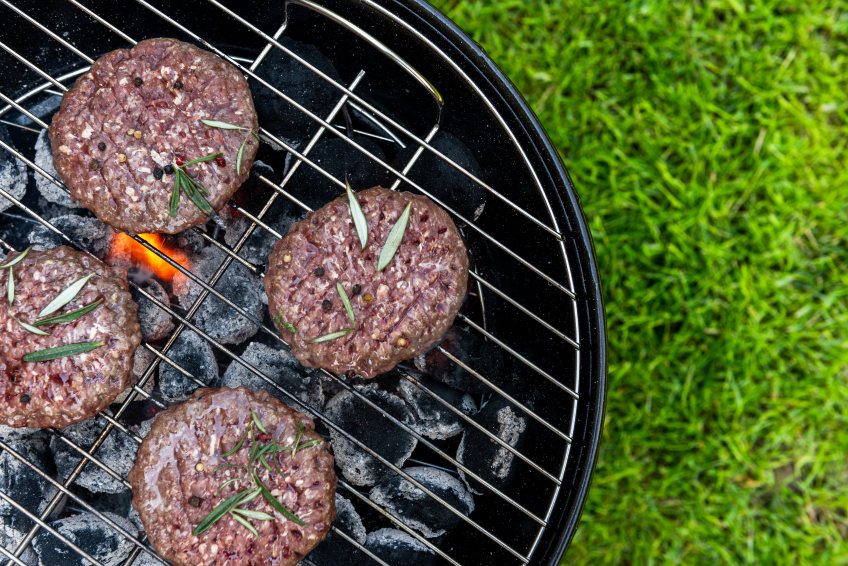 Kettle grills are popular because their rounded shape, adjustable vents, and charcoal cooking area make them versatile and relatively easy to control. They can handle direct grilling, indirect cooking, smoking, and roasting while using less charcoal than many larger grills.
What Makes a Kettle Grill Better for Charcoal Cooking?
The deep, rounded bowl helps circulate heat around the food, while the adjustable top and bottom vents allow you to control airflow and temperature. This makes a kettle grill suitable for both high-heat searing and slower indirect cooking.
Are Kettle Grills More Versatile Than Gas Grills?
A kettle grill can provide cooking methods that are particularly well suited to charcoal, including smoking, indirect grilling, roasting, and two-zone cooking. Charcoal also produces smoke and aromatic compounds that can add a distinctive flavor to grilled food.
Do Kettle Grills Use Less Charcoal?
Generally, yes. The relatively compact cooking chamber and adjustable vents allow you to control airflow and restrict how quickly the charcoal burns, which can help reduce fuel consumption compared with larger charcoal grills.
Are Kettle Grills Good for Beginners?
Yes. A basic kettle grill has a straightforward design with a charcoal grate, cooking grate, lid, and adjustable vents. Once you understand how charcoal quantity, airflow, and the position of the coals affect temperature, it becomes relatively easy to manage.
Are Kettle Grills Good for Low-and-Slow Cooking?
Yes. With the charcoal arranged for indirect heat and the vents adjusted to restrict airflow, a kettle grill can maintain lower cooking temperatures for longer periods. This makes it useful for foods such as ribs, pulled pork, and whole chickens.