

This content has been archived. It may no longer be relevant
 Grilling at the right temperature is essential for cooking food evenly and achieving the desired texture and flavor.
Many people wonder if 400 degrees Fahrenheit falls within the medium heat range on a grill.
Understanding this helps in selecting the appropriate cooking method for various foods, from burgers to vegetables.
Medium heat on a grill typically ranges from 350 to 400 degrees Fahrenheit, so 400 degrees is at the upper end of medium heat.
This temperature is ideal for cooking items that require thorough cooking without burning or charring the outside too quickly.
Knowing how to maintain this temperature can improve grilling results significantly.
Grillers who master the control of medium heat can prepare a wide range of dishes with better precision.
This knowledge is especially useful for those aiming for juicy, well-cooked meals that need consistent heat rather than intense flames.
Understanding Grill Temperature Ranges
Grill temperatures are often divided into clear categories that guide cooking times and methods.
The effect of heat on food varies significantly with these ranges, influencing texture, flavor, and doneness.
Grill Temperature Categories
Grill temperatures are generally grouped into three main ranges: low, medium, and high heat.
- Low heat: 225°F to 300°F (107°C to 149°C). Used for slow cooking and smoking.
- Medium heat: Typically 350°F to 400°F (177°C to 204°C). Ideal for cooking many types of meats and vegetables evenly without burning.
- High heat: 450°F and above (232°C+). Used for quick searing and char marks.
These categories can vary slightly depending on grill type and fuel source, but medium heat consistently falls near the 350°F to 400°F range, which includes 400°F as a valid medium temperature.
How Temperatures Affect Cooking
Temperature directly impacts cooking speed and the final texture of food.
At medium heat, foods cook evenly through without excessive charring.
For example, grilling a steak at around 400°F allows the inside to cook properly while still achieving a sear on the outside.
Lower temperatures slow the cooking process, useful for tougher cuts needing longer time, while high heat risks burning the exterior before the interior cooks.
Maintaining consistent medium heat requires preheating and sometimes burner adjustments to prevent flare-ups or cold spots, ensuring better control over cooking results.
Defining Medium Heat on a Grill
Medium heat on a grill refers to a temperature range that allows foods to cook evenly without burning.
Understanding this range helps grillers achieve the desired doneness and texture for a variety of dishes.
Typical Temperature Range for Medium
Medium heat on a grill generally falls between 350°F and 400°F (175°C to 200°C).
This range is considered hot enough to cook meats, vegetables, and poultry thoroughly while avoiding excessive charring.
Within this temperature window, foods cook at a steady pace, ensuring juices stay locked in and textures remain tender.
It suits most grilling needs, from burgers and steaks to fish and vegetables.
Temperatures below 350°F are usually categorized as low or medium-low heat.
Meanwhile, anything above 400°F begins to shift into medium-high or high heat territory.
How 400 Degrees Compares to Medium Heat
Grilling at 400°F is at the upper end of the typical medium heat range.
At this temperature, food cooks relatively quickly but retains control over burning risk if monitored closely.
While some sources extend medium heat slightly above 400°F, 400°F is widely accepted as the max boundary for medium.
Beyond this point, the grill temperatures approach medium-high, which can cause faster searing and a greater chance of burning exterior surfaces.
At 400°F, grillers can safely cook thicker cuts of meat, chicken, and denser vegetables evenly.
It strikes a balance between sufficient heat for thorough cooking and avoiding the charring common in higher heat settings.
Is 400 Degrees Considered Medium on All Grills?

Grill temperatures can vary depending on the type of grill and how it is calibrated.
What counts as medium heat on one grill may feel different on another, making it important to understand these differences when cooking.
Gas vs. Charcoal Grills
Gas grills tend to offer more consistent temperature control.
They usually reach and maintain 400 degrees Fahrenheit reliably, which often falls within the medium heat range for these grills.
This steadiness allows cooks to predict cooking times and results more easily.
Charcoal grills, however, heat unevenly and can vary widely in temperature.
While 400 degrees might be a target, hot spots or fluctuating coals can push parts of the grill hotter or cooler, making 400 degrees less precise as a medium benchmark.
Monitoring and adjusting air vents can help manage this variability.
Variability in Grill Calibration
Not all grills measure temperature the same way, even if both display 400 degrees.
Differences in built-in thermometers’ accuracy can cause one grill’s 400 degrees to feel like another’s 350 or 450.
Users should consider using external grill thermometers for more reliable readings.
Further, factors such as grill age, maintenance, and fuel type influence how heat registers and distributes, affecting whether 400 degrees genuinely represents medium heat on that specific grill.
Cooking Techniques at 400 Degrees
Grilling at 400 degrees Fahrenheit offers a balance between heat intensity and control.
This temperature allows for effective searing while maintaining the ability to cook through thicker cuts without burning.
Understanding which foods work best and the trade-offs involved helps maximize cooking success.
Best Foods for 400 Degrees
This temperature is ideal for foods that benefit from a seared exterior and tender interior.
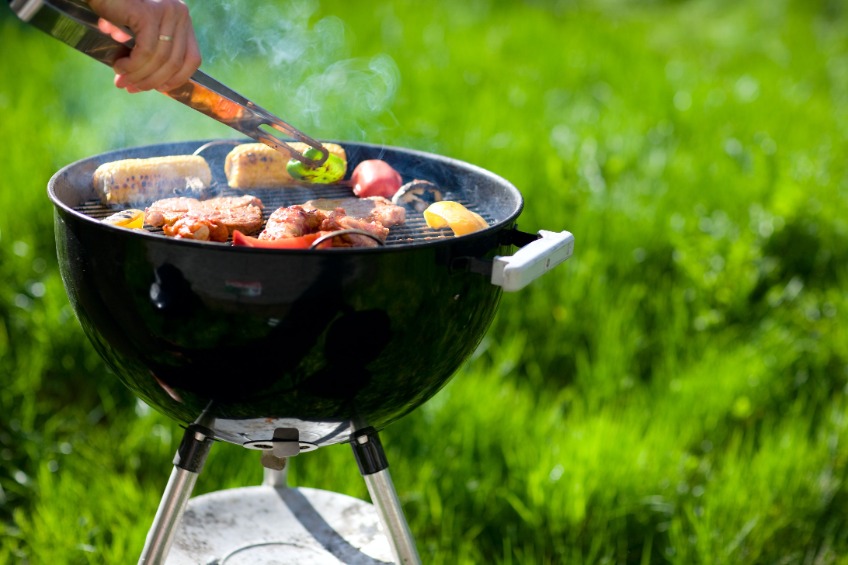
Steaks, especially cuts like ribeye or sirloin, develop a caramelized crust and cook to medium doneness effectively.
Chicken breasts and pork chops also respond well to 400 degrees, allowing the inside to cook fully while locking in juices.
Vegetables such as bell peppers, zucchini, and mushrooms caramelize nicely without excessive charring.
Fish fillets cook evenly at this temperature but require careful timing to avoid overcooking.
Burgers benefit from a sear that retains moisture while developing flavor.
Overall, 400 degrees suits foods requiring moderate to high heat and some attention to timing for optimal results.
Advantages and Disadvantages of Grilling at This Temperature
Grilling at 400 degrees offers a quick sear that enhances flavor through the Maillard reaction, creating appealing textures and taste.
Advantages include faster cooking times compared to lower temperatures and the ability to cook medium-thick cuts evenly without undercooking the interior.
Disadvantages involve a narrower margin for error; food can burn if left too long or if the grill heat is uneven.
Maintaining consistent temperature may require adjusting the flame or moving food between hotter and cooler zones.
High heat can also dry out lean meats unless monitored closely.
Using a thermometer and proper timing reduces these risks.
Tips for Measuring and Maintaining Grill Temperature

Accurate temperature control ensures food cooks evenly and avoids burning.
Using proper tools and understanding common pitfalls can help maintain the desired grill heat, especially around 400°F.
Using Grill Thermometers
Grill thermometers provide precise temperature readings, crucial for maintaining consistent heat.
Built-in lid thermometers give a general idea but can be inaccurate due to placement away from cooking surfaces.
A better approach is to use an instant-read thermometer or a probe thermometer placed at grill grate level.
These offer more accurate measurements of where the food cooks.
When it comes to perfecting your cooking, a reliable thermometer makes all the difference.
 The Meat Thermometer Digital is a versatile tool designed for accuracy and ease of use in any kitchen.
With its IP67 waterproof rating, you can confidently use it around steam, sauces, and grilling without worry.
The backlit display ensures clear readings, while the calibration and hold functions guarantee precision every time.
 Whether you’re grilling outdoors, making candy, or preparing a holiday roast, this thermometer is a must-have companion for achieving delicious results.
Digital versions can alert when the target temperature is reached, reducing guesswork.
Regularly monitoring temperature with these tools helps adjust burners or vents timely.
Calibration is also important; users should verify thermometers against boiling or ice water temperatures to ensure accuracy.
Avoiding Common Temperature Mistakes
One frequent error is opening the grill lid too often, which causes heat loss and temperature fluctuations.
Limiting lid openings supports stable heat close to 400°F.
Another mistake is uneven heating due to poor burner adjustment or clogged ports.
Cleaning burners regularly and checking for proper flame patterns helps maintain even cooking zones.
Using a heat zone setup—direct and indirect heat—allows better temperature management.
Adjusting fuel flow or vent openings as weather conditions change aids in keeping the grill steady around the preferred medium-high heat.
Safety and Quality Considerations at High Grill Temperatures

Grilling at or near 400 degrees Fahrenheit requires attention to both cooking precision and food safety.
Managing heat effectively can prevent overcooking while ensuring meats reach safe internal temperatures.
Preventing Overcooking
At 400 degrees, the grill reaches a high heat setting that can quickly char the exterior of foods.
Careful monitoring is necessary because overexposure to this heat risks drying out meats or burning vegetables.
To avoid overcooking:
- Use a timer and check food frequently.
- Employ indirect grilling for thicker cuts to cook through without excessive charring.
- Flip foods only when visibly ready to reduce moisture loss.
High heat is ideal for searing but should be combined with lower temperatures or shorter cook times to retain juiciness and flavor.
Reducing Risk of Foodborne Illness
Cooking at 400 degrees supports quick searing, which can kill most surface bacteria rapidly.
However, internal temperature remains crucial for food safety.
To reduce risk:
- Measure internal temperature with a reliable meat thermometer.
- Follow USDA guidelines: 165°F for poultry, 145°F for whole cuts of beef, pork, lamb, and fish plus a rest time.
- Avoid over-relying on external color or texture as indicators of doneness.
Consistent heat and proper timing ensure safe consumption without the need for excessive charring.
Summary of Key Points
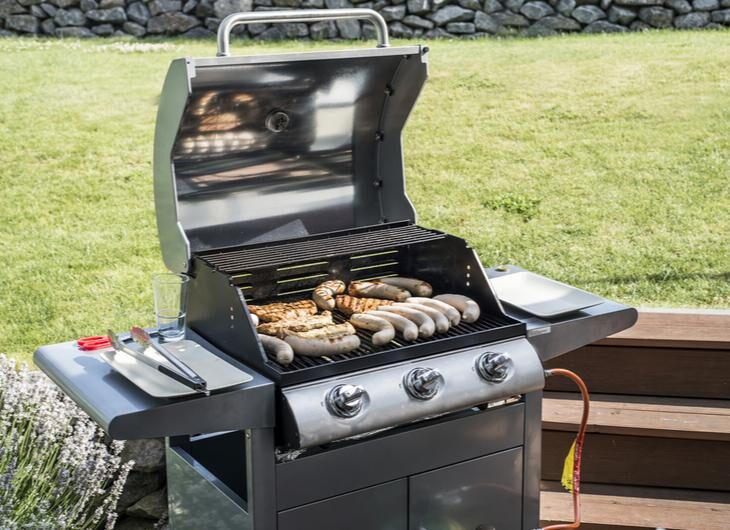
400 degrees Fahrenheit is generally considered the upper limit of medium heat on a grill.
This temperature sits at the edge of the medium range, which typically spans from 350°F to 400°F.
Medium heat allows for controlled cooking, making it suitable for foods like chicken, steaks, burgers, and vegetables.
It ensures even cooking without burning the exterior.
The medium heat range may vary slightly depending on the grill type—gas, charcoal, or pellet—but 400°F remains a widely accepted benchmark for medium heat.
Grillers use both thermometers and simple tests, like the hand test, to gauge if their grill is in the medium temperature range.
Maintaining consistent medium heat is key to achieving desired doneness.
| Temperature Range | Heat Level | Ideal For |
|---|---|---|
| 300°F – 350°F | Low to Medium | Slow cooking, delicate items |
| 350°F – 400°F | Medium | Most meats, vegetables |
| Above 400°F | High | Quick searing, char grilling |
Proper adjustment of the flame and monitoring temperature helps avoid overcooking or burning food at this level.
400°F balances heat intensity and control for various grilling needs.