
You just finished grilling when the sky opens up with rain. Your grill is still sitting outside, and you’re not sure if you need to run out and cover it right away.
A grill left uncovered in the rain for a short time usually won’t be ruined, but leaving it exposed for hours or days can lead to rust and damage. The risk depends on the grill type, how long it remains wet, and whether it has a cover.
This matters if you want your outdoor cooking setup to work well for years. Knowing what to do before and after a storm can help you avoid repairs or replacing your grill sooner than expected.
The Short Answer: Brief Rain Versus Repeated Exposure
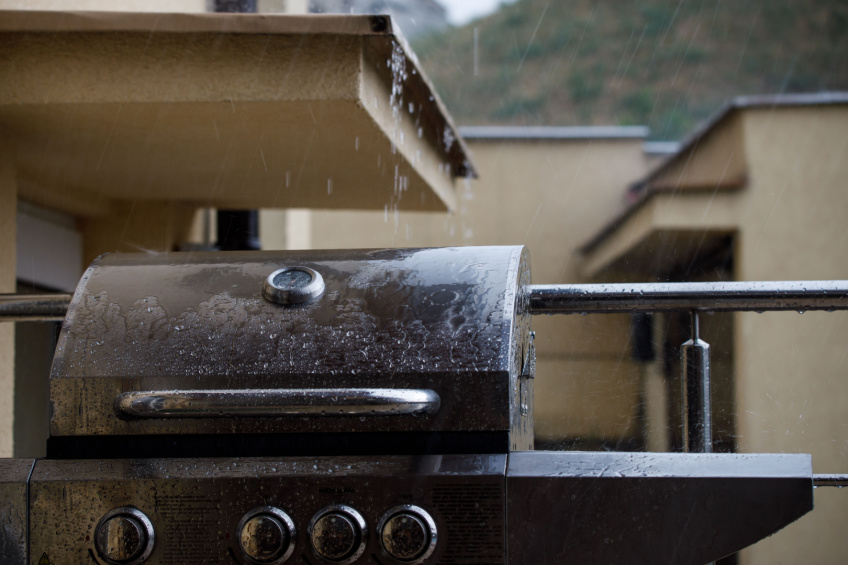 A quick rain shower will not usually ruin a grill, but leaving it exposed for days or weeks can cause problems. The key factors are how often and how long your grill stays wet.
What Happens When a Grill Is Left Uncovered
If your grill is uncovered during a short rainstorm, you probably don’t need to worry. A brief soaking is unlikely to cause damage if you dry the grill or let it air out afterward.
The bigger issue is repeated exposure. Water can pool on the lid, enter through vents, and sit on metal parts. Over time, this can lead to rust and corrosion. Charcoal grills face an additional problem: leftover charcoal can get wet and become difficult to light.
Why a Covered Grill Still Needs Attention
A grill cover helps, but it does not make a grill completely rainproof. Covers block direct rain, but moisture can still enter around the edges or become trapped underneath.
Where you place your grill also matters. A grill on a covered patio or under a gazebo gets less direct rain than one left fully exposed. Even so, check for dampness under the cover and let the grill dry completely before using it again.
When Rain Exposure Becomes a Bigger Problem
Rain is more likely to cause damage when exposure happens repeatedly without enough time for the grill to dry. Over weeks or months, water can corrode metal parts and allow rust and corrosion to spread. This can weaken components such as burners, grates, and the frame.
Some effects appear gradually.
You might notice:
- Reduced heat performance
- Sticky or hard-to-turn knobs
- Flaking or bubbling paint
- Rust spots on the lid or body
Deep rust can be difficult to reverse. At that point, parts may need replacing, or the grill may not work as well as it once did.
How Rain Affects Different Grill Types and Materials
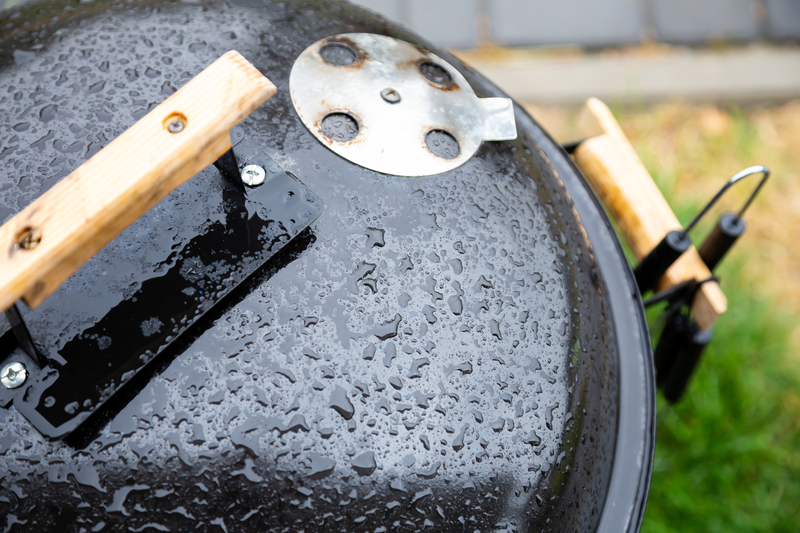 Rain affects grills differently. Gas, charcoal, and electric grills each face distinct risks, and the material of your grates and grill body also affects how well they withstand moisture.
Gas Grills: Burners, Igniters, and Metal Parts
Several parts of a gas grill are vulnerable to moisture. The igniter is particularly susceptible because moisture can prevent it from sparking or cause an electrical fault.
Burner tubes can also rust if water remains inside them. Rust may block the small openings that release gas, resulting in uneven flames or weak heat.
The regulator and hose connections are other potential weak points. Frequent rain exposure can lead to corrosion of metal components and damage to the ignition system over time.
Check these parts after a storm:
- Igniter button and wires
- Burner tube openings
- Gas hose and regulator connections
- Control knobs
Charcoal Grills: Wet Fuel, Ash, and Rust
Charcoal grills face different problems. Wet charcoal is difficult to light and may produce heavy smoke instead of burning cleanly.
Wet ash is another concern. It can form a thick paste that clings to the bottom of the grill and encourages rust.
The legs, lid, and bowl of a charcoal grill can rust if rainwater pools instead of draining away. Prolonged exposure can damage metal parts, particularly on charcoal grills with thinner metal shells, as explained in this guide to leaving a grill out in the rain.
Empty wet ash and dry the bowl fully before using the grill again.
Electric Grill: Water Intrusion and Electrical Hazards
Electric grills have risks that gas and charcoal grills do not. Water can get into the wiring, plug, or heating element, creating an electrical hazard.
A wet cord or outlet can cause a short circuit. This may trip a breaker or damage the grill and, in rare cases, cause an electric shock.
Never plug in or use an electric grill if you suspect water has entered the control panel. Let electrical components dry completely, and check the cord for cracks or fraying before using the grill again. If you store an electric grill outdoors, keep it under solid shelter. A light cloth cover will not keep water away from the plug or internal wiring.
Cast Iron, Stainless Steel, and Coated Surfaces
The material of your grates and grill body affects how much rain damage you can expect. A cast iron grill or bare cast iron grates will rust readily because the metal has little natural resistance to moisture.
Stainless steel resists rust better. Stainless steel grills are highly resistant to rust and corrosion, making them a good option for outdoor use, though pitting can still develop over time in wet or salty air.
Porcelain-coated grates offer some protection. The coating shields the metal underneath, but chips or scratches can expose bare metal and allow it to rust.
| Material | Rust Risk | Care Needed |
|---|---|---|
| Cast iron | High | Oil after drying |
| Stainless steel | Low | Wipe dry |
| Porcelain-coated | Medium | Check for chips |
How to Protect a Grill That Stays Outdoors
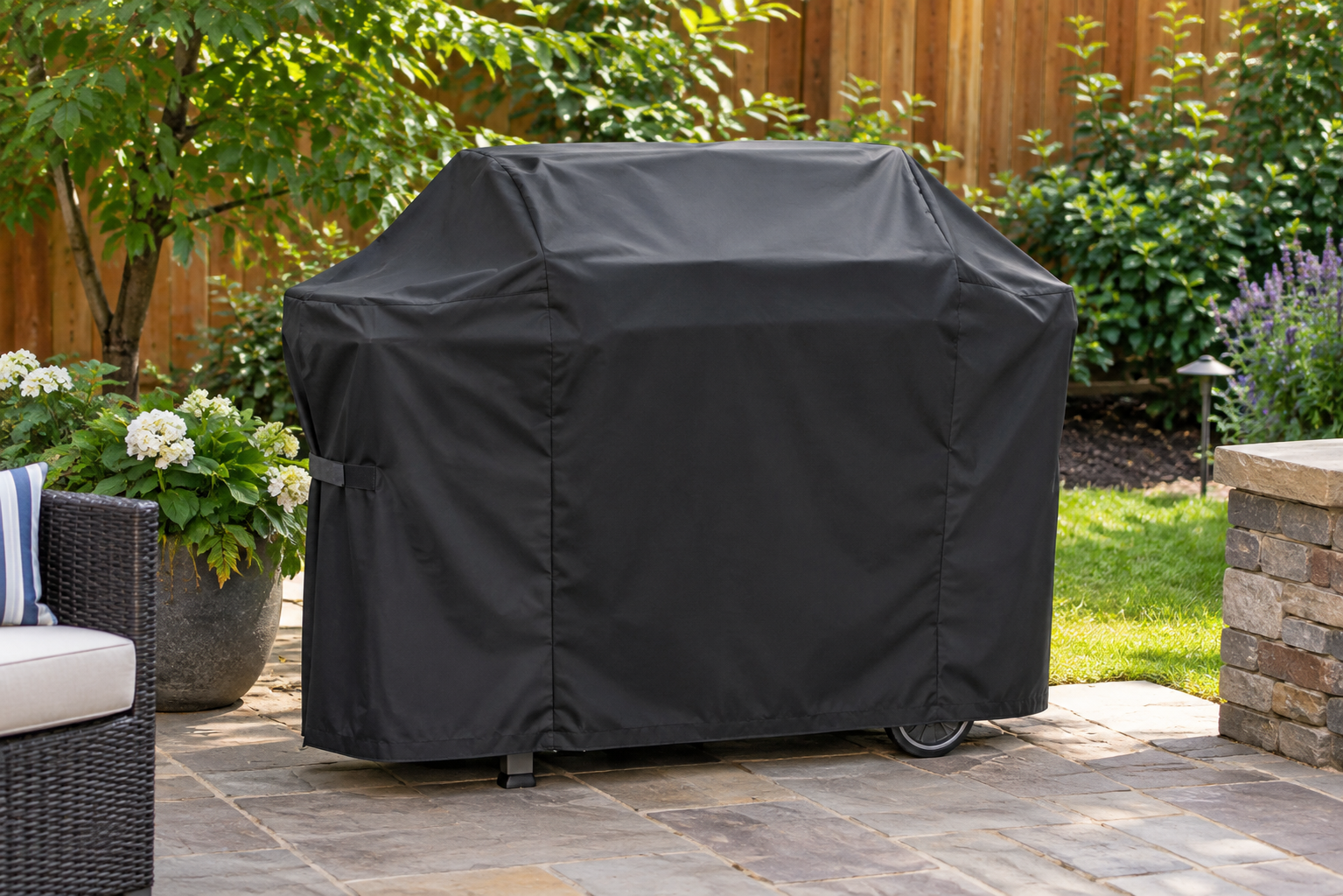 A grill can stay outside all year and work well for a long time with proper care. A suitable cover, good airflow, and a smart storage location make a big difference.
Choose a Well-Fitting, Water-Resistant Cover
A grill cover is your first line of defense against rain, snow, and sun. Using a waterproof grill cover with a denier fabric rating between 600 and 1,000 provides solid moisture protection.
Choose a cover that fits your grill model or size. A loose cover can let rain in, while a tight-fitting cover may trap heat and moisture against the metal.
Look for heavy-duty stitching and a drawstring or strap at the bottom. These features help keep wind from blowing the cover off and limit pests getting underneath. Many grill covers also have a UV-resistant coating to help prevent fading and cracking from prolonged sun exposure.
Avoid Trapping Moisture Beneath the Cover
A cover keeps rain off, but it can also trap moisture underneath. Never cover your grill while it is still warm, since heat beneath the cover can cause condensation.
Choose a cover with air vents if you live in a humid area. Vents let damp air escape instead of lingering against the metal, reducing the risk of rust.
Clean your grill regularly, especially before leaving it unused for a long time. Leftover food scraps can retain moisture and attract mold as they break down.
If your grill stays covered for weeks, remove the cover occasionally to let the grill air out and dry, especially after heavy rain.
Use a Suitable Outdoor Shelter or Storage Area
Placing your grill under shelter reduces its exposure to rain, snow, and sun. A grill gazebo works well because it provides a covered space while keeping the grill outdoors and ready to use.
A patio roof, carport, or covered deck can serve the same purpose. The goal is to block direct rain and limit the grill’s daily sun exposure.
If you live somewhere with harsh winters, moving your grill into a garage or shed during the coldest months adds protection. This is especially helpful for grills made with lighter materials that can wear down faster in freezing temperatures.
What to Do After Your Grill Gets Rained On
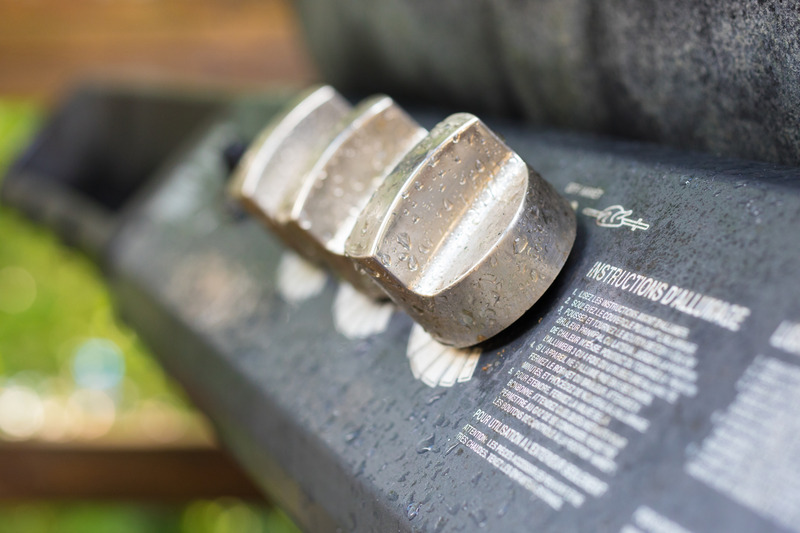 If your grill gets caught in the rain, do not just cover it and walk away. A few simple steps can help prevent rust and mold and keep your gas or electric grill safe to use.
Remove Water, Wet Ash, and Debris
Start by tipping out any standing water from the lid, body, and grease tray. Water can pool in unexpected spots, so check corners and seams closely.
If you have a charcoal grill, clear out any wet ash right away. Wet ash turns into a thick paste that clogs vents and holds moisture against the metal, speeding up rust.
Wipe down the grates and the inside of the lid with a dry towel. Clear out any leaves, dirt, or other debris that may have washed in during the storm.
Check the drip tray, too. A clogged tray can trap water and contribute to rust over time.
Dry and Inspect the Grill Before Lighting It
Once the water is gone, let the grill air-dry with the lid open for at least an hour. This helps remove moisture from spots you cannot easily wipe down.
After it has dried, inspect the whole grill for damage. Check for rust, especially in areas where grease or ash can collect.
For a gas grill, check the burner tubes and igniter for moisture. On an electric grill, inspect the heating element and outer casing for signs of water exposure.
Here is a quick checklist:
- Grates and burner covers
- Grease tray and drip pan
- Lid hinges and handles
- Control knobs and dials
Do not light the grill if any part still feels damp.
Check Gas Connections or Electric Parts Before Use
Before you fire up a gas grill, check the hose and regulator for cracks, rust, or loose fittings. Inspect the connections closely for signs of water exposure before turning on the gas.
Use a simple soap-and-water test on the hose connections to check for leaks. If bubbles form, do not use the grill until the issue has been resolved and any damaged parts have been replaced.
For grills with electrical components, such as electric grills or gas grills with electric igniters, check the power cord, plug, and igniter button for signs of water damage.
Never plug in or light a grill if you notice frayed wires or a damp power outlet nearby. If you are unsure whether the grill is safe, it is smart to cover your grill before future rain to help prevent the same problem.
Grilling Safely When Rain Starts
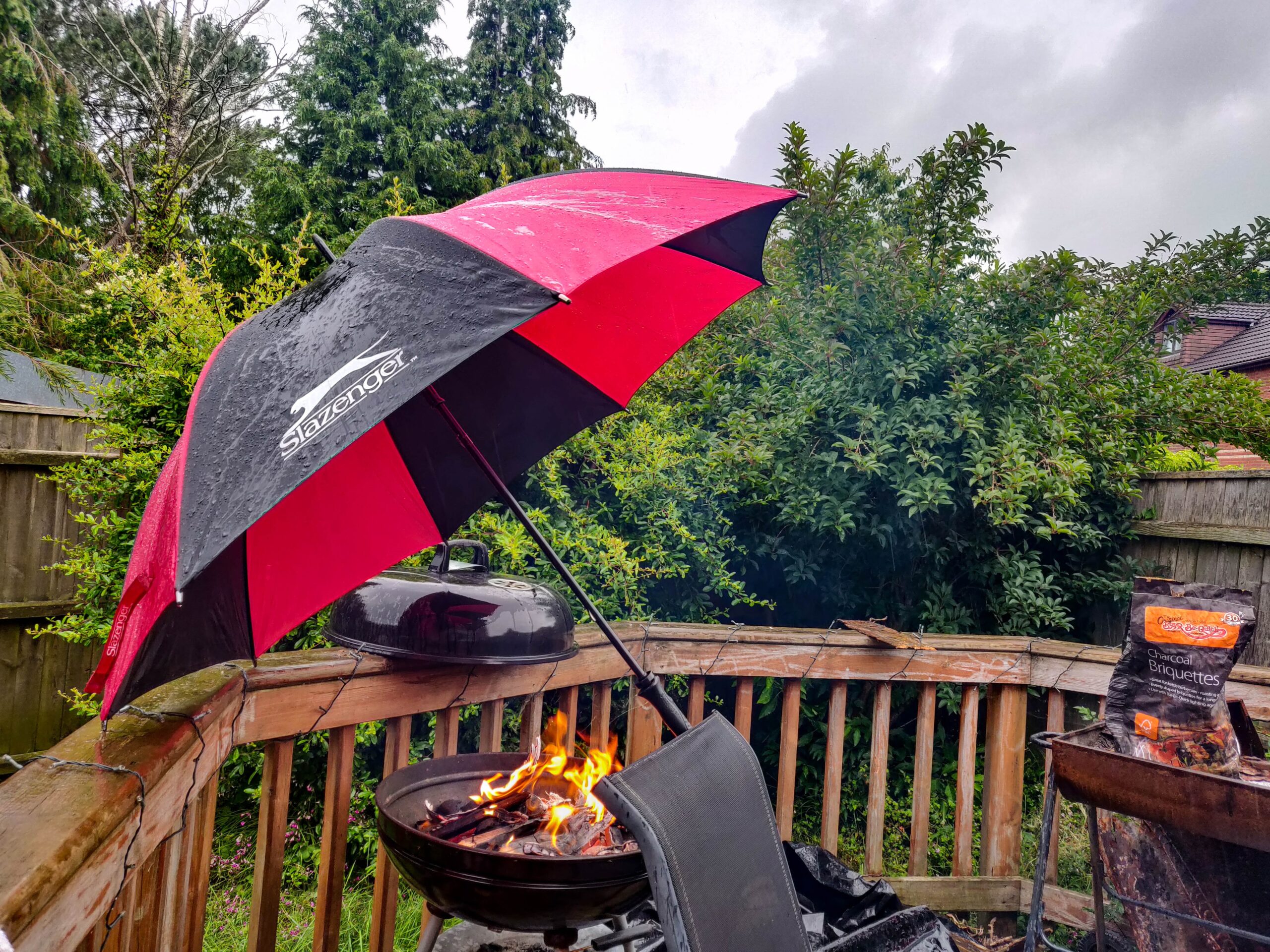 While grilling in the rain is entirely doable, taking quick precautions keeps you and your equipment safe. Focus on airflow, electrical safety, and checking your food closely, since cooking times may change.
Keep the Cooking Area Ventilated and Clear of Flammable Covers
If you move your grill under shelter, make sure the area remains open on at least one side. Grills need airflow to work properly and allow smoke to escape.
Never use a tarp or plastic sheet to shield your grill. These materials can catch fire if they touch a hot surface.
A grill umbrella or covered area can provide shelter, but a properly installed grill gazebo is a better long-term option. It offers fixed cover designed for outdoor use without needing to hold anything in place.
Keep at least 10 feet of clearance between your grill and any structure, canopy, or gazebo wall, unless the grill manufacturer specifies a greater distance.
Avoid Using Wet Electrical Equipment or Grilling in Severe Weather
Water and electricity don’t mix, so unplug electric grills, meat thermometers, or lights if they get wet, but only if you can do so safely. Wet cords and outlets can cause shocks or short circuits.
If you smell burning plastic or see sparks, stop using the equipment immediately and move away from it.
Lightning is a serious danger during a storm. If you hear thunder or see lightning, turn off your grill and go inside right away. No meal is worth the risk of being struck.
Wait at least 30 minutes after the last thunder before going back outside to finish cooking.
Manage Heat and Check Food Doneness
Rain can lower your grill’s temperature, especially when the lid is open. Check your thermometer more often than usual to make sure the heat stays steady.
Cooking may take longer when grilling in the rain because cold, wet air can carry heat away faster than dry conditions.
Use a meat thermometer instead of judging doneness by color or cooking time. This is especially important during outdoor cooking in wet weather, when visual cues can be harder to judge.
Keep the lid closed as much as possible to trap heat and keep rain off your food.
Maintenance That Helps Prevent Rain Damage
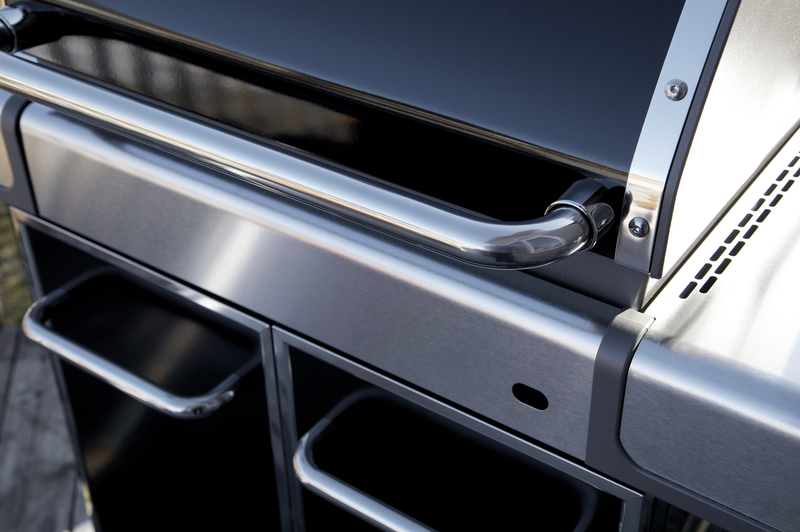 Regular grill maintenance helps prevent rust and corrosion after wet weather. Cleaning and drying the grill promptly, addressing rust early, and using a suitable cover can all help protect it.
Clean and Dry Grates, Burners, and Ash Catchers
After the grill has been exposed to rain, clean and dry it as soon as possible. Start by removing the grates and wiping off moisture with a dry cloth.
Use a grill brush to clear off food residue, then dry the grates completely before putting them back. Wet grates can begin to rust within hours.
Check for water in the burner tubes. Wipe them dry and let them air out before trying to light the grill again.
Empty the ash catcher if you have a charcoal grill. Wet ash turns into a paste that holds moisture against the metal and speeds up rust and corrosion.
Protect Cast Iron and Address Rust Early
Cast iron grates need extra care after rain because cast iron rusts more easily than stainless steel. If you own a cast iron grill, dry the grates right away, then rub a thin layer of cooking oil over the surface.
The oil coating helps protect the surface from moisture. Without it, orange rust spots may appear within a day or two, especially in humid areas.
If you spot rust, act quickly. Scrub the area with steel wool, then reapply oil if the manufacturer recommends it.
For larger rust patches, follow the grill manufacturer’s guidance before sanding or applying a coating. Only use products rated for the grill’s material and cooking temperatures. Catching rust early helps prevent it from spreading and damaging the metal.
Inspect Covers and Store the Grill During Extended Wet Weather
Check your grill cover regularly for tears, thin spots, or gaps that can let water in. A damaged cover can trap moisture against the grill, sometimes causing more harm than leaving it uncovered.
If moisture seeps through, upgrading to a dedicated waterproof grill cover or a water-repellent cover with sealed seams helps. A snug fit matters too: a loose cover can flap in the wind and let rain inside.
During prolonged wet weather, move your grill under a covered patio or into a garage or shed, if space allows. If it must stay outside, raise it on a platform to prevent water from pooling around its legs and base.
FAQ: Can You Leave a Grill Out When It Rains?
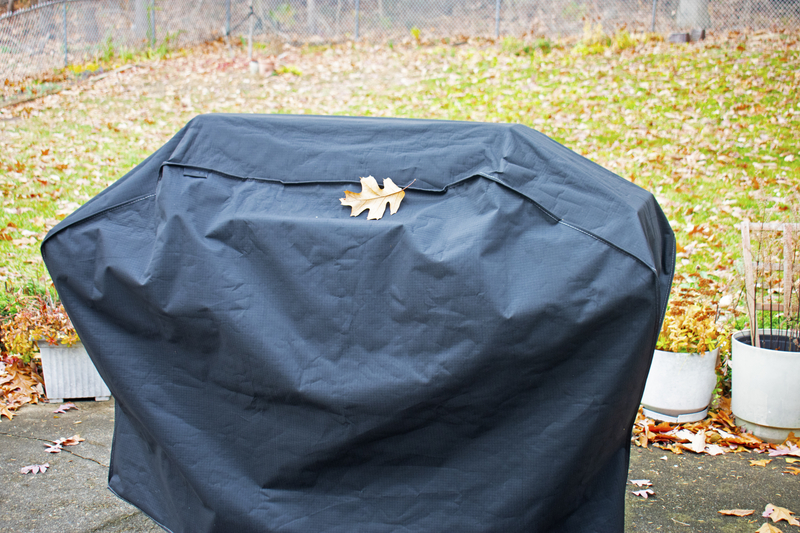 Yes, you can leave a grill outside when it rains, but prolonged exposure to rain can cause rust, corrosion, and damage to certain components. A weather-resistant grill cover can help protect it when it is not in use.
Can Rain Damage a Gas Grill?
Rain itself will not usually damage a properly designed outdoor gas grill, but repeated exposure to moisture can cause rust and corrosion, particularly on burners, cooking grates, fasteners, and other metal components. Keep the grill covered and dry it when necessary.
Can You Leave a Charcoal Grill Outside in the Rain?
Yes, but it is best to keep a charcoal grill covered when not in use. Moisture can cause the charcoal to become damp, while repeated exposure can promote rust on the grill body, cooking grates, and vents.
Should You Cover a Grill When It Rains?
Yes. A weather-resistant grill cover helps protect the grill from rain, moisture, dirt, and debris. Choose a cover that fits properly and allows some ventilation to reduce trapped moisture and condensation.
Can You Use a Grill in the Rain?
You can generally use an outdoor grill in light rain if the manufacturer permits it and the grill remains in a safe, open-air location. Avoid using a grill during severe weather, and never move a hot grill into a garage, shed, tent, or other enclosed area to protect it from rain.