
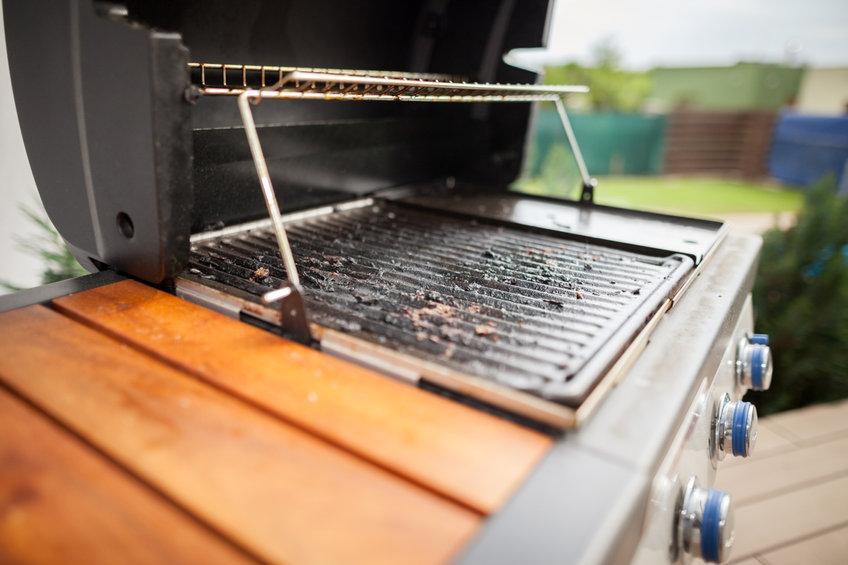
Choosing the right grilling area size determines whether a backyard gathering becomes a seamless culinary experience or a stressful juggling act.
Many grill owners underestimate their space needs, leading to overcrowded cooking surfaces and extended meal preparation times.
Most home cooks need between 400-600 square inches of primary grilling area to comfortably serve 4-6 people, with larger gatherings requiring 700+ square inches.
This calculation depends on several factors including guest count, food types, and cooking preferences that affect overall space requirements.
Understanding how to properly measure cooking surfaces, evaluate different grill types, and match capacity to specific occasions helps ensure the perfect balance between functionality and investment.
The key lies in analyzing personal grilling habits and common sizing mistakes that lead to inadequate or excessive cooking space.
Understanding Grilling Area Measurements

Grilling area measurements determine how much food you can cook simultaneously on your grill.
Manufacturers express these measurements in square inches, calculated by multiplying the width and length of the cooking surface.
What Is Grilling Area?
Grilling area refers to the total usable surface space where food can be placed directly over the heat source.
This measurement excludes areas occupied by flare bars, heat tents, or other grill components that prevent food placement.
The cooking grate size represents the most important specification when evaluating grill capacity.
Manufacturers measure this surface area where users actually place food items during cooking.
Key components included in grilling area:
- Primary cooking grates
- Any additional lower-level grates
- Removable cooking surfaces
Components typically excluded:
- Warming racks
- Side burner surfaces
- Heat shields or flare bars
- Non-removable obstructions
Understanding this distinction helps buyers make informed decisions based on actual cooking capacity rather than inflated marketing measurements.
How Grilling Area Is Calculated
Grilling area calculation uses a simple mathematical formula.
Manufacturers measure the width and length of the cooking surface, then multiply these dimensions to determine total square inches.
The basic calculation follows this format: Width × Length = Total Square Inches
For rectangular grills, measure from the inside edges of the cooking grates.
Round grills require measuring the diameter and applying the circle area formula (π × radius²).
Measurement considerations:
- Measure only usable cooking space
- Exclude areas blocked by permanent fixtures
- Account for multiple cooking levels separately
- Consider grate spacing between multiple tiers
Some manufacturers include warming racks or secondary surfaces in their advertised measurements.
Buyers should verify whether stated measurements reflect primary cooking area only or include additional features.
Primary vs. Secondary Grilling Area
Primary grilling area consists of the main cooking grates positioned directly over heat sources.
This space provides the highest temperatures and most direct heat for searing, grilling, and standard cooking methods.
Secondary grilling area includes warming racks, upper-level grates, or indirect cooking zones.
These areas typically operate at lower temperatures and serve different cooking purposes.
Primary area characteristics:
- Direct heat exposure
- Higher temperature capability
- Main cooking surface
- Located closest to heat source
Secondary area features:
- Indirect or reduced heat
- Lower temperature zones
- Warming or slow-cooking functions
- Positioned above or beside primary area
Most cooking happens in the primary area, making this measurement more critical for capacity planning.
Secondary areas provide convenience for keeping food warm or cooking items requiring gentler heat.
When comparing grills, focus primarily on the main cooking surface measurements rather than combined totals that include secondary spaces.
Determining Your Grilling Area Needs
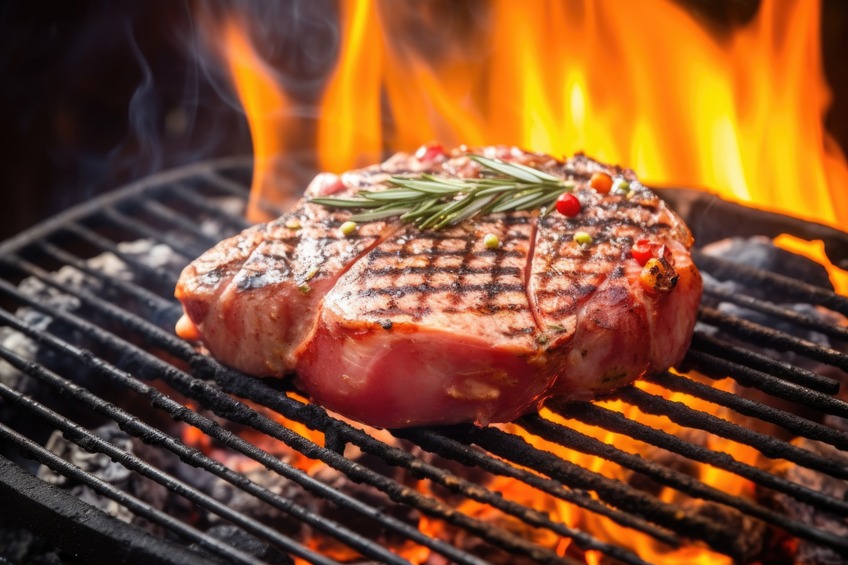
The right grilling area depends on household size and cooking frequency patterns.
Most families require between 450-500 square inches of cooking surface, while frequent entertainers need significantly more space.
Factors Influencing Grilling Area Size
Cooking frequency plays a major role in determining space requirements.
People who grill four to five times per week benefit from at least 20 square feet of total grilling area.
Grill type affects space needs differently:
- Large European-style grills: 12 square feet minimum cooking area
- US-style grills: 8 square feet cooking area
- Compact setups: 10 square feet total space
The surrounding environment impacts safety clearances.
Gas grills require specific spacing from structures, walls, and overhead coverings for proper ventilation.
Key considerations include:
- Available outdoor space
- Budget constraints
- Storage requirements
- Utility connections (gas, electrical)
Entertaining style influences size decisions.
Hosts who regularly cook for large groups need expanded cooking surfaces and prep areas.
Number of People You’re Cooking For
Family size directly correlates with required cooking surface area.
A standard family of 4-5 people typically needs 450-500 square inches of cooking space.
Recommended cooking areas by group size:
- 2-4 people: 400-500 square inches
- 5-8 people: 500-650 square inches
- 8-12 people: 650-800 square inches
- 12+ people: 800+ square inches
Party hosting requires additional considerations.
Large gatherings benefit from multiple cooking zones to prepare different foods simultaneously.
Calculate based on peak usage rather than daily needs.
Consider the largest number of people typically served during holidays or special events.
Cooking habits matter beyond group size.
Families who prepare multiple courses or cook various proteins simultaneously need expanded surface area regardless of household size.
Standard Grilling Area Guidelines
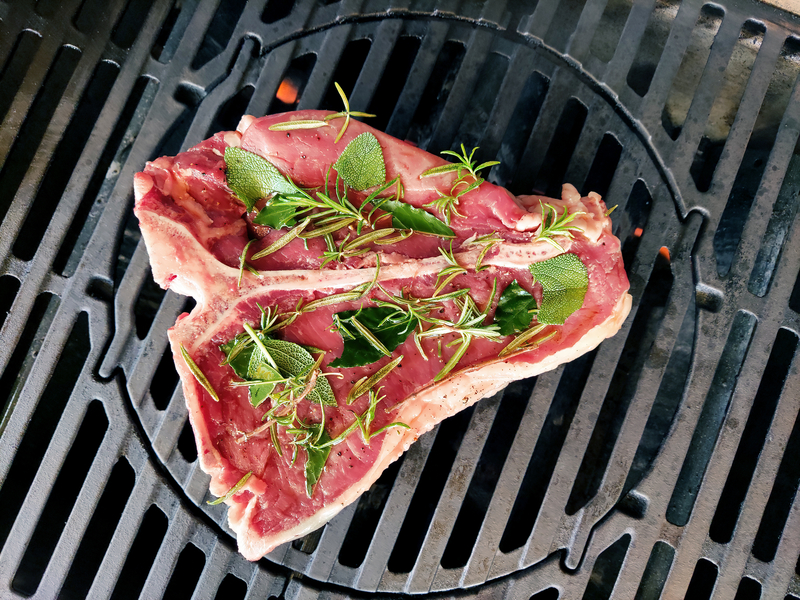
Grill size selection depends on cooking frequency, household size, and entertaining needs.
Most residential grills range from 300 to 900 square inches of cooking surface, with specific area requirements per person varying based on meal types and cooking styles.
Common Grill Sizes and Their Uses
Small grills typically offer 300-450 square inches of cooking space.
These compact units work well for couples or small families of 2-3 people.
They handle basic grilling tasks like burgers, hot dogs, and small cuts of meat.
Medium grills provide 450-650 square inches of cooking area.
This size accommodates families of 4-6 people comfortably.
They can handle multiple food types simultaneously and support casual entertaining.
Large grills feature 650-900+ square inches of cooking surface.
These units serve families of 6+ people or frequent entertainers.
They allow cooking entire meals outdoors, including multiple proteins, vegetables, and side dishes.
| Grill Size | Cooking Area | Ideal For |
|---|---|---|
| Small | 300-450 sq in | 2-3 people |
| Medium | 450-650 sq in | 4-6 people |
| Large | 650-900+ sq in | 6+ people |
Recommended Area Per Person
The standard recommendation is 75-100 square inches per person for typical grilling sessions.
This allows adequate space for one main protein item plus sides per individual.
Light grillers who cook simple items like burgers or chicken breasts can use 75 square inches per person.
This works for straightforward meals without complex preparations.
Heavy grillers need 100+ square inches per person when cooking multiple items, thick cuts, or elaborate meals.
This extra space prevents overcrowding and allows proper heat circulation.
Frequent entertainers should calculate based on their largest typical gathering rather than daily household size.
Types of Grills and Their Cooking Spaces
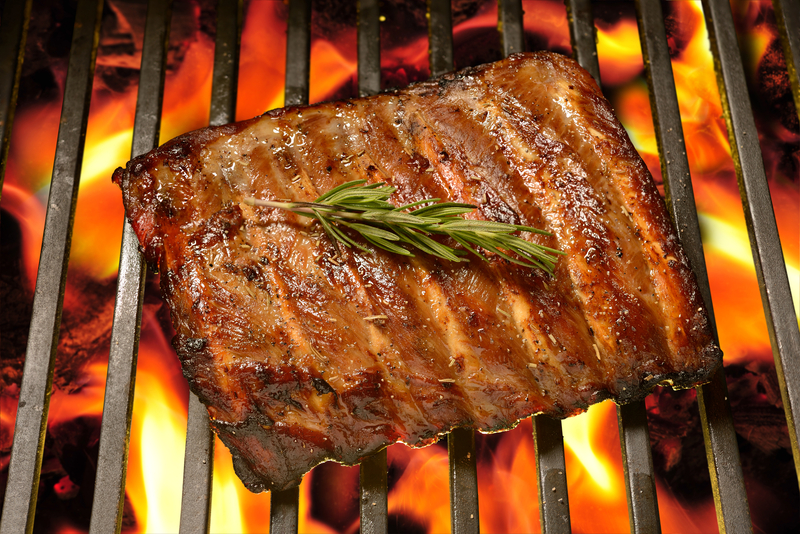
Different grill types offer varying cooking surface configurations and space utilization.
Gas grills typically provide the most consistent cooking areas, while charcoal models offer flexibility in heat zone creation.
Gas Grill Cooking Areas
Gas grills feature predictable cooking spaces that range from 300 to over 800 square inches.
Three-burner models typically offer 450-500 square inches of primary cooking surface, suitable for grilling for up to 6 people.
Four and five-burner gas grills provide 600-750 square inches of cooking space.
These larger models accommodate families of 8-12 people comfortably.
The cooking area calculation excludes warming racks and side burners.
Many gas grills include these additional spaces, which add 100-200 square inches of secondary cooking surface.
Burner configuration affects heat distribution.
Front-to-back burner arrangements create better heat zones than side-to-side layouts.
This design allows for simultaneous direct and indirect cooking methods.
Gas grills maintain consistent temperatures across their cooking surfaces.
The predictable heat output makes it easier to calculate exact space requirements for different food quantities.
Charcoal Grill Cooking Areas
Charcoal grills offer flexible cooking spaces that depend on coal arrangement rather than fixed burner patterns.
Kettle grills typically range from 300-500 square inches of cooking surface area.
Barrel and offset smokers provide larger cooking areas, often exceeding 600-800 square inches.
These models accommodate whole chickens, large roasts, and multiple food types simultaneously.
Charcoal placement creates customizable heat zones.
Users can concentrate coals on one side for direct grilling while leaving space for indirect cooking methods.
Temperature control relies on coal quantity and airflow.
More coals create higher temperatures but may reduce usable cooking space.
Fewer coals provide gentler heat across larger surface areas.
The effective cooking area changes based on coal arrangement and food placement.
Strategic coal positioning can maximize space utilization for different cooking techniques.
Electric and Portable Grills
Electric grills typically offer 200-400 square inches of cooking surface.
Indoor electric models range from 150-300 square inches, while outdoor versions provide up to 400 square inches.
Portable gas grills feature 200-350 square inches of cooking area.
These compact units serve 2-4 people effectively while maintaining mobility for camping or tailgating.
Tabletop models prioritize space efficiency over total cooking area.
Most portable grills sacrifice cooking space for convenience and transportability.
Heat distribution varies significantly among portable models.
Electric grills provide even heating across their smaller surfaces, while portable gas units may have hot spots.
Portable grills require careful space planning due to limited cooking areas.
Users must cook in batches when preparing meals for larger groups.
Choosing Grill Size for Different Occasions

Different cooking scenarios require specific grilling surface areas to ensure efficient food preparation and optimal results.
A 300-square-inch surface handles intimate family meals, while large gatherings demand 600+ square inches for simultaneous cooking.
Family Dinners
A family of four typically requires 400 to 500 square inches of cooking surface for comfortable meal preparation.
This size accommodates four to six burgers, chicken pieces for the household, and side dishes simultaneously.
Families who grill regularly benefit from grills with multiple burner zones within this size range.
Different temperature zones allow cooking proteins and vegetables at appropriate heat levels during the same session.
Key considerations for family grilling:
- 4-6 burger capacity minimum
- Space for protein and one side dish
- 2-3 burner configuration for temperature control
Smaller families or couples can manage with 300-400 square inches effectively.
This reduced size still provides adequate space for typical family portions while requiring less fuel and cleanup time.
Storage space often influences family grill selection.
Compact grills with sufficient cooking area fit better on apartment balconies or small patios while meeting daily cooking needs.
Large Gatherings
Events hosting 8-12 people require 600 to 800 square inches of primary cooking surface.
This size enables cooking multiple protein types and larger quantities without overcrowding the grill grates.
Large gatherings benefit from grills with warming racks as additional space.
These secondary surfaces keep cooked items at serving temperature while finishing remaining food items on the main cooking area.
Recommended specifications for large groups:
- Minimum 600 sq. in. primary surface
- 4+ burner configuration
- Warming rack inclusion
- Side burner for sauces or sides
Professional-grade features become valuable at this scale.
Heavy-duty grates, precise temperature control, and larger fuel capacity reduce cooking time and improve food quality consistency.
Party hosts should consider food preparation timing when selecting grill size.
Larger surfaces allow batch cooking, reducing guest wait times and ensuring hot food service throughout the event.
Tailgating and Outdoor Events
Portable grilling requires balancing cooking capacity with transportation convenience.
250 to 400 square inches provides sufficient space while maintaining manageable weight and size for vehicle transport.
Tailgating grills prioritize quick setup and breakdown capabilities.
Folding legs, removable components, and compact storage dimensions facilitate easy loading and unloading at event locations.
Essential tailgating grill features:
- Lightweight construction (under 50 lbs)
- Quick-connect propane compatibility
- Stable leg design for uneven surfaces
- Integrated carrying handles
Battery-powered or manual ignition systems work better than electronic starters in outdoor environments.
Weather resistance becomes crucial for unexpected rain or wind during outdoor events.
Fuel efficiency matters more in remote locations where refilling options are limited.
Smaller grills with efficient burner designs extend cooking time per propane tank, reducing the need for backup fuel sources.
How Much Grilling Area Do I Need?
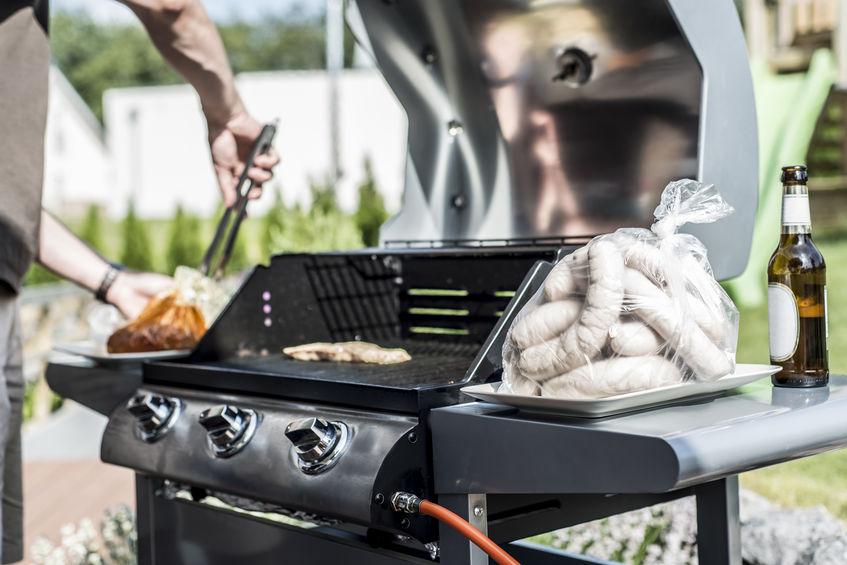
Everybody varies depending on the ingredients being used, but there are some basic guidelines that you can follow…
 How much grilling area do I need for up to three people? At least 200 square inches. A good example of a small grill suited for three people is the Royal Gourmet Portable Grill. This can be used at home or on the road and has 280 square inches of cooking area.
-

What’s the best grill size for four people? At least 280 square inches. It’s better to go slightly beyond the minimum size. The Char-Broil 2-Burner Cabinet grill has 310 square inches of primary cooking area and is a good affordable family grill.
 How big should my grill be for five people? At least 360 square inches. The Weber Spirit II E-210 is a two-burner grill that is ideal for family cooking and entertaining friends for parties and on holidays.
-

How much grilling area do I need for six or more people? At least 430 square inches. If you want to entertain guests and cook larger ingredients, you can consider a flat top grill. Flat top grills are easy to work with and are ideal for parties because you’ll have plenty of open consistent space. The Blackstone Flat Top Gas Grill 1517 has 470 square inches of cooking area.


We’ve listed just four different grill models to give you an idea of how much grilling area you will need.
Feel free to explore other models with our grilling area recommendations in mind.
Note that manufacturers often advertise total cooking area.
You should check the details and ensure that the primary cooking area meets our minimum recommendations.
Optimizing Your Grilling Space
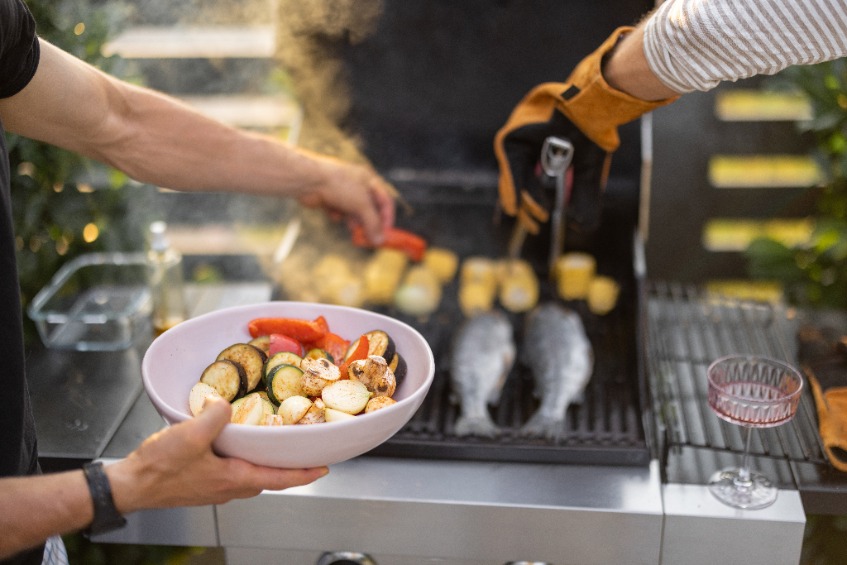
Smart layout design and multi-level cooking surfaces can double your effective grilling capacity without requiring additional square footage.
Strategic placement of equipment and accessories transforms limited space into highly functional cooking areas.
Efficient Grill Layouts
The triangular work zone provides the most efficient grill setup.
This places the grill, prep surface, and storage within three feet of each other.
Position prep areas on the dominant-hand side of the grill.
Right-handed cooks benefit from counter space to the right, while left-handed users prefer left-side preparation areas.
Essential spacing measurements:
- 18-24 inches between grill and prep counter
- 36 inches minimum walkway behind cooking position
- 12 inches clearance on non-working grill sides
Create dedicated zones for different tasks.
Raw food preparation stays separate from cooked food areas to prevent cross-contamination.
Storage solutions maximize functionality in small spaces.
Under-counter cabinets hold propane tanks, tools, and cleaning supplies.
Magnetic strips on grill sides organize frequently used utensils.
Mobile prep carts expand workspace when needed.
These roll away after cooking to free up patio space for other activities.
Multi-Level Grates and Warming Racks
Upper warming racks increase cooking capacity by 40-60% without expanding the grill footprint.
These secondary surfaces maintain food temperature while primary grates handle active cooking.
Warming rack applications:
- Keeping cooked proteins warm
- Toasting buns and bread
- Slow-cooking vegetables
- Melting cheese on dishes
Adjustable grate systems create multiple temperature zones.
Lower grates near heat sources sear meats, while raised positions provide gentle indirect cooking.
Stackable grill baskets utilize vertical space efficiently.
These allow simultaneous cooking of vegetables, fish, and small items without losing pieces through grates.
Secondary cooking surfaces work best at 225-275°F.
This temperature range keeps food warm without overcooking or drying out finished dishes.
Some grills feature swing-away warming racks.
These flip up when not needed, providing full access to main cooking grates for large items like whole chickens or roasts.
Tips for Making the Most of Your Grilling Area
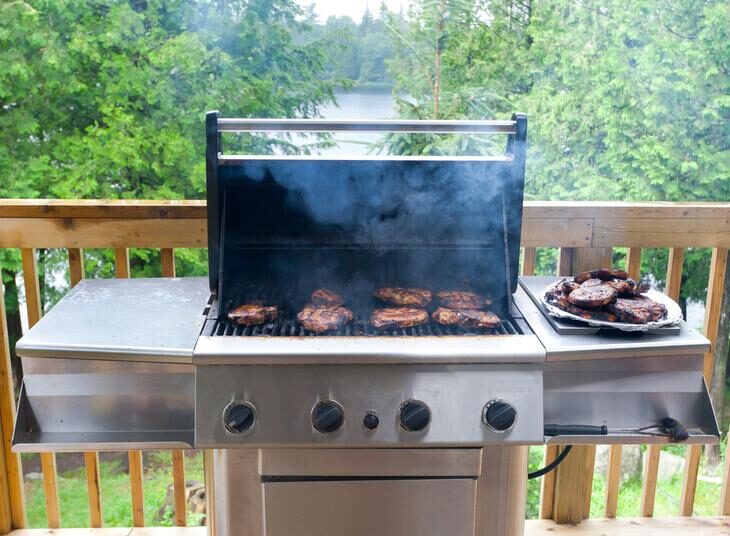
Strategic placement of food and smart cooking techniques can double the effective capacity of any grill.
Proper timing and zone management allow grillers to handle multiple items without compromising quality.
Maximizing Cooking Efficiency
Zone cooking transforms limited grill space into multiple cooking areas.
Create a hot zone over direct heat for searing and a cooler zone for slower cooking.
Position thicker items like chicken thighs and pork chops on the cooler side first.
Move them to the hot zone for final searing once they reach proper internal temperature.
Vertical cooking adds extra capacity without expanding the grill footprint.
Use grill baskets for vegetables and smaller items.
Stack these baskets or place them on upper warming racks.
Pre-preparation reduces active grilling time.
Par-cook dense vegetables like potatoes and carrots in the microwave for 2-3 minutes before grilling.
This ensures even cooking alongside faster items.
Clean grates between different food types using a grill brush.
This prevents flavor transfer and maintains food safety standards.
Managing Multiple Foods Simultaneously
Timing charts prevent overcrowding and ensure everything finishes together.
Start longest-cooking items first, then add medium and quick-cooking foods at calculated intervals.
| Food Type | Cooking Time | Start Order |
|---|---|---|
| Whole chicken | 45-60 minutes | First |
| Pork chops | 12-15 minutes | Second |
| Vegetables | 6-10 minutes | Third |
| Burgers | 6-8 minutes | Last |
Food rotation keeps items cooking evenly without permanent placement.
Move foods every 3-4 minutes to accommodate new additions and prevent burning.
Use aluminum foil packets for delicate items like fish or seasoned vegetables.
These packets stack easily and cook consistently while freeing up direct grill space for items requiring open flame contact.
Resting areas on cooler sections keep finished foods warm without overcooking.
Wrap completed items in foil and place them away from direct heat while other foods finish cooking.
Common Mistakes in Estimating Grilling Needs

Many grillers make two critical errors when determining their cooking space requirements.
They either purchase grills that are too large for their actual needs or select models that cannot handle their typical food volumes.
Overestimating Space Requirements
People often assume they need the largest grill available, leading to wasted money and space.
The average grill provides 400 to 550 square inches of primary cooking area, which accommodates most household needs.
Common overestimating behaviors include:
- Buying based on maximum capacity rather than typical use
- Choosing grills for once-yearly events instead of regular cooking
- Selecting commercial-sized units for small families
A family of four typically needs only 300-400 square inches of cooking space.
This allows for 6-8 burgers or 4-6 chicken breasts simultaneously.
Large grills require more fuel, take longer to heat, and occupy excessive patio space.
They also make temperature control more difficult when cooking smaller portions.
Underestimating Food Volume
Conversely, some buyers select grills too small for their regular entertaining needs.
This mistake forces multiple cooking batches and extends meal preparation time significantly.
Key underestimating errors include:
- Measuring only protein without considering side dishes
- Forgetting about indirect cooking space requirements
- Ignoring the need for food rotation areas
A standard 6-inch burger requires approximately 36 square inches of cooking space when accounting for proper spacing.
Dense foods like thick steaks need even more room for adequate heat circulation.
Cramped cooking surfaces prevent proper searing and create uneven temperatures.
This results in food that cooks inconsistently and takes longer to finish.
Upgrading or Expanding Grilling Capacity
Grilling enthusiasts often outgrow their initial setup as their needs change.
Modular add-ons provide flexible expansion options, while timing a larger grill purchase requires evaluating specific usage patterns and space constraints.
Modular and Add-On Solutions
Side burners represent the most practical first upgrade for expanding cooking capacity.
They allow users to prepare sauces, heat vegetables, or boil corn while maintaining full grill space for proteins.
Grill grates that extend beyond the firebox create additional warming areas.
These attachments typically add 50-100 square inches of cooking space without requiring a complete grill replacement.
Popular modular additions include:
- Side tables with prep space (24-36 inches wide)
- Rotisserie attachments for whole chickens and roasts
- Secondary cooking racks that double upper-level space
- Smoker boxes for wood chip cooking
Cart-style grill expansions work well for existing built-in setups.
Rolling prep stations position next to permanent installations provide extra counter space and storage.
Griddle inserts replace standard grates on select burner sections.
This modification transforms portions of the grill surface for breakfast foods, vegetables, and delicate fish.
When to Invest in a Larger Grill
Cooking time becomes the primary indicator for needing more space.
If meals consistently require multiple cooking rounds to feed the household, a larger grill eliminates this inefficiency.
Key upgrade triggers:
- Cooking for 8+ people regularly
- Current grill under 400 square inches with family of 4+
- Hosting frequent gatherings
- Wanting to cook multiple food types simultaneously
Budget considerations favor timing purchases during end-of-season sales.
Late fall and winter months offer 30-50% discounts on premium models.
Space constraints determine maximum grill dimensions.
Measure available area and subtract required clearances before selecting models.
Built-in installations need 10 feet minimum clearance from structures.
Fuel type changes often justify complete replacements over expansions.
Converting from charcoal to gas or adding natural gas connections requires new equipment rather than modifications.