
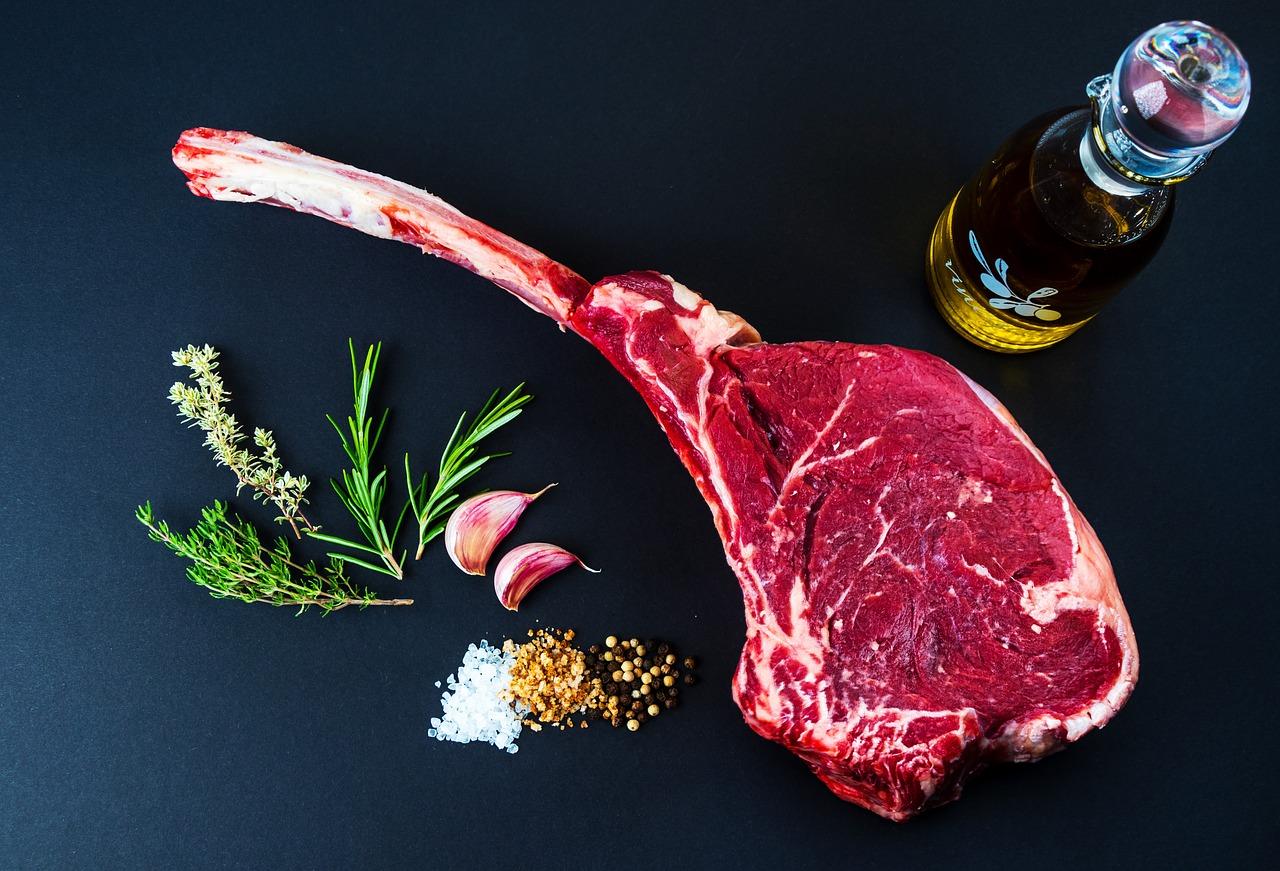
Grilling a steak on a gas grill can produce a juicy, flavorful result when done correctly.
The key lies in controlling the grill’s temperature, selecting the right cut, and knowing exactly when to sear and rest the meat.
The best way to grill a steak on a gas grill is to start with a hot grill, sear the steak to lock in juices, then cook it to the desired doneness using indirect heat.
This method ensures a perfect crust and a tender interior every time.
Mastering seasoning, timing, and grill management transforms an ordinary steak into a satisfying meal.
With clear steps and attention to detail, anyone can achieve steakhouse-quality results at home.
Selecting the Best Steak Cuts
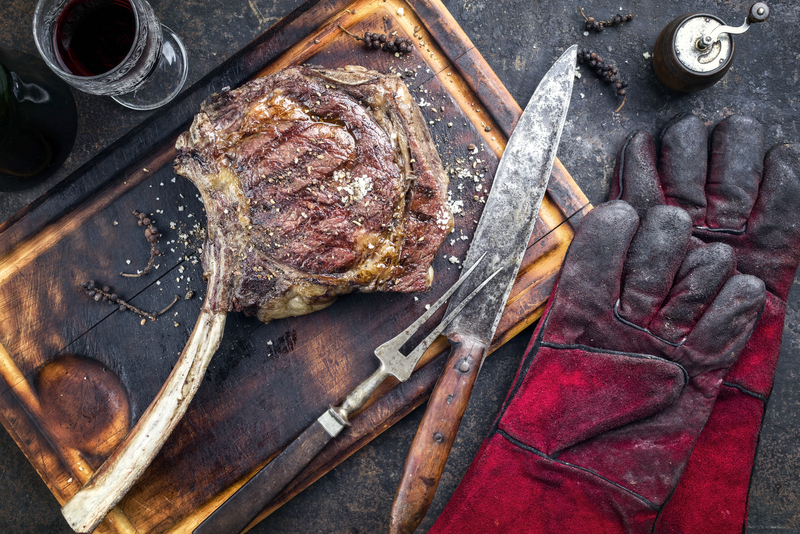
Picking the right cut is essential to grilling success.
The choice depends on flavor, tenderness, marbling, and how well the steak holds up on a gas grill.
Equally important is buying high-quality beef and choosing the ideal steak thickness for even cooking.
Recommended Cuts for Grilling
Some cuts stand out for grilling due to their flavor and texture.
Ribeye is popular for its rich marbling and tenderness, making it juicy and flavorful over high heat.
Strip steak offers a balance of leanness and tenderness, with a consistent texture that grills well.
Filet mignon is lean and very tender, but cooks quickly and requires careful attention.
For more flavor with a bit of chew, skirt steak and flank steak work well; both benefit from marinades.
Porterhouse combines strip and tenderloin, offering variety on one plate, but it is thick and requires careful timing.
How to Choose High-Quality Beef
High-quality beef is key to grilling the perfect steak.
Look for bright, cherry-red meat with firm texture. Avoid steaks that appear brown or have an unpleasant odor.
Inspect the marbling (white streaks of fat). More marbling usually means more flavor and juiciness, especially in cuts like ribeye and strip.
Choose steaks labeled USDA Prime or Choice when possible, as these grades indicate better marbling and texture.
If buying from a butcher, ask for freshly cut meat and avoid pre-packaged steaks that have been sitting long.
Optimal Steak Thickness
Steak thickness affects cooking time and how evenly it cooks.
For gas grilling, a thickness of 1 to 1.5 inches is ideal for balancing a good sear and proper internal doneness.
Thinner steaks (under 1 inch) tend to cook too fast and can easily overcook or dry out.
Thicker steaks (over 2 inches) require lower heat and longer cooking or indirect grilling to avoid burning the exterior.
Consistent thickness ensures even cooking.
Using a kitchen scale or ruler can help maintain uniformity, especially when preparing multiple steaks.
Preparing Steaks for the Grill
Proper preparation sets the foundation for a perfectly grilled steak.
It involves trimming excess fat, applying the right seasonings or marinades, and ensuring the steak reaches the ideal temperature before cooking.
Trimming and Portioning
Steaks often come with excess fat and uneven edges that can cause flare-ups on the grill.
Trimming large fat deposits helps prevent burning and promotes even cooking.
Portion control is critical.
Most steaks cook best when they are 1 to 1.5 inches thick.
Thinner cuts can dry out or overcook quickly, while very thick cuts require adjusted cooking times and careful heat management.
Using a sharp knife, remove any silver skin and large fat caps while leaving some marbling intact for flavor.
Uniform cuts ensure consistent grilling and more predictable results.
Seasoning and Marinating Tips
Simple seasoning with kosher salt and fresh cracked black pepper is effective and enhances the natural steak flavor.
Apply salt generously at least 40 minutes before grilling or right before placing the steak on the grill to ensure a flavorful crust.
Marinating can add flavor and tenderness, especially for tougher cuts.
Use acidic ingredients like vinegar or citrus mixed with oil and herbs.
Marinate for 30 minutes to 2 hours, avoiding overly salty or sugary mixtures that can burn.
Pat the steak dry after marinating to promote better searing.
Avoid over-seasoning; a simple approach often yields the best balance of flavor and char.
Bringing Steak to Room Temperature
Allowing steak to sit at room temperature for about 30 minutes before grilling helps it cook evenly.
Cold meat placed directly on a hot grill can result in overcooked edges and an undercooked center.
Keep steaks uncovered on a plate or rack to air out slightly but not long enough to risk bacterial growth.
This practice reduces the shock from cold to heat and promotes better heat penetration.
Proper timing here leads to a more uniform internal temperature and a juicier finished steak.
Setting Up Your Gas Grill for Steak Perfection
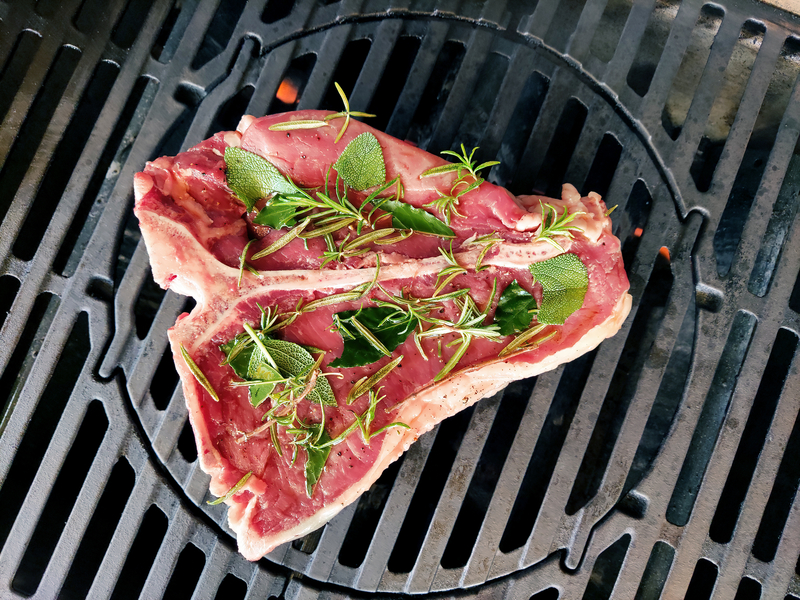
Proper preparation of the gas grill is key to cooking a steak with an ideal sear and juicy interior.
This involves ensuring the grill reaches the right temperature, arranging heat zones for control, and treating the cooking surface to prevent sticking.
Preheating the Grill
Preheat the gas grill by turning all burners to high and closing the lid.
This step takes about 10-15 minutes to reach a temperature of 450°F to 500°F, ideal for searing steak.
A hot grill surface helps form a crust quickly, locking in juices.
Use a grill thermometer if available for accuracy.
Avoid placing steak on a cold grill to prevent uneven cooking and sticking.
Creating Direct and Indirect Heat Zones
Set the burners on one side to high for direct heat and turn off or reduce the burners on the other side for indirect heat.
This setup allows you to sear the steak over the hot zone and finish cooking it slowly on the cooler side.
Direct heat provides the sear needed for caramelization, while indirect heat cooks the inside without burning the outside.
This two-zone method is crucial for thicker cuts to achieve even doneness.
Greasing the Grates
Before placing steak on the grill, grease the grates to prevent sticking.
Use a folded paper towel dipped in cooking oil and rub it across the grates with tongs.
This step also promotes better grill marks and easier cleanup.
Avoid heavy oiling, which can cause flare-ups.
High smoke point oils like canola, grapeseed, or avocado oil are preferred.
Expert Grilling Techniques for Steak
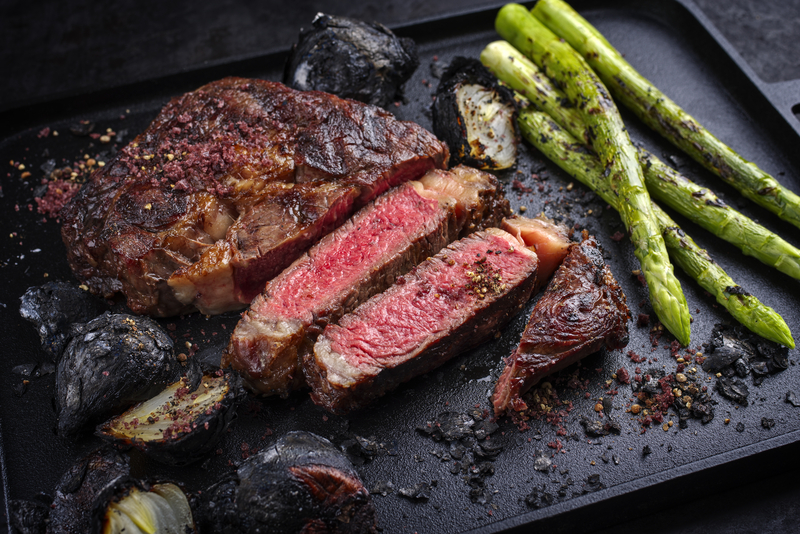
Grilling a steak perfectly on a gas grill demands precise control over time, temperature, and handling.
Proper heat management, when to turn the steak, and knowing how to check doneness are critical for consistent, juicy results.
Optimal Grilling Time and Temperature
Preheat the gas grill to high heat, around 450-500°F (232-260°C), for at least 15 minutes before cooking.
This helps create a strong sear that locks in juices.
For steaks between 1 to 1.5 inches thick, grill for about 4-5 minutes per side for medium-rare.
Thicker cuts may require indirect heat after searing to cook through without burning.
Adjust grilling time based on steak thickness and desired doneness.
Lower the temperature to medium if flare-ups occur or for gentler cooking of thicker steaks to avoid a charred exterior.
Flipping and Managing Grill Marks
Flip the steak only once to maintain even cooking and a solid crust.
Placing the steak at a 45-degree angle on the grill grates creates crosshatch grill marks.
After 2-3 minutes, rotate the steak 90 degrees on the same side to form diamond-shaped grill marks before flipping.
This technique enhances appearance and flavor by maximizing caramelization.
Avoid pressing down on the steak to keep juices inside.
Use tongs instead of a fork to turn the steak gently, preventing punctures that cause moisture loss.
Checking for Doneness
Use an instant-read meat thermometer for accurate results.
Target temperatures:
- Rare: 120-125°F (49-52°C)
- Medium-rare: 130-135°F (54-57°C)
- Medium: 140-145°F (60-63°C)
- Medium-well: 150-155°F (66-68°C)
- Well done: 160°F+ (71°C+)
Insert the thermometer into the thickest part without touching bone or fat.
Remove the steak from the grill 5°F before the target temperature as residual heat will raise it.
Alternatively, the finger test method can help estimate doneness but is less precise than a thermometer.
Resting and Slicing for Maximum Flavor

Proper timing after grilling is crucial to preserving the steak’s juiciness and texture.
How the steak is sliced also directly affects tenderness and the eating experience.
Why Resting Matters
Resting allows the steak’s juices to redistribute evenly throughout the meat.
Without resting, cutting into the steak immediately will cause juices to spill out, leaving it dry.
A good rule of thumb is to rest the steak for about 5 to 10 minutes, depending on its thickness.
During this time, carryover cooking gently finishes the steak without overcooking the inside.
Resting also helps the muscle fibers relax, which contributes to a more tender bite.
For best results, tent the steak loosely with foil to retain heat while preventing condensation.
Slicing Against the Grain
To maximize tenderness, slicing against the grain is essential.
The “grain” refers to the direction of muscle fibers running through the steak.
Cutting perpendicular to these fibers shortens them, making each slice easier to chew.
Slicing with the grain results in tougher, chewier pieces.
Locate the grain visually before cutting, then use a sharp knife to slice thinly across it at a 90-degree angle.
Proper slicing enhances the steak’s texture and overall enjoyment.
Serving Suggestions and Enhancements

Serving a grilled steak with complementary flavors and a polished presentation elevates the dining experience.
Adding the right sauces and side dishes balances the rich taste of the steak.
Thoughtful garnishing enhances visual appeal, making the meal more inviting.
Pairing with Sauces and Sides
Sauces like chimichurri, béarnaise, or a simple garlic butter compound add moisture and flavor contrast to a grilled steak.
Each sauce complements steak cuts differently; for example, chimichurri pairs well with ribeye due to its freshness, while béarnaise suits filet mignon’s delicate texture.
Ideal side dishes offer balance without overpowering the steak’s flavor.
Classic choices include grilled vegetables, such as asparagus or bell peppers, and starches like roasted potatoes or creamy mashed potatoes.
A crisp green salad with a light vinaigrette can also provide a fresh counterpoint.
Portion sizes for sides should be moderate, allowing the steak to remain the main focus.
Timing both the steak and sides for simultaneous plating ensures everything is served warm and fresh.
Garnishing for Presentation
Simple garnishes improve the steak’s appearance without complicating its flavor.
Fresh herbs like rosemary or thyme sprigs can be placed on or beside the steak for color and fragrance.
Finishing touches might include a light sprinkle of flaky sea salt or freshly cracked black pepper just before serving.
Thin slices of grilled lemon or a small drizzle of olive oil add subtle shine and freshness.
Plating should focus on contrasting textures and colors.
Arranging the steak with sides neatly and leaving some negative space on the plate emphasizes the quality of each component visually.
Safety and Cleanup Tips for Gas Grilling
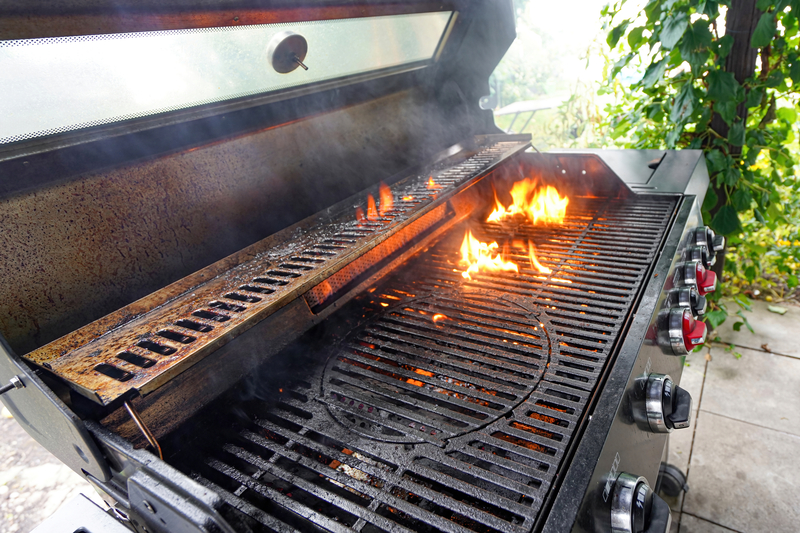
Ensuring safe operation and thorough cleanup is essential when using a gas grill.
Proper handling minimizes risks like gas leaks and flare-ups, while effective cleaning helps maintain grill performance and food safety.
Safe Grilling Practices
Before lighting the grill, it is critical to check for gas leaks.
A simple method is applying soapy water to gas connections and watching for bubbles, which indicate leaks.
Maintaining a safe distance from structures and flammable materials reduces fire hazards.
Always start the grill with the lid open to prevent gas buildup and potential flare-ups.
Use long-handled utensils to keep hands clear of heat.
Never leave the grill unattended while in use.
After cooking, fully shut off the gas supply at the tank valve first, then turn off the burners.
This prevents residual gas leakage. Regularly inspect hoses and burners for wear and blockages to ensure safe operation.
Proper Grill Cleaning After Cooking
Cleaning should begin once the grill cools slightly but remains warm enough to loosen residue.
Scrape grill grates with a wire brush to remove charred food particles.
Empty grease trays or catch pans to prevent grease fires.
Use mild soap and water or specialized grill cleaners for deeper cleaning.
Sanitize cooking surfaces before the next use with high heat or a food-safe sanitizer.
Regular maintenance ensures a clean grill environment, reduces flare-ups, and helps preserve flavor integrity.