
 Weber charcoal grills have earned a reputation for exceptional durability in the outdoor cooking world.
Many grill enthusiasts wonder about the investment value of these popular grills and how long they can expect their Weber to perform reliably.
A well-maintained Weber charcoal grill typically lasts 10-15 years with regular use, and some owners report their grills functioning effectively for over two decades.
The longevity of Weber charcoal grills depends on several critical factors including maintenance practices, usage frequency, and environmental conditions.
Understanding what influences grill lifespan helps owners make informed decisions about care, replacement parts, and choosing the right model.
The construction quality, key components that may need attention over time, and proper maintenance techniques all play essential roles in maximizing the years of reliable grilling performance from these trusted outdoor cooking tools.
Average Lifespan of a Weber Charcoal Grill

Weber charcoal grills typically last 10-15 years with proper maintenance, though some owners report using their grills for over two decades.
The actual lifespan depends on usage frequency, maintenance practices, and environmental conditions.
Expected Years of Service
A well-maintained Weber charcoal grill can deliver 10 to 15 years of reliable service under normal usage conditions.
Many owners report their grills lasting over a decade without major issues.
The construction quality plays a crucial role in longevity.
Weber uses high-grade materials like stainless steel and porcelain-coated steel that resist rust and corrosion.
Usage frequency significantly impacts lifespan.
Grills used weekly during grilling season typically last 10-12 years.
Those used occasionally may function well beyond 15 years.
Factors affecting service life:
- Maintenance frequency
- Storage conditions
- Climate exposure
- Usage intensity
- Part replacement practices
Some Weber charcoal grill owners claim their units remain functional after 15 or 20 years of regular use with proper care.
Comparison with Gas and Electric Grills
Weber gas grills generally last the longest among grill types, followed by charcoal and electric models.
Gas grills typically achieve 12-15 years of service life due to fewer moving parts and simpler mechanisms.
Weber charcoal grills rank second in durability, lasting 10-15 years on average.
The simpler design with fewer components reduces potential failure points compared to gas models with ignition systems and gas lines.
Electric grills typically have the shortest lifespan at 8-12 years.
Heating elements and electrical components are more prone to failure than the basic construction of charcoal grills.
Lifespan comparison:
- Gas grills: 12-15 years
- Charcoal grills: 10-15 years
- Electric grills: 8-12 years
The fuel type used in Weber charcoal grills does not significantly affect the grill’s lifespan.
Whether using standard charcoal or wood, the grill’s durability remains consistent.
When to Consider Replacement
Significant rust and corrosion indicate a Weber charcoal grill is nearing the end of its lifespan.
When rust weakens the metal structure, replacement becomes necessary for safety reasons.
Performance decline signals potential replacement needs.
Grills that no longer maintain consistent temperatures or heat evenly may have internal damage affecting cooking quality.
Physical damage requires immediate attention.
Cracks in the grill body, missing parts, or worn cooking grates compromise both safety and functionality.
Replacement indicators:
- Extensive rust or corrosion
- Inconsistent heating performance
- Structural cracks or holes
- Worn or damaged cooking surfaces
- Expired warranty coverage
Cost considerations factor into replacement decisions.
When repair costs exceed 50% of a new grill’s price, replacement typically makes more financial sense than continued repairs.
Key Factors That Affect Longevity
Proper care practices, usage patterns, and protection from weather elements directly impact how long a Weber charcoal grill will serve its owner.
Material quality and maintenance significantly influence grill lifespan.
Maintenance and Cleaning Practices

Regular cleaning your grill after each use prevents buildup of grease, ash, and food particles that accelerate deterioration.
Users should scrub grates with a wire brush while still warm and remove all ash from the bottom of the kettle.
Monthly deep cleaning involves washing the interior and exterior with warm soapy water.
The cooking grates need oiling before each use to prevent rust formation and maintain their non-stick properties.
Essential Cleaning Tasks:
- Remove ash after every cooking session
- Clean grease from drip pans weekly
- Inspect and clean air vents monthly
- Oil grates before each use
Neglecting these practices leads to rust, corrosion, and premature component failure.
Proper maintenance can extend a Weber grill’s life significantly beyond average expectations.
Frequency of Use
Heavy users who grill multiple times per week put more stress on components than occasional outdoor cooking enthusiasts.
Frequent temperature cycling causes metal expansion and contraction that gradually weakens joints and seals.
Daily use accelerates wear on moving parts like dampers, hinges, and grate mechanisms.
The porcelain coating on kettle bowls can chip from repeated heating and cooling cycles.
Usage Impact Levels:
- Light use (1-2 times monthly): Minimal wear
- Moderate use (weekly): Normal component aging
- Heavy use (3+ times weekly): Accelerated deterioration
However, regular use prevents some issues like stuck dampers and corroded bolts that plague neglected grills.
Active grills stay better maintained through consistent attention.
Storage and Environmental Exposure
A quality grill cover protects against rain, snow, and UV radiation that cause rust and fading.
Uncovered grills in humid climates develop corrosion much faster than protected units.
Extreme temperature fluctuations stress metal components and crack porcelain surfaces.
Coastal environments with salt air require extra protection and more frequent cleaning.
Storage Best Practices:
- Use weatherproof covers when not in use
- Store in covered areas during winter months
- Elevate grills off concrete to prevent moisture retention
- Position away from sprinkler systems and drainage areas
Exposure to elements significantly impacts grill longevity, making proper storage essential for maximizing lifespan.
Construction and Material Quality
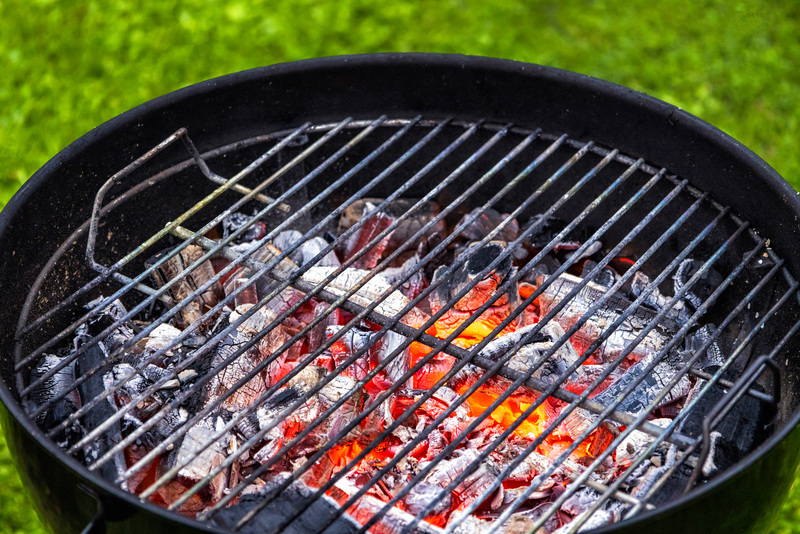
Weber charcoal grills feature porcelain-enameled steel construction that resists rust and weathering, while their cooking grates and internal components use materials specifically chosen for heat resistance and longevity.
Porcelain-Enameled Steel Advantages
Weber constructs their charcoal grills using porcelain-enameled steel for the kettle and lid.
This coating process bonds glass particles to steel at extremely high temperatures, creating a surface that resists chipping, cracking, and rust formation.
The porcelain enamel provides superior heat retention compared to bare metal.
It distributes heat evenly across the cooking surface and maintains consistent temperatures throughout grilling sessions.
This coating withstands temperature fluctuations without degrading.
The material handles the expansion and contraction that occurs during heating and cooling cycles without developing stress cracks.
Weber’s high-quality materials including porcelain enamel coating contribute directly to extended grill lifespan.
The coating protects the underlying steel from moisture and oxidation that would otherwise cause deterioration.
Weber applies multiple layers of porcelain enamel during manufacturing.
This multi-layer approach creates a durable barrier that maintains its protective properties for years of regular use.
Cooking Grates and Burners Durability
Weber charcoal grills feature plated steel cooking grates that resist rust and provide excellent heat conduction.
The electroplated coating protects the steel underneath while maintaining easy food release properties.
These grates handle high-temperature cooking without warping or losing their structural integrity.
The steel construction supports heavy cuts of meat and dense vegetables without bending or sagging.
Weber designs their charcoal grates with precise spacing for optimal airflow.
The gaps allow oxygen to reach the coals while preventing smaller pieces of charcoal from falling through to the bottom of the kettle.
The hinged cooking grates on many Weber models swing open for easy coal addition.
This feature eliminates the need to remove hot grates entirely, reducing wear on the hinge mechanisms and grate surfaces.
Weber charcoal grills use durable construction and high-quality materials in their grate systems.
Regular cleaning and proper storage extend grate life significantly beyond cheaper alternatives.
Critical Parts and Their Replacement
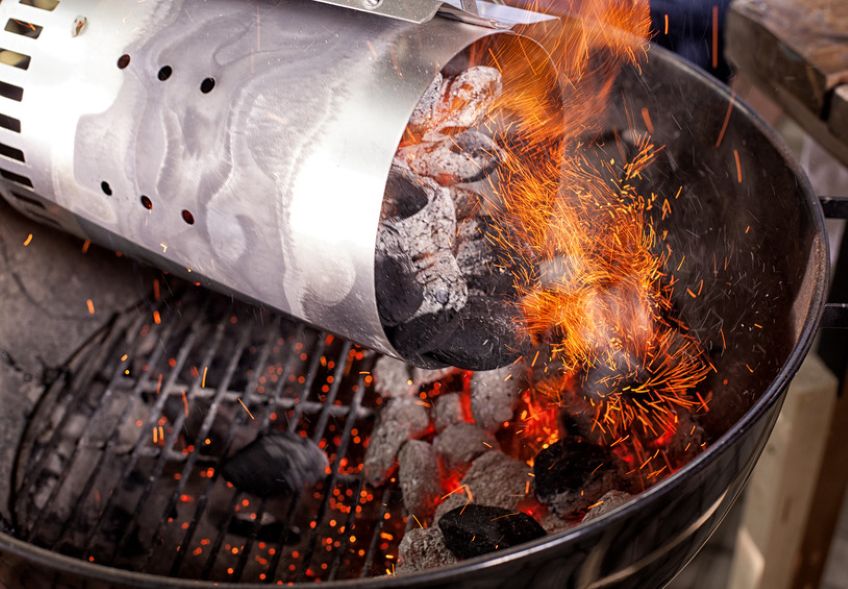
Weber grills feature specific components that require periodic replacement to maintain optimal performance.
Flavorizer bars distribute heat and protect burners from grease, while igniters provide reliable startup functionality for gas models.
Flavorizer Bars and Ash Catchers
Flavorizer bars are essential heat distribution components in Weber gas grills that sit above the burners.
These angled metal bars vaporize drippings and create the distinctive grilled flavor while protecting burners from grease buildup.
Weber provides a 5-year warranty on stainless steel Flavorizer bars against rust-through and burn-through damage.
However, heavy use and acidic marinades can accelerate wear on these components.
Signs Flavorizer bars need replacement:
- Excessive rust or corrosion
- Warping or cracking
- Uneven heat distribution
- Food sticking more frequently
Ash catchers collect debris from charcoal grills and require regular emptying.
The OneTouch cleaning system in many Weber charcoal models makes ash removal simple by sweeping debris into removable buckets.
Replacement ash catchers cost between $15-30 and should be replaced when cracks develop or handles break.
Clean ash catchers prevent grease buildup and reduce fire hazards.
Igniters and Other Components
Igniters provide spark ignition for Weber gas grills and typically last 3-5 years with regular use.
Electronic ignition systems eliminate the need for matches or lighters but require battery replacement and occasional cleaning.
Common igniter problems include:
- Weak or no spark
- Clicking without ignition
- Battery corrosion
- Clogged ignition ports
Most Weber igniter issues stem from grease buildup around the electrode or dead batteries.
Clean igniters monthly with a small brush and replace batteries annually for reliable performance.
Other critical components include cooking grates, thermometers, and control knobs.
Weber’s extensive replacement parts availability ensures most components remain serviceable for years beyond warranty periods.
Control knobs and handles typically last 5-10 years but may crack from UV exposure or extreme temperatures.
Thermometers lose accuracy over time and should be calibrated or replaced every few years for precise temperature control.
Extending the Life of Your Weber Charcoal Grill

Quality protective accessories and proper storage techniques can significantly extend your Weber’s lifespan beyond the typical 10-15 years.
These preventive measures protect against weather damage and corrosion that commonly shorten grill lifespans.
Protective Accessories and Covers
A high-quality grill cover serves as the primary defense against weather-related damage.
Weber-specific covers provide the best fit and protection compared to generic alternatives.
Premium covers should include:
- Waterproof materials with sealed seams
- UV-resistant fabric to prevent sun damage
- Ventilation features to reduce moisture buildup
- Secure fastening systems for windy conditions
Covers prevent rust formation on metal components and protect the exterior finish.
They also keep debris, leaves, and animal droppings away from cooking surfaces.
Additional protective accessories include:
- Drip pan liners for easier cleanup
- Grill mats to protect deck surfaces
- Heat-resistant gloves for safe handling
Regular use of these accessories during outdoor cooking sessions maintains grill condition.
Weber offers replacement parts that allow users to replace worn components rather than purchasing new grills.
Covers should be removed periodically to allow air circulation and prevent trapped moisture from causing corrosion underneath.
Proper Off-Season Storage Tips
Off-season storage preparation significantly impacts grill longevity.
Proper winterization prevents damage from freezing temperatures and moisture accumulation.
Essential storage steps include:
| Step | Action | Purpose |
|---|---|---|
| 1 | Deep clean all surfaces | Remove grease and food particles |
| 2 | Remove ash completely | Prevent moisture retention and rust |
| 3 | Oil cooking grates | Create protective barrier against corrosion |
| 4 | Store in dry location | Minimize exposure to humidity |
Following these maintenance steps can greatly extend the lifespan of Weber charcoal grills.
Indoor storage in garages or sheds provides optimal protection.
If indoor storage is impossible, elevate the grill off ground surfaces using blocks or stands.
This prevents moisture wicking and improves air circulation around the base.
Remove propane tanks if present and store separately in well-ventilated areas.
Cover stored grills even in protected locations to prevent dust accumulation and maintain cleanliness for spring use.
Choosing the Right Weber Charcoal Grill for Longevity
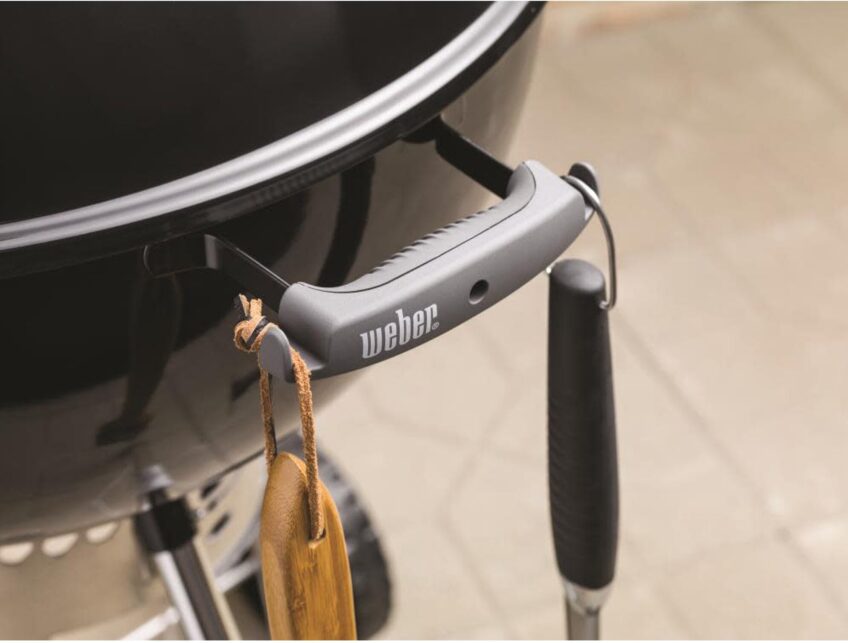
The right Weber charcoal grill model and warranty coverage directly impact how many years of reliable grilling you’ll enjoy.
Material quality and manufacturer support determine whether your investment lasts a decade or longer.
Selecting the Best Model for Your Needs
Weber offers several charcoal grill lines with different construction materials that affect durability.
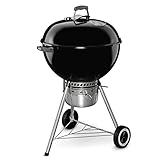 The Weber Original 22-Inch Premium Charcoal Grill is the classic Kettle design that started it all.
Its iconic round shape, porcelain-enameled steel bowl, and lid make it a backyard staple for anyone serious about grilling.
Why it lasts:
-
Porcelain-enameled steel resists rust, chipping, and cracking, ensuring the grill stays strong through years of use.
-
Users often report that a well-maintained Kettle can easily last 10–15 years or more.
-
Its simple design means fewer moving parts that can wear out, making it as tough as it is reliable.
This grill is perfect for those who want a tried-and-true model that delivers consistent heat and smoky flavor without any fuss.
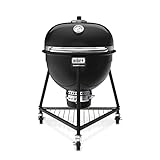 For grilling enthusiasts who want the versatility to sear steaks and smoke ribs with equal precision, the Weber Summit Kamado E6 Charcoal Grill is a premium choice.
Its kamado-style, dual-walled insulated steel construction retains heat efficiently and provides excellent temperature control.
Why it lasts:
-
Dual-wall steel not only improves heat retention but also strengthens the structure, making it resistant to warping over time.
-
Premium components like hinges, vents, and the lid are built to withstand repeated heavy use.
-
With proper care, this kamado-style grill can easily outlive many traditional charcoal grills, making it a long-term investment for serious cooks.
This grill is ideal for anyone who loves experimenting with different cooking styles and wants a durable, high-performance tool in the backyard.
 The Weber Go-Anywhere Charcoal Grill is a compact, portable option designed for those who don’t have a big backyard but still crave authentic charcoal flavor.
Perfect for tailgating, camping, or small patios, this lightweight grill proves that portability doesn’t mean sacrificing quality.
Why it lasts:
-
Porcelain-enameled lid and base resist rust and maintain their finish even with frequent travel.
-
Sturdy steel legs and cooking grates provide reliable support for meals on the go.
-
While more compact and lighter than a full-size grill, careful handling and proper maintenance allow this grill to stay dependable for years.
This grill is a great choice for anyone who wants a high-quality Weber experience in a portable package.
How Durable Are Weber Charcoal Grills, Really?
-
Materials & Finish: Most Weber charcoal grills use porcelain-enameled steel, which resists rust and helps them withstand years of cooking.
-
Proven Design: The classic Weber Kettle has been in production for decades, showing that the design is both effective and long-lasting. Replacement parts are widely available, making repairs easy if needed.
-
Wear and Tear: Moving parts like vents, ash catchers, and handles may wear out before the main body, but they are replaceable.
-
Care Matters: With regular cleaning, protection from harsh weather, and proper handling, even the smaller portable models can last a surprisingly long time.
Understanding Warranty and Support
Weber provides different warranty periods depending on the grill model and components.
Weber offers limited warranties ranging from 5 to 10 years on their charcoal grills, covering defects in materials and workmanship.
The warranty typically covers the bowl, lid, and frame for the longest period.
Cooking grates and other components may have shorter coverage terms.
Warranty Coverage by Component:
| Component | Typical Coverage |
|---|---|
| Bowl & Lid | 10 years |
| Frame | 5-10 years |
| Cooking Grates | 2-5 years |
| Hardware | 2-5 years |
Weber also offers replacement parts for their charcoal grills, including grates, ash catchers, and handles.
This parts availability extends the useful life of weber grills significantly.
Warranty claims require proof of purchase and proper maintenance.
The coverage excludes normal wear, cosmetic damage, and issues from misuse or neglect.
Weber’s customer service handles warranty claims and technical support.
They provide guidance on proper maintenance and troubleshooting to help owners maximize their grill’s lifespan.