
Grill igniters are essential components that spark your barbecue to life, but they don’t last forever.
Most grill igniters last between 2 to 10 years, with piezoelectric models typically providing 10,000 to 20,000 clicks before requiring replacement.
The lifespan varies significantly based on the type of igniter, usage frequency, and environmental conditions.
Understanding igniter longevity helps grill owners plan for maintenance and avoid frustrating moments when their barbecue won’t light.
Different igniter types perform differently over time, and certain factors can dramatically shorten or extend their functional life.
This comprehensive guide explores the various factors that affect igniter durability, common failure patterns, and practical strategies for maximizing performance.
Readers will learn how to identify when replacement is necessary and make informed decisions about cost-effective igniter options.
Average Lifespan of Grill Igniters

Most grill igniters last between 2 to 15 years depending on their type and usage conditions.
Piezo igniters typically outlast battery-powered models, while proper maintenance and environmental factors significantly impact longevity.
Typical Longevity by Igniter Type
Piezo igniters represent the most durable option for grill owners.
These mechanical devices generate sparks through pressure and typically last 2 to 10 years with regular use.
High-quality piezo igniters can exceed this range significantly.
Some users report original equipment manufacturer (OEM) piezo igniters lasting 11 years or more with consistent performance.
Battery-powered igniters generally have shorter lifespans due to their electronic components.
These systems typically require replacement every 2 to 3 years under normal usage conditions.
The battery compartment and wiring connections in electronic igniters are vulnerable to moisture and corrosion.
This exposure reduces their overall durability compared to piezo systems.
Push-button igniters fall into the middle range for longevity.
Most models last 3 to 5 years before showing signs of wear or failure.
Factors That Affect Lifespan
Usage frequency directly impacts igniter durability.
Grills used multiple times per week will experience faster component wear than those used occasionally.
Each ignition attempt creates mechanical stress on piezo components or drains battery power in electronic models.
Heavy users may need replacements sooner than the average timeframe.
Environmental conditions play a crucial role in igniter longevity.
Exposure to moisture, salt air, and extreme temperatures accelerates component degradation.
Grills stored outdoors without covers experience more igniter failures.
Rain and humidity cause corrosion in electronic components and can affect piezo spring mechanisms.
Build quality varies significantly between manufacturers and price points.
Premium igniters often use better materials and more robust construction methods.
Aftermarket igniters typically last 2 years compared to OEM parts that may last 5 to 11 years.
The initial cost difference often justifies choosing higher-quality components.
Signs an Igniter Is Nearing the End of Its Life
Weak or inconsistent sparks indicate declining igniter performance.
The spark should appear bright blue and occur consistently with each button press.
Intermittent sparking often precedes complete failure.
Users may notice the igniter works sometimes but fails during other attempts.
No spark production signals immediate replacement needs.
This complete failure prevents safe gas lighting and requires manual ignition methods.
Physical damage to the igniter button, electrode, or housing affects functionality.
Cracked components allow moisture infiltration and reduce spark effectiveness.
Misalignment between the electrode and burner ports reduces ignition reliability.
The spark gap should remain consistent for proper gas lighting.
Battery-powered models may show dimming indicator lights or slower spark generation before complete failure.
Different Types of Grill Igniters

Grill igniters use three main mechanisms to create sparks: mechanical pressure through piezoelectric crystals, electrical power from batteries, or direct connection to household electrical systems.
Each type offers distinct advantages in terms of reliability, maintenance requirements, and lifespan expectations.
Piezoelectric Igniters
Piezoelectric igniters generate sparks through mechanical force applied to specialized crystals.
When a user presses the igniter button, it compresses a piezoelectric crystal that produces an electrical charge.
This charge creates a spark that travels through a wire to the electrode near the burner.
The process requires no external power source, making piezoelectric igniters completely self-contained.
Advantages:
- No batteries required
- Simple mechanical operation
- Immediate spark generation
- Weather resistant design
Disadvantages:
- Requires physical force to operate
- Crystal can wear out over time
- May produce weaker sparks than electronic types
The typical lifespan ranges from 2 to 10 years depending on usage frequency and environmental conditions.
Heavy use and exposure to moisture can reduce their effectiveness more quickly.
Battery-Powered Igniters
Battery-powered igniters use AA or AAA batteries to generate electrical current for spark production.
They typically feature a simple push-button operation that sends power to an ignition electrode.
These systems often produce more consistent sparks than piezoelectric versions.
The electrical current remains steady as long as the batteries maintain adequate charge levels.
Key characteristics:
- Requires periodic battery replacement
- Consistent spark strength
- Easy button operation
- Multiple spark capability
Battery life varies significantly based on usage patterns and battery quality.
Standard alkaline batteries typically last 6 to 12 months with regular grilling activity.
Users should replace batteries at the beginning of each grilling season.
Cold weather can reduce battery performance and spark reliability.
Electronic Igniters
Electronic igniters connect directly to household electrical systems or use rechargeable power sources.
They deliver consistent, high-voltage sparks through sophisticated circuitry and transformer systems.
These igniters often feature multiple spark electrodes that can ignite several burners simultaneously.
The electrical supply ensures reliable operation regardless of weather conditions or usage frequency.
Performance features:
- Strongest spark generation
- Multi-burner ignition capability
- Consistent performance
- No battery replacement needed
Electronic igniters typically last 5 to 10 years with proper maintenance.
Their longer lifespan and superior reliability make them common on higher-end grill models.
The main drawback involves dependency on electrical connections.
Power outages or wiring issues can disable the ignition system completely.
Common Causes of Igniter Failure

Grill igniters fail due to physical deterioration of spark components, environmental exposure that causes corrosion and electrical damage, and power source depletion in battery-operated systems.
Wear and Tear
Spark rods gradually erode from repeated use, losing their ability to generate consistent sparks.
The electrode tip becomes rounded or pitted over time, reducing the electrical arc strength needed for reliable ignition.
Wiring connections loosen through thermal expansion and contraction cycles during grilling sessions.
These loose connections disrupt electrical flow and prevent proper spark generation.
The ignition module experiences component degradation after thousands of activation cycles.
Internal circuits weaken, resulting in insufficient voltage delivery to the spark electrode.
Common wear indicators include:
- Weak or intermittent sparking
- Delayed ignition response
- Complete spark failure
- Visible electrode damage
Grills used frequently may show these symptoms within 2-3 years.
Less frequent users typically experience wear-related failures after 4-5 years of normal operation.
Moisture and Weather Damage
Water penetration corrodes electrical connections and damages sensitive ignition components.
Rain, humidity, and condensation create pathways for electrical shorts that disable the igniter system.
Rust formation on metal components blocks proper electrical contact.
The spark electrode becomes coated with oxidation, preventing effective spark generation between the electrode and burner ports.
Temperature fluctuations cause expansion and contraction of igniter housing materials.
These movements create gaps where moisture enters and accumulates around electrical components.
Protection strategies:
- Use waterproof grill covers
- Store grills in dry locations
- Clean moisture from igniter area regularly
- Apply dielectric grease to connections
Coastal areas with salt air accelerate corrosion processes.
Grills in these environments may experience moisture-related failures within 18-24 months without proper protection.
Battery Degradation
Battery-powered igniters lose power capacity through normal discharge cycles and age-related chemical breakdown.
Standard AA batteries typically provide 6-12 months of reliable ignition power depending on usage frequency.
Cold weather reduces battery efficiency significantly.
Temperatures below 40°F can decrease battery output by 20-30%, causing weak sparks or complete ignition failure.
Corroded battery terminals prevent proper electrical contact even with fresh batteries.
Battery acid leakage creates white or green deposits that block current flow to the ignition system.
Battery maintenance requirements:
- Replace batteries annually
- Remove batteries during extended storage
- Clean terminals with wire brush if corrosion appears
- Use high-quality alkaline batteries for best performance
Rechargeable batteries generally provide shorter service life in grill applications due to their lower voltage output compared to alkaline alternatives.
How to Extend Grill Igniter Lifespan

Regular maintenance and proper care can significantly extend the life of grill igniters.
Simple cleaning practices, correct storage methods, and timely component replacement prevent premature failure.
Routine Cleaning and Maintenance
Grease and food residue accumulate on igniter electrodes during regular grilling.
This buildup prevents proper sparking and reduces igniter effectiveness.
Clean igniters monthly by removing the cooking grates and heat deflectors.
Use a small brush or cotton swab to gently clean the electrode tip.
Remove any grease or debris from the grounding surface near the burner.
Never use water directly on electrical igniter components. Instead, use a dry brush or compressed air to remove stubborn debris.
For battery-powered igniters, ensure connections remain dry.
Check the porcelain insulator around the electrode for cracks.
Heat exposure can damage this protective coating over time.
Replace cracked igniters immediately to prevent electrical shorts.
Inspect wiring connections during cleaning. Loose or corroded wires cause ignition failures.
Tighten connections and clean any corrosion with fine sandpaper.
Proper Grill Storage
Environmental conditions directly impact igniter longevity.
Moisture, temperature extremes, and debris exposure accelerate component deterioration.
Store grills in covered areas when possible.
Garages or sheds provide optimal protection from weather elements.
Use waterproof grill covers for outdoor storage.
Remove batteries from battery-powered igniters during extended storage periods.
Cold temperatures reduce battery life, while heat can cause leakage and corrosion.
Position covers to allow airflow underneath.
Complete moisture seal can trap condensation and promote rust formation on metal components.
Clean the grill thoroughly before storage.
Grease attracts insects and rodents that may damage wiring or clog igniter mechanisms.
Replacing Batteries and Components
Battery life varies based on usage frequency and environmental conditions.
Most grill igniter batteries last 6-12 months with regular use.
Test igniter batteries monthly by pressing the ignition button.
Weak or inconsistent sparking indicates low battery power.
Replace batteries at the first sign of reduced performance.
Use high-quality alkaline batteries for optimal performance.
Avoid rechargeable batteries, which typically provide lower voltage output unsuitable for reliable ignition.
Replace entire igniter assemblies when electrodes become severely corroded or porcelain insulators crack.
Attempting repairs on damaged igniters creates safety hazards.
Keep spare batteries and replacement igniters on hand during grilling season.
Igniter failures often occur without warning, potentially disrupting cooking plans.
When and How to Replace a Grill Igniter
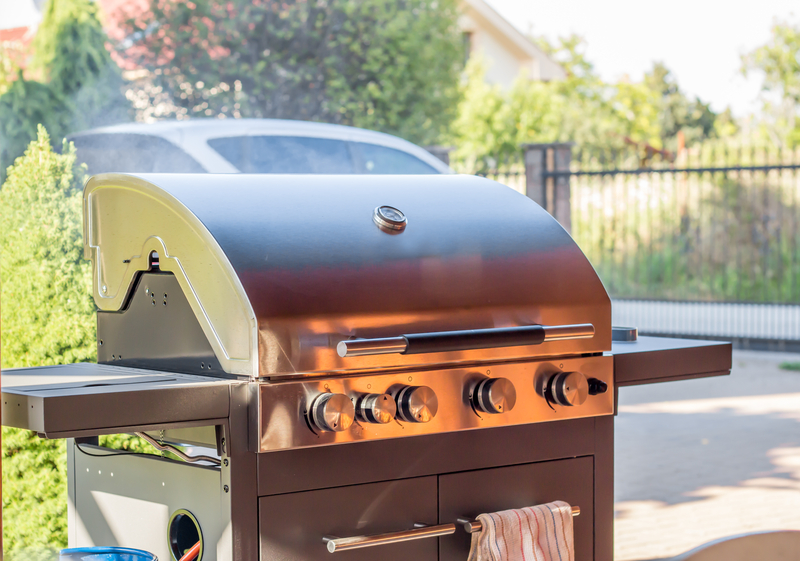
Most grill igniters need replacement when they fail to produce sparks or create weak ignition after basic troubleshooting.
The replacement process involves selecting a compatible igniter for your specific grill model and following a straightforward installation procedure.
Identifying Replacement Needs
Several clear signs indicate when a grill igniter requires replacement rather than simple maintenance.
No spark production is the most obvious indicator.
When the igniter button produces no clicking sound or visible spark, the internal components have likely failed.
Weak or inconsistent sparking suggests deteriorating performance.
The igniter may produce occasional sparks but fails to reliably light the gas.
Corroded battery contacts that cannot be cleaned effectively signal replacement time.
White or green corrosion buildup around battery terminals often damages internal wiring.
Physical damage to the igniter housing or electrode makes replacement necessary.
Cracked plastic housings or bent spark electrodes cannot function properly.
Age-related failure occurs typically after 3-5 years of regular use.
Even well-maintained igniters eventually wear out through normal operation cycles.
Before replacing, users should verify the battery is fresh and connections are clean.
Dead batteries cause 70% of igniter problems and represent the simplest fix.
Compatibility with Grill Models
Selecting the correct replacement igniter requires matching several key specifications to ensure proper fit and function.
Model-specific requirements vary significantly between manufacturers.
Weber, Char-Broil, and other brands use different mounting systems and electrical connections.
Mounting style determines installation compatibility.
Common types include:
- Push-button igniters that mount through the control panel
- Rotary igniters that twist to generate sparks
- Battery-powered electronic igniters with separate control modules
Electrode length and positioning must match the original design.
Short electrodes may not reach the burner properly, while long ones can interfere with grill operation.
Wire length and connector types need exact matching.
Some igniters use quick-disconnect plugs while others require direct wire connections.
Voltage requirements differ between battery-powered and piezo electric models.
Most residential grills use AA battery systems or self-generating piezo units.
Grill owners should photograph the original igniter before removal to reference wire positions and mounting details during installation.
Basic Replacement Steps
The replacement process follows a standard sequence that applies to most grill igniter types with minor variations.
Safety preparation begins with disconnecting the propane tank and allowing the grill to cool completely.
Remove cooking grates and heat deflectors to access internal components.
Documentation and removal involves photographing wire connections before disconnecting anything.
Pull wires straight out from their terminals without twisting or bending.
The old igniter typically detaches by:
- Unscrewing the control knob from the front panel
- Removing mounting screws or clips from behind the control panel
- Pulling the entire assembly through the mounting hole
Installation sequence reverses the removal process.
Insert the new igniter through the control panel opening and secure with original mounting hardware.
Wire connections must match the original configuration exactly.
Most systems use color-coded wires or numbered terminals to prevent incorrect connections.
Testing procedures verify proper operation before reassembling the grill.
Install a fresh battery and test for strong, consistent sparking at each burner position.
Replace all grill components in reverse order and reconnect the propane tank for final function testing before cooking.
Choosing a Durable Grill Igniter
Selecting a quality igniter requires examining construction materials and researching manufacturer track records.
The right choice can provide years of reliable service and reduce replacement costs.
Material Quality Considerations
Stainless steel components resist corrosion better than chrome-plated alternatives.
The electrode should feature ceramic or high-temperature alloys that withstand repeated heating cycles.
Housing materials matter significantly.
Cast aluminum housings provide superior durability compared to plastic alternatives.
Metal housings protect internal components from moisture and temperature fluctuations.
Piezoelectric crystals generate sparks through mechanical pressure rather than batteries.
High-grade crystals maintain consistent spark production for 10,000 to 20,000 clicks before requiring replacement.
Wire gauge affects longevity. Thicker gauge wires resist breakage from vibration and repeated flexing during normal use.
Weatherproof seals prevent moisture infiltration.
Rubber gaskets and sealed connections protect electrical components from rain and humidity damage.
Brand Reputation and Reviews
Weber igniters demonstrate exceptional longevity, with some units functioning properly after thirteen years of regular use.
Their piezoelectric systems require minimal maintenance and provide consistent performance.
Aftermarket options typically cost around $75 for quality units.
Avoid inexpensive Asian knockoffs priced under $30, as these frequently fail within months of installation.
Professional-grade igniters from pellet stove parts dealers often outlast standard grill-specific models.
These units handle continuous operation better than residential versions.
Customer reviews reveal patterns in igniter performance.
Units with ratings above 4.0 stars and multiple years of user feedback indicate reliable construction.
OEM replacement parts ensure proper fit and compatibility but cost more than aftermarket alternatives.
Impact of Usage Frequency on Igniter Longevity
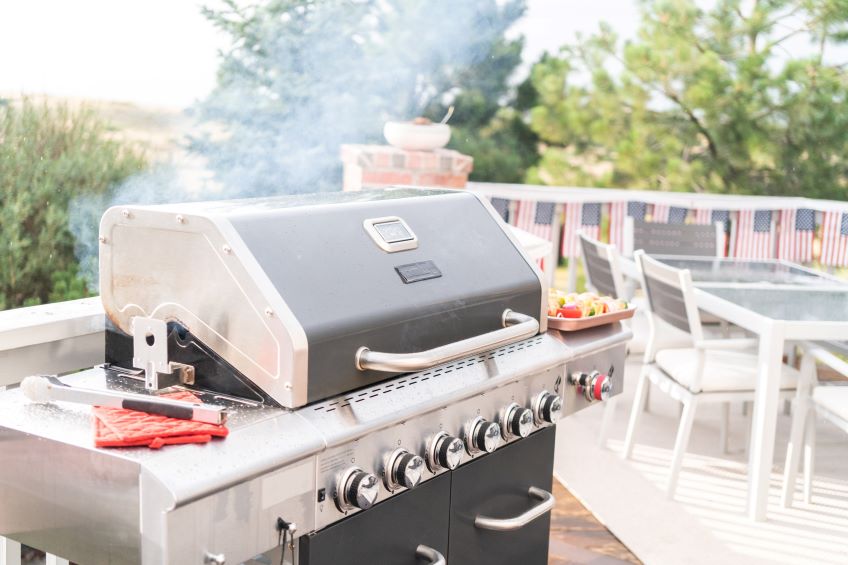
Usage frequency stands as the primary factor determining how long grill igniters last.
Heavy use accelerates component wear, while occasional grilling extends igniter life significantly.
Occasional vs. Frequent Grilling
Grill owners who cook once or twice per week typically see their igniters last 7-10 years with proper maintenance.
The igniter’s heating element experiences less thermal stress from moderate use patterns.
Frequent grillers who use their equipment daily or multiple times per week can expect igniter replacement every 3-5 years.
Each ignition cycle generates heat that gradually degrades the igniter’s ceramic or metal components.
Weekend grilling enthusiasts fall into the sweet spot for igniter longevity.
Their moderate usage pattern allows components to cool completely between sessions, reducing thermal fatigue.
Daily restaurant or commercial use creates the harshest conditions.
Professional kitchens often replace igniters annually due to constant thermal cycling and extended operating hours.
Heavy-Duty vs. Standard Igniters
Standard residential igniters work well for typical homeowner usage but struggle under intensive conditions.
These basic igniters cost less initially but require more frequent replacement with heavy use.
Heavy-duty igniters feature reinforced construction and higher-grade materials.
They withstand frequent ignition cycles better than standard models, making them cost-effective for serious grill enthusiasts.
Key differences include:
- Standard igniters: 3-5 year lifespan with moderate use
- Heavy-duty igniters: 5-8 year lifespan with frequent use
- Commercial-grade igniters: 2-3 year lifespan under daily professional use
Heavy-duty models typically cost 40-60% more than standard igniters.
However, their extended lifespan and reliability often justify the higher upfront investment for frequent users.
Cost Considerations for Grill Igniter Replacement

Replacement costs vary significantly based on igniter type and brand, with prices ranging from budget aftermarket options to premium OEM components.
The initial purchase price should be weighed against longevity and reliability when making replacement decisions.
Price Range by Igniter Type
Basic piezoelectric igniters represent the most affordable option, typically costing between $10-$20.
These manual push-button units work without electricity and suit most standard gas grills.
Electronic ignition systems fall into the mid-range category at $20-$35.
They offer convenient automatic lighting but require battery power or electrical connections.
Premium OEM igniters command the highest prices, ranging from $35-$50 or more.
Weber and other major manufacturers charge premium rates for brand-specific components.
| Igniter Type | Price Range | Features |
|---|---|---|
| Basic Piezo | $10-$20 | Manual, no power needed |
| Electronic | $20-$35 | Automatic, requires power |
| Premium OEM | $35-$50+ | Brand-specific, highest quality |
Universal aftermarket options often provide significant savings compared to OEM parts.
Many perform comparably to original equipment at 30-50% lower cost.
Long-Term Value and Cost-Effectiveness
OEM igniters justify higher upfront costs through extended lifespan.
Quality original equipment can function effectively for 10-15 years with proper maintenance.
Aftermarket alternatives may require replacement every 2-3 years.
This shorter lifespan potentially increases long-term costs despite lower initial investment.
Cost per year calculations reveal the true value proposition.
A $50 OEM igniter lasting 11 years costs approximately $4.50 annually, while a $15 aftermarket unit lasting 2 years costs $7.50 per year.
Labor considerations add to total replacement costs.
Professional installation typically adds $50-$75 to the total expense, making DIY replacement more economical for multiple replacements.