

This content has been archived. It may no longer be relevant
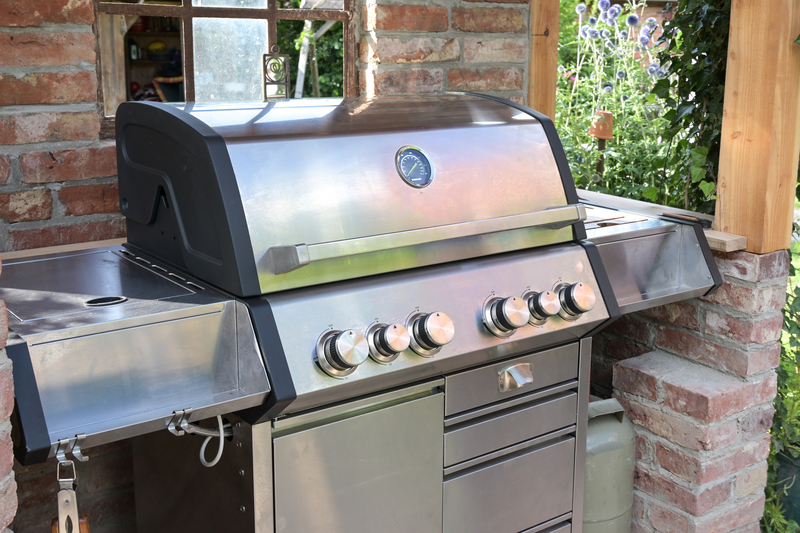
A well-maintained propane gas grill typically lasts between 5 to 15 years, with high-quality models often reaching the upper end of this range when properly cared for.
The longevity of a propane grill depends on several critical factors including build quality, frequency of use, maintenance practices, and environmental conditions.
Grills constructed with premium materials and components generally outperform budget models, while regular cleaning and proper storage significantly extend operational life.
Weather exposure, cooking frequency, and the quality of replacement parts also play substantial roles in determining how long a grill remains functional.
Knowing when to maintain, repair, or replace a propane grill requires understanding the key indicators of wear and the cost-effectiveness of various options.
This guide examines the factors that influence grill durability, provides practical maintenance strategies, and offers guidance on selecting a long-lasting propane grill that delivers years of reliable outdoor cooking performance.
Typical Lifespan of a Propane Gas Grill

Most propane gas grills function reliably for 5 to 15 years, with standard models averaging 10 years of service.
Higher-quality grills often exceed this range, while budget models may require replacement sooner.
Average Lifespan Expectations
Propane gas grills typically last between 5 and 15 years under normal use conditions.
Standard mid-range models usually provide reliable service for approximately 10 years.
Entry-level grills often reach the end of their useful life within 3 to 5 years.
These models use lighter materials and basic components that wear out faster.
Mid-range grills generally last 5 to 10 years with proper care.
They feature better construction quality and more durable components than budget options.
High-end grills can exceed 15 years of service life.
Premium materials like stainless steel and cast aluminum resist corrosion and maintain structural integrity longer.
Most manufacturers provide warranties ranging from 3 to 10 years.
The warranty period often reflects the expected lifespan of different grill categories.
Variations by Brand and Model
Construction materials significantly impact grill longevity.
Stainless steel models resist rust and corrosion better than painted steel alternatives.
Cast aluminum components maintain their shape and function longer than thin sheet metal parts.
Porcelain-coated surfaces also provide superior durability compared to basic paint finishes.
Premium brands typically engineer their grills with thicker materials and better hardware.
These manufacturers often use marine-grade stainless steel and heavy-duty ignition systems.
Budget brands focus on lower initial costs by using thinner metals and simpler components.
This approach reduces manufacturing expenses but shortens overall lifespan.
Professional-grade grills built for commercial use can last 20+ years.
These units feature commercial-grade burners, heavy-gauge steel, and reinforced frames.
Signs That a Grill Is Nearing the End of Its Life
Rust holes in the firebox or cooking chamber indicate structural failure.
Once rust penetrates the metal, repairs become impractical and unsafe.
Burner performance deteriorates when ports become clogged or corroded.
Uneven heating, yellow flames, or frequent flameouts signal burner replacement needs.
Grease management systems fail when trays crack or drain holes become permanently blocked.
Poor grease drainage creates fire hazards and sanitation issues.
Ignition systems require frequent repairs or manual lighting.
Worn electrodes, damaged wiring, or failed control modules indicate aging electrical components.
The cooking grates develop deep rust or lose their coating completely.
Severely corroded grates affect food safety and cooking performance.
Frame instability appears as loose joints, bent legs, or cracked welds.
Structural problems compromise safety and make the grill difficult to use properly.
Factors Affecting Propane Gas Grill Longevity

The lifespan of a propane gas grill depends on several critical factors that directly impact its durability and performance.
Material quality, usage patterns, environmental exposure, and storage methods all play significant roles in determining whether a grill lasts three years or fifteen years.
Construction Materials and Build Quality
Stainless steel components significantly outlast basic materials like painted steel or aluminum.
304-grade stainless steel resists corrosion better than 430-grade steel, particularly in coastal areas with salt air.
Cast iron cooking grates retain heat effectively but require regular seasoning to prevent rust.
Porcelain-coated grates offer easier maintenance while providing good heat retention.
Burner construction varies considerably between price points.
Stainless steel burners with proper heat distribution last longer than thin aluminum versions that warp under high temperatures.
The firebox material determines structural integrity.
Heavy-gauge steel fireboxes with welded seams resist warping and cracking better than thin sheet metal with riveted connections.
Hardware quality affects overall longevity.
Stainless steel screws, hinges, and handles resist corrosion, while chrome-plated or painted hardware deteriorates quickly in outdoor conditions.
Frequency and Type of Usage
Daily grilling accelerates component wear compared to weekend-only use.
High-temperature cooking for extended periods stresses burners and internal components more than moderate-heat cooking.
Cooking style impacts durability:
- Frequent high-heat searing degrades burners faster
- Long, slow cooking sessions test temperature control systems
- Regular direct-heat cooking causes more grate wear
Commercial or heavy entertaining use shortens grill life significantly.
Grills designed for residential use experience premature failure when subjected to restaurant-level demands.
Temperature cycling from repeated heating and cooling causes metal expansion and contraction.
This process gradually weakens joints, seals, and thin metal components over time.
Exposure to Weather and Environmental Conditions
Rain and moisture cause the most significant damage to propane grills.
Water infiltration leads to rust formation on steel components and corrosion of electrical ignition systems.
Salt air in coastal regions accelerates corrosion on all metal surfaces.
Even stainless steel components develop pitting and surface rust in high-salt environments.
UV radiation degrades plastic handles, control knobs, and side tables.
Prolonged sun exposure causes brittleness and fading of these components.
Extreme temperature fluctuations stress metal joints and seals.
Freezing temperatures can crack ceramic components and damage gas lines if moisture is present.
Wind-blown debris and dust accumulate in burner tubes and ventilation areas.
This buildup restricts proper airflow and creates uneven heating patterns.
Proper Storage Practices
Grill covers provide essential protection from moisture and UV damage.
Breathable covers prevent condensation buildup while blocking rain and snow effectively.
Storing grills in garages or sheds eliminates weather exposure entirely.
However, proper ventilation prevents moisture accumulation in enclosed spaces.
Propane tank storage requires specific considerations.
Tanks should remain upright and disconnected during long-term storage to prevent gas leaks.
Regular cleaning before storage removes grease and food particles that attract pests and promote corrosion.
Dry storage prevents rust formation on clean surfaces.
Winter storage preparation includes removing grease traps, cleaning burner tubes, and applying protective coatings to exposed metal surfaces.
Maintenance Tips to Extend Grill Life
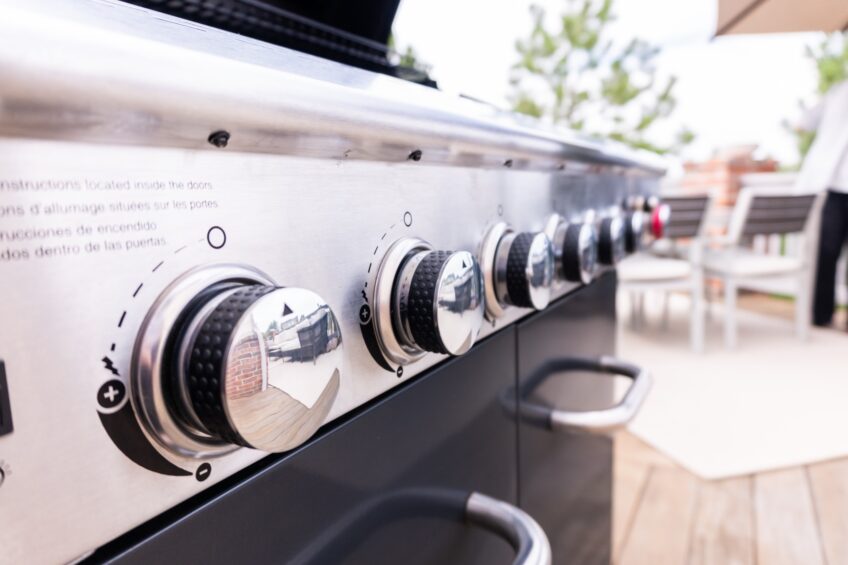
Proper maintenance can double or triple a propane grill’s lifespan through consistent cleaning, rust prevention, and timely component replacement.
These practices prevent costly damage and ensure safe operation for years.
Regular Cleaning and Inspections
Deep cleaning after every 5-6 uses prevents grease buildup that causes flare-ups and attracts pests.
Users should scrub grates with a wire brush while warm and wipe down exterior surfaces with appropriate cleaners.
Monthly inspections catch problems early.
Check gas connections using soapy water to identify leaks through bubble formation.
Examine hoses for cracks, brittleness, or animal damage.
Essential cleaning tasks include:
- Removing and washing drip pans
- Clearing grease from burner tubes
- Cleaning heat shields or flavorizer bars
- Wiping control knobs and handles
Quarterly deep cleaning involves removing grates, heat shields, and burner covers for thorough washing.
This prevents grease fires and maintains even heat distribution across the cooking surface.
Protecting Against Rust and Corrosion
High-quality grill covers provide the most effective protection against moisture, UV rays, and debris.
Covers should fit snugly without touching hot surfaces after cooking.
Stainless steel components need regular cleaning with specialized cleaners to maintain their protective chromium layer.
Avoid harsh chemicals or abrasive materials that scratch surfaces and create corrosion entry points.
Rust prevention strategies:
- Store grills in covered areas during winter
- Apply high-temperature cooking oil to cast iron grates
- Keep vents slightly open under covers for air circulation
- Remove covers during sunny days to eliminate trapped moisture
Coastal owners face accelerated corrosion from salt air.
They should clean exteriors weekly and consider additional protective coatings on exposed metal surfaces.
Replacing Worn or Damaged Components
Burner tubes typically need replacement every 3-5 years when holes become enlarged or corroded.
Damaged burners create uneven heating and potential safety hazards.
Ignition systems fail frequently due to moisture exposure and debris accumulation.
Replace igniters when they produce weak sparks or fail to light consistently after cleaning.
Common replacement timeline:
- Grates: 2-4 years depending on material
- Heat shields: 3-5 years
- Drip pans: 1-2 years
- Gas hoses: 5-7 years
Thermometer accuracy degrades over time.
Replace when readings vary significantly from oven-safe thermometers placed inside the grill during preheating tests.
When to Repair Versus Replace Your Grill
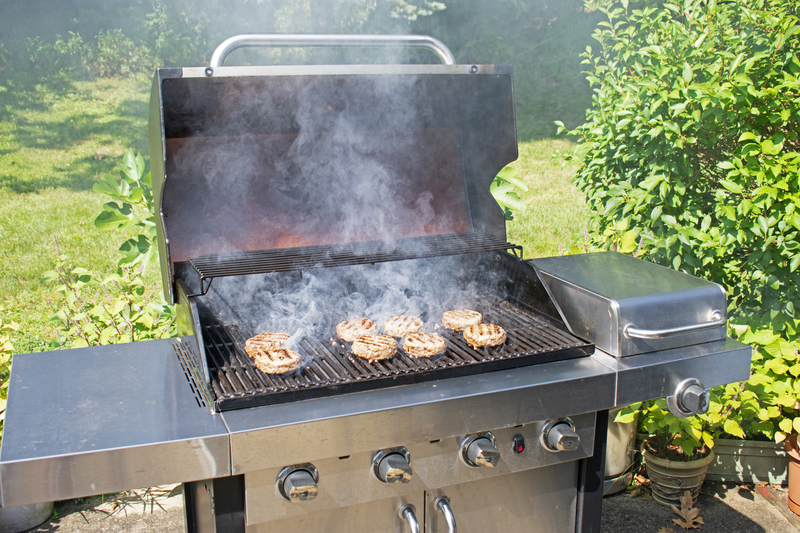
The decision between repairing or replacing a propane grill depends on repair costs compared to replacement value, safety conditions that could pose risks, and performance problems that affect cooking quality.
Cost Comparison of Repairs and Replacement
Most repair decisions come down to the 50% rule: if repair costs exceed 50% of a new grill’s price, replacement makes more sense financially.
Common repair costs include:
- Burner replacement: $30-80 per burner
- Ignition system: $25-60
- Gas regulator: $40-100
- Grill grates: $50-150
A $600 grill should be replaced if repairs exceed $300.
For premium grills costing $1,200 or more, repairs up to $600 may be worthwhile.
Age plays a role in this calculation.
Grills over 10 years old typically need multiple repairs within short timeframes.
Replacing several components simultaneously often pushes total costs beyond the replacement threshold.
Labor costs add $75-150 per service call.
DIY repairs reduce expenses but require technical knowledge and proper tools.
Evaluating Safety Concerns
Safety issues require immediate attention and often mandate replacement rather than repair.
Gas leaks present the most serious hazard and may indicate multiple system failures.
Critical safety problems include:
- Rust holes in the firebox or gas lines
- Damaged gas connections that cannot seal properly
- Cracked heat shields or burner tubes
- Compromised frame integrity
Rust damage typically spreads throughout the grill’s metal components.
Surface rust can be addressed, but structural rust affecting gas delivery systems creates ongoing safety risks.
Grease fire damage often compromises multiple safety systems simultaneously.
Heat damage can warp metal components and create gas leak points that are difficult to detect.
Professional inspection costs $100-200 but provides expert assessment of safety conditions.
This investment prevents potential accidents that could cause property damage or injury.
Performance Issues to Monitor
Performance problems indicate when internal components have degraded beyond effective repair.
Uneven heating suggests burner damage or gas flow restrictions that affect cooking quality.
Key performance indicators:
| Issue | Repair Threshold | Replace When |
|---|---|---|
| Temperature control | Minor adjustments | Cannot maintain heat |
| Ignition problems | Single component failure | Multiple ignition points fail |
| Flare-ups | Cleaning resolves | Grease management system damaged |
Cooking temperature should reach 500°F within 10-15 minutes.
Grills requiring 20+ minutes indicate significant efficiency loss from worn burners or poor gas flow.
Fuel consumption increases when burners operate inefficiently.
A grill using 20% more propane than normal suggests internal damage affecting combustion.
Rust and corrosion on cooking surfaces create food safety concerns.
Flaking metal particles can contaminate food and indicate widespread deterioration throughout the grill’s components.
Environmental Impact and Disposal of Old Propane Grills
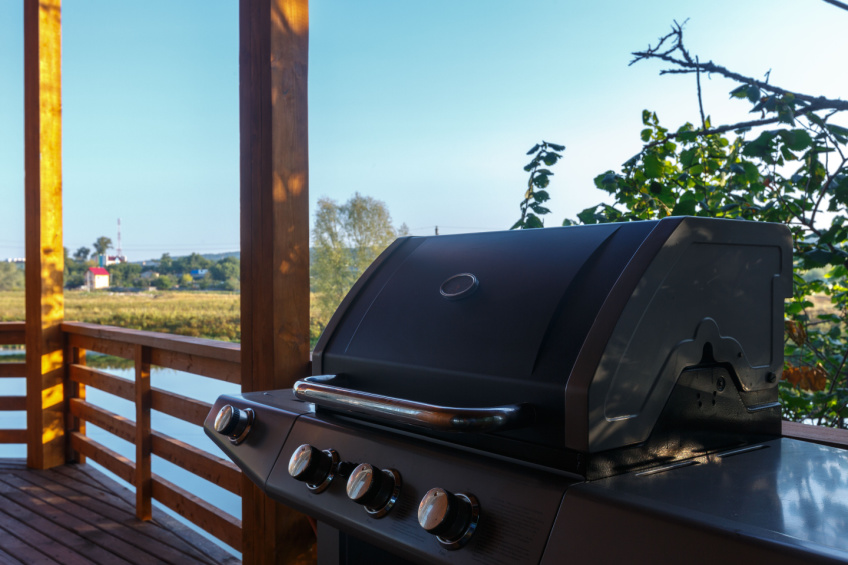
When propane grills reach the end of their useful life, proper disposal prevents environmental contamination and safety hazards.
Metal components can be recycled while propane tanks require specialized handling to avoid dangerous gas releases.
Recycling and Safe Disposal Options
Propane Tank Disposal must be handled separately from the grill body.
Tanks should never be thrown in regular trash due to explosion risks.
Local propane retailers often accept old tanks for recycling or exchange programs.
Many home improvement stores also provide tank disposal services.
Scrap Metal Recycling Centers accept grill bodies after propane tanks are removed.
The grill should be cleaned of all food debris and grease before transport.
Steel and aluminum components from grills are valuable recyclable materials.
Cast iron grates and burners can be recycled separately at most metal recycling facilities.
Municipal Waste Programs in many cities offer large item pickup services for grills.
Contact local waste management to verify they accept grills and understand their preparation requirements.
Some areas have specialized hazardous waste collection days that accept propane tanks.
Check municipal websites for scheduled collection events.
Environmental Considerations
Improper disposal of propane grills creates multiple environmental hazards.
Residual propane gas can contaminate groundwater and pose explosion risks in landfills.
Metal components in landfills take decades to decompose naturally.
Steel can take 50-100 years while aluminum takes 200-500 years to break down completely.
Grease and food residue left on disposed grills can attract pests and create unsanitary conditions.
Thorough cleaning before disposal prevents these issues.
Recycling grill metals reduces the need for new metal production.
This process saves energy and reduces mining-related environmental damage.
Proper preparation includes disconnecting propane tanks, removing batteries from electronic ignition systems, and cleaning all surfaces.
These steps ensure safe handling throughout the disposal process.
Choosing a Durable Propane Gas Grill
Selecting a grill built to last requires examining specific construction elements and support options.
Quality materials and solid warranties often indicate a manufacturer’s confidence in their product’s durability.
Key Features That Influence Longevity
Construction Materials significantly impact grill lifespan.
Stainless steel components resist rust and corrosion better than painted steel or aluminum.
Look for 304-grade stainless steel rather than 430-grade, as it contains more chromium and nickel for superior corrosion resistance.
Burner Quality determines cooking performance and replacement frequency.
Cast iron burners last longer than stainless steel tubes but cost more initially.
Stainless steel burners with proper thickness (14-16 gauge) provide good durability at moderate prices.
Cooking Grate Material affects both food quality and maintenance needs.
Cast iron grates retain heat well but require seasoning to prevent rust.
Stainless steel grates resist corrosion and clean easily.
Porcelain-coated grates offer non-stick properties but can chip over time.
Heat Distribution Systems like flavorizer bars or heat tents protect burners from grease and food debris.
These components extend burner life by preventing direct exposure to drippings that cause corrosion and clogging.
Firebox Construction should feature heavy-gauge steel or cast aluminum.
Welded joints prove more durable than bolted connections, which can loosen over time with repeated heating and cooling cycles.
Warranties and Manufacturer Support
Warranty Length varies significantly between manufacturers and price points.
Premium grills often include 10-25 year warranties on major components like fireboxes and burners.
Mid-range models typically offer 2-5 year coverage.
Component-Specific Coverage matters more than overall warranty duration.
Separate warranties for burners, cooking grates, and electronic components indicate manufacturer confidence in individual parts.
Replacement Part Availability ensures long-term usability.
Established brands maintain parts inventory for discontinued models longer than newer companies.
Check if common wear items like burners, grates, and ignition systems remain available for purchase.
Customer Service Quality becomes crucial when issues arise.
Research manufacturer response times and support quality through online reviews and consumer reports before purchasing.
Two Long-Lasting Powerhouses – Napoleon vs. Weber: Which Premium Propane Gas Grill Lasts Longer?
When investing in a high-quality gas grill, you want something that delivers performance and lasts for years.
Two top contenders in the world of premium propane grills are the Napoleon Prestige 500 RSIB and the Weber Genesis S-315.
Both are stainless steel, built to endure outdoor use, and offer features that elevate your grilling game.
But which one is the better long-term investment?
Let’s break it down.
Durability & Build Quality
Napoleon Prestige 500 RSIB
-
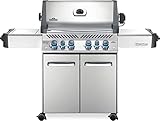 Full stainless steel construction: burners, body, sear plates, and grates.
 -
Wave-shaped stainless steel cooking grids resist rust and deliver even searing.
-
Lifetime warranty on major parts — an industry standout.
-
Heavy-duty cart with enclosed cabinet and soft-close doors.
Weber Genesis S-315
-
 Made with porcelain-enameled and stainless steel parts for long-lasting heat retention.
 -
7 mm stainless steel cooking grates are rust-resistant and durable.
-
Backed by 10-year Weber warranty (cookbox, burners, grates, and more).
-
Open-cart design with fold-down side tables for added flexibility.
Verdict: Napoleon slightly edges out Weber in long-term durability with more stainless steel components and a longer warranty on core parts.
Cooking Performance
-
500 sq. in. primary cooking space, plus infrared side & rear burners.
-
Up to 80,000 BTU output — serious firepower for searing, roasting, and grilling.
-
Rear burner works with the built-in rotisserie kit.
-
JETFIRE ignition for fast, reliable starts.
-
513 sq. in. of total cooking space.
-
Three PureBlu burners ensure even heating across all zones.
-
Flavorizer bars enhance smoky flavor and reduce flare-ups.
-
Compatible with Weber Crafted accessories (griddle, pizza stone, etc.).
Verdict: Napoleon takes the win on power and versatility with infrared burners and higher BTU output, while Weber offers steady performance and great flavor infusion.
Ease of Use & Maintenance
Napoleon
-
Roll-top lid opens smoothly and saves space.
-
Easy-access grease tray and removable drip pan.
-
Large side shelves with integrated towel bars and utensil hooks.
Weber
-
Grease Management System with slide-out tray.
-
Lid-mounted thermometer and push-button ignition.
-
Fold-down side tables for compact storage.
Verdict: Both grills are easy to clean and user-friendly, but Weber’s fold-down design is perfect for smaller patios or storage spaces.
Which Should You Choose?
-
Choose Napoleon Prestige 500 RSIB if you want a powerhouse grill with top-tier performance, infrared burners, and a more robust warranty. It’s ideal for serious grillers who cook for crowds or want full rotisserie capabilities.
-
Go with the Weber Genesis S-315 if you prefer rock-solid reliability, a more compact footprint, and excellent heat control with less complexity. It’s perfect for everyday grilling and consistent performance.
Either way, you’re choosing a propane gas grill built to last.
Both Napoleon and Weber deliver unmatched quality, but your cooking style and feature preferences will ultimately guide your decision.
Recognizing the End of a Grill’s Usable Life

Several clear indicators signal when a propane gas grill has reached the end of its functional lifespan.
These warning signs often relate to safety concerns and performance degradation.
Structural deterioration represents the most obvious sign of grill failure.
Rust holes, cracked firebox walls, or warped cooking surfaces indicate the grill can no longer perform safely or effectively.
Gas-related issues pose serious safety risks.
Persistent gas leaks, damaged burner tubes, or corroded gas connections require immediate attention and often indicate replacement time.
Performance problems become evident through uneven heating patterns or inability to reach proper cooking temperatures.
When burners fail to ignite consistently or flame patterns appear irregular, the grill’s effectiveness diminishes significantly.
The following conditions typically indicate replacement necessity:
- Extensive rust penetrating cooking surfaces or firebox
- Cracked or broken grates that cannot be repaired
- Damaged ignition systems that fail repeatedly
- Warped or misaligned doors that won’t close properly
- Corroded gas lines or connections
Cost considerations play a crucial role in replacement decisions.
When repair costs exceed 50% of a new grill’s price, replacement becomes more economical.
Temperature control problems signal internal component failure.
Grills that cannot maintain consistent heat or reach minimum cooking temperatures no longer serve their primary function effectively.
Safety concerns should never be ignored.
Any structural damage that could lead to gas leaks, fire hazards, or cooking surface collapse warrants immediate replacement rather than continued use.