
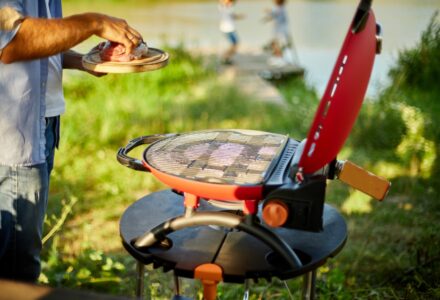

Cold weather or bad timing can make indoor grilling sound tempting. You might wonder if you can safely use a portable grill indoors for just one meal.
Using a portable gas grill indoors is not safe and is not recommended. These grills can produce carbon monoxide, a gas you cannot see or smell. Without adequate ventilation, carbon monoxide can build up and cause serious illness or death. Gas grills also produce open flames and high heat, increasing the risk of a house fire, as portable gas grills indoors pose serious dangers.
This article explains why using a portable gas grill indoors is risky, what the main hazards are, and which safer options can give you grilled flavor without stepping outside.
The Short Answer: Keep Portable Gas Grills Outside
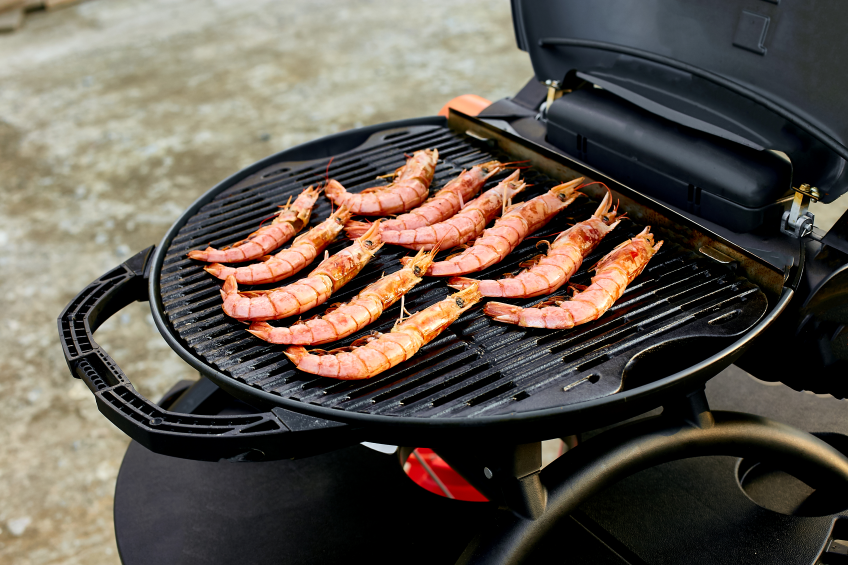 Portable gas grills are made for outdoor use only. Fire hazards and carbon monoxide buildup make using a gas grill indoors dangerous, even if you take steps to improve ventilation.
Why Open Windows and a Range Hood Do Not Make It Safe
You might think an open window or a running range hood provides enough airflow to grill indoors. It does not make using a gas grill indoors safe.
A gas grill burns fuel and can produce carbon monoxide quickly. Outdoor models require proper ventilation that standard residential setups cannot provide.
Kitchen range hoods are designed to remove light cooking fumes and steam, not to safely manage emissions from an outdoor grill. Without proper ventilation engineered for combustion appliances, dangerous fumes remain trapped inside your living area.
Even with a range hood running, carbon monoxide may build up faster than it can be removed. A carbon monoxide detector can warn you when levels rise, but it does not prevent exposure or make indoor grilling safe.
Why Garages and Other Enclosed Spaces Are Also Off-Limits
A garage may feel like a safer middle ground between indoors and outdoors, but it is not. Garages can trap fumes, especially when the door is shut or only partly open.
Portable gas grills produce heat and combustion gases that need open air to disperse safely. Sheds, screened porches, and covered patios with limited airflow can pose similar risks.
Walls and a roof can restrict airflow and allow carbon monoxide to collect to unsafe levels. Grill only in a fully open outdoor space, away from windows, vents, and doorways that lead inside.
The Main Risks of Grilling With Gas Indoors
 Using a portable gas grill indoors can expose you to carbon monoxide, gas leaks, fires, burns, and poor air quality. These hazards can develop quickly in an enclosed space and put your health and home at risk.
Carbon Monoxide Buildup and Poisoning
Burning propane or natural gas can produce carbon monoxide. This gas has no smell or color, so you cannot detect it with your senses.
Outdoors, open air helps disperse carbon monoxide. Indoors, it can accumulate. It can be dangerous if it accumulates unexpectedly inside a confined space.
Carbon monoxide prevents your blood from carrying oxygen effectively. Early symptoms include headache, dizziness, and nausea. High levels can cause confusion, loss of consciousness, or death.
Symptoms may not be noticeable right away. This makes indoor gas grilling especially risky, even during a short cooking session.
Gas Leaks, Fires, and Burns
Gas grills rely on a steady, controlled flow of fuel through hoses and valves. Indoors, a small leak can go unnoticed until the gas reaches a spark or flame. Using a portable gas grill indoors is extremely dangerous and should not be done. A leak can turn a cooking session into a fire hazard in seconds.
Homes also contain many materials that can catch fire. Curtains, furniture, and rugs can ignite quickly if they are too close to an open burner. Contact with the grill surface or grates, as well as flare-ups, can cause burns. Indoor spaces also leave less room to move away safely if flames grow larger than expected.
Smoke Accumulation and Indoor Air Quality
Grilling produces smoke, grease vapor, and fine particles. Outdoors, these disperse into the air. Indoors, they can build up and cause grease and smoke accumulation on walls, furniture, and other belongings.
Breathing in smoke can irritate your lungs, eyes, and throat, especially if you have asthma or another breathing condition. Without adequate ventilation, smoke can linger indoors. It can lower indoor air quality and leave odors in fabrics and carpets for days after cooking.
Which Grills Are Intended for Indoor Use?
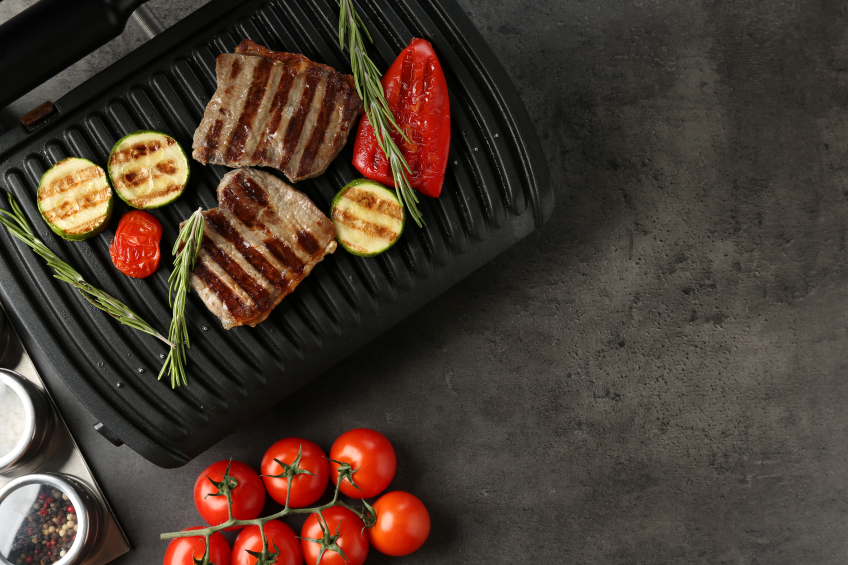 Not all grills are designed for the same setting. Standard gas and charcoal grills are for outdoor use only; using them indoors can expose you to dangerous carbon monoxide, smoke, and combustion gases.
Outdoor vs. Indoor grills
Standard gas and charcoal grills are made for outdoor use because they burn fuel and release combustion by-products. Open outdoor air helps disperse these emissions, while they can quickly build up indoors.
Indoor grills are usually electric countertop appliances. Although specialized commercial indoor gas grills exist, they require professional installation, substantial ventilation, and strict safety clearances.
Do not assume a grill is indoor-safe simply because it connects to a natural-gas line. Always follow the manufacturer’s instructions and confirm that the appliance is specifically rated for indoor use.
Are Electric Grills Safe to Use Indoors?
Electric grills can be a practical option for indoor cooking because they do not burn propane, natural gas, or charcoal. However, not every electric grill is designed for indoor use, so it is important to choose a model specifically labeled for indoor operation and follow the manufacturer’s instructions.
Unlike gas or charcoal grills, indoor electric grills do not produce combustion gases such as carbon monoxide. They can still generate smoke, grease, and high levels of heat during cooking, so adequate ventilation and proper placement are important.
The Ninja Foodi Smart Indoor Grill & Air Fryer is a countertop electric grill specifically designed for indoor use. It combines grilling with air frying and other cooking functions, making it suitable for steaks, burgers, chicken, vegetables, and other foods.
Its enclosed cooking chamber helps contain splatter and smoke compared with an open grill, while the built-in smart thermometer allows you to monitor the internal temperature of your food during cooking. The appliance can also reach high temperatures for grilling and searing without using gas or charcoal.
Check Labels and Instructions
Before using any grill indoors, confirm the following:
- Clear labeling that states “for indoor use”
- The listed fuel type—electric models are generally the appropriate choice
- UL or ETL certification, where applicable
- Required ventilation and clearance guidance in the manual
- Any local fire-code or building-rule restrictions
Follow the manufacturer’s instructions closely. Even electric indoor grills can create smoke when cooking fatty food at high temperatures, so use them on a stable, heat-safe surface with adequate space around the appliance.
Other Safe Ways to Grill Indoors
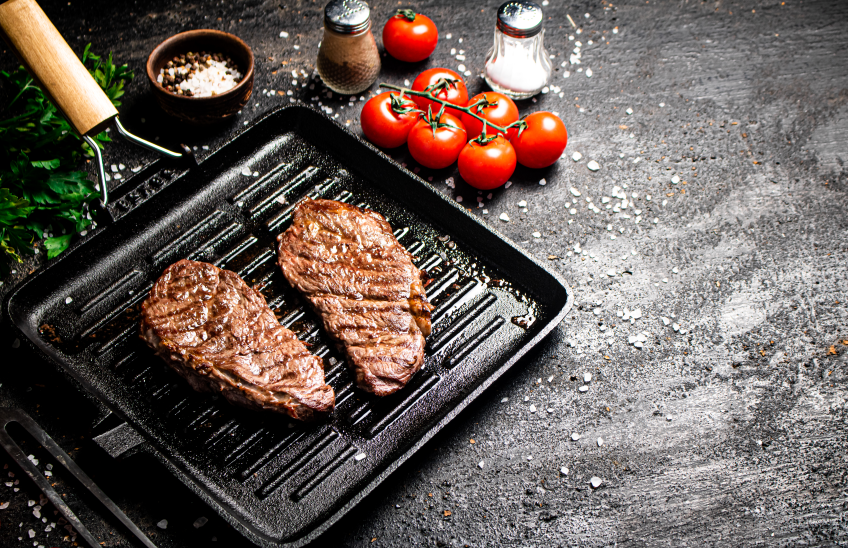 If you want grilled texture and browning without using an outdoor gas or charcoal grill, choose an indoor electric grill, a stovetop grill pan, or your oven’s broiler.
Countertop Electric Grills
Indoor electric grills plug into a standard outlet and do not use propane, charcoal, or an open flame. Many have ridged cooking plates for grill marks and drainage channels that direct excess fat away from food.
The George Foreman Electric Grill is a versatile option for apartments, patios, and other outdoor spaces. Its removable stand allows it to be used either as a freestanding grill or on a countertop, while the spacious cooking surface can accommodate up to 15 servings.
The non-stick cooking surface makes grilling and cleanup easier, and the adjustable temperature control provides flexibility for cooking different foods. Its electric design produces no open flame, making it a practical choice where traditional gas or charcoal grills are not permitted.
Stovetop grill pans
A stovetop grill pan provides grill-style marks and high-heat searing without a separate electric appliance. Cast-iron and coated-aluminum models have raised ridges that lift food above rendered fat while creating a browned, grilled appearance.
Preheat the pan before cooking, use oil sparingly, and run your range hood to manage smoke. Check that the pan is compatible with your gas, electric, or induction cooktop.
The Backcountry Iron 12 Inch Square Grill Pan is a large, pre-seasoned cast iron pan that makes it easy to enjoy grilled foods indoors without firing up an outdoor grill. Its deep ridges create attractive grill marks while allowing excess fat and juices to collect below the cooking surface.
The heavy cast iron construction retains heat well, making it suitable for searing steaks, burgers, chicken, vegetables, and other foods. It works on gas, electric, and induction cooktops and can also be used in the oven or outdoors.
Oven broiling
Broiling uses intense heat from the element at the top of the oven. It is one of the simplest ways to brown steaks, chicken, fish, and vegetables indoors, although it does not create the smoky flavor of an outdoor grill.
Place food on a broiler pan or wire rack set inside a baking sheet so fat can drain away. Watch food closely, as broiling works quickly and can burn food in minutes; keep the oven door closed unless your appliance manual specifically directs otherwise.
The 16.75-Inch Porcelain Nonstick Broiler Pan is a heavy-duty oven pan designed for broiling, roasting, and other high-heat cooking. Its porcelain nonstick coating makes food easier to release and simplifies cleanup, while the raised rack helps circulate heat around the food and allows excess fat and juices to drain into the pan below.
The pan can withstand temperatures up to 550°F, making it a practical choice for broiling steaks, chicken, fish, vegetables, and other foods in the oven.
Safe Practices for Indoor-Rated Cooking Equipment
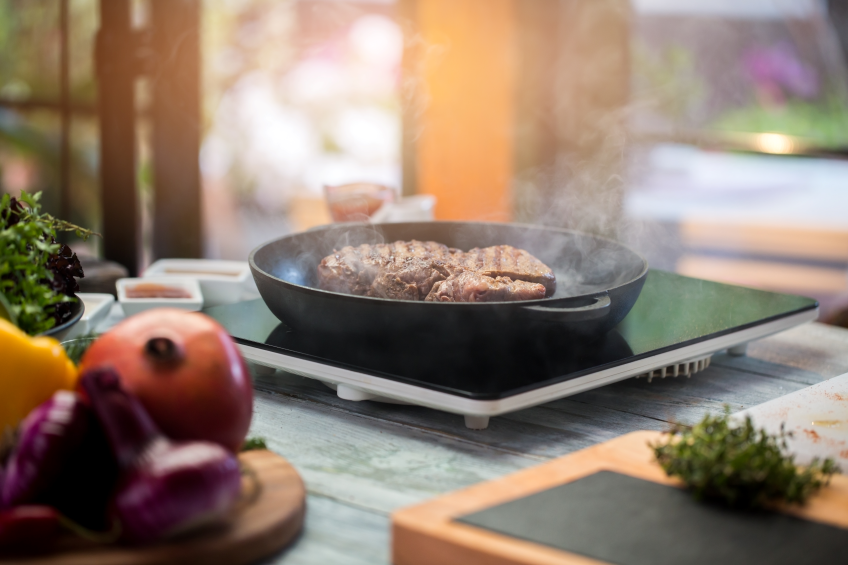 Indoor-rated cooking tools, such as electric grills and stovetop grill pans, are designed for indoor use. Maintaining proper ventilation and following safe indoor grilling practices ensures you protect your home and health while preparing food.
Ventilate and Manage Cooking Smoke
Even indoor-rated grills produce smoke and steam that can affect indoor air quality. Turn on your range hood or exhaust fan before you start cooking, rather than waiting until smoke fills the room.
Open a nearby window if you can to establish proper ventilation. This helps remove fumes and bring in fresh air.
Fat and food particles can burn and create smoke, so keep your cooking surface clean. A dirty grill pan or electric grill plate can produce more smoke than a clean one, which may reduce indoor air quality.
Prevent Grease Fires and Keep a Fire Extinguisher Accessible
Grease fires can start quickly, even with electric grills or stovetop pans. Never leave cooking equipment unattended, especially when cooking fatty meats that release oil.
Keep a fire extinguisher rated for grease fires in your kitchen. Class B extinguishers are typically used for flammable liquids, while Class K extinguishers are designed for cooking oils and fats. Store the extinguisher somewhere you can reach quickly, not in a closet or another room.
Here’s what you should avoid during a grease fire:
- Never use water on a grease fire; it can spread the burning oil and flames.
- Don’t move the pan if it catches fire.
- Cover the flame with a metal lid if you can do so safely. Otherwise, leave the area and call emergency services.
Check your extinguisher’s pressure gauge regularly and follow the manufacturer’s instructions for maintenance.
Use Carbon Monoxide Detectors Without Treating Them as Permission to Grill Indoors
Carbon monoxide detectors are a critical safety tool in any home, but they do not make it safe to use a gas or charcoal grill indoors. A detector may not sound an alarm until carbon monoxide reaches its alarm threshold, so exposure can begin before the alarm goes off.
Indoor-rated electric grills do not burn fuel and therefore do not produce carbon monoxide during normal operation. This is one reason portable gas grills are designed for outdoor use only and should never be brought inside, even if detectors are installed.
Test your detectors monthly and replace batteries according to the manufacturer’s instructions. Place them near sleeping areas and on every level of your home for better protection.
What to Do if You Suspect Carbon Monoxide or a Gas Leak
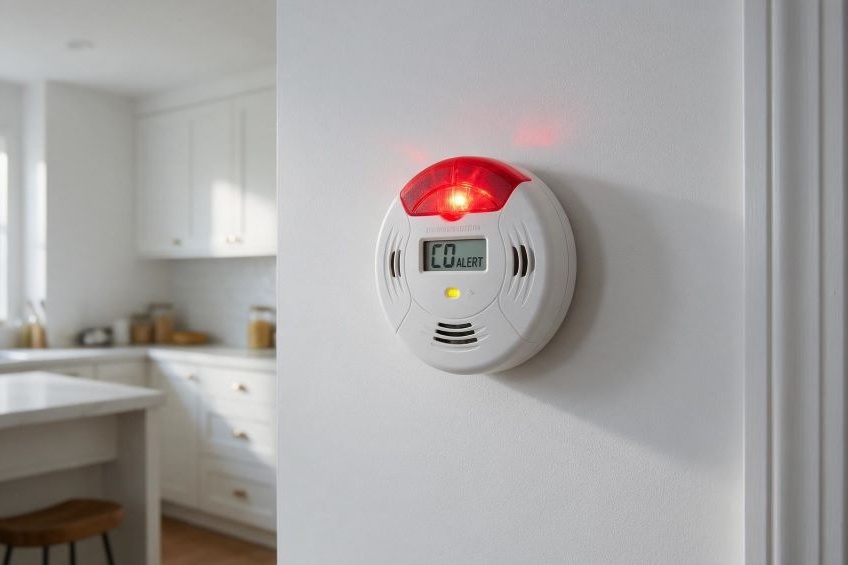 Using a gas grill indoors can cause carbon monoxide poisoning or a gas leak. Knowing what to do can help protect everyone in your home.
Leave Immediately if an Alarm Sounds or Anyone Has Symptoms
If your carbon monoxide detector goes off, get everyone out of the house immediately. Do not stop to find the source of the problem.
Watch for symptoms such as headache, dizziness, nausea, confusion, or unusual tiredness. These can indicate carbon monoxide poisoning, even if no alarm sounds.
Take pets with you when you leave. Once outside, stay in fresh air and do not go back inside until emergency responders say it is safe.
Carbon monoxide has no smell or color, so you cannot rely on your senses to detect it. A working detector on every level of your home can help alert you to its presence.
Avoid Flames and Electrical Switches if You Smell Gas
Natural gas is odorless, but suppliers add a chemical that gives it a smell often described as rotten eggs. Carbon monoxide has no smell, so understanding this difference can help you respond appropriately.
If you smell gas, do not light a match, use a lighter, or smoke. Avoid turning lights or appliances on or off, since even a small spark can ignite gas.
Do not use your phone or a flashlight until you are outside. Do not start your car if it is in a garage connected to the affected area.
Leave doors open as you exit if you can do so without delaying your escape. Do not spend time searching for the source. Get outside first, then decide on next steps.
Call Emergency Services From Outside
Once you are safely outside, call 911 or your local gas utility. Never make this call from inside the house.
Clearly describe what you noticed, such as the smell of gas, an alarm sounding, or symptoms someone in your home is experiencing. This helps responders act quickly.
Stay outside and away from the building until firefighters or gas technicians confirm it is safe to go back in. Do not try to find the leak or turn off gas valves unless you have been trained to do so.
If you suspect a gas leak but are unsure whether the danger is a gas leak or carbon monoxide, treat it as an emergency and let professionals investigate.
FAQ: Can You Use a Portable Gas Grill Indoors?
 No, you should not use a portable gas grill indoors. Gas grills produce carbon monoxide and other combustion gases, and using one inside a house, garage, tent, or other enclosed space can create a serious fire and carbon monoxide poisoning risk.
Can You Use a Portable Gas Grill in a Garage?
No. A garage is not a safe place to operate a gas grill, even with the garage door open. Carbon monoxide can accumulate, and the grill’s flames and heat can ignite nearby combustible materials.
Can You Use a Portable Gas Grill on a Balcony?
Only if the grill manufacturer and local building or fire regulations allow it. A balcony must have adequate open-air ventilation and sufficient clearance from walls, railings, combustible materials, and overhead structures.
Can You Use a Portable Gas Grill in a Tent?
No. Never use a gas grill inside a tent, camper, or other enclosed shelter. Combustion can quickly create dangerous levels of carbon monoxide, even when there appears to be some ventilation.
What Can You Use Instead of a Gas Grill Indoors?
Use an electric grill or indoor grill that is specifically designed and approved for indoor use. These appliances do not require the combustion of propane or natural gas and are designed for indoor cooking when used according to the manufacturer’s instructions.