

 Burning charcoal indoors is a common question among those looking to grill or heat a space without stepping outside.
Despite its popularity outdoors, charcoal produces carbon monoxide, a colorless and odorless gas that can be deadly when inhaled in enclosed areas.
It is never safe to burn charcoal indoors under any circumstances due to the risk of carbon monoxide poisoning.
Many people underestimate the dangers because they cannot see or smell the harmful gases released during charcoal combustion.
Even a single briquette can emit toxic fumes that accumulate quickly inside a home, vehicle, or tent, leading to serious health risks.
Understanding why charcoal must be used outdoors helps prevent accidents and injury.
This article explores the risks and offers practical advice for those considering indoor use, emphasizing safety and awareness above all.
Is It Safe to Burn Charcoal Indoors?
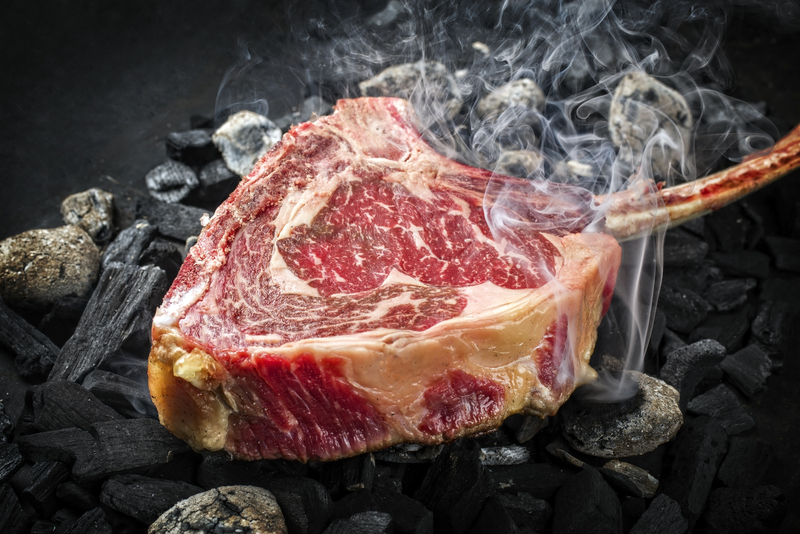
Burning charcoal indoors produces harmful fumes that can quickly build up, especially in confined spaces.
Even with ventilation, the risks of using charcoal inside remain significant due to invisible and odorless gases emitted.
Understanding these dangers is crucial for safety.
Risks of Using Charcoal in Enclosed Spaces
Charcoal generates carbon monoxide (CO) when burned.
This gas is colorless, odorless, and can accumulate to dangerous levels in enclosed spaces such as homes, vehicles, or tents.
The lack of fresh air circulation indoors prevents CO from dissipating, increasing the risk of toxic buildup.
Aside from poisoning, burning charcoal indoors also poses fire hazards due to the intense heat and potential for accidental contact with flammable materials.
Even small quantities of charcoal produce harmful smoke, which adds to indoor air pollution and respiratory risks.
Why Ventilation May Not Be Enough
Ventilation alone rarely eliminates the risks associated with indoor charcoal use.
Carbon monoxide can rapidly accumulate faster than it can be vented out, particularly in rooms without direct air exchange to the outside.
Fans or open windows do not guarantee safe air quality since CO is undetectable by human senses.
Without continuous airflow that exchanges indoor and outdoor air completely, dangerous gas concentrations still develop.
Therefore, relying on ventilation is insufficient protection against CO poisoning.
Carbon Monoxide Poisoning Hazards
Carbon monoxide binds with hemoglobin in the blood, blocking oxygen transport to vital organs.
Symptoms of poisoning include headache, dizziness, nausea, confusion, and can rapidly progress to unconsciousness or death in high concentrations.
Indoor charcoal use causes an estimated 20 deaths and hundreds of emergency injuries annually from CO poisoning.
Installing a reliable carbon monoxide detector that meets recognized safety standards is strongly recommended in any home to alert occupants of dangerous CO levels.
Because CO is imperceptible without a detector, burning charcoal indoors remains a serious health hazard even before symptoms appear.
Dangers Associated With Indoor Charcoal Burning
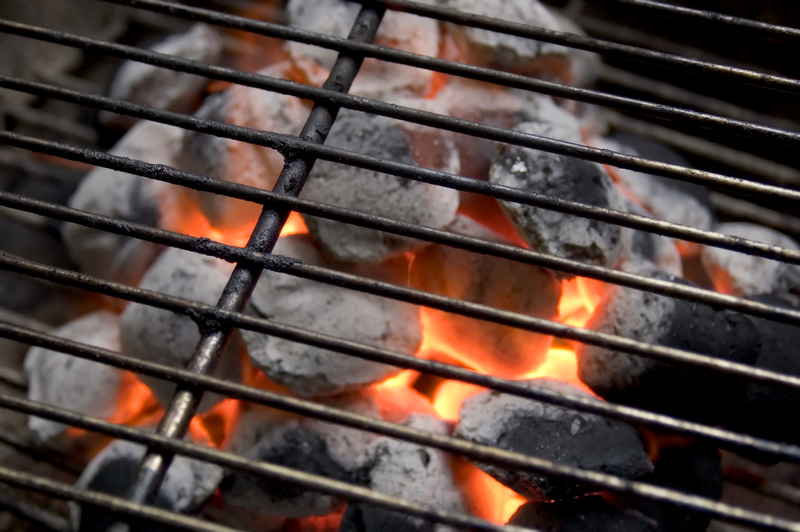
Burning charcoal indoors introduces significant risks related to fire safety, toxic gas exposure, and damage to home heating systems.
These risks arise primarily from the production of carbon monoxide, high heat output, and soot buildup.
Fire Hazards and Structural Risks
Charcoal combustion produces intense heat that can easily ignite nearby flammable materials if not handled properly.
Using charcoal indoors increases the chance of accidental fires in living spaces, especially if safety precautions are ignored.
Because charcoal grills or burning containers are not designed for indoor use, they can cause heat damage to flooring, walls, or furniture.
Sparks or embers may escape and ignite upholstery, curtains, or wood surfaces, leading to structural damage.
The lack of proper containment or ventilation exacerbates these fire risks.
Indoors, heat and flames build up quickly without safe exhaust routes, increasing the potential for burns and property loss.
Health Effects and Exposure Concerns
One of the primary dangers of burning charcoal indoors is carbon monoxide (CO) poisoning. CO is a colorless, odorless gas produced by incomplete combustion.
Exposure to it in enclosed spaces can cause headaches, dizziness, nausea, loss of consciousness, and death.
Charcoal generates CO continuously during burning and even while cooling.
Because symptoms often go unnoticed, victims may be unaware of toxic gas buildup until it is too late.
Ventilation is critical, but even well-ventilated areas may not prevent CO from reaching dangerous levels.
Using charcoal indoors without specialized equipment like exhaust pipes increases the risk of fatal exposure.
Potential for Chimney Fires
Using charcoal indoors, especially near fireplaces or chimneys, can create hazardous conditions for chimney fires.
Charcoal smoke contains soot and creosote compounds that accumulate on chimney walls.
This buildup can ignite during subsequent fires, causing rapid, intense chimney fires that may spread to the rest of the house.
Indoor charcoal use disturbs normal chimney draft patterns and can significantly raise temperatures in flue passages.
This stresses the chimney structure, increasing the probability of cracks or blockages that contribute to chimney fire risks.
Charcoal Types and Their Indoor Risks
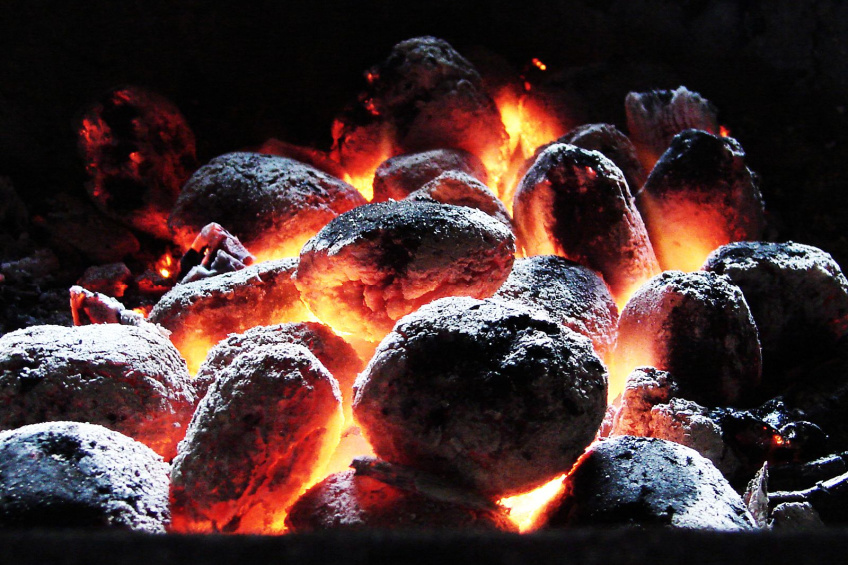
Charcoal varies in composition and manufacturing, affecting its safety when used indoors.
The type of charcoal, presence of additives, and the gases emitted during burning directly influence indoor air quality and health risks.
Lump Charcoal Versus Briquettes
Lump charcoal is made by slowly burning hardwood in low oxygen, leaving almost pure carbon.
It produces fewer additives and generally burns hotter with less ash.
However, when used indoors, it still generates carbon monoxide, a dangerous, odorless gas.
Charcoal briquettes are manufactured from compressed sawdust and may contain binders and fillers.
These additives can produce additional chemical fumes when burned.
Briquettes tend to burn more consistently but release more smoke and pollutants, increasing indoor hazards.
Neither type is safe for indoor burning without specialized ventilation and equipment designed for indoor use.
Both generate carbon monoxide at hazardous levels if ventilation is inadequate.
Additives and Chemical Fumes
Charcoal briquettes often contain binders, accelerants, and fillers to aid ignition and maintain shape.
These chemicals can release toxic fumes and particulates when burned indoors.
In contrast, lump charcoal typically lacks added chemicals, but may still produce harmful gases, including carbon monoxide.
Some specialty charcoals like Binchotan, made through a refined process, emit less smoke and fewer pollutants but are rare and expensive.
Using charcoal with additives indoors greatly increases the risk of chemical exposure.
This makes it crucial to avoid common briquettes inside, as their fumes can trigger respiratory issues and other health problems.
Impact on Indoor Air Quality
Burning charcoal indoors without proper ventilation compromises air quality rapidly.
Carbon monoxide builds up quickly because it is odorless and colorless, making detection difficult without specialized devices.
Other pollutants from charcoal combustion include particulate matter, polycyclic aromatic hydrocarbons (PAHs), and volatile organic compounds (VOCs).
These substances irritate lungs and can exacerbate asthma or other respiratory diseases.
Even with windows open, typical household ventilation cannot eliminate these gases effectively.
This persistent accumulation makes indoor charcoal use risky and potentially life-threatening without professional-grade exhaust systems or specifically designed indoor-safe charcoal products.
Charcoal Grills, Fireplaces, and Indoor Equipment
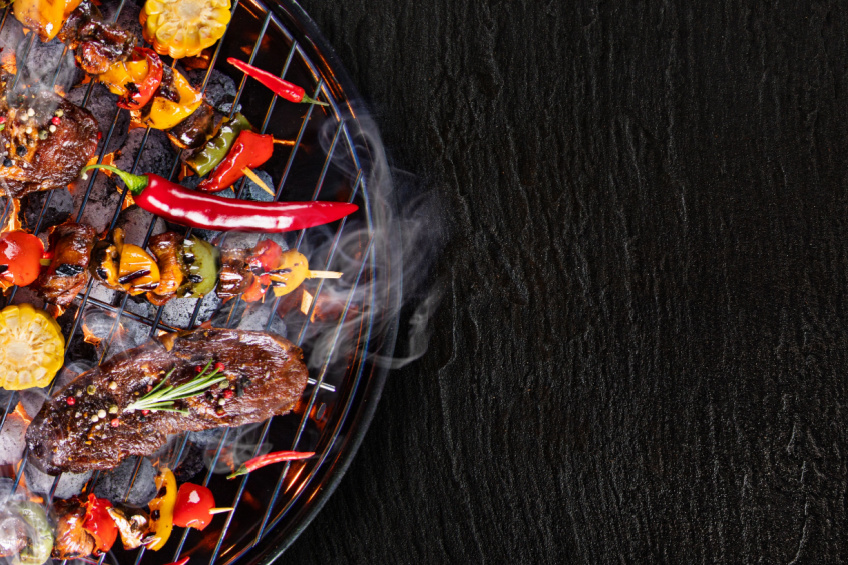
Charcoal combustion produces carbon monoxide, a deadly gas that accumulates in enclosed spaces without proper ventilation.
Indoor use of charcoal-based equipment poses serious risks that cannot be mitigated by simple measures like opening windows.
Why Charcoal Grills Are Designed for Outdoors
Charcoal grills are specifically engineered for outdoor use where carbon monoxide and other gases can disperse safely.
The design relies on open air for ventilation, allowing toxic gases to escape freely.
Using a charcoal grill indoors concentrates carbon monoxide, which is colorless and odorless.
This buildup can cause poisoning quickly, even if windows and doors are open.
Industrial-grade ventilation is necessary to reduce risk, which typical homes lack.
Additionally, charcoal grills produce intense heat and may emit sparks or embers.
This increases fire hazards inside residences, especially near flammable materials.
Difficulties With Charcoal in Indoor Fireplaces
Indoor fireplaces are generally designed to burn wood, not charcoal.
When charcoal is burned, it emits carbon monoxide at levels harmful to confined spaces without specialized exhaust systems.
Fireplaces without efficient flues or chimneys risk allowing dangerous gases to enter living areas.
Charcoal combustion can also cause incomplete burning in indoor fireplaces, producing soot and toxic residues.
Using charcoal in an indoor fireplace can overwhelm standard ventilation, posing health hazards.
It may also void warranties or violate building codes intended to ensure occupant safety.
Compact Charcoal Grills for Semi-Enclosed Spaces
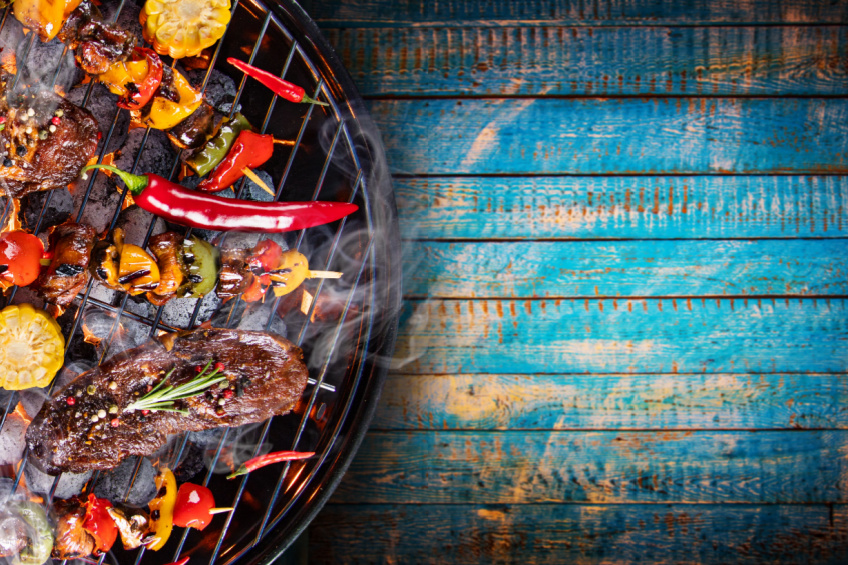
Grilling in semi-enclosed spaces like a covered outdoor kitchen, sunroom, or conservatory that opens to your yard is totally doable with the right grill—but ventilation is key.
 The GrillTime Tailgater is a portable charcoal grill with a hood, perfect for tabletop use at tailgate parties, camping trips, or beach BBQs.
Its compact design makes it easy to transport, while the hood helps retain heat for even cooking.
Ideal for small gatherings, this red grill brings convenience, portability, and classic charcoal flavor to any outdoor setup.
 For those who love interactive cooking, the Primst Multifunctional Charcoal Grill brings Korean BBQ to your tabletop.
Made of anti-rust stainless steel, it’s perfect for cooking with friends.
Two ventilation holes let you control flame intensity, and its compact, multi-functional design includes everything you need for a great grilling experience.
Whether you want a low-smoke, portable grill like the GrillTime Tailgater or a fun, tabletop experience with the Primst grill, both options bring convenience and flavor to semi-enclosed spaces—just make sure you’ve got good airflow!
Safer Alternatives for Indoor Cooking and Heating

When cooking or heating indoors, choosing safe options is crucial to avoid harmful gases and other hazards.
Various tools and fuels provide effective heat without producing dangerous carbon monoxide.
Understanding the best appliances and fuels can help maintain safety while still achieving desired cooking or heating results.
Electric and Gas Grills
Electric grills are one of the safest indoor grilling options.
They do not produce carbon monoxide or smoke, making them suitable for enclosed spaces.
These grills are easy to operate and clean, often featuring adjustable temperature controls for precise cooking.
Gas grills designed for indoor use operate with propane or natural gas but must be properly vented to ensure safety.
They produce minimal smoke and heat quickly.
Like electric grills, indoor gas models come in compact sizes, suitable for countertop use, saving space without sacrificing grilling quality.
Both options eliminate the dangers linked to burning charcoal inside.
Users should always follow manufacturer guidelines to maintain ventilation and appliance safety, even with these safer devices.
Approved Fireplace Fuels
For heating indoors, certain fireplace fuels provide warmth without excessive risk.
Seasoned hardwood is a common, safe choice when properly dried and kept free of chemicals or paint.
It burns cleanly and produces less creosote buildup, reducing fire hazards.
Pellets made from compressed sawdust are increasingly popular for pellet stoves, offering a controlled, efficient burn suitable for indoor heating.
These fuels are designed to minimize smoke and harmful emissions when used in approved fireplaces or stoves.
Users must avoid burning charcoal, treated wood, or trash indoors.
These can emit toxic gases such as carbon monoxide and carcinogens.
Proper installation, maintenance, and use of vents are essential to ensure fuel burns safely indoors.
Tips for Creating Smoky Flavors Indoors
Achieving smoky flavors indoors without charcoal is possible using tools designed for safety.
Indoor smokers or handheld smoke infusers can add a subtle, controlled smoky taste during or after cooking.
Using food-safe wood chips in electric smokers or dedicated indoor devices allows flavors to infuse without open flames or unsafe emissions.
Alternatively, a blowtorch can lightly char or caramelize food surfaces, simulating some smoky characteristics.
It’s important not to rely on methods that produce excessive smoke or harmful gases inside.
Maintaining good ventilation and using products according to instructions preserves both flavor and safety.
Precautions and Essential Safety Recommendations
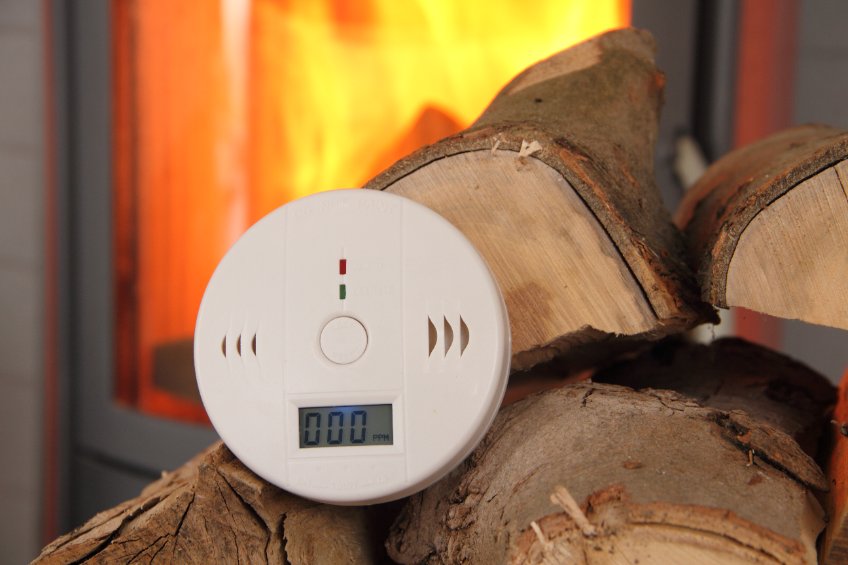
Burning charcoal indoors presents serious risks, especially due to carbon monoxide exposure and fire hazards.
Proper safety measures must be taken to protect against poisoning and accidental fires.
Installing Carbon Monoxide Detectors
Carbon monoxide (CO) is a colorless, odorless gas produced by burning charcoal.
It can accumulate rapidly in enclosed spaces, causing poisoning or death.
Homes where charcoal might be used or stored should have at least one carbon monoxide detector installed, ideally near sleeping areas and on every floor.
Detectors must meet recognized standards, such as the Underwriters Laboratories 2034 or International Approval Services 6-96.
Regular testing and battery replacement are critical to ensure the detector functions correctly.
A properly functioning CO detector provides an early warning before dangerous carbon monoxide levels develop, which is crucial because CO cannot be detected by human senses.
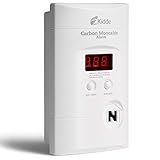 This plug-in detector features a digital LED display that shows the current CO levels, providing real-time monitoring.
It plugs directly into a standard 120V outlet and includes a 9V battery backup for continuous protection during power outages
Fire Safety Equipment and Best Practices
Using charcoal indoors increases the risk of fires.
It is essential to have fire extinguishers rated for Class B and Class C fires nearby.
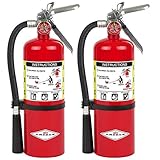 The Merex B500 5 lb ABC Dry Chemical Fire Extinguisher is a reliable safety tool, rated for Class A, B, and C fires, making it perfect for homes, garages, or offices.
With a discharge range of 12–18 feet and a quick 14-second release, it can tackle fires efficiently and effectively.
Sold as a 2-pack, it’s an easy way to ensure multiple areas are covered and your space is well-protected.
The grill or charcoal container should be placed on a non-flammable surface away from curtains, furniture, and other combustibles.
Never leave burning charcoal unattended, and always supervise children and pets around the grill.
Proper ventilation is vital, but even then, indoor charcoal use is strongly discouraged.
After cooking, coals must be fully extinguished before disposal or storing the grill indoors, as residual heat can ignite materials.
Having a fire blanket and a clear evacuation plan improves safety in case of an emergency.