
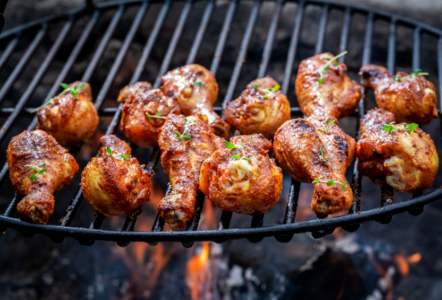
 Many people love the smoky flavor of food cooked on a charcoal grill. But before you fire one up, it helps to know what to expect.
Charcoal grilling has several downsides, including potential health risks from harmful chemicals, more cleanup, and less precise temperature control. These drawbacks don’t mean you should avoid charcoal grilling altogether, but they are worth considering before your next cookout.
In this article, you’ll learn about the main downsides of charcoal grilling, from the health risks of charcoal grilling to the extra time and effort it requires. This overview can help you decide whether charcoal is the right choice for you.
Longer Startup and Harder Temperature Control
 Charcoal grilling takes longer to start than gas grilling and requires more attention while you cook. You need to manage the heat manually, monitor the fire, and adjust it as needed.
Lighting the Coals Takes Time
Unlike a gas grill, a charcoal grill isn’t ready to cook at the turn of a knob. It can take 20 to 45 minutes for the coals to reach the right temperature.
Even if you rely on a chimney starter to speed up the process, you must wait patiently for fuel to catch. This hands-on preparation is a common hurdle for weeknight dinners.
A chimney starter is one of the best tools for lighting charcoal. Fill it with charcoal, light paper underneath, and let the coals heat up. This method avoids the chemical taste that lighter fluid can leave on food.
If you use lighter fluid, let it burn off fully before cooking to avoid a chemical taste. Either way, wait until the coals are glowing and covered with gray ash before you start grilling.
Maintaining Steady Heat Requires Attention
Once your coals are lit, your job isn’t over. Charcoal can burn unevenly, so temperature control takes ongoing effort.
You adjust the heat by opening or closing your grill’s vents. More airflow makes the coals burn hotter, while less airflow reduces the heat. Check the grill regularly and make small adjustments as you cook.
Unlike a gas grill, where you set a dial, a charcoal fire gradually loses heat. You may need to add more coals during a long cook. Weather matters, too: wind and cold air can affect the temperature and require additional adjustments.
Flare-Ups and Hot Spots Complicate Cooking
Charcoal doesn’t heat every part of the grill evenly. Some areas burn hotter than others, creating hot spots that can scorch food if you’re not paying attention.
Fat and grease dripping onto hot coals can also cause flare-ups. These sudden flames can char food or give it a burnt taste. Watch the grill closely and move food when flare-ups occur.
Moving food to a cooler spot on the grate helps prevent overcooking. Charcoal grilling therefore requires more hands-on attention than gas grilling, though flare-ups can occur with either type of grill.
When Two-Zone Cooking Helps
Setting up a two-zone fire gives you more control. Pile the coals on one side of the grill and leave the other side without coals.
This creates a hot zone for searing and a cooler zone for slower cooking. If a flare-up happens, you can move your food to the cooler side.
Two-zone cooking also works well for thicker cuts of meat. Sear the outside over direct heat, then move the food to the cooler zone to finish cooking without burning the surface. This method takes some setup but gives you more flexibility once the fire is going.
Managing a two-zone fire still requires vigilance. You have to monitor fuel levels on the active side while ensuring the indirect zone stays warm enough to finish cooking.
Using an instant-read thermometer alongside this technique helps you track internal heat without guessing. That way, you avoid leaving food on the grill too long.
Why Low-and-Slow Smoking Takes Practice
Low-and-slow smoking requires even more skill than regular grilling. You need to keep your grill between 225°F and 275°F for hours at a time.
This means checking the vents regularly and adding coals or wood as needed. A water pan inside the grill can help stabilize the temperature and keep food from drying out.
Keeping an instant-read thermometer on hand is also vital for monitoring thick cuts like brisket. A quick temperature check ensures meat is progressing without keeping the lid open too long.
New grillers often find this challenging at first. Temperatures can drift up or down, and it takes practice to learn how your grill responds to vent adjustments. Over time, you’ll get better at reading the fire and knowing when to adjust it.
Health Risks From High-Heat Cooking
 Evaluating the health risks of charcoal grilling often centers on two groups of chemicals associated with cancer risk: heterocyclic amines (HCAs) and polycyclic aromatic hydrocarbons (PAHs). Understanding how these compounds form can help you reduce exposure while still cooking food thoroughly.
How HCAs Form on Meat
Heterocyclic amines (HCAs) form when amino acids and creatine in muscle meat react at high temperatures. They can form when cooking meats such as beef, pork, chicken, fish, and lamb. Vegetables and plant-based proteins do not contain creatine in the same way, so they do not produce HCAs through this reaction.
The longer meat cooks at a high temperature, the more HCAs can form. They are found in higher amounts in charred or well-done areas of meat. The dark crust on a steak or blackened edges on grilled chicken can contain more of these compounds. Heterocyclic amines are classified as carcinogens and can form during high-heat cooking methods, including grilling and pan-frying.
How Drippings and Smoke Create PAH Exposure
Polycyclic aromatic hydrocarbons (PAHs) form differently from HCAs. When fat and juices drip onto hot coals, flames and smoke can carry PAHs back onto the food. Fattier cuts of meat can produce more drippings and, as a result, may increase PAH exposure during grilling.
PAHs can settle on meat as smoke rises and comes into contact with its surface. These compounds can also form when meat is smoked over wood or charcoal. Research on grilled meats has found that charcoal grilling can increase PAH exposure compared with some other cooking methods. The amount varies with cooking conditions, including how much smoke is produced; charcoal can produce more smoke than gas.
Ways to Reduce Charring Without Undercooking Food
You can minimize the health risks of charcoal grilling by curbing heterocyclic amines (HCAs) and polycyclic aromatic hydrocarbons (PAHs) without serving undercooked meat.
Try these steps:
- Trim visible fat before grilling to reduce dripping and flare-ups.
- Marinate meat for at least 30 minutes before cooking. Marinating meat before grilling has been shown to reduce HCA formation.
- Flip meat often rather than leaving one side over direct heat.
- Move coals to one side to create a two-zone fire and cook meat over indirect heat when possible.
- Use an instant-read thermometer to check doneness instead of relying on char or color. This helps you avoid overcooking meat while ensuring it reaches a safe temperature.
- Cut off charred portions before serving, since these parts can contain higher levels of HCAs.
Smoke, Air Quality, and Fire Safety
 Charcoal grills release smoke containing fine particles and gases. Smoke can affect the air you breathe, and hot coals and ash can remain dangerous long after cooking ends.
Smoke and Particulate Matter Can Irritate Airways
Burning charcoal releases particulate matter into the air. These tiny particles can travel deep into your lungs when inhaled.
Short-term exposure can make your eyes water or your throat feel scratchy. You may also cough or feel tightness in your chest, especially if you stand close to the grill.
People with asthma or other breathing problems may be more vulnerable to smoke. Research on charcoal grilling in restaurants suggests that heavy, repeated exposure can contribute to ongoing health problems for workers and nearby residents.
To lower your risk, you should:
- Grill outdoors in an open space with good airflow
- Stand upwind of the smoke when possible
- Avoid leaning directly over the grill while it is producing heavy smoke
Carbon Monoxide Makes Indoor or Enclosed-Space Grilling Dangerous
Burning charcoal produces carbon monoxide, a gas you cannot see or smell. Because it is undetectable by sight or smell, exposure can go unnoticed until symptoms begin.
Never use a charcoal grill indoors, in a garage, or in any enclosed space. Carbon monoxide can build up quickly and reach levels that cause serious harm.
Early signs of carbon monoxide exposure include headache, dizziness, and nausea. At higher levels, it can cause confusion, loss of consciousness, or death.
Some sources note that choosing fuel carefully and maintaining airflow can reduce smoke exposure, but these measures do not make indoor charcoal grilling safe from carbon monoxide. Use charcoal grills outdoors only, in an open area.
Hot Coals and Ash Remain a Hazard After Cooking
Your grill stays dangerous even after you finish cooking. Charcoal can hold heat for hours, and ash that looks cool on the surface may still be hot underneath.
Never touch coals or ash with bare hands until you know they have fully cooled. This can take several hours, depending on how much charcoal you used.
To dispose of ash safely, you should:
- Let the coals cool completely, ideally overnight
- Place ash in a metal container, not a plastic bag or bin
- Keep the container away from your house, deck, and other flammable materials
- Check the ash after a few hours to confirm it has cooled completely
Skipping these steps raises the risk of accidental fires, especially if you dump ash near dry leaves, mulch, or wood surfaces.
Fuel Costs and Messy Cleanup
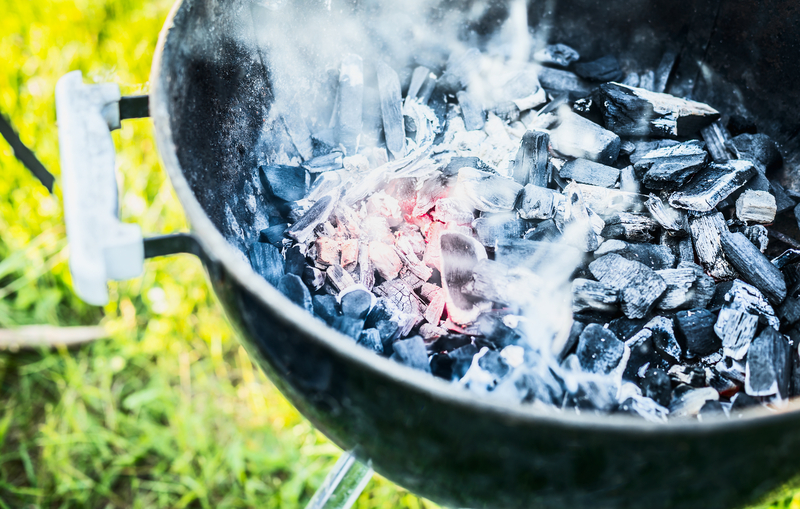 A charcoal grill can cost more to run than you might think once you add up fuel purchases over a full grilling season. You also have to clean up after every cook, unlike with a gas grill.
Upfront Price Versus Ongoing Fuel Costs
A charcoal grill often costs less to buy than a gas grill. But the savings can disappear over time because you need to buy fuel for every cook.
Gas grills connect to a propane tank or natural gas line, so your cost per meal can be lower and more predictable. With charcoal, you buy briquettes or lump charcoal each time you grill. Charcoal grills can also cost more than gas grills if you choose a higher-end model, cutting into any savings from the lower starting price.
Over a year of regular grilling, fuel costs add up. If you grill often, factor this ongoing expense into your decision before you buy.
Essential accessories also add to the bill. Purchasing items like a reliable chimney starter, heat-resistant gloves, and cleaning brushes increases your initial equipment budget.
Lump Charcoal and Briquettes Have Different Trade-Offs
Charcoal prices vary, and the type you choose affects both your costs and cooking results.
Charcoal briquettes are made from compressed charcoal dust and additives. They burn at a steady, predictable rate, which makes them easier to manage during long cooks.
Natural lump charcoal is made from burned wood and typically contains no additives. It lights faster and can burn hotter, but its pieces vary in size, so heat can be less consistent and the fuel may burn more quickly than briquettes.
| Type | Burn Time | Heat Output | Cost |
|---|---|---|---|
| Briquettes | Longer, steady | Moderate | Often cheaper |
| Lump charcoal | Shorter, less consistent | Higher | Often pricier |
Because lump charcoal may burn faster, you might need to buy it more often, raising your long-term fuel costs.
Ash Disposal Adds Work After Every Cook
Once your food is off the grill, you still have to deal with ash and leftover charcoal.
Charcoal grills require more cleanup than gas grills because you have to remove and safely dispose of the ash. Let it cool completely before handling it, since hot coals can remain dangerous for hours after cooking.
You also have to clean the grates, scrape off grease, and empty the ash catcher regularly to keep your grill working well. This cleanup is often cited as a main drawback of using a charcoal grill compared with other grilling methods.
Skipping these steps can lead to buildup that affects performance and safety over time.
Environmental Costs Beyond the Backyard
 Charcoal grilling does more than cook your food. It also releases air pollution and uses natural resources before the charcoal reaches your grill.
Combustion Releases Smoke and Greenhouse Gases
When you light charcoal, smoke carries particulate matter into the air. These particles can travel beyond your yard and affect neighborhood air quality.
Burning charcoal also releases carbon monoxide and carbon dioxide. One study estimated that charcoal grilling produces up to 11 kg of CO2 equivalent per kg of charcoal burned.
The type of charcoal also matters. Research shows that charcoal briquettes and lump charcoal can release different levels of harmful emissions, depending on their quality and how they are made.
If you grill often, these emissions add up, making backyard cookouts a recurring source of air pollution.
Wood Sourcing and Charcoal Production Affect the Overall Footprint
Charcoal starts as wood, and that wood has to come from somewhere.
Much of the world’s charcoal production relies on cutting down trees. This can lead to deforestation and greenhouse gas emissions before the charcoal reaches your grill.
Making charcoal also requires energy and often takes place in basic kilns. These kilns can be inefficient, wasting resources and creating excess pollution. One report notes that charcoal production and its emissions pose risks to the environment and nearby communities.
Both natural lump charcoal and briquettes depend on wood sourcing. Choosing one over the other does not remove the environmental costs of harvesting and processing the wood.
When Another Grill Makes More Sense
 Charcoal is not the right choice for every cook or every night. Consider your schedule, patience, and how much smoke flavor you want when choosing a grill.
Gas and Electric Grills Offer Greater Convenience
If you want food on the table fast, gas grills are generally more convenient than charcoal grills. Turn a knob, wait a few minutes, and start cooking. There is no need to use lighting fluid, wait for coals to ash over, or dispose of leftover ash.
For a versatile gas option, the Weber Spirit E-325 is a good example. This three-burner propane grill provides plenty of cooking space for everyday meals and includes Weber’s Snap-Jet ignition for straightforward burner lighting. Its Sear Zone and porcelain-enameled cast-iron cooking grates also make it suitable for burgers, chicken, steaks, and other foods that benefit from higher heat.
Electric grills offer similar convenience, especially if you live in an apartment or condo where open flames are restricted. Plug in, set the temperature, and cook without dealing with propane tanks, charcoal, or ash.
The Weber Lumin Portable Electric Grill is a compact option designed for outdoor electric grilling. Its portable design makes it easier to use on smaller patios, balconies, and other spaces where a full-size gas grill may not be practical. It also reaches high temperatures for grilling and searing while offering the convenience of electric power.
Neither option provides the same smoky flavor as charcoal. But if weeknight convenience matters more than smoke flavor, gas or electric grills can save you time and effort each time you cook.
When Smoky Flavor Justifies the Extra Effort
Charcoal grilling takes more work, but it can add smoky flavor. Smoke from burning charcoal and wood can settle on food, creating a taste that gas and electric grills do not fully replicate.
This matters most for foods cooked low and slow, like ribs, brisket, or whole chickens. The longer cooking time gives smoke more opportunity to flavor the meat.
It matters less for foods cooked fast and hot, like a quick burger or a few hot dogs. In those cases, smoke has little time to build flavor, so the extra setup may not be worth it. Save charcoal for meals where smoky flavor is the main goal.
How Kettle and Kamado Designs Affect the Trade-Off
Not all charcoal grills require the same effort. A Weber Original Kettle Premium is relatively easy to light and clean, and its affordable price makes it a good entry point if you want charcoal flavor without a steep learning curve.
Kamado grills, such as the Kamado Joe cost more but retain heat and moisture well because of their thick ceramic walls. They’re suited to long, low-and-slow cooks and can also reach high temperatures for searing.
| Grill Type | Best For | Learning Curve |
|---|---|---|
| Kettle | Quick grilling, burgers, vegetables | Low |
| Kamado | Low-and-slow smoking, searing | Moderate to high |
Choose based on how often you cook low and slow versus prepare quick weeknight meals.
Botton Line:What Are the Downsides of Charcoal Grilling?
 Charcoal grilling offers smoky flavor and plenty of cooking versatility, but it comes with trade-offs. Longer startup times, hands-on temperature control, smoke, ash cleanup, fuel costs, and the need to manage hot coals can make charcoal less convenient than gas or electric grilling.
There are also health and safety considerations. High-temperature cooking can produce HCAs and PAHs, while charcoal smoke and carbon monoxide make proper outdoor ventilation essential. Using a two-zone fire, avoiding excessive charring, keeping the grill clean, and cooking meat to a safe internal temperature can help reduce some of these concerns.
For cooks who enjoy the flavor and hands-on process, these disadvantages may be manageable. If convenience, precise temperature control, and easier cleanup are higher priorities, a gas or electric grill may better suit your cooking routine. The right choice ultimately depends on how you grill, how often you cook, and which trade-offs matter most to you.
FAQ: What Are the Downsides of Charcoal Grilling?
 The main downsides of charcoal grilling are longer setup times, more cleanup, less precise temperature control, and exposure to smoke. High-temperature cooking can also produce compounds such as HCAs and PAHs, particularly when meat is heavily charred or exposed to smoke and flames.
Does Charcoal Grilling Take Longer Than Gas Grilling?
Usually, yes. Charcoal needs time to ignite and develop a consistent cooking temperature before food is added, whereas a gas grill can generally be heated with the turn of a burner knob.
Is a Charcoal Grill Harder to Control?
Charcoal temperature can be more difficult to adjust precisely than gas. Heat depends on the amount and arrangement of charcoal, airflow through the vents, weather conditions, and whether the grill is being used for direct or indirect cooking.
Are Charcoal Grills Messier?
Yes. Charcoal produces ash that must be allowed to cool completely before disposal, and the grill generally requires more cleanup than a gas grill. Grease, food residue, and accumulated ash can also affect airflow and cooking performance if they are not removed regularly.
Does Charcoal Grilling Produce More Smoke?
Charcoal grilling typically produces more smoke than propane grilling, particularly when fat and meat juices drip onto hot coals. Smoke can add desirable flavor, but excessive smoke can also make food taste bitter or overly smoky and can contribute to exposure to combustion byproducts.
Is Charcoal Grilling Less Healthy?
Charcoal grilling is not automatically unhealthy, but high-temperature cooking of meat can form heterocyclic amines (HCAs), while smoke and dripping fat can contribute to polycyclic aromatic hydrocarbons (PAHs). Limiting heavy charring, reducing flare-ups, and avoiding prolonged exposure to smoke can help reduce these compounds.
Is Charcoal Grilling More Difficult for Beginners?
It can require more practice than gas grilling because you need to learn how to manage charcoal quantity, airflow, cooking zones, and temperature. Once these techniques become familiar, a kettle or other charcoal grill can be used for both high-heat grilling and slower indirect cooking.
Do Charcoal Grills Require More Storage and Maintenance?
They can. Charcoal needs to be stored dry and away from moisture, while ash must be safely disposed of after it has completely cooled. The grill itself should also be protected from rain and moisture to help prevent rust, particularly on uncoated steel and cast-iron components.