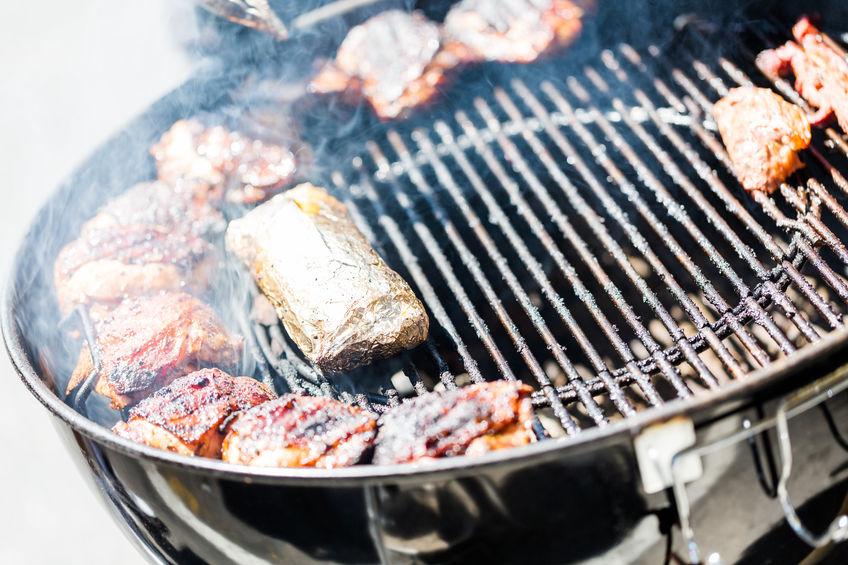
A standard charcoal grill stays hot for approximately 1 hour during high-heat grilling and 4 to 6 hours for low-temperature cooking, though this duration varies significantly based on fuel type, grill design, and airflow management.
Understanding these timeframes is essential for planning successful grilling sessions and ensuring food cooks properly without running out of heat midway through the process.
Multiple factors influence how long a charcoal grill maintains its heat, from the type of charcoal used to weather conditions and ventilation control.
Briquettes typically burn longer and more consistently than lump charcoal, while kamado-style grills retain heat far longer than standard kettle grills due to their thick ceramic walls.
Mastering heat duration requires understanding proper lighting techniques, charcoal arrangement methods, and common pitfalls that cause premature heat loss.
With the right knowledge and techniques, grillers can extend their cooking time significantly and maintain stable temperatures for everything from quick searing to extended smoking sessions.
How Long Will a Charcoal Grill Stay Hot?
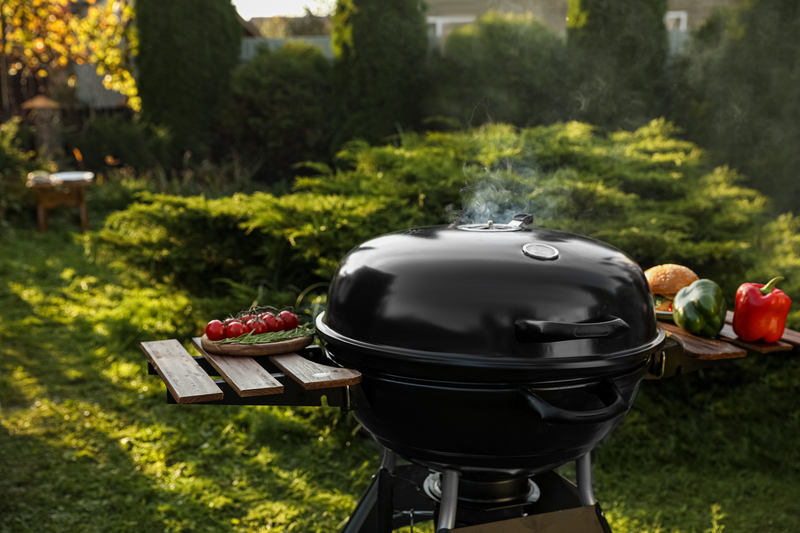
A charcoal grill’s heat duration ranges from one hour for high-heat cooking to six hours or more for low-temperature cooking, depending on fuel type, charcoal amount, and airflow management.
Recognizing temperature drops early helps maintain consistent cooking conditions.
Typical Heat Duration Ranges
A standard charcoal grill maintains cooking temperatures for 1 hour during high-heat grilling sessions like searing steaks.
The intense heat required for temperatures above 500°F consumes charcoal rapidly.
For low-and-slow cooking, charcoal grills sustain stable temperatures for 4 to 6 hours.
Some setups extend this duration significantly longer with proper techniques.
Briquettes vs. Lump Charcoal:
- Briquettes: Burn consistently for longer periods, ideal for extended cooking
- Lump charcoal: Burns hotter but faster, better for quick grilling
The amount of charcoal directly affects duration.
A full chimney starter provides approximately 2-3 hours of cooking time.
Half a chimney works for quick 30-60 minute sessions.
Grill type matters significantly.
Ceramic kamado grills retain heat for 12-24 hours due to superior insulation.
Standard kettle grills lose heat faster through their thinner walls.
Heat Sustainability for Cooking
Temperature control extends cooking time by managing airflow through vents.
Opening bottom vents increases oxygen flow, creating hotter but shorter burns.
Closing vents partially reduces heat while extending duration.
The snake method arranges unlit briquettes in a circle with lit coals at one end.
This setup provides 8-12 hours of consistent low heat as the “snake” burns slowly around the perimeter.
Two-zone fires create hot direct zones and cooler indirect zones.
This arrangement allows temperature flexibility while maintaining heat for 2-3 hours.
Adding pre-lit charcoal during cooking extends sessions without temperature drops.
Never add unlit charcoal directly to active fires, as this creates bitter smoke.
Weather impacts sustainability significantly.
Wind accelerates burning, while cold temperatures require more fuel to maintain target temperatures.
Signs Your Grill Is Losing Heat
Temperature drops become noticeable when food takes longer to cook than expected.
Steaks that normally sear in 2-3 minutes per side may require 4-5 minutes.
Visual indicators include coals changing from bright orange to darker red or gray.
Active flames disappear as heat diminishes.
The coals develop thicker ash layers that insulate and reduce heat output.
Hand test reveals temperature changes quickly. Holding a hand 5 inches above the grate should feel uncomfortably hot.
When this heat becomes tolerable for more than 2-3 seconds, temperatures are dropping.
Cooking performance suffers as grills lose heat.
Foods stop sizzling audibly when placed on grates.
Browning and caramelization slow down noticeably.
Ash buildup blocks airflow to remaining coals.
Gently tapping grates or using tools to remove excess ash can revive dying fires temporarily before adding fresh charcoal.
Factors That Impact Charcoal Grill Heat Time

Several key elements determine how quickly a charcoal grill reaches cooking temperature.
The type of charcoal, quantity used, grill construction, and weather conditions all play significant roles in heating performance.
Type and Quality of Charcoal
The charcoal selection dramatically affects heating time and temperature consistency.
Lump charcoal ignites faster than briquettes, typically reaching cooking temperature within 10-15 minutes.
Lump charcoal burns hotter initially but has an irregular burn pattern.
It creates intense heat quickly but may require more frequent additions during long cooking sessions.
Briquettes take approximately 20 minutes to reach full heat.
They burn more consistently and maintain steady temperatures for extended periods.
Higher quality charcoal contains less filler material and fewer additives.
Premium brands ignite more easily and produce cleaner, more predictable heat patterns.
Hardwood varieties like oak or hickory lump charcoal burn hotter than softer woods.
The density and moisture content of the charcoal directly impact ignition speed and heat output.
Amount of Charcoal Used
More charcoal creates higher temperatures and longer burn times.
A single layer of coals produces medium heat around 300-350°F.
Double-stacked charcoal generates high heat exceeding 400°F.
This configuration heats the grill faster but consumes fuel more quickly.
For quick heating, spread charcoal in a concentrated area rather than distributing it evenly.
The concentrated heat zone reaches cooking temperature faster than scattered coals.
Minimum quantities needed:
- Small grills: 2-3 pounds
- Medium grills: 4-5 pounds
- Large grills: 6-8 pounds
Too little charcoal struggles to reach proper temperatures. Insufficient fuel also leads to temperature drops during cooking.
Grill Design and Ventilation
Bottom vents control airflow to the charcoal bed.
Fully open vents allow maximum oxygen flow, accelerating ignition and increasing heat output.
Partially closed vents slow the heating process but provide better temperature control.
Completely closed vents can extinguish the fire.
Top vents affect heat circulation and retention within the cooking chamber.
Open top vents create stronger airflow but may cause faster heat loss.
Grill size impacts heating time:
- Smaller grills heat faster due to less air volume
- Larger grills require more time to reach uniform temperature
- Thick steel construction retains heat longer but takes more time initially
Kettle-style grills with rounded bottoms concentrate heat more effectively than flat-bottom designs.
The shape promotes better air circulation around the charcoal.
Kettle grills will stay hotter for longer than flat-bottomed or large drum-shaped grills.
Even the best kettle models are relatively affordable and will give you four or more hours of consistent heat from high-quality lump charcoal or briquettes.

It’s also affordable, especially when considering the quality.
Has a one-touch cleaning system that provides a hassle-free ash cleanup.
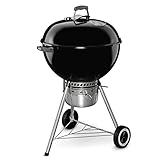

It features a useful one-touch cleaning system that cuts down on the mess when emptying ash and debris.

 The TRU-Infrared Kettleman Grill has the technology to evenly distribute heat and eliminate hot and cold spots for more consistent cooking.
Environmental Influences
Wind significantly affects charcoal grill performance.
Light breezes can accelerate heating by increasing oxygen supply to the coals.
Strong winds create uneven heating and may blow ash onto food.
Wind guards or positioning the grill in sheltered areas helps maintain consistent temperatures.
Temperature effects:
- Cold weather slows ignition and reduces heat output
- Hot weather accelerates charcoal burning
- Humidity affects charcoal lighting characteristics
Altitude impacts oxygen levels available for combustion.
Higher elevations may require longer heating times due to reduced air density.
Rain or snow prevents proper ignition and can extinguish lit charcoal.
Covered areas or grill shelters protect against weather interference.
Types of Charcoal and Their Heat Duration
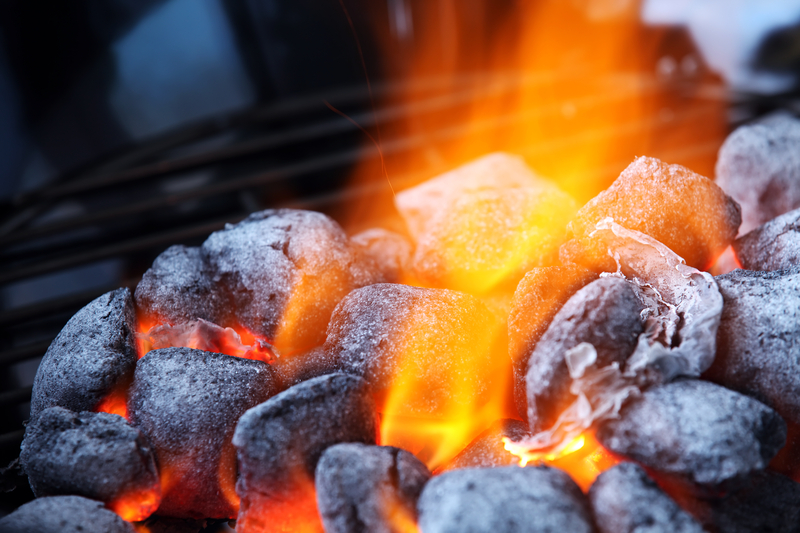
Different charcoal types produce varying heat intensities and burn durations, directly affecting cooking performance.
Lump charcoal burns hotter but shorter, while briquettes provide steadier, longer-lasting heat.
Lump Charcoal vs Briquettes
Lump charcoal reaches higher temperatures quickly, making it ideal for searing steaks and achieving crispy skin on poultry.
It typically burns at temperatures between 700-1000°F during peak heat.
The burn duration for lump charcoal ranges from 1 to 2 hours total.
Peak grilling temperatures last approximately 30-45 minutes before gradually declining.
Briquettes offer more consistent and predictable heat output.
They maintain steady temperatures between 400-600°F throughout their burn cycle.
Briquette burn time extends 2 to 3 hours or more, providing reliable heat for longer cooking sessions.
They take approximately 20 minutes to reach optimal grilling temperature.
The uniform shape of briquettes creates even heat distribution across the charcoal grill surface.
This consistency makes temperature control easier for beginners.
Choosing the Right Charcoal for Your Needs
Select lump charcoal for high-heat cooking methods like grilling burgers, steaks, or vegetables that require quick searing.
The intense heat creates excellent caramelization and grill marks.
Choose briquettes for slow-cooking applications such as smoking brisket, ribs, or whole chickens.
Their extended burn time eliminates the need for frequent charcoal additions.
Weather conditions influence charcoal performance.
Briquettes work better in windy or cold conditions due to their stable burn characteristics.
Consider cooking duration when selecting charcoal.
Meals requiring less than one hour benefit from lump charcoal’s quick ignition and intense heat.
For mixed cooking sessions involving both searing and slower cooking, start with lump charcoal for initial high-heat tasks, then add briquettes for sustained cooking.
Jealous Devil Natural Hardwood Charcoal is lump charcoal made from dense hardwood.
It can burn hotter than briquettes and almost as long.
In an open grill, the fuel will typically burn for at least four hours at lower temperatures.
In a smoker, you could get up to 20 hours of burn time.
Kingsford Original Charcoal Briquettes are designed for rapid searing, or, long-burning for over four hours at lower temperatures.
Cornstarch is used as a natural binder so you won’t experience any of the chemical odors or flavors that lower-quality briquettes produce.
How to Maintain and Extend Grill Heat

Proper heat management involves controlling airflow through vents, arranging charcoal strategically for consistent temperatures, and adding fresh fuel during longer cooking sessions.
Managing Airflow and Vents
Bottom vents control the primary oxygen supply to charcoal.
Opening them increases airflow and raises temperatures.
Closing them reduces oxygen and lowers heat output.
Top vents manage exhaust and create draft through the grill.
They should remain partially open during most cooking to maintain proper airflow patterns.
Start with both vents fully open when lighting charcoal.
This provides maximum oxygen for ignition and initial heat buildup.
Temperature Control Guidelines:
- High heat (450°F+): Both vents wide open
- Medium heat (300-400°F): Vents halfway open
- Low heat (225-275°F): Vents 1/4 open
Adjust vents gradually in small increments.
Temperature changes take 10-15 minutes to stabilize after vent adjustments.
Wind affects vent performance significantly.
Close vents partially on windy days to prevent excessive airflow that burns charcoal too quickly.
Optimal Charcoal Arrangement
Two-zone setup provides cooking flexibility and heat control.
Bank hot coals on one side for direct high heat. Leave the opposite side empty for indirect cooking zones.
Create a graduated heat zone by arranging coals in a slope.
Place the thickest layer against one wall, tapering to thinner coverage across the grate.
Charcoal Placement Strategies:
- Direct grilling: Even layer across entire grate bottom
- Indirect cooking: Coals pushed to opposite sides, center empty
- Ring of fire: Coals arranged in circle around perimeter
Lump charcoal requires different arrangement than briquettes.
Lump pieces burn hotter but less evenly, so distribute them more carefully for consistent coverage.
Use a charcoal chimney starter for even ignition.
This prevents cold spots from unevenly lit charcoal that can create temperature inconsistencies.
Adding Charcoal Mid-Cook
Fresh charcoal extends cooking time but requires timing to prevent temperature drops.
Add new fuel before existing coals burn too low.
Light additional charcoal in a chimney starter before adding to the grill.
Unlit charcoal absorbs heat and temporarily reduces grill temperature.
Mid-Cook Addition Methods:
- Hot coals: Add pre-lit charcoal from chimney starter
- Unlit method: Add unlit briquettes 30 minutes before needed
- Mixed approach: Combine hot and unlit charcoal for sustained heat
Add charcoal to the hottest existing coals for quick ignition.
Avoid placing new fuel in cooler areas where it may not light properly.
Monitor grill temperature with a reliable thermometer after adding fuel.
Temperature fluctuations are normal for 15-20 minutes after charcoal addition.
Plan additions based on cooking time remaining.
Each addition of lit charcoal provides approximately 45-60 minutes of additional cooking heat.
Lighting Techniques for Maximum Heat Retention
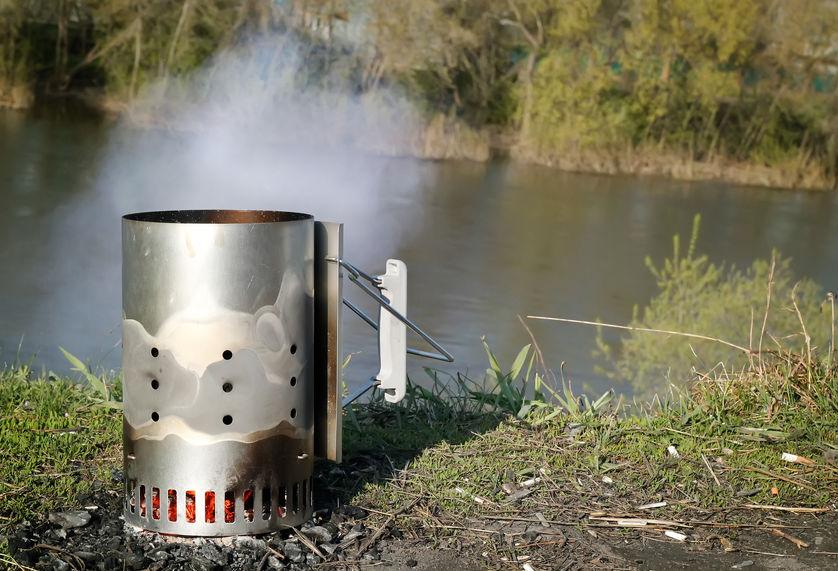
The method used to light charcoal directly impacts how long a grill stays hot and maintains consistent temperatures.
Proper lighting techniques create better airflow patterns and more even heat distribution throughout the charcoal bed.
Using a Charcoal Chimney Starter
A charcoal chimney starter provides the most efficient method for achieving maximum heat retention.
This cylindrical metal device creates an updraft that ignites charcoal evenly from the bottom up.
Setup Process:
- Fill the chimney starter with charcoal briquettes or lump charcoal
- Place crumpled newspaper or fire starter cubes in the bottom compartment
- Light the paper through the bottom vents
- Wait 15-20 minutes until coals turn gray with orange edges
The chimney starter method produces coals that burn more consistently than other lighting techniques.
It eliminates the need for lighter fluid, which can create uneven burning patterns.
The vertical design ensures optimal airflow during the lighting process.
Once coals are properly lit, they maintain higher temperatures for longer periods.
The even ignition creates a uniform heat bed that burns steadily for 3-4 hours under normal conditions.
Traditional Lighting Methods
Traditional lighting methods include lighter fluid application and fire starter blocks placed directly on the charcoal.
These techniques require careful attention to achieve optimal heat retention.
Lighter Fluid Method:
- Apply fluid evenly across charcoal surface
- Allow 2-3 minutes for absorption before lighting
- Light in multiple spots for even ignition
Fire Starter Blocks:
- Place 2-3 blocks among charcoal pieces
- Light blocks and wait for charcoal to catch
- Arrange coals for proper airflow
Traditional methods often result in shorter burn times compared to chimney starters.
Lighter fluid can cause hot spots that burn out quickly.
However, these techniques work effectively when proper spacing and ventilation are maintained throughout the lighting process.
Common Mistakes That Shorten Grill Heat Time

Several avoidable mistakes can significantly reduce how long a charcoal grill maintains cooking temperature.
Poor charcoal placement, incorrect airflow control, and fuel quality issues are the primary culprits that cause premature heat loss.
Improper Charcoal Arrangement
Many grillers create uneven heat distribution by piling charcoal randomly in the center of their grill.
This arrangement creates hot spots and cool zones that burn inefficiently.
The pyramid method provides optimal airflow and consistent burning.
Grillers should stack charcoal in a tight pyramid shape, allowing air to circulate between pieces while maintaining concentrated heat.
Spreading charcoal too thin across the entire grill surface reduces heat intensity.
The coals burn faster when scattered because they lack the thermal mass needed for sustained heat retention.
Two-zone setup works best for longer cooking sessions.
Place all lit charcoal on one side of the grill, creating direct and indirect cooking zones that burn more efficiently than scattered arrangements.
Leaving gaps between charcoal pieces disrupts heat flow.
Coals should touch each other to transfer heat effectively and maintain consistent temperatures throughout the cooking process.
Vent Mismanagement
Opening vents too wide causes charcoal to burn rapidly, consuming fuel faster than necessary.
Excessive airflow creates intense heat that burns out quickly rather than providing sustained cooking temperature.
Bottom vents control oxygen supply to the fire. Fully open vents increase burn rate dramatically, while partially closed vents extend burn time by limiting oxygen flow.
Top vents should remain partially open to prevent complete oxygen starvation.
Closing them entirely can extinguish the fire, while opening them fully accelerates burning.
Wind exposure amplifies vent effects on burn rate.
Grills positioned in windy areas require more careful vent adjustment to prevent rapid fuel consumption.
The ideal vent position varies by cooking method:
- High heat grilling: Vents 75% open
- Medium heat cooking: Vents 50% open
- Low and slow: Vents 25% open
Using Wet or Poor-Quality Charcoal
Moisture in charcoal significantly reduces burn efficiency and heat output.
Wet charcoal produces steam instead of consistent heat, causing temperature fluctuations and shorter burn times.
Storage location affects charcoal quality.
Charcoal stored in damp garages, basements, or outdoor sheds absorbs moisture from humid air, reducing its effectiveness.
Briquettes vs. lump charcoal burn differently.
Low-quality briquettes contain fillers that burn cooler and faster than pure hardwood lump charcoal, which provides longer-lasting heat.
Old charcoal loses potency over time.
Charcoal exposed to air and moisture for months burns less efficiently than fresh fuel stored in sealed containers.
Quality indicators include consistent size, solid structure, and dry appearance.
Charcoal that crumbles easily or feels damp will not maintain steady heat for extended periods.
Additional Tips for Charcoal Grilling Success
Maximizing your charcoal grilling experience involves three crucial practices: salvaging unused fuel for future cooking sessions, tracking temperature accurately, and handling hot materials with proper safety measures.
Reusing Partially Burnt Charcoal
Partially burnt charcoal retains significant fuel value and can be reused effectively.
After grilling, close all vents to cut off oxygen supply and extinguish the fire completely.
Wait for the charcoal to cool completely before handling.
Remove any ash buildup by gently shaking or tapping the pieces.
Storage requirements:
- Keep reused charcoal in a dry, ventilated container
- Protect from moisture to prevent deterioration
- Mix with fresh charcoal for optimal performance
Reused charcoal ignites more quickly than fresh pieces since it has already been carbonized.
Combine approximately 30% reused charcoal with 70% fresh charcoal for best results.
This practice reduces waste and cuts fuel costs significantly.
Store the salvaged pieces in a metal container away from moisture sources.
Monitoring Temperature
Accurate temperature monitoring ensures consistent cooking results on a charcoal grill.
Install a reliable grill thermometer at grate level for precise readings.
Built-in lid thermometers often read 50-75 degrees higher than actual cooking temperature.
Place a separate thermometer near the food for accuracy.
Temperature zones for different cooking methods:
- High heat (450-550°F): Searing steaks, burgers
- Medium heat (350-450°F): Chicken, fish, vegetables
- Low heat (225-325°F): Slow cooking, smoking
Digital probe thermometers provide real-time monitoring without opening the lid frequently.
Opening the lid drops internal temperature by 25-50 degrees.
Adjust air vents to control temperature.
Open vents increase heat while closed vents reduce it.
Safe Handling and Ash Disposal
Hot charcoal and ash require careful handling to prevent burns and fire hazards.
Always wear heat-resistant gloves when adjusting coals during cooking.
Use long-handled tools to maintain safe distance from heat sources.
Keep a spray bottle filled with water nearby for emergencies.
Ash disposal safety steps:
- Allow ashes to cool completely (24-48 hours minimum)
- Store in metal container with tight-fitting lid
- Keep container away from combustible materials
- Dispose in non-combustible waste area
Never dispose of warm ashes in plastic containers or near flammable materials.
Even seemingly cold ashes can retain heat for several days.
Store the metal ash container at least 10 feet from structures, deck railings, or dry vegetation.
Water can be added to completely extinguish any remaining embers before disposal.