

 Backyard grilling has evolved far beyond the basic charcoal and gas setups of the past.
Today’s outdoor cooking enthusiasts are discovering a new type of grill that combines the best of traditional smoking with modern technology.
A pellet grill is an outdoor cooking device that burns compressed wood pellets to create heat and smoke, using electric-powered components and digital controls for precise temperature management.
Unlike traditional grills, these innovative cookers automate much of the cooking process while delivering authentic smoky flavors that rival professional barbecue pits.
Understanding how pellet grills operate opens up a world of cooking possibilities, from low-and-slow smoking to high-heat grilling.
These versatile machines offer consistent results through their unique combination of fuel delivery systems, temperature controls, and advanced features that make quality barbecue accessible to both beginners and experienced pitmasters.
Defining a Pellet Grill

A pellet grill is an outdoor cooking device that burns compressed hardwood pellets as fuel instead of gas or charcoal.
These grills combine features from traditional smokers, gas grills, and ovens to create a versatile cooking system.
How Pellet Grills Differ from Charcoal and Gas Grills
Pellet grills use a unique fuel system that sets them apart from other outdoor cooking methods.
Instead of propane tanks or charcoal briquettes, they burn compressed hardwood pellets made from sawdust.
The main difference is how heat gets controlled.
Gas grills use burner knobs to adjust flame size. Charcoal grills require manual air vent adjustments to change temperature.
Pellet grills work with digital controllers that automatically feed pellets into the firebox.
An electric auger system moves pellets from a storage hopper to the burn pot as needed.
This creates more precise temperature control than charcoal or gas options.
Users can set exact temperatures and maintain them for hours without constant monitoring.
The fuel source also affects flavor. Gas grills produce minimal smoke flavor.
Charcoal adds some smoky taste but burns hot and fast.
Pellet grills burn wood continuously at lower temperatures.
This creates consistent smoke that adds natural wood flavors to food throughout the cooking process.
Popular Uses in Outdoor Cooking
Pellet grills excel at multiple cooking methods that make them popular for backyard bbq enthusiasts.
They can grill, smoke, bake, roast, and braise food using the same device.
Smoking is where pellet grills really shine.
They maintain steady low temperatures between 180-250°F for hours.
This makes them perfect for smoking brisket, ribs, and pork shoulder.
Many people use them as outdoor ovens too.
The enclosed design and precise temperature control work well for baking pizza, bread, and desserts.
Grilling at higher temperatures works for burgers, steaks, and chicken.
Most pellet grills can reach 400-500°F for searing meat.
The “set it and forget it” operation appeals to busy cooks.
Unlike traditional smokers that need constant attention, pellet grills maintain temperature automatically.
This makes them ideal for long cooking sessions and entertaining guests during outdoor cooking events.
Core Components and Their Functions
A pellet grill operates through five essential components that work together to create consistent heat and smoke.
The hopper stores hardwood pellets, while an auger feeds them to the fire pot where an igniter rod starts combustion, and the cooking chamber with drip tray handles the actual food preparation.
Hopper and Wood Pellets
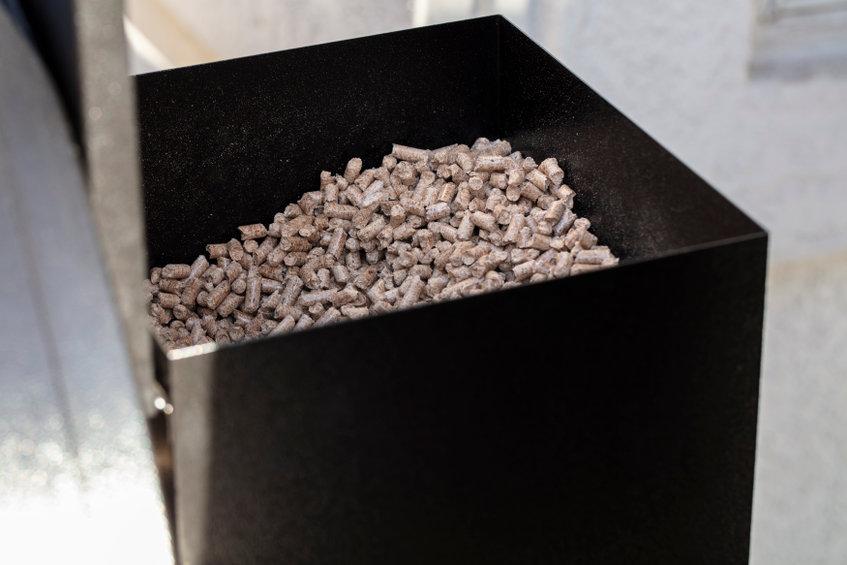
The hopper is a storage box that holds wood pellets before they enter the cooking process.
Most hoppers sit on the left side of the grill above the temperature controls.
Pellet grills require specially made hardwood pellets instead of regular wood chips.
These pellets are made from compressed sawdust and burn much longer than traditional wood chips.
Key pellet characteristics:
- Made from 100% hardwood sawdust
- Very dense construction
- Burn longer than wood chips
- More expensive per bag but last longer
Users should not store pellets in the hopper long-term.
Humidity and temperature changes can damage pellets and make them less effective.
It’s better to store pellets indoors in airtight containers.
Auger and Pellet Delivery
The auger is a rotating screw mechanism that moves pellets from the hopper to the fire pot.
This automatic system controls pellet delivery based on the temperature setting.
When someone plugs in the grill and sets a temperature, the auger begins moving pellets at a specific rate.
Higher temperatures require more pellets, so the auger moves faster.
The auger fills with pellets during the startup process.
This takes about 10-15 minutes and is called “priming the grill.”
The digital controller manages auger speed automatically.
Users don’t need to manually control pellet flow once they set their desired temperature.
Fire Pot and Igniter Rod
The fire pot is where pellets burn to create heat and smoke.
It contains a heating rod that reaches very high temperatures during startup.
The igniter rod gets extremely hot and lights pellets when they fall into the fire pot.
Once pellets contact the hot rod, they begin to smolder and produce smoke.
Temperature settings affect how the fire pot operates:
- Higher temps: Rod gets hotter, pellets burn faster, less visible smoke
- Lower temps: Pellets burn slower, more visible smoke produced
A circulation fan near the fire pot provides oxygen and helps control burn rate.
This fan is important for maintaining steady temperatures.
Quality pellet grills include this fan feature for better temperature control.
Cooking Chamber and Drip Tray
The cooking chamber holds the food and contains several important parts.
Cast iron grates are preferred over steel because they last longer and distribute heat better.
A heat shield sits below the grates and spreads heat evenly throughout the chamber.
Some grills let users move this shield to allow direct heat from the fire pot.
The drip tray catches grease and food drippings during cooking.
It sits under the heat shield and directs grease away from the fire pot.
Most grills include a removable grease bucket that connects to the drip tray.
Disposable bucket liners make cleanup faster and easier after cooking sessions.
How Pellet Grills Work: Step-by-Step Process

Pellet grills operate through a simple automated system that feeds wood pellets into a fire pot and uses digital controls to maintain exact temperatures.
The process involves three main stages: starting the fire, controlling temperature automatically, and managing airflow throughout the cooking area.
Startup and Ignition
The startup process begins when a user fills the hopper with wood pellets and sets their desired temperature on the digital controller.
An electric auger system starts moving pellets from the hopper into the fire pot.
The ignition process uses a hot rod igniter to light the first pellets.
This electric igniter heats up to around 700°F and stays on for several minutes.
During this time, the auger continues feeding pellets into the fire pot.
Internal fans blow air into the fire pot to help the pellets catch fire.
The combination of heat from the igniter and airflow creates combustion.
Once the pellets are burning steadily, the igniter automatically shuts off.
The entire startup process takes about 10-15 minutes.
Users can see when the grill reaches the set temperature on the digital display.
Automatic Temperature Control
The digital controller acts as the brain of the pellet grill.
It constantly monitors the internal temperature using built-in sensors.
When the temperature drops below the set point, the controller signals the auger to feed more pellets.
Most pellet grills can maintain temperatures within 10-15°F of the target setting.
The temperature range typically spans from 180°F for smoking up to 500°F for high-heat grilling.
The auger runs in timed cycles rather than continuously.
For lower temperatures, it might run for 10 seconds every few minutes.
For higher temperatures, it runs more frequently to feed more pellets.
Advanced digital controls on some models include WiFi connectivity and smartphone apps.
These features let users monitor and adjust temperatures remotely.
Managing Airflow and Heat Distribution
Internal fans control airflow throughout the cooking process.
These fans serve two main purposes: maintaining combustion in the fire pot and circulating hot air around the cooking chamber.
The combustion fan blows air directly into the fire pot to keep pellets burning efficiently.
This fan runs constantly during cooking to maintain steady heat output.
A convection fan moves heated air throughout the cooking chamber.
This creates even heat distribution similar to a convection oven.
The circulating air eliminates hot and cold spots.
Some pellet grills include adjustable vents or dampers.
Users can open or close these vents to fine-tune airflow and temperature control.
The combination of fans and vents creates consistent cooking temperatures across the entire grill surface.
Fueling the Flavor: Wood Pellets Explained
Wood pellets create the unique taste that makes pellet grilling special.
Different types of hardwood pellets produce distinct flavors, while the burning process creates the smoky taste that enhances food.
Types of Wood Pellets and Their Impact
Wood pellets come in many varieties, each adding different flavors to food.
Hardwood pellets are made from compressed sawdust and wood chips without added chemicals.
Popular pellet types include:
| Wood Type | Flavor Profile | Best For |
|---|---|---|
| Apple | Mild, sweet | Pork, chicken |
| Cherry | Sweet, fruity | Beef, poultry |
| Hickory | Strong, bacon-like | Ribs, brisket |
| Oak | Medium, classic | All meats |
| Mesquite | Bold, earthy | Beef, game |
Fruit woods like apple and cherry create gentle, sweet flavors.
They work well for beginners or delicate meats.
Nut woods such as pecan add rich, nutty tastes.
These pair well with pork and poultry.
Strong woods like hickory and mesquite produce intense flavors.
Experienced cooks often use these for red meats that can handle bold tastes.
Food-grade pellets burn cleanly and completely.
This clean burning helps create consistent heat and smoky flavor without bitter tastes.
The Science of Smoky Taste and Flavor
Smoky taste comes from compounds released when wood pellets burn at controlled temperatures.
The burning wood creates tiny particles and gases that stick to food surfaces.
Pellet grills burn hardwood pellets between 225°F and 450°F.
This temperature range produces the right amount of smoke without creating harsh flavors.
The pellets have more surface area than whole wood pieces.
This extra surface area helps them burn more completely and produce steady smoke.
Complete combustion means cleaner smoke with better flavor.
Dirty smoke from incomplete burning can make food taste bitter or unpleasant.
The fan system in pellet grills moves the smoky flavor around the cooking chamber.
This circulation helps the smoke reach all sides of the food evenly.
Wood pellets create consistent smoke production throughout the cooking process.
Unlike wood chips that burn quickly, pellets provide steady flavor for long cooking sessions.
Performance and Versatility in Cooking
 Pellet grills deliver consistent heat control and can handle multiple cooking methods on one machine.
They excel at smoking meats while also offering grilling and baking capabilities that traditional smokers cannot match.
Grilling, Searing, and Smoking
Pellet grills handle three main high-heat cooking methods with precision.
The digital controls maintain steady temperatures for consistent results across the cooking area.
Grilling works well for burgers, chicken, and vegetables.
Most pellet grills reach 450-500°F for standard grilling tasks.
The wood pellets add flavor that gas grills cannot provide.
Searing presents some limits compared to gas or charcoal grills.
Many pellet grills max out around 500°F, which works for basic searing.
Some newer models include sear plates or direct flame access for better browning.
Smoking is where pellet grills shine most.
They hold low temperatures between 180-250°F for hours without constant attention.
The automated pellet feed keeps smoke flowing steadily.
A meat thermometer helps track internal temperatures during long smoking sessions.
The versatility means switching between methods on the same cook.
Start with smoking at low heat, then increase temperature for finishing.
Slow Cooking and Baking Options
Pellet grills work like outdoor ovens for slow cooking and baking tasks.
The even heat distribution across the cooking area makes them suitable for recipes beyond typical grilling.
Slow cooking excels with tough cuts like brisket and pork shoulder.
Set temperatures between 225-275°F and let the grill maintain heat for 8-12 hours.
The consistent temperature control prevents hot spots that can dry out meat.
Baking opens up new cooking options. Pizza, bread, and desserts all work well.
Most pellet grills reach 400-450°F, which handles most baking needs.
The wood smoke adds subtle flavor to baked items.
The large cooking area accommodates multiple dishes at once.
Cook a roast while baking side dishes on the same grill.
Temperature zones vary slightly across the grill surface, allowing for different cooking speeds.
Advanced Features and Ease of Use
Modern pellet grills include digital controls that let users set exact temperatures and monitor cooking remotely through smartphone apps.
These safety and convenience features make pellet grilling simple for beginners and experienced cooks alike.
Digital Controls and Wi-Fi Connectivity
Most pellet grills come with digital controllers that replace old manual controls.
These systems use sensors to read the grill’s temperature.
They automatically adjust how fast pellets feed into the fire.
Users can set their desired temperature on a digital display.
The controller keeps the heat steady without constant checking.
This makes cooking much easier than with gas or charcoal grills.
Wi-fi connectivity lets people control their grill from anywhere.
They can change temperatures, check cooking progress, and get alerts on their phones.
Some apps send notifications when food reaches the right temperature.
Advanced models include multiple meat thermometer probes.
These monitor different foods at the same time.
Users can track internal temperatures for each piece of meat without opening the grill.
Convenience and Safety Enhancements
Digital systems include built-in safety features.
They shut down automatically if temperatures get too high or too low.
This prevents fires and protects the grill from damage.
Many grills have easy startup sequences.
Users press one button and the grill lights itself.
The system feeds pellets and starts the fire without matches or lighter fluid.
Pellet grills produce less ash than charcoal.
They create cleaner fires with less smoke.
This makes cleanup faster and easier.
The automated feeding system means users don’t need to add fuel during cooking.
The hopper holds enough pellets for hours of cooking time.
Perfect for Beginners: Easy, Smart, and Flavor-Packed Wood Pellet Grilling — Your All-in-One Backyard Grill and Smoker Solution
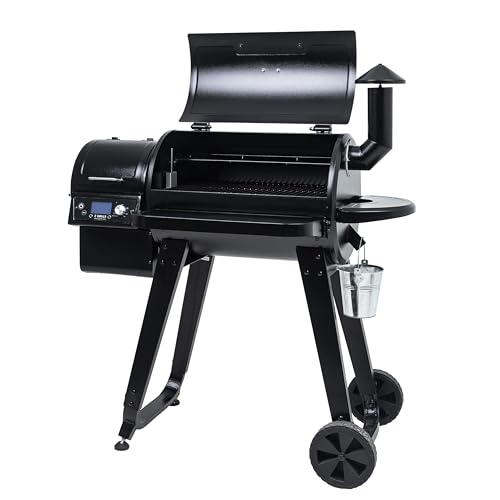
 The Z GRILLS ZPG-450A Wood Pellet Grill & Smoker is a versatile 8-in-1 outdoor cooking system that lets you grill, smoke, bake, roast, braise, sear, char-grill, and barbecue—all with the rich flavor of real wood fire.
Designed for easy, automatic temperature control, it’s ideal for both beginners and seasoned grillers.
Key Features:
- PID V2.1 Controller: Maintains precise temperature from 160°F to 450°F with minimal fluctuation.
- Cooking Area: 459 sq. in. total (331 sq. in. main rack + 128 sq. in. warming rack), perfect for small families or gatherings.
- Pellet Hopper: 15 lb capacity provides hours of continuous cooking without refilling.
- Meat Probe Included: Monitors internal food temperature via digital display.
- Foldable Front Shelf: Offers convenient prep and storage space.
- Durable Construction: Heavy-duty steel body with high-temp powder coating for long life.
- Grease Management: Sloped tray and bucket system for easy cleanup.
- Mobility: Two wheels for transport and locking legs for stability.
- Warranty: 3-year limited manufacturer warranty.
Advantages:
- Consistent heat control for “set it and forget it” operation.
- Compact, efficient design with full-size versatility.
- Delivers authentic wood-smoked flavor across multiple cooking styles.
Considerations:
- Requires regular cleaning of ash and grease components.
- Pellet quality affects performance; store pellets in a dry place.
- Max temperature (~450°F) may limit intense searing compared to gas or charcoal grills.
The ZPG-450A balances precision, flavor, and convenience—making it one of the best-value pellet grills for everyday outdoor cooking.