

This content has been archived. It may no longer be relevant

Grilling with wood instead of charcoal is entirely possible and can offer a distinct flavor profile that many find appealing.
Wood provides a unique smoky aroma and taste, but it requires more attention to maintain temperature and control flames compared to charcoal.
Using wood directly involves managing an open flame and the burning embers to cook food evenly, which can be more challenging than using charcoal’s steady heat.
Some grillers even combine wood and charcoal to balance flavor and heat control.
For those curious about elevating their grilling experience or exploring different fuel options, understanding how to use wood properly on a grill can unlock new cooking possibilities.
Can You Grill with Wood Instead of Charcoal?

Grilling with wood offers a distinct flavor profile and a different cooking experience compared to charcoal.
It involves managing fire and smoke more actively, with choices about wood type and grilling technique affecting the final result.
Fundamental Differences Between Wood and Charcoal
Charcoal is processed wood that burns evenly and at a consistent temperature, making it easier to control.
Wood, by contrast, tends to burn with more fluctuation in heat and produces varying smoke levels depending on moisture and type.
Wood grilling requires controlling open flames and allowing embers to develop for steady cooking, while charcoal quickly creates hot embers.
Wood also releases more complex smoke compounds, which can enhance flavor but may require more attention to avoid overpowering the food.
Types of Wood Suitable for Grilling
Hardwoods are the preferred choice for grilling because they burn longer and produce cleaner smoke.
Common grilling woods include:
Softwoods like pine or cedar are generally avoided due to high resin content, which can create bitter flavors and excessive smoke.
Wood chips and chunks are often soaked in water to slow burning and reduce flare-ups, improving temperature regulation.
Direct Versus Indirect Grilling Methods
Direct grilling places food directly over the heat source, suitable for quick-cooking items like steaks or vegetables.
With wood, this requires careful flame control to prevent charring from open flames.
Indirect grilling means positioning food away from the fire, using heat and smoke to cook it slowly.
This method is more common with wood because it allows for better temperature control and more even smoke exposure, ideal for larger cuts or tougher meats.
Grillers often combine both methods by starting food with direct heat for searing, then moving it to indirect heat for slow cooking and smoke absorption.
Benefits of Grilling with Wood

Grilling with wood offers distinct advantages related to flavor, aroma, and environmental considerations.
These benefits make it a preferred choice for those who seek a more authentic and sustainable grilling experience.
Flavor Enhancement
Wood provides a diverse range of flavors unavailable with charcoal.
Different types of wood, such as hickory, mesquite, apple, and cherry, impart their unique taste profiles to the food.
This enhances the natural flavors of meat and vegetables with subtle smoky notes.
The combustion of wood produces varying heat levels and burn times depending on the species and moisture content.
This allows for greater control over cooking temperatures and flavor intensity.
The direct contact of wood smoke interacts chemically with the food’s surface, producing complex flavor compounds that charcoal cannot replicate.
Natural Aroma and Smoke Profile
Wood smoke releases aromatic compounds that contribute significantly to the grilling experience.
These aromas vary widely based on the type of wood used, influencing both the scent and taste of grilled foods.
Many grillers prefer fruit woods like apple or cherry for their mild, sweet aroma.
Hardwoods such as oak or hickory generate a stronger, more robust smoke.
Using wood also allows layering smoke by combining different woods, creating customized profiles specific to the dish.
Sustainability and Environmental Impact
Wood is often considered more sustainable than charcoal, especially when sourced locally and responsibly.
Many types of grilling wood come from renewable tree trimmings or byproducts rather than specially harvested timber.
Unlike charcoal, which undergoes an energy-intensive manufacturing process, wood used directly emits fewer pollutants if burned properly.
Careful management of airflow and smoldering conditions can reduce harmful smoke and maximize fuel efficiency.
This makes grilling with wood a potentially greener option when executed with attention to sourcing and technique.
Considerations Before Choosing Wood
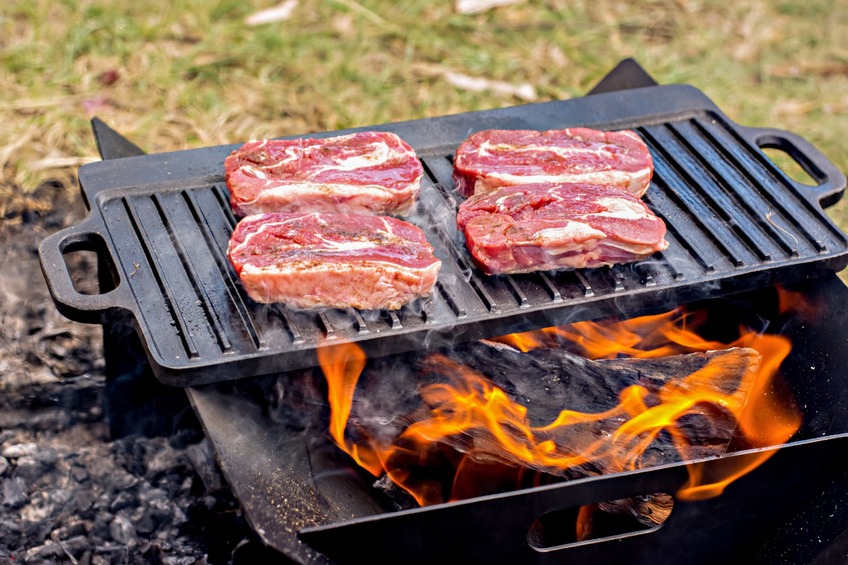
Grilling with wood requires attention to several critical factors.
Heat intensity, proper wood seasoning, and safety all influence the cooking results and the overall grilling experience.
Heat Output and Temperature Control
Wood generally burns hotter than charcoal, which means grilling times and temperatures must be adjusted accordingly.
Different wood types produce varying heat levels; hardwoods like oak and hickory provide stable, high heat suitable for longer cooks.
Controlling temperature can be more challenging with wood because it burns faster and less uniformly.
Grillers often manage heat by using different sized chunks or mixing wood with charcoal for better regulation.
Using a reliable thermometer and learning to monitor the fire closely will help maintain the desired cooking temperature.
This control is essential to avoid burning food or uneven cooking.
Preparation and Storage of Wood
Wood used for grilling must be properly seasoned and dry to avoid excessive smoke and off-flavors.
Moist or green wood contains moisture that creates soot and unpleasant tastes during burning.
Seasoned wood should be stored in a dry, ventilated area away from ground contact.
Proper storage keeps it dry and ready to ignite evenly.
Cutting wood into manageable sizes, such as chunks or small logs, ensures consistent burning and easier fire management.
Before use, wood can be tested by tapping pieces together; dry wood sounds hollow and dries faster.
Using properly prepared wood improves flavor and safety during grilling.
Potential Health and Safety Issues
Using wood for grilling introduces specific safety considerations.
It produces more sparks and can cause flare-ups, so keeping a safe distance from the fire and having extinguishing materials nearby is important.
Some woods contain harmful resins or chemicals that can release toxic fumes when burned.
Only untreated, food-safe hardwoods should be used.
Excessive smoke from improperly seasoned wood may irritate the respiratory system and affect food quality.
Proper ventilation and choice of wood type minimize these risks.
Grillers must also be aware of local regulations regarding open flames and wood smoke to ensure compliance and safety during use.
Techniques for Grilling with Wood
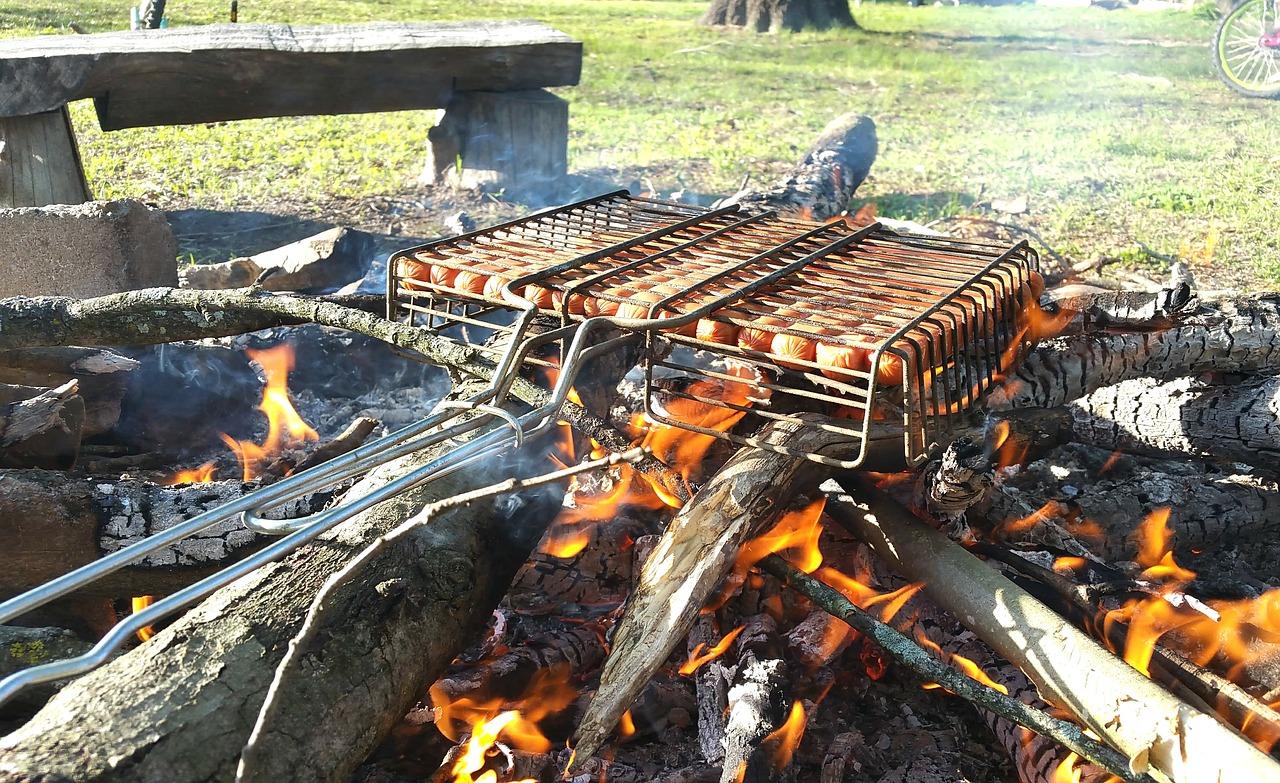
Grilling with wood requires control over fire-building, heat management, and timing. Effective methods focus on creating stable embers, cooking at consistent temperatures, and preventing flare-ups.
Understanding these techniques helps achieve good flavor without overcooking or smoke issues.
How to Build and Maintain a Wood Fire
Start with small, dry kindling like cedar or pine to ignite the fire quickly.
Arrange the wood in a teepee or log cabin style for good airflow.
Use natural firestarters, newspaper, or thin sticks to get the flames going.
Once the fire is established, allow the flames to subside to coals before cooking.
Maintain the heat by adding larger hardwood pieces gradually.
Avoid adding too much wood at once to prevent sudden temperature spikes.
Keep a grill thermometer handy to monitor the temperature.
Adjust vents or open the grill lid briefly to control oxygen flow and avoid excessive flames.
Best Practices for Cooking over Wood
Use indirect heat by placing coals to one side of the grill for slower cooking.
This prevents food from charring too quickly due to the higher temperatures wood can produce compared to charcoal.
Select hardwood types like oak, hickory, or fruitwoods for steady heat and desirable smoke flavors.
Avoid softwoods with resin, as they can create unpleasant taste and excessive smoke.
Turn food frequently to ensure even cooking.
Keep a spray bottle of water nearby to douse any flare-ups promptly.
Always preheat the grill for at least 20 minutes for consistent heat.
Tips for Avoiding Common Mistakes
Never grill with wet or green wood, as it produces thick smoke and off flavors.
Always use well-seasoned, dry wood for clean combustion and better heat.
Avoid cooking directly over large open flames.
Flames can burn meat on the surface while leaving the inside undercooked.
Wait for embers before placing food on the grill.
Don’t overload the grill with wood at once.
This causes temperature spikes and uneven cooking. Instead, add wood sparingly and maintain a steady flame or coal bed.
Selecting the Best Wood for Different Foods
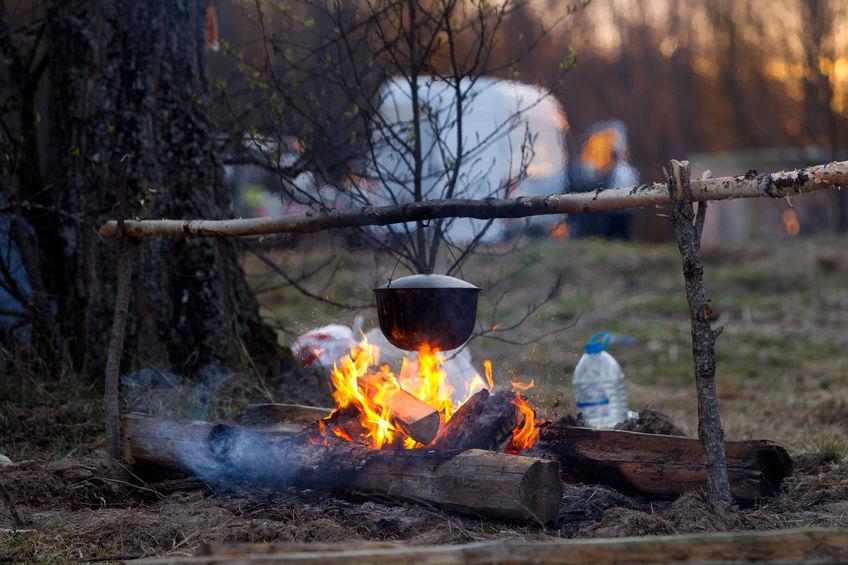
Choosing the right wood is essential for enhancing the flavor of grilled foods.
Different woods impart unique tastes and aromas, which vary depending on the type of food being cooked.
This section outlines specific wood recommendations for meats, vegetables, and fish based on their flavor profiles.
Matching Wood Types to Meat
Hardwoods like hickory, oak, and mesquite are popular for grilling meats due to their strong, smoky flavors.
Hickory adds a robust, bacon-like taste, making it ideal for pork and ribs.
Oak provides a medium smoke intensity suitable for beef and lamb, balancing flavor without overpowering the meat.
Mesquite burns hot and fast, delivering a bold, earthy smoke best reserved for quick-cooking steaks.
For poultry, milder woods such as applewood and cherry are preferred.
These woods lend a subtle sweetness that complements chicken and turkey without masking their natural flavors.
Avoid resinous woods like pine, which can give off undesirable tastes and harmful fumes.
Wood Choices for Vegetables and Fish
Vegetables and fish benefit from lighter, fruitwoods that impart delicate smoky notes.
Alder is widely favored for fish, especially salmon, due to its gentle, slightly sweet aroma that enhances rather than overwhelms the natural flavor.
Apple and cherry wood also work well with fish, giving it a mild fruity smoke.
Vegetables pair best with mild woods like maple or pecan, which add a hint of sweetness and subtle smoke.
Stronger woods can easily dominate vegetable flavors, so choosing a light wood is key for maintaining balance.
Combining woods in small amounts can create layered flavors without overpowering the dish.
Equipment and Accessories for Wood Grilling

Wood grilling requires specific equipment to manage temperature and maintain safety.
The right tools help control the fire and enhance the flavor without complicating the process.
Choosing Appropriate Grills and Fire Pits
Grills designed for charcoal often work with wood, but not all are ideal.
A grill with adjustable grates helps regulate heat by raising or lowering the cooking surface above the wood.
Fire pits or grills with open chambers allow better airflow and easier wood placement.
Cast iron or heavy steel construction holds heat well and withstands the higher temperatures wood fires produce.
Some prefer dedicated wood-fired grills or smokers with separate fireboxes.
These improve control by isolating the wood fire from the cooking area, offering steadier heat and smoke flow.
Essential Tools for Handling Wood
Handling wood safely needs specific tools due to the size and intensity of wood fires.
Long-handled tongs and fireproof gloves protect hands when adding or moving burning logs.
A fire poker or rake is useful for spreading embers and keeping flames controlled under the grill grate.
Wood for cooking should be seasoned and cut into manageable chunks or splits to light easily and burn evenly.
Additionally, natural firestarters like kindling or dried twigs help ignite wood without chemicals.
A small metal bucket for ash disposal is important to prevent buildup and keep the grilling area clean.
Comparing Wood, Charcoal, and Other Grill Fuels

Different grill fuels offer varied heat control, flavor profiles, and practical factors like cost and accessibility.
Understanding these specifics helps in choosing the right fuel for a particular grilling style or need.
Performance and Cooking Results
Wood burns hotter and faster than charcoal, requiring careful management to maintain consistent heat.
It imparts distinct flavors that vary with the wood type, such as hickory’s strong smokiness or fruitwoods’ milder aroma.
This flavor complexity appeals to those seeking a traditional, smoky taste.
Charcoal provides more stable, uniform heat and burns longer, making temperature control easier.
It creates a classic grilled taste but is less variable in flavor than wood.
Other fuels like propane and natural gas offer convenience and instant heat but lack the nuanced flavors of wood or charcoal.
Wood pellets combine ease and flavor but need specialized grills.
Cost and Availability Considerations
Charcoal is widely available and generally affordable, making it a common choice for many grillers.
It often comes in compressed briquettes or lump form, which affects price and burn time.
Wood’s cost varies significantly by type and source.
Locally sourced hardwood can be economical, but premium exotic woods cost more.
Wood can be harder to manage in terms of quantity and storage.
Propane and natural gas involve higher upfront equipment costs but save money long-term due to efficiency and easy refills.
| Fuel Type | Approximate Cost | Availability | Storage & Handling |
|---|---|---|---|
| Charcoal | Low to moderate | Widely available | Easy to store, some moisture risk |
| Wood | Variable | Varies by region | Bulkier, needs dry storage |
| Propane/Gas | Higher upfront | Limited by supply | Tanks require safe storage |
| Wood Pellets | Moderate | Specialty stores | Require dry, cool storage |
Cleaning and Maintenance After Wood Grilling
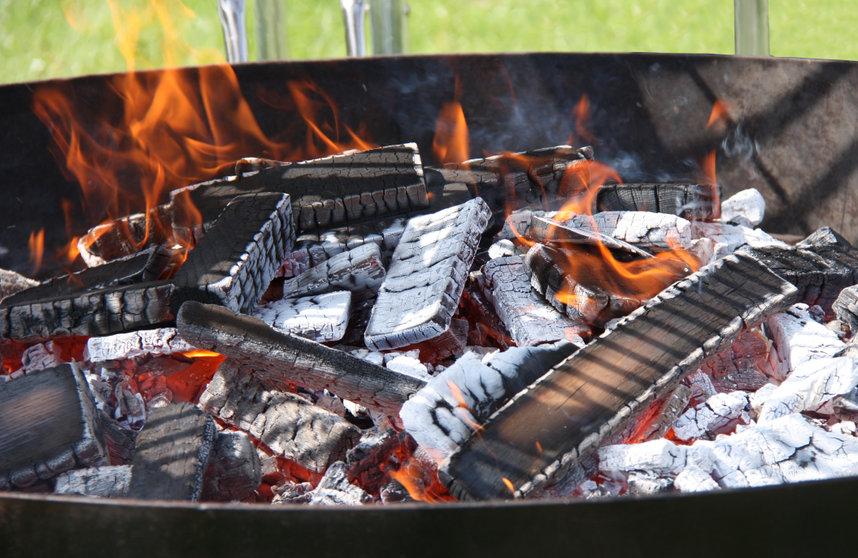
Proper aftercare following wood grilling ensures the grill stays functional and safe.
Addressing ash buildup and protecting the structure from heat and moisture extends the grill’s lifespan.
Managing Ash and Residue
Wood grilling produces a significant amount of ash and small charcoal pieces.
It’s important to remove ash regularly because excessive buildup restricts airflow, which impacts temperature control and fuel efficiency.
Once the grill has cooled completely, use a metal scoop or brush to collect the ash.
Placing a metal ash pan or tray beneath the grill grate can simplify future cleanings.
Residue from soot or wood tar can accumulate on grates.
Scrub grates with a stiff wire brush after each use to remove stubborn deposits.
Occasionally, a soak in warm, soapy water will help maintain the grates’ condition.
Protecting Your Grill from Damage
Heat from burning wood can put more strain on grill components than charcoal heat.
To mitigate this, avoid overloading the grill with large logs that generate excessive flames.
Check the grill’s metal parts regularly for signs of rust or warping caused by high heat.
Applying a thin layer of cooking oil to the grates after cleaning helps prevent rust.
Wood smoke can condense on surfaces when grills cool down.
Wipe down internal surfaces occasionally with a damp cloth to remove sticky residue and prevent buildup that might degrade materials over time.