
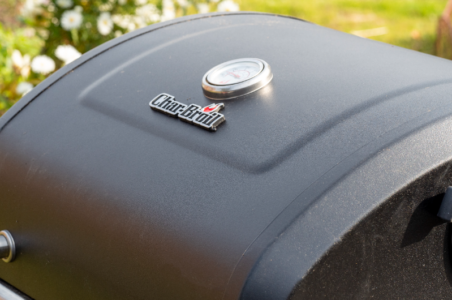
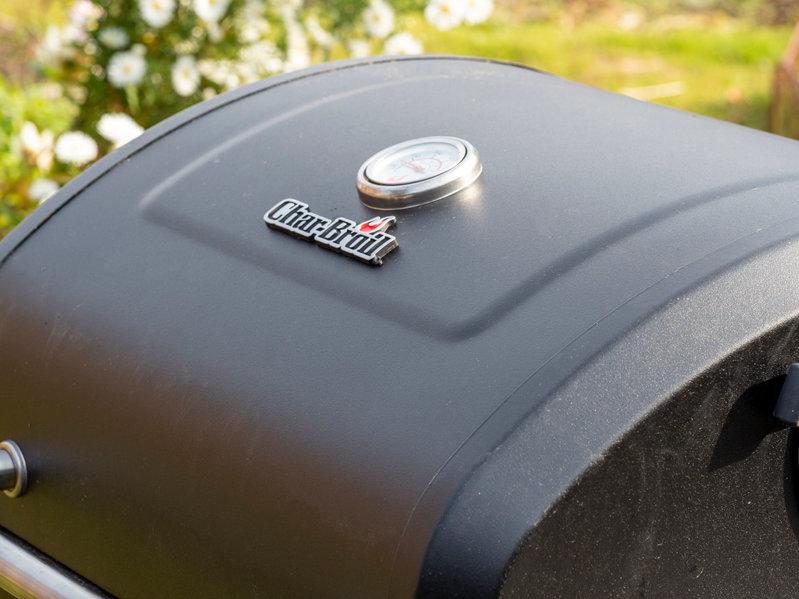
Char-Broil is one of America’s most recognizable grill brands, but many consumers wonder about the actual origins of these popular outdoor cooking products.
Char-Broil grills are manufactured in multiple locations including the United States, China, and Mexico, with different models produced in different facilities depending on the specific product line and target market.
The brand has a rich history dating back to the 1940s when it began as part of the W.C. Bradley Company in Columbus, Georgia.
While Char-Broil maintains its American headquarters and some domestic production, the company has expanded its manufacturing footprint globally to meet growing demand and offer products at various price points.
Understanding where your grill comes from affects more than just patriotic preference. The manufacturing location impacts everything from quality control processes to pricing, warranty support, and even the materials used in construction.
This comprehensive look at Char-Broil’s manufacturing will explore the company’s ownership structure, examine how different grill types are produced, and compare their approach to other major brands in the outdoor cooking market.
Char-Broil Grills Manufacturing Origins

Char-Broil has shifted its manufacturing operations across multiple countries over the decades.
The company now produces grills in the United States, Mexico, and China, moving away from its original USA-only production model.
Current Manufacturing Countries
Char-Broil manufactures its grills in three primary locations today.
These include the United States, Mexico, and China.
The company uses different facilities for various product lines.
Higher-end models often come from North American plants.
Budget-friendly options typically originate from Chinese manufacturing facilities.
Manufacturing locations by region:
- United States: Premium gas grills and specialty models
- Mexico: Mid-range gas and charcoal grills
- China: Entry-level models and accessories
This multi-country approach allows Char-Broil to offer products at different price points.
The manufacturing location often correlates with the grill’s retail price and feature set.
Historical Production in the USA
Char-Broil began manufacturing grills in the United States during the 1940s.
The company introduced the Char-Broil brand name in 1973.
Early production focused on cast-iron charcoal grills sold through hardware stores.
These grills cost $19 and were made from steel drums.
The company later expanded into electric grill manufacturing.
Char-Broil operated as a division of WC Bradley, an American kitchenware company.
All production remained within US borders for several decades.
The original grills featured simple designs but durable construction.
American manufacturing allowed for quality control and quick distribution across the United States.
Impact of Global Manufacturing
Global manufacturing has changed Char-Broil’s product offerings and pricing structure.
The company can now produce grills at various price points to reach more customers.
Chinese manufacturing enables lower retail prices for entry-level models.
This approach makes grilling accessible to budget-conscious consumers.
However, some customers prefer American-made products for quality reasons.
Char-Broil addresses this by maintaining US production for premium models.
The global approach creates supply chain complexity but offers flexibility.
Different manufacturing locations serve specific market segments effectively.
Quality standards vary between facilities, affecting product durability and performance across the product line.
Who Owns and Operates Char-Broil?
 Char-Broil operates as a subsidiary of W.C. Bradley Co., a privately held American company based in Columbus, Georgia. W.C. Bradley Co. has owned and operated Char-Broil for decades, managing a portfolio of outdoor cooking brands under its umbrella.
About WC Bradley Co.
W.C. Bradley Co. serves as the parent company that owns and operates Char-Broil.
The company is privately held and maintains its headquarters in Columbus, Georgia.
W.C. Bradley Co. operates multiple outdoor cooking brands beyond Char-Broil.
The company owns Oklahoma Joe’s smokers and SABER grills, creating a diverse portfolio of grilling equipment.
The company recently expanded its reach in the outdoor cooking market.
In a significant business move, W.C. Bradley Co. acquired Dansons, the parent company of popular brands like Pit Boss and Louisiana Grills.
This acquisition strengthens W.C. Bradley Co.’s position in the outdoor cooking industry.
The deal combines strong company cultures and expands the brand portfolio under one holding company.
Char-Broil’s Company Background
Char-Broil started in 1948 when Charles E. Adams founded the company in Columbus, Georgia.
The company began as a small manufacturer focused on making charcoal grills with an emphasis on quality and innovation.
The brand has grown into one of the most recognized names in outdoor cooking.
Char-Broil claims to be the oldest and most respected outdoor cooking company in the world with more than 60 years of experience.
Char-Broil gave America one of its first charcoal grills when outdoor cooking was uncommon.
This innovation helped turn grilling into a popular backyard tradition across the country.
The company continues to innovate with new technologies.
Char-Broil introduced several industry firsts including portable grilling, electric grilling, and gas grills with electric ignition systems.
Char-Broil Grill Types and Their Manufacturing
 Char-Broil produces three main grill categories with distinct manufacturing processes and locations.
Gas grills feature complex assembly with TRU-Infrared technology, while charcoal grills use simpler steel construction methods.
Gas Grill Manufacturing
Char-Broil gas grills undergo complex assembly processes that combine multiple components from different suppliers.
The company manufactures these grills with their proprietary TRU-Infrared Cooking System and Amplifire cooking technology.
Most gas grill production happens through a combination of domestic and international manufacturing.
The steel components get fabricated first, then workers install burner systems and control valves.
Assembly workers add the cooking grates and heat distribution plates during the final stages.
Quality control teams test each gas connection before packaging.
The TRU-Infrared technology requires specialized manufacturing equipment.
This system uses a metal plate between the burner and cooking surface to distribute heat evenly.
Gas grills range from portable models to professional built-in units.
Each size category requires different manufacturing approaches and assembly line setups.
Charcoal Grill Production
Charcoal grills use simpler manufacturing processes compared to gas models.
Early Char-Broil charcoal grills started as modified steel drums in the 1940s.
Modern charcoal grill production focuses on steel fabrication and powder coating.
Workers cut and shape the steel components using industrial machinery.
The manufacturing process includes welding the firebox and attaching legs or wheeled bases.
Cast-iron cooking grates get manufactured separately and added during assembly.
Charcoal grills require fewer quality control steps than gas models.
The main testing involves checking welds and ensuring proper ventilation airflow.
These grills often cost less to manufacture due to fewer moving parts.
The simpler design allows for faster production times and lower material costs.
Portable Gas Grill Assembly
Portable gas grills require specialized assembly techniques to ensure compact design and portability.
These models use lightweight materials while maintaining durability standards.
The assembly process emphasizes folding mechanisms and secure locking systems.
Workers install smaller burner systems designed for efficient fuel use.
Portable models undergo additional testing for stability and safety.
Quality control teams check that grills remain stable during transport and setup.
Manufacturing focuses on creating grills that pack efficiently for shipping.
Components must fit together tightly to reduce packaging size and shipping costs.
These grills often feature quick-connect propane systems.
Assembly workers test each connection point to prevent gas leaks during use.
Comparison of Char-Broil and Competing Grill Brands

Char-Broil competes directly with Weber in the gas grill market, offering more affordable options while Weber focuses on premium quality and construction.
Both brands have established strong reputations among outdoor grill enthusiasts, though they target different price segments and customer needs.
Char-Broil Grills vs. Weber Grills
Manufacturing Location
Weber grills are proudly made in the United States, while Char-Broil produces its grills in China and Mexico.
This distinction can influence both pricing and consumer perceptions of quality.
Price and Value
Char-Broil is positioned as a more affordable alternative to Weber, offering a wide range of options—from budget-friendly portable grills to professional-grade systems—making it accessible for every type of griller.
Weber grills typically cost more but are known for exceptional performance and durability.
Build Quality
Weber uses higher-end materials in their construction.
Their grills feature superior heat distribution and temperature control systems.
Char-Broil focuses on durability and user-friendly designs at accessible price points.
Product Range
Both companies manufacture extensive lineups.
Char-Broil offers gas, charcoal, electric, and built-in grills.
Weber specializes in premium gas and charcoal models with innovative features.
Quality and Reputation Among Outdoor Grills
Brand Recognition
Weber has established itself as the top choice among grill enthusiasts over 60 years.
The brand is widely regarded for quality construction and reliable performance.
Char-Broil has built recognition as one of North America’s largest grill manufacturers over its 70-year history.
Customer Perception
Weber grills are considered premium products with exceptional longevity.
Users praise their even heat distribution and precise temperature control.
Char-Broil earns recognition for reliability and easy-to-use features at reasonable prices.
Performance Standards
Weber grills deliver consistent cooking results and long service life.
Their products undergo rigorous quality control measures.
Char-Broil provides solid performance and durability for budget-conscious consumers seeking dependable outdoor grills.
Distribution and Global Market Presence

Char-Broil has built a strong international presence through strategic distribution networks across multiple continents.
The company’s manufacturing operations in the USA, China, and Mexico support its global reach and market positioning.
Key Markets for Char-Broil Grills
Char-Broil products are available across several major markets worldwide.
The company serves customers in North America, Europe, Australia, Latin America, and the Middle East.
North America remains the primary market for Char-Broil grills.
The company has established strong retail partnerships, including exclusive product lines like the RED Series infrared gas grills sold through Home Depot.
The brand expanded into European markets through strategic acquisitions.
In 2011, Char-Broil acquired the Dancook brand to strengthen its European presence and distribution channels.
Australia and Latin America represent growing markets for the company.
These regions benefit from Char-Broil’s diverse product range that caters to different grilling preferences and price points.
The Middle East market provides additional opportunities for international growth.
This broad distribution network has made Char-Broil one of the most recognized grill brands globally.
International Manufacturing Influence
Char-Broil’s multi-country manufacturing strategy directly impacts its global distribution capabilities.
The company operates production facilities in the USA, China, and Mexico to serve different regional markets efficiently.
Manufacturing in China has enabled cost-effective mass production for international markets.
However, recent geopolitical tensions and supply chain challenges have prompted changes to this approach.
The company has actively moved production away from China in recent years.
Char-Broil now has 30% of its production outside of China, reducing dependence on a single manufacturing location.
Mexican manufacturing facilities support North American distribution efficiently.
This proximity allows faster delivery times and reduced shipping costs for regional customers.
USA-based production serves domestic customers who prefer American-made products.
These facilities maintain direct quality control and support local employment while meeting specific market demands.
The Effect of Manufacturing Location on Quality and Pricing

Manufacturing location plays a key role in both the quality standards and final cost of Char-Broil grills.
Different regions offer varying levels of quality control oversight and labor costs that directly impact the consumer experience.
Quality Control Approaches
Char-Broil maintains strict quality standards regardless of where their grills are manufactured.
The company designs and engineers all products in the United States using a core team with over 425 years of combined industry experience.
Manufacturing facilities in China produce most Char-Broil grills under close supervision.
The company conducts regular inspections and testing at these overseas locations.
Each grill must meet the same safety guidelines and performance standards before shipping.
Key Quality Control Methods:
- Regular factory inspections
- Safety compliance testing
- Material quality verification
- Performance standard checks
The American design team works closely with overseas manufacturers.
This partnership ensures consistent quality across all production facilities.
Char-Broil’s engineering department oversees mechanical design, gas combustion systems, and materials selection from their US headquarters.
Pricing Differences by Origin
Manufacturing location significantly affects Char-Broil’s pricing structure.
Overseas production allows the company to offer affordable grills while maintaining profit margins.
Cost Factors by Region:
| Factor | Overseas Manufacturing | US Manufacturing |
|---|---|---|
| Labor costs | Lower | Higher |
| Material costs | Variable | Higher |
| Shipping costs | Higher | Lower |
| Regulatory costs | Lower | Higher |
Chinese manufacturing enables Char-Broil to compete with budget-friendly brands.
Lower labor and overhead costs translate to savings for consumers.
These cost reductions allow the company to offer feature-rich grills at accessible price points.
Domestic manufacturing would increase retail prices substantially.
Higher US labor costs and stricter regulations add significant expenses.
Most consumers benefit from the current overseas production model through lower purchase prices.
Top Char-Broil Grills: Performance Meets Innovation

When it comes to grilling, Char-Broil stands out with its commitment to quality and innovation.
Whether you’re a seasoned grill master or a weekend enthusiast, there’s a Char-Broil grill tailored for your needs.
Here are three standout models that combine performance, durability, and advanced features.
Char-Broil Performance Series 4-Burner Gas Grill with Side Burner
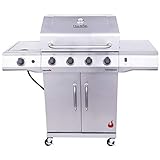 Ideal for large gatherings, this Char-Broil Performance Series 4-burner gas grill offers 435 square inches of primary cooking space and an additional 130-square-inch warming rack.
The 37,000 BTU rating ensures quick heating and consistent temperatures.
The integrated side burner is perfect for preparing sauces or side dishes.
Key Features:
-
TRU-Infrared Cooking Technology: Eliminates flare-ups and ensures even heat distribution.
-
Chef’s Delite Tray: Ideal for grilling delicate foods like fish or vegetables.
-
Stainless Steel Construction: Offers durability and a sleek appearance.
Char-Broil Performance TRU-Infrared 3-Burner Gas Grill
 This Char-Broil Performance TRU-Infrared 3-burner grill is perfect for those seeking a balance between size and functionality.
With 450 square inches of primary cooking space and an additional 150-square-inch warming rack, it caters to medium-sized gatherings.
The TRU-Infrared technology ensures juicier food with fewer flare-ups.
Key Features:
-
Even Heat Distribution: Thanks to the TRU-Infrared system.
-
Swing-Away Warming Rack: Keeps food warm without overcooking.
-
Stainless Steel Burners: Provide longevity and consistent performance.
Char-Broil Classic 360 3-Burner Gas Grill
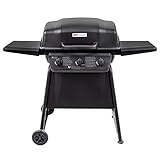 For those on a budget without compromising on quality, the Classic 360 offers 360 square inches of cooking space and a 30,000 BTU rating.
It’s a straightforward grill that delivers reliable performance for everyday grilling needs.
Key Features:
-
Porcelain-Coated Grates: Ensure easy cleaning and rust resistance.
-
Side Shelves: Provide additional workspace for prep and tools.
-
Compact Design: Fits well in smaller patios or balconies.
Choosing the right grill depends on your specific needs and grilling habits.
The Char-Broil Performance Series 4-Burner Gas Grill is ideal for large gatherings, offering ample space and advanced features.
The Performance TRU-Infrared 3-Burner Gas Grill strikes a balance between size and functionality, ensuring even cooking.
Lastly, the Classic 360 provides a budget-friendly option without sacrificing quality.
No matter which model you choose, Char-Broil’s commitment to quality ensures a satisfying grilling experience.