
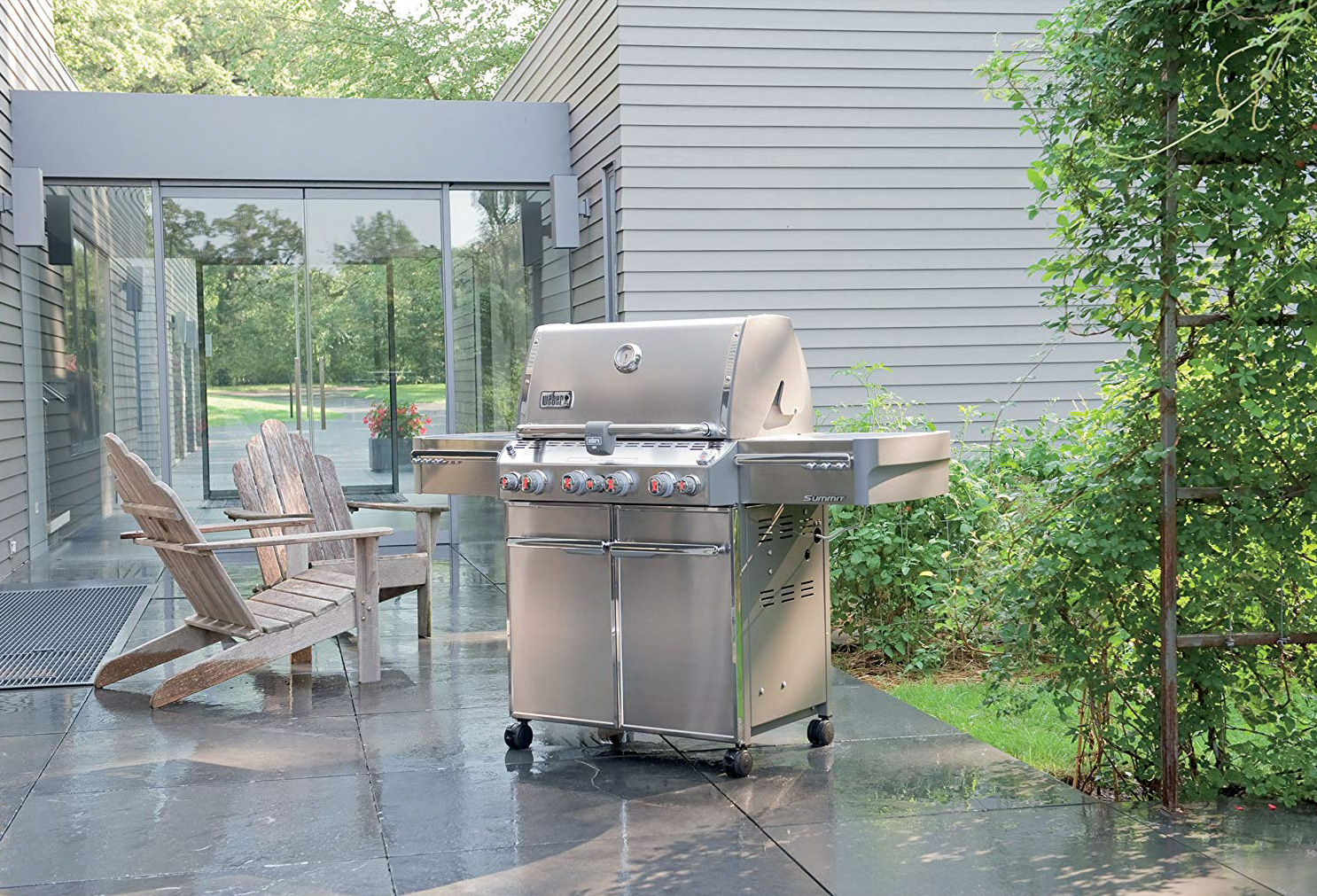
Weber has established itself as the premier name in outdoor grilling for over 70 years, consistently delivering grills that combine durability, performance, and user-friendly design.
The brand offers an extensive range of options spanning gas, charcoal, electric, and portable models, each engineered to meet different cooking preferences and backyard setups.
Choosing the right Weber grill depends on understanding your specific grilling needs, available space, fuel preferences, and budget constraints.
With multiple series and dozens of models available, the selection process can feel overwhelming without proper guidance.
This comprehensive guide examines the top Weber grill models across all categories, breaks down the key features that matter most, and provides practical advice for selecting accessories and maintenance practices.
Whether someone is a weekend grilling enthusiast or a serious barbecue aficionado, understanding Weber’s product lineup will help them make an informed decision that delivers years of reliable outdoor cooking performance.
Top Weber Grills for Every Need
Weber manufactures grills across multiple fuel types and sizes, from portable tabletop units to full-sized outdoor cooking stations.
Gas grills offer convenience and quick startup, while charcoal models provide traditional smoky flavors and high-heat searing capabilities.
Best Overall Weber Grills
 The Weber Genesis E-325 stands out as the top overall choice for most grilling needs.
This three-burner gas grill delivers consistent heat distribution across its of cooking space.
The GS4 grilling system includes infinity ignition, flavorizer bars, and grease management components.
For charcoal enthusiasts, the Weber Original Kettle Premium 22-inch remains the gold standard.
Its iconic dome design creates excellent airflow control for both direct and indirect cooking methods.
 The Weber Spirit II E-310 offers similar performance at a lower price point.
Three stainless steel burners generate 30,000 BTUs of cooking power across 529 square inches of cooking area.
 Premium buyers should consider the Weber Summit S-470.
This four-burner model includes a side burner, rotisserie system, and LED lighting for nighttime grilling sessions.
Best Weber Gas Grills
Weber’s gas grill lineup centers around the Genesis and Spirit series for most home cooks.
The Genesis II models feature porcelain-enameled cast iron cooking grates that retain heat effectively.
The Weber Spirit II E-210 works well for smaller households.
Two burners provide 26,500 BTUs across 450 square inches of total cooking space.
Fold-down side tables save space when storage is limited.
 Mid-range buyers benefit from the Weber Genesis II E-315.
Three burners deliver even heat distribution, while the built-in thermometer helps monitor cooking temperatures accurately.
The Weber Summit series represents the premium gas option.
These grills include features like infrared searing burners, rotisserie motors, and stainless steel construction throughout.
Best Weber Charcoal Grills
 The Weber Original Kettle Premium 22-inch dominates the charcoal category.
Its hinged cooking grate allows easy coal additions during extended cooking sessions.
The built-in thermometer helps track internal temperatures.
 Serious barbecue cooks prefer the Weber Performer Charcoal Grill.
This model combines kettle-style cooking with gas grill convenience features.
Snap-Jet ignition lights charcoal without lighter fluid.
The Weber Performer adds useful features to the classic kettle design.
A propane ignition system starts charcoal quickly, while the work table provides prep space and storage.
Budget-conscious buyers should consider the standard Weber Original Kettle.
The 22-inch model offers the same cooking performance as premium versions without extra features.
Best Weber Electric Grills
Weber’s electric grill selection focuses on apartment and condo dwellers who cannot use gas or charcoal grills.
 The Weber Q 1200 delivers the most cooking power in this category.
This electric model generates consistent heat across 280 square inches of cooking space.
Cast aluminum body and lid retain heat effectively while remaining lightweight for portability.
The temperature control dial allows precise heat adjustment from 200°F to 500°F.
Removable drip pan simplifies cleanup after cooking sessions.
Electric Weber grills work best for smaller cooking tasks.
They cannot achieve the high temperatures needed for proper searing on thicker cuts of meat.
How to Choose the Right Weber Grill
Selecting the perfect Weber grill depends on three critical factors: understanding your cooking preferences and frequency, calculating the cooking space needed for your household size, and choosing between gas, charcoal, or electric fuel options.
Assessing Your Grilling Style
Grilling frequency determines which Weber model provides the best value.
Weekend warriors who grill occasionally can choose basic models with essential features.
Daily grillers need durable construction and advanced features like multiple burners and temperature controls.
These users benefit from Weber’s Genesis or Summit series with their robust build quality.
Cooking preferences shape grill requirements:
- Direct grilling for burgers and steaks requires high-heat zones
- Indirect cooking for roasts needs larger cooking areas
- Smoking demands precise temperature control features
New grillers should prioritize simple controls and reliable ignition systems.
Weber’s Spirit series offers straightforward operation without overwhelming features.
Experienced cooks can utilize advanced features like sear stations, rotisserie capabilities, and multiple heat zones.
These features appear in Weber’s premium models.
The cooking style also affects fuel choice.
High-heat searing works well with gas grills, while slow cooking benefits from charcoal’s consistent heat retention.
Determining the Ideal Grill Size
Cooking surface area directly correlates with household size and entertaining frequency.
A family of four typically requires 400-500 square inches of primary cooking space.
Large families or frequent entertainers need 600+ square inches.
Weber’s larger Genesis and Summit models provide this capacity with multiple cooking zones.
Key size considerations include:
- Primary cooking area for main dishes
- Warming rack space for sides and bread
- Total cooking surface for maximum capacity
Small patios or balconies limit grill dimensions.
Weber’s portable models and compact Spirit series fit restricted spaces while maintaining cooking performance.
Storage space affects grill selection.
Built-in models require permanent installation, while freestanding grills need storage considerations during winter months.
Counter space around the grill impacts usability.
Weber models with side tables provide essential prep space for smaller outdoor kitchens.
Selecting the Right Fuel Type
Gas grills offer convenience with instant ignition and precise temperature control.
Weber’s Spirit, Genesis, and Summit series use propane or natural gas connections.
Gas provides consistent heat output and easy cleanup.
These grills work well for frequent use and quick weeknight cooking sessions.
Charcoal grills deliver traditional smoky flavor that gas cannot replicate.
Weber’s kettle grills remain popular for their authentic barbecue taste.
Charcoal requires longer setup times but reaches higher temperatures than most gas grills.
This fuel type suits weekend cooking and traditional barbecue methods.
Electric grills work in apartments or condos with fire restrictions.
Weber’s electric models provide outdoor cooking where gas and charcoal are prohibited.
Electric units heat slowly but offer precise temperature control.
They work best for users who prioritize convenience over traditional grilling experiences.
Cost considerations vary by fuel type:
- Gas: Higher upfront cost, moderate ongoing fuel expenses
- Charcoal: Lower initial investment, variable fuel costs
- Electric: Moderate purchase price, consistent electricity costs
Key Features to Look for in a Weber Grill
Weber grills stand out through superior construction materials, precise temperature management systems, and thoughtful cleaning designs.
These three elements directly impact cooking performance and long-term satisfaction.
Durability and Build Quality
Weber uses porcelain-enameled steel for their kettle grills and stainless steel for premium gas models.
The porcelain coating resists rust and weather damage while maintaining heat retention properties.
The cooking grates come in three materials:
- Plated steel – Basic models, adequate for occasional use
- Porcelain-enameled cast iron – Mid-range option with excellent heat retention
- Stainless steel – Premium choice for durability and easy maintenance
Weber’s 10-year warranty on most components demonstrates build confidence.
The lid and bowl construction features thick gauge materials that resist warping under high heat.
Gas grill models include heavy-duty wheels and reinforced handles.
The ignition systems use piezo technology rather than battery-powered starters for consistent lighting over time.
Heat Control and Distribution
Weber gas grills feature individual burner controls with precise BTU ratings.
Entry-level Spirit models provide 26,500-32,000 BTUs across 2-3 burners.
Genesis models offer 39,000-60,000 BTUs with 3-4 burners.
The Flavorizer bars system creates even heat distribution while reducing flare-ups.
These angled metal bars sit above the burners and vaporize drippings for enhanced flavor.
Kettle grills use adjustable dampers on the lid and base.
The bottom damper controls airflow for temperature regulation.
The top damper manages heat retention and smoke circulation.
Built-in thermometers appear on most Weber models.
Gas grills include lid-mounted gauges while kettle models often require separate probe thermometers for precise monitoring.
Ease of Cleaning
Weber designs feature removable grease management systems.
Gas models include disposable drip pans that slide out for replacement.
Kettle grills have ash catchers beneath the cooking bowl.
The cooking grates lift out easily for cleaning.
Porcelain-enameled surfaces wipe clean with minimal scrubbing.
Stainless steel grates handle dishwasher cleaning or grill brush maintenance.
Flavorizer bars remove individually for thorough cleaning.
The grease tray systems prevent buildup in hard-to-reach areas that cause maintenance problems in other brands.
Interior surfaces use smooth finishes without sharp corners or crevices.
This design prevents grease accumulation and allows straightforward scraping or wiping after cooking sessions.
Comparing Weber Grill Series
Weber’s three main gas grill series offer distinct features and price points.
The Spirit series provides entry-level value, Genesis delivers mid-range performance with premium features, and Summit represents the top tier for serious grilling enthusiasts.
Weber Spirit vs Genesis
The Spirit series serves as Weber’s entry-level gas grill line, featuring basic functionality at accessible prices.
These grills include 2-3 burners with standard porcelain-enameled cooking grates and basic heat distribution systems.
Spirit models offer 300-400 square inches of cooking space.
They include Weber’s signature flavorizer bars and come with a 10-year warranty on key components like the cookbox and lid.
Genesis grills represent Weber’s mid-range option with enhanced features and build quality.
These models include 3-4 burners with improved heat control and distribution systems.
Genesis series provides 513-669 square inches of cooking space. Key upgrades include:
- Better grates: Cast iron cooking grates retain heat more effectively
- Enhanced storage: Enclosed cart design with tool hooks
- Improved ignition: More reliable startup systems
- Side burner options: Available on select models
The Genesis series typically costs $200-400 more than comparable Spirit models.
This price difference reflects upgraded materials and additional features that improve cooking performance.
Weber Summit Series Overview
 Summit represents Weber’s premium gas grill category designed for serious outdoor cooking enthusiasts.
These grills feature the highest quality materials and most advanced cooking technologies.
Summit models include 4-6 burners with 580-900+ square inches of primary cooking space.
Premium features include:
- Stainless steel construction: Superior durability and appearance
- Advanced heat systems: Multiple cooking zones and precise temperature control
- Rotisserie capability: Built-in motor and spit rod systems
- Storage solutions: Extensive cabinet space and accessory organization
Summit grills include innovative cooking features like infrared searing stations and smoker boxes.
The series offers both natural gas and propane options across all models.
These premium grills carry significantly higher price points, often costing 2-3 times more than Genesis models.
The investment reflects commercial-grade components and expanded cooking capabilities.
Portable Weber Grill Models
 Weber’s portable grill lineup includes compact gas and charcoal options designed for tailgating, camping, and small-space cooking.
The Q series represents the primary portable gas grill collection.
Weber Q1000-Q3200 models offer varying sizes from single-person cooking to family-sized meals.
These grills feature:
- Compact design: Folds for transport and storage
- Cast aluminum construction: Lightweight yet durable
- Push-button ignition: Easy startup without matches
- Grease management: Built-in drip tray system
The Weber Go-Anywhere provides portable charcoal cooking with legs that fold for compact storage.
This model weighs just 14 pounds and includes a porcelain-enameled bowl.
Weber Smokey Joe offers classic kettle design in a compact 14-inch format.
It provides authentic charcoal flavor while remaining portable for outdoor adventures.
Portable models sacrifice cooking space and some features for mobility.
They work best for 1-4 people and simpler cooking tasks compared to full-sized backyard grills.
Grill Accessories and Add-Ons
Weber grills become significantly more versatile with the right accessories and add-ons.
Essential items like chimney starters, temperature probes, and quality covers protect your investment while expanding cooking capabilities.
Must-Have Weber Accessories
A chimney starter ranks as the most important Weber accessory for charcoal grills.
The Weber Rapidfire Chimney Starter eliminates lighter fluid needs and ensures even coal lighting in 15-20 minutes.
Grill brushes maintain cooking grate cleanliness between sessions.
Weber’s stainless steel brushes feature angled heads that reach difficult spots on kettle grills.
The Smokenator transforms standard kettles into smokers.
This stainless steel water pan and charcoal basket system creates indirect heat zones for low-and-slow cooking.
Heat deflectors enable versatile cooking methods.
They redirect heat flow for baking, roasting, and smoking applications beyond basic grilling.
Quality grilling tools improve food handling safety.
Weber’s long-handled spatulas, tongs, and forks keep hands away from heat while providing better control.
Grill Covers and Protection
Weber grill covers protect against weather damage and extend equipment lifespan.
Premium covers use heavy-duty vinyl or polyester materials with UV-resistant coatings.
Kettle-specific covers feature tailored fits for different Weber models.
They include ventilation systems that prevent moisture buildup while blocking rain and snow.
Third-party options like Kingkong grill covers offer comparable protection at lower prices.
These covers typically include reinforced seams and elastic hems for secure attachment.
Storage considerations matter for cover longevity.
Covers should remain breathable to prevent rust formation on metal components.
Temperature Monitoring Tools
Accurate temperature control separates good grilling from great results.
Instant-read thermometers provide quick internal temperature readings for meat safety and doneness.
Wireless probe thermometers monitor food temperature remotely.
They alert users when target temperatures are reached without opening the grill lid.
Grill surface thermometers measure cooking zone temperatures.
Built-in Weber thermometers show general heat levels, while aftermarket options provide precise readings.
Dual-probe systems track both food and grill temperatures simultaneously.
This capability proves essential for smoking and indirect cooking methods.
Maintaining and Caring for Your Weber Grill
Proper maintenance involves both regular cleaning after each cooking session and comprehensive seasonal care.
Monthly attention to key components prevents common issues like uneven heating and extends grill lifespan significantly.
Routine Cleaning Best Practices
Owners should clean their Weber grill after every use for optimal performance.
Hot grate cleaning works best – brush cooking grates immediately after cooking while they remain warm.
For gas grills, users need to empty the grease management system weekly.
This prevents flare-ups and maintains proper airflow through the firebox.
Charcoal grill owners should remove ash buildup after each session.
Cold ashes can be disposed of safely, while hot ashes require proper cooling time.
Essential cleaning steps include:
- Brushing grates with a grill brush
- Scraping grease from flavorizer bars
- Wiping down exterior surfaces
- Checking gas connections for leaks
The firebox requires monthly deep cleaning.
Users should remove cooking grates and flavorizer bars, then scrub interior surfaces with warm soapy water.
Grease trays need replacement when half full.
Overfilled trays create fire hazards and attract pests to outdoor cooking areas.
Seasonal Maintenance Tips
Spring preparation involves comprehensive inspection of all grill components.
Gas grill owners should test connections using soapy water to identify potential leaks.
Key seasonal maintenance tasks:
- Replace worn ignition components
- Clean burner tubes thoroughly
- Inspect hoses for cracks or damage
- Oil hinges and moving parts
Fall maintenance focuses on winter storage preparation.
Users should coat cooking grates with cooking oil to prevent rust formation during storage months.
Gas tanks require annual professional inspection.
Expired or damaged tanks pose safety risks and should be serviced immediately.
Weber covers protect grills from weather damage year-round.
Quality covers prevent rust and extend component life significantly.
Cold climate owners need additional winterization steps.
Disconnecting propane tanks and storing them properly prevents pressure issues from temperature fluctuations.
Where to Buy the Best Weber Grill
Finding the right retailer ensures access to genuine Weber products, proper warranty coverage, and reliable customer support.
Smart buyers should prioritize authorized dealers and understand warranty terms before making their purchase.
Authorized Retailers
Weber grills are available through multiple authorized retail channels.
Home improvement stores like Home Depot and Lowe’s carry extensive Weber selections with competitive pricing and frequent sales events.
Specialty outdoor retailers such as Ace Hardware and local BBQ shops offer expert advice and hands-on demonstrations.
These stores typically employ knowledgeable staff who understand Weber’s product lineup.
Big-box retailers including Walmart and Target stock popular Weber models at competitive prices.
They often provide convenient pickup and delivery options for larger grills.
Weber’s official website serves as the primary source for the complete product range.
Direct purchases from Weber guarantee authentic products and full warranty coverage.
Authorized online retailers like Amazon, Wayfair, and Overstock offer competitive pricing and customer reviews.
Buyers should verify seller authorization to ensure warranty validity and avoid counterfeit products.
Online Buying Tips
Compare prices across multiple authorized retailers before purchasing.
Prices can vary significantly between vendors, especially during seasonal sales periods.
Read customer reviews carefully to understand real-world performance and potential issues.
Focus on reviews from verified purchasers who have used the grill extensively.
Check shipping costs and assembly requirements.
Large Weber grills often require freight shipping, which can add substantial costs to the final price.
Verify seller authorization by checking Weber’s official dealer list.
Unauthorized sellers may offer lower prices but void warranty coverage and sell counterfeit products.
Consider assembly services offered by retailers.
Professional assembly ensures proper setup and may be required to maintain warranty coverage for certain models.
Warranty and Support Options
Weber provides comprehensive warranty coverage that varies by product line.
Gas grills typically include 10-year warranties on major components and 5 years on smaller parts.
Warranty registration through Weber’s website activates coverage and provides access to customer support resources.
Registration should be completed within 30 days of purchase.
Authorized dealers provide warranty service and replacement parts through Weber’s network.
Local dealers often offer faster service than shipping grills back to Weber directly.
Customer support includes phone assistance, online troubleshooting guides, and instructional videos.
Weber’s support team helps with assembly, operation, and maintenance questions.
Parts availability remains strong for Weber grills, with replacement components available for models dating back decades.
This long-term support protects the investment in premium Weber grills.
Final Thoughts on Purchasing a Weber Grill
 Weber grills represent a solid investment for outdoor cooking enthusiasts.
The brand’s reputation for quality and durability has been established over decades of consistent performance.
Key factors to consider before purchase:
- Available outdoor space
- Primary cooking needs
- Budget constraints
- Fuel preference (gas, charcoal, or electric)
Most Weber models offer reliable performance across different price ranges.
Entry-level options provide excellent value without sacrificing core functionality.
Higher-end models include advanced features like multiple cooking zones and premium materials.
These additions enhance the grilling experience but aren’t essential for basic outdoor cooking.
Weber’s warranty coverage typically includes substantial protection for major components.
This backing demonstrates the manufacturer’s confidence in their products.
Timing purchases strategically can result in significant savings.
End-of-season sales often feature substantial discounts on current models.
Essential accessories like grill covers and cleaning tools should factor into the total investment.
Weber’s proprietary accessories are designed specifically for their grills.
Research specific model reviews before making a final decision.
Different Weber lines cater to varying cooking styles and experience levels.
The company’s customer service network provides reliable support for troubleshooting and replacement parts.
This ongoing support extends the practical lifespan of Weber grills considerably.
Consider local dealer availability for hands-on demonstrations.
Seeing models in person helps buyers understand size and feature differences more clearly.