

 Charcoal grills offer a cooking experience that gas and electric models cannot fully match. The main benefits of charcoal grills are the smoky flavor they add to food and the high heat they can produce for searing meat. For fans of outdoor grilling, charcoal delivers unbeatable taste and versatility. If you want to know why many people still choose charcoal for outdoor cooking, this guide explains the key advantages.
When you compare a charcoal vs gas grill, the differences go beyond flavor. Charcoal grills often cost less to buy, can reach high searing temperatures, and let you manage heat by adjusting the coals and vents. They also offer a hands-on, traditional grilling experience that many people enjoy.
This article explores the benefits of charcoal grills, from cost and flavor to heat control and cooking performance. You will learn why charcoal remains a popular choice for backyard cooking and how it compares with gas and electric grills.
Smoky Flavor That Sets Charcoal Apart
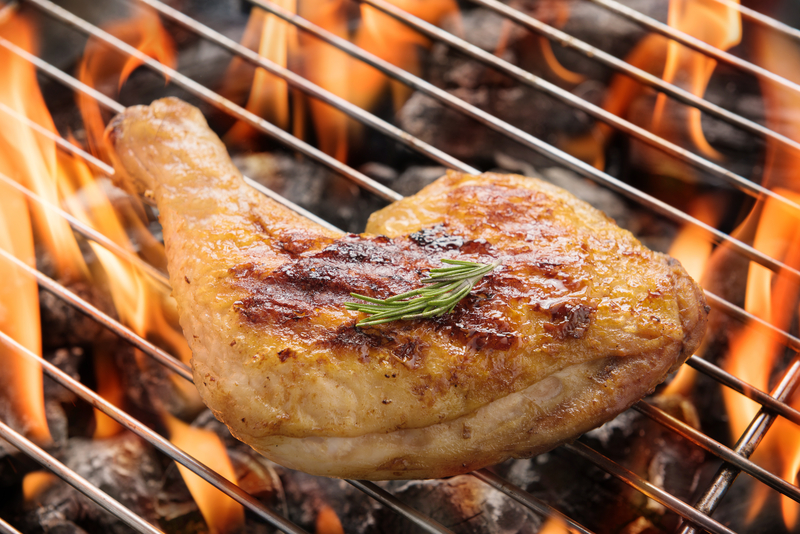 Cooking with charcoal can give food an authentic smoky flavor that is harder to achieve with gas grilling. Outdoor grilling enthusiasts love how smoke from the fuel and cooking process adds rich flavor to the food. This distinct depth elevates everyday outdoor cooking.
How Coals, Drippings, and Wood Create Flavor
Flavor comes from several sources during charcoal grilling. Burning charcoal produces smoke, while fat and juices that drip onto hot coals can vaporize and rise back toward the food, adding another layer of flavor.
You can add wood chunks or chips to your charcoal grilling setup to vary the smoke flavor.
Different woods bring different notes:
This layered flavor is one reason many people prefer charcoal grilling to gas grilling, as discussed in this charcoal versus gas flavor comparison.
Lump Charcoal Versus Briquettes for Flavor
Your choice of charcoal affects the flavor and heat of your cook. Lump charcoal is made from pieces of wood, typically burns hotter, and can add a natural, woodsy smoky flavor.
Charcoal briquettes are made from compressed charcoal dust and other ingredients. They generally burn longer and more evenly, producing steady heat and a milder, more consistent flavor.
If you want stronger smoke flavor, lump charcoal is a good option. If you prefer steady heat for longer cooks, charcoal briquettes can be easier to manage.
Many people keep both charcoal briquettes and lump coal on hand. They choose their fuel based on what they are grilling and the flavor they want, as noted in this charcoal grilling guide.
High Heat for a Better Sear
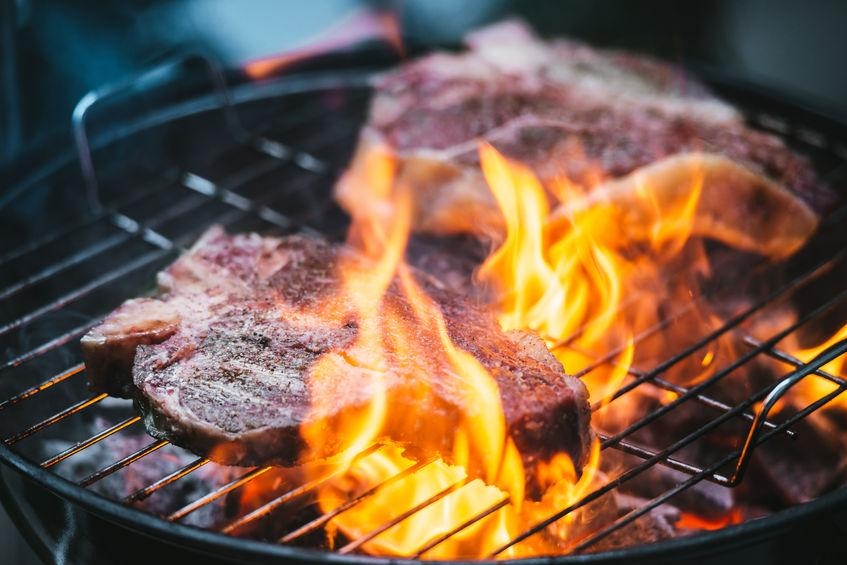 Charcoal grills excel at high-heat searing, reaching intense temperatures that depend on the grill, fuel, and airflow. This heat is useful for developing a browned crust on steaks and other meats.
How Charcoal Heat Builds a Browned Crust
When you grill over charcoal, the coals sit close to the grate, providing direct heat that can climb past 700°F in some setups. This heat promotes the Maillard reaction, the chemical process that browns the surface of meat and creates savory flavors when searing steaks.
Charcoal grills provide direct radiant heat, which can help develop a deep crust. For cuts that require high-heat searing, this intense radiant energy makes perfect searing much easier to achieve.
Gas grills can also sear effectively when properly preheated. With either fuel, a hot grate helps achieve perfect searing and builds a crisp, dark crust.
You can also manage heat zones on a charcoal grill by moving the coals. Sear meat over the hottest coals, then move it to a cooler area to finish cooking without burning the outside.
When Gas or Electric Can Deliver Similar Results
Many gas grills reach temperatures of 500°F to 600°F, which can be hot enough for a good sear. For best results, preheat the grill fully and use cast-iron grates, which retain and transfer heat effectively. These techniques can improve searing on gas.
Some gas grills include dedicated sear burners that concentrate high heat on a small area of the grate. With this feature, you can achieve a strong sear, especially on thinner cuts of meat.
Electric grills vary in performance and may not reach the same searing temperatures as high-heat charcoal or gas grills. Their heating elements can also distribute heat unevenly, depending on the model. If high-heat searing is your main goal, check the grill’s maximum temperature and performance specifications before choosing an electric model.
Versatility From Quick Grilling to Slow Smoking
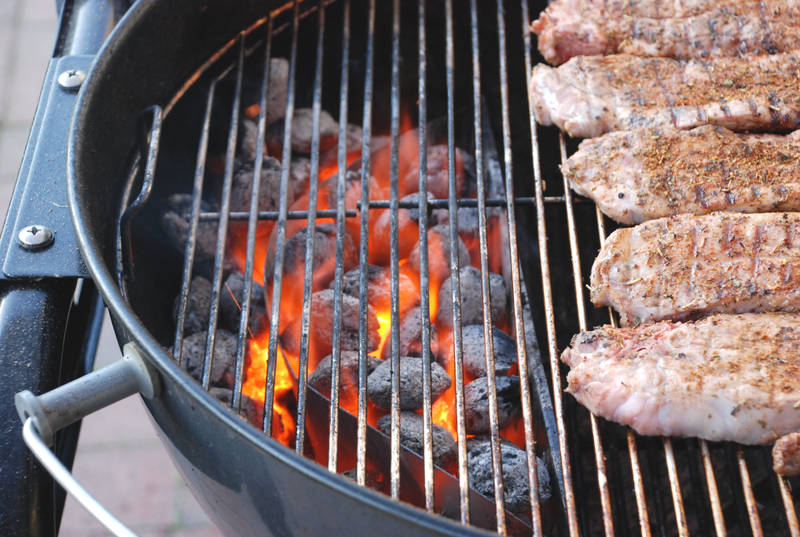
A charcoal grill can sear a steak, roast a whole chicken, or smoke brisket over several hours. Mastering direct and indirect cooking expands your outdoor cooking repertoire significantly.
Whether searing steaks over intense heat or smoking ribs, charcoal adapts to any recipe by arranging the coals and adjusting airflow.
Direct Heat and Two-Zone Cooking
Direct grilling means placing food directly over hot coals. It provides a strong sear and works well for burgers, steaks, and vegetables that cook quickly.
High-heat direct grilling creates crisp edges while locking in natural meat juices. This approach is ideal for high-heat searing on chops, patties, and skewers.
Two-zone cooking divides the grill into a hot side and a cooler side. Bank the coals on one half and leave the other half without coals.
This setup lets you sear meat over direct heat, then move it to the cooler side to finish cooking without burning the outside. The cooler side can also provide a place to move food if flare-ups occur.
With the right setup and airflow, charcoal grills can support a wide range of temperatures, from about 225°F for low-and-slow cooking to very high heat for searing, as described in these gas vs charcoal grill comparisons.
Indirect Heat for Larger Cuts
Indirect grilling keeps food away from the coals. Place the coals on one or both sides of the grill and put the meat in the middle, away from the heat source.
This method works well for whole chickens, pork roasts, and other large cuts that need more time to cook through. Keep the lid closed so heat circulates around the food like it does in an oven.
Indirect cooking reduces the risk of burning the outside before the inside is done. It can also limit flare-ups from dripping fat because the fat does not fall directly onto the hot coals.
Low-and-Slow Smoking With Wood
When smoking meats, low-and-slow smoking means holding a steady temperature, usually between 225°F and 275°F, for several hours. Add wood chips or chunks to the coals to create smoke that flavors the food as it cooks.
Patient low and slow cooking gives fat and connective tissue time to break down in cuts like brisket, pork butt, and ribs. For smoking meats, low and slow cooking creates tender barbecue that pulls apart effortlessly.
Cook times vary by cut and grill: baby back ribs may take about 4 to 5 hours, while a pork butt can take 12 to 16 hours, according to this guide on smoking with charcoal grills.
Heat control matters more for smoking than for quick grilling. Adjust the vents to manage airflow and maintain a steady fire without opening the lid unnecessarily and letting heat escape.
Upfront Cost, Portability, and Grill Designs
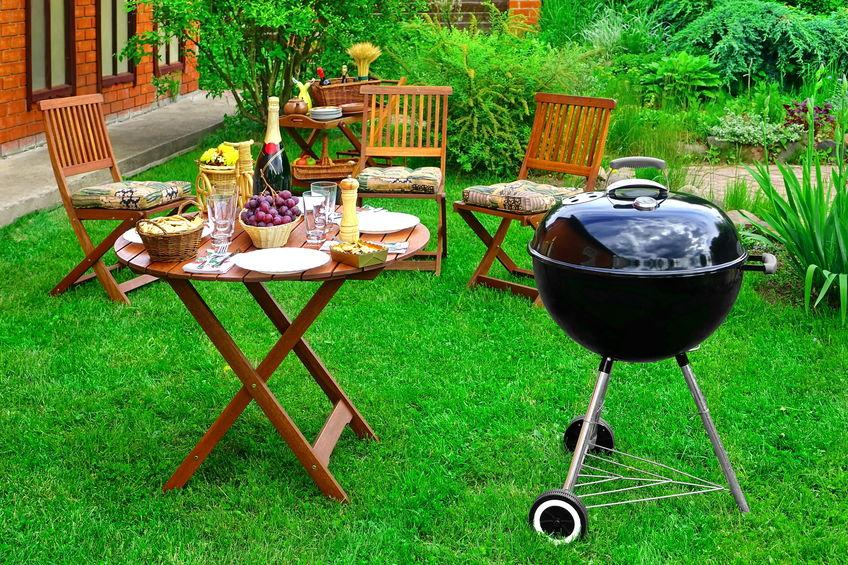 Charcoal grills are available at a range of prices and in many shapes and sizes. Whether you enjoy outdoor cooking in a large backyard or have limited patio space, you can find a design suited to your setup.
Purchase Price Versus Ongoing Fuel Costs
You will often pay less upfront for a charcoal grill than for a gas grill. Basic kettle grills can start around $30 to $50, while premium charcoal models may cost $300 to $800 or more. Gas grills range widely in price, from about $200 to $2,000 or more, depending on size and features.
Ongoing fuel costs depend on how often and how long you grill. Standard briquettes may cost about $0.50 to $1.00 per pound, and many cookouts use 2 to 4 pounds. Charcoal grills also have fewer mechanical parts than gas grills, which can mean fewer components to maintain or repair, including burners, regulators, and ignition systems.
Kettle, Kamado, and Portable Models
Your grill choice depends on how much space you have and how you like to cook. A kettle grill, like the Weber Original Kettle Premium 22, has a round cooking surface and a lid for direct and indirect heat. A kamado grill, like the Kamado Joe Jr has thick ceramic walls that retain heat, making it suitable for searing or low-and-slow smoking.
If you need to move your grill often, a portable charcoal grill like this Weber Jumbo Joe, is designed for portability. These compact models work well for camping trips, tailgates, and small patios, and many weigh under 15 pounds. They offer less cooking space than full-size grills but deliver the same charcoal-grilled flavor.
Where Gas and Electric Have the Advantage
 Gas and electric grills are designed with ease of use in mind. For convenient outdoor cooking, they offer practical advantages in speed, temperature control, and emissions that matter to many cooks.
Startup Speed, Cleanup, and Everyday Convenience
Gas grills are generally easier to start than charcoal grills. Turn a knob and press the igniter to produce a flame within seconds, giving them an advantage in everyday ease of use.
Cleanup is usually quick. Gas grills produce no ash to scoop out, charcoal briquettes to store, or soot to handle.
Gas grill convenience checklist:
- Push-button ignition on many models
- No charcoal to purchase before each use
- Grates can be cleaned with a brush
- No ash disposal required
- Ready to cook again within minutes of finishing
If you grill on a weeknight after work, the shorter startup time may matter more than smoke flavor.
Temperature Precision and Cooking Restrictions
Gas and electric grills let you adjust heat with dials or digital controls, simplifying temperature control throughout the cook. Charcoal grills can also hold steady temperatures, but reliable temperature control typically requires more attention to vent settings and coal placement.
Consistent heat can help when cooking delicate foods like fish, thin cuts, or baked goods that scorch easily. Gas grills also heat up quickly and respond to adjustments without waiting for coals to cool.
Local and property rules matter, too. Some apartments, condos, and rental properties restrict charcoal grills because of their open flames and embers, while allowing certain gas or electric models. Check your building rules and local fire regulations before choosing a grill.
Fuel Use, Air Pollution, and Carbon Footprint
Charcoal grilling can release more carbon monoxide, particulate matter, and volatile organic compounds than propane grilling. Electric grills produce no combustion emissions at the grill itself, although their overall impact depends on how the electricity is generated.
Environmental comparison:
| Factor | Charcoal | Gas |
|---|---|---|
| CO2 emissions per use | Generally higher | Generally lower |
| Particulate matter | Higher | Lower |
| Fuel waste | Ash byproduct | No ash |
Propane burns with little solid waste, while charcoal leaves ash that needs to be disposed of safely. Electric grills produce no combustion emissions at the grill itself, though power plant emissions still depend on your electricity source.
If lowering your carbon footprint is a priority, gas grills generally produce fewer direct emissions than charcoal grills, though overall impact depends on fuel production and use.
How to Get the Most From a Charcoal Grill
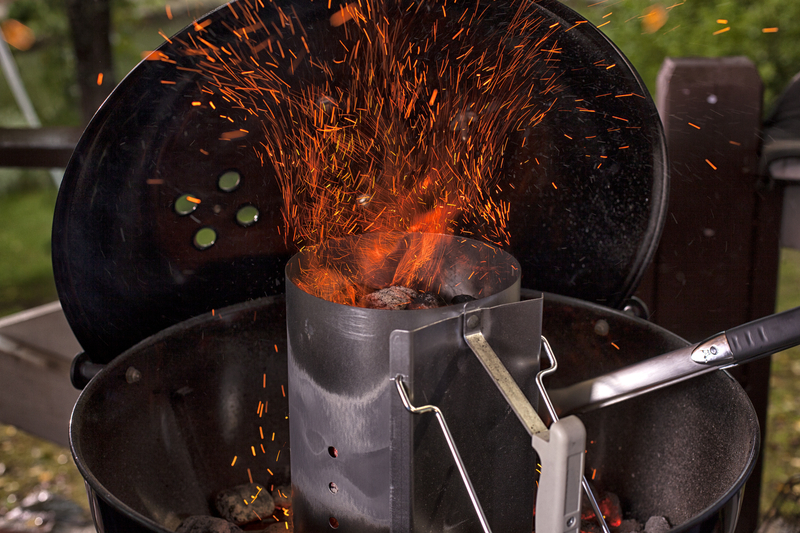 Getting good results comes down to three things: lighting charcoal properly, controlling heat with vents and coal placement, and cleaning up safely when you are done. Each step affects flavor, safety, and the overall grilling experience.
Light Coals Safely With a Chimney Starter
When lighting charcoal, a chimney starter is a reliable tool to get your coals burning evenly without lighter fluid. Whether using lump coal or charcoal briquettes, this tool speeds up the process.
Place newspaper or a fire-starter cube under the chimney, fill the top with charcoal, and light the paper. In about 15 to 20 minutes, the coals should be gray on the outside and glowing orange, indicating they are ready to use.
This method avoids lighter fluid, which can affect food flavor if the coals are not fully lit before cooking.
A chimney starter also helps light coals more evenly than applying lighter fluid to a pile. It can make charcoal grilling more consistent.
Manage Vents and Coal Placement
Precise temperature control and heat control on a charcoal grill depend on airflow and coal placement.
Opening the vents lets more oxygen reach the fire, raising the temperature. Partly closing them reduces airflow and slows the burn. With practice, these adjustments provide solid temperature control for any outdoor cooking project.
Two-zone cooking is one of the most useful grill setups. Push the coals to one side of the grill and leave the other side empty.
This creates a hot zone for searing and a cooler zone for slower cooking or keeping food warm. Move food between zones as needed to help prevent burning, especially when cooking high-fat cuts or thick pieces of meat.
Extinguish Coals and Dispose of Ash Safely
Coals can stay hot for a full day or longer, even when the grill feels cool on the outside.
Close the lid and shut the vents completely to cut off airflow and let the coals burn out. This is the safest way to extinguish them without water, which can crack some grill parts.
Once the ash is completely cool, transfer it to a metal container. Never use a paper bag or plastic bin, as hidden embers can still start a fire hours later.
Keep the container away from anything flammable for a couple of days before disposing of the ash. These precautions protect your grill, home, and anyone nearby.
What Experts Say About the Benefits of Charcoal Grills
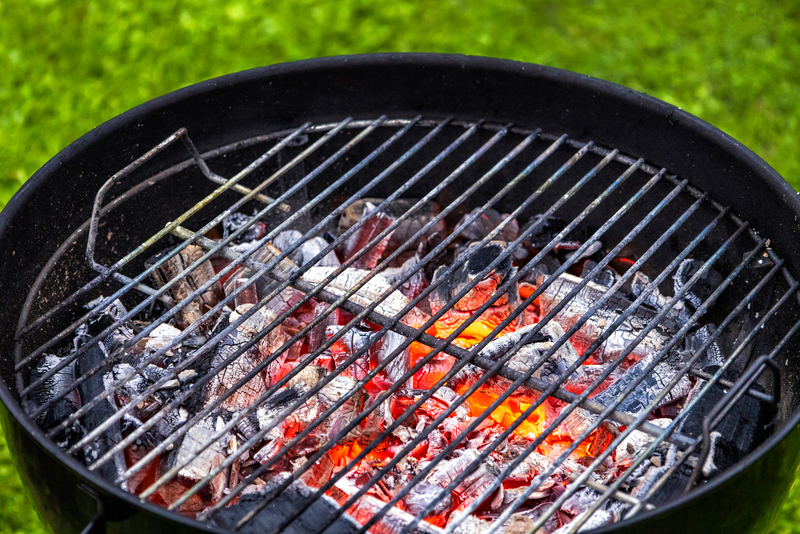 Charcoal grills offer a traditional grilling experience that gas and electric models cannot fully replicate. Burning charcoal produces direct, radiant heat and smoke, allowing food to develop the characteristic grilled flavor associated with outdoor barbecuing.
The USDA also recognizes charcoal grills as suitable for both direct grilling and slower smoking methods, with charcoal capable of maintaining the lower temperatures needed for long cooking sessions. Food Safety and Inspection Service.
Another advantage is greater control over the cooking environment. By adjusting the charcoal arrangement and grill vents, you can create different heat zones for searing, indirect cooking, and smoking.
However, charcoal is not automatically healthier than gas or electric grilling: the U.S. Environmental Protection Agency documents particulate and other emissions from residential charcoal grilling, so good ventilation and sensible cooking practices remain important. US EPA.
For food safety, the USDA recommends using a food thermometer regardless of the type of grill, since appearance and grill marks cannot reliably indicate whether food has reached a safe internal temperature. Food Safety and Inspection Service.
FAQ: What Are the Top Benefits of Charcoal Grills?
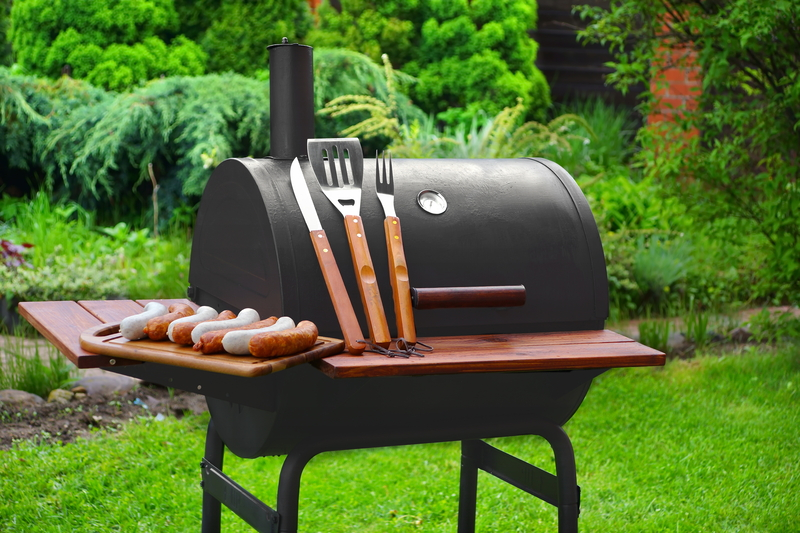 Charcoal grills offer several advantages, including high cooking temperatures, distinctive smoky flavor, direct and indirect cooking, and relatively simple construction. They also allow you to control heat by adjusting the charcoal arrangement and grill vents.
Does Charcoal Give Food More Flavor?
Yes. Cooking over charcoal can give food a distinctive smoky flavor that is different from gas or electric grilling. Smoke from the charcoal, along with drippings contacting the hot coals, contributes to the characteristic flavor.
Can Charcoal Grills Reach High Temperatures?
Yes. A properly prepared charcoal grill can reach high temperatures suitable for searing steaks, burgers, and other foods. The amount of charcoal, airflow, grill design, and weather conditions all affect the temperature.
Are Charcoal Grills Good for Indirect Cooking?
Yes. Charcoal can be arranged to one side of the grill, leaving an area without direct heat. This creates a two-zone cooking setup that is useful for larger cuts of meat, chicken, ribs, and foods that require longer cooking.
Are Charcoal Grills Versatile?
Yes. A kettle or other versatile charcoal grill can be used for direct grilling, indirect cooking, roasting, and smoking. Adjusting the charcoal placement and vents allows you to use different cooking temperatures and methods.
Are Charcoal Grills Simpler Than Gas Grills?
Charcoal grills generally have a simpler mechanical design because they do not require gas burners, valves, regulators, or fuel lines. However, charcoal takes longer to light and requires more hands-on temperature management than many gas or electric grills.
Are Charcoal Grills Better Than Gas or Electric Grills?
That depends on what you want from a grill. Charcoal offers smoky flavor and flexible high-heat cooking, while gas and electric grills generally provide greater convenience, faster startup, and easier temperature control. The best option depends on your cooking style, available space, and priorities.