


A quality 3-burner gas grill with a side burner offers the ideal balance of cooking space, versatility, and functionality for most grilling enthusiasts.
These mid-sized grills provide enough room to cook for small families or entertaining guests while maintaining manageable cleanup and maintenance requirements.
The best 3-burner gas grills with side burners feature reliable ignition systems, even heat distribution across the cooking surface, durable construction materials, and a functional side burner that expands cooking capabilities beyond the main grilling area.
This combination allows grillers to prepare complete meals simultaneously, from proteins on the main grates to sauces or side dishes on the auxiliary burner.
Understanding the key performance factors, material quality, safety features, and price considerations helps narrow down the extensive options available in today’s market.
Different brands offer varying levels of build quality and features, making it essential to evaluate specific needs against available models to find the right match for any outdoor cooking setup.
Ideal 3-Burner Gas Grills with a Side Burner
| Grill | Key Features | Image |
|---|---|---|
|
3-Burner Propane Gas Grill with Side Burner |
• 418 sq. in. primary cooking surface • Heavy Duty Cast Iron Grates • 12,000 BTU side burner • 52,000 BTU main output |
 |
|
3-Burner Propane Grill With Infrared Side Burner |
• Rust-resistant stainless steel body • 464 sq. in. primary cooking area + infrared side burner • 48,000 BTU total cooking power • Integrated temperature gauge • Battery-free piezo rotary ignitor |
 |
| Genesis S-335 3-Burner Propane Gas Grill With Side Grill |
• Stainless steel burners & grates • Porcelain-enameled lid (rust-resistant) • 3 high-performance burners • Side tables and built-in thermometer • Sleek Stainless Steel design |
 |
|
3-Burner 304 Stainless Steel Propane Gas Grill With Side Burner |
• 304 Stainless Steel, rust-resistant grill • Equipped with multiple burners for even heat distribution •Outdoor Barbecue Grill with Casters for Camping & Parties • Open cart design for storage • 34,000 BTU total cooking power |
 |
What Defines a Good 3-Burner Gas Grill With a Side Burner
A quality 3-burner gas grill with side burner combines adequate cooking space with versatile heat control.
The side burner adds functionality for preparing sauces or side dishes while grilling.
Essential Features to Look For
Construction materials determine longevity and performance.
Stainless steel construction offers the best durability and weather resistance.
Porcelain-enamel cooking grates provide excellent heat retention and easier cleaning.
Heat output varies significantly between models.
Each main burner should produce 8,000-15,000 BTUs for adequate cooking power.
Side burners typically range from 10,000-15,000 BTUs for proper searing and boiling capabilities.
Heat distribution relies on quality flame tamers or flavorizer bars.
These components spread heat evenly across the cooking surface and reduce flare-ups by directing grease away from flames.
Ignition systems should feature electronic or push-button starting.
Reliable ignition eliminates the need for matches or lighters and ensures consistent lighting performance.
Cooking space typically ranges from 400-600 square inches on main grates.
This size accommodates multiple racks of ribs, a dozen burger patties, or several whole chickens simultaneously.
Advantages of 3-Burner Gas Grills
Temperature control becomes more precise with three separate burners.
Users can create different heat zones for direct and indirect cooking methods on the same grill.
Cooking capacity suits small families and moderate entertaining.
The space handles everyday meals while accommodating gatherings of 6-10 people effectively.
Space efficiency makes these grills ideal for smaller patios and decks.
They provide substantial cooking power without overwhelming outdoor spaces like larger 4-6 burner models.
Fuel efficiency improves when only using necessary burners.
Users can operate one or two burners for smaller meals, reducing propane consumption compared to larger grills.
Versatile cooking methods include direct grilling, indirect roasting, and smoking techniques.
The three-burner setup allows for multiple temperature zones simultaneously.
Why a Side Burner Matters
Additional cooking space lets users prepare complementary dishes while grilling.
Side dishes, sauces, or beverages can be prepared without leaving the outdoor cooking area.
High-heat searing becomes possible with infrared side burners.
These units reach temperatures exceeding standard grill grates for restaurant-quality searing on steaks and chops.
Time management improves when multiple cooking methods run simultaneously.
Users can boil corn, warm beans, or prepare sauces while meat cooks on main grates.
Outdoor kitchen functionality expands with a quality side burner.
The additional heat source reduces trips to indoor kitchens during outdoor cooking sessions.
Versatility increases meal options beyond traditional grilling.
Side burners handle stir-frying, sautéing, and other stovetop-style cooking techniques outdoors.
Top-Rated 3-Burner Gas Grills With Side Burners
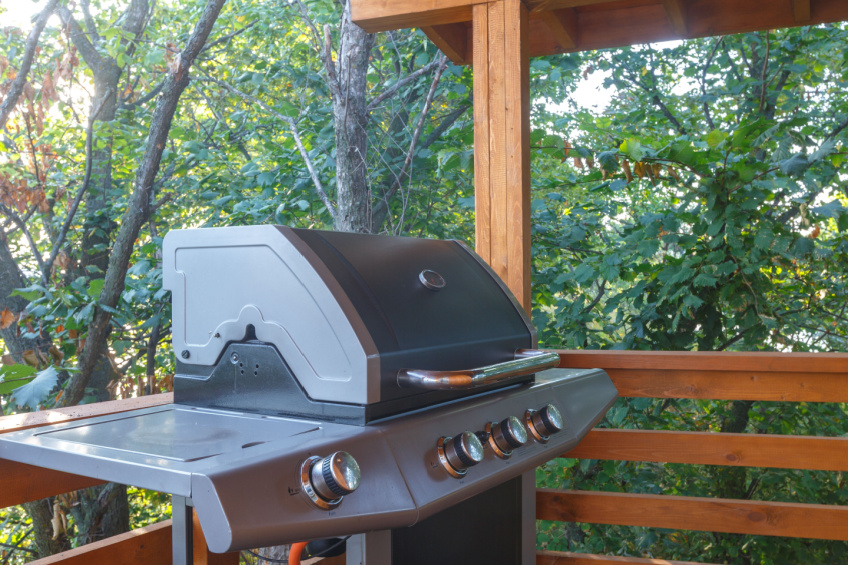 Several manufacturers offer excellent 3-burner gas grills with integrated side burners that balance cooking space, heat output, and additional functionality.
These models range from budget-friendly options under $400 to premium units exceeding $800, with compact designs available for smaller outdoor spaces.
Best Value Models
The Char-Broil Classic 360 leads the budget category with three main burners plus a dedicated side burner.
This model provides 360 square inches of primary cooking space and delivers solid performance for families of four to six people.
Key features include:
- Porcelain-coated cooking grates
- Built-in temperature gauge
- Side shelves for food prep
- Propane tank storage cabinet
 The Victory 3-Burner Propane Gas Grill With Infrared Side Burner offers another strong value proposition.
Built from heavy-gauge stainless steel, ensuring durability and resistance to rust.
It features three main burners that deliver a combined 36,000 BTU, providing consistent and powerful heat for all your grilling needs.
The 12,000 BTU infrared side burner allows for quick searing and adds versatility to your outdoor cooking.
Equipped with a battery-free piezo rotary ignition, the grill lights reliably without the need for batteries, and an integrated hood thermometer helps you monitor cooking temperatures with ease.
Its spacious cooking area accommodates large meals, making it perfect for family gatherings, barbecues, and entertaining guests.
Overall, it combines performance, convenience, and durability in one sleek design.
Premium Picks
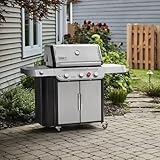 Weber Genesis series grills dominate the premium segment with superior build quality and advanced features.
The Genesis S-335 includes a powerful side burner alongside three main burners producing 64,000 total BTUs.
Premium features typically include:
- Stainless steel construction throughout
- Flavorizer bars for enhanced taste
- Grease management system
- 10-year warranty coverage
These units provide better heat retention and more even cooking temperatures.
Premium grills cost $600 to $1,200 but offer significantly longer lifespans.
The side burners on these models often feature independent controls and wind guards for outdoor cooking efficiency.
Compact and Space-Saving Options
Smaller outdoor spaces require grills with reduced footprints while maintaining essential features.
Several manufacturers produce compact 3-burner models with fold-down side shelves and removable side burners.
The Weber Spirit series offers models under 50 inches wide.
These grills maintain full cooking capacity while fitting on smaller patios and decks.
Space-saving features include:
- Fold-down side tables
- Compact propane tank storage
- Removable side burner units
- Caster wheels for mobility
Most compact models sacrifice some cooking surface area but retain the three-burner configuration.
The side burners may be smaller but still provide adequate heat output for most cooking tasks.
These models typically cost $400 to $700 and work well for apartments, condos, and smaller homes with limited outdoor space.
Performance Factors to Consider
Performance quality depends on three critical elements that directly impact cooking results.
Heat output, ignition reliability, and temperature precision determine how well a 3-burner gas grill with side burner will perform during actual cooking sessions.
Heat Output and Distribution
Good 3-burner gas grills typically generate between 30,000-40,000 BTUs across their main burners.
This output provides sufficient heat for most cooking tasks including searing steaks and slow-cooking larger cuts of meat.
BTU distribution matters more than total output.
Each burner should produce roughly equal heat to ensure consistent cooking across the grill surface.
Uneven distribution creates hot and cold spots that make temperature management difficult.
Heat retention depends on construction quality and materials.
Grills with thicker steel cooking boxes and well-fitted lids maintain steady temperatures better than lightweight models.
Poor heat retention forces burners to work harder and increases gas consumption.
The side burner typically adds 10,000-12,000 BTUs for boiling water or preparing sauces.
This additional heat source allows cooks to prepare complete meals without leaving the outdoor cooking area.
Ignition Systems
Most 3-burner gas grills feature electronic or push-button ignition systems that light burners quickly with minimal effort.
Reliable ignition eliminates the need for matches or manual lighting procedures.
Infinity ignition systems represent the most advanced option.
These systems retry automatically until burners light successfully.
Traditional piezo ignition requires manual button pressing for each attempt.
Battery-powered electronic ignition provides consistent spark generation.
However, dead batteries can disable the system entirely.
Some models include backup manual lighting options for emergencies.
Quality ignition systems should light burners within 2-3 seconds of activation.
Delayed ignition or frequent failures indicate poor system design or manufacturing defects.
Temperature Control Precision
Precise temperature control allows cooks to maintain specific heat levels for different cooking methods.
Well-designed control valves provide smooth adjustment between low simmer and high sear settings.
Good grills maintain temperature within 25°F of target settings.
Built-in thermometers help monitor cooking chamber temperatures, though their accuracy varies between manufacturers.
Digital displays typically provide more precise readings than analog gauges.
Multi-zone cooking requires independent burner control.
Each burner should adjust from low to high heat without affecting adjacent burners.
This independence enables simultaneous cooking of foods requiring different temperatures.
Wind resistance affects temperature stability in outdoor environments.
Grills with effective wind shields and well-sealed cooking chambers perform better in breezy conditions than open designs.
Material and Build Quality
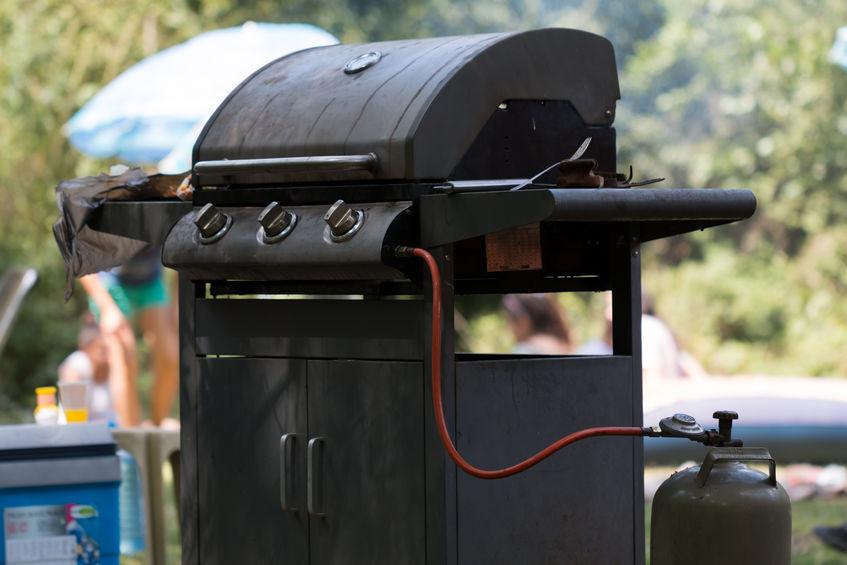
Stainless steel construction and porcelain-enamel coatings define quality 3-burner gas grills with side burners.
Cast iron grates provide superior heat retention while stainless steel grates offer easier maintenance and corrosion resistance.
Durability and Weather Resistance
Stainless steel construction provides the best protection against rust and corrosion.
Grade 304 stainless steel resists oxidation better than lower grades.
Porcelain-enamel coatings protect steel components from moisture and temperature fluctuations.
These coatings prevent rust formation on burner covers and cooking boxes.
Powder-coated steel offers a budget-friendly alternative to stainless steel.
It provides adequate weather resistance when properly maintained.
Cabinet construction varies between welded joints and bolt-together assemblies.
Welded construction creates stronger connections that resist loosening over time.
Side burner materials should match the main grill construction.
Stainless steel side burners maintain consistent performance in outdoor conditions better than painted steel alternatives.
Grate Materials Explained
Cast iron grates retain and distribute heat evenly across the cooking surface.
They create excellent sear marks but require regular seasoning to prevent rust.
Stainless steel grates resist corrosion without seasoning.
They heat up quickly and clean easily with soap and water.
Porcelain-coated cast iron combines cast iron’s heat retention with easy cleanup.
The coating can chip if dropped or struck with metal utensils.
Chrome-plated steel grates appear on budget models but offer limited durability.
They tend to rust when the chrome coating wears through.
Grate thickness affects heat retention.
Thicker grates maintain temperature better when cold food contacts the surface.
Side Burner Uses and Benefits
Side burners transform grilling sessions by providing dedicated space for sauces, side dishes, and specialized cooking techniques.
They operate independently from the main grill, allowing cooks to maintain different temperatures simultaneously.
Typical Side Burner Applications
Side burners excel at preparing complementary dishes while the main grill handles proteins.
Cooks frequently use them to sauté vegetables, warm barbecue sauces, or melt butter for corn on the cob.
Sauce preparation represents one of the most common applications.
Grillmasters can reduce marinades, prepare pan sauces, or keep condiments at serving temperature without leaving the outdoor cooking area.
Side dishes benefit significantly from dedicated burner space.
Items like:
- Grilled onions and peppers
- Heated baked beans
- Boiled corn
- Sautéed mushrooms
Warming functions prove essential during large gatherings.
The side burner maintains food temperatures while other items finish cooking on the main grates.
Emergency cooking situations also benefit from side burner availability.
When main burner flames become too intense or require adjustment, the side burner provides immediate backup cooking space.
Cooking Versatility
Side burners operate like stovetop elements, accepting standard cookware including pots, pans, and skillets.
This compatibility expands cooking methods beyond traditional grilling techniques.
High-heat searing becomes possible with infrared side burners.
These units reach temperatures exceeding 700°F, creating restaurant-quality crusts on steaks and chops.
Multi-zone cooking allows simultaneous preparation of complete meals.
While proteins cook on main grates, vegetables can sauté and sauces can simmer on the side burner.
Temperature control operates independently from main burners.
Cooks can maintain gentle simmering while achieving high-heat grilling nearby.
The side burner eliminates trips to indoor kitchens.
All cooking activities remain centralized in the outdoor space, improving workflow and social interaction during gatherings.
Ease of Use and Maintenance
 A quality 3-burner gas grill with side burner should offer straightforward operation and simple upkeep.
Modern grills typically feature porcelain-coated grates for easy cleaning and intuitive controls for hassle-free cooking experiences.
Cleaning Features
Grate Materials make the biggest difference in maintenance effort.
Porcelain-coated steel grates resist rust and wipe clean easily after cooking.
Cast iron grates retain heat well but require more care to prevent corrosion.
Stainless steel grates offer durability and dishwasher compatibility.
They heat evenly and resist sticking when properly preheated.
Grease Management Systems simplify cleanup significantly.
Quality grills include angled grease trays that channel drippings away from burners.
Removable drip pans allow for easy disposal without disassembling the grill.
Some models feature grease cups that slide out from the front.
This design prevents mess and makes emptying simple during cooking sessions.
Surface Finishes affect cleaning requirements.
Powder-coated steel exteriors resist fingerprints but may require gentle cleaners.
Stainless steel looks professional but shows water spots and requires specific cleaning products.
Assembly Process
Most 3-burner grills require 2-4 hours for complete assembly.
Premium models often include pre-assembled components that reduce setup time significantly.
Hardware Quality determines assembly difficulty.
Stainless steel bolts and brackets provide secure connections without stripping.
Cheap hardware often leads to loose joints and wobbling during use.
Clear instruction manuals with labeled diagrams prevent common mistakes.
Some manufacturers include QR codes linking to video tutorials for complex steps.
Tool Requirements typically include basic wrenches and screwdrivers.
Higher-end grills may include necessary tools in the packaging.
Professional assembly services cost $100-200 but ensure proper setup.
Pre-assembled cart sections save considerable time.
Burner boxes that arrive fully constructed reduce gas connection complexity and potential safety issues.
Warranty and Support
Coverage Periods vary significantly between manufacturers.
Firebox warranties typically last 5-10 years, while burners receive 2-5 year protection.
Cooking grates and other components usually have 1-2 year coverage.
Premium brands often provide longer warranties reflecting build quality confidence.
Budget models may offer limited coverage periods and exclude normal wear items.
Customer Service Quality affects long-term ownership satisfaction.
Responsive phone support helps resolve issues quickly.
Online parts ordering systems ensure replacement availability years after purchase.
Some manufacturers maintain authorized service networks for complex repairs.
Others rely on customer self-service with shipped replacement parts.
Parts Availability becomes crucial after warranty expiration.
Established brands maintain inventory for discontinued models longer than newer companies.
Generic replacement parts may fit but could affect performance or safety certifications.
Safety Features in Modern Gas Grills
Modern 3-burner gas grills incorporate multiple safety mechanisms to prevent accidents and gas leaks.
These features include precise flame control systems and stable construction designs that minimize tipping risks.
Flame Control and Shutoff Mechanisms
Gas grills feature precise heat control knobs that allow users to adjust flame levels accurately.
These control mechanisms provide immediate response when adjusting temperature settings.
Most modern units include automatic shutoff valves that stop gas flow when the flame extinguishes unexpectedly.
This prevents dangerous gas accumulation in the cooking area.
Ignition safety systems require users to hold control knobs while lighting.
The system only allows gas flow when the ignition process is actively engaged.
- Built-in flame tamers distribute heat evenly while reducing flare-ups
- Gas leak detection connections help identify loose fittings
- Pressure regulators maintain consistent gas flow and prevent over-pressurization
Many grills include thermal shutoff switches that automatically close gas valves if internal temperatures exceed safe limits.
Stable Construction
Heavy-duty steel frames provide solid foundations that resist tipping during normal use.
Most quality 3-burner models weigh between 100-150 pounds when assembled.
Locking wheel systems on portable units prevent unwanted movement during cooking.
Fixed models require proper anchoring to deck surfaces or concrete pads.
Low center of gravity designs position the heaviest components near the base.
This configuration reduces the risk of accidental tipping when side shelves hold food or accessories.
Reinforced leg assemblies use cross-bracing and welded joints rather than simple bolt connections.
These designs maintain stability even on uneven surfaces.
Price Ranges and Budget Considerations
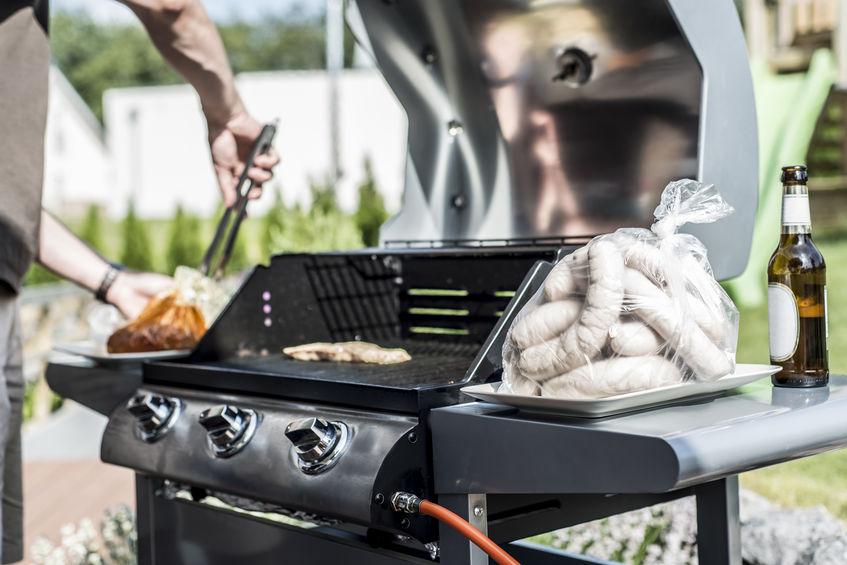
Three-burner gas grills with side burners range from $200 budget models to $1,500+ premium units, with significant differences in construction quality and features.
The sweet spot for most buyers falls between $400-800, offering solid performance without premium pricing.
Entry-Level vs. High-End Grills
Budget three-burner grills with side burners start around $200-400.
These models typically feature basic construction with painted steel components and standard burner systems.
Entry-level grills often include thin cooking grates and lightweight materials.
The side burners on budget models usually produce 10,000-12,000 BTUs, adequate for basic cooking tasks.
Mid-range options ($400-800) offer:
- Stainless steel construction
- Porcelain-coated cooking grates
- Better heat distribution
- More powerful side burners (12,000-15,000 BTUs)
Premium grills ($800-1,500+) feature heavy-duty stainless steel, cast iron cooking surfaces, and commercial-grade burner systems.
These units include advanced ignition systems and precise temperature control.
High-end models provide side burners with 15,000+ BTUs and infrared technology.
The build quality ensures consistent performance and professional-grade results.
Long-Term Value
Higher-priced grills typically last 10-15 years with proper maintenance, while budget models may require replacement after 3-5 years.
Premium stainless steel resists rust and corrosion better than painted surfaces.
Mid-range grills often provide the best value proposition.
They offer durability improvements over budget options without premium pricing.
Key value factors include:
- Warranty length (budget: 1-2 years, premium: 5-15 years)
- Replacement parts availability
- Construction materials
- Burner longevity
Spending $100-200 more initially often saves money long-term through reduced maintenance and longer lifespan.
Quality side burners maintain consistent heat output over many years of use.
Popular Brands to Consider
Weber stands as the most recognized name in gas grilling.
Their Genesis series offers several 3-burner models with side burners that deliver consistent performance and durability.
Char-Broil provides excellent value for budget-conscious buyers.
The Classic 360 series features 3-burner configurations with side burners at competitive price points.
Napoleon produces premium grills with advanced ignition systems and precise temperature control.
Their 3-burner models include side burners designed for serious outdoor cooking enthusiasts.
Blackstone specializes in outdoor cooking equipment with innovative designs.
Their gas grill lineup includes 3-burner options that incorporate side burners for complete meal preparation.
Broil King delivers professional-grade features at consumer-friendly prices.
Their Baron and Regal series include 3-burner grills with powerful side burners for versatile cooking.
Nexgrill offers affordable alternatives without compromising essential features.
Their 3-burner models with side burners provide solid performance for casual grilling needs.
Each brand brings distinct advantages in terms of build quality, warranty coverage, and price positioning.
Weber and Napoleon target premium segments while Char-Broil and Nexgrill focus on value-oriented consumers.
Accessories and Add-Ons for Enhanced Grilling
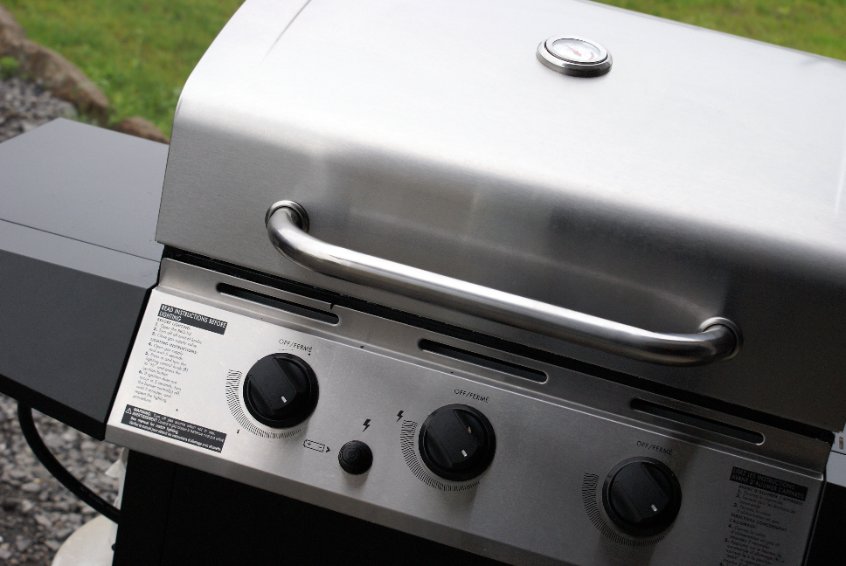
A 3-burner gas grill with side burner becomes more versatile with the right accessories.
Essential tools help maximize cooking potential and improve food quality.
Grill grates made from cast iron or stainless steel provide better heat retention and searing.
GrillGrates or ceramic grates distribute heat evenly across the cooking surface.
Temperature monitoring tools include instant-read thermometers and wireless probe thermometers.
These accessories ensure meat reaches proper internal temperatures without guesswork.
| Essential Accessories | Purpose |
|---|---|
| Grill brush | Cleaning grates |
| Long-handled tongs | Safe food handling |
| Spatula set | Flipping and serving |
| Grill mat | Preventing small items from falling |
Rotisserie kits attach to most 3-burner grills and enable slow-roasted chicken or roasts.
The side burner accommodates sauces and side dishes simultaneously.
Smoker boxes convert gas grills into smoking units.
Wood chips in these boxes add flavor to meats and vegetables during cooking.
Grill covers protect the investment from weather damage.
Heavy-duty covers extend grill life and maintain appearance.
Additional cooking surfaces like pizza stones or griddle plates expand menu options.
These accessories transform the grill into a versatile outdoor kitchen.
Quality accessories improve cooking results and expand possibilities beyond basic grilling.
The side burner particularly benefits from accessories like woks, stockpots, and saucepans designed for outdoor use.
Summary and Final Recommendations
Weber Genesis S-335 stands out as the top choice for most buyers.
The grill offers reliable performance under $500 with simple ignition and sturdy construction.
The Weber S-335 works well for small to medium families.
Weber’s reputation for durability means these grills typically last many years with proper maintenance.
Key factors to consider:
- Budget: Quality 3-burner grills with side burners range from $400-1000
- BTU output: Look for models with 25,000+ total BTUs for adequate heating
- Side burner power: Most standard side burners provide around 12,000 BTUs
- Construction: Stainless steel control panels offer better heat retention
 Nexgrill 3-Burner provides good value with 27,000 total BTUs.
The model includes side shelves and works for entertaining various group sizes.
Most gas grills come in both natural gas and propane versions.
Buyers should verify fuel type compatibility before purchasing.
Essential features to prioritize:
- Reliable ignition system
- Sturdy wheels for mobility
- Spacious side tables for food prep
- Quality burner construction
Weber models consistently receive high ratings from testing organizations.
The brand’s extensive dealer network also makes replacement parts easier to find.