

This content has been archived. It may no longer be relevant
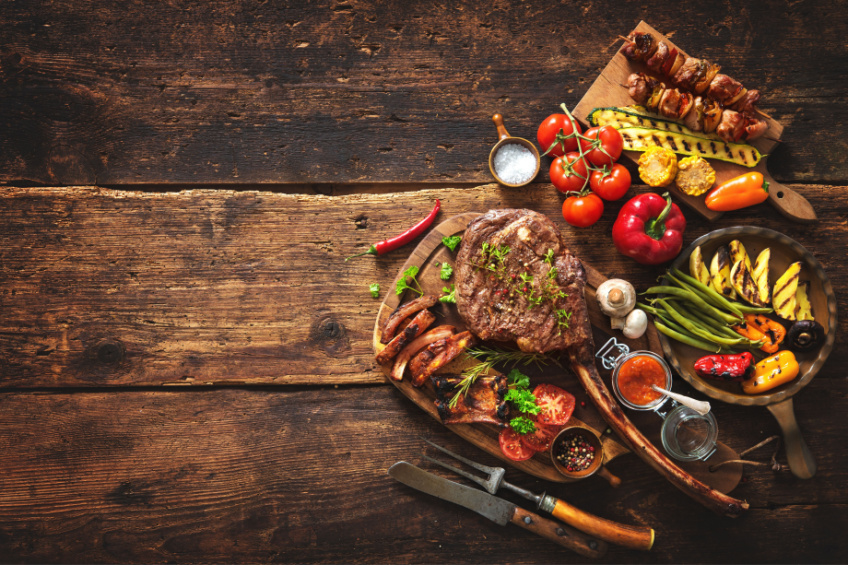 Many people use the terms barbecue and grill as if they mean the same thing, but they describe very different cooking methods.
Grilling uses high, direct heat for quick cooking, while barbecuing relies on low, indirect heat over a longer period of time.
That single difference changes the flavor, texture, and even the types of food best suited for each technique.
Understanding these distinctions helps avoid confusion at the cookout and makes it easier to prepare food the right way.
Knowing whether a dish calls for a fast sear over open flames or a slow smoke over glowing coals ensures better results every time.
This article explores how barbecue and grilling differ in technique, equipment, flavor, and tradition.
From the cuts of meat each method favors to the cultural roots that shaped them, the details reveal why both approaches remain staples of outdoor cooking.
Defining Barbecue and Grill
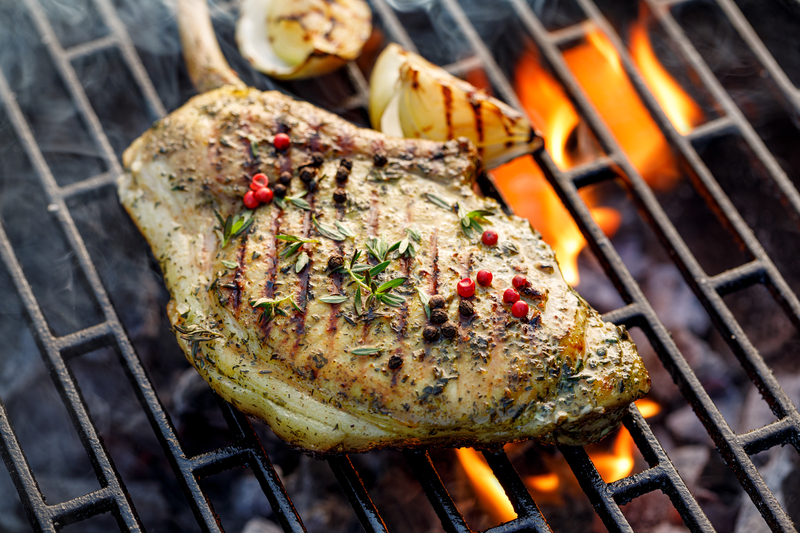
Barbecue and grilling use heat and fire to cook food, but they differ in temperature, cooking time, and technique.
One relies on slow, indirect heat and smoke, while the other depends on high, direct heat for quick results.
What Is Barbecue?
Barbecue is a slow-cooking method that uses low, indirect heat combined with smoke to flavor food.
The process often takes several hours and is best suited for larger cuts of meat such as brisket, ribs, or pork shoulder.
The temperature usually stays between 200°F and 275°F (93°C–135°C).
This allows connective tissue and fat in tougher meats to break down gradually, producing tender, flavorful results.
Wood or charcoal is commonly used as the heat source, and the type of wood—such as hickory, mesquite, or oak—directly influences the taste.
Smoke is not just a byproduct but an essential element of barbecue, creating a distinct flavor profile that cannot be achieved with faster cooking methods.
Barbecue is often associated with regional traditions.
For example, American barbecue varies widely, with Kansas City emphasizing sweet sauces, Texas focusing on beef and dry rubs, and Carolina styles highlighting vinegar-based sauces.
What Is Grilling?
Grilling is a fast-cooking method that uses high, direct heat to sear food.
Temperatures typically range from 400°F to 550°F (204°C–288°C), which makes it ideal for foods that cook quickly, such as steaks, burgers, chicken breasts, fish, and vegetables.
The food sits directly above the flame or heat source, usually on a metal grate.
This creates the characteristic grill marks and a crisp, seared exterior while keeping the inside juicy if cooked properly.
Grilling emphasizes speed and convenience.
Meals can be prepared in minutes, making it popular for weeknight dinners or casual gatherings.
Unlike barbecue, smoke plays a minor role, and the flavor comes more from marinades, seasonings, or the natural taste of the ingredients.
Gas, charcoal, and electric grills are all common, with charcoal offering stronger flavor while gas provides better control and ease of use.
Core Differences Between Barbecue and Grilling
The main difference lies in time, heat, and technique.
Barbecue uses low, indirect heat over long periods, while grilling uses high, direct heat for short cooking times.
| Aspect | Barbecue | Grilling |
|---|---|---|
| Heat Source | Indirect, low heat | Direct, high heat |
| Temperature Range | 200–275°F (93–135°C) | 400–550°F (204–288°C) |
| Cooking Time | Several hours | Minutes |
| Smoke Role | Essential for flavor | Minimal influence |
| Best For | Large, tough cuts of meat | Quick-cooking foods |
Barbecue transforms tougher meats into tender dishes through slow cooking and smoke infusion.
Grilling highlights the natural taste of food through searing and fast preparation.
These differences explain why the two methods, though often confused, deliver distinct results in both flavor and texture.
Cooking Techniques Compared
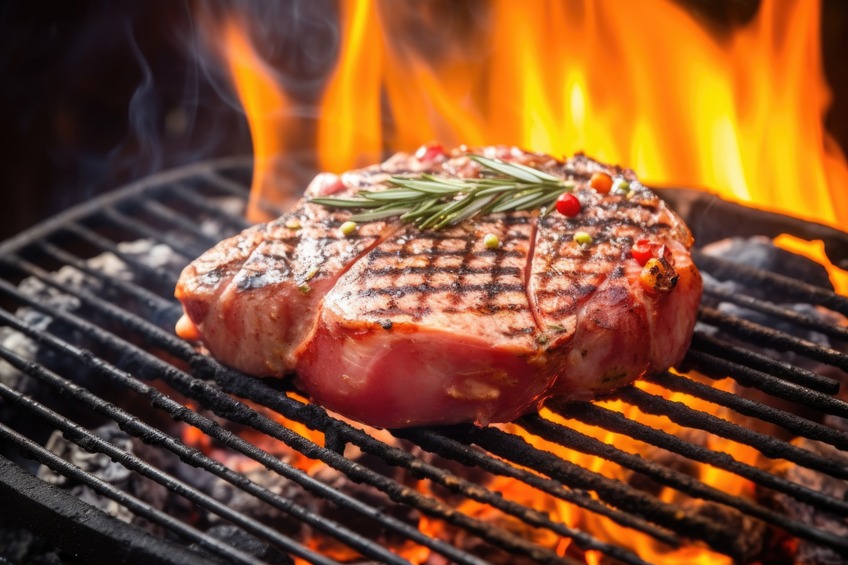
Barbecue and grilling both use outdoor heat sources, but they differ in how food is exposed to heat, the cooking times involved, and the flavor results.
The type of heat—direct or indirect—shapes the texture, tenderness, and taste of the final dish.
Barbecue Cooking Methods
Barbecue relies on low temperatures and indirect heat to slowly cook food over several hours.
This method works especially well for large or tough cuts of meat, such as brisket, pork shoulder, or ribs, which need time to break down connective tissue.
Wood or charcoal often provides the heat, and smoke plays a major role in flavor.
Different woods—such as hickory, mesquite, or applewood—produce distinct aromas and tastes.
Barbecue temperatures usually range between 225°F and 275°F (107°C–135°C).
This steady, gentle heat allows fat to render gradually, keeping meat moist while developing a tender texture.
Because of the longer cooking process, barbecuing requires planning, temperature control, and patience.
Many cooks use smokers or offset grills designed to maintain consistent heat and airflow.
Grilling Cooking Methods
Grilling uses high heat applied directly to food for a short period of time.
This method works best for smaller, tender cuts like steaks, burgers, chicken breasts, or vegetables.
Gas or charcoal grills commonly reach 400°F to 600°F (204°C–315°C), searing the outside of food quickly while keeping the inside juicy.
The high heat also produces grill marks and a browned crust through the Maillard reaction.
Unlike barbecue, grilling does not emphasize smoke flavor.
While charcoal can add some smokiness, the main goal is to cook food fast and achieve a crisp, caramelized surface.
Because grilling is quick, cooks must stay attentive to avoid overcooking.
Timing and placement on the grill surface make a noticeable difference in results.
Direct vs. Indirect Heat
Direct heat means placing food directly over the flame or coals.
It delivers intense, immediate heat suited for thin cuts, kebabs, or quick-searing tasks.
Indirect heat involves placing food to the side of the flame with the lid closed, creating an oven-like environment.
This method is essential for barbecue but can also be used on a grill for larger items like whole chickens or roasts.
Many cooks combine both approaches.
For example, they may sear meat over direct heat for flavor, then move it to indirect heat to finish cooking evenly without burning.
The choice between direct and indirect heat depends on the food’s thickness, desired texture, and required cooking time.
Equipment and Tools
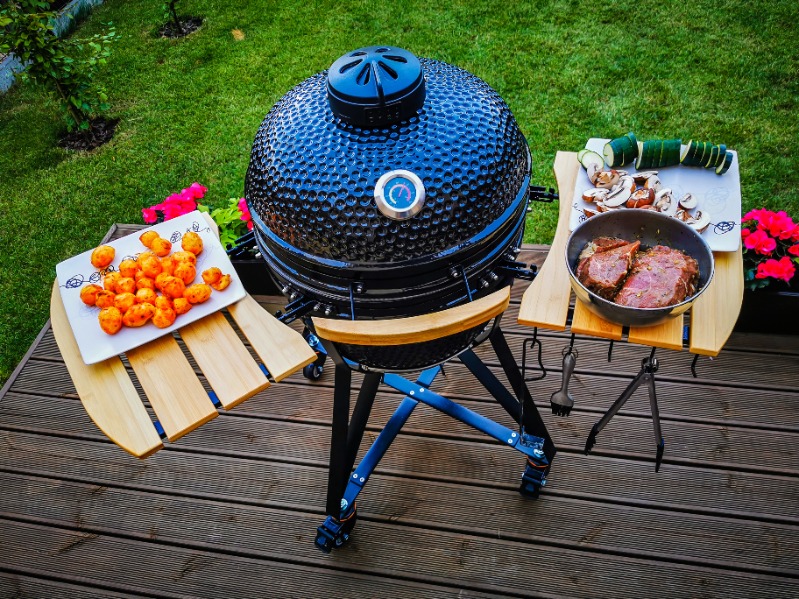
Cooking outdoors requires the right setup to match the method.
The type of cooker, the heat source, and the supporting tools all determine how food is prepared and the flavors it develops.
Barbecue Smokers and Pits
True barbecue relies on low, steady heat and smoke.
Smokers and pits are designed to maintain that environment for hours, making them different from standard grills.
Common smoker styles include offset smokers, vertical water smokers, and ceramic kamado cookers.
Offset smokers separate the firebox from the cooking chamber, allowing indirect heat and smoke to circulate.
Vertical smokers often use water pans to regulate temperature and moisture.
Kamado cookers, made of thick ceramic, retain heat exceptionally well and can double as grills.
Temperature control is critical in barbecue.
Many smokers include adjustable vents and dampers to regulate airflow.
A reliable thermometer, either built-in or digital, helps ensure meat stays within the safe and flavorful range of 225–275°F.
Accessories like drip pans, heat deflectors, and wood chunks add versatility.
Wood choice—such as hickory, oak, apple, or cherry—affects the final taste, making it an essential part of the barbecue process.
Types of Grills
Grills are built for high heat and shorter cooking times.
They come in several designs, each offering different benefits.
Charcoal grills deliver strong, smoky flavor and allow direct or indirect cooking depending on coal placement.
Gas grills provide convenience with quick ignition and precise temperature control, making them popular for weeknight meals.
Electric grills, though less traditional, work well in spaces where open flames are not allowed.
Portable grills are compact and suited for tailgating or camping.
Larger freestanding models may include multiple burners, side shelves, and rotisserie attachments.
Built-in grills are often part of outdoor kitchens and designed for permanent installation.
Essential tools for grilling include long-handled tongs, spatulas, and a stiff-bristle brush for cleaning grates.
Many cooks also use an instant-read thermometer to avoid undercooking or overcooking meat.
Fuel Sources
The choice of fuel directly affects flavor, heat control, and convenience.
Each option has trade-offs that influence cooking style.
Charcoal briquettes burn steadily and are easy to arrange for direct or indirect heat.
Lump charcoal lights faster and burns hotter, with less ash, but requires more attention during long cooks.
Propane and natural gas offer clean-burning heat and precise control.
They are favored for quick cooking but lack the wood smoke flavor of charcoal.
For barbecue, hardwood logs or wood chunks are often added to charcoal for smoke.
Different woods produce distinct flavors—mesquite is bold and strong, while fruitwoods like apple and cherry are milder and slightly sweet.
Some modern grills and smokers also use pellets, compressed wood pieces fed by an electric auger.
Pellet cookers combine convenience with consistent smoke, though they depend on electricity and specialized fuel.
Flavor Profiles and Results
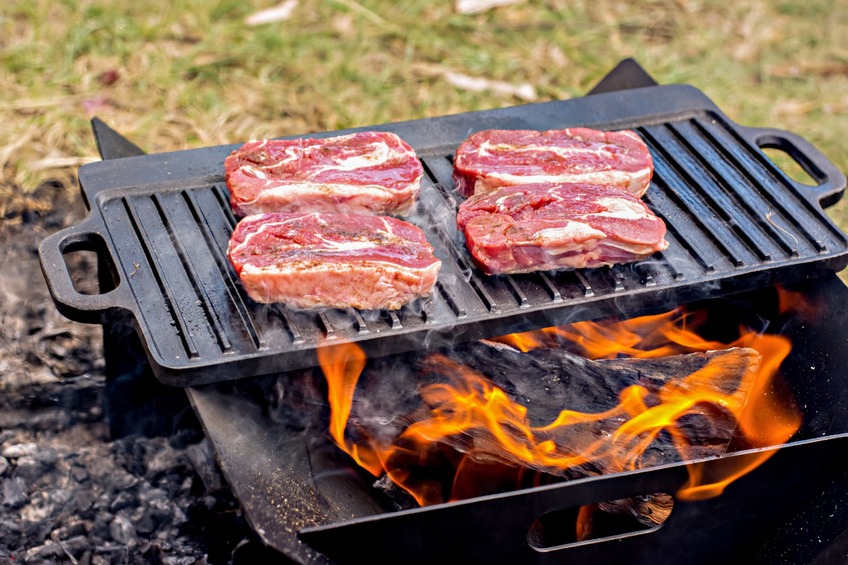
Cooking with direct high heat produces distinct characteristics compared to slow smoking with indirect heat.
The choice of method affects not only the flavor but also the texture and appearance of the food.
Taste Differences
Grilling relies on high heat to sear food quickly.
This creates a savory crust through the Maillard reaction, giving meats and vegetables a charred, slightly smoky taste.
The flavor comes primarily from caramelization and browning at the surface rather than deep smoke penetration.
Barbecue, in contrast, emphasizes low-and-slow cooking.
Wood smoke plays a central role, infusing meat with complex, layered flavors that develop over several hours.
Rubs, marinades, and mop sauces often enhance the smokiness, resulting in a richer and more pronounced taste profile.
A quick comparison:
| Method | Flavor Source | Intensity |
|---|---|---|
| Grilling | Browning, char, surface heat | Bold but surface-level |
| Barbecue | Smoke, rubs, long cooking | Deep, complex, lasting |
Grilled food tends to taste fresher and lighter, while barbecued food carries a heavier, smoke-driven richness that lingers.
Texture and Appearance
Grilled foods usually have a firm exterior with visible grill marks.
The inside remains juicy if cooked properly, but the short cooking time means less breakdown of connective tissue.
This makes it best suited for tender cuts like steak, chicken breast, or vegetables.
Barbecue produces a very different result.
Long exposure to low heat slowly breaks down collagen and fat, creating tender, pull-apart textures in meats like brisket or pork shoulder.
The surface often develops a bark—a dark, flavorful crust formed from smoke, seasoning, and rendered fat.
The contrast is clear: grilled foods highlight crisp edges and defined sear lines, while barbecued foods showcase moist interiors and a smoke-ring beneath the surface.
Each method shapes not only taste but also the look and mouthfeel of the final dish.
Typical Foods Prepared

Different cooking methods highlight different types of foods.
Slow, low-heat barbecue works best for tougher cuts that benefit from long cooking times, while high-heat grilling is suited for quick-cooking meats and vegetables.
Popular Barbecue Dishes
Barbecue often focuses on cuts of meat that become tender through extended cooking.
Pork shoulder, beef brisket, and ribs are among the most common choices because their connective tissue breaks down during hours of smoking.
Smoked poultry, such as whole chickens or turkey, also appears frequently in barbecue traditions.
The long cooking process allows the smoke flavor to penetrate the meat while keeping it moist.
Many regions have signature barbecue dishes. For example:
- Carolina-style pulled pork uses vinegar-based sauces.
- Texas brisket emphasizes simple seasoning with salt and pepper.
- Kansas City ribs are often coated in thick, sweet sauces.
Side dishes also play a role, with baked beans, coleslaw, and cornbread often accompanying slow-cooked meats.
These foods complement the smoky flavors and balance the richness of the meat.
Common Grilled Foods
Grilling typically highlights foods that cook quickly over direct heat.
Steaks, burgers, and hot dogs remain staples because they sear well and require only minutes to prepare.
Vegetables such as bell peppers, zucchini, and corn on the cob grill effectively due to their firm texture.
Many cooks also grill seafood like shrimp, salmon, or swordfish since these items benefit from fast cooking and a smoky char.
Grilled foods often appear at casual gatherings because they require less preparation time.
A simple seasoning of salt, pepper, or marinades enhances flavor without the need for long cooking.
Below are some common grilled items:
| Protein | Vegetables | Other |
|---|---|---|
| Steaks | Corn | Flatbreads |
| Burgers | Zucchini | Pizza |
| Chicken | Peppers | Skewers |
| Fish | Mushrooms | Sausages |
Preparation Time and Temperature
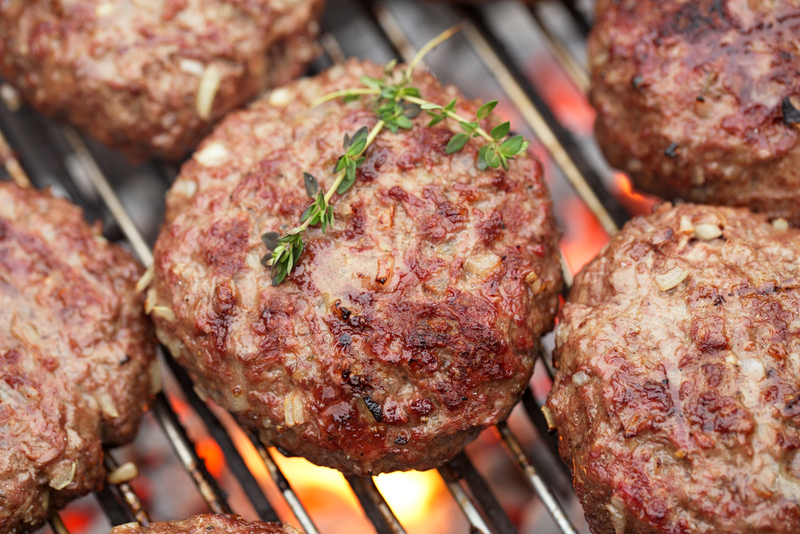
Cooking over fire can mean either quick, high-heat searing or long, low-temperature smoking.
The difference lies in how heat is applied, how long food stays on the grill or smoker, and the flavors that develop from each method.
Barbecue Timing and Temperatures
Barbecue relies on low and slow cooking.
Temperatures usually stay between 225°F and 275°F (107°C–135°C), which allows tough cuts of meat like brisket, pork shoulder, or ribs to break down gradually.
Cooking times extend for hours, often 4 to 12 hours depending on the cut and thickness.
This slow pace makes barbecue suitable for meats that benefit from collagen breakdown and smoke absorption.
Indirect heat is essential.
The food sits away from the flame, and wood or charcoal provides both heat and smoke.
This combination gives barbecue its distinctive flavor and tender texture.
Because the process is lengthy, cooks often monitor temperature with a thermometer to maintain consistency.
Small fluctuations can affect cooking outcomes, so steady heat is more important than speed.
Grilling Timing and Temperatures
Grilling focuses on high, direct heat.
Typical temperatures range from 400°F to 550°F (204°C–288°C), sometimes higher.
This intense heat cooks food quickly, making it best for thinner or smaller cuts such as steaks, burgers, chicken breasts, or vegetables.
Cooking times are short, usually 5 to 15 minutes.
The goal is to sear the exterior, lock in juices, and produce a charred surface without overcooking the inside.
Unlike barbecue, grilling does not rely on smoke for flavor.
Instead, the taste comes from caramelization and the Maillard reaction caused by direct flame contact.
Because of the speed, grilling requires close attention.
Food can burn within minutes if left unattended, so cooks tend to stay at the grill and adjust placement or flip items as needed.
Regional and Cultural Variations
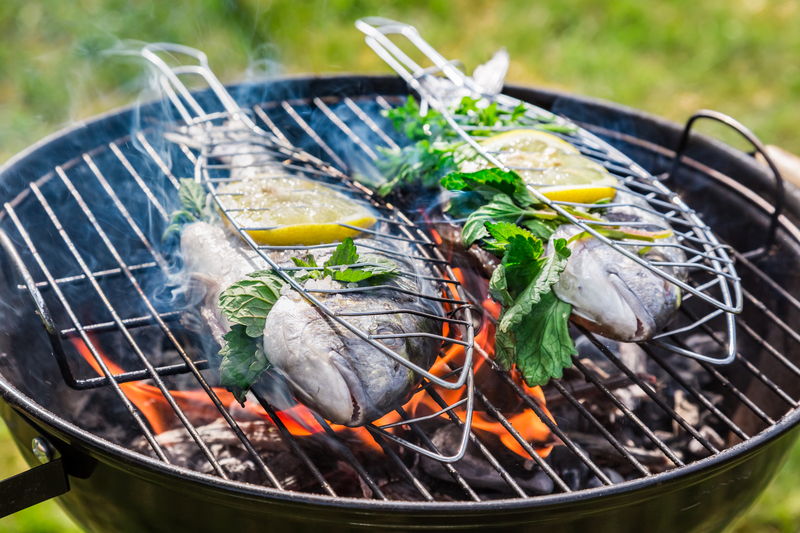
Cooking over fire takes many forms depending on location, history, and available ingredients.
Some regions emphasize slow smoking and sauces, while others focus on quick searing or seasoning traditions that highlight local flavors.
Barbecue Traditions Around the World
Barbecue practices differ widely across cultures.
In the United States, Southern barbecue is known for slow-cooked meats like pulled pork, ribs, and brisket.
Each state often has its own sauces and seasonings, such as vinegar-based in North Carolina or tomato-based in Kansas City.
In Latin America, Argentina and Brazil highlight beef cooked over open flames.
Argentine asado uses large cuts of beef or lamb grilled on a parrilla, often seasoned only with salt.
Brazilian churrasco features skewered meats cooked over charcoal and served with side dishes like farofa.
Asian traditions also stand out.
Korean barbecue focuses on thinly sliced meats like bulgogi, grilled at the table and paired with sauces and side dishes.
In Japan, yakitori involves skewered chicken cooked over charcoal, often seasoned with tare sauce or simple salt.
These approaches show how techniques and flavors adapt to local preferences, from long smoking sessions to quick, high-heat cooking.
Grilling Styles by Region
Grilling also varies significantly by region.
In the United States, grilling often means cooking steaks, burgers, or vegetables quickly over high heat. This method is common for casual gatherings and summer cookouts.
In the Mediterranean, grilling emphasizes seafood, lamb, and vegetables.
Olive oil, lemon, and herbs like oregano or rosemary play a central role in seasoning.
This style highlights freshness and lighter flavors.
In the Middle East, kebabs represent a signature grilling method.
Meat, often lamb or chicken, is marinated with spices such as cumin, coriander, and garlic before being skewered and grilled.
Flatbreads and dips like hummus or tahini accompany the meal.
Across Africa, grilling often incorporates local spices and marinades.
For example, South African braai features beef, chicken, or boerewors sausages cooked over wood fires, reflecting both cultural tradition and social gathering.
Each regional style demonstrates how grilling adapts to local tastes, ingredients, and cooking customs.
Health and Nutrition Considerations
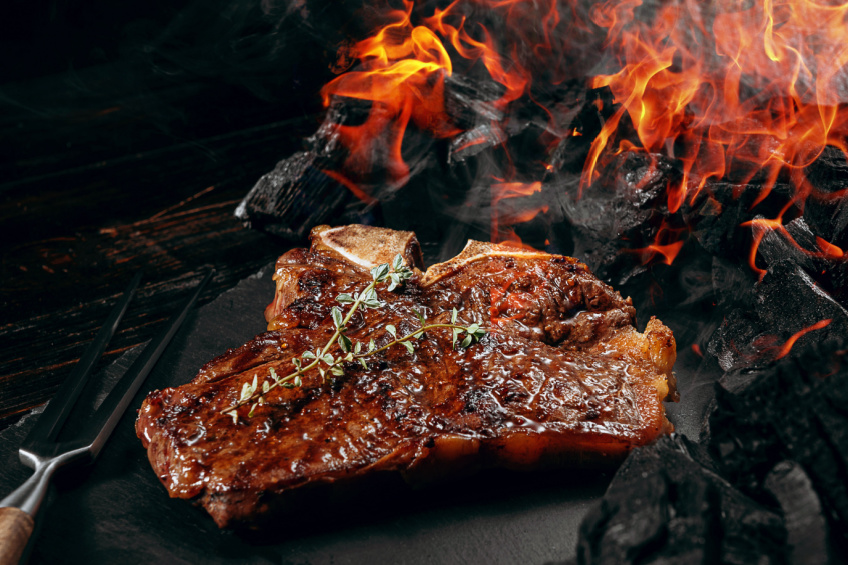
Cooking over fire affects both the nutritional value of food and the potential health risks involved.
Temperature, cooking time, and equipment choice all influence how meats, vegetables, and other foods retain nutrients or develop harmful compounds.
Nutritional Differences
Grilling typically exposes food to high, direct heat.
This method cooks quickly, which helps retain certain water-soluble vitamins like vitamin C in vegetables.
However, rapid cooking can also cause fat to drip onto flames, producing smoke that may contain compounds linked to health risks.
Barbecue, by contrast, relies on lower temperatures over a longer period.
This slow process can break down connective tissue in meats, making them tender and easier to digest.
Yet, extended cooking may reduce heat-sensitive nutrients such as some B vitamins.
Protein quality remains largely intact in both methods, but fat content can change.
Grilling often reduces fat as it drips away, while barbecue may retain more fat depending on the cut of meat.
Vegetables on the grill usually preserve fiber and minerals well, though prolonged smoking may alter flavor and nutrient stability.
| Method | Heat Level | Cooking Time | Nutrient Effects |
|---|---|---|---|
| Grilling | High, direct | Short | Retains some vitamins, reduces fat |
| Barbecue | Low, indirect | Long | Breaks down connective tissue, may reduce heat-sensitive nutrients |
Healthier Cooking Practices
Several strategies can reduce risks while maintaining flavor.
Trimming excess fat before cooking lowers flare-ups that produce smoke.
Using lean cuts of meat and marinating in acidic bases like lemon juice or vinegar may also limit harmful compound formation.
Vegetables benefit from grilling with minimal oil and avoiding heavy charring.
Choosing sturdy vegetables such as peppers, zucchini, or corn helps preserve nutrients while still achieving a charred texture.
Indirect cooking methods, such as placing food away from the flame, reduce exposure to high heat.
Using a thermometer ensures safe internal temperatures without overcooking.
Simple adjustments—like flipping food often, removing heavily charred portions, and balancing meals with plant-based sides—support healthier outcomes while still enjoying outdoor cooking traditions.
Choosing Between Barbecue and Grill
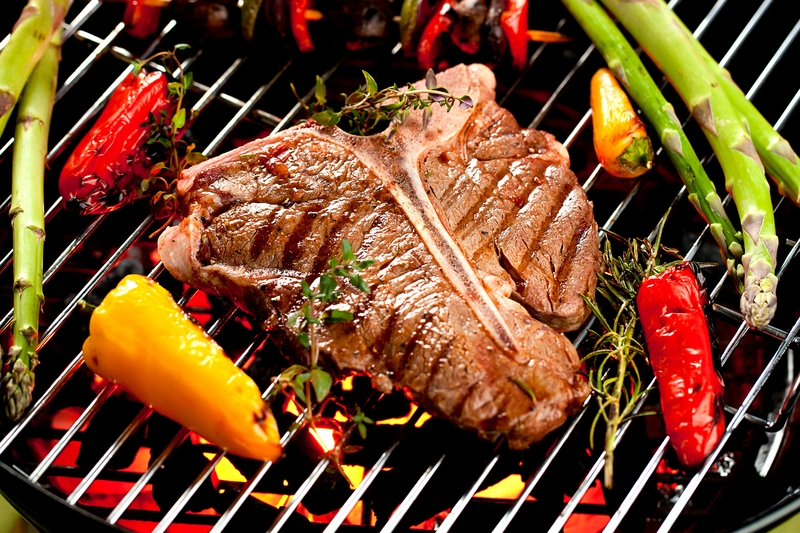
Selecting the right cooking method depends on time, flavor goals, and the type of food being prepared.
Each approach offers distinct results, and the decision often comes down to practicality and desired taste.
Factors to Consider
Time is one of the most important factors.
Grilling usually takes less than 30 minutes, while barbecuing can last several hours.
Someone planning a quick meal after work will likely prefer grilling, while barbecuing suits longer gatherings or weekends.
Flavor also plays a role.
Grilling produces a charred, smoky surface with a juicy interior, while barbecuing develops a deeper, wood-smoked taste that penetrates the meat.
This makes barbecue more suited to tougher cuts like brisket or ribs.
Equipment availability matters as well.
A basic charcoal or gas grill handles direct high heat, but low-and-slow barbecue often requires a smoker or an offset grill.
Fuel choice—charcoal, wood, or gas—also influences the outcome.
Cost and portion size should not be ignored.
Grilling works well for smaller cuts like steaks, burgers, or vegetables.
Barbecue often involves larger portions meant to feed more people, making it less practical for small households.
When to Use Each Method
Grilling is best for foods that cook quickly.
Examples include chicken breasts, fish fillets, burgers, hot dogs, and vegetables.
These items benefit from fast searing that locks in moisture and creates a crisp exterior.
Barbecue works better for tougher cuts that need time to break down connective tissue. Brisket, pork shoulder, and ribs are classic choices.
The low heat and smoke tenderize the meat and add complex flavor.
Occasion also influences the choice.
A casual weeknight dinner favors grilling, while a weekend cookout or holiday gathering allows time for barbecue.
Temperature control and patience are essential for successful barbecue, while grilling rewards speed and simplicity.
Conclusion
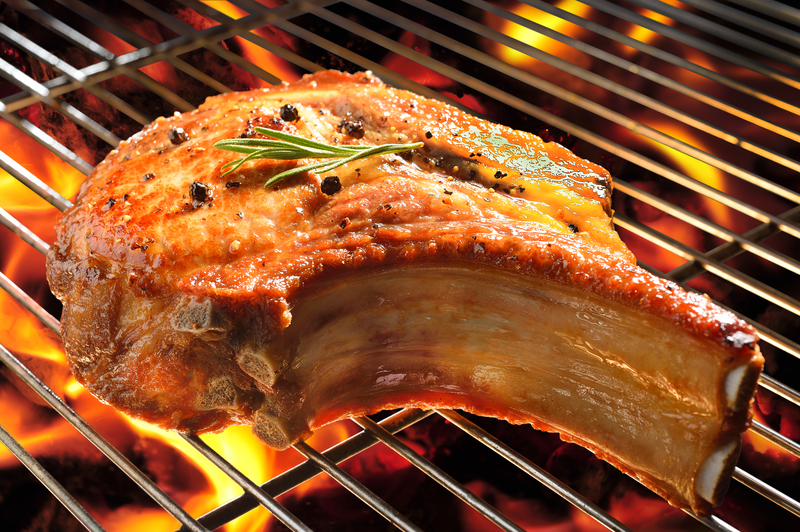
Grilling and barbecuing serve different purposes in outdoor cooking, and knowing the distinction helps cooks choose the right method.
Grilling works best for quick meals, while barbecuing suits tougher cuts that benefit from long, slow cooking.
Key differences include:
- Heat source: Grilling uses direct, high heat; barbecuing relies on indirect, low heat.
- Cooking time: Grilling takes minutes; barbecuing can take hours.
- Food types: Grilling fits steaks, burgers, and vegetables; barbecuing suits brisket, ribs, and pork shoulder.
| Method | Heat Level | Time Required | Best For |
|---|---|---|---|
| Grilling | High, direct | Short (minutes) | Steaks, burgers, chicken pieces, vegetables |
| Barbecuing | Low, indirect | Long (hours) | Brisket, ribs, pork shoulder, whole poultry |
Choosing between the two depends on available time, preferred flavors, and the type of food being prepared.
A quick dinner may call for grilling, while a weekend gathering might favor slow-smoked barbecue.
Both techniques require attention to temperature control and proper equipment.
Understanding these fundamentals allows anyone to cook with more confidence and achieve consistent results outdoors.