
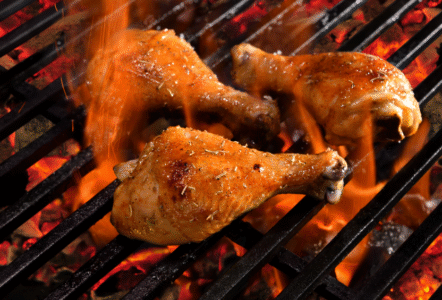
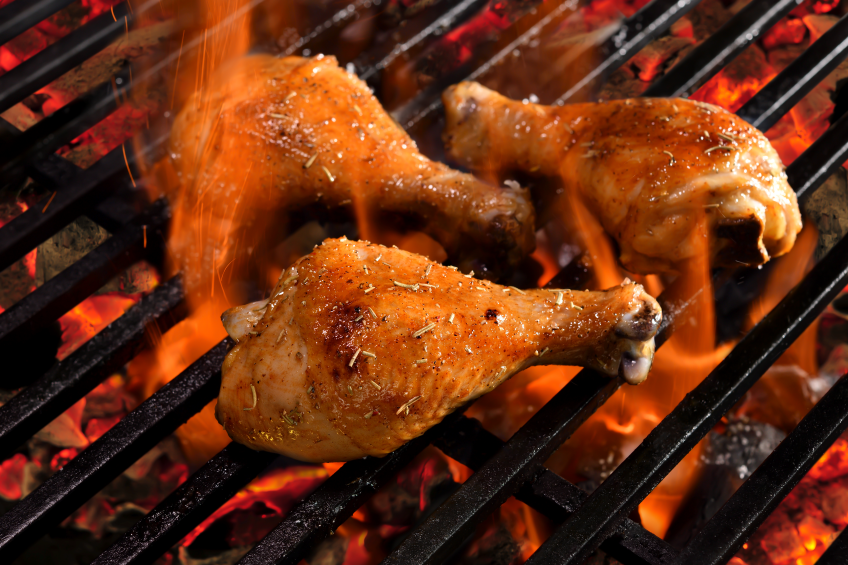
 Summer cookouts often spark the same debate: charcoal or gas?
Charcoal grilling creates a different taste than gas, mainly because of smoke and high heat. The difference depends more on technique than on the grill itself. When fat drips onto hot coals, it vaporizes and produces smoke that rises toward the food, adding a smoky flavor. Charcoal can also reach high temperatures, helping food develop a well-browned sear and crust.
This guide explains what creates that classic grill flavor and when charcoal is worth the extra effort for your next cookout.
The Short Answer: When Charcoal Makes a Difference
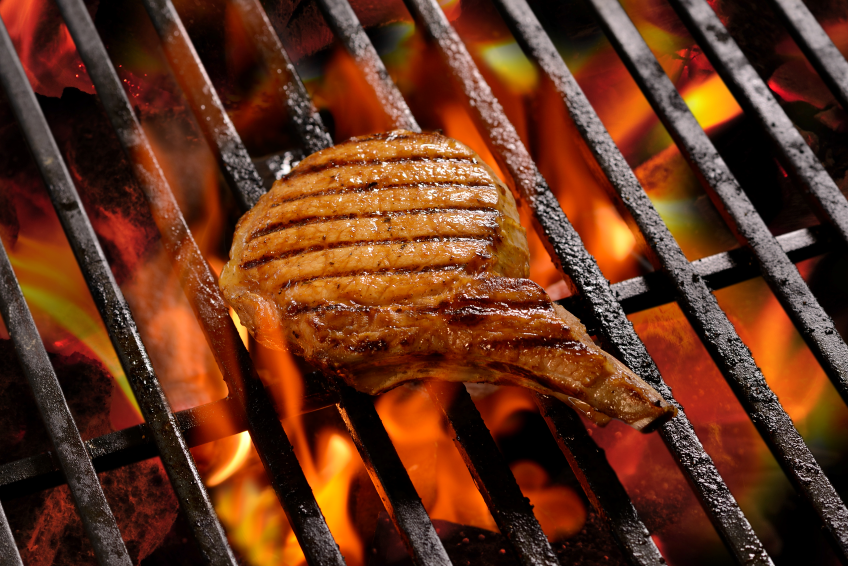 Charcoal does not always change the taste of food. Charcoal grilling offers the biggest flavor payoff during longer cooks, when food has more time to absorb smoke.
This distinct taste stems largely from pyrolysis, the heat-driven breakdown of dripping juices and wood fuel into fragrant smoke.
Why Smokiness Can Make Food Taste Better
When you grill with charcoal, smoke from the fuel and cooking drippings can settle on the food, adding a smoky flavor that is harder to achieve on a gas grill.
The longer food is exposed to smoke, the more smoky flavor it can absorb. Surface moisture aids in smoke absorption, which is why grilled steak and other cuts of grilled meat develop a deeper flavor over a longer cook. Cooler food surfaces encourage better smoke absorption early in the session. This gives grilled meat ample time to pick up rich undertones before the exterior dries out.
Fat drippings also contribute. When fat hits hot coals, rapid pyrolysis vaporizes these juices and produces smoke that rises toward the food. This effect is more direct on many charcoal grills because the heat source is close to the drippings.
This process creates vaporized aroma compounds that coat the meat as they rise.
When the Difference Is Hard to Notice
Not every meal benefits from charcoal smoke. Quickly cooked foods, such as thin burgers or hot dogs, may not spend enough time on the grill to develop much smoky flavor.
Grilled vegetables can also cook quickly, and too much smoke may give them a bitter taste.
In these cases, gas grilling can work just as well. It provides consistent heat for browning without as much smoke, making it easier to avoid an overly smoky flavor.
Where Charcoal-Grilled Flavor Comes From
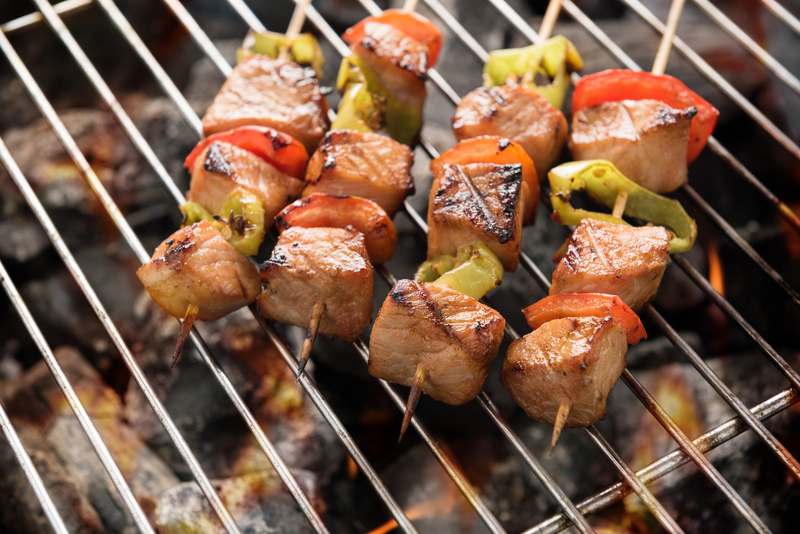
Charcoal-grilled flavor comes mainly from two sources: browning caused by heat and smoke from the fuel and cooking drippings.
Fans of charcoal grilling appreciate how hot coals produce intense radiant heat and aromatic smoke that define outdoor cooking. This setup delivers an authentic grill flavor that gas burners often struggle to match.
At the heart of this process is the heat-driven breakdown of wood fibers and rendered juices into rich aromatic compounds.
Browning, Searing, and Caramelization
Charcoal can burn hotter than many gas grills, depending on the grill and its setup. High heat encourages the Maillard reaction, a chemical reaction between proteins and sugars that creates a browned crust and new flavor compounds.
High-heat searing can brown the surface quickly. When searing meat, radiant heat from glowing coals accelerates the Maillard reaction, creating rich savory flavors while gas grills rely more on hot air and grates.
Because the Maillard reaction thrives above 300 degrees Fahrenheit, searing over coals rapidly builds savory depth and texture.
Vegetables and some meats also undergo caramelization, in which natural sugars break down and develop sweet, browned flavors. This differs from the Maillard reaction, though both can happen during grilling. Natural caramelization adds sweet complexity to onions, peppers, and barbecue glazes as surface moisture evaporates.
Smoke from Fuel and Dripping Fat
Charcoal is made from wood that has already undergone pyrolysis to remove water and volatile organic compounds. During further pyrolysis on the grill, intense heat breaks down the wood to create compounds that contribute smoky aromas and flavors. This process releases aromatic gases that enrich the rising smoke.
Pyrolysis occurs when organic matter decomposes at high temperatures without burning completely. When you add wood chunks to the fire, wood pyrolysis occurs at lower oxygen levels, generating flavorful smoke rather than open flame. This process produces fewer harsh residues than raw lumber, resulting in a cleaner flavor profile.
As meat cooks, fat and juices drip onto hot coals. These drippings undergo quick thermal pyrolysis on the coals, vaporizing into aromatic smoke that enriches the meat.
Smoke flavor tends to develop most while food is exposed to smoke early in cooking, when its surface is relatively cool and moist. Longer cooks can allow more smoke exposure, though the result depends on the fuel, airflow, temperature, and cooking method.
How Fuel and Wood Change the Taste
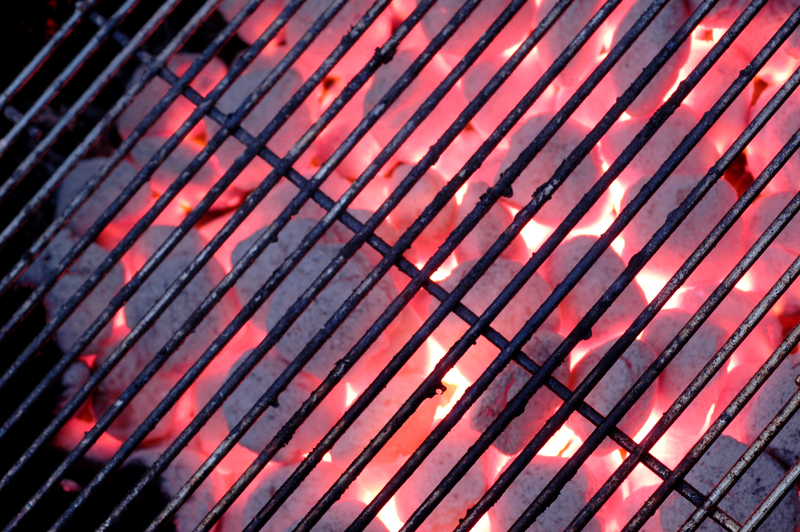 The type of charcoal and any wood you add can affect the aroma and flavor of grilled food. Different fuels and woods produce different smoke profiles because their unique plant fibers break down differently when heated.
Lump Charcoal vs. Briquettes
Lump charcoal is made from hardwood and generally lights quickly, burns hotter, and produces less ash. Briquettes are compressed into uniform shapes, allowing them to burn more steadily and maintain consistent temperatures for longer cooks. The choice comes down mainly to high heat and wood character versus predictable, steady burning.
Choose the Right Wood for the Flavor You Want
Different woods produce different smoke flavors. Applewood provides a mild, slightly sweet flavor suited to poultry, pork, and fish, while oak produces a balanced smoke that works well with beef, lamb, and poultry. Hickory delivers a stronger, bacon-like flavor, while mesquite produces an intense, earthy smoke that works particularly well with beef. Stronger woods can also be blended with milder varieties for better balance.
Wood Chips vs. Wood Chunks
Wood chips burn quickly and are better suited to shorter grilling sessions, while wood chunks burn more slowly and are preferable for longer cooks. Chunks can be positioned around the fire so they smolder gradually and provide a steady supply of smoke.
What Smoke Compounds Add to Aroma
Wood smoke contains compounds such as guaiacol and syringol, which contribute to the characteristic smell and flavor of smoke. Other compounds, including aldehydes, carbonyls, terpenes, and organic acids, add toasted, caramel-like, woodsy, and tangy notes. Together, these compounds create the more complex smoky character associated with wood and charcoal grilling.
Charcoal vs. Gas: Flavor and Convenience

Charcoal and gas grills both cook food well, but they differ in heat, smoke, and convenience. The right choice depends on the flavor you want and how much time you want to spend grilling.
Comparing Sear, Smoke, and Heat Control
A charcoal grill can reach very high temperatures, sometimes around 700 degrees Fahrenheit, depending on the grill and setup. High heat is ideal for searing meat, while smoke from fuel and drippings can add flavor.
This intense output makes high-heat searing easy to execute, creating a crisp exterior that seals in natural juices. A gas grill heats up quickly and provides steady, adjustable heat with the turn of a knob. This precise temperature control makes it easier to switch between low and high heat.
Achieving solid temperature control on a charcoal pit requires adjusting intake dampers, whereas gas dials respond immediately. Practicing good temperature control keeps the coals burning at a steady pace without scorching your food.
Here’s a quick comparison:
| Feature | Charcoal Grill | Gas Grill |
|---|---|---|
| Max heat | Can be higher, depending on the grill | Varies by model |
| Heat-up time | About 15–20 minutes | About 10 minutes |
| Temperature control | More hands-on | Easy to adjust |
Can a Gas Grill Produce Smoky Flavor?
A gas grill does not naturally produce smoke in the same way as burning charcoal or wood. Burner deflectors also reduce the amount of smoke produced when meat juices reach the heat source, so gas grilling typically has a cleaner flavor.
You can still add smoky flavor to a gas grill with a few simple tools. A smoker box filled with wood chips can be placed on the cooking grates or near a burner. As the box heats up, the wood smolders and releases smoke that flavors the food.
A smoker box also keeps the wood contained and helps prevent ash from interfering with the burners. Another option is to wrap wood chips in foil and poke several holes in the top. Place the packet near a burner so the heat causes the chips to smolder and release smoke through the openings.
These methods will not produce exactly the same flavor as cooking over charcoal and hardwood, but they can add noticeable smoky character while preserving the quick heat-up and precise temperature control of a gas grill.
Techniques for Better Charcoal-Grilled Food
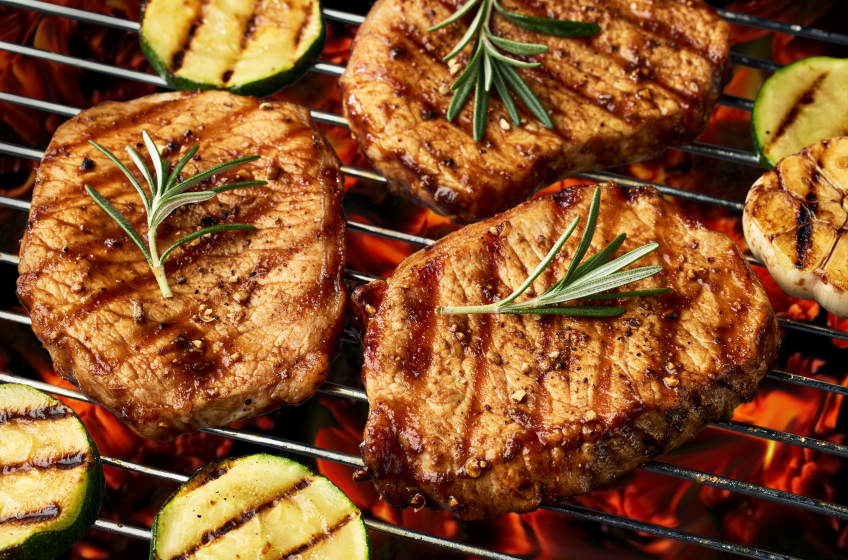 Good grilling techniques depend on how you light your coals and position food over them. Getting these steps right helps prevent dry or burnt food and produces juicy, flavorful meals.
Mastering these foundational grilling techniques gives you greater confidence and consistent results during charcoal grilling sessions.
Light the Coals and Set Up Two Heat Zones
A chimney starter is an easy way to light charcoal. Fill it about two-thirds full, place newspaper or a fire starter underneath, and light it. In 15 to 20 minutes, the coals should be covered in white ash and ready to use.
Lighting fuel in a chimney starter avoids foul odors and keeps lighter fluid chemicals away from your cookout. It also heats the coals evenly, establishing a clean-burning fuel bed before cooking begins.
Once the coals are lit, arrange them in your grill to create two heat zones. Pile most of the coals on one side for high heat, and leave the other side empty or with fewer coals.
This setup works well in most charcoal grills, including the popular Weber Original Kettle. It gives you a hot side for searing and a cooler side for slower cooking, so you can move food between them as needed.
Match Heat and Smoke to the Food
Different foods need different heat levels. Direct grilling works best for thin cuts like a charcoal-grilled steak, burgers, and grilled vegetables. These cook quickly over the hot zone and develop a good sear.
When searing meat, direct grilling exposes the exterior to intense radiant heat to build a crisp crust in minutes. Practicing high-heat searing on these cuts delivers optimal flavor before the interior overcooks.
Dripping meat juices rapidly vaporize on contact with the coals, coating the exterior in rich, savory smoke. Indirect grilling is better for thick or large items, such as whole chickens or roasts. Placing them over the cooler zone lets them cook through without burning on the outside.
Relying on indirect grilling also gives large roasts time to absorb smoke gently as hot air circulates under the lid. Slower wood burning at moderate temperatures generates a milder smoke that penetrates deeply without turning bitter.
Marinating meat before grilling adds flavor and helps keep it moist, especially for lean cuts. For smoky flavor, choosing the right wood chips and adding them to the hot coals can boost flavor without overpowering the food. Match your technique to what you’re cooking, and check doneness with a meat thermometer rather than relying on time alone.
Flavor Without Excessive Charring
 Good charcoal flavor comes from smoke and heat, not a burnt, black crust. You can get that smoky taste while keeping your food safer and better tasting by controlling flare-ups and managing smoke exposure.
Manage Flare-Ups and Avoid Burning Food
Flare-ups happen when fat or juices drip onto hot coals and cause a sudden burst of flame. These flames can quickly char your food, giving it a bitter, burnt taste instead of a smoky one.
While gentle fat vaporization yields rich aroma, direct combustion from grease flares chars food prematurely.
You can reduce flare-ups in a few simple ways:
- Trim excess fat from meat before grilling.
- Move food to a cooler zone on the grill if flames flare up.
- Use a two-zone fire, with coals on one side and an empty space on the other.
- Keep the lid nearby to smother sudden flames.
Burnt, charred spots on meat aren’t just a flavor problem. Cooking meat at high heat until it chars can form heterocyclic amines (HCAs), compounds that form when amino acids and creatine react under intense heat.
Keeping flare-ups under control helps reduce charring and prevents excessive heterocyclic amines from developing. Marinating before cooking also significantly inhibits heterocyclic amines (HCAs) on the outer crust.
Managing airflow stabilizes the cooking process, helping drippings smoke cleanly rather than erupt into bitter flames.
Balance Smoke Exposure with Food Safety
Smoke gives charcoal-grilled food its signature taste, but excessive smoke exposure can be a concern. When fat drips onto hot coals, incomplete combustion and flares can produce polycyclic aromatic hydrocarbons (PAHs), which rise with the smoke and settle on food.
These polycyclic aromatic hydrocarbons stick to the meat when rendered fat creates billowing grease flares. Managing dripping juices keeps polycyclic aromatic hydrocarbons from building up on delicate foods.
You don’t have to skip grilling to reduce exposure.
A few habits can help:
- Cook over indirect heat when possible, instead of placing food directly above flames.
- Avoid thick smoke clouds by keeping your fire clean and well-managed.
- Flip food often to limit how long it stays in one spot over the heat.
- Clean your grill grates regularly to remove charred buildup from past cookouts.
These steps let you enjoy charcoal flavor while reducing excess smoke and limiting potential exposure to polycyclic aromatic hydrocarbons (PAHs). Good fire control ensures great taste while keeping polycyclic aromatic hydrocarbons to a minimum.
FAQ: Does Grilling With Charcoal Taste Better? The Flavor Facts
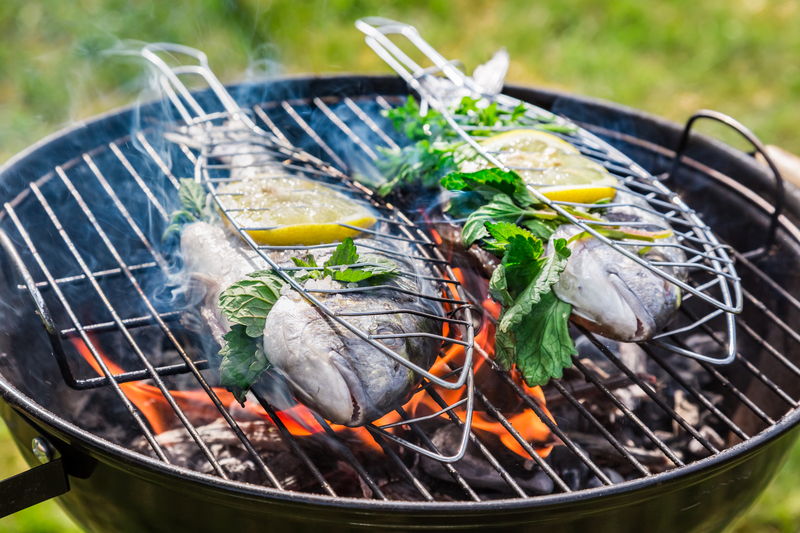 Charcoal grilling can give food a distinctive smoky flavor that many people associate with traditional barbecue. Burning charcoal produces smoke, while drippings from food can also create additional smoke when they reach the hot coals, adding complexity to the flavor.
Why Does Charcoal Make Food Taste Smoky?
Charcoal produces smoke and intense radiant heat as it burns. Smoke can interact with the surface of food, while fat and juices dripping onto hot coals can create additional smoke that contributes to the characteristic flavor of charcoal-grilled food.
Does Charcoal Taste Better Than Gas?
The flavor is different rather than objectively better. Charcoal generally produces more smoke-related flavor, while gas grilling produces a cleaner taste with less smoke. Food, cooking temperature, and whether wood is used also affect the final flavor.
Does Lump Charcoal Taste Better Than Briquettes?
Both can produce good results, but they have somewhat different characteristics. Lump charcoal tends to light quickly and can reach high temperatures, while briquettes generally burn more consistently and for longer, making them useful when steady heat is important.
Can You Get Charcoal Flavor Without a Charcoal Grill?
You can add some smoky character to food cooked on a gas or electric grill using wood chips or other suitable smoking accessories, where the appliance and manufacturer instructions allow them. However, the result will not be identical to cooking directly over charcoal.
Does Charcoal Make Steak Taste Better?
Charcoal can give steak a stronger smoky and grilled character, particularly when cooked over high heat. Browning from the Maillard reaction also contributes to the flavor and crust, so the final taste comes from both the cooking method and the