
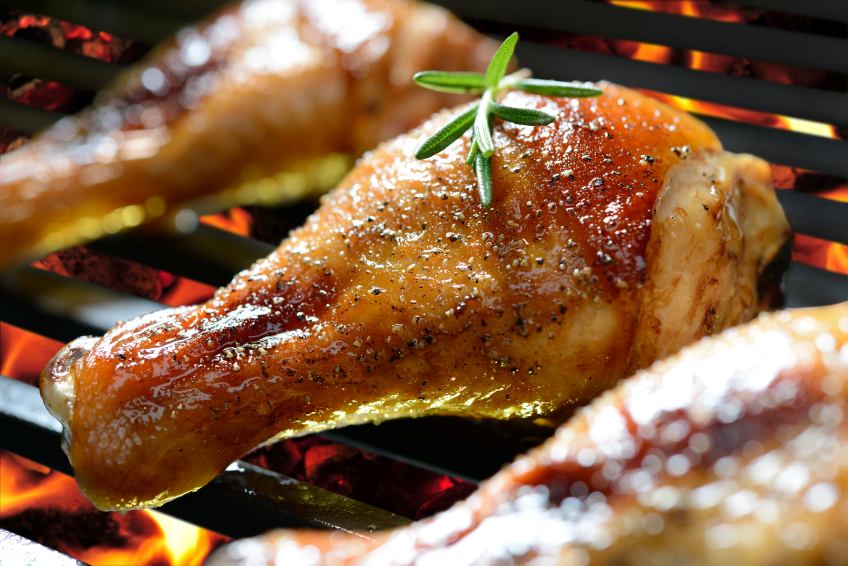
 Summer is here, and it is time to fire up the grill. If you love outdoor cooking, you have probably wondered whether your choice of grill affects your health.
Propane grilling may be the healthier choice because it generally produces less smoke and fewer PAHs than charcoal grilling. Charcoal grilling can produce higher levels of compounds linked to cancer risk, especially when fat drips onto hot coals and creates smoke or flare-ups. Propane grills also make it easier to control heat, which can help reduce flare-ups and charring.
Your choice of grill does not have to mean giving up smoky flavors. Simple steps can help you make charcoal grilling safer while still enjoying the taste you like.
The Health Verdict: Why Propane Usually Has the Edge
 When you compare charcoal grills and propane grills, the main differences involve smoke exposure and temperature control. Propane generally produces less smoke and may reduce exposure to some harmful compounds, but the food you grill and how you cook it also matter.
How Fuel, Smoke, and Cooking Technique Affect the Answer
The fuel you choose affects the smoke produced during cooking. When fat drips onto hot coals or flames, smoke can carry polycyclic aromatic hydrocarbons, or PAHs, onto food. Charcoal grilling can produce more smoke and PAHs, though the amount depends on the grill and cooking conditions.
Propane generally produces less smoke than charcoal. This may lower your exposure to PAHs, but it does not eliminate them.
Your grilling habits also matter. Charring food, cooking fatty meats at high heat, and allowing flare-ups can increase the formation of harmful compounds, including heterocyclic amines, or HCAs. You can lower these risks with either fuel by choosing appropriate fuels and using safer cooking techniques.
What Propane Can—and Cannot—Reduce
Propane grills may lower smoke exposure and reduce some PAH formation compared with charcoal grills. Less smoke can result when fat drippings are kept away from flames and cooking temperatures are controlled.
However, propane cannot eliminate heterocyclic amines (HCAs). These heterocyclic amines develop when meat is cooked at high temperatures, regardless of the fuel source.
Propane alone cannot guarantee healthier grilling.
Your cooking choices still matter:
- Trim visible fat before cooking
- Keep drippings away from flames where possible
- Use moderate, steady heat instead of high flames
- Flip food often to help prevent charring
Propane grills often offer better temperature control, but good grilling habits are important with either fuel.
At-a-Glance Comparison of the Two Grills
| Factor | Charcoal Grills | Propane Grills |
|---|---|---|
| Smoke production | Generally higher | Generally lower |
| Temperature control | Can be harder to manage | Usually easier and more precise |
| PAH formation | May be higher, depending on cooking conditions | May be lower, depending on cooking conditions |
| HCA formation | Depends on cooking technique | Depends on cooking technique |
| Flavor | Smoky, traditional | Milder, consistent |
This table shows why propane is often considered the healthier option: it generally produces less smoke and offers steadier heat, which may reduce exposure to some harmful compounds during grilling.
However, your results depend heavily on how you grill, not just which grill you choose.
What Creates Potentially Harmful Compounds on Grilled Food
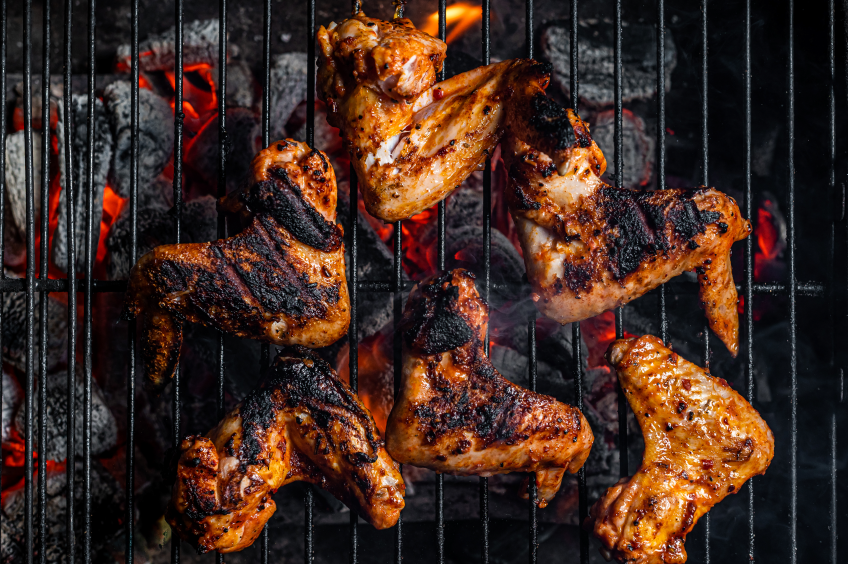 Two groups of chemicals can form when you grill: polycyclic aromatic hydrocarbons (PAHs) and heterocyclic amines (HCAs). Both are associated with cooking, heat, and smoke, but they form in different ways.
Understanding how polycyclic aromatic hydrocarbons (PAHs) and heterocyclic amines (HCAs) develop is the key to minimizing them during outdoor cooking.
PAHs From Drippings, Flare-Ups, and Smoke
Polycyclic aromatic hydrocarbons form when fat and juices drip onto hot coals or flames. This causes flare-ups and generates rising smoke that deposits polycyclic aromatic hydrocarbons (PAHs) onto food.
The more smoke your food is exposed to, the more PAHs may collect on its surface.
PAHs can form when fat and juices drip onto a heated surface or open fire, which is why fatty cuts can produce more smoke and flare-ups. Charcoal grilling may create more PAHs than gas grilling, depending on the fuel, grill, and cooking method.
HCAs From High-Heat Cooking and Charring
Heterocyclic amines form in meat rather than coming from smoke. These heterocyclic amines (HCAs) develop when amino acids, sugars, and creatine in muscle tissue react at high temperatures.
HCA formation can increase as your cooking temperature rises.
Higher levels are more likely when meat is cooked:
- above 300°F
- for a long time
- until well done
- directly over an open flame
Chicken and steak cooked at high temperatures, especially until well done, can contain higher concentrations of HCAs. High-heat pan-frying can also create HCAs, even without an open flame.
Why Browning Is Not the Same as Burning
Browning food is not the same as burning it. Light browning comes from the Maillard reaction, a chemical process in which heat causes proteins and sugars to react. This reaction gives grilled food its color, aroma, and flavor.
Char is different. It forms when food is scorched or blackened, often because of a flare-up or prolonged cooking in one spot.
Charring can increase exposure to HCAs and PAHs. Removing heavily charred portions of meat can help reduce exposure, while light browning from the Maillard reaction is not the same as burning.
Smoke Exposure and Grill Safety
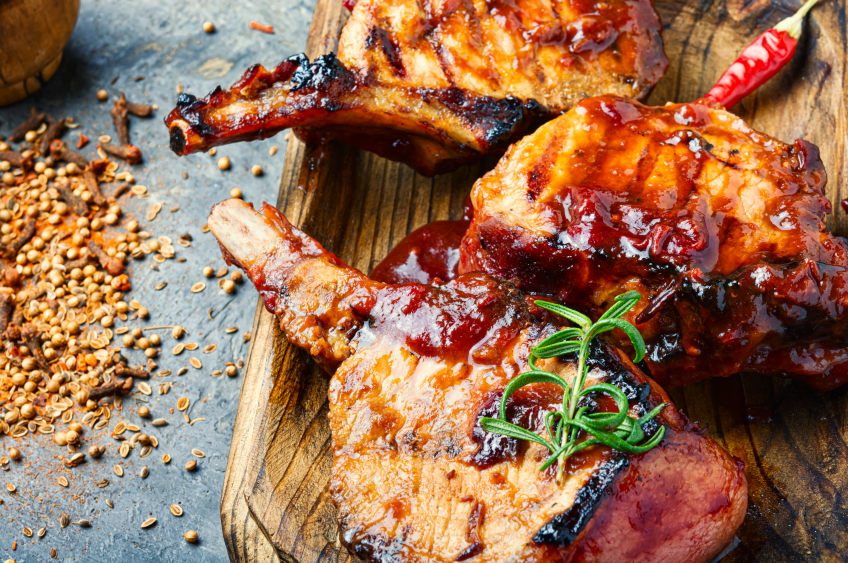 Both charcoal and propane grills release smoke and combustion gases, but the amount and type of exposure can differ. Understanding these emissions can help you choose a safer grilling location and limit smoke exposure.
Particulates and Combustion Byproducts Around the Grill
Charcoal grilling can release more particulate matter than propane grilling, depending on the grill and conditions. High levels of airborne particulate matter can irritate the respiratory system when breathed in directly.
The amount of smoke and particulate matter varies with the fuel, airflow, and food being cooked.
Charcoal smoke can also contain volatile organic compounds (VOCs), which may irritate your eyes, nose, and throat. Inhaling volatile organic compounds (VOCs) and dense soot is more likely when standing downwind.
Minimizing your direct exposure to volatile organic compounds keeps outdoor cooking much more comfortable.
Propane grills produce carbon monoxide and can also produce smoke. Emissions vary with the grill and how it is used, though propane grilling generally produces less visible smoke than charcoal grilling.
Choosing a well-ventilated outdoor location and standing upwind can help reduce the smoke that reaches you while you cook.
Why Neither Fuel-Burning Grill Belongs Indoors
You should never use a charcoal or propane grill indoors, in a garage, or in an enclosed porch. Both fuels produce carbon monoxide, an odorless, invisible gas that can build up quickly in enclosed spaces.
High carbon monoxide levels can cause headaches, dizziness, and potentially fatal poisoning. Grill smoke can also worsen breathing problems, especially for people with asthma or other lung conditions.
Grilling outdoors in an open area lets smoke and gases disperse instead of collecting around you. Operating a grill near open windows can severely compromise your indoor air quality.
Following safe grilling practices means keeping equipment far away from entryways so smoke never threatens your indoor air quality.
Practical Ways to Grill More Safely With Either Fuel
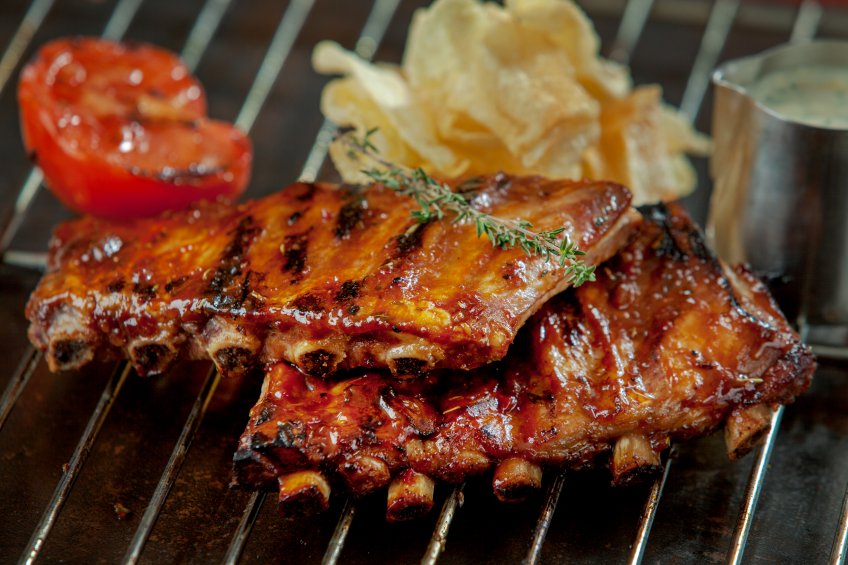 Adopting safe grilling practices can significantly lower potential health risks, regardless of which grill you use. Small adjustments to how you cook support healthier grilling all season long.
Monitoring heat, choosing suitable foods, and avoiding charred spots can make outdoor cooking both delicious and wholesome.
Control Heat and Keep Fat Away From Flames
Your grill temperature matters more than the fuel you choose. High heat and direct contact with flames can cause fat to burn, producing smoke that contains potentially harmful compounds. Reduce this risk by cooking over moderate heat instead of using high heat throughout.
Move food away from direct flames when possible. Setting up indirect heat zones supports healthier grilling by preventing fat from dripping onto hot coals or burners. This simple step minimizes flare-ups and heavy smoke.
A drip pan or foil tray under your food catches grease before it burns. Cleaning your grill grates regularly also helps, since old grease buildup can create extra smoke when you cook. Charcoal grills may need more attention because flare-ups can happen more easily than on gas grills, which generally offer better temperature control and produce less smoke.
Choose Leaner Foods and Try Marinating Meat
The type of food you grill affects how many potentially harmful compounds form during cooking. Lean cuts of meat produce less dripping fat, which can mean less smoke and fewer flare-ups. Chicken breast, fish, and trimmed steaks are leaner choices than fatty cuts like ribs or sausage.
Marinating meat before grilling may also help. Some studies suggest that marinades containing ingredients such as vinegar, lemon juice, or olive oil can reduce the formation of certain compounds when meat is cooked at high heat.
Grilled vegetables are another smart addition to your meal. They generally produce fewer high-heat cooking compounds than meat, since they contain little to no fat. Adding more vegetables to your grill session can lower your overall exposure to these byproducts while still giving you a full meal.
Prevent Charring Without Undercooking Food
Burnt or charred spots on food can contain more potentially harmful compounds than evenly cooked areas. Avoid holding meat over flames, and flip it regularly to reduce the chance of one side burning while the other stays raw.
Cut away any charred or blackened parts of the meat before eating. This can lower your exposure to those compounds without wasting the entire piece.
Essential food safety standards require cooking meat to safe internal temperatures. Undercooking your food simply to avoid charring is a significant food safety hazard.
Use a meat thermometer to confirm internal doneness before serving. Proper food safety habits protect your guests from illness while keeping charring to a minimum.
Choosing a Grill Without Giving Up Flavor
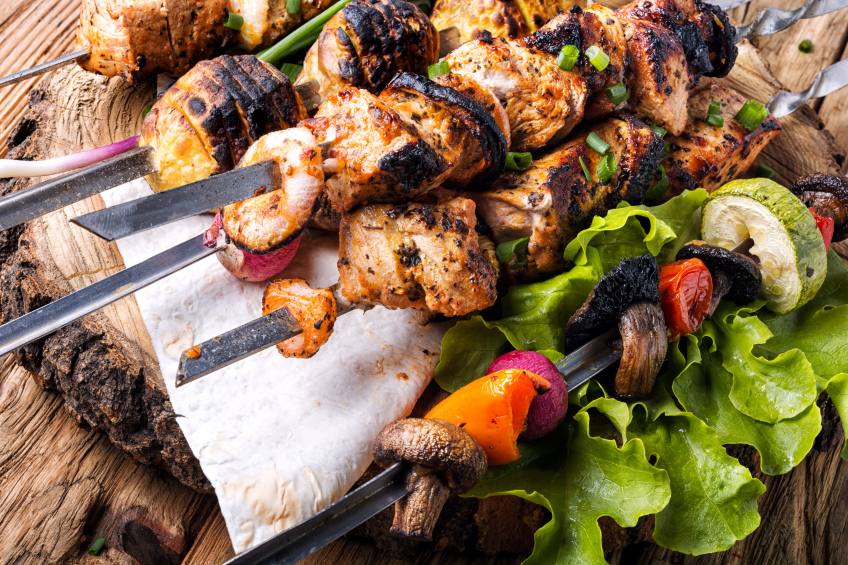 You can get good flavor no matter which grill you pick. Your fuel choice, cooking method, and grill design all shape how your food tastes.
Lump Charcoal Versus Briquettes: What the Fuel Choice Changes
If you use a charcoal grill, the type of charcoal you choose matters. Lump charcoal is made from pieces of wood. It often burns hotter and lights faster than briquettes.
Charcoal briquettes are pressed into shape and may contain binders or other additives. These ingredients can affect how the fuel burns. Natural lump charcoal is often preferred by people seeking charcoal with fewer additives.
Lump charcoal can also add a smoky flavor. Some people find it harder to control because it burns unevenly, while charcoal briquettes provide a more predictable burn rate.
Smoky Flavor Versus Everyday Convenience
Charcoal can give food a stronger smoky flavor. Smoke forms when fat drips onto hot coals, contributing to the flavor many people associate with barbecue.
Charcoal takes more time and effort to use, though. You need to light it, wait for it to heat up, and clean up ash after cooking. Propane grills avoid these steps.
Your propane grill lights quickly and heats up in minutes. It also gives you more control over cooking temperature, which can help you avoid burning food. Propane grills generally produce less smoke than charcoal grills, which can reduce exposure to some compounds formed during cooking when compared with charcoal grilling. You trade some smoky flavor for speed and ease.
How Electric, Natural Gas, and Infrared Grills Compare
Electric grills and natural gas grills offer alternatives to charcoal and propane. An electric grill produces very little smoke, making it a good choice for apartments and other spaces with limited outdoor areas.
Natural gas grills work like propane grills but connect to your home’s gas line, so you don’t need to refill tanks. Both electric and natural gas grills provide steady heat and more precise temperature control than charcoal grills.
Infrared grills use a different heating method to cook food quickly and reduce flare-ups. Because less fat drips onto flames, infrared grilling can reduce the buildup of harmful compounds from smoke and char. If you want fast cooking with fewer flare-ups, an infrared grill may work well for you.
Top Grills to Consider: Charcoal and Propane Options
 If you’re deciding between charcoal and propane grilling, choosing the right grill can greatly enhance your outdoor cooking experience.
Here are two excellent options tailored to each grilling style:
Weber Kettle Premium Charcoal Grill
The Weber Kettle Premium is a time-tested favorite among charcoal grillers. Its iconic design provides both classic appeal and reliable performance. With a 22-inch cooking surface, it offers ample space for grilling multiple items at once. The durable porcelain-enameled lid and bowl help retain heat while resisting rust and peeling.
Its precision venting system allows you to control airflow and maintain consistent cooking temperatures, making it easier to achieve the distinctive smoky flavor associated with charcoal grilling.
Weber® Spirit® E-210 Gas Grill Small Propane Grill
The Weber® Spirit® E-210 Gas Grill is a practical option for those who prefer propane grilling. Its two-burner design provides even heat for everyday cooking, while the porcelain-enameled cast-iron cooking grates retain heat effectively and provide a durable cooking surface.
The push-button ignition allows for quick startup, while propane provides steady heat without the preparation involved with charcoal.
The Spirit E-210 is well suited to everyday grilling, particularly for households that want a straightforward gas-grilling setup.
Choose the grill that best suits your cooking style and fuel preference.
Whether you prefer the authentic smoky flavor of charcoal or the straightforward operation of propane, the right grill can make outdoor cooking more enjoyable.
FAQ: Is Charcoal BBQ Healthier Than Propane?
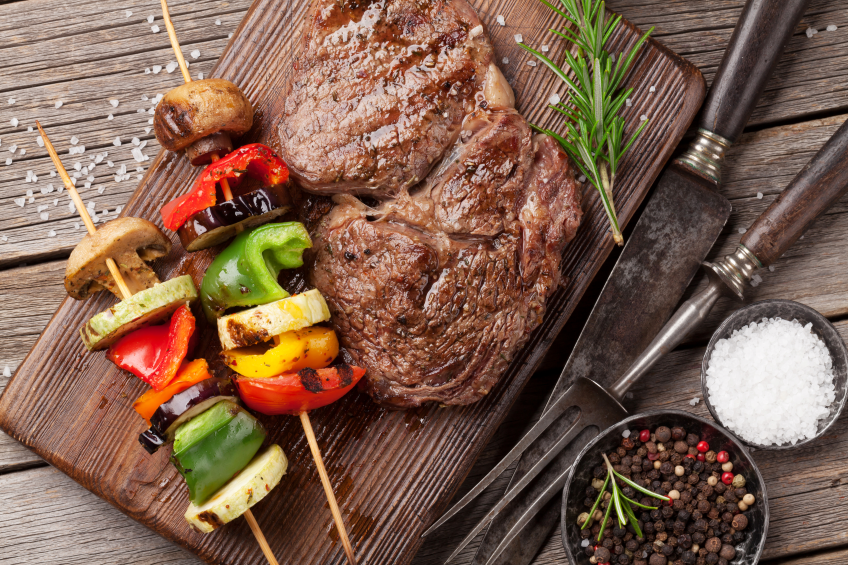 Neither charcoal nor propane grilling can be considered universally healthier. The way food is cooked has a greater influence on exposure to compounds such as HCAs and PAHs than simply choosing charcoal or propane. High temperatures, open flames, smoke, and charring can increase their formation when cooking meat. National Cancer Institute and American Institute for Cancer Research.
Does Charcoal Grilling Produce More Smoke?
Charcoal grilling can produce more smoke, particularly when fat and juices drip onto hot coals and create flare-ups. Smoke can deposit PAHs onto meat, so controlling flare-ups and avoiding prolonged exposure to smoke can help reduce exposure. National Cancer Institute.
Is Propane Better for Reducing Smoke?
Propane grills can make it easier to control the heat and avoid smoke from charcoal and dripping fat. However, propane grilling can still produce HCAs and PAHs when meat is exposed to high temperatures, flames, or heavy charring. American Institute for Cancer Research.
How Can You Make Charcoal Grilling Healthier?
Use indirect heat, control flare-ups, avoid excessive charring, and turn meat frequently. Trimming excess fat and removing heavily charred portions before eating can also reduce exposure to compounds formed during high-temperature grilling. American Institute for Cancer Research.
What Is More Important Than Choosing Charcoal or Propane?
What you cook and how you cook it are important considerations. AICR recommends limiting red and processed meats, including more vegetables and fruits, and using techniques such as marinating, lower-temperature cooking, and reducing exposure to flames and smoke. American Institute for Cancer Research.