

 Grilling with wood carries both benefits and risks that depend largely on the type of wood used and grilling techniques employed.
Wood grilling is generally safe when using untreated hardwoods and proper cooking methods, but can pose health risks when treated lumber or improper burning techniques are involved.
The safety concerns primarily stem from the smoke produced during wood combustion and the potential for carcinogenic compounds to form when meat is charred or overcooked.
Treated lumber contains chemicals like arsenic that can leach into food, while even natural wood produces compounds called PAHs when fat drips onto hot surfaces.
Understanding the different wood types, preparation methods, and grilling techniques can help people enjoy the enhanced flavors of wood-grilled food while minimizing potential health impacts.
The key lies in making informed choices about wood selection and adopting safer grilling practices that reduce exposure to harmful compounds.
How Wood Grilling Works

Wood grilling relies on burning hardwood to create both heat and smoke for cooking food.
Different wood types produce distinct flavors while the combustion process generates specific compounds that affect both taste and safety.
Types of Wood Used in Grilling
Hardwoods are the primary choice for grilling due to their dense structure and clean burning properties.
Popular options include oak, hickory, apple, cherry, and mesquite.
Oak provides a mild, smoky flavor and burns consistently.
It works well for most meats and vegetables.
Hickory delivers a strong, bacon-like taste that pairs with pork and beef.
Cherry wood adds a sweet, fruity flavor and creates an attractive reddish color on meat surfaces.
Fruit woods like apple and peach produce lighter, sweeter smoke profiles.
These woods complement poultry and fish without overpowering delicate flavors.
Avoid softwoods such as pine, cedar, or fir for food preparation.
These contain high resin levels that create unpleasant flavors and potentially harmful compounds when burned.
Wood moisture content affects burning characteristics.
Seasoned wood with 15-20% moisture burns more efficiently than green wood, which produces excessive smoke and inconsistent heat.
How Smoke and Heat Are Produced
Wood combustion creates heat through the oxidation of cellulose and lignin.
Complete combustion produces clean-burning flames, while restricted oxygen creates smoldering conditions that generate smoke.
The burning process occurs in stages. Initial heating drives out moisture and volatile compounds.
Higher temperatures break down wood fibers into combustible gases that ignite and produce flames.
Controlled airflow determines whether wood burns cleanly or smolders.
Open vents allow complete combustion for high heat cooking.
Restricted airflow creates the smoldering conditions needed for smoking.
Temperature zones develop based on wood placement and airflow management.
Direct heat areas reach 400-600°F while indirect zones maintain 225-350°F for slower cooking methods.
Wood fires produce less consistent heat than gas or charcoal.
The flames fluctuate as wood burns down, requiring attention to maintain target temperatures.
Flavor Impact on Foods
Smoke particles contain volatile organic compounds that penetrate food surfaces during cooking.
These compounds create the distinctive flavors associated with wood-grilled foods.
Lignin breakdown produces vanillin and other aromatic compounds.
Different wood species contain varying lignin compositions, explaining why hickory tastes different from apple wood.
The smoke ring forms when nitrogen dioxide from combustion reacts with meat proteins near the surface.
This creates the pink coloration valued in barbecue cooking.
Fat dripping onto hot wood creates additional flavor compounds but also produces potentially harmful substances.
The smoke from burning fat contains different chemicals than clean wood smoke.
Cooking temperature affects flavor development.
Low-temperature smoking allows extended exposure to wood compounds.
High-heat grilling provides less smoke penetration but creates surface caramelization through direct heat contact.
Potential Health Risks of Grilling with Wood

Wood grilling produces harmful compounds including PAHs and heterocyclic amines that can increase cancer risk.
The smoke contains particulate matter that damages respiratory function and may contribute to cardiovascular problems.
Carcinogens Formed During Wood Grilling
Wood grilling creates two primary types of carcinogens through different mechanisms.
Polycyclic aromatic hydrocarbons (PAHs) form when fat from meat drips onto hot wood and creates smoke.
This smoke then coats the food with carcinogenic compounds.
Heterocyclic amines (HCAs) develop when meat proteins react with high heat from wood flames.
These chemicals form directly on the meat surface during cooking.
The cancer risk increases with several factors:
- Higher cooking temperatures
- Longer cooking times
- Direct flame contact
- Charred or blackened meat surfaces
Wood produces more PAHs than gas grills because the organic material burns incompletely.
The irregular heat patterns from wood fires can create hot spots that promote HCA formation on meat surfaces.
Particulate Matter and Respiratory Concerns
Wood smoke releases fine particulate matter that penetrates deep into lung tissue.
These particles measure 2.5 micrometers or smaller and bypass natural respiratory defenses.
Immediate effects include throat irritation, coughing, and difficulty breathing.
People with asthma or allergies experience more severe reactions during wood grilling sessions.
Long-term exposure causes chronic inflammation in airways and reduces lung function.
Wood dust from handling fuel creates additional respiratory irritation through direct contact with nasal passages.
The EPA identifies wood smoke as a significant health concern because it affects immune system function.
Regular exposure makes individuals more susceptible to respiratory infections and can worsen existing conditions like COPD.
Impact on Heart Health
Fine particles from wood smoke enter the bloodstream through lung tissue and trigger cardiovascular stress.
These particles cause inflammation in blood vessels and can disrupt normal heart rhythms.
Acute exposure during grilling sessions may increase blood pressure and heart rate in sensitive individuals.
People with existing heart conditions face higher risks during extended wood grilling activities.
The particulate matter promotes atherosclerosis by damaging arterial walls and encouraging plaque formation.
Regular exposure to wood smoke correlates with increased rates of heart attacks and strokes in epidemiological studies.
Volatile organic compounds in wood smoke also contribute to oxidative stress throughout the cardiovascular system.
Comparison to Other Grilling Methods

Wood grilling produces different chemical compounds and smoke profiles compared to gas and charcoal methods.
Each grilling technique generates varying levels of potentially harmful substances and offers distinct health considerations.
Wood vs. Charcoal Grilling
Both wood and charcoal grilling create similar high-temperature conditions that can produce harmful compounds.
When fat drips onto either heat source, it generates polycyclic aromatic hydrocarbons (PAHs) and heterocyclic amines (HCAs).
Key differences:
- Temperature control: Charcoal provides more consistent heat regulation
- Smoke production: Wood creates more variable smoke compounds depending on species
- Chemical formation: Both methods produce comparable levels of PAHs when food is directly exposed to flames
Charcoal burns at steadier temperatures, reducing the likelihood of flare-ups that increase harmful compound formation.
Wood grilling requires more active temperature management to prevent excessive smoke exposure.
The type of wood used significantly impacts chemical release.
Hardwoods like oak and hickory burn cleaner than softwoods, which contain higher resin levels.
Wood vs. Gas Grilling
Gas grilling typically produces fewer harmful compounds than wood grilling due to cleaner combustion and reduced smoke generation.
Gas burns without creating the complex organic compounds found in wood smoke.
Health advantages of gas:
- Lower PAH formation
- Minimal smoke exposure
- Better temperature control
- Reduced flare-up frequency
Wood grilling exposes food to more combustion byproducts through direct smoke contact.
Gas grills eliminate this exposure while still allowing high-temperature cooking.
However, gas grilling can still produce HCAs when proteins are cooked at high temperatures.
The primary difference lies in smoke-related compound formation rather than temperature-induced chemical changes.
Differences in Smoke Composition
Wood smoke contains hundreds of chemical compounds that vary by wood species and burning conditions.
These include aldehydes, phenols, and organic acids that contribute to both flavor and potential health concerns.
Common wood smoke compounds:
- Formaldehyde and acetaldehyde
- Phenolic compounds
- Volatile organic compounds (VOCs)
- Fine particulate matter
Different wood types produce varying compound concentrations.
Fruit woods generate milder chemical profiles compared to dense hardwoods.
Incomplete wood combustion increases harmful compound formation.
Proper airflow and dry wood reduce problematic emissions while maintaining desired smoke characteristics.
Influence of Wood Type and Preparation

The type of wood and its preparation significantly affect the safety of grilling.
Hardwoods produce cleaner burns with fewer harmful compounds, while treated lumber releases toxic chemicals that pose serious health risks.
Hardwoods vs. Softwoods
Hardwoods like oak, hickory, apple, and cherry are the safest choices for grilling.
These woods burn at higher temperatures and produce less creosote buildup.
They contain lower levels of resins and volatile organic compounds.
This results in cleaner combustion with fewer harmful particles released into the air.
Softwoods present significant health risks when used for cooking.
Pine, cedar, fir, and other conifers contain high levels of resins and terpenes.
These compounds create acrid smoke that can irritate respiratory systems.
The resins also impart bitter, unpleasant flavors to food.
Softwoods burn at lower temperatures and produce more incomplete combustion.
This leads to higher emissions of harmful particles and compounds.
Effects of Treated vs. Untreated Wood
Untreated hardwoods are the only safe option for grilling.
These woods undergo natural seasoning without chemical additives.
They burn cleanly when properly dried and aged.
Moisture content should be below 20% for optimal combustion and minimal smoke production.
Treated lumber poses severe health hazards and should never be used for cooking.
Pressure-treated wood contains chromated copper arsenate (CCA) or other preservatives.
These chemicals release toxic fumes when burned, including arsenic and copper compounds.
The ash from treated wood also contains concentrated toxins that can contaminate food surfaces.
Construction lumber often contains glues, stains, and other processing chemicals.
These additives create harmful emissions that can cause respiratory irritation and long-term health effects.
Mitigating Health Risks When Grilling with Wood
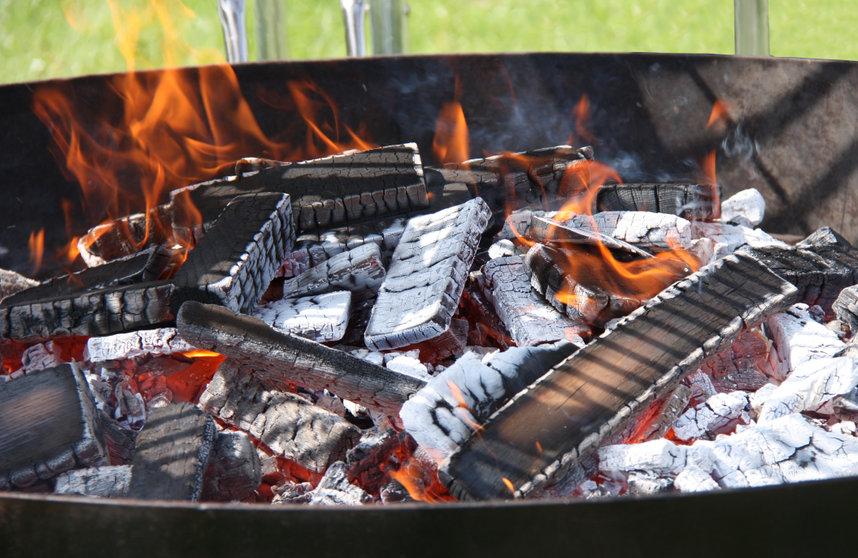
Wood selection and grilling practices directly impact exposure to harmful compounds.
Proper techniques can significantly reduce cancer-causing substances while maintaining flavor quality.
Choosing Safe Woods
Avoid chemically treated lumber at all costs.
Pressure-treated wood, painted wood, and construction materials release toxic chemicals when burned that create dangerous smoke.
Select only food-grade hardwoods like oak, hickory, apple, cherry, or maple.
These woods burn cleanly and produce minimal harmful compounds compared to softwoods.
Never use woods with unknown origins or those that may contain pesticides, mold, or chemical treatments.
Purchase cooking wood from reputable suppliers who verify their products are safe for food preparation.
Softwoods like pine and cedar contain high resin levels that create excessive smoke and bitter flavors.
They also produce more particulate matter than hardwoods.
Store wood properly in dry conditions to prevent mold and fungal growth.
Moldy wood releases additional toxins when burned that can contaminate food and air quality.
Proper Grilling Techniques
Control cooking temperatures to prevent excessive charring.
High heat creates more heterocyclic amines (HCAs) and polycyclic aromatic hydrocarbons (PAHs) in meat.
Position food away from direct flames and flare-ups.
Use indirect cooking methods when possible to reduce exposure to smoke and prevent fat from dripping directly onto coals.
Trim excess fat from meat before grilling.
Fat drippings create smoke containing PAHs that coat the food with carcinogenic compounds.
Flip meat frequently to prevent one side from overcooking.
Remove charred portions completely before eating, as these areas contain the highest concentrations of harmful substances.
Pre-cook partially in a microwave or oven to reduce grilling time and minimize formation of cancer-causing chemicals.
Reducing Exposure to Harmful Substances
Marinate meat for at least 30 minutes before grilling.
Acidic marinades containing vinegar or citrus can reduce HCA formation by up to 90 percent.
Grill in well-ventilated areas to prevent accumulation of smoke and particulate matter.
Avoid breathing smoke directly during cooking.
Add antioxidant-rich vegetables to the grill.
Bell peppers, onions, and other vegetables don’t form HCAs and can help counteract harmful compounds.
Clean grill grates thoroughly between uses to remove buildup of charred residue and grease that can create additional smoke and toxic compounds.
Consider using wood chips sparingly rather than cooking entirely over wood. Small amounts provide flavor while reducing overall exposure to emissions.
Environmental Considerations of Wood Grilling

Wood grilling releases particulate matter, nitrogen dioxide, and carbon dioxide into the atmosphere.
The sustainability of wood as fuel depends on sourcing practices and forest management, while air quality impacts affect both immediate surroundings and broader environmental health.
Sustainability of Wood as Fuel
Wood sustainability depends heavily on harvesting practices and forest management.
Responsibly sourced wood from managed forests can be more sustainable than wood from clear-cut areas or old-growth forests.
The carbon footprint of wood varies by species and origin.
Local hardwoods typically have lower transportation emissions compared to exotic woods shipped long distances.
Charcoal production creates additional environmental concerns.
The process requires burning wood in oxygen-limited conditions, which can lead to soil degradation and reduced fertility in production areas.
Wood pellets and chips often utilize sawmill waste and forest thinnings.
This approach reduces waste streams while providing fuel for grilling applications.
Forest regeneration rates affect sustainability.
Fast-growing species like oak and hickory can be harvested more frequently than slower-growing hardwoods without depleting forest resources.
Air Quality Impacts
Wood grilling produces multiple air pollutants that affect local air quality.
Research shows elevated emissions of particulate matter (PM), nitrogen dioxide (NO₂), sulfur dioxide (SO₂), carbon monoxide (CO), carbon dioxide (CO₂), and formaldehyde.
Particulate matter from wood smoke contains carcinogens and other harmful compounds.
These particles can travel beyond the immediate grilling area and affect neighbors and surrounding communities.
A typical barbecue for four people releases more greenhouse gases than an 80-mile car trip.
This comparison highlights the immediate atmospheric impact of wood burning for cooking.
Smoke composition varies by wood type and burning conditions.
Incomplete combustion produces higher levels of harmful compounds compared to well-managed fires with adequate airflow.
Wind patterns and outdoor ventilation affect pollutant dispersion.
Enclosed or poorly ventilated outdoor spaces concentrate these emissions, increasing exposure risks for grillers and nearby individuals.
Nutritional Impact of Grilling with Wood
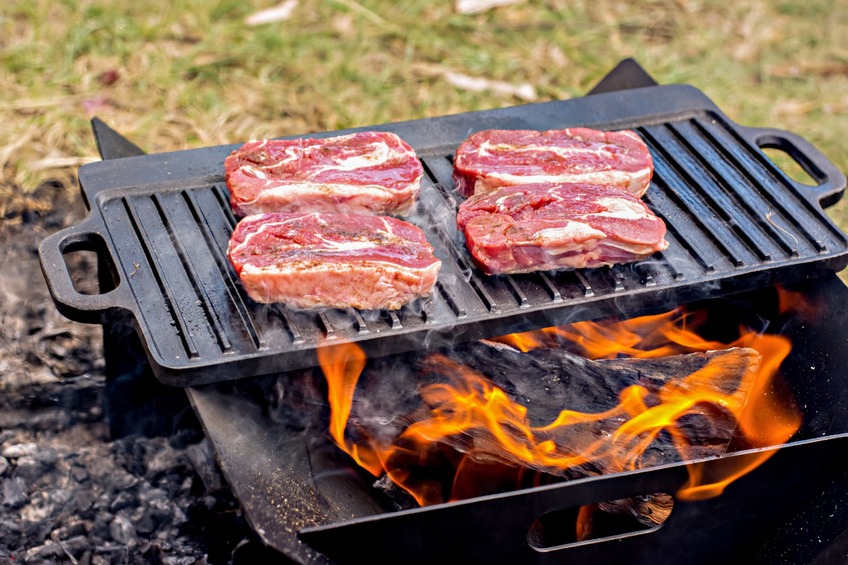
Wood grilling affects the nutritional value of food in several ways.
The cooking method itself preserves many nutrients while potentially creating new compounds.
Fat Content Changes Grilling allows excess fat to drip away from meat.
This reduces overall calorie content compared to pan-frying or other cooking methods.
Protein Retention High-heat grilling maintains protein structure in meats.
The smoky flavor compounds from wood do not significantly alter protein quality.
Vitamin and Mineral Effects
| Nutrient Type | Impact |
|---|---|
| Water-soluble vitamins | May decrease due to heat |
| Fat-soluble vitamins | Generally retained |
| Minerals | Largely preserved |
Compound Formation Wood combustion creates various chemical compounds that transfer to food.
Some compounds contribute flavor while others raise health concerns.
The type of wood used influences compound formation.
Hardwoods like oak and hickory produce different chemical profiles than softwoods.
Antioxidant Activity Certain wood smoke compounds exhibit antioxidant properties.
These may provide some protective benefits when consumed in moderation.
Caloric Density Wood grilling typically reduces food’s caloric density.
Fat reduction and moisture loss concentrate nutrients per gram of cooked food.
Sodium Considerations Wood grilling requires minimal added salt for flavor enhancement.
The natural smoky taste can reduce reliance on high-sodium seasonings and marinades.
Temperature control during wood grilling affects nutrient retention.
Lower temperatures preserve more heat-sensitive vitamins and minerals.
Best Practices for Safe and Flavorful Wood Grilling
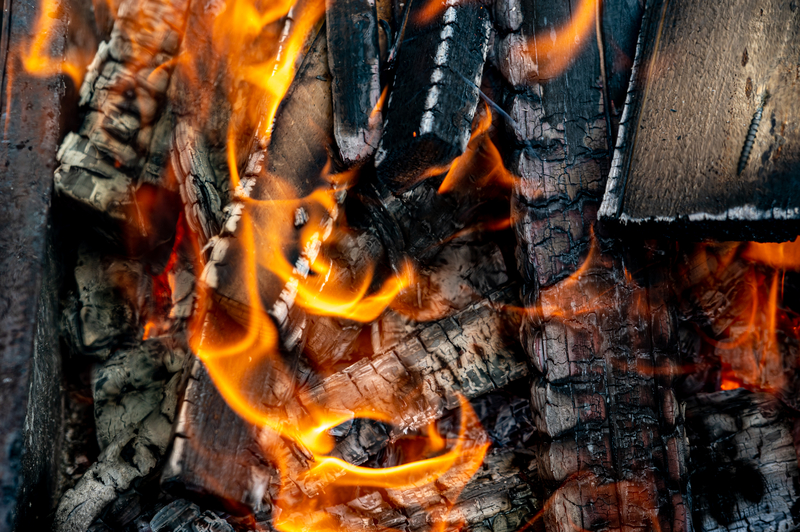
Choose the right wood types for grilling.
Hardwoods like oak, hickory, apple, and cherry provide excellent flavor without harmful chemicals.
Avoid treated lumber, painted wood, or construction materials.
These materials release toxic chemicals when burned that can contaminate food.
Source food-safe wood from reputable suppliers.
Quality smoking blocks and grilling wood undergo proper processing to ensure safety.
Cook food to safe minimum internal temperatures.
Wood grilling doesn’t eliminate the need for proper food safety practices.
Key Wood Selection Guidelines:
| Safe Woods | Avoid |
|---|---|
| Oak, hickory, apple | Treated lumber |
| Cherry, maple, pecan | Painted wood |
| Alder, mesquite | Construction scraps |
Preparation steps matter significantly.
Allow wood to season properly before use to reduce moisture content and improve burning characteristics.
Monitor air quality during cooking sessions.
Poor ventilation can concentrate smoke particles in cooking areas.
Use moderate amounts of wood for flavoring.
Excessive smoke creates bitter flavors and increases exposure to combustion particles.
Store wood in dry locations to prevent mold growth.
Wet or moldy wood produces unpleasant flavors and potentially harmful compounds.
Start with small pieces of flavoring wood.
Gradually increase amounts based on taste preferences and cooking experience.
Maintain proper airflow in grilling equipment.
Good ventilation ensures complete combustion and reduces harmful particle formation.
Clean grilling surfaces regularly to prevent buildup of charred residue that can affect food safety and flavor quality.
Conclusion

Grilling with wood presents both benefits and risks that require careful consideration.
The practice can produce flavorful food while potentially exposing cooks and diners to harmful compounds.
Key Risk Factors:
- Smoke inhalation from wood combustion
- PAH formation on charred surfaces
- Toxic wood species that release harmful chemicals
Risk Reduction Strategies:
- Choose hardwoods like oak, hickory, or cherry
- Maintain proper ventilation during cooking
- Avoid charring food surfaces excessively
The health impact depends largely on frequency of use and cooking practices.
Occasional wood grilling with proper techniques poses minimal risk for most people.
Those with respiratory conditions should exercise additional caution around wood smoke.
Pregnant women and children may want to limit exposure to grilled foods with heavy char marks.
Safe Practice Guidelines:
- Use only food-grade hardwoods
- Keep cooking area well-ventilated
- Trim visible char before eating
- Limit consumption of heavily grilled foods
Wood grilling can remain part of a healthy lifestyle when practiced responsibly.
The key lies in understanding the risks and implementing appropriate safety measures.
Individuals must weigh their personal health circumstances against their desire for wood-grilled flavors.
Making informed choices about wood selection and cooking techniques helps minimize potential health concerns while preserving the culinary benefits.