
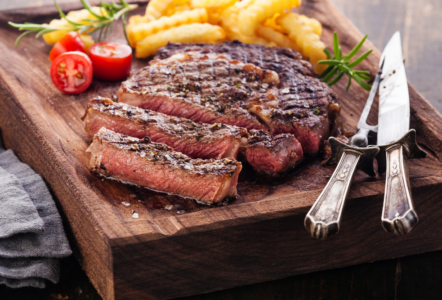
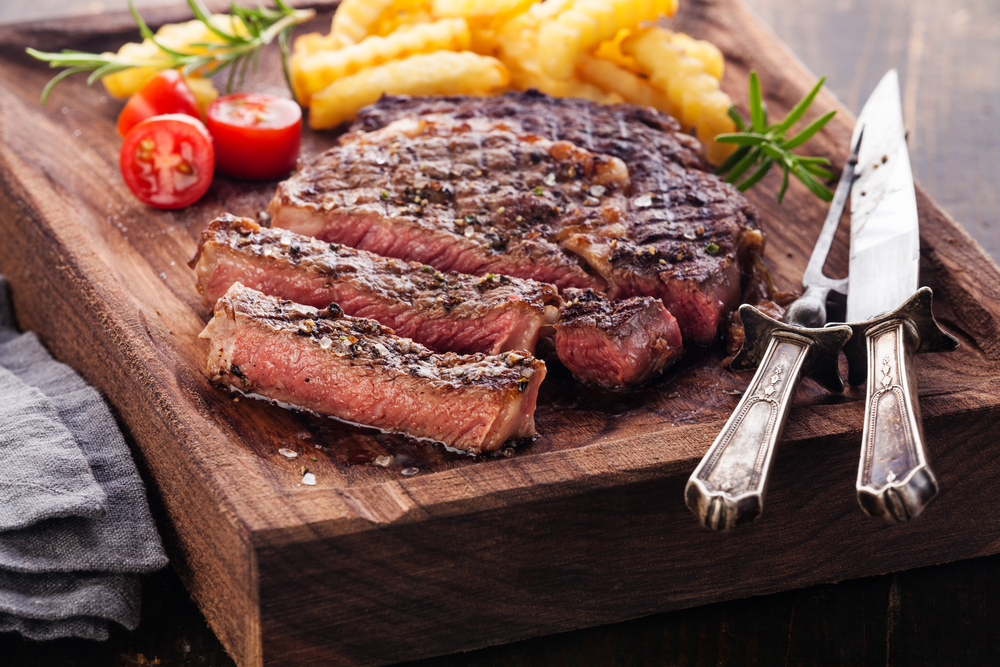
 Steak on the grill smells good and tastes even better. But you might wonder whether it belongs in a healthy diet or should be an occasional treat.
Grilled steak can be a healthy choice when you eat it in moderation and cook it in a way that limits potentially harmful compounds. It provides protein, iron, and vitamin B12, which your body needs to function well. Grilling can also let some fat drip away, depending on the cut and cooking method.
When considering is steak healthy, the answer depends on the cut, portion size, and cooking method. Some cuts have more saturated fat, and high-heat cooking that chars meat can create unwanted compounds. Read on to learn how to enjoy grilled steak while keeping your health goals on track.
The Short Answer: When Grilled Steak Fits a Healthy Diet
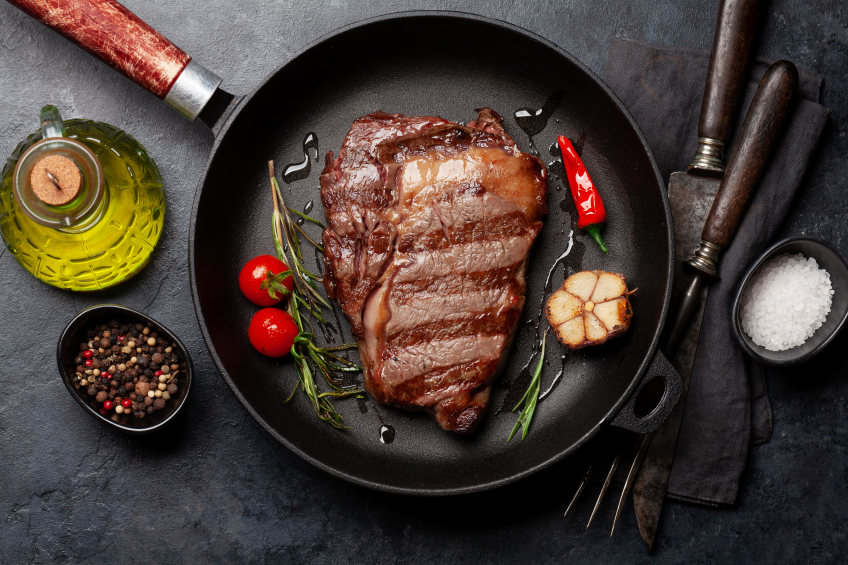 When wondering is steak healthy, the answer is yes—grilled steak can fit into a healthy, balanced diet. The cut, portion size, and cooking method all matter.
How Cut, Portion, and Cooking Method Change the Answer
The cut you choose makes a difference. Lean cuts like sirloin, flank steak, or tenderloin generally have less saturated fat than fattier cuts like ribeye.
Portion size matters too. A serving about the size of your palm, roughly 3 to 4 ounces, is a reasonable amount to aim for.
Cooking method also plays a role. High-heat grilling and charring can form compounds that may be harmful, so it helps to avoid charring the meat.
You can reduce charring and exposure to these compounds with a few simple steps:
- Trim visible fat before grilling
- Flip your steak often instead of leaving it on one side
- Marinate your meat, which may reduce harmful compounds
- Avoid direct flame contact when possible
What the Evidence Says About Eating Red Meat in Moderation
Grilled steak provides protein, iron, zinc, and vitamin B12. These nutrients support muscle function, energy metabolism, and immune function.
Studies link high red meat intake, especially processed meat, to higher risks of heart disease and certain cancers. Moderate amounts of unprocessed, lean steak are generally a less concerning choice, though they still count toward total red meat intake.
Health recommendations vary, but many advise limiting red meat and choosing unprocessed options. When you choose lean cuts and balance your plate with vegetables, steak can be one part of a varied eating pattern rather than a food you need to avoid completely.
Nutritional Profile of Grilled Steak
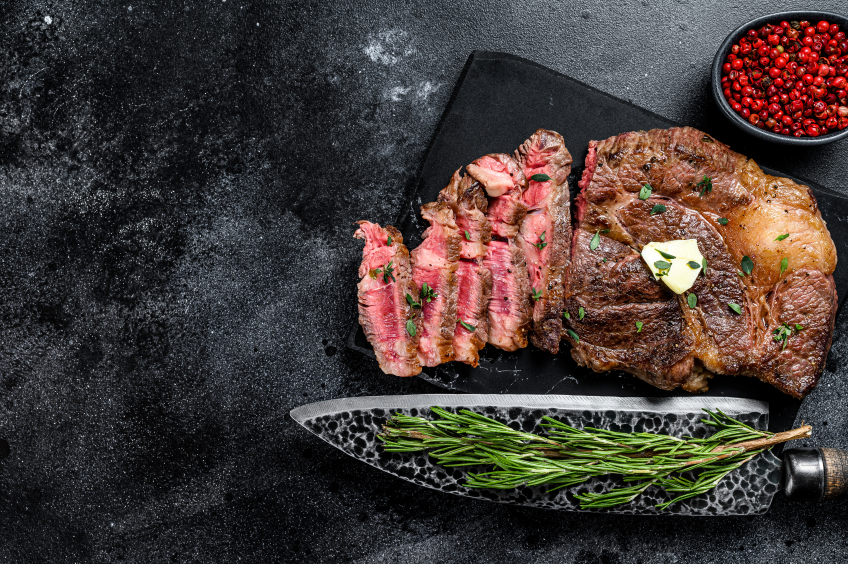 Grilled steak provides protein, fat, vitamins, and minerals. The exact amounts depend on the cut, serving size, and preparation.
Calories, Protein, and Fat by Serving Size
A 100-gram serving of grilled ribeye steak has about 271 calories, with 25 grams of protein and 19 grams of fat. A 251-gram steak contains about 680 calories, 62 grams of protein, and 48 grams of fat.
Steak is a complete protein, meaning it contains all nine essential amino acids your body needs from food. This makes it a useful protein source for muscle growth and maintaining lean tissue.
Fat content varies by cut and by how much fat is trimmed or rendered during cooking. Ribeye tends to contain more fat than leaner cuts like sirloin or tenderloin. Some of this fat is saturated, which is worth considering if you are monitoring heart health.
| Serving Size | Calories | Protein | Fat |
|---|---|---|---|
| 100g | 271 | 25g | 19g |
| 1 steak (251g) | 680 | 62g | 48g |
Steak also contains about 78 milligrams of cholesterol per 100 grams. Dietary cholesterol is only one factor that affects blood cholesterol levels.
Iron, Zinc, Vitamin B12, and Other B Vitamins
Grilled steak is a source of iron, providing about 2.4 milligrams per 100 grams. This includes heme iron, which the body generally absorbs more readily than the non-heme iron found in plant foods.
Steak also provides zinc, with the amount varying by cut and serving size. Zinc supports immune function and wound healing.
Vitamin B12 is another nutrient in steak. It supports nerve function and red blood cell production, though the amount varies by serving and cut.
Steak also contains other B vitamins, including B6 and niacin (B3), which help the body metabolize food.
Potential Health Benefits
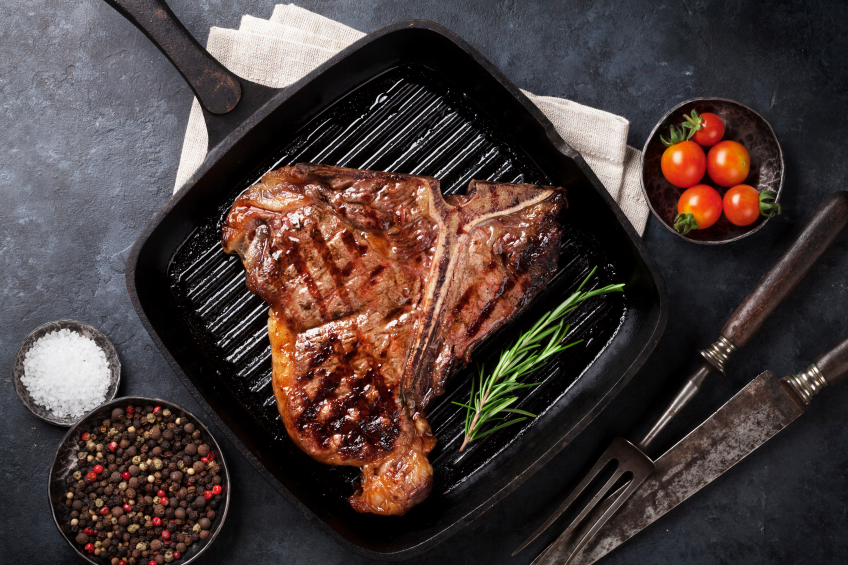 Grilled steak provides nutrients that support normal body functions, including complete protein, iron, and zinc.
Protein and Essential Amino Acids for Muscle Maintenance
Steak is a complete protein, meaning it contains all nine essential amino acids your body cannot make on its own. You need to get these amino acids from food.
A 3-ounce serving of steak provides roughly 22 to 25 grams of protein, depending on the cut and preparation. For comparison, 100 grams of grilled steak contains about 26 grams of protein.
Protein helps repair muscle tissue after exercise or other physical activity. Eating enough protein as part of a balanced diet actively promotes muscle growth and preserves lean mass.
Without enough protein in your diet, your body may struggle with muscle growth and tissue repair. This matters more as you get older, since muscle loss becomes more common with age.
Heme Iron and B Vitamins for Normal Energy Production
Steak contains heme iron, which the body absorbs more readily than the non-heme iron found in plant foods. Iron helps carry oxygen through your blood to your muscles and organs.
A 3-ounce serving of tenderloin steak provides about 23% to 52% of the recommended daily iron intake, depending on age and sex. Low iron levels can contribute to tiredness or weakness.
Steak also contains B vitamins like B12, niacin, and B6. These vitamins help your body metabolize food and support normal energy production.
Vitamin B12 also supports your nervous system. The amount in a serving of steak varies, and whether it meets your daily needs depends on the serving and your individual requirements.
Zinc’s Role in Immune Function
Zinc is a mineral that helps your immune system function and supports wound healing. Steak is one food source of zinc.
A 3-ounce serving of lean steak provides roughly 30% of the recommended daily zinc intake, though the amount varies by cut and serving size. Your body does not store large amounts of zinc, so you need a regular supply from food.
Low zinc levels can make it harder for your body to fight infections. Zinc also plays a role in cell growth and division, which contributes to wound healing.
Getting enough zinc from food, including steak, can support your body’s normal functions. Most people do not need zinc supplements unless a health professional recommends them.
Health Risks and Important Trade-Offs
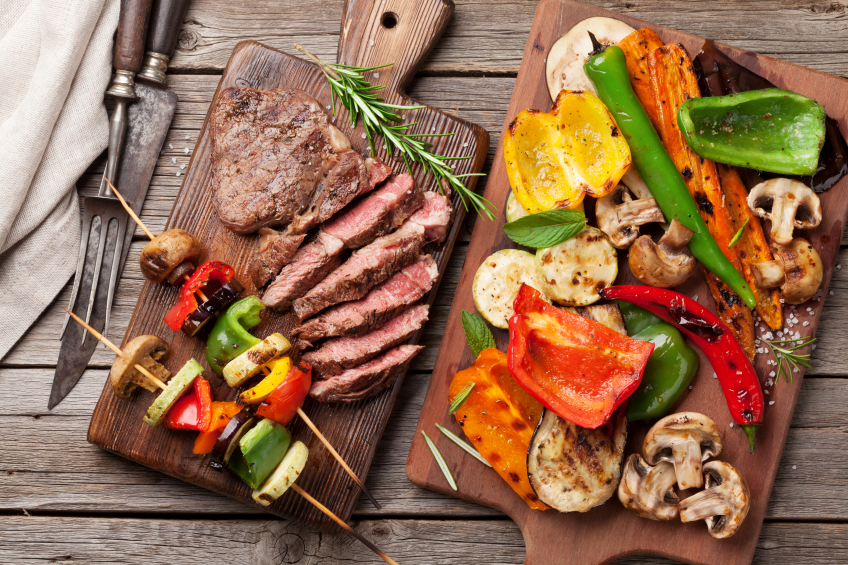 Grilled steak can be part of a balanced diet, but there are some health considerations to keep in mind. These include its saturated fat content, overall red meat intake, and compounds that can form when meat is exposed to very high cooking temperatures.
Saturated Fat and Cardiovascular Health
Steak can contain significant amounts of saturated fat, particularly depending on the cut. Eating too much saturated fat can raise LDL (“bad”) cholesterol, and higher LDL cholesterol is associated with an increased risk of cardiovascular disease. The American Heart Association recommends limiting saturated fat as part of an overall heart-healthy diet.
Not all cuts of steak contain the same amount of fat. Ribeye, for example, is generally higher in fat than leaner cuts such as sirloin or flank steak. Choosing leaner cuts and trimming visible fat can help reduce your saturated fat intake.
If you have high cholesterol or another cardiovascular health concern, speak with a healthcare professional about how much red meat and saturated fat is appropriate for you.
Red Meat Intake and Long-Term Health
Steak is a type of red meat, and eating large amounts of red meat regularly has been associated with a higher risk of colorectal cancer. The World Cancer Research Fund recommends limiting red meat to no more than about three portions per week, equivalent to approximately 350–500 g (12–18 oz) of cooked meat.
This does not mean that eating one steak dinner is inherently dangerous. Long-term health risks are influenced by overall dietary patterns, portion sizes, frequency of consumption, and other lifestyle factors.
Portion size also matters. A 6-ounce steak contains considerably less red meat than a 16-ounce steak. Serving steak alongside vegetables, whole grains, or other high-fibre foods can also contribute to a more balanced meal.
High-Temperature Grilling and Food Safety
Grilling meat at very high temperatures can produce compounds such as heterocyclic amines (HCAs) and polycyclic aromatic hydrocarbons (PAHs), particularly when meat is heavily charred or exposed to smoke and flames. This is one reason it is sensible to avoid excessive charring and prolonged exposure to very high heat.
Food safety is a separate consideration. The USDA Food Safety and Inspection Service recommends cooking beef steaks to a minimum internal temperature of 145°F (63°C), followed by at least a 3-minute rest. The FDA gives the same minimum temperature and rest-time recommendation for beef steaks.
Using a food thermometer is more reliable than judging doneness by appearance alone, particularly when grilling over high heat.
One important point: I would keep the USDA and FDA references in that final section. They are authoritative for safe cooking temperatures and food handling, while the WCRF and AHA references are better suited to the long-term health claims. This keeps each citation supporting exactly what it is authoritative for. fsis.usda.gov.
Charring and Compounds Formed During High-Heat Grilling
Cooking steak over very high heat, especially until it is charred or blackened, can form two types of compounds: heterocyclic amines (HCAs) and polycyclic aromatic hydrocarbons (PAHs). HCAs form when compounds in meat react at high temperatures, while PAHs can form when fat drips onto flames and smoke deposits on the meat. Both are linked to a higher cancer risk with frequent, long-term exposure.
You can reduce HCA formation by marinating steak for at least 30 minutes before grilling; some marinades may help.
Flipping the meat often, trimming excess fat, and grilling over indirect heat instead of direct flames can also help reduce exposure. Cut off heavily charred or blackened edges before eating.
Choosing and Grilling Steak More Healthfully
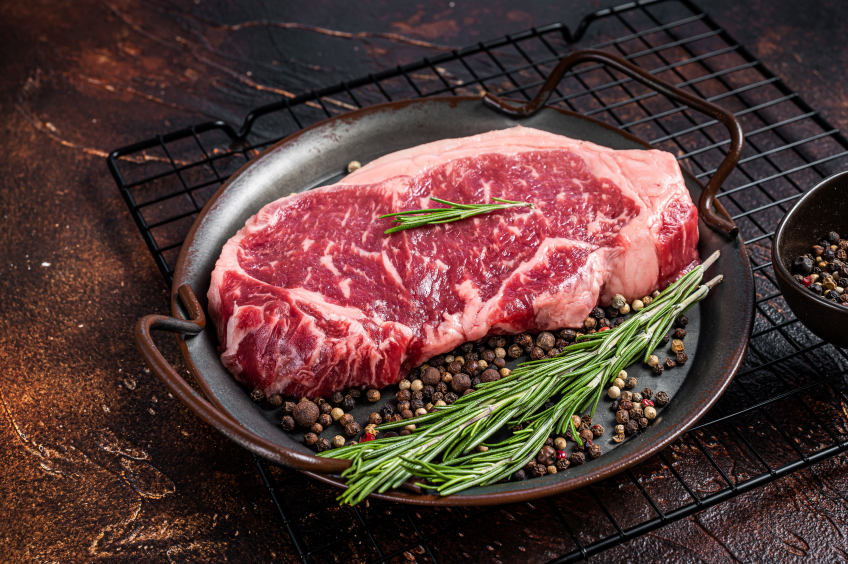 Small choices can make a difference in how healthfully you prepare steak. Picking a leaner cut, considering how the animal was raised, and using safer grilling habits can all help reduce potential health risks.
Comparing Sirloin, Tenderloin, Flank Steak, and Fattier Cuts
Steak cuts vary in fat and calories.
Sirloin is a relatively lean cut with a good balance of protein and fat. It offers flavor without as much saturated fat as fattier cuts.
Tenderloin is also lean and very tender, though it costs more and has a milder taste.
Flank steak is thin, lean, and flavorful, but it needs careful cooking to avoid becoming tough.
Fattier cuts, such as ribeye, have more marbling, which adds flavor but also increases saturated fat and calories. If you want a source of protein with less fat, choosing a lean cut such as sirloin or tenderloin is a practical option.
Does Grass-Fed Beef Make a Meaningful Difference?
Grass-fed beef often has less total fat than grain-fed beef. It also tends to contain slightly more omega-3 fatty acids, which support heart health.
The nutritional difference is real but usually small. Grass-fed beef is not a fix for an unhealthy diet, but it can be a modestly different choice within a balanced eating plan.
Taste and texture can also vary. Some people find grass-fed beef leaner and a bit chewier than grain-fed beef. If you already eat beef in moderation, grass-fed beef offers a modest nutritional difference rather than a major health change.
Reducing Charring While Cooking Steak Safely
Cooking steak at very high heat can create harmful compounds called HCAs and PAHs. HCAs form at high temperatures, while PAHs can form when fat drips onto flames and smoke deposits on the meat.
You can lower exposure with a few simple steps:
- Marinate your steak before grilling, since some marinades may decrease the formation of HCAs.
- Trim visible fat to reduce flare-ups and smoke.
- Flip your steak often instead of leaving it in one spot too long.
- Avoid deep charring, and remove burnt, blackened parts before eating.
These changes can help you enjoy grilled steak while reducing exposure to compounds linked to cancer risk.
Portions and Meal Pairings That Put Steak in Context
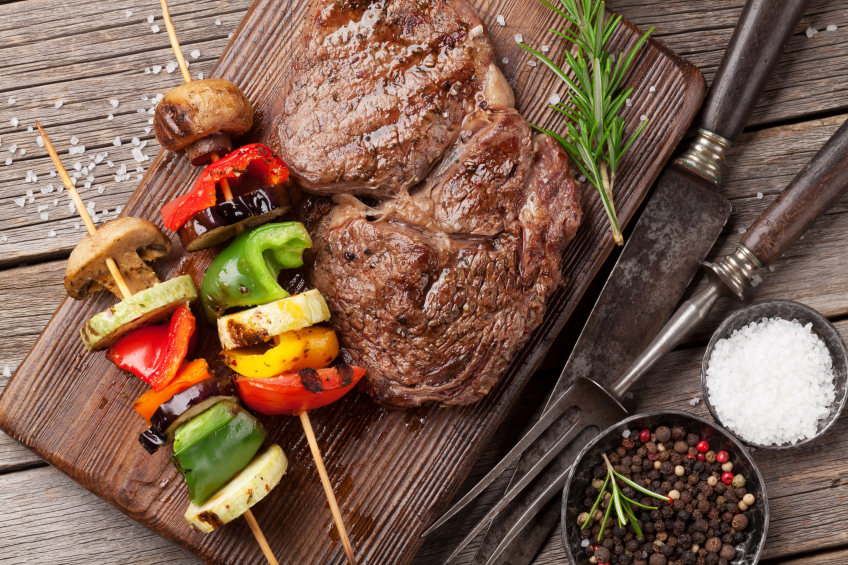 Determining is steak healthy for your routine often comes down to context and balance. Choosing an appropriate portion and balanced side dishes can make grilled steak part of a varied meal rather than a heavy, one-note dish.
Choosing a Portion That Matches Your Needs
A standard serving of steak is 3 ounces, about the size of a deck of cards.
Many restaurant portions are much larger, sometimes 6 to 12 ounces. Eating that much in one sitting provides more fat and calories than you may need.
Your ideal portion depends on your body size, activity level, and health goals. Someone who exercises often may need more protein, while someone managing cholesterol may prefer a smaller portion.
Use this guide when plating your meal:
- 3 ounces: standard serving, about the size of a deck of cards
- 4-5 ounces: may suit active adults or those doing strength training
- 6+ ounces: a larger portion to enjoy occasionally rather than daily
Building a Balanced Plate and Varying Protein Sources
Pairing your grilled steak with vegetables, whole grains, and healthy fats helps make a balanced meal. Fill half your plate with vegetables, such as broccoli, peppers, or leafy greens. Add a whole grain, such as brown rice or quinoa, for fiber and sustained energy.
Try steak in a vegetable stir-fry or fajitas with peppers and onions to stretch the meat further while adding nutrients.
You don’t need steak every day to get enough protein. Rotating in fish, beans, poultry, or eggs throughout the week adds variety and supports a balanced diet.
FAQ: Is Grilled Steak Healthy?
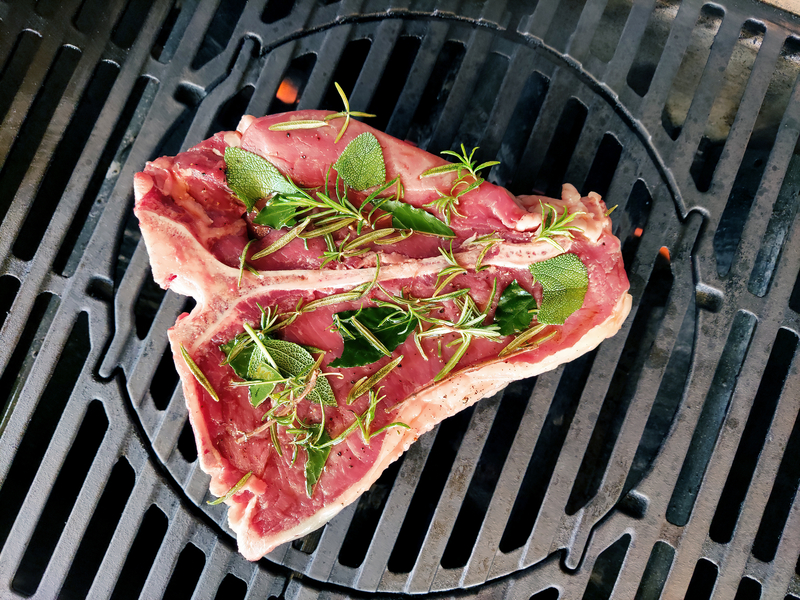 Grilled steak can be part of a healthy diet when eaten in moderation, as beef provides protein, iron, zinc, and vitamin B12. However, steak is red meat, and regularly eating large amounts of red meat is associated with a higher risk of colorectal cancer. American Institute for Cancer Research: Red Meat Recommendations.
Does Grilling Make Steak Less Healthy?
Grilling steak at high temperatures can produce heterocyclic amines (HCAs), while smoke from fat and juices dripping onto flames can produce polycyclic aromatic hydrocarbons (PAHs). The National Cancer Institute recommends avoiding prolonged high-temperature cooking and removing heavily charred portions to reduce exposure.
Is Charred Steak Healthy?
It is better to avoid heavily charred or burnt portions of steak. Charring and exposure to smoke can increase the formation of HCAs and PAHs, so preventing flare-ups and cutting away heavily charred areas can reduce exposure.
How Can You Make Grilled Steak Healthier?
Use moderate heat, avoid prolonged exposure to flames, trim excess fat to reduce flare-ups, and turn the steak regularly. Marinating steak before grilling may also reduce the formation of HCAs.
How Much Steak Should You Eat?
AICR recommends limiting red meat, including beef, to about 12–18 ounces (350–500 g) of cooked meat per week, or roughly three moderate portions. This recommendation applies to red meat generally, not specifically to grilled steak. AICR: Limit Red and Processed Meat.