

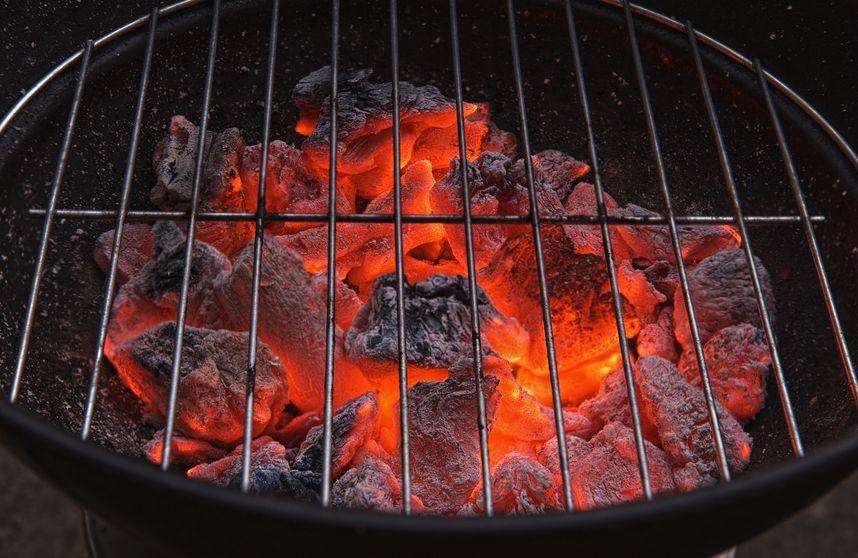
 Grilling on charcoal is a popular method that provides a distinctive smoky flavor many people enjoy.
However, concerns have arisen about whether this cooking style poses health risks.
The main issues involve carcinogens that can form when food, especially meat, is cooked at high temperatures or becomes charred.
Grilling with charcoal can pose health risks if not done carefully, mainly due to the formation of harmful compounds like polycyclic aromatic hydrocarbons (PAHs) and heterocyclic amines (HCAs), which have been linked to cancer.
Using certain safety measures, such as avoiding excessive charring, choosing lean cuts, and controlling flare-ups, can reduce these risks.
Despite these concerns, charcoal grilling remains a popular and enjoyable way to cook outdoors.
Understanding the potential dangers and how to minimize them allows individuals to enjoy the flavors of grilling without compromising their health.
Understanding Charcoal Grilling
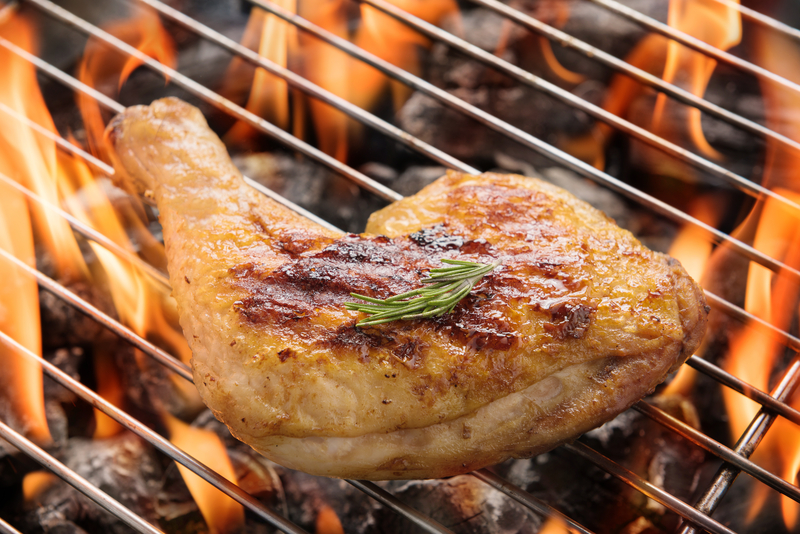
Charcoal grilling uses a specific heat source and fuel type that influences flavor and cooking style.
The mechanics of the grill, the types of charcoal available, and the method’s enduring appeal all shape the experience and potential health considerations.
How Charcoal Grills Work
Charcoal grills cook food by burning charcoal briquettes or lump charcoal, which produce heat and smoke.
The heat radiates directly from the burning charcoal, allowing for high-temperature searing and slow cooking depending on how the coals are arranged.
Smoke is created from the combustion process, which carries flavor compounds that infuse the food.
The grill’s vents control airflow, adjusting temperature by increasing or limiting oxygen supply.
This open-flame cooking method requires monitoring to avoid flare-ups and excessive charring, which can form harmful compounds.
Proper management of heat and smoke is essential for safety and taste.
Types of Charcoal Used for Grilling
There are two primary types of charcoal: briquettes and lump charcoal.
 Briquettes are made from compressed sawdust and additives, designed for consistent, long-lasting heat.
They tend to burn steadily but can contain binders and fillers.
 Lump charcoal is pure carbonized wood, burning hotter and faster than briquettes with less chemical residue.
It produces less ash and delivers a more natural smoky flavor.
Each type influences the grilling experience differently.
Briquettes offer predictable temperature control, while lump charcoal provides a more authentic flavor but requires more attention to maintain heat.
Popularity of Charcoal Grilling
Charcoal grilling remains popular for its ability to impart a distinctive smoky flavor that other cooking methods struggle to replicate.
It connects to traditional outdoor cooking and social gatherings, making it a favored choice for many.
Its appeal lies in versatility—allowing chefs to use direct or indirect heat—and the sensory experience of cooking over an open flame.
Despite concerns about health and environmental impact, many continue to prefer charcoal for the taste and atmosphere it creates.
The method is widely used in homes and professional settings, reflecting its cultural and culinary significance.
Health Risks Associated With Charcoal Grilling
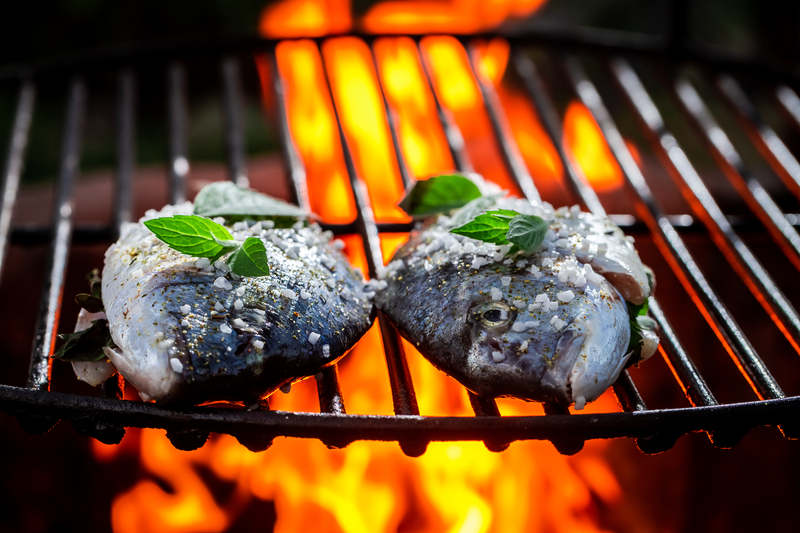
Charcoal grilling involves several factors that can affect health, including the creation of chemical compounds, links to long-term diseases, potential respiratory impacts, and food safety issues.
Understanding these risks helps in making informed decisions when using charcoal grills.
Formation of Harmful Compounds
When charcoal burns, it produces harmful chemicals like polycyclic aromatic hydrocarbons (PAHs) and heterocyclic amines (HCAs).
These compounds form when fat and juices from meat drip onto hot charcoal, creating smoke that deposits toxins onto the food.
PAHs and HCAs are known for their potential to damage DNA and cause mutations, which raises concerns about their carcinogenic properties.
The high temperature used in charcoal grilling increases the rate at which these compounds form.
To reduce exposure, it is advisable to cook meats slowly at lower temperatures or use lean cuts with less dripping fat.
Marinating meat before grilling has also been shown to reduce HCA formation.
Links to Cancer Risk
Several studies have linked charcoal grilling to an increased risk of certain cancers, particularly colorectal, stomach, and pancreatic cancers.
The carcinogens created during grilling, mainly PAHs and HCAs, interact with the body’s cells in ways that may trigger cancer development.
Epidemiological data suggest that people who frequently consume charred or grilled meats have a higher risk of cancer compared to those who consume these foods less often or prepared differently.
Moderation and adopting safer grilling practices, such as avoiding charring and flipping meat often, can help limit exposure to these harmful substances while reducing cancer risk.
Respiratory and Heart Health Concerns
Smoke from charcoal grills contains fine particulate matter and volatile organic compounds, which can irritate the lungs when inhaled.
Prolonged or frequent exposure to this smoke may worsen respiratory conditions like asthma or bronchitis.
Particulate matter from charcoal combustion may also contribute to systemic inflammation, potentially affecting cardiovascular health by increasing the risk of heart disease.
Using grills in well-ventilated outdoor areas and keeping distance from active charcoal reduces smoke inhalation.
Some suggest using grills with lids to contain emissions and minimize environmental exposure.
Impact on Food Safety
Charcoal grilling requires attention to internal food temperature to prevent foodborne illnesses.
Uneven heat distribution can cause undercooking in some parts while overcooking others.
Proper use of a food thermometer ensures meat reaches safe internal temperatures, killing harmful bacteria like Salmonella and E. coli.
Cross-contamination risks increase when raw juices drip onto cooked foods.
Avoiding direct contact between raw and cooked items and maintaining clean utensils reduces contamination.
Following hygienic handling practices during charcoal grilling is essential to maintain food safety alongside managing chemical exposure.
Comparing Charcoal Grilling to Other Cooking Methods

Charcoal grilling stands out for its ability to add smoky flavors and achieve high heat.
However, it differs in convenience, temperature control, and health considerations when compared to gas, electric grilling, and oven baking.
Charcoal vs. Gas Grilling
Charcoal grilling imparts a distinct smoky flavor due to the burning of wood-based briquettes or lump charcoal.
This flavor is difficult to replicate with gas grills, which use propane or natural gas and produce a cleaner, less smoky taste.
Gas grills offer superior temperature control and faster heat-up times, allowing cooks to adjust flame intensity precisely.
They are also more convenient, requiring less cleanup and no charcoal disposal.
Health-wise, gas grilling produces fewer carcinogenic compounds because it burns more cleanly.
Charcoal grills, when not properly managed, can create higher levels of polycyclic aromatic hydrocarbons (PAHs) and heterocyclic amines (HCAs), compounds linked to cancer risk.
| Feature | Charcoal Grill | Gas Grill |
|---|---|---|
| Flavor | Smoky, rich | Cleaner, less smoky |
| Temperature Control | Moderate, harder to regulate | Precise, quick adjustments |
| Cook Time | Longer heating | Faster heating |
| Health Impact | Higher PAHs/HCAs risk if unmanaged | Lower PAHs/HCAs risk |
| Convenience | Requires more prep and cleanup | Easy to operate and clean |
Charcoal vs. Electric Grilling
Electric grilling uses electric heating elements to cook food without open flames.
It lacks the natural smoky flavor that charcoal grilling imparts, so the taste is milder and less “barbecue-like.”
Electric grills offer excellent temperature control and consistent heat distribution.
They are safer for indoor use and generate fewer emissions, making them a cleaner option environmentally.
From a health perspective, electric grilling produces minimal carcinogens compared to charcoal.
It also eliminates the risk of flare-ups from grease drippings onto coals.
Electric grills require less maintenance and heat up quickly, making them convenient for everyday cooking.
However, they do not develop the char or crispy crust that charcoal grilling often achieves.
Charcoal vs. Oven Baking
Oven baking uses dry, indirect heat inside a closed environment, cooking food evenly but without the smoky flavor or char typical of grilling.
Oven temperatures are easier to regulate and consistent, reducing the risk of burning food.
Baking is healthier in that it avoids carcinogens formed by direct flame or smoke exposure during grilling.
The oven is more versatile, able to cook a wide range of dishes beyond typical grilled foods.
However, it does not replicate the outdoor grilling experience or the unique texture and flavor from charcoal smoke.
In contrast, charcoal grilling provides intense searing and can bring a desirable crispness to meats and vegetables that baking cannot.
However, baking is generally faster for larger or more complex dishes.
Minimizing Health Risks When Grilling on Charcoal
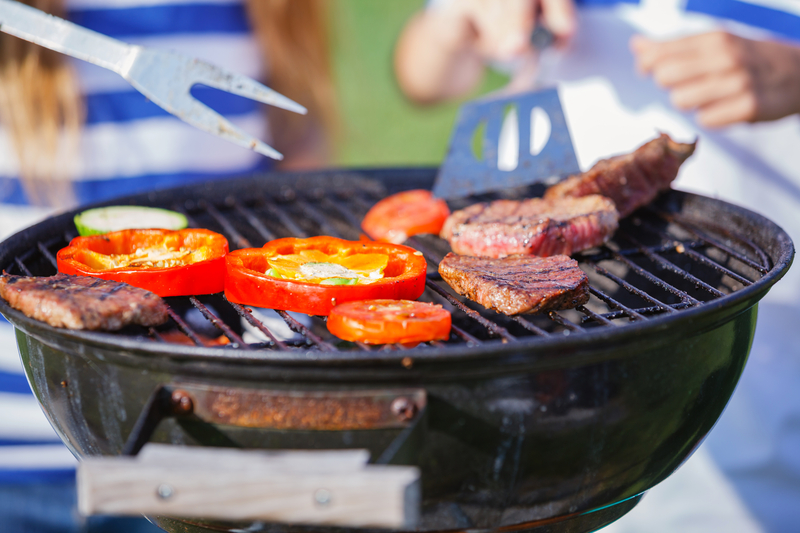
Grilling on charcoal carries potential health risks, but these can be significantly reduced by following specific practices.
Careful attention to grilling habits, managing smoke exposure, and selecting the right type of charcoal all contribute to safer cooking.
Safe Grilling Practices
Using lean cuts of meat helps reduce the formation of harmful compounds during grilling.
Fat dripping onto hot coals produces smoke containing carcinogens, so trimming excess fat lowers this risk.
Avoid charring or burning food, as blackened areas contain higher levels of dangerous chemicals.
Cooking at moderate temperatures and flipping food frequently also prevents overcooking.
Keeping food elevated above direct flames, such as using grill racks, reduces direct contact with intense heat and limits the production of hazardous substances.
Reducing Exposure to Harmful Substances
Grilling in a well-ventilated outdoor area is critical to minimize inhaling smoke and fumes.
Standing upwind during cooking and avoiding enclosed spaces decreases exposure to potentially toxic particles.
Using long-handled tools allows the griller to maintain a safe distance from the smoke.
Wearing gloves and washing hands after handling charcoal reduces skin contact with harmful residues.
Limiting grilling frequency or alternating cooking methods can help avoid chronic exposure to carcinogens associated with frequent charcoal use.
Choosing Safer Charcoal Options
Natural lump charcoal made from hardwood is generally preferable to briquettes, which can contain additives and chemicals.
Selecting charcoal products labeled as additive-free reduces the risk of inhaling toxins.
Some brands offer sustainably produced charcoal that burns cleaner and produces less smoke.
Using charcoal without self-lighting chemicals or accelerants limits contamination.
Moisture content in charcoal affects burning consistency; drier charcoal produces less smoke and fewer harmful substances during grilling.
Environmental and Safety Considerations
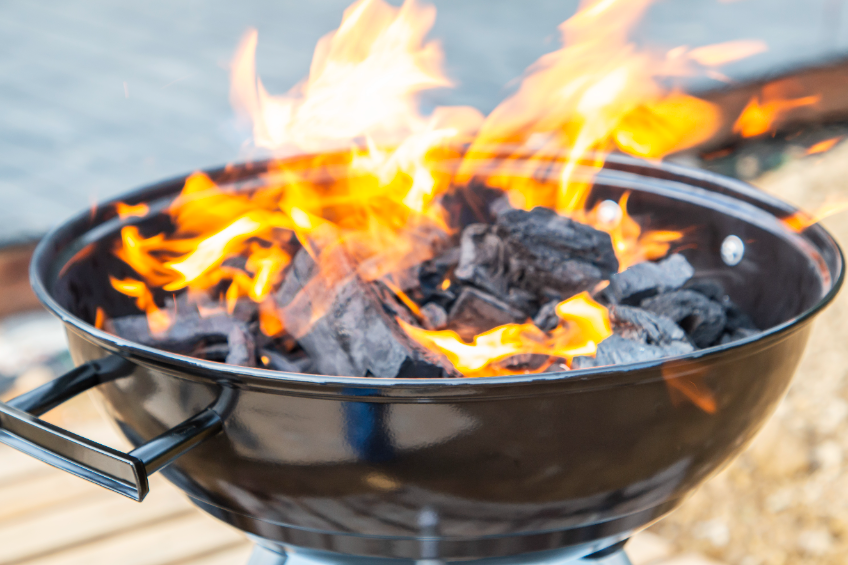
Charcoal grilling affects both the environment and user safety in specific ways.
It produces pollutants that impact air quality, requires proper ash disposal, and carries distinct fire risks.
Being aware of these factors can help manage potential hazards effectively.
Air Pollution From Charcoal
Charcoal grills emit significant amounts of carbon dioxide, nearly twice that of gas grills.
They release harmful chemicals such as benzene, toluene, and polycyclic aromatic hydrocarbons (PAHs), which are linked to health risks.
Smoke and fumes contain volatile organic compounds (VOCs) that contribute to smog formation and worsen air pollution.
This can affect the health of nearby individuals, particularly those with respiratory conditions.
Using a charcoal grill in well-ventilated outdoor areas lowers exposure to these pollutants.
Additionally, limiting flare-ups and avoiding excessive charring reduces harmful compound formation.
Disposal and Cleanup
Ash and leftover charcoal must be properly cooled before disposal to prevent accidental fires.
Leaving hot or warm ashes in plastic or combustible containers poses significant risks.
Ash should be stored in a metal container with a lid and kept away from flammable materials until fully cooled.
This practice ensures safe disposal without causing unintended fires.
Routine cleanup of grill grates and surfaces reduces buildup of grease and residues, which can ignite unexpectedly or produce toxic smoke during subsequent use.
Fire Hazards
Charcoal grills carry an inherent risk of fire due to the open flames and hot coals.
Improper handling or placement of the grill can lead to flare-ups or nearby combustible materials igniting.
Positioning the grill on a stable, non-flammable surface away from structures, plants, or furniture minimizes fire risk.
Never leave a hot grill unattended.
Using long-handled tools and heat-resistant gloves helps prevent burns.
Having a fire extinguisher or a water source nearby provides a quick response in case of emergencies.
Charcoal Grilling and Nutritional Impact

Grilling over charcoal influences both the nutrient composition and the flavor profile of food.
Certain vitamins can degrade due to high heat, while the cooking method also introduces unique smoky characteristics that many consumers value.
Changes in Nutritional Value of Foods
Charcoal grilling mainly affects water-soluble vitamins, such as vitamin B and C, which can decrease when exposed to high temperatures.
Cooking meats at intense heat can cause some nutrient loss but often retains minerals like iron and zinc.
Fat content may reduce slightly during grilling as excess fat drips away, potentially lowering calorie content.
However, prolonged exposure to very high heat can lead to the formation of compounds like polycyclic aromatic hydrocarbons (PAHs), which relate more to health risks than nutrition.
Choosing leaner cuts and moderate grilling temperatures can help mitigate nutrient loss while maintaining food quality.
Effects on Food Flavor
Charcoal grilling produces smoke through combustion, which imparts a distinct smoky aroma and taste.
This flavor development results from chemical reactions in the smoke, including compounds like phenols and carbonyls binding to the food’s surface.
The flavor intensity depends on factors such as charcoal type, airflow, and cooking duration.
Different charcoals, such as lump charcoal versus briquettes, can yield varied taste profiles.
Many appreciate charcoal grilling for its ability to enhance savory flavors naturally without added ingredients, making it a favored choice among grilling enthusiasts.
Bottom Line – Is Grilling on Charcoal Bad for You?

Grilling on charcoal carries potential health risks primarily due to carcinogens formed when meat is cooked at high temperatures or becomes charred.
These compounds, such as heterocyclic amines (HCAs) and polycyclic aromatic hydrocarbons (PAHs), have been linked to increased cancer risk in some studies.
However, the flavor and tradition of charcoal grilling are valued by many.
By adopting certain precautions, the risks can be reduced significantly.
These include:
- Using lean cuts of meat to reduce fat drippings
- Avoiding overcooking or charring food
- Marinating meat before grilling
- Ensuring proper ventilation during cooking
- Cleaning the grill regularly to prevent buildup
Environmental factors also merit consideration, as charcoal production and use generate pollutants.
Choosing sustainably sourced charcoal or alternative fuels can lessen this impact.
Informed grilling practices enable individuals to enjoy charcoal grilling while minimizing health concerns.
Understanding the risks and taking practical steps can create a safer cooking experience without losing the unique qualities of charcoal grilling.