
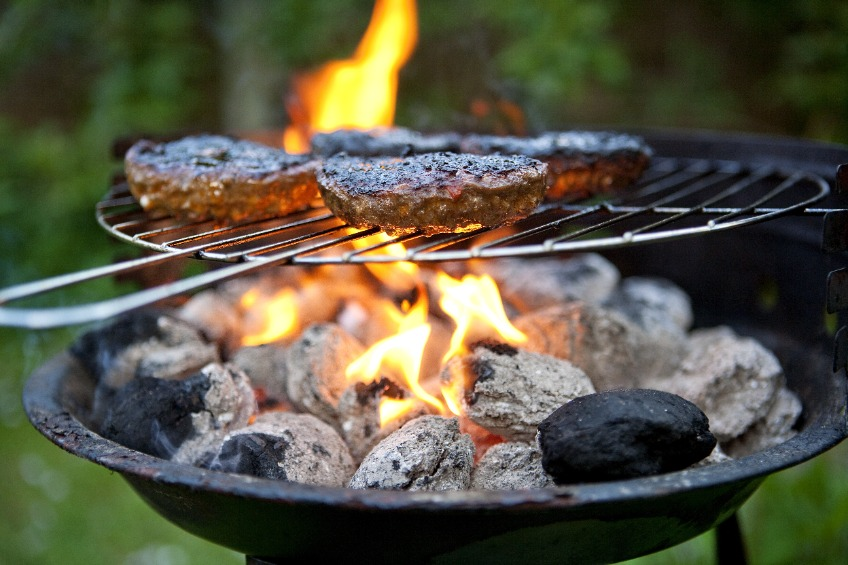
 Charcoal grills give food a smoky flavor that many people love. But the high heat and smoke that create this taste can also raise some health concerns.
Charcoal grilling can increase your exposure to potentially harmful compounds, but simple changes can make it safer. When meat cooks at high heat, it can form chemicals associated with cancer. Smoke from dripping fat can add to this exposure. You can still enjoy outdoor cooking while reducing these risks.
This article explains what happens when you grill with charcoal and how it compares with other cooking methods. You will also find practical tips to lower your exposure while enjoying a classic smoky flavor.
The Bottom Line on Charcoal Grilling and Health
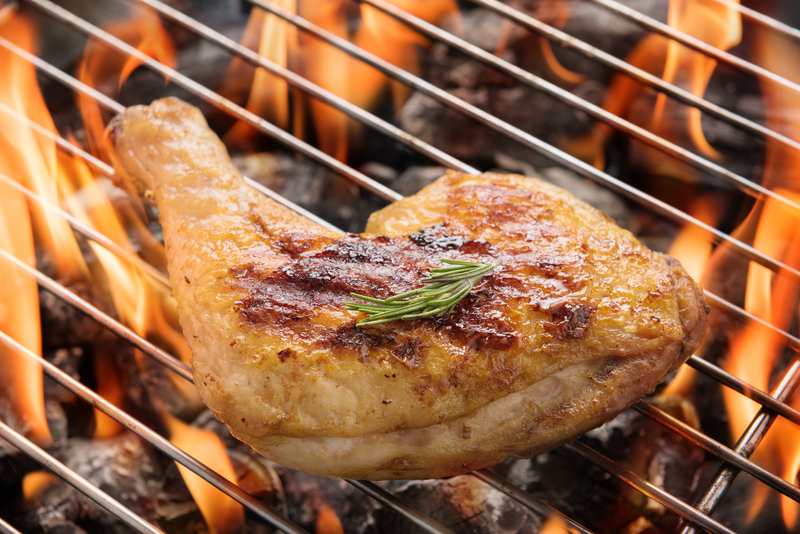 Understanding the health risks of charcoal grilling helps you make informed choices without giving up your favorite meals. Charcoal grilling does carry health risks, but the level of risk depends largely on what you cook and how you cook it.
Why What You Grill and How You Grill It Matter
Your food choices affect your exposure. Fatty meats like burgers and sausages can drip grease onto hot coals, creating smoke that can settle on your food.
Choosing lean meats significantly limits the fat dropping into the fire. Lean cuts of meat, like chicken breast or fish, generally produce less dripping fat. Vegetables produce few of the compounds associated with grilling meat.
Cooking time and temperature also matter. Charring meat at high heat for a long time can increase the formation of harmful compounds.
You can reduce your exposure with a few simple habits:
- Trim visible fat before grilling
- Marinate meat for at least 30 minutes
- Flip food often instead of leaving it in one spot
- Cut off any charred or blackened parts before eating
These small changes can help reduce the amount of harmful compounds that form during grilling, according to Healthline.com.
What the Evidence Says About Cancer Risk
Research has linked exposure to certain compounds formed during grilling with cancer risk, but the concern is not about charcoal alone. High heat and smoke can produce heterocyclic amines (HCAs) and polycyclic aromatic hydrocarbons (PAHs), compounds that act as carcinogens when ingested.
HCAs form when meat cooks at high temperatures, while PAHs can form when fat drips onto flames and smoke settles on food.
Gas grills may produce less smoke than charcoal grills, potentially reducing exposure to smoke-related PAHs. However, charcoal grilling is not inherently unsafe. Your cooking methods, temperature control, and how often you grill can also influence your overall exposure.
If you grill often, choosing leaner foods and avoiding heavy charring can help reduce long-term exposure to these compounds.
How High Heat and Smoke Affect Grilled Food
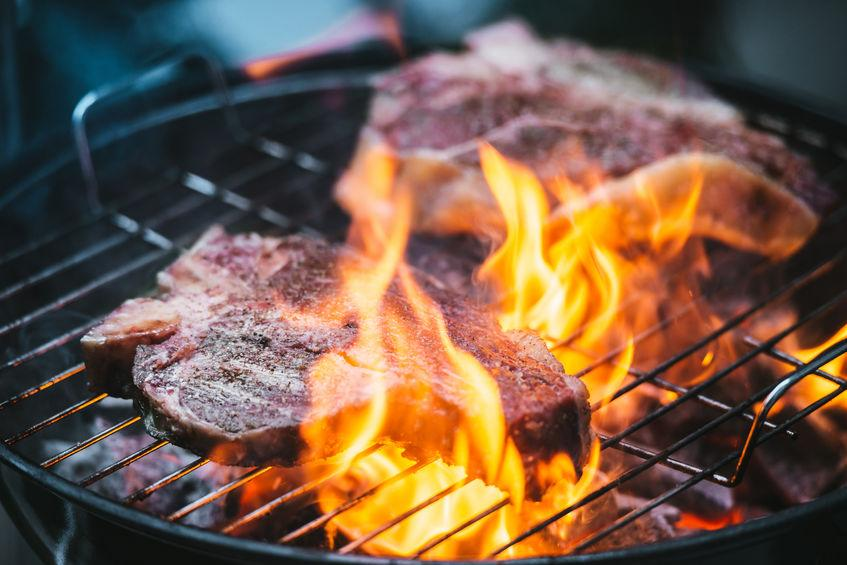 When you cook meat over high heat, two types of compounds can form: heterocyclic amines (HCAs) and polycyclic aromatic hydrocarbons (PAHs). Both have been associated with cancer risk.
Health researchers classify these substances as carcinogens. Both HCAs (heterocyclic amines) and PAHs (polycyclic aromatic hydrocarbons) can damage cellular DNA when consumed in large amounts.
How Heterocyclic Amines Form in Meat
HCAs form when meat, poultry, or fish cooks at high temperatures. The heat causes amino acids, sugars, and creatine in the muscle to react. This reaction is more likely during high-temperature cooking methods such as grilling, frying, or broiling.
The longer you cook food and the higher the heat, the more HCAs can form. Well-done or burnt meat can contain higher levels than meat cooked for less time. The American Instituite for Cancer Reasearch suggests that these compounds can damage DNA in ways that may contribute to cancer.
You can reduce HCA formation by marinating meat before grilling. Ingredients such as rosemary, garlic, and turmeric may help limit how many HCAs form during cooking.
How Polycyclic Aromatic Hydrocarbons Reach Food
PAHs form differently from HCAs. When fat and juices drip from meat onto hot coals or flames, the resulting smoke can carry PAHs onto the surface of your food.
Fattier cuts of meat can produce more drippings and flare-ups, which may increase PAH exposure. Charcoal grilling can create more smoke than gas grilling, depending on the grill, fuel, and cooking method.
You can reduce PAH exposure by trimming excess fat before grilling. Using a drip pan or moving food away from direct flames can also limit smoke contact.
Why Charring and Flare-Ups Increase Exposure
Flare-ups happen when fat or juices hit hot coals or flames and burn quickly. These bursts of fire can produce smoke that carries PAHs onto your food.
Charred or blackened spots on grilled meat can contain higher levels of HCAs and PAHs. These compounds can accumulate on food exposed to high heat, flames, and smoke.
You can reduce your exposure by controlling the grill temperature and avoiding direct contact with flames. Cutting away charred sections before eating also helps. Flipping meat often and moving it away from flare-ups can prevent excessive charring.
Practical Steps for Safer Charcoal Grilling
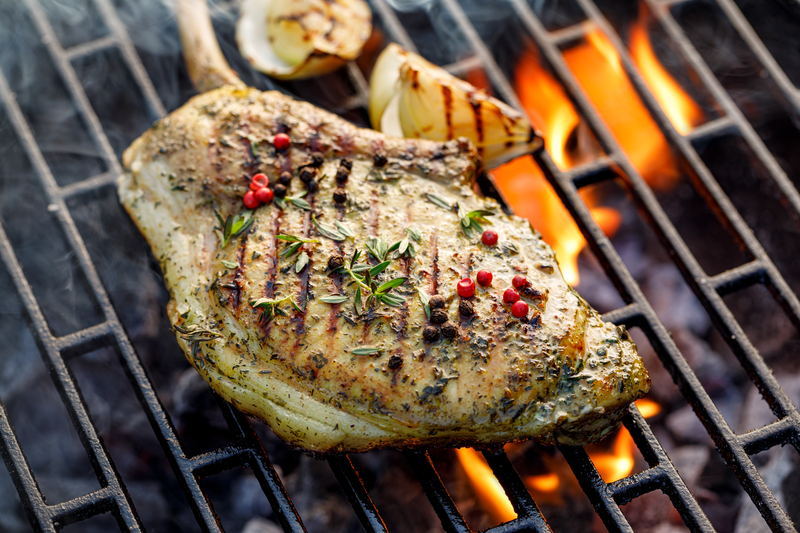 Small changes to how you set up, cook on, and light your grill can reduce exposure to smoke and potentially harmful compounds. These steps take little extra time and can help limit what ends up on your plate.
Use Two-Zone Heat and Limit Flare-Ups
Set up your grill with coals piled on one side and no coals on the other. This creates a hot zone for searing and a cooler zone for slower cooking.
When fat drips onto hot coals, it can cause flare-ups. The resulting smoke may carry PAHs onto your food.
Move food to the cooler side when flare-ups happen. This reduces direct exposure to flames while keeping the food on the grill.
A two-zone fire setup also helps you control cooking speed. Thick cuts of meat can cook through more gradually, reducing the chance of burning the outside.
Marinate Meat and Avoid Heavy Charring
Marinating meat for at least 30 minutes may reduce the amount of harmful compounds that form during grilling. Simple ingredients work well.
Vinegar, lemon juice, and fresh herbs are good choices. Marinades may help limit HCA formation when meat cooks at high heat.
Avoid charring your food. Dark, blackened spots can contain higher levels of HCAs and PAHs.
Flip your meat often instead of leaving it in one spot. This can help prevent burning. If a piece of meat gets charred, cut off that part before eating it.
Light Coals Without Lighter Fluid
Lighter fluid can leave an odor or taste on food if it has not burned off completely. A chimney starter is an alternative that lights coals using newspaper or natural fire starters.
Using a chimney starter ensures a clean burn without petroleum fumes. Fill the chimney starter with charcoal, place crumpled newspaper underneath, and light it. Your coals will usually be ready in about 15 to 20 minutes.
This method works with both lump charcoal and charcoal briquettes. Lump charcoal tends to light faster and burn hotter, while briquettes often burn longer and more evenly.
Never add lighter fluid to coals that are already lit. This can cause a sudden flare-up and burn injury.
Food Choices That Make a Difference
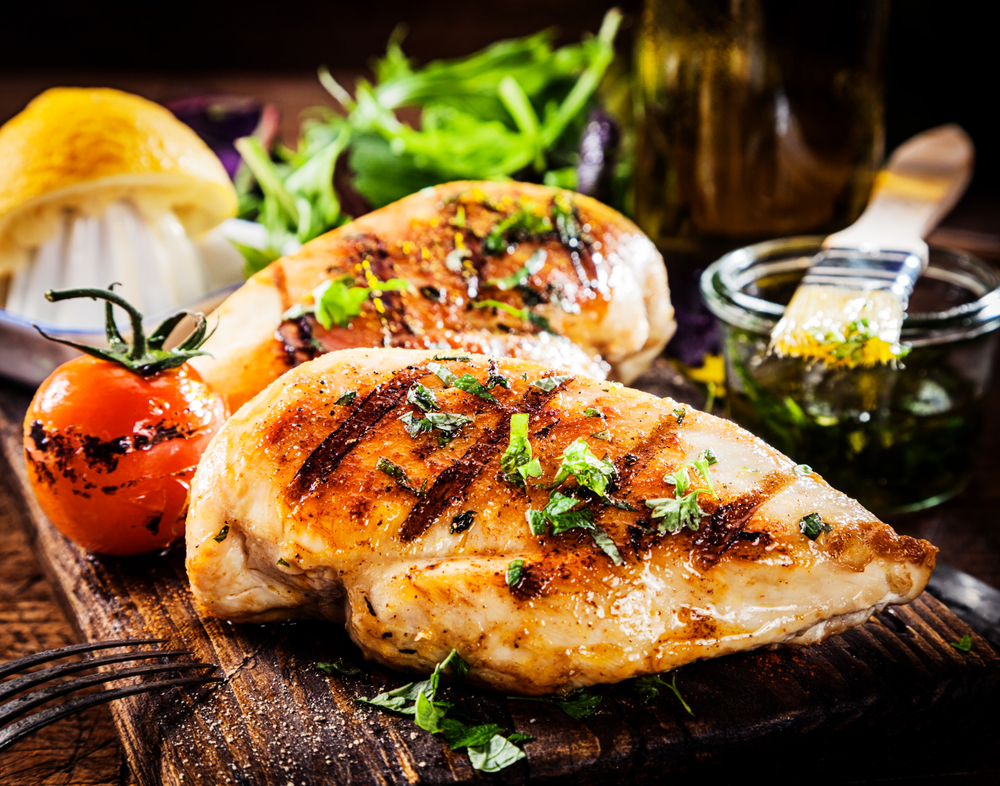 What you put on the grill matters as much as how you cook it. Some foods can produce more harmful compounds than others, and a few smart swaps can help reduce your exposure.
Choose Leaner Proteins and Trim Excess Fat
Fat dripping onto hot coals can create smoke and flames. This smoke may carry PAHs that settle on your food. Choose lean meats like chicken breast, turkey, or fish instead of fattier cuts. If you grill red meat, trim visible fat before cooking.
Lean cuts of meat, such as sirloin or pork loin, generally produce fewer drippings and flare-ups. Fewer flare-ups can mean less smoke contact with your food.
You can also cut meat into smaller pieces. Smaller pieces cook faster, reducing the time they spend over direct heat and the chance of charring.
Grill More Vegetables and Limit Processed Meat
Vegetables do not form HCAs in the same way meat does when grilled. Try grilling peppers, zucchini, onions, and corn alongside your protein.
This gives you more fiber and nutrients and can reduce the amount of grilled meat on your plate.
Processed meats like hot dogs and sausages can pose additional health concerns. Grilling them at high temperatures or until charred can add exposure to compounds formed during cooking.
Try to limit how often you grill these foods. When you do, use lower heat and flip them often to avoid burning, as recommended for reducing exposure to compounds formed during gas and charcoal grilling.
Protect Against Foodborne Illness and Grill Fumes
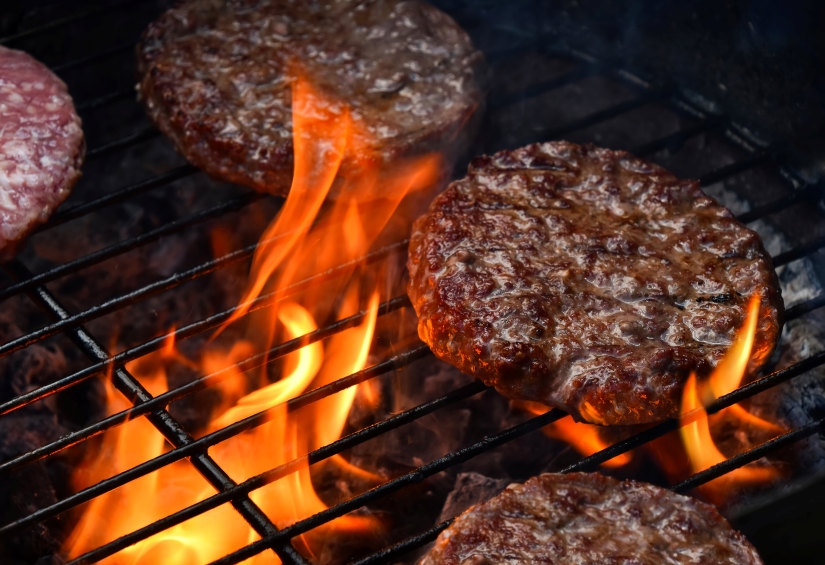 Charcoal grilling can expose you to foodborne illness from undercooked food and harmful fumes from burning fuel. You can lower these risks by checking food temperatures and using your grill in a well-ventilated outdoor area.
Check Safe Internal Temperatures With a Food Thermometer
Meat can look done on the outside while still being unsafe inside. Use a food thermometer to check that it reaches a safe internal temperature.
Use these safe minimum internal temperatures:
- Beef, pork, lamb, and veal (steaks, chops, roasts): 145°F, then rest for at least 3 minutes
- Ground meats (beef, pork, lamb, veal): 160°F
- Poultry: 165°F
According to USDA never partially grill meat and finish cooking it later. This can allow bacteria to survive. Keep raw and cooked foods separate. Don’t put cooked meat back on a plate that held raw meat. Use separate utensils and cutting boards for each.
Keep Charcoal Grills Outdoors and Away From Enclosed Spaces
Use a charcoal grill only outdoors in an open area. Burning charcoal releases carbon monoxide, a gas you cannot see or smell. Carbon monoxide can build up quickly in small or enclosed spaces. Never use a charcoal grill in a garage, tent, or indoors, even with the door open.
A covered patio might seem safe, but it can still trap smoke and carbon monoxide if it’s closed in on multiple sides. Keep your grill away from walls, railings, and windows. Leave plenty of open space around your grill to reduce the risk of breathing in harmful fumes while you cook.
How Charcoal Compares With Gas and Electric Grills
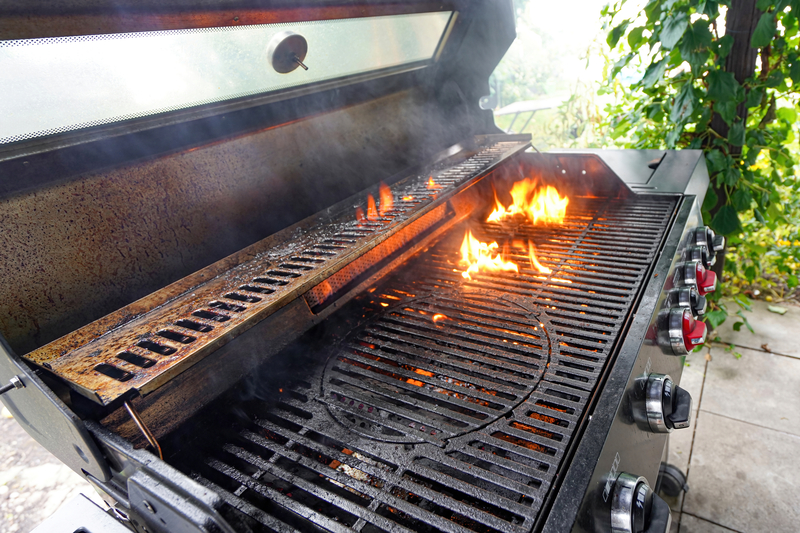 Charcoal, gas, and electric grills differ in smoke output and heat control. Your choice affects both the flavor of your food and its exposure to smoke-related compounds.
Smoke, Heat Control, and Flavor Trade-Offs
Charcoal grilling gives food a classic smoky flavor, but heat is harder to control, and fat dripping onto hot coals can cause flare-ups.
Gas grills offer more control because you can adjust the flame with a dial. This can make gas grilling a lower-smoke option because gas grills emit less smoke and are easier to manage.
An electric grill avoids charcoal and gas flames and generally produces less smoke. If you’re cooking indoors or on a balcony where charcoal or gas isn’t allowed, an electric grill may be your only option.
| Grill Type | Heat Control | Smoke Level | Flavor |
|---|---|---|---|
| Charcoal | Low | High | Strong, smoky |
| Gas | High | Low | Mild |
| Electric | High | None | Mild |
Why Switching Grills Does Not Eliminate Every Risk
Switching from charcoal to gas or electric can lower your exposure to harmful compounds, but it does not eliminate all risks. Cooking muscle meat at high temperatures can create heterocyclic amines (HCAs) on any type of grill.
Charring food or cooking it for too long can increase exposure on a gas or electric grill. Muscle meats such as beef, chicken, and fish are more likely to form HCAs when cooked at high temperatures.
Your grilling habits matter as much as your equipment. Marinating meat, trimming fat, and avoiding charred spots can help reduce exposure regardless of which grill you use.
Here are Three Charcoal Grills Worth Considering
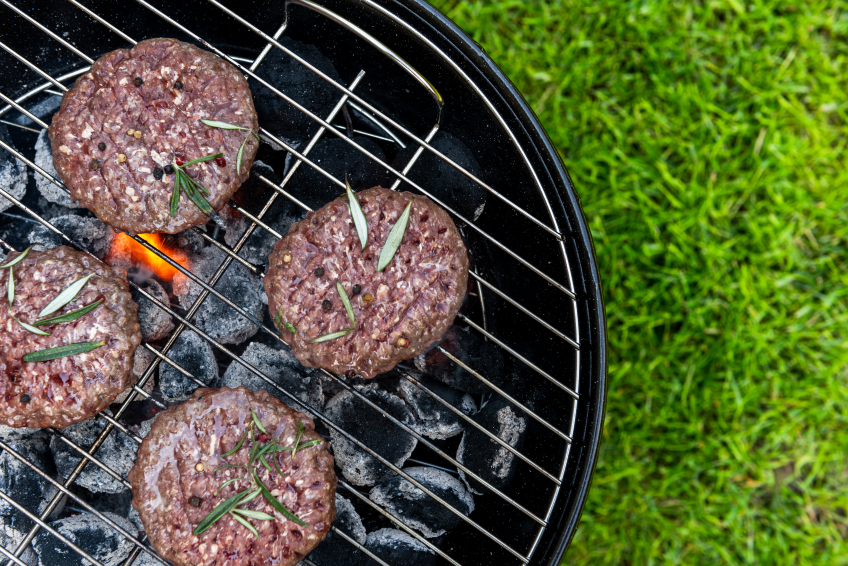 If you enjoy the flavor of charcoal grilling but want to make thoughtful choices about your cooking equipment, selecting a well-designed grill can make the cooking process easier and more controllable.
Here are three charcoal grill models worth considering:
The Weber Original Kettle Premium Charcoal Grill is a popular kettle-style grill that combines a straightforward design with practical features for everyday charcoal cooking.
Its classic kettle shape, adjustable vents, and lidded cooking chamber make it suitable for both direct and indirect grilling. It is a particularly practical option for anyone looking for a relatively simple charcoal grill that can handle everything from burgers and steaks to slower, indirect cooking.
The Kamado Joe Jr is a premium ceramic charcoal grill designed for a wide range of cooking methods.
Its insulated ceramic construction helps retain heat, while its versatile design allows you to grill, roast, bake, and smoke. This makes the Joe Jr suitable for experienced grillers who want greater temperature control and the ability to use one grill for multiple cooking techniques.
The Royal Gourmet Charcoal Grill is a versatile charcoal grill with a 490-square-inch cooking area and a convenient folding side table for food preparation.
Its adjustable charcoal pan allows you to control the distance between the coals and cooking grate, making it easier to adjust cooking temperatures for different foods. The folding table provides additional workspace while grilling and can be folded away when the grill is being stored.
These three grills take different approaches to charcoal cooking, from the simplicity of a traditional kettle to the insulation of a ceramic kamado and the durability of cast aluminum. Choosing between them ultimately comes down to your cooking style, desired features, budget, and how you plan to use the grill.
FAQ: Is It Healthy to Grill on a Charcoal Grill?
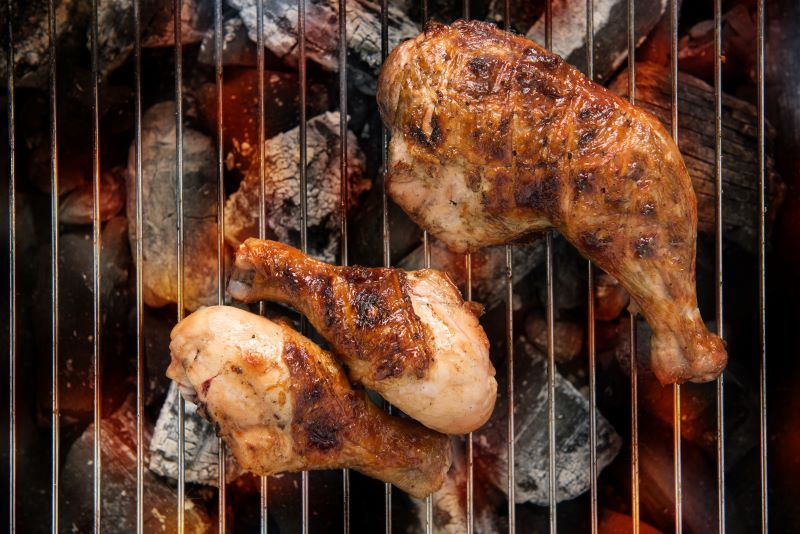 Charcoal grilling can be part of a healthy diet, but how you cook the food matters. The National Cancer Institute explains that cooking meat at high temperatures, including grilling over an open flame, can produce heterocyclic amines (HCAs) and polycyclic aromatic hydrocarbons (PAHs), which can damage DNA in laboratory studies. National Cancer Institute.
Does Charcoal Grilling Cause Cancer?
There is not enough evidence to say that charcoal grilling itself causes cancer in humans. However, grilling meat at high temperatures can produce HCAs, while smoke from fat and juices dripping onto hot charcoal can produce PAHs that may accumulate on the food. National Cancer Institute.
How Can You Make Charcoal Grilling Healthier?
Avoiding excessive charring and flare-ups can reduce exposure to these compounds. The American Institute for Cancer Research (AICR) recommends using marinades, reducing exposure to flames, trimming excess fat, turning meat frequently, and cutting away heavily charred portions before eating. AICR: Grilling and Cancer Risk.
Is Grilled Vegetables Healthier Than Grilled Meat?
Grilled vegetables can be an excellent addition to a barbecue. AICR notes that vegetables and fruits do not form HCAs when grilled, while adding more plant foods can help reduce the amount of red and processed meat in the meal. AICR Guide to Healthy Grilling.
Is Charcoal or Gas Grilling Healthier?
The health considerations depend more on how the food is cooked than simply whether the grill uses charcoal or gas. High heat, direct flames, smoke, and charring can increase the formation of HCAs and PAHs, so controlling flare-ups and avoiding heavily charred food are useful precautions regardless of grill type.