You might have a bag of charcoal sitting in your garage for a year or two and wonder if it still works.
Charcoal does not have a fixed expiration date like food, and it can remain usable for years when stored properly. As long as it is kept dry and protected from moisture, both lump charcoal and briquettes can retain their ability to light and burn effectively.
This also sets up the next paragraph nicely because it explains that moisture, rather than age itself, is the main storage concern.
People often wonder does charcoal go bad if left outside between barbecue seasons. While it does not rot, charcoal can lose performance if it absorbs moisture. Wet charcoal is harder to light and may burn less effectively.
Below, you’ll find answers about how long charcoal lasts, what happens when it gets wet, and how to store it so it’s ready whenever you need it.
Why Dry Charcoal Can Last for Years
 Dry charcoal lasts because it contains very little organic material for mold or bacteria to break down. Storage conditions, not age alone, determine whether it still burns well.
Why Charcoal Does Not Spoil Like Food
Charcoal is made by heating wood with very little oxygen. This process, called carbonization, removes water, sap, and most other organic material.
What’s left is mostly fixed carbon. Bacteria and mold need nutrients and moisture to grow, and fixed carbon provides very little of either.
This is why pure charcoal doesn’t “rot” the way food does. If you wonder does charcoal go bad over time, moisture is the deciding factor. Old charcoal can still burn well as long as it has stayed completely dry.
Archaeologists find charcoal from ancient fires that is thousands of years old. Its survival reflects the durability of carbon under many conditions, though it can still be affected by moisture, erosion, or contamination.
How Moisture and Handling Affect Burning Performance
Charcoal has tiny pores formed during carbonization. These pores can absorb water vapor from the air, reducing how easily the charcoal lights and burns.
Wet charcoal doesn’t burn the same way as dry charcoal.
Here’s what can change:
- Lighting time: Damp charcoal takes longer to catch fire and may not light reliably.
- Smoke output: Wet charcoal may produce more smoke as its moisture evaporates.
- Heat output: Some of the heat is used to evaporate water instead of heating the grill.
Rough handling also matters. Stacking, dropping, or compressing bags can break charcoal into dust and small fragments. These pieces may burn less evenly, reducing the bag’s overall performance.
High-quality charcoal with low moisture content may be less prone to performance problems, but all charcoal can absorb moisture if stored in damp conditions.
How Shelf Life Varies by Charcoal Type
 Charcoal types differ in composition and how well they hold their shape when exposed to moisture. Most can last for years if stored dry, while some products, such as match-light charcoal, may become less reliable sooner.
Lump Charcoal and Coconut Shell Charcoal
Lump charcoal is made from carbonized wood, usually with few or no additives. Buying high-quality charcoal gives you clean-burning fuel that can remain usable for a long time when stored dry.
As long as you keep it dry, lump charcoal can last indefinitely in practical terms. However, it can still absorb moisture and break into smaller pieces if handled roughly.
Coconut shell charcoal is also durable when kept dry. Properly sealed storage can help preserve its performance for many years.
Both types can absorb moisture if stored somewhere damp. Unlike briquettes, lump charcoal does not rely on a binder to hold its shape, so it is less likely to crumble when exposed to moisture.
Standard Briquettes and Match-Light Briquettes
Standard charcoal briquettes contain binders and other ingredients that hold the pressed charcoal together. These materials can absorb moisture, and damp briquettes may soften or crumble.
When selecting charcoal for grilling, briquettes offer uniform heat and longer burn times. A sealed, dry bag can remain usable for years, although 2 to 3 years is a practical estimate for storage.
Charcoal quality and storage conditions affect how well briquettes perform over time. Poorly compressed briquettes tend to break down faster in humid climates.
Match-light charcoal is different because it has an added ignition agent designed to help it light quickly.
The ignition agent may become less effective over time, even in a sealed bag. Once opened, match-light charcoal may become less reliable, so follow the manufacturer’s storage guidance and test it before use.
Why Activated Charcoal Has Different Storage Considerations
Activated charcoal is processed differently from standard charcoal for grilling. Treatment creates many tiny pores, giving it a large surface area for absorption.
This property makes storage important. Activated charcoal can absorb moisture, odors, and gases from the surrounding air, which may reduce its effectiveness.
Unlike lump charcoal or briquettes, activated charcoal isn’t meant for burning. It’s used in filters, supplements, and odor-control products instead.
Because it is absorbent, store it in an airtight container away from strong smells and humidity. Exposure to open air can reduce its performance without causing a visible change.
Signs Your Charcoal May Not Burn Well
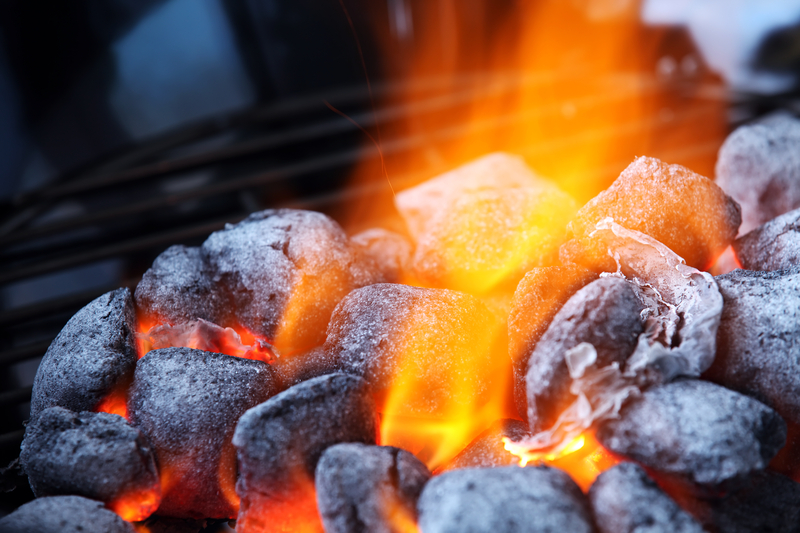 Before you light your charcoal grill, check the charcoal for moisture, damage, and unusual odors. A small test burn can help confirm whether it still performs well.
Check for Dampness, Crumbling, and Unusual Odors
Inspecting charcoal quality before a barbecue is simple. Damp charcoal may feel cool or soft and can stick together instead of staying loose. A dull sound when two pieces tap together may indicate moisture, but this check isn’t conclusive.
Crumbling is another warning sign. If charcoal breaks into dust or small chunks when handled, it may burn less evenly. This can happen after exposure to humidity or rough handling.
Smell matters too. If you notice a musty or sour smell, mold may have formed, especially if briquettes have been damp for an extended period.
Test a Small Batch Before Grilling
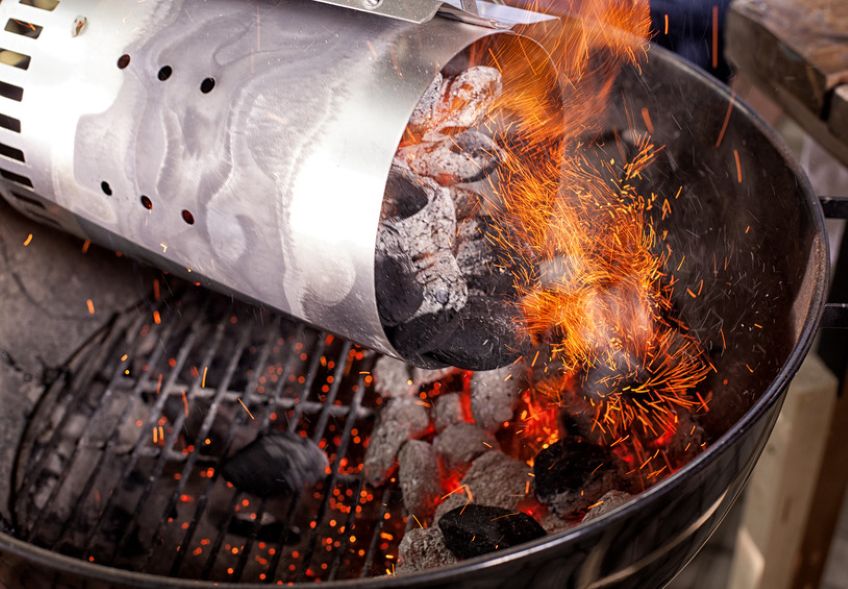
Before loading your charcoal grill for a full cookout, light a small test batch first. Place a few pieces in your chimney starter and see how readily they catch.
Dry charcoal should catch and develop a steady glow under suitable conditions, though lighting time varies with the charcoal, starter, and weather. If it struggles to catch, smokes heavily, or burns out quickly, it may have lost performance.
This quick test can help you avoid discovering that your charcoal won’t perform well when your guests are waiting for food.
What to Do With Wet Charcoal
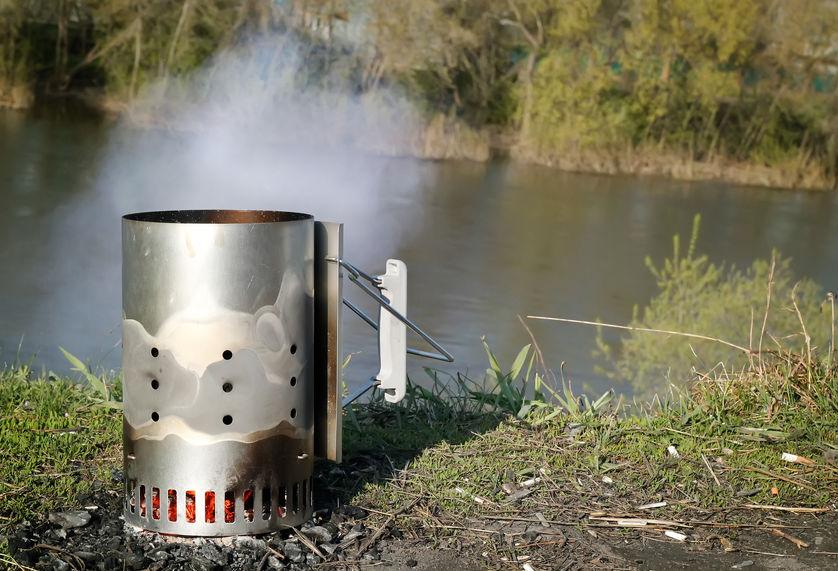 Wet charcoal is not always a lost cause, but what you do next depends on how wet it is. Charcoal exposed to humidity may be salvageable, while charcoal soaked through may be difficult to restore.
When Drying Charcoal May Restore Its Performance
If your charcoal is only damp from humidity, drying it may help restore its performance.
Spread the pieces in a single layer on a dry surface, such as a tarp or baking sheet. Place them somewhere warm and well-ventilated, away from rain, and let them dry thoroughly. Avoid leaving charcoal unattended in direct sunlight if the surrounding area could pose a fire risk.
Check it before you grill.
Good signs include:
- A dry feel with no soft spots
- A firm sound when two pieces tap together
- No musty or sour smell
Once dry, test-burn a small batch in your chimney starter. If it lights and holds a steady glow, it is ready for regular use. This drying method may work for both lump charcoal and charcoal briquettes, though briquettes may crumble if their binders have been damaged.
When Wet Briquettes Have Broken Down Too Far
Some charcoal is too far gone to save. If a bag has been rained on, left in a puddle, or soaked through, drying it may not restore its original shape or performance.
Look for these warning signs:
| Sign | What it means |
|---|---|
| Soft, crumbling texture | The briquette structure may have broken down |
| Fuzzy or discolored patches | Mold may have started growing |
| Falls apart when touched | Pieces may not hold together or burn evenly |
| Musty smell | Moisture may have remained in the bag |
Charcoal briquettes are more prone to crumbling after soaking than lump charcoal because their binders can soften and break down. If you see these signs, discard the affected charcoal rather than risk using fuel that won’t light or burn evenly.
When to Discard Charcoal Instead of Using It
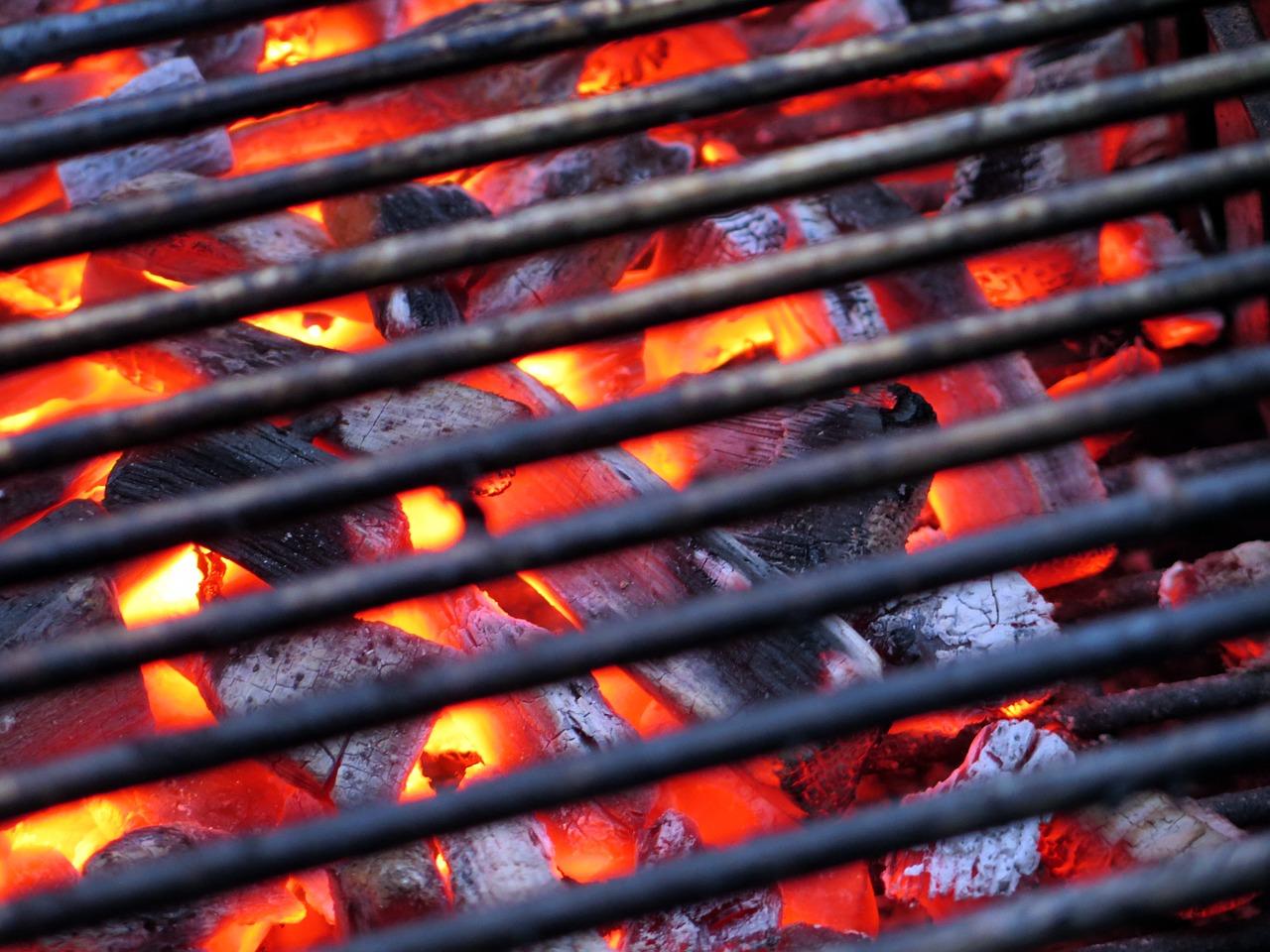 Most charcoal can last for years when stored properly, but some signs mean you should discard it instead of using it. Mold, chemical contamination, and charcoal that won’t light properly all point to a problem.
Avoid Moldy or Chemically Contaminated Charcoal
Mold can grow when moisture gets into a bag and remains there. You might see white, green, or black spots on the briquettes, or notice a musty smell when you open the bag.
Do not use visibly moldy charcoal. Discard it to avoid spreading mold spores while handling or burning it.
Check your bag for water damage or tears before you use it. If the charcoal feels damp or smells off, inspect it closely and discard it if you find mold or signs of contamination.
Charcoal stored near chemicals, paint, or gasoline can absorb odors or contaminants. This can affect the taste of food and may create harmful fumes when burned. Charcoal’s shelf life depends on storage conditions, so keeping it sealed and dry, and away from chemicals, matters.
Replace Fuel That Cannot Light or Hold Heat Reliably
Old charcoal may struggle to light, even with a chimney starter or lighter fluid. This often means it has absorbed moisture from the air or been stored in damp conditions.
Try lighting the charcoal once more before discarding it. If it still won’t catch after a few attempts, or lights but burns out quickly, it’s time to buy a new bag.
Charcoal for grilling needs to hold a steady heat so food cooks properly. If your briquettes crumble into dust or burn unevenly, they won’t provide reliable heat control.
Weak or inconsistent heat means more time at the grill and less predictable results. Checking charcoal quality before you grill helps you avoid wasted time and ruined food.
Using high-quality charcoal provides steady temperatures and minimal ash. When fuel breaks down too much, starting fresh is always best.
How to Store Charcoal to Keep It Ready for Grilling
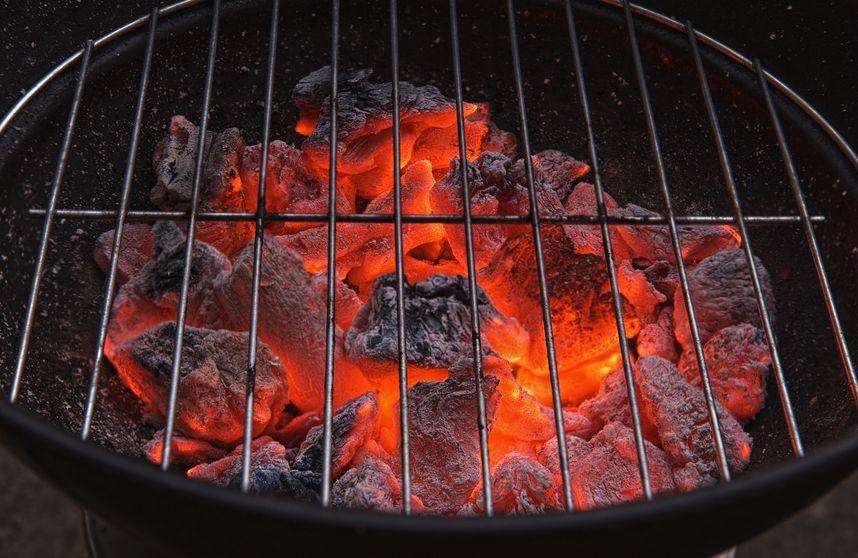 Moisture is the main threat to fuel, making proper charcoal storage essential. Keeping it in a dry place and inside a sealed container helps keep charcoal ready to light whenever you need it.
Choose a Dry Location and a Sealed Container
Good charcoal storage requires a spot that stays dry year-round, such as a garage, shed, or covered patio closet. Avoid basements and areas prone to flooding or high humidity.
Once you have a location, charcoal storage containers such as metal trash cans, plastic bins with locking lids, or 5-gallon pails can help protect charcoal from moisture. Choose a container with a tight seal rather than a loose-fitting cover.
If you still have the original bag, place it inside the container for extra protection. This method works for lump charcoal, briquettes, and match-light charcoal, though match-light products can lose their lighter-fluid coating over time, even when sealed properly.
Label the container with the purchase date. This helps you track how long the charcoal has been stored and use older bags first.
The Buddeez Kingsford Kaddy Charcoal Dispenser is designed to keep charcoal dry, organized, and ready to use between grilling sessions. Its weatherproof design includes a secure lid and sturdy handles, making it practical for storing and carrying charcoal around the garage, patio, or grill area.
The larger version can hold up to 22 pounds of charcoal, while its narrow shape helps save storage space.
Keep Charcoal Away From Water, Chemicals, and Strong Odors
Never store charcoal directly on a concrete floor or where rain or snow can reach it. Concrete can retain moisture and transfer it to the charcoal bag, even indoors.
Keep charcoal away from gasoline, paint thinner, and other chemicals. Charcoal is porous and can absorb fumes, which may affect the flavor of food cooked later.
Strong odors from cleaning products or pool chemicals can also seep into the charcoal if stored nearby. Choose a separate shelf or cabinet away from these items.
Check your storage area for leaks or dampness every few months, especially before grilling season. A quick inspection can help you catch problems before they ruin a full bag.
Yes. For an article about whether charcoal expires, I’d insert the recommendations after the section explaining that charcoal can last for years when kept dry. That makes the products relevant rather than looking like a random affiliate section.
Recommended Charcoal for Reliable Grilling
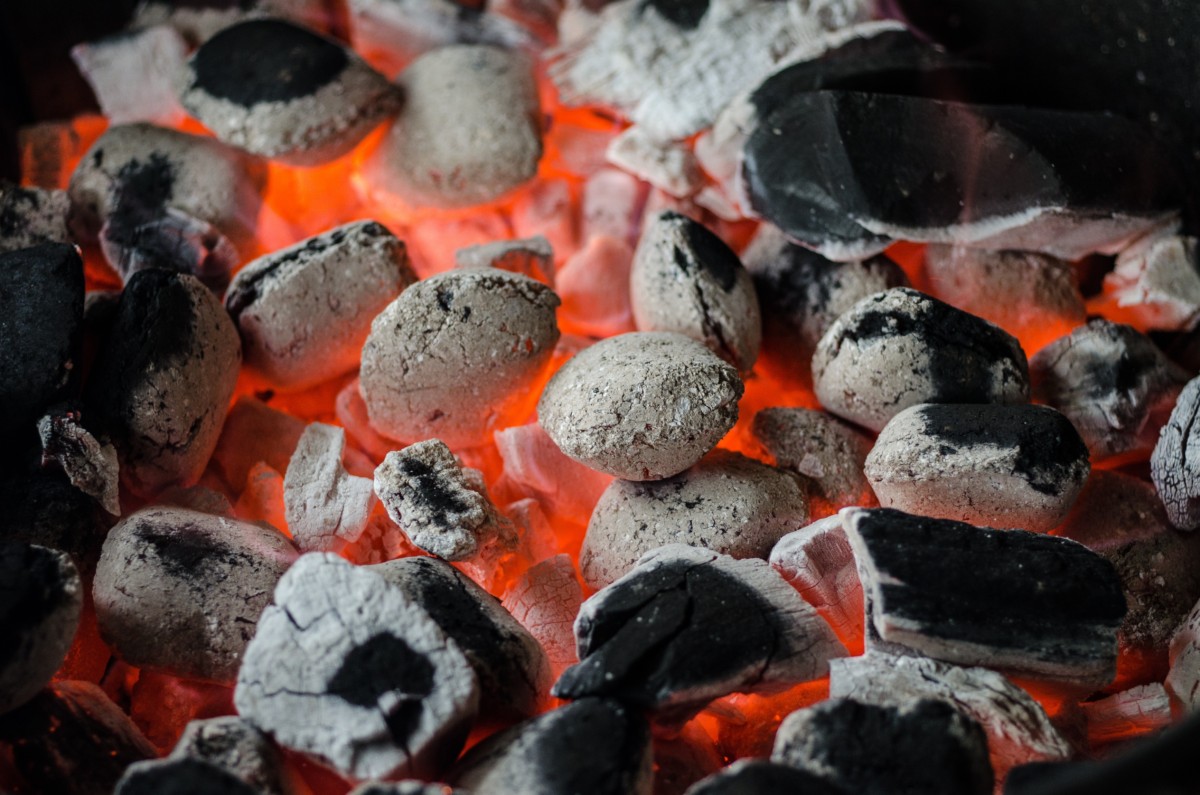 If you need to replace an old bag of charcoal, choosing a quality product can make a noticeable difference in how easily the grill lights and how consistently it burns. Lump charcoal is a good option when you want hotter, faster-burning fuel, while briquettes provide more predictable heat and a longer, steadier burn.
For lump charcoal, Jealous Devil All Natural Hardwood Lump Charcoal is a strong option. It is made from hardwood and produces high heat with relatively little ash, making it suitable for both high-temperature grilling and longer cooks.
For briquettes, Kingsford Original Charcoal Briquettes are a practical choice for everyday grilling. Briquettes are uniform in size and shape, which helps provide consistent heat and makes them easy to use when you want predictable cooking temperatures.
Both are worth considering when replacing charcoal that has been exposed to moisture or has become difficult to light after prolonged storage.
FAQ: Does Charcoal Expire?
 Charcoal does not normally have a fixed expiration date, but it can degrade in quality if it absorbs moisture or is stored in poor conditions. Dry charcoal can remain usable for a long time, while damp charcoal may be difficult to light, burn poorly, or produce excessive smoke.
How Long Does Charcoal Last in Storage?
Properly stored charcoal can remain usable for years because it does not spoil like food. The key is keeping it dry and protected from humidity, rain, and other sources of moisture.
Does Charcoal Go Bad if It Gets Wet?
Wet charcoal can become difficult or impossible to light effectively, particularly if it has absorbed a significant amount of water. Even after drying, charcoal that has been repeatedly exposed to moisture may not perform as reliably as fresh, dry charcoal.
How Should You Store Charcoal?
Store charcoal in a dry, covered location away from rain and ground moisture. Keeping the original bag inside a sealed or weather-resistant container can provide additional protection, especially in humid conditions.
Can You Still Use Old Charcoal?
Yes, if the charcoal is dry, clean, and has not been contaminated by chemicals or other substances. Before using old charcoal, check that it is not damp, crumbling excessively, or covered with mold or other contaminants.
Does Charcoal Lose Its Heat When It Gets Old?
Dry charcoal does not simply lose its ability to produce heat because of age. Performance problems with old charcoal are more commonly caused by moisture, contamination, or physical deterioration rather than the passage of time itself.