

 Grilling with charcoal has long been valued for the smoky flavor it brings to food, but questions about its safety often arise.
Charcoal grilling can be safe when used correctly, but it does carry potential health and environmental risks if not managed properly.
Understanding how charcoal works, what it releases, and how to minimize those risks makes a big difference.
Many concerns focus on the compounds produced when meat cooks over high heat and the emissions released from burning charcoal.
At the same time, safe practices such as controlling flame flare-ups, avoiding excessive charring, and choosing the right type of charcoal can significantly reduce those risks.
This article explores what charcoal is, how it affects cooking, and the best steps to take for safer grilling.
It also looks at ways to limit exposure to harmful compounds, manage smoke, and consider alternatives without giving up the outdoor cooking experience.
What Is Charcoal for Grilling?
Charcoal is a fuel source made by heating wood in low-oxygen conditions until it carbonizes.
It burns hotter than wood, produces less smoke, and creates a distinct flavor that many people prefer for grilling.
Its form, production method, and performance vary depending on the type used.
Types of Charcoal
The most common types are lump charcoal and charcoal briquettes.
Lump charcoal is made from natural hardwood that has been charred, leaving irregularly shaped pieces.
It lights quickly, burns hotter, and produces less ash, but the heat can be inconsistent due to uneven sizes.
Charcoal briquettes are manufactured from compressed charcoal dust mixed with binders and additives.
They provide steady heat and longer burn times, making them popular for slow cooking.
However, they produce more ash and may burn cooler than lump charcoal.
Some briquettes include additives like lighter fluid or fillers, which can affect flavor.
Many grillers choose all-natural briquettes without chemicals to balance convenience with cleaner burning.
Specialty charcoals, such as coconut shell briquettes, are also available and valued for efficiency and sustainability.
How Charcoal Is Made
Charcoal is produced through a process called pyrolysis, where wood is heated in a low-oxygen environment.
This removes water, sap, and volatile compounds, leaving behind mostly carbon.
The result is a lightweight, energy-dense material that burns hotter and cleaner than raw wood.
For lump charcoal, hardwoods such as oak, hickory, or maple are typically used.
The wood is slowly burned in kilns or pits until it carbonizes.
The final product retains the natural structure of the wood but in a lighter, brittle form.
Briquettes require an additional step.
Charcoal fines are ground, mixed with binders (often starch), and compressed into uniform shapes.
Some brands add ignition aids or fillers, while others focus on all-natural production.
This manufacturing process ensures consistent size and predictable burning characteristics.
Charcoal vs. Other Fuels
Charcoal differs from other grilling fuels such as propane, natural gas, and wood.
Compared to gas, charcoal reaches higher heat levels and imparts a smoky flavor that gas cannot replicate.
However, gas offers faster start-up and easier temperature control.
When compared to wood, charcoal burns more efficiently and with less smoke.
Wood provides a stronger flavor but can be harder to manage for consistent cooking.
Charcoal strikes a balance by offering both heat intensity and flavor without the unpredictability of raw wood.
A simple comparison:
| Fuel Type | Heat Output | Flavor Impact | Ease of Use | Smoke Production |
|---|---|---|---|---|
| Lump Charcoal | High, variable | Strong, natural | Moderate | Low-Moderate |
| Briquettes | Steady, moderate | Mild, consistent | Easy | Moderate |
| Gas (Propane/Natural) | Steady, controllable | Minimal | Very easy | Very low |
| Wood | Variable, less efficient | Strong, distinct | Harder | High |
Is Charcoal Safe for Grilling?
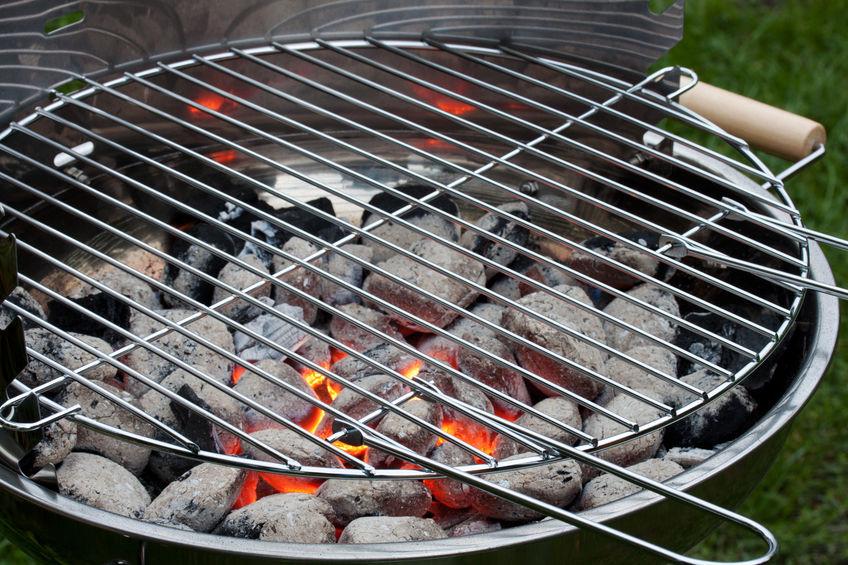
Charcoal grilling can produce unique flavors but also raises concerns about health and safety.
The type of charcoal, how it is used, and the way food is cooked all affect potential risks.
Potential Health Risks
Cooking meat over charcoal at high heat can form heterocyclic amines (HCAs) and polycyclic aromatic hydrocarbons (PAHs).
These compounds develop when fat drips onto hot coals, creating smoke that coats the food.
Research links frequent consumption of heavily charred meat to an increased risk of certain cancers.
The cooking method matters.
Using lean cuts of meat, trimming excess fat, and avoiding prolonged exposure to smoke can reduce harmful byproducts.
Flipping food often instead of letting it sit in one spot also helps limit charring.
Ventilation is another concern.
Grilling indoors or in enclosed spaces with charcoal can lead to dangerous carbon monoxide buildup.
Charcoal should only be used outside in well-ventilated areas to minimize exposure to harmful gases.
Safety of Charcoal Briquettes
Charcoal briquettes are widely available and burn evenly, which makes them popular for backyard grilling.
However, many briquettes contain additives such as binders, fillers, and ignition aids.
While these improve lighting and consistency, they may release unwanted chemicals if not fully burned before cooking.
Allowing briquettes to turn completely gray before placing food on the grill reduces exposure to these substances.
Using lighter fluid improperly, such as adding it after ignition, can also lead to chemical residues on food and higher fire risk.
Some briquettes are marketed as “all-natural” and avoid chemical binders.
These options may be safer for those concerned about additives.
Still, even with cleaner briquettes, the same risks of high-heat cooking and smoke exposure remain.
Natural Lump Charcoal Considerations
Natural lump charcoal is made by burning hardwood without additives, leaving behind pure carbonized wood.
It lights faster and burns hotter than briquettes, which can give food a stronger sear.
Many prefer it because it contains no fillers or chemical binders.
The higher heat, however, makes temperature control more challenging.
Inexperienced users may overcook food or create more charring, which increases the formation of HCAs and PAHs.
Careful monitoring and adjusting airflow can help manage these risks.
Because lump charcoal comes in irregular sizes, it burns unevenly compared to briquettes.
This can lead to hot spots and inconsistent cooking.
Using a two-zone fire setup—one side for direct heat and the other for indirect cooking—can provide better control and reduce harmful smoke exposure.
Here are two examples of natural lump charcoal that are safe and popular for charcoal grilling:
 If you’re after intense heat, long burns, and a clean flavor, Jealous Devil should be on your radar.
This premium lump charcoal is made from ultra-dense South American hardwood—often Quebracho, nicknamed “Axe Breaker” for good reason.
-
Why we like it:
-
Burns hotter and longer than many competitors
-
Produces very little ash or smoke
-
Offers a pure, natural wood flavor
-
Completely free from chemicals, fillers, or binders
-
Whether you’re searing steaks or smoking brisket low and slow, Jealous Devil is a safe, high-performance choice for any charcoal grill.
 Another favorite in the BBQ community, Rockwood Charcoal is made from premium Missouri hardwoods like oak, hickory, and maple.
It delivers a consistent burn and a balanced smoky flavor that enhances rather than overpowers your food.
-
Why we like it:
-
Sustainably sourced and certified by the Sustainable Forestry Initiative
-
100% natural with zero additives or binders
-
Burns clean and evenly
-
Perfect for both backyard grilling and competition BBQ
-
Rockwood is a go-to for grillers who care about quality, sustainability, and safety.
If you’re using a kamado grill or any charcoal cooker, investing in high-quality lump charcoal like Jealous Devil or Rockwood can seriously elevate your grilling game.
Both options are safe, clean-burning, and chemical-free, giving you peace of mind—and better-tasting food.
So next time you’re firing up the grill, skip the briquettes and reach for the real stuff.
Best Practices for Safe Charcoal Grilling
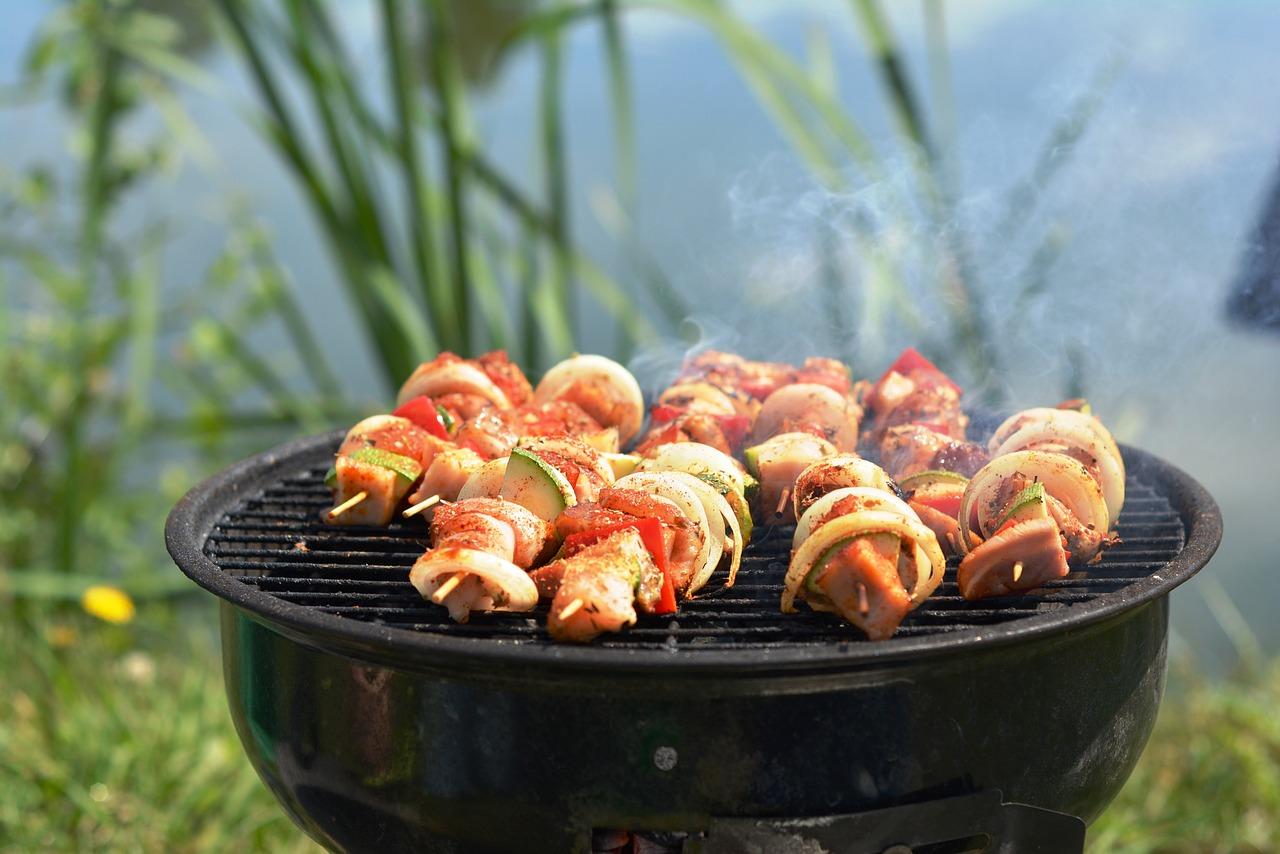
Grilling with charcoal requires attention to airflow, ignition techniques, and proper handling of fuel.
Each step influences both safety and cooking results, from preventing carbon monoxide buildup to reducing fire hazards.
Proper Ventilation
Charcoal produces carbon monoxide, an odorless gas that can be dangerous in enclosed areas.
For this reason, grills must always be used outdoors in open air.
Garages, tents, and campers are unsafe locations, even with windows or doors open.
A safe grilling setup includes at least 10 feet of clearance from walls, fences, or overhanging branches.
This reduces the chance of fire spreading and keeps smoke from accumulating.
Wind direction also matters.
Positioning the grill so smoke blows away from people helps prevent irritation and keeps the cook area more comfortable.
Safe Ignition Methods
Lighting charcoal should be done with methods that minimize flare-ups and chemical exposure.
A chimney starter is one of the safest tools, using newspaper or natural fire starters to ignite coals evenly without lighter fluid.
If lighter fluid is used, it should be applied only before lighting the coals.
Adding fluid to already burning or hot coals can cause sudden flames and injuries.
Alternatives such as electric charcoal starters or natural paraffin cubes provide controlled ignition without chemical residue.
These options reduce the risk of food absorbing unwanted odors or flavors.
Handling and Storing Charcoal
Charcoal should be stored in a cool, dry location to prevent moisture buildup.
Damp charcoal is harder to light and may produce excess smoke.
A metal container with a tight lid works well for keeping fuel dry and reducing fire risk.
After cooking, hot coals need time to fully cool.
Closing the grill vents helps extinguish them faster. Once cooled, ashes should be placed in a metal bucket and never in plastic or paper bags.
Unattended hot coals can remain dangerous for several hours.
Safely disposing of ashes and unused briquettes prevents accidental fires and keeps the grilling area safe for future use.
Understanding Charcoal Emissions
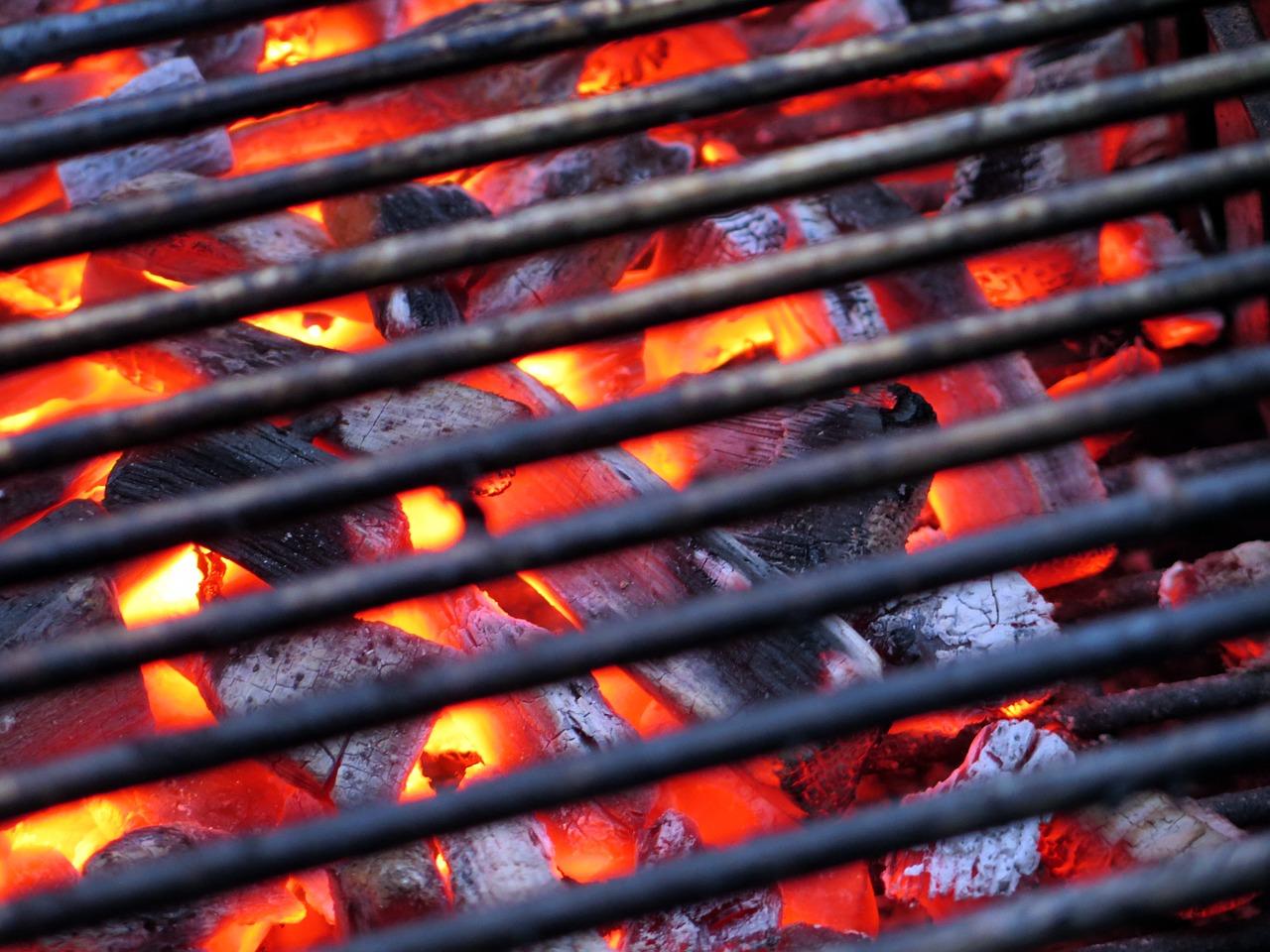
Burning charcoal releases gases and fine particles that affect both human health and the surrounding environment.
The type of charcoal, how it is burned, and the equipment used all influence the amount and kind of emissions produced.
Carbon Monoxide Production
Charcoal combustion generates carbon monoxide (CO), a colorless and odorless gas that can be dangerous in enclosed or poorly ventilated spaces.
Because CO binds to hemoglobin more effectively than oxygen, high exposure reduces the body’s ability to transport oxygen.
Grilling outdoors reduces the risk, but standing directly over a grill for extended periods can still result in measurable exposure.
Using a grill with a lid helps charcoal burn more efficiently, lowering the amount of CO released.
The type of charcoal also matters.
Lump charcoal tends to burn hotter and cleaner than briquettes, which often contain additives that influence combustion.
Proper airflow, avoiding lighter fluid, and allowing coals to fully ignite before cooking further reduce CO levels.
Particulate Matter and Smoke
Charcoal fires produce particulate matter (PM2.5) and smoke that carry polycyclic aromatic hydrocarbons (PAHs).
These particles are small enough to travel deep into the lungs, where they may irritate airways and contribute to long-term respiratory issues.
Studies show that briquettes generally emit more smoke and PAHs compared to lump charcoal.
Cooking fatty meats directly over coals increases smoke production as dripping fat combusts, adding to airborne pollutants.
Ventilation plays a key role in exposure.
Grilling in open areas, positioning the grill away from people, and using equipment that retains heat more efficiently can reduce the concentration of particles released into the air.
Environmental Impact
Charcoal use has broader environmental consequences beyond immediate health concerns.
Producing charcoal often involves cutting down trees, contributing to deforestation in some regions.
This process disrupts ecosystems and reduces carbon storage capacity in forests.
During use, charcoal grills emit more carbon dioxide (CO2) than gas or electric alternatives.
Estimates suggest charcoal releases about three times more CO2 per grilling session compared to propane grills.
Some practices can lessen the footprint. Choosing sustainably sourced lump charcoal, using less fuel by keeping the lid closed, and opting for high-efficiency grills all help reduce emissions.
Alternatives such as gas or electric grills remain cleaner options when environmental impact is the main concern.
Reducing Health Risks When Grilling with Charcoal
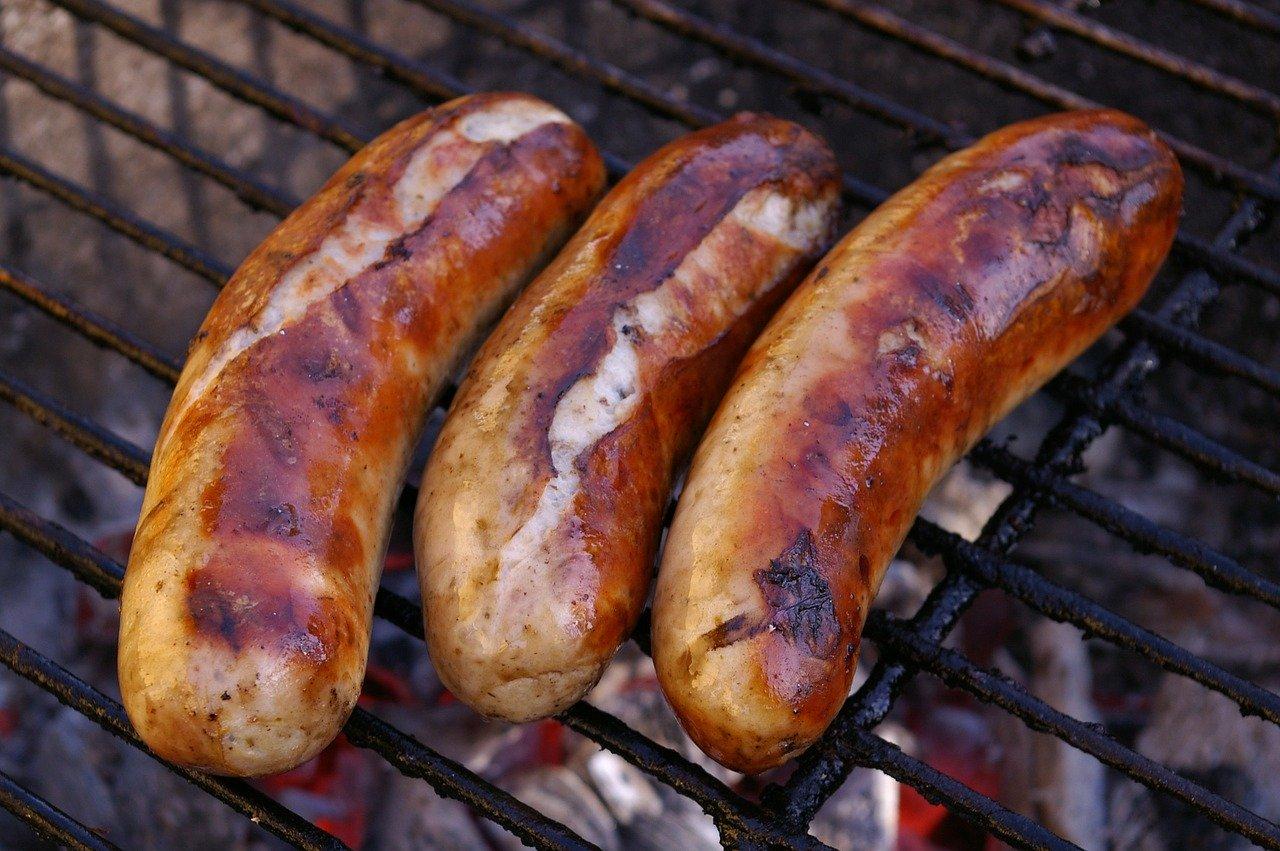
Cooking over charcoal can expose food to high heat and smoke that produce potentially harmful chemicals.
Adjusting cooking methods and making careful choices about preparation can limit these risks while still allowing people to enjoy the flavor of grilled food.
Minimizing Harmful Compounds
When meat is cooked at very high temperatures, compounds such as heterocyclic amines (HCAs) and polycyclic aromatic hydrocarbons (PAHs) can form.
These substances are linked to increased cancer risk in studies. The highest levels appear in heavily charred or smoked foods.
To reduce exposure, trimming excess fat before cooking helps because less fat dripping onto coals means less smoke and fewer PAHs.
Using lean cuts of meat or removing skin from poultry lowers the chance of flare-ups.
Marinating meat for at least 30 minutes can also reduce HCA formation.
Ingredients like vinegar, lemon juice, herbs, and spices are especially effective.
Even a short marinade makes a measurable difference.
Another simple step is to flip food often rather than letting one side cook for too long.
This keeps surface temperatures lower and prevents deep charring.
Choosing Safer Grilling Techniques
Indirect grilling reduces direct contact with flames and lowers surface charring.
Placing coals to one side of the grill and cooking food on the opposite side allows slower, more even heating.
This method works well for larger cuts that need longer cooking times.
Using a foil drip pan beneath the food can catch fat before it reaches the coals.
This reduces smoke and the formation of PAHs.
Some people also line the grill grate with foil and poke small holes to let heat through while limiting direct flame exposure.
Pre-cooking meat in the oven or microwave before finishing on the grill shortens the time over charcoal.
Less grill time means less exposure to high heat and smoke.
Vegetables, fruits, and plant-based proteins produce far fewer harmful compounds when grilled.
Including more of these foods on the grill is a practical way to reduce overall risk.
Alternatives to Charcoal Grilling
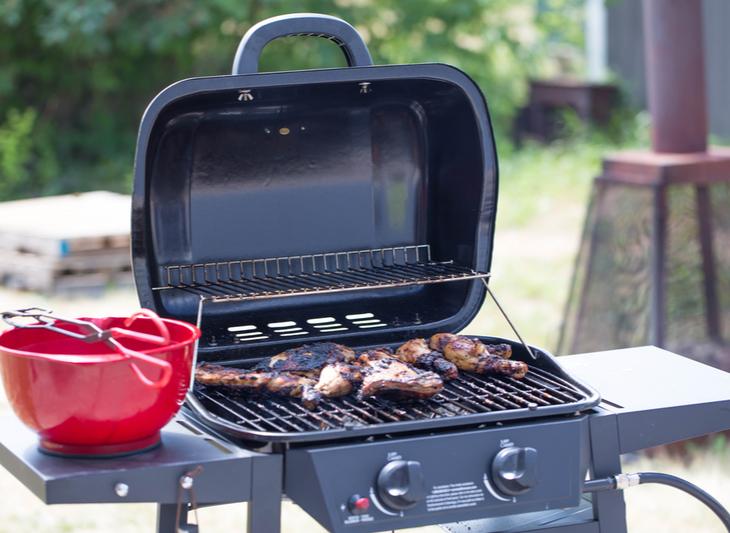
Different fuel sources provide reliable heat, easier temperature control, and in some cases, cleaner operation.
Each option has unique strengths that suit varying cooking preferences, maintenance needs, and flavor outcomes.
Gas Grills
Gas grills use propane or natural gas as fuel, making them convenient for quick start-ups.
With the turn of a knob and push of an igniter, the grill heats within minutes, eliminating the need for lighter fluid or extended preheating.
Temperature control is one of the main advantages.
Multiple burners allow the cook to create direct and indirect heat zones.
This makes it easier to sear steaks on one side while slowly cooking vegetables on another.
Gas grills require regular cleaning of burners and drip trays to prevent flare-ups.
They do not naturally produce the smoky flavor of charcoal, but wood chips or smoker boxes can add mild smokiness.
Key benefits:
- Fast ignition and preheat
- Precise control of heat levels
- Compatible with accessories for smoke flavor
Electric Grills
Electric grills rely on a heating element powered by electricity.
They are often used in apartments or indoor spaces where open flames are restricted.
Because they do not burn fuel, they produce little smoke and fewer emissions.
Heat distribution is steady but limited by the wattage of the unit.
While they may not reach the extreme high temperatures of gas or charcoal, they are effective for cooking burgers, vegetables, and fish.
Maintenance is straightforward.
Most models have removable drip trays and non-stick grates that clean easily.
However, they lack the ability to create authentic smoke flavor without special attachments or wood chips designed for electric use.
Best suited for:
- Indoor cooking or areas with fire restrictions
- Simple operation with minimal fuel handling
- Consistent results for basic grilling needs
Pellet Grills
Pellet grills burn compressed wood pellets that feed automatically through an auger system.
They combine aspects of smoking and grilling by maintaining steady heat while infusing food with natural wood flavor.
Digital controllers regulate temperature with precision, often allowing settings within 5–10°F.
This makes them ideal for low-and-slow cooking, such as brisket or ribs, while still being capable of searing at higher temperatures.
Pellets come in different wood types, such as hickory, apple, or mesquite, which influence flavor.
The grills require electricity to power the auger and fan system, so they are not fully independent of a power source.
Advantages:
- Consistent temperature control
- Wide range of wood flavor options
- Versatility for smoking, roasting, and grilling
Bottom Line – Is Charcoal Safe for Grilling?
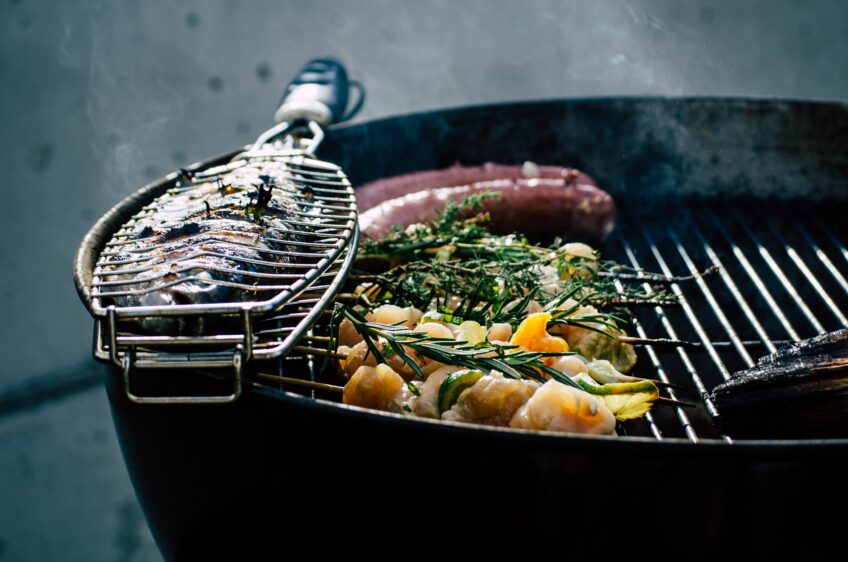
Charcoal grilling provides a distinct flavor that many people prefer, but it also introduces certain health and safety considerations.
High heat and smoke can create compounds linked to health risks, making proper technique important.
Simple adjustments can reduce exposure.
For example:
- Choose lean meats to limit fat drippings.
- Marinate proteins to decrease harmful compound formation.
- Avoid heavy charring to keep food safer.
Safety also depends on grill maintenance and setup.
Cleaning the grill regularly, using it in a well-ventilated area, and extinguishing coals properly reduce hazards.
These steps help limit flare-ups and smoke accumulation.
Charcoal type matters as well.
Lump charcoal usually contains fewer additives than briquettes, which may include binders or fillers. Selecting the right fuel can support cleaner grilling.
When used responsibly, charcoal grills can remain a practical cooking option.
By combining careful food preparation with safe handling practices, individuals can enjoy the flavor of charcoal while managing potential risks.