

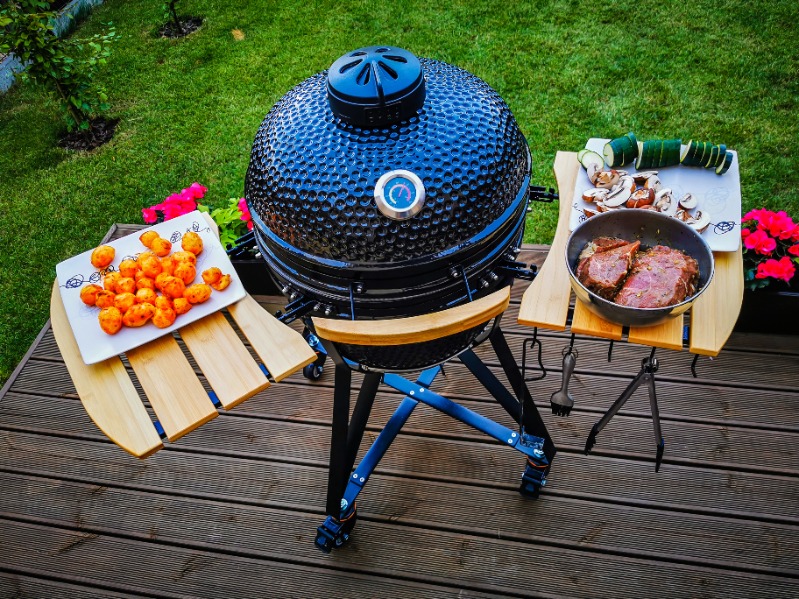
Choosing the right kamado grill requires understanding your cooking needs, budget, and the key differences between brands and models.
These ceramic cookers have gained popularity for their exceptional heat retention, fuel efficiency, and ability to handle everything from low-and-slow smoking to high-temperature searing.
The decision comes down to evaluating build quality, size requirements, temperature control features, and long-term value rather than simply picking the most popular brand.
Different manufacturers like Big Green Egg, Kamado Joe, and Vision Grills each offer distinct advantages in materials, innovative features, and pricing structures.
Smart buyers focus on ceramic thickness, warranty coverage, included accessories, and cooking capacity that matches their typical meal preparation.
Understanding these fundamentals helps navigate the numerous options and prevents costly mistakes when investing in what should be a decades-long grilling companion.
Understanding Kamado Grills
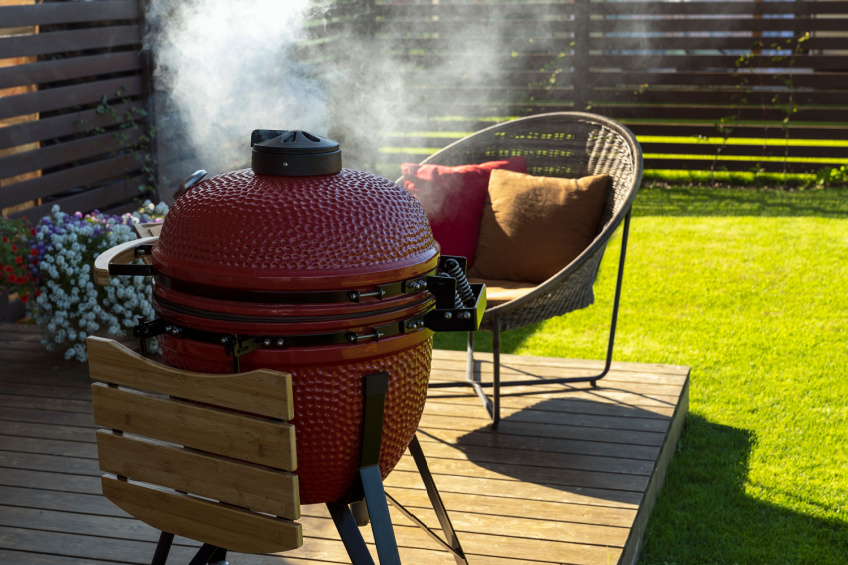
Kamado grills are ceramic charcoal cookers that trace their origins to ancient Japan, offering superior heat retention and cooking versatility compared to traditional metal grills.
These dome-shaped ceramic cookers function as grills, smokers, and ovens in one unit.
What Is a Kamado Grill?
A kamado grill is a ceramic charcoal cooker with a distinctive egg-shaped or oval design.
The thick ceramic walls provide exceptional insulation properties that set these grills apart from conventional options.
The ceramic construction allows kamado grills to maintain consistent temperatures for hours on a single load of lump charcoal.
This efficiency makes them ideal for both quick searing at high temperatures and extended smoking sessions.
Key characteristics include:
- Dome-shaped ceramic body
- Top and bottom air vents for temperature control
- Heavy-duty hinges and hardware
- Cooking grates made from cast iron or stainless steel
Most kamado grills measure between 13 to 24 inches in diameter.
The enclosed design traps heat, smoke, and moisture more effectively than open grilling systems.
Ceramic vs. Metal Kamado Grills
Traditional kamado grills feature ceramic construction, while modern versions may use metal materials.
Each material offers distinct advantages for different cooking preferences.
Ceramic kamado grills excel at heat retention and temperature stability.
The thick ceramic walls act as thermal mass, storing heat energy and releasing it slowly.
This creates consistent cooking temperatures with minimal fuel consumption.
Ceramic models resist rust and corrosion since they contain minimal metal components.
They also provide superior moisture retention, resulting in juicier finished foods.
Metal kamado grills heat up faster than ceramic versions and typically cost less.
They weigh significantly less, making them more portable for tailgating or camping.
However, metal versions lose heat more quickly and require more fuel to maintain low temperatures during extended cooking sessions.
They also lack the moisture retention capabilities of ceramic cookers.
Key Differences from Other Charcoal Grills
Kamado grills differ significantly from traditional charcoal grills in design and performance characteristics.
The enclosed ceramic construction creates a more controlled cooking environment.
Temperature control on kamado grills operates through precise airflow management.
The top and bottom vents allow users to fine-tune oxygen flow, creating stable temperatures from 225°F to over 750°F.
Traditional charcoal grills struggle to maintain consistent low temperatures for smoking applications.
Kamado grills excel at both high-heat searing and low-and-slow cooking methods.
Fuel efficiency represents another major advantage.
Ceramic kamado grills use approximately 50% less charcoal than conventional grills due to superior heat retention.
A single load of lump charcoal can maintain cooking temperatures for 8-12 hours.
The sealed cooking chamber retains moisture better than open grilling systems.
This prevents food from drying out during extended cooking sessions, particularly beneficial for smoking large cuts of meat.
Major Kamado Grill Brands and Popular Models
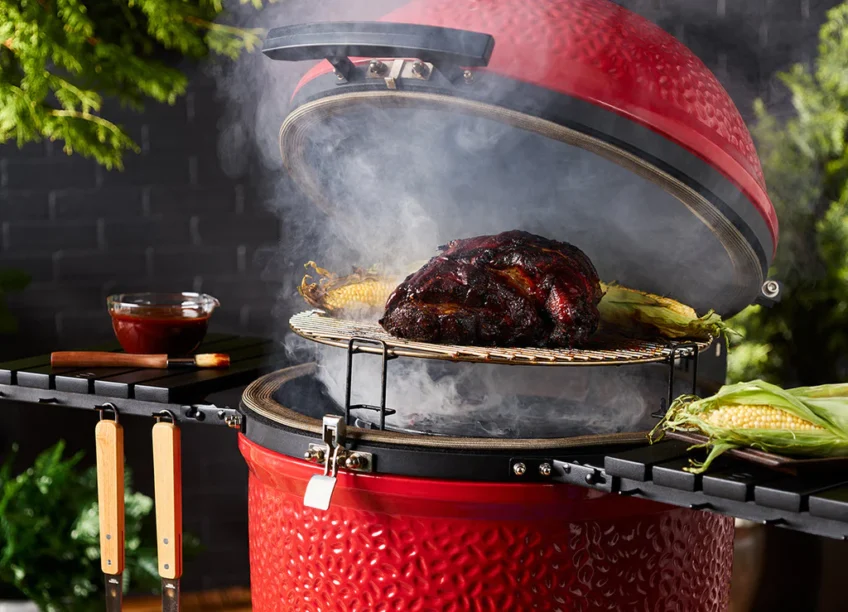
The kamado grill market features several dominant brands, with Big Green Egg and Kamado Joe leading the premium ceramic segment.
Vision Grills and Char-Griller offer more budget-friendly alternatives that still maintain solid performance and build quality.
Big Green Egg
Big Green Egg established the modern kamado market and remains the most recognizable brand in ceramic grilling.
The company offers multiple sizes ranging from the Mini to the 2XL, with the Large being their most popular model.
The Large Big Green Egg provides 262 square inches of cooking space and handles most family cooking needs.
It features a ceramic construction that retains heat exceptionally well and maintains consistent temperatures.
Key Features:
- Lifetime warranty on ceramic components
- Extensive accessory ecosystem
- Seven different sizes available
- Premium ceramic construction
Big Green Egg requires separate purchases for essential accessories like heat deflectors and stands.
This approach allows customization but increases the total investment significantly.
The brand’s main drawback centers on cost, as a fully equipped setup often exceeds $1,500.
However, the build quality and warranty support justify the premium pricing for serious outdoor cooking enthusiasts.
Kamado Joe
Kamado Joe emerged as Big Green Egg’s primary competitor by including more accessories in their base packages.
 The Kamado Joe Classic III represents their flagship model with several innovative features.
The Classic III includes a multi-tiered cooking system, heat deflectors, and the signature Kontrol Tower top vent.
These additions provide better value compared to purchasing accessories separately.
Standard Inclusions:
- Heat deflectors and cooking racks
- Multi-level cooking capability
- Advanced airflow control system
- Rolling cart with side tables
Kamado Joe’s KonTrol Grill technology allows precise temperature management through their unique top vent design.
The brand focuses on innovation while maintaining traditional ceramic construction benefits.
Their warranty coverage matches Big Green Egg’s lifetime ceramic guarantee.
Kamado Joe typically offers better value for buyers wanting a complete setup without additional accessory purchases.
Vision Grills
Vision Grills targets the mid-range market with ceramic kamados that deliver solid performance at lower price points.
Their grills feature thick ceramic walls and include many accessories that premium brands sell separately.
The brand offers multiple sizes with their Medium and Large models being most popular.
Vision Grills includes heat deflectors, cooking grates, and rolling carts in their standard packages.
Value Propositions:
- Lower initial investment
- Included essential accessories
- Ceramic construction similar to premium brands
- Decent warranty coverage
Vision Grills may not match the fit and finish of premium brands but provides reliable cooking performance.
Their accessories ecosystem remains smaller than Big Green Egg or Kamado Joe.
The brand works well for beginners wanting ceramic kamado benefits without premium pricing.
Build quality proves adequate for regular home use though not quite matching top-tier competitors.
Char-Griller Akorn and Other Alternatives
 The Char-Griller Akorn takes a different approach using triple-walled steel construction instead of ceramic.
This design reduces weight significantly while maintaining heat retention properties.
Char-Griller Akorn models cost considerably less than ceramic alternatives while delivering similar cooking results.
The steel construction makes them more portable and less prone to cracking damage.
Alternative Options:
- Broil King Keg 5000 – Steel construction with ceramic heat retention
- Various import brands offering ceramic construction
- Hybrid models combining steel and ceramic elements
 Steel kamados heat up faster than ceramic models but may not retain heat quite as long.
They work well for cooks prioritizing portability and budget considerations.
These alternatives prove that effective kamado cooking doesn’t require premium pricing.
They offer entry points into kamado-style cooking with performance that satisfies most home cooks’ needs.
Key Features to Consider
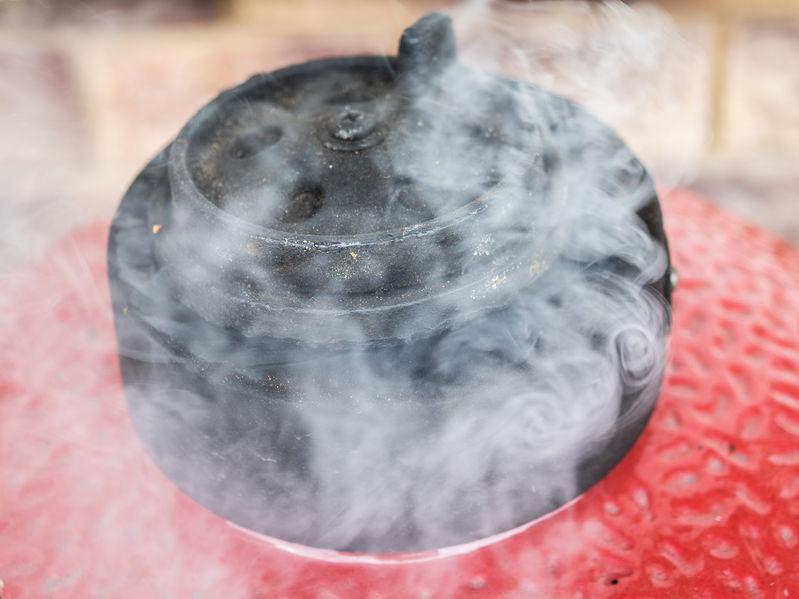
The right kamado grill depends on four critical elements: construction materials that determine durability and heat retention capabilities that affect cooking performance.
Temperature control systems for precise cooking and size that matches your cooking needs.
Build Quality and Materials
Ceramic kamado grills represent the gold standard for construction materials.
The thick ceramic walls provide superior insulation and resist rust better than metal alternatives.
High-quality ceramic models feature walls that are typically 1-2 inches thick. This thickness directly impacts heat retention and fuel efficiency.
Steel kamado options offer lighter weight and portability.
Cast aluminum models provide excellent rust resistance while maintaining durability. However, they require more fuel than ceramic versions.
| Material | Weight | Heat Retention | Durability | Price Range |
|---|---|---|---|---|
| Ceramic | Heavy | Excellent | High | $$$ |
| Steel | Medium | Good | Medium | $$ |
| Cast Aluminum | Light | Very Good | High | $$$$ |
Metal fittings should be stainless steel or heavy-duty materials.
Cheaper models often use painted steel components that rust quickly and compromise the seal.
The gasket system creates an airtight seal between the lid and base.
Quality gaskets use felt or rope materials that maintain their seal over time.
Heat Retention and Efficiency
Ceramic construction excels at maintaining steady temperatures for extended periods.
The porous nature of ceramic absorbs heat during cooking and releases it gradually.
Heat deflectors enable indirect cooking by blocking direct heat from charcoal.
Quality deflectors are made from thick ceramic or heavy-duty steel that won’t warp under high temperatures.
Fuel efficiency varies significantly between materials.
Ceramic models typically use 30-40% less charcoal than traditional grills due to superior insulation.
The dome shape circulates heat evenly around food.
This design mimics a convection oven, reducing cooking times while maintaining moisture.
Insulation thickness determines how well the grill maintains temperature in cold weather.
Models with thicker walls perform better in winter conditions.
Temperature Control Systems
Vent systems provide the primary method for temperature control.
Bottom vents control airflow to the fire, while top vents regulate exhaust.
The kontrol tower top vent offers precise airflow adjustment.
Quality top vents feature multiple adjustment points and create tight seals when closed.
Temperature gauges should read accurately across the full cooking range.
Dial thermometers mounted at grate level provide more accurate readings than lid-mounted versions.
Draft doors at the bottom allow fine-tuning of airflow.
Models with multiple adjustment settings provide better temperature control than simple open/close designs.
Damper systems work together to maintain steady temperatures.
The bottom vent controls oxygen flow while the top vent manages draft and smoke circulation.
Sizes and Cooking Capacity
Cooking surface area determines how much food you can prepare simultaneously.
Small kamado grills typically offer 133-200 square inches of cooking space.
Medium models provide 250-350 square inches, suitable for families of 4-6 people.
Large versions offer 400+ square inches for entertaining larger groups.
Grill grates come in different configurations.
Cast iron retains heat well but requires seasoning.
Stainless steel resists rust and cleans easily.
Multi-level cooking racks expand capacity vertically.
These accessories allow smoking on lower levels while grilling on upper grates.
Consider your available space for installation.
Larger kamados require sturdy tables or built-in supports due to their substantial weight.
Kamado Cooking Versatility
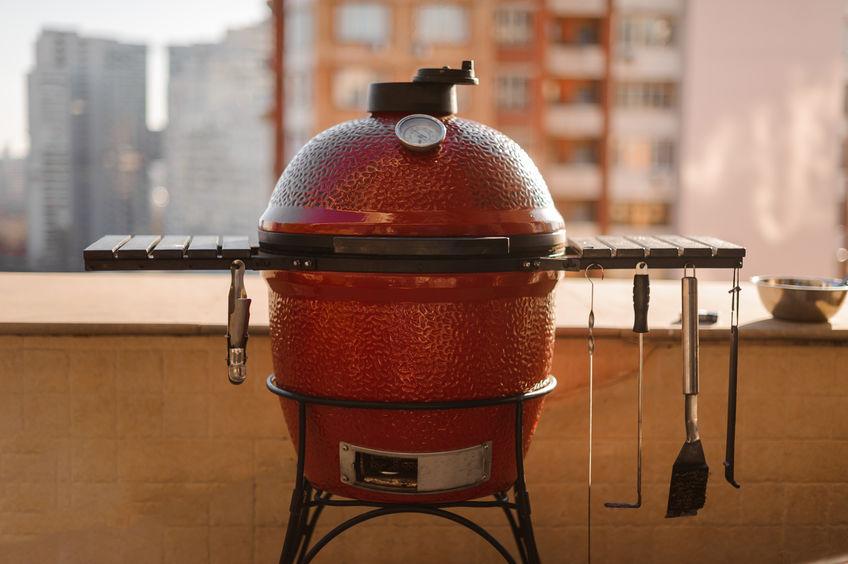
Kamado grills excel at multiple cooking methods through precise temperature control and superior heat retention.
The ceramic construction enables everything from low-temperature smoking at 225°F to high-heat pizza making at 700°F+.
Grilling, Smoking, and Roasting
Kamado grills handle traditional grilling at temperatures between 350°F and 450°F with exceptional heat distribution.
The ceramic walls eliminate hot spots while maintaining consistent temperatures across the cooking surface.
Smoking capabilities shine at low temperatures from 225°F to 275°F.
The tight seal and efficient airflow system allows for extended smoking sessions lasting 12+ hours with minimal charcoal consumption.
Roasting becomes effortless with the kamado’s convection-style heat circulation.
Users can roast whole chickens, turkey, or large cuts of beef while maintaining moisture levels that traditional grills cannot achieve.
The temperature range flexibility sets kamados apart from other outdoor cooking equipment.
Quick adjustments between smoking ribs at 250°F and searing steaks at 500°F happen within the same cooking session.
Baking and Pizza
Kamado cooking transforms into an outdoor oven for bread, desserts, and other baked goods.
The ceramic construction mimics traditional wood-fired ovens with superior heat retention and even temperature distribution.
Pizza making reaches professional levels with temperatures exceeding 700°F.
A pizza stone accessory enables authentic Neapolitan-style pizzas with crispy crusts and perfectly melted cheese in 2-3 minutes.
Bread baking produces crusty exteriors and soft interiors through the kamado’s steam retention properties.
The ceramic dome creates ideal conditions for artisan breads, dinner rolls, and even delicate pastries.
Baking versatility extends to casseroles, cobblers, and holiday desserts.
The stable temperatures and radiant heat from ceramic walls cook food evenly without the dry heat associated with conventional ovens.
Two-Zone Cooking
Two-zone cooking setups maximize kamado efficiency by creating distinct temperature areas within the same grill.
Users position charcoal on one side while leaving the opposite side clear for indirect cooking.
Direct and indirect zones operate simultaneously at different temperatures.
Sear proteins over direct heat then move to the cooler zone for gentle finishing without overcooking.
Heat deflector plates enhance two-zone capabilities by blocking direct radiant heat.
These accessories create true indirect cooking conditions perfect for large roasts or delicate items requiring gentle heat.
Cooking multiple items becomes practical with proper zone management.
Vegetables cook in the moderate zone while steaks finish over direct heat, completing entire meals efficiently.
Accessory Options
Kamado accessories expand cooking possibilities beyond basic grilling and smoking functions.
Heat deflectors, cooking grids, and specialized tools unlock the grill’s full potential for diverse cooking methods.
Multi-level cooking racks increase cooking capacity while maintaining proper heat circulation.
Adjustable grid systems accommodate different food sizes and cooking requirements simultaneously.
Pizza stones, cast iron grates, and rotisserie attachments transform the kamado into specialized cooking equipment.
Each accessory optimizes performance for specific cooking techniques and food types.
Essential tools include ash removal tools for maintenance, temperature probes for precision cooking, and vent caps for enhanced airflow control.
Quality accessories improve both cooking results and user experience significantly.
Fuel and Heat Management
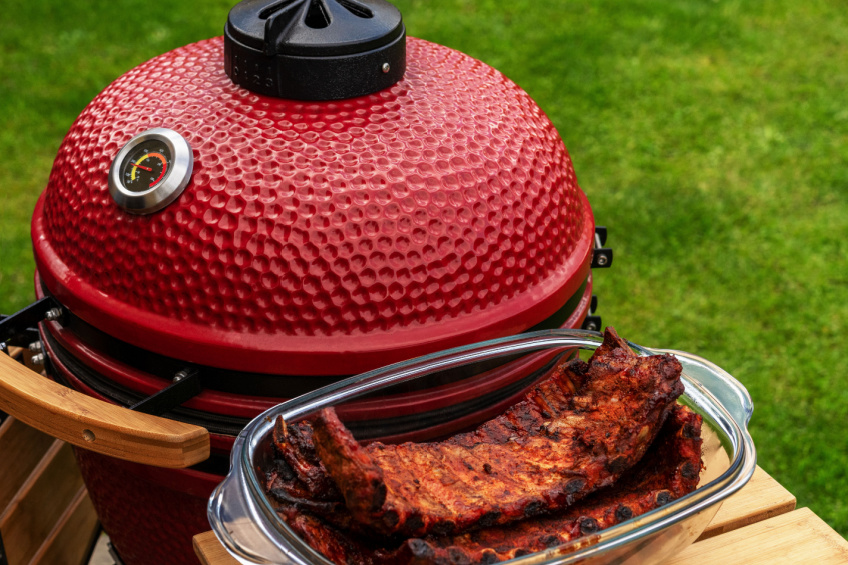
Proper fuel selection and heat management determine the success of your kamado cooking experience.
Lump charcoal provides optimal performance, while correct lighting and ash management ensure consistent temperatures and long grill life.
Choosing the Right Charcoal
Lump charcoal stands as the superior fuel choice for kamado grills.
Made from hardwood, it burns hotter and cleaner than briquettes while imparting natural smoky flavors to food.
Quality lump charcoal produces less ash than briquettes.
This reduces cleanup time and prevents airflow blockages that can disrupt temperature control.
Avoid charcoal briquettes in kamado grills.
They contain chemical binders and fillers that create excessive ash and can produce off-flavors in food.
Premium lump charcoal brands include:
- Big Green Egg Premium Natural Lump Charcoal
- Jealous Devil All Natural Hardwood Lump Charcoal
- Royal Oak All Natural Hardwood Lump Charcoal
Different hardwood types affect flavor profiles.
Oak provides mild smoke, while hickory delivers stronger flavors ideal for pork and beef.
Store lump charcoal in dry conditions to prevent moisture absorption.
Wet charcoal produces excess steam and makes temperature control difficult.
Charcoal Chimney and Lighting Techniques
A charcoal chimney provides the most effective method for lighting lump charcoal without chemical lighter fluids.
Fill the chimney halfway with charcoal and place crumpled newspaper underneath.
Light the newspaper and allow flames to spread upward through the charcoal.
The chimney design creates proper airflow for even ignition across all pieces.
Wait for charcoal to develop a light gray ash coating before transferring to the kamado.
This typically takes 15-20 minutes depending on weather conditions.
Alternative lighting methods include:
- Natural fire starters made from wood shavings and wax
- Electric charcoal starters for windless ignition
- Propane torch for precise flame control
Pour lit charcoal into the center of the kamado firebox.
Arrange unlit charcoal around the edges to create a longer burn time through gradual ignition.
Never use lighter fluid or chemical accelerants.
These products leave residual flavors and can damage ceramic surfaces over time.
Managing Ash and Cleaning
Regular ash removal maintains proper airflow and prevents temperature fluctuations during cooking.
Most kamado grills include an ash tool for safe removal while the grill remains warm.
Remove ash after every 3-4 cooking sessions or when buildup exceeds one inch.
Excessive ash blocks air vents and creates uneven heat distribution.
Proper ash removal steps:
- Allow grill to cool completely
- Remove cooking grates and heat deflectors
- Use ash tool to scrape ash into collection pan
- Dispose of cold ash in metal container
Clean the firebox periodically with a stiff brush to remove stuck-on debris.
Avoid water or cleaning chemicals that can damage ceramic surfaces.
Check air vents monthly for ash blockages.
Clear obstructions with a small brush or compressed air to maintain precise temperature control.
Store your kamado with vents slightly open to prevent moisture buildup.
Trapped moisture can cause ceramic cracking during rapid temperature changes.
Price, Value, and Long-Term Ownership
Understanding the cost structure and long-term value of kamado grills helps buyers make informed decisions that align with their budget and cooking goals.
Premium models typically offer superior durability and features, while budget options can provide solid performance for casual users.
Budget vs. Premium Kamado Grills
Budget kamado grills range from $299 to $799, while premium models cost $849 to $2,499.
Entry-level options from Vision Grills and Char-Griller deliver basic functionality at lower price points.
Budget Options:
- Vision Grills: $599-$799
- Louisiana Grills: $699-$899
- Char-Griller: $299-$499
These models typically feature thinner ceramic walls and fewer accessories.
They perform adequately for occasional grilling but may lack advanced temperature control systems.
Premium Selections:
- Big Green Egg: $799-$1,999
- Kamado Joe: $849-$2,499
- Primo: $899-$2,299
Premium ceramic kamado grills include thicker ceramic construction, superior insulation, and innovative features like multi-level cooking systems.
They offer better heat retention and more precise temperature control.
Budget models work well for beginners or infrequent users.
Premium options justify their cost through enhanced performance, better accessories, and longer lifespans.
Warranty and Durability
Quality kamado grills last 20+ years with proper care.
The ceramic construction resists cracking and maintains structural integrity across temperature extremes.
Big Green Egg offers lifetime warranties on ceramic components.
Kamado Joe provides extensive warranties covering both ceramics and metal parts.
Budget brands typically offer 1-5 year limited warranties.
Key Durability Factors:
- Ceramic thickness: 1-inch walls provide better heat retention
- Gasket quality: High-temperature seals prevent heat loss
- Hardware materials: Stainless steel resists corrosion
- Hinge systems: Air-lift hinges reduce strain on ceramics
Premium models use proprietary ceramic formulations that resist thermal shock.
They incorporate reinforced stress points and superior gasket systems that maintain seals longer.
The initial investment in quality ceramics pays dividends through decades of reliable performance and minimal replacement needs.
Essential Maintenance Tips
Kamado grills require minimal maintenance compared to other outdoor cooking equipment.
Basic care preserves performance and extends lifespan significantly.
Regular Cleaning:
- Remove ash after every few uses
- Clean cooking grates with warm soapy water
- Wipe exterior with damp cloth
Annual Maintenance:
- Inspect gaskets for wear or damage
- Replace gaskets when they lose elasticity
- Check hardware for rust or looseness
- Clean air vents thoroughly
Ceramic kamado grills never require seasoning like cast iron.
The non-porous ceramic surface resists staining and flavor transfer between cooking sessions.
Store kamado grills under covers to protect metal components from moisture.
Avoid using water directly on hot ceramics to prevent thermal shock and potential cracking.
Replacement parts remain available for major brands years after purchase.
This serviceability adds value and extends the practical lifespan of quality kamado investments.