

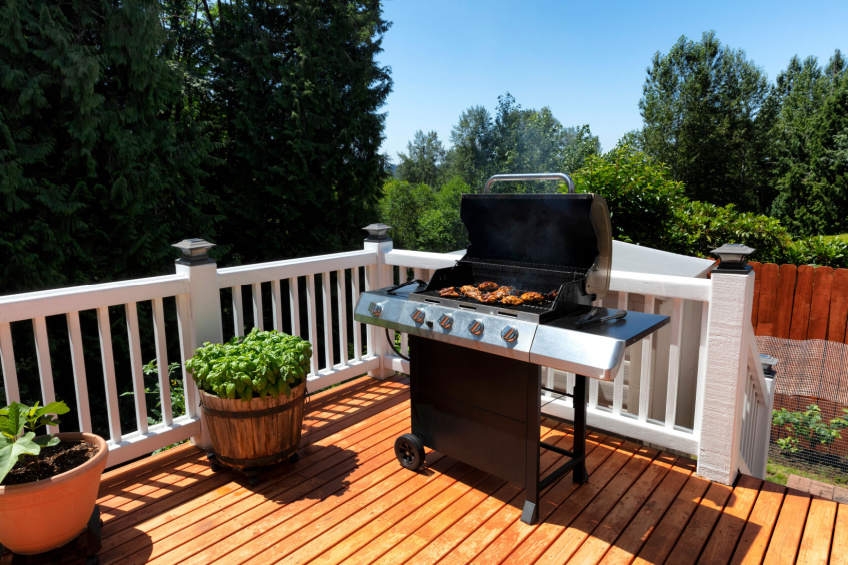
 Choosing the right grill size requires balancing your cooking needs, available space, and entertaining habits.
Many grillers make the mistake of selecting a grill that’s too small, leading to longer cooking times and frustrating meal preparation when hosting gatherings.
The ideal grill size depends primarily on how many people you typically cook for and how much outdoor space you have available.
A family of four has different requirements than someone who regularly hosts large barbecues.
Understanding these factors prevents buyers from ending up with equipment that doesn’t match their actual usage patterns.
The decision involves evaluating cooking surface area, considering different grilling styles, and weighing budget constraints against long-term value.
Space limitations, entertaining frequency, and specific cooking preferences all play crucial roles in determining which grill size delivers the best results for each person’s unique situation.
Understanding Grill Sizes
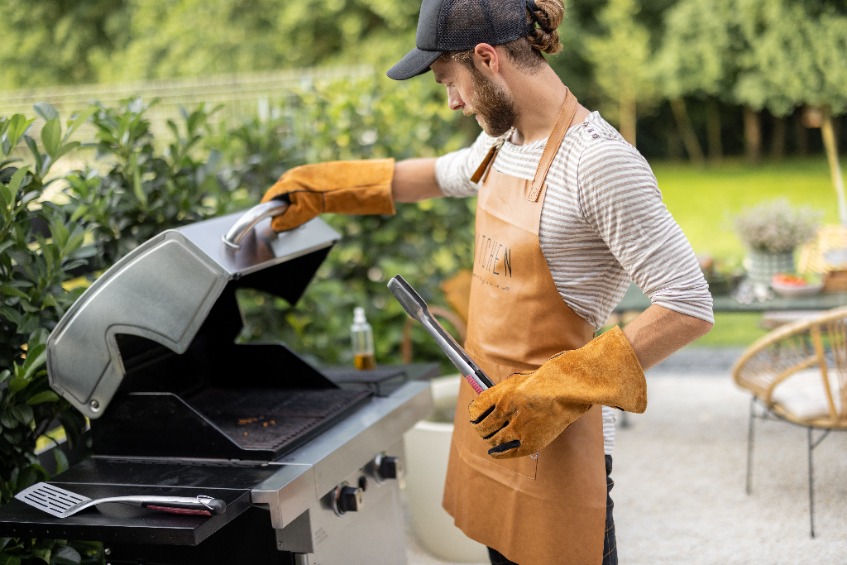
Grill sizes are measured primarily by cooking surface area in square inches, but buyers must also consider the physical footprint of the unit.
Different grill types offer varying size ranges, from compact portable models to expansive built-in systems.
Common Grill Size Measurements
Grill manufacturers measure cooking area in square inches of the primary cooking surface.
This measurement represents the flat grilling space where food directly contacts the grates.
Standard size categories include:
- Small grills: 200-400 square inches
- Medium grills: 400-600 square inches
- Large grills: 600-900 square inches
- Extra-large grills: 900+ square inches
Secondary cooking areas like warming racks or upper grates add extra space but are measured separately.
These areas typically provide indirect heat for keeping food warm or slow cooking.
Most manufacturers clearly display the primary cooking area measurement in product specifications.
This number serves as the most reliable comparison tool between different grill models and brands.
Differences Between Cooking Area and Footprint
Cooking area refers specifically to the grilling surface measured in square inches.
The footprint describes the total physical dimensions the grill occupies in a space.
A grill with 500 square inches of cooking space might measure 50 inches wide, 25 inches deep, and 45 inches tall overall.
The footprint includes side shelves, handles, and storage compartments.
Key footprint considerations:
- Side tables and prep areas
- Propane tank storage space
- Lid clearance when opened
- Access space around the unit
Cart-style grills typically have larger footprints than their cooking area suggests.
Built-in models eliminate cart wheels and storage, creating more compact installations with identical cooking capacity.
Types of Grills by Size
Portable grills range from 150-350 square inches and weigh 20-50 pounds.
These models suit camping, tailgating, and small household use.
Compact grills offer 300-500 square inches of cooking space.
They fit smaller patios and decks while accommodating 4-6 people comfortably.
Standard grills provide 500-700 square inches and represent the most popular category for family use.
These units handle regular entertaining and meal preparation.
Large grills feature 700-1000+ square inches of cooking area.
Professional-grade models often include multiple cooking zones and advanced features for serious outdoor cooking enthusiasts.
Kettle-style charcoal grills typically measure 18-26 inches in diameter.
Gas grills are rectangular and measured by length and width of the cooking grates.
Assessing Your Grilling Needs
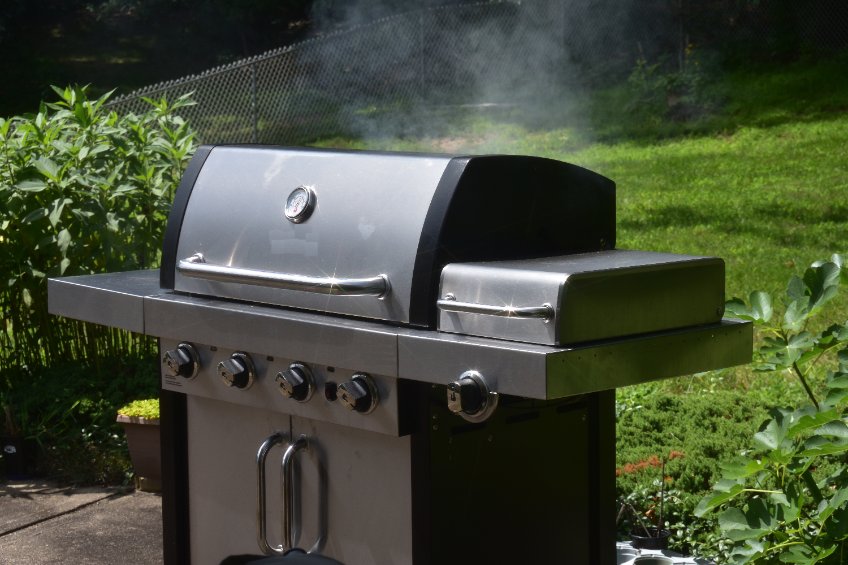
The right grill size depends on how often someone plans to use it and the typical number of people they cook for.
These two factors determine the cooking surface area and overall capacity required.
Frequency of Use
Regular grillers need larger cooking surfaces to handle variety and quantity.
Someone who grills 2-3 times per week benefits from expanded space for different foods simultaneously.
Weekend-only grillers can work with smaller surfaces.
A compact 300-400 square inch cooking area handles occasional family meals effectively.
Daily grillers require premium space and multiple cooking zones.
They need room for proteins, vegetables, and sides without overcrowding.
Seasonal users should consider storage requirements.
Large grills need weatherproof covers and adequate storage space during off-months.
Number of People Served
Cooking surface area directly correlates to serving capacity:
| People Served | Cooking Surface | Grill Size |
|---|---|---|
| 1-3 people | 250-350 sq inches | Small/Portable |
| 4-6 people | 400-500 sq inches | Medium |
| 7-10 people | 500-650 sq inches | Large |
| 10+ people | 650+ sq inches | Extra Large |
Small gatherings of 4-6 people work well with medium-sized grills.
This size accommodates main courses plus a few sides.
Large entertaining requires 600+ square inches.
Multiple cooking zones allow different temperature controls for various foods.
Party hosts should add 20% extra capacity beyond their typical needs.
This prevents overcrowding during special occasions or unexpected guests.
Evaluating Available Space
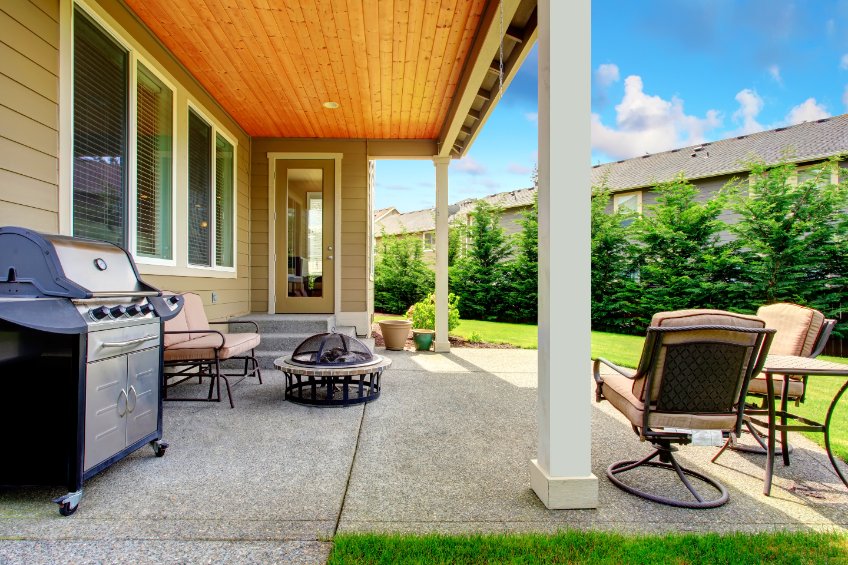
Physical space constraints determine the maximum grill dimensions possible for any outdoor area.
Proper measurements and spatial planning prevent costly purchasing mistakes and ensure adequate clearance for safe operation.
Backyard and Patio Considerations
Measuring your designated grilling area requires accounting for the grill’s footprint plus necessary clearances.
Most manufacturers recommend 3 feet of clearance on all sides for safety and proper ventilation.
Concrete patios typically support heavier grills without weight restrictions.
Wooden decks require weight distribution consideration, especially for large gas grills with full propane tanks.
Overhead clearances matter significantly for safety.
Grills need 10 feet minimum clearance from overhead structures like awnings, umbrellas, or tree branches.
Consider traffic flow patterns around the cooking area.
The grill should allow easy access without blocking walkways or creating bottlenecks during gatherings.
Storage space for grill covers, tools, and fuel also impacts spatial requirements.
Built-in storage solutions or nearby shed access reduces the overall footprint needed.
Portable Versus Stationary Grills
Portable grills offer flexibility for different locations but sacrifice cooking capacity.
Most portable units provide 200-400 square inches of cooking surface, suitable for 2-6 people.
Tabletop models require stable surfaces and adequate ventilation.
Cart-style portable grills need level ground and sufficient manoeuvring space for wheels.
Stationary grills maximize cooking capacity within fixed locations.
Large gas grills often exceed 600 square inches of cooking surface but require permanent placement considerations.
Built-in grills integrate with outdoor kitchen designs but eliminate relocation options.
These installations require gas line connections and proper ventilation planning.
Weight differences significantly impact placement options.
Portable grills typically weigh 20-100 pounds, while large stationary units can exceed 200 pounds when fully loaded.
Comparing Grill Sizes for Different Cooking Styles
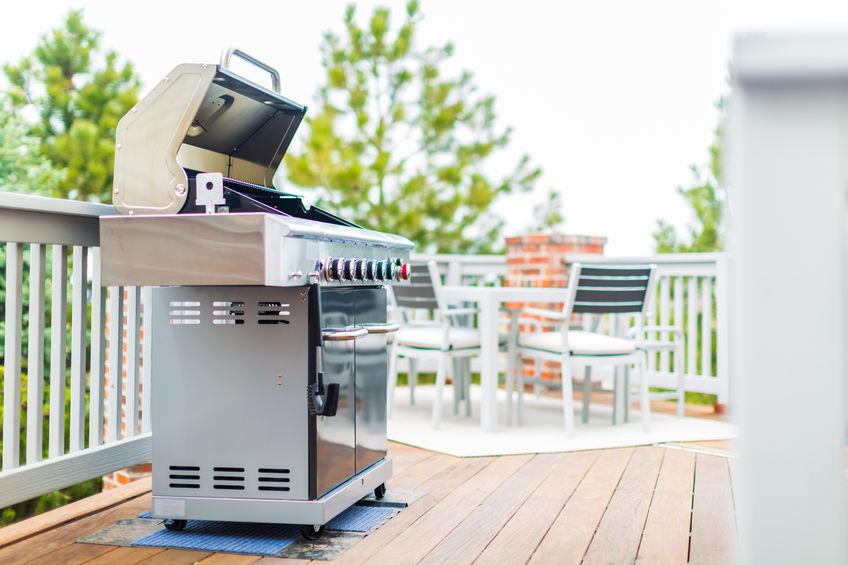
Different cooking methods require varying amounts of space and heat zones.
The types of food being prepared also influence the optimal grill dimensions needed for efficient cooking.
Direct Versus Indirect Cooking
Direct cooking places food directly over the heat source and works best for thin cuts of meat, vegetables, and quick-cooking items.
This method requires 300-400 square inches of cooking space for a family of four.
Small grills with 200-300 square inches handle direct cooking adequately for burgers, hot dogs, and chicken breasts.
The entire cooking surface receives direct heat.
Indirect cooking positions food away from the heat source, creating an oven-like environment for larger cuts.
This technique demands 500+ square inches of cooking area to establish proper heat zones.
Medium to large grills measuring 400-600 square inches provide the space needed for indirect cooking.
One side heats while the other remains cooler for slow cooking.
Large items like whole chickens, roasts, or ribs require grills with multiple burners or sections.
The cook can maintain different temperature zones simultaneously.
Types of Foods Commonly Grilled
Quick-cooking foods like burgers, steaks, and vegetables need 4-6 inches of space per serving.
A 300-square-inch grill accommodates 8-10 burger patties comfortably.
Fish fillets and delicate items require gentle, even heat distribution.
Smaller grills often provide better temperature control for these foods.
Large cuts such as brisket, pork shoulder, or whole poultry demand substantial cooking areas.
These items need 12-15 inches of length and indirect heat zones.
Grills measuring 500+ square inches handle large roasts while maintaining space for side dishes.
Multiple racks or warming areas become essential for complex meals.
Mixed cooking sessions combining different food types require flexible space allocation.
Medium-sized grills with 400-500 square inches offer the best versatility for varied menus.
Budget and Long-Term Value

Grill prices vary significantly based on size, with compact models starting around $100 and large professional-grade units exceeding $6,000.
Operating costs and maintenance requirements also scale with grill size and complexity.
Initial Investment by Grill Size
Small portable grills typically cost between $100-400, making them accessible for casual grillers and apartment dwellers.
These compact units offer basic functionality without premium features.
Medium-sized grills range from $400-1,200 and provide the best value for most households.
They offer sufficient cooking space for families of 4-6 people while maintaining reasonable fuel efficiency.
Large grills command prices from $1,200-3,000, featuring multiple burners, side tables, and premium materials.
Professional-grade models can exceed $6,000 with commercial-quality construction and advanced features.
Price comparison by size:
- Small (under 400 sq in): $100-400
- Medium (400-600 sq in): $400-1,200
- Large (600+ sq in): $1,200-3,000+
Gas grills generally cost more upfront than charcoal models of similar size.
However, the convenience factor often justifies the price difference for frequent grillers.
Maintenance and Operating Costs
Larger grills consume more fuel per cooking session due to increased heating surface area.
A small grill might use one propane tank for 15-20 sessions, while large grills may require tank replacement every 8-12 uses.
Gas grills require periodic replacement of burner tubes, igniters, and gas lines.
Annual maintenance costs typically range from $50-150 depending on grill size and usage frequency.
Charcoal grills have lower maintenance costs but higher ongoing fuel expenses.
Quality charcoal costs $15-25 per bag, with larger grills requiring 2-3 bags per month for regular use.
Annual operating costs:
- Small gas grill: $80-120
- Medium gas grill: $120-180
- Large gas grill: $180-250
Well-maintained grills can last 10-15 years with proper care.
Investing in quality materials like stainless steel or cast iron extends lifespan and reduces replacement frequency, improving long-term value.
Selecting the Right Grill Size for Entertaining
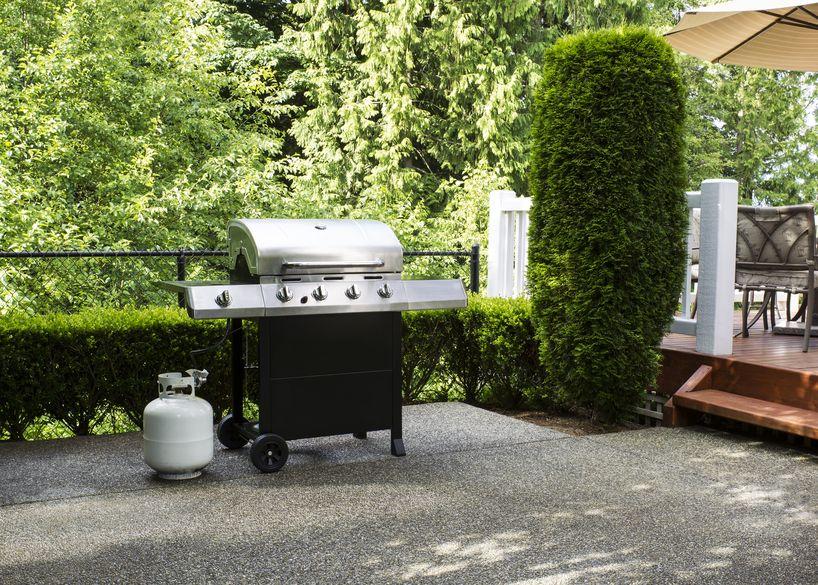
Hosting Small Gatherings
Small gatherings of 4–8 people require 300–450 square inches of primary cooking space.
This size accommodates 8–12 burgers or 6–8 chicken breasts simultaneously.
A medium-sized grill with 2–3 burners handles appetizers and main courses without overcrowding.
This range is ideal because it strikes the perfect balance between capacity and efficiency.
It gives you enough space to grill for a small group without wasting heat or fuel, and it’s much easier to clean and store than larger models.
These grills typically heat up quickly, distribute heat evenly, and allow for basic two-zone cooking.
Key considerations for small gatherings:
- Direct grilling works well for quick-cooking items
- Side burners add versatility for sauces or sides
- Warming racks keep finished food hot while other items cook
Most standard gas grills in this size range cost between $300–600.
They fit comfortably on average patios while providing adequate cooking capacity for intimate dinner parties.
Storage becomes manageable with these dimensions.
The grill footprint typically measures 48–54 inches wide, fitting most outdoor spaces without dominating the area.
 Example: The Weber Spirit SP-335 offers 424 square inches of primary cooking space, with three burners, a side burner, and a sear station.
The Weber is a high-performance gas grill designed for both novice and seasoned grill enthusiasts.
With a primary cooking area of 513 square inches and a total cooking area of 641 square inches, it offers ample space to prepare meals for family and friends.
Equipped with three stainless steel burners delivering 39,000 BTU-per-hour input, a 13,000 BTU Sear Zone burner, and a 12,000 BTU side burner, this grill ensures even heat distribution and versatility in cooking.
The WEBER CRAFTED frame and grates expand cooking techniques, while the side burner provides additional space for sauces and sides.
Constructed with durable stainless steel, the Genesis S-335 combines functionality with sleek aesthetics, making it a valuable addition to any outdoor kitchen.
It’s a great example of how a mid-sized grill can give you premium features in a compact form.
Grilling for Large Events
Large events serving 10 or more people need 500+ square inches of primary cooking surface.
At this scale, professional-grade grills with 4–6 burners prevent bottlenecks during meal preparation.
This size range is ideal because it gives you the space to cook more than one type of food at once — think burgers on one side, veggies on the other, and maybe a steak or two finishing on low heat.
Multiple temperature zones are essential when entertaining large groups.
High-heat zones sear proteins while medium-heat areas handle vegetables and delicate items simultaneously.
Key features for large event grilling:
- 600–800 square inches handles 20+ servings
- Multiple temperature zones for diverse cooking needs
- Extra storage space for utensils and ingredients
- Heavy-duty construction for frequent use
Planning cooking sequences becomes critical with larger groups.
Staggered cooking times ensure hot food reaches all guests without extended waiting periods.
Built-in grills or large freestanding models work best for regular entertaining.
 Example: The Weber Summit gives you 580 sq in of cooking space with four burners and excellent heat control.
If you’re looking for a premium grill with plenty of space and advanced features, the Summit S-470 is a top contender.
It offers a generous 580 square inches of total cooking area, combining 468 square inches of primary cooking space with a spacious warming rack.
With four powerful burners delivering 48,800 BTUs, plus additional infrared burners for searing, smoking, and rotisserie cooking, this grill covers all your culinary needs.
Built from durable stainless steel, the Summit is designed to withstand frequent use while making cleanup a breeze—perfect for serious grillers who entertain often.
 For even larger setups, the Napoleon 700 Series offers a premium built-in option with infrared burners and heavy-duty stainless steel construction.
Designed for those who demand both performance and elegance, the Napoleon offers a generous 945 square inches of total cooking area, powered by 78,000 BTUs across five stainless steel main burners.
The 9.5 mm thick stainless steel Iconic WAVE™ cooking grids ensure even heat distribution, while the Infrared Rear Rotisserie Burner, complemented by the included heavy-duty rotisserie kit, allows for perfect slow-roasted meals.
Additional features include NIGHT LIGHT™ control knobs with SafetyGlow, Instant JETFIRE™ ignition, and dual-level stainless steel sear plates for enhanced grilling versatility.
Built with premium stainless steel, this grill is designed for durability and style, making it a standout addition to any outdoor kitchen.
Other Factors That Influence Grill Size Choice
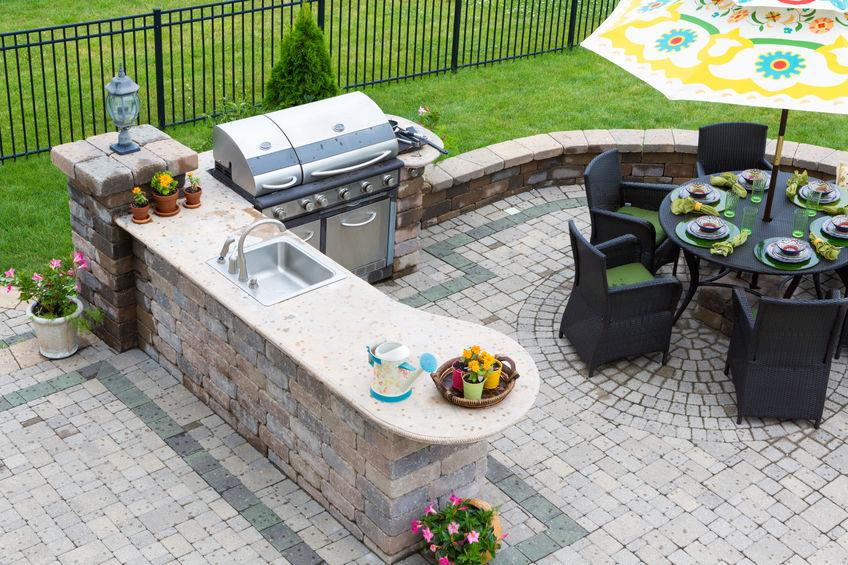
Beyond cooking capacity and space constraints, storage capabilities and future grilling plans play crucial roles in selecting the right grill size.
These considerations help ensure the chosen grill remains practical and useful over time.
Storage Options
Built-in storage compartments significantly impact a grill’s overall footprint and functionality.
Larger grills often include multiple storage areas, side shelves, and tool hooks that add width and depth to the unit.
Grills with side burners and prep areas typically measure 6-12 inches wider than basic models.
These features require additional clearance space around the grill for safe operation and maintenance access.
Propane tank storage affects the grill’s base dimensions.
Models with enclosed tank compartments add 4-6 inches to the depth compared to grills where tanks remain exposed underneath.
Folding side shelves offer a compromise for space-conscious buyers.
These allow for expanded prep space during cooking while reducing the grill’s width by 12-18 inches when folded for storage.
Cart-style grills with enclosed cabinets provide maximum storage but require permanent placement due to their size and weight.
These models typically measure 50-65 inches wide compared to 40-45 inches for basic wheeled units.
Future Needs and Flexibility
Family size changes often require different cooking capacities over time.
A grill that accommodates 4-6 people today may prove inadequate when children grow older or family gatherings become more frequent.
Cooking skill development influences space requirements as grillers experiment with new techniques.
Beginners may start with simple burgers and hot dogs, but advanced techniques like indirect cooking and smoking require larger cooking surfaces and multiple heat zones.
Entertainment patterns evolve with lifestyle changes.
Homeowners who rarely host gatherings may find themselves entertaining more frequently after home improvements or neighborhood changes, making larger grills more valuable.
Budget considerations for future upgrades should factor into initial size selection.
Purchasing a moderately sized quality grill often provides better long-term value than buying a small grill with plans to upgrade within a few years.
Final Considerations When Choosing a Grill Size
Budget constraints often determine the final grill selection. Larger grills typically cost more upfront and require higher fuel consumption over time.
Storage space plays a crucial role in the decision-making process. The grill’s total dimensions may exceed the cooking surface area significantly.
Users should measure their designated grilling area before purchasing. Clearance requirements around the grill are necessary for safe operation and maintenance access.
Frequency of use affects size priorities. Occasional grillers may prefer compact models, while frequent entertainers benefit from larger cooking surfaces.
Mobility needs influence size selection. Portable grills sacrifice cooking space for convenience and transportation ease.
Additional features can increase the overall footprint considerably. Side burners, warming racks, and storage cabinets add functional space but require more room.
Future entertaining plans should factor into the sizing decision. Growing families or increased social hosting may require larger capacity than current needs suggest.
Maintenance requirements vary with grill size. Larger units demand more time for cleaning and seasonal care.
The cooking surface area should accommodate typical meal preparations without overcrowding. Adequate spacing between food items ensures even cooking results.
Local regulations may restrict grill sizes in certain residential areas. Homeowners associations and fire codes can limit placement and dimensions.
Assembly complexity often increases with larger grill models. Professional installation may become necessary for built-in or oversized units.