

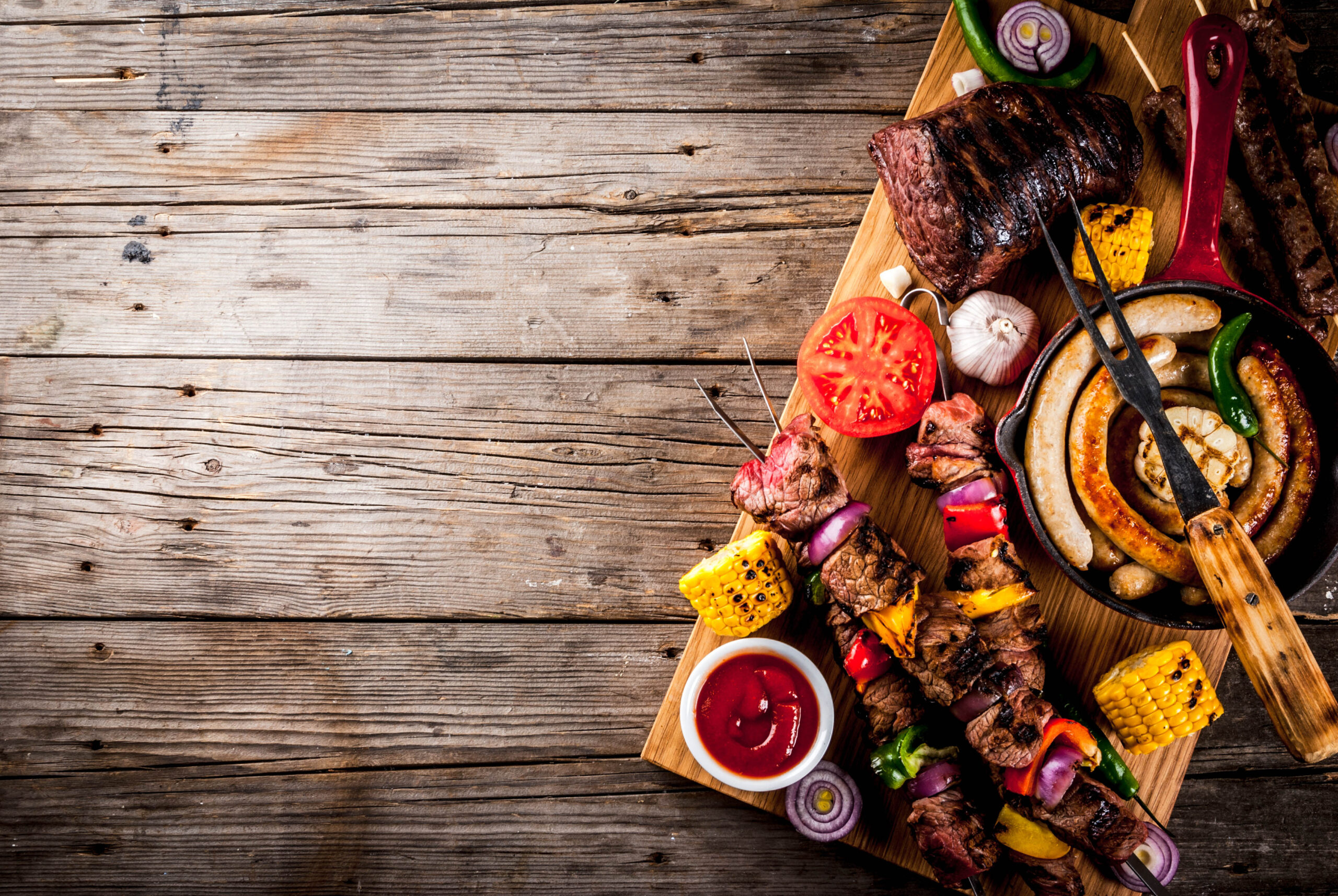
Summer cookouts often start with one big question: Should you fire up propane or stick with charcoal?
Neither fuel wins in every category, so the right choice depends on what you value most when you grill. If you want speed and easy cleanup, propane grilling delivers quick heat with less mess. If you want smoky flavor, charcoal grilling brings a more pronounced smoky taste that many cooks prefer.
You may also want to consider cost, health, and how each fuel affects smoke and emissions while you cook. This guide compares the key differences to help you choose the right grill for your backyard and cooking style.
The Short Answer: It Depends on Your Priorities
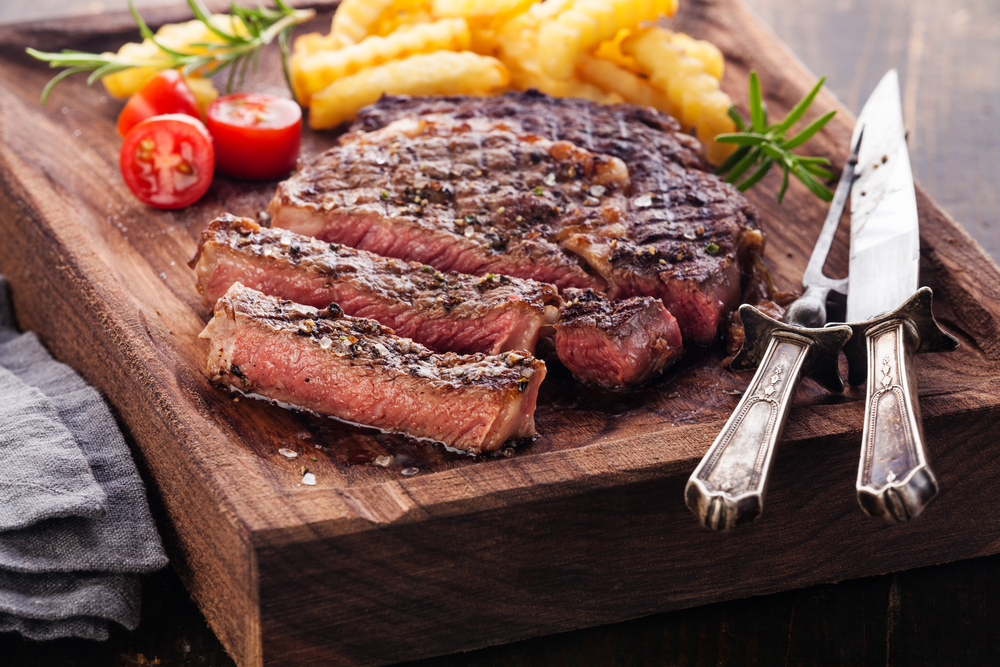 Neither fuel type wins in every category. Your choice comes down to what matters most to you: speed, flavor, cost, or temperature control.
Where Propane Has the Edge
If you want to start cooking quickly, a propane grill is a convenient choice. Turn a knob, press the igniter, and the grill heats up within minutes. There’s no waiting for coals to turn gray.
Propane also provides steady heat. You can adjust the temperature with the burner knobs, making it easier to cook delicate foods like fish or vegetables without burning them.
Cleanup is simpler, too. You don’t have to remove ash or dispose of spent charcoal. Propane grills are convenient for quick startup and adjustable heat, making them a practical choice for weeknight dinners or anyone short on time.
Many gas models also offer extra features like a side burner, allowing you to simmer sauces or heat side dishes right next to the main grates.
Where Charcoal Has the Edge
Charcoal grilling can add smoky flavor that many people enjoy. Smoke from the coals, along with drippings that vaporize over the heat, contributes to the flavor, especially in grilled meat.
A charcoal grill can also reach high temperatures. Charcoal grills can reach surface temperatures of up to 900°F in some conditions, which can help create a strong sear on steaks and burgers.
Charcoal grills often cost less upfront, too. If you’re on a budget or grill only occasionally, the lower purchase price may matter more than convenience. You’ll trade some speed and ease for charcoal’s distinctive flavor and potential for high heat.
Flavor and Cooking Performance
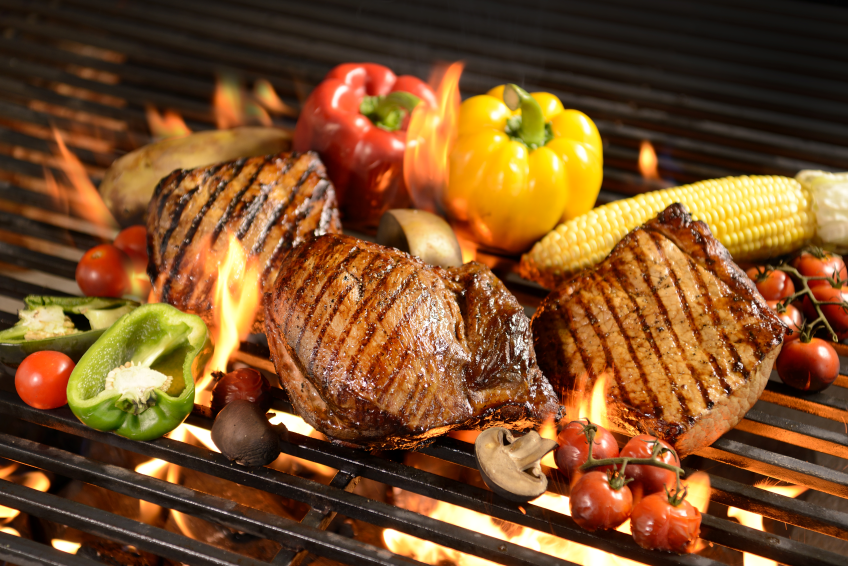 Fuel choice affects the taste of your food and how you manage heat. Charcoal can add smoky flavor, while propane offers faster startup and convenient temperature adjustments.
How Each Fuel Affects Smoky Flavor
Charcoal grills are known for a smoky flavor that many people prefer to food cooked on gas grills. Smoke from the charcoal and vapor from fat and juices dripping onto hot coals can contribute to that flavor.
Lump charcoal often lights quickly and can burn hotter, while charcoal briquettes typically burn longer and at a steadier temperature. The flavor depends on the charcoal, how it is used, and the food being grilled; briquettes do not necessarily add a chemical taste.
Propane grills don’t produce charcoal smoke. Their heat comes from gas burners, so food won’t get the same smoke flavor unless you add a source of wood smoke, such as wood chips.
Searing, Indirect Cooking, and Adding Wood Smoke
Charcoal grills can reach high heat, making them well suited to searing steaks and burgers. The intense heat helps create a browned crust on the outside while the inside cooks.
Propane grills heat up quickly and let you adjust the burners, making it easier to manage heat for indirect cooking, such as slow-roasting a chicken. They can be convenient for recipes that need steady heat over time.
If you want smoky flavor on a propane grill, you can use a smoker box filled with wood chips. This adds wood smoke without switching to a charcoal grill, combining some smoke flavor with the convenience of gas.
Startup Speed and Temperature Control
 Propane grills are generally faster to start. Charcoal takes more time to light, but you can control its heat by arranging the coals and adjusting airflow once they are lit.
Lighting and Preheating Each Grill
A propane grill lights with the turn of a knob and the push of an igniter button. Depending on the grill, it can be ready to cook in under 10 minutes.
Charcoal requires more time. A chimney starter is a quick, reliable method: fill it with briquettes or lump charcoal, light newspaper underneath, and wait about 15 to 20 minutes for the coals to become hot and ashy. Lump charcoal often lights faster than briquettes, though results vary.
Using lighter fluid instead of a chimney starter can leave an unpleasant odor or taste if the fluid doesn’t burn off completely. A chimney starter avoids the need for lighter fluid.
Managing Heat Zones During a Cook
Propane grills provide convenient temperature control through separate burner knobs. Set one burner high for searing and another low to keep food warm, then adjust the burners as needed.
Charcoal requires more hands-on heat management. You control temperature by adjusting the vents on the lid and base. Opening them wider allows more airflow and can raise the heat; closing them reduces airflow and can lower it.
Building a two-zone fire, with coals piled on one side and empty space on the other, lets you sear food over direct heat and move it to the cooler side for indirect cooking. It takes practice, but offers flexible heat zones.
Purchase Price, Fuel Costs, and Cleanup
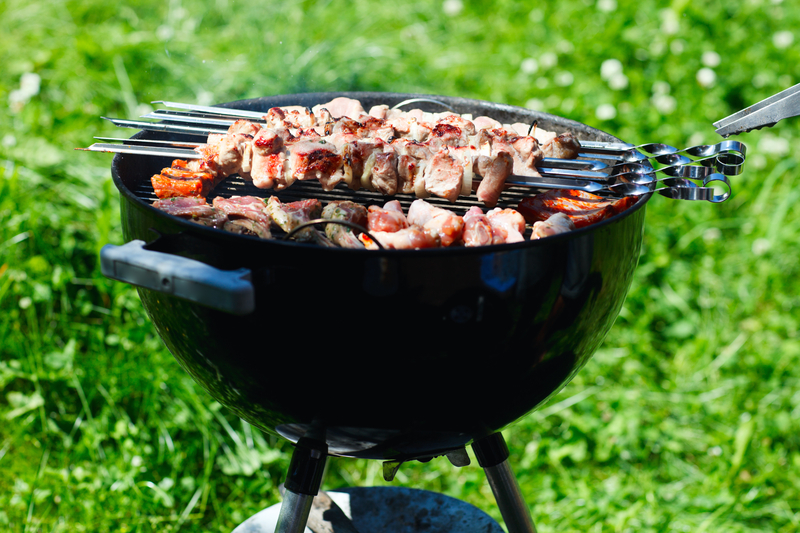 Price plays a big role in choosing between propane and charcoal. Consider the upfront cost, ongoing fuel expenses, and how much cleanup each cookout requires.
Comparing Upfront and Ongoing Costs
Charcoal grills often cost less to buy. Basic models may cost under $100, while models with more features can range from $75 to $550, according to this cost comparison breakdown.
Propane grills often cost more upfront, with prices ranging from about $100 to $1,200.
Fuel expenses vary by location, grill, and how often you cook. Charcoal briquettes can add up with frequent use, making ongoing charcoal cost higher over a full season.
A propane tank refill often costs less per cookout session. Buying fuel in bulk can help lower your overall charcoal cost, but gas generally remains more economical over time.
Ash, Grease, and Fuel Storage
Charcoal leaves ash behind after grilling. Let it cool completely before removing and disposing of it safely.
Propane grills produce no ash, but their grease trays still need to be cleaned periodically.
Storage matters, too. Charcoal briquettes need a dry place to prevent moisture damage, while propane tanks require upright storage away from heat sources. If you own multiple propane tanks, you’ll need space to store them safely. Charcoal needs dry storage and produces ash during use; propane avoids ash cleanup but requires safe tank storage.
Safety, Health, and Environmental Considerations
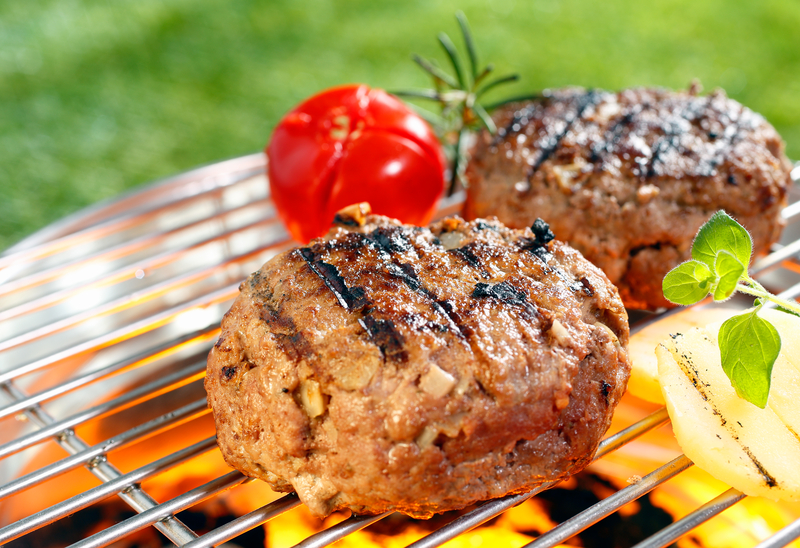 Both grill types have safety and environmental considerations. Your choice affects fuel handling, smoke and emissions, and the compounds that can form when food is cooked at high temperatures.
Managing Flare-Ups, Smoke, and Charring
High-heat grilling can produce two compounds of concern: polycyclic aromatic hydrocarbons (PAHs) and heterocyclic amines (HCAs). PAHs can form when fat drips onto a heat source and smoke deposits on food. HCAs form in meat cooked at high temperatures, especially when it is well done or charred.
Charcoal grilling can produce more smoke and PAHs than propane grilling, particularly when fat drips onto the coals. However, the amount of PAHs and HCAs depends on cooking temperature, food, and grilling technique, not fuel alone, as discussed in this comparison of charcoal and propane grilling.
You can reduce exposure with a few simple steps.
Try these methods:
- Marinate your meat in olive oil, lemon juice, or vinegar before grilling
- Trim excess fat to reduce dripping
- Use indirect heat instead of direct flame
- Flip food often and avoid charring
Handling Fuel and Grilling Outdoors
Your fuel choice shapes how you prepare, store, and manage your grill. A charcoal grill needs time to light and reach cooking temperature, often 15 to 20 minutes before you can start cooking.
A propane grill lights quickly and lets you control heat with a simple dial. Always check your propane tank for leaks and store it upright outdoors, away from heat sources.
Both types of grills must be used outdoors. Charcoal creates more smoke, so keep your grill in an open area with good airflow. Propane burns cleaner but still releases carbon monoxide, so never grill indoors or in an enclosed space, such as a garage.
Understanding Fuel and Emissions Trade-Offs
Propane burns more efficiently than charcoal and generally produces fewer emissions, as gas grills create less air pollution than charcoal. Charcoal releases more carbon dioxide and particulate matter into the air during use.
Propane is still a fossil fuel, so it is not a zero-emission option. Charcoal, especially natural lump charcoal, is made from wood and may be considered renewable depending on how the wood is sourced.
| Factor | Charcoal Grill | Propane Grill |
|---|---|---|
| Emissions | Generally higher CO2 and particulate emissions | Generally lower overall emissions |
| Fuel type | Wood-based; potentially renewable, depending on sourcing | Fossil fuel |
| Burn efficiency | Lower | Higher |
Your priorities, whether lower emissions or a potentially renewable fuel source, will help you decide which trade-off makes more sense.
Choosing the Right Grill for Your Routine
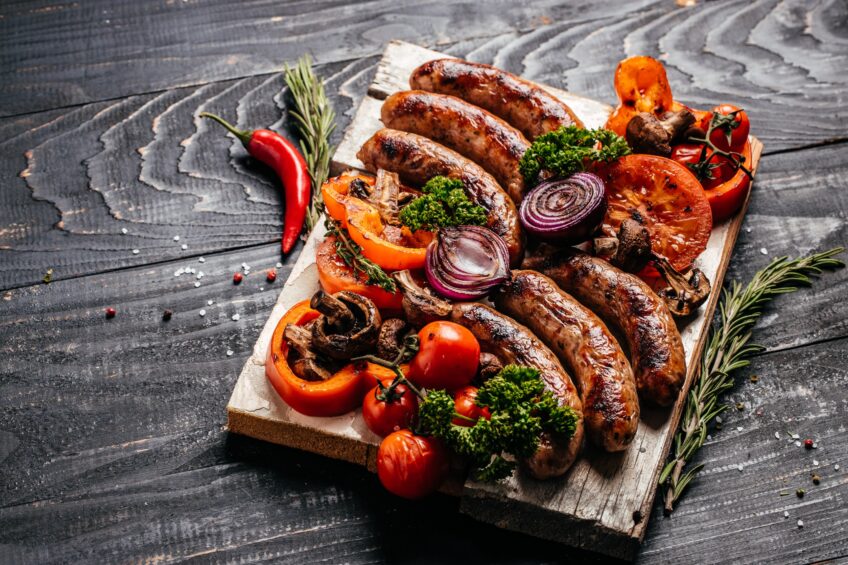 The right grill depends on how often you cook outdoors and what you need from your equipment. Consider your schedule first, then look for features that suit your routine.
Best Fit for Weeknight Meals or Weekend Cookouts
If you grill on busy weeknights, a propane grill may fit your schedule better. You can often start cooking in under 10 minutes, and cleanup usually takes just a few minutes.
Weekend cookouts give you more time to work with. A kettle grill works well if you have 20 to 30 minutes to prepare the coals.
Your cooking style matters too. Quick-cooking foods like burgers and hot dogs work well on either fuel type. But if you want deep smoke flavor on ribs or brisket, charcoal grills can deliver that flavor. The extra time investment may pay off when you’re not watching the clock.
Features to Check Before You Buy
Before you buy, check the burner count on propane models. Two to four burners let you create different heat zones, so you can sear food on one side and keep it warm on the other.
A side burner adds cooking space for sauces or side dishes without taking up room on the main grates.
For charcoal grills, check how the vents work. Adjustable vents help you control airflow and maintain steady temperatures during long cooks.
If you want smoke flavor from a propane grill, look for one with a built-in smoker box or buy one separately. A smoker box lets you add wood chips for extra flavor without changing fuel types.
FAQ: Is Propane Grilling Better Than Charcoal?
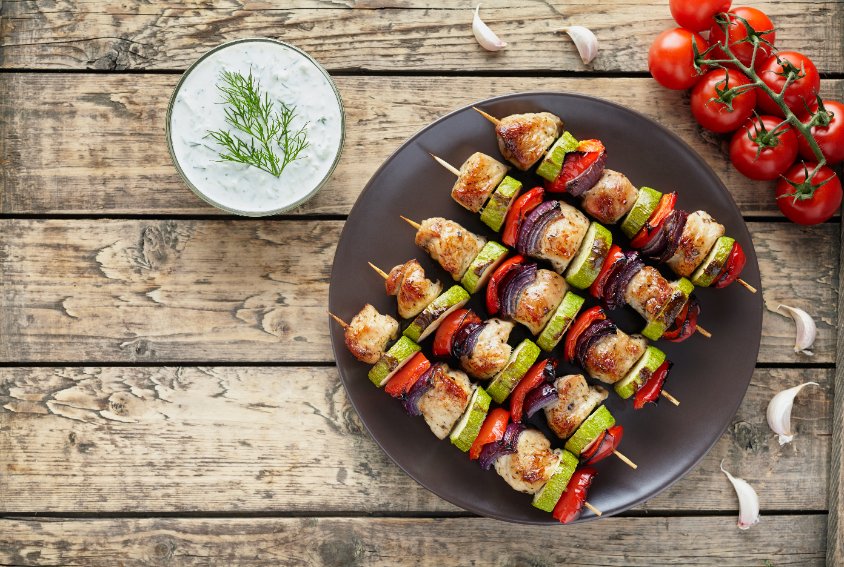 Propane grilling is generally more convenient and easier to control, while charcoal grilling provides a stronger smoky flavor and a more traditional grilling experience. Neither is universally better, so the right choice depends on whether you prioritize convenience, temperature control, flavor, safety considerations, or storage.
Is Propane Easier to Use Than Charcoal?
Yes. A propane grill can usually be started with the push of an igniter and reaches cooking temperature relatively quickly. Temperature adjustments are also straightforward because you can increase or reduce the burner flame as needed.
Does Charcoal Give Food More Flavor Than Propane?
Charcoal can produce a more pronounced smoky and grilled flavor than propane. Charcoal itself contributes some smoke, while dripping fat and juices can vaporize or produce additional smoke when they reach the hot coals.
Is Propane Better for Temperature Control?
Propane generally offers more immediate temperature control. Turning the burner knobs changes the heat output directly, whereas charcoal temperature depends on factors such as the amount of charcoal, airflow, vent settings, and the arrangement of the coals.
Is Propane Grilling Faster Than Charcoal?
Propane is usually faster to start because there is no need to light and preheat a bed of charcoal. A propane grill can often be ready for cooking within several minutes, depending on the model and weather conditions.
Is Propane Grilling Safer Than Charcoal?
Both can be used safely when operated correctly, but they have different risks. Propane grills involve pressurized fuel and require careful cylinder storage and leak checks, while charcoal grills produce hot coals and ash and create carbon monoxide, making them unsuitable for use indoors or in enclosed spaces.
How Should Propane and Charcoal Be Stored?
Propane cylinders should be stored outdoors in an upright position, away from ignition sources and excessive heat, and according to local regulations and the cylinder manufacturer’s instructions. Charcoal should be kept dry in a sealed or covered container away from moisture, while hot ashes should remain in the grill until completely cool before disposal.
Is Propane Grilling Easier to Clean?
Propane grills are generally easier to clean because they do not produce the same quantity of ash as charcoal grills. Charcoal cooking requires the ashes to cool completely before they can be safely removed and the ash catcher or bowl cleaned.
Which Is Better for Beginners, Propane or Charcoal?
Propane is often simpler for beginners because ignition, temperature adjustment, and shutdown are straightforward. Charcoal requires more practice with airflow, fuel quantity, heat zones, and temperature management, but it provides a different cooking experience once you become familiar with it.