

 Choosing between propane and charcoal grilling often comes down to one fundamental question: which option saves more money?
Many backyard cooking enthusiasts assume one fuel type is automatically cheaper, but the reality involves multiple cost factors beyond the initial purchase price.
Propane typically costs less than charcoal over time when considering fuel efficiency and consumption rates.
However, charcoal grills generally require a smaller upfront investment, making the total cost comparison more complex than it initially appears.
The true cost difference depends on grilling frequency, cooking methods, and long-term equipment durability.
Understanding these variables helps grillers make informed decisions based on their specific needs, cooking preferences, and budget constraints rather than relying on assumptions about which fuel type offers better value.
Direct Cost Comparison
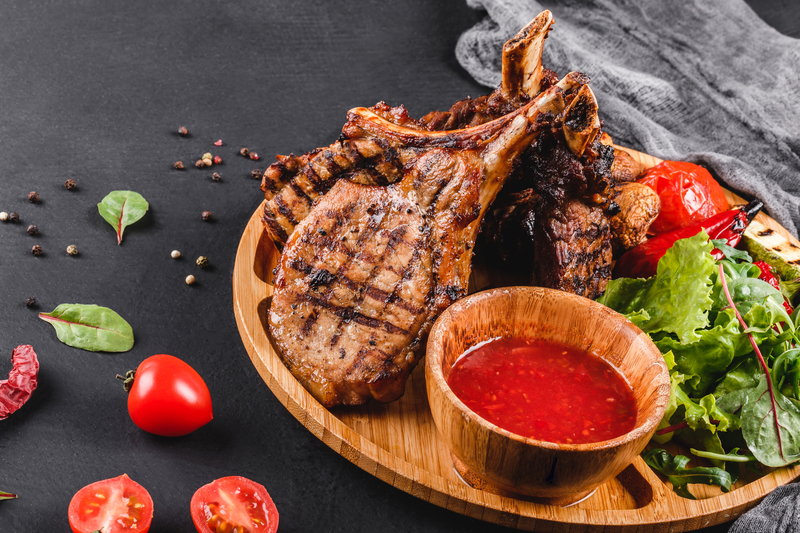
The total cost of grilling depends on three main factors: the initial purchase price, ongoing fuel expenses, and long-term maintenance requirements.
Charcoal grills typically cost less upfront but have higher fuel costs, while propane grills require a larger initial investment with lower operating expenses.
Upfront Costs of Propane vs Charcoal Grills
Charcoal grills offer significant savings at purchase time.
Charcoal grills cost much less to purchase when compared to their propane counterparts.
For most people, this is more important than the ongoing cost of fuel.
The Weber Original Kettle Premium 22 Inch Charcoal Grill is an upgrade over the standard Weber Kettle yet is still incredibly affordable considering its size and durability.
Comparing it to the Weber Spirit II E-210 Propane Grill which costs more than twice as much, it’s easy to see why people are happy to save money by purchasing a charcoal grill.
Of course, it also comes down to preference and other differences like performance and convenience.
Basic charcoal grills start around $30-50 for simple models, with mid-range options priced between $100-300.
High-end charcoal grills can reach $500-800 but still remain less expensive than comparable propane models.
The simple construction using basic materials keeps manufacturing costs low.
Propane grill pricing structure:
- Basic models: $150-400
- Mid-range options: $400-800
- Premium grills: $800-2,000+
Propane grills cost more due to complex gas delivery systems, electronic ignition, and multiple burner configurations.
The initial investment difference ranges from $100-500 depending on feature sets.
Gas grills also require purchasing a propane tank, adding $40-60 to the initial setup cost.
This tank serves as both fuel storage and part of the delivery system.
Ongoing Fuel Expenses
Charcoal costs accumulate quickly with regular use.
A 20-pound bag of charcoal costs $15-25 and provides 4-6 grilling sessions depending on cooking duration and temperature requirements.
Heavy grillers using charcoal twice weekly spend approximately $200-300 annually on fuel.
Premium hardwood charcoal increases costs by 30-50% but offers better flavor.
Propane fuel economics:
- 20-pound tank refill: $15-20
- Cooking time per tank: 18-20 hours
- Annual cost for regular use: $80-120
Propane delivers better fuel efficiency per cooking session.
One tank lasts significantly longer than equivalent charcoal purchases, making it more economical for frequent grilling.
Electric grills offer the lowest operating costs at approximately 26 cents per hour-long cooking session, assuming 16 cents per kilowatt hour electricity rates.
Maintenance Costs for Each Grill Type
Charcoal grills require minimal maintenance investment.
Annual costs typically include replacing cooking grates ($20-40) and occasional ash pan replacement ($15-25).
The simple design means fewer components can break or wear out.
Most maintenance involves cleaning rather than part replacement.
Propane grill maintenance expenses:
- Burner replacement: $30-80 per burner
- Ignition system repairs: $25-60
- Gas line maintenance: $20-40
- Grease management systems: $15-30
Propane grills need more frequent component replacement due to complex gas delivery mechanisms.
Burner tubes corrode over time and require replacement every 3-5 years.
Regular professional inspections for gas leaks cost $50-75 annually for safety.
Heat shields, flavorizer bars, and electronic components add to long-term expenses.
Both grill types benefit from covers and proper storage, adding $30-80 to protection costs regardless of fuel type chosen.
Fuel Efficiency and Consumption
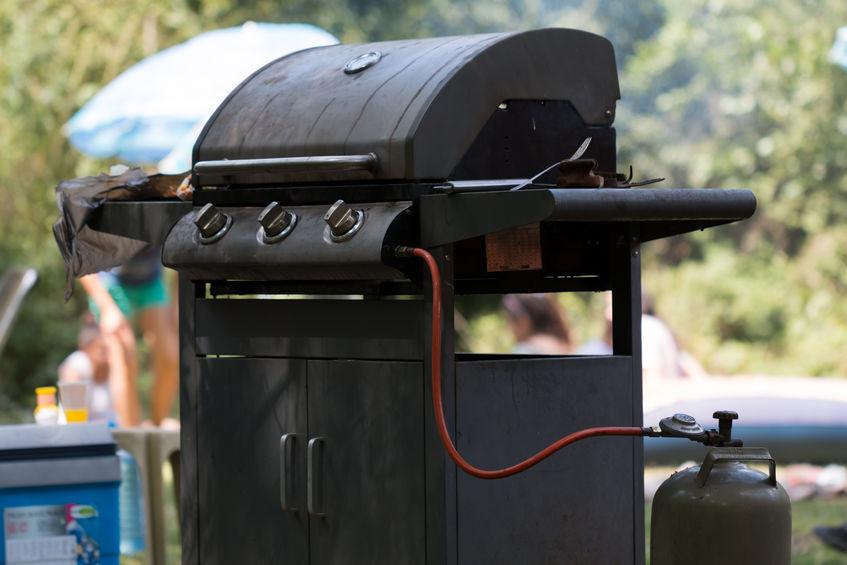
Propane grills typically consume 1-2 pounds of fuel per cooking session, while charcoal grills require 2-6 pounds of briquettes.
Larger grills demand proportionally more fuel regardless of type, with consumption scaling based on cooking surface area and heat requirements.
Propane Usage per Grilling Session
A standard 20-pound propane tank provides approximately 18-20 hours of cooking time on medium heat.
Most grilling sessions consume between 1-2 pounds of propane depending on cooking temperature and duration.
Typical propane consumption rates:
- Low heat (250-300°F): 0.5-0.75 lbs per hour
- Medium heat (350-400°F): 1-1.5 lbs per hour
- High heat (450-500°F): 1.5-2 lbs per hour
Propane burns efficiently with consistent heat output.
The fuel provides steady temperature control without significant waste.
A family cookout lasting 2-3 hours typically uses 2-4 pounds of propane.
Charcoal Quantity Needed Per Use
Charcoal consumption varies significantly based on grill size and cooking method.
A typical grilling session requires 30-50 briquettes or 2-3 pounds of lump charcoal for standard-sized kettles.
Charcoal requirements by cooking method:
- Direct grilling: 30-40 briquettes
- Indirect grilling: 50-75 briquettes
- Extended cooking (3+ hours): 75-100 briquettes
Charcoal provides intense heat initially but burns down over time.
Additional fuel often becomes necessary for longer cooking sessions.
Weather conditions affect burn rates, with wind and cold temperatures increasing consumption.
Impact of Grill Size on Fuel Consumption
Grill size directly affects fuel requirements for both propane and charcoal systems.
Larger cooking surfaces demand more energy to reach and maintain target temperatures.
Fuel scaling by grill size:
- Small grills (under 400 sq in): Base consumption rates
- Medium grills (400-600 sq in): 25-50% more fuel
- Large grills (600+ sq in): 50-100% more fuel
Multiple burner propane grills allow zone cooking, reducing overall fuel consumption.
Large charcoal grills require more briquettes to create adequate heat zones.
Grill insulation and construction quality also influence fuel efficiency across all sizes.
Long-Term Value of Propane and Charcoal

The true cost comparison between propane and charcoal extends beyond initial purchase prices to include grill durability and cumulative savings over years of use.
Equipment longevity and ongoing fuel expenses significantly impact the total investment.
Durability and Lifespan of Grills
Gas grills typically last 5-15 years depending on construction quality and maintenance.
Stainless steel models with proper care can reach the upper end of this range.
Charcoal grills generally offer superior longevity.
Simple kettle-style charcoal grills can function for decades with minimal maintenance.
The Weber Kettle, for example, often operates for 20+ years.
Key durability factors:
- Gas grills have more mechanical components that can fail
- Burners, regulators, and ignition systems require periodic replacement
- Charcoal grills have fewer moving parts to break down
Gas grills require more frequent maintenance costs.
Replacement burners cost $50-150, while new cooking grates run $30-80.
Annual maintenance averages $40-60 for gas models.
Charcoal grills need minimal upkeep.
Replacement cooking grates every 3-5 years represent the primary maintenance expense at $20-50.
Potential Savings Over Time
Fuel costs accumulate differently based on grilling frequency.
Regular charcoal users spend approximately $3.00 per session using 5 pounds of charcoal at current prices.
Propane users typically spend $1.11 per grilling session.
A 20-pound propane tank provides 18-20 cooking sessions at $20-25 per refill.
Annual fuel cost comparison for weekly grilling:
- Propane: $58 (52 sessions × $1.11)
- Charcoal: $156 (52 sessions × $3.00)
The lower upfront cost of charcoal grills balances against higher fuel expenses.
A basic charcoal grill costs $100-300 compared to $300-800 for comparable gas models.
Over 10 years, total costs often equalize.
Charcoal users save $200-500 on equipment but spend $980 more on fuel based on weekly grilling patterns.
Flavor and Cooking Experience
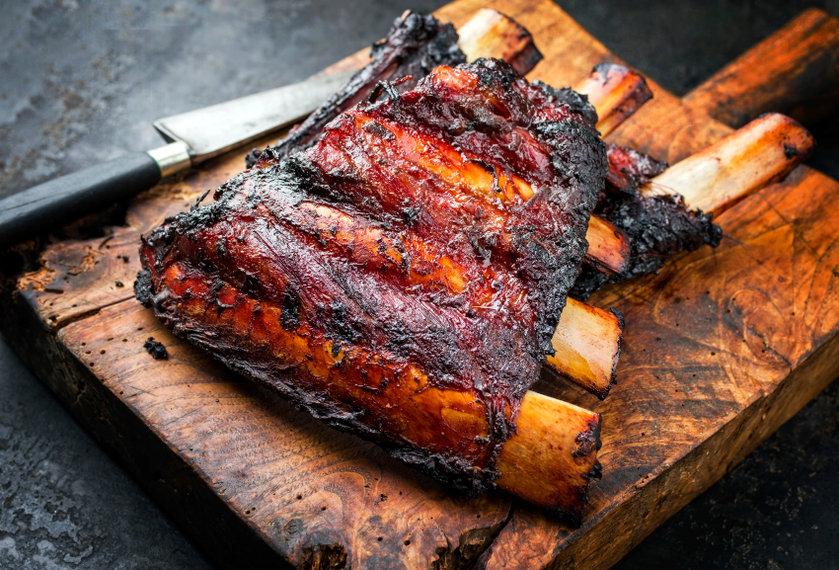
Charcoal grills produce a distinctive smoky flavor that many consider superior to propane alternatives.
Propane grills offer faster startup times and easier temperature control, making them more convenient for frequent grilling.
Taste Differences Between Propane and Charcoal
Charcoal grills create a rich, smoky flavor that penetrates food during cooking.
The charcoal burns at high temperatures and produces aromatic compounds that enhance taste.
Charcoal flavor characteristics:
- Deep smoky taste from burning charcoal
- Enhanced searing capabilities at temperatures above 500°F
- Complex flavor compounds from wood and charcoal combustion
Propane grills produce cleaner-burning flames without additional flavor compounds.
The gas burns efficiently and doesn’t impart smoky notes to food.
Propane flavor characteristics:
- Clean burning with no added flavor
- Food tastes primarily from marinades and seasonings
- Consistent heat without flavor variations
Many grilling enthusiasts prefer charcoal for steaks and burgers where smoky flavor enhances the experience.
Propane works well for delicate foods like fish or vegetables where clean heat preserves natural flavors.
Convenience and Preparation Time
Propane grills start instantly with the turn of a knob.
They reach cooking temperature within 10-15 minutes and offer precise temperature control throughout the cooking process.
Propane convenience features:
- Instant ignition
- Ready to cook in 10-15 minutes
- Easy temperature adjustment during cooking
- Simple cleanup after use
Charcoal grills require 20-30 minutes to reach proper cooking temperature.
Users must light the charcoal, wait for flames to subside, and allow coals to develop an even heat distribution.
Charcoal preparation requirements:
- 20-30 minutes startup time
- Manual temperature control through air vents
- More hands-on management during cooking
- Ash cleanup after each use
Temperature control differs significantly between the two options.
Propane allows immediate heat adjustments, while charcoal requires moving food to different areas of the grill or adjusting air vents for temperature changes.
Environmental and Health Factors
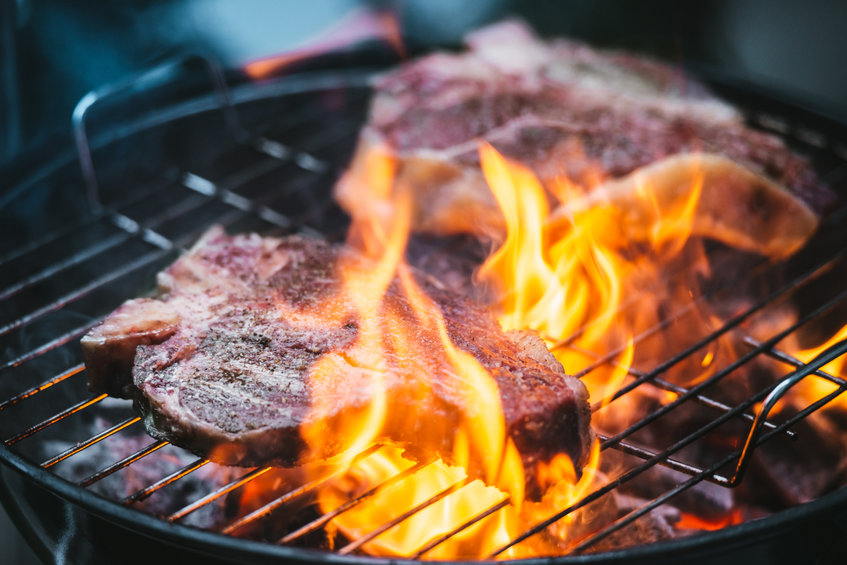
Gas grills produce significantly fewer emissions and air pollutants than charcoal grills, while both fuel types present distinct health considerations during cooking.
The production methods and burning characteristics of each fuel source create different environmental impacts and potential health risks.
Emission Output Comparison
Gas grills burn cleaner than charcoal grills, producing approximately 50% fewer carbon dioxide emissions per cooking session.
Propane combustion generates primarily water vapor and carbon dioxide with minimal particulate matter.
Charcoal grills release more pollutants into the atmosphere.
The burning process produces carbon monoxide, volatile organic compounds, and fine particulate matter that contributes to air quality degradation.
Key Emission Differences:
- Propane: Clean combustion, minimal smoke, lower CO2 output
- Charcoal: Higher emissions, visible smoke, increased particulate matter
The charcoal production process requires cutting trees and carbonization, contributing to deforestation concerns.
This manufacturing impact adds to charcoal’s overall environmental footprint beyond just cooking emissions.
Gas grills offer better fuel efficiency, converting more energy into usable heat.
Charcoal grills waste more energy through heat loss and incomplete combustion.
Health Concerns Related to Propane or Charcoal
Both grilling methods can form potentially harmful compounds when cooking at high temperatures.
However, charcoal grilling typically produces higher levels of these substances due to fat dripping onto hot coals.
Charcoal grills generate more smoke, which contains polycyclic aromatic hydrocarbons (PAHs) and heterocyclic amines (HCAs).
Extended exposure to these compounds through inhalation or food consumption raises health concerns.
Health Risk Factors:
- Smoke exposure: Higher with charcoal
- Chemical formation: Increased PAH/HCA levels from charcoal
- Temperature control: Better regulation with gas reduces harmful compound formation
Gas grills provide more precise temperature control, allowing cooks to avoid excessive charring.
This control helps minimize the formation of potentially harmful chemicals on food surfaces.
Proper ventilation matters for both fuel types.
Gas grills produce fewer airborne pollutants, making them safer for enclosed or covered outdoor cooking areas.
Accessibility and Availability

Fuel accessibility varies significantly between propane and charcoal, affecting both convenience and cost planning.
Seasonal price fluctuations also impact the total expense of each fuel type throughout the year.
Ease of Sourcing Fuel
Propane tanks are available at most gas stations, hardware stores, grocery stores, and big-box retailers across the United States.
Many locations offer tank exchange programs where users swap empty tanks for full ones at standardized prices.
Propane refill stations operate year-round with consistent availability.
Tank exchanges typically cost between $15-25 for a 20-pound cylinder, depending on location and retailer.
Charcoal requires more planning since it takes up significant storage space.
Bags of charcoal are sold at grocery stores, hardware stores, and camping supply retailers.
Users must transport multiple heavy bags for regular grilling.
Charcoal storage considerations:
- Requires dry storage space
- Heavy bags (15-20 pounds each)
- Must keep away from moisture
- Takes up more room than propane tanks
Propane tanks are compact and weatherproof, making storage simpler for most households.
Seasonal Variability in Costs
Charcoal prices fluctuate more dramatically throughout the year compared to propane.
Summer grilling season drives charcoal demand higher, increasing prices by 15-30% between May and August.
Memorial Day through Labor Day represents peak pricing for charcoal products.
Retailers often mark down charcoal inventory significantly in fall and winter months.
Propane maintains more stable pricing year-round due to its use in heating, cooking, and industrial applications beyond grilling.
Price variations typically stay within a 10-15% range throughout the year.
Seasonal price patterns:
- Charcoal: Highest prices May-August, lowest October-February
- Propane: Minimal seasonal variation, slight increases during winter heating season
End-of-season clearance sales can provide substantial charcoal savings for users with adequate storage space.
Key Considerations When Choosing a Grill
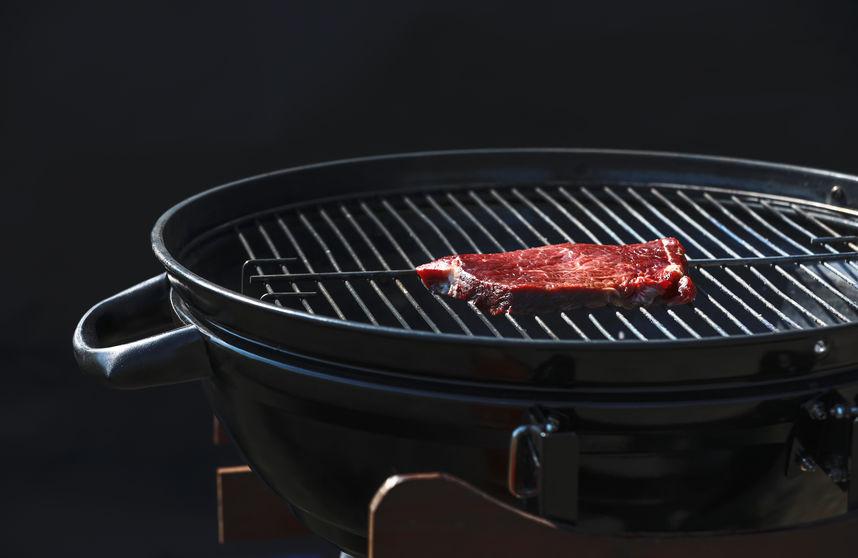
Initial Purchase Cost represents the most obvious difference between grill types.
Charcoal grills typically cost less upfront than propane models.
Basic charcoal grills start around $50, while entry-level gas grills begin at $150 or more.
Fuel Expenses accumulate over time and affect long-term costs.
Charcoal bags cost $15-20 and last 4-6 grilling sessions. Propane tanks cost $20-25 and provide 15-20 cooking sessions.
Grilling Frequency influences which option becomes more economical.
Frequent grillers often find propane more cost-effective long-term.
Occasional users may prefer charcoal’s lower upfront investment.
Maintenance Requirements vary significantly between grill types:
- Charcoal grills: Minimal maintenance, ash removal after use
- Propane grills: Regular burner cleaning, gas line inspections, ignition system care
Convenience Factors impact the overall grilling experience.
Propane grills ignite instantly and offer precise temperature control.
Charcoal requires 15-20 minutes to heat properly and demands more hands-on management.
Storage Space affects grill selection for many users.
Charcoal grills typically require less storage space than gas models with their tanks and additional components.
Portability Needs matter for camping or tailgating.
Small propane grills transport easily and set up quickly.
Charcoal grills need fuel storage and longer preparation time but work anywhere without gas tank concerns.
Summary of Cost Differences
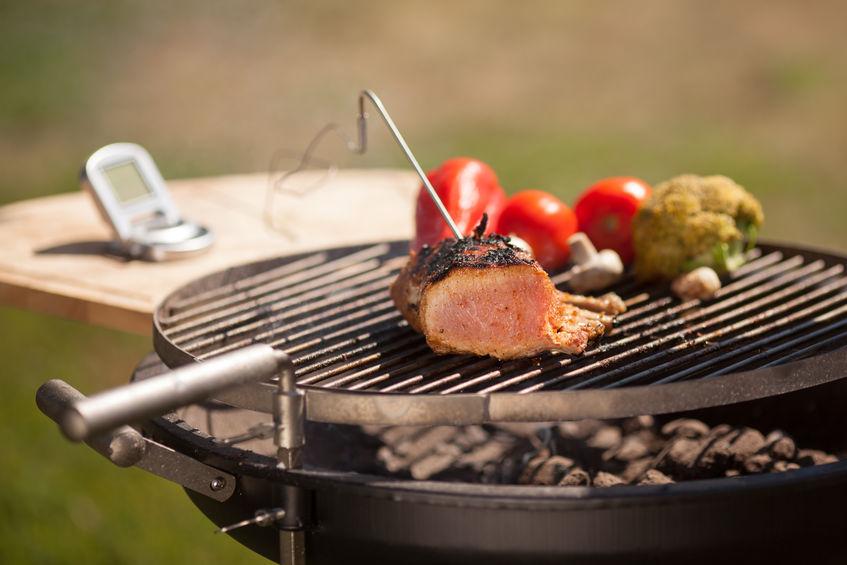
Initial Purchase Costs show a clear divide between grill types.
Charcoal grills typically cost less upfront, while propane grills range from $100 to $2,000 depending on features.
Fuel Costs reveal different patterns over time.
Propane generally costs less per cooking session than charcoal.
Charcoal requires regular replenishment, and these costs accumulate with frequent grilling.
| Cost Category | Propane | Charcoal |
|---|---|---|
| Initial Purchase | Higher | Lower |
| Fuel per Session | Lower | Higher |
| Long-term Fuel | More economical | More expensive |
Frequency of use significantly impacts which option costs less.
Light grillers may find charcoal’s lower equipment cost appealing.
Heavy grillers typically save money with propane’s cheaper fuel costs over time.
Equipment maintenance costs differ between the two systems.
Propane grills require occasional tank refills or propane line connections.
Charcoal grills need replacement grates and ash disposal tools.
Per-cookout analysis favors propane in most scenarios.
The fuel efficiency and consistent heat output make propane more cost-effective for regular grilling.
Charcoal users spend more on fuel but invest less initially in equipment.
Individual grilling habits determine the final cost comparison.
Grillers must consider their cooking frequency, preferred grill features, and local fuel prices to identify their most economical choice.