
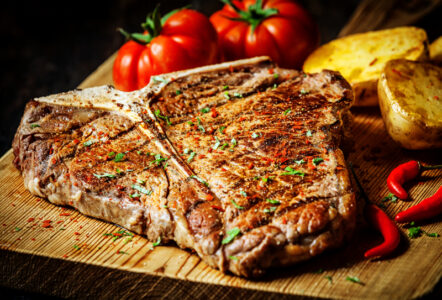
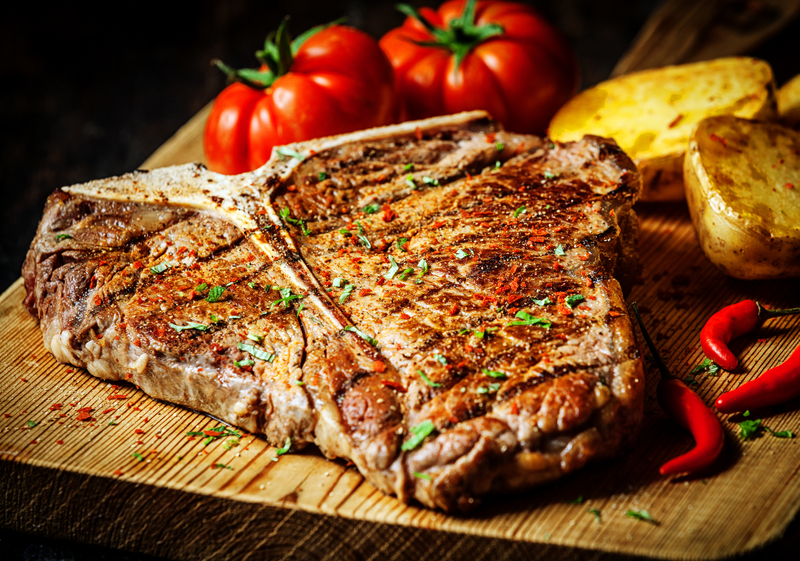
 Charcoal grilling gives food a smoky flavor you can’t get from a gas grill. If you’re planning a backyard bbq, grilling meat over charcoal requires choosing the right cut as well as steady heat.
Ribeye and sirloin are top choices for a charcoal grill because their fat helps keep them juicy while high heat creates a flavorful crust. Chicken and pork ribs also work well, absorbing smoky flavor from the coals. Knowing the best meats to grill on charcoal helps you plan the perfect cookout.
This guide covers the best meats for your charcoal grill, along with tips on choosing fuel and selecting meats to grill. Mastering these grilling techniques ensures juicy, flavorful results every time you fire up the coals.
Top Choices at a Glance
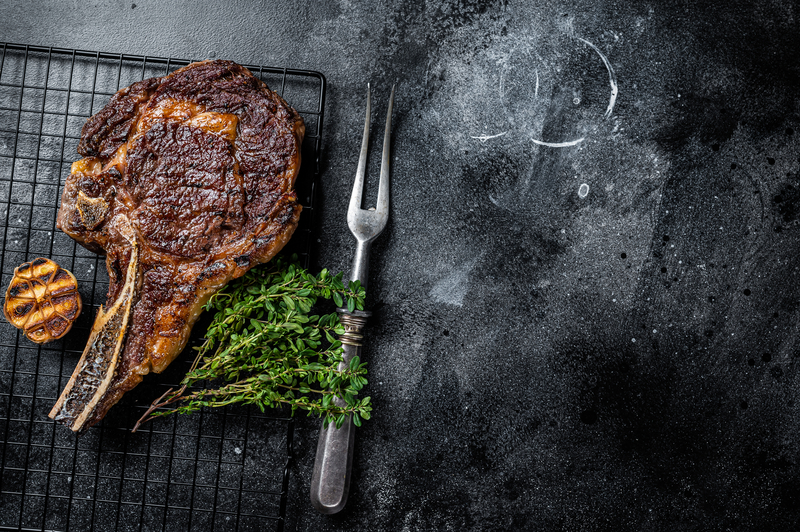 When selecting the best meats to grill, three options stand out: ribeye for rich flavor, chicken thighs and burgers for ease, and pork ribs for a slow, rewarding cook.
Each suits a different need, whether you want speed, simplicity, or a full afternoon at the grill.
Nothing beats the aroma of grilled meat sizzling over hot coals during a backyard BBQ.
Best Overall: Ribeye Steak
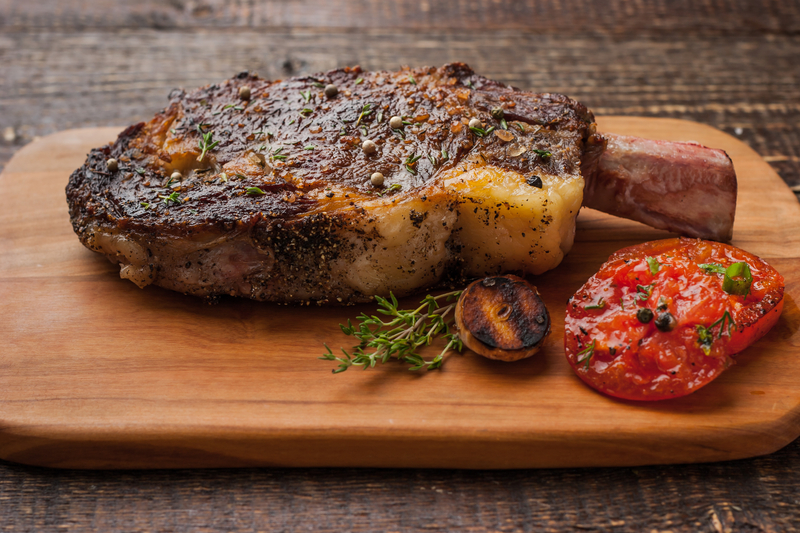
Ribeye is one of the best cuts for charcoal grilling because its marbling renders as it cooks, helping keep the steak juicy and adding rich flavor.
When grilling steak over coals, sear it quickly over direct heat to build a crust. Depending on the steak’s thickness and the heat, two to four minutes per side can create a good char; use a thermometer to avoid overcooking.
Ribeye also handles high heat well, making it forgiving if your coals run hot. Season it simply with salt and pepper, then let your grilled steak rest for a few minutes before slicing.
Best for Beginners: Chicken Thighs and Burgers
If you’re new to charcoal grilling, chicken thighs and burgers are approachable choices. Thighs have more fat than chicken breasts, so they tend to stay moist if slightly overcooked.
Season with a basic rub or marinade, then cook your grilled chicken thighs over medium heat until they reach an internal temperature of 165°F.
Burgers are also simple to grill. Use ground beef with a moderate fat content, shape the patties gently, and avoid pressing them down as they cook. This helps keep the juices in the patties instead of dripping onto the coals.
Both options cook relatively quickly, giving you a chance to practice managing heat without risking an expensive cut.
Best for a Long Cook: Pork Ribs
Pork ribs reward patience. Cook them over indirect heat, away from the coals, so they cook slowly and evenly over a few hours.
Baby back ribs work well with this method because they benefit from low, slow cooking, which helps break down connective tissue and tenderize the meat.
Relying on indirect grilling keeps direct flames from scorching the rack while giving the wood smoke time to work.
Apply a dry rub before cooking, and check the coals periodically to maintain steady heat. Wrapping the ribs in foil partway through can help retain moisture.
The result is tender, smoky meat that’s difficult to replicate with other cooking methods.
Beef Cuts That Shine Over Charcoal
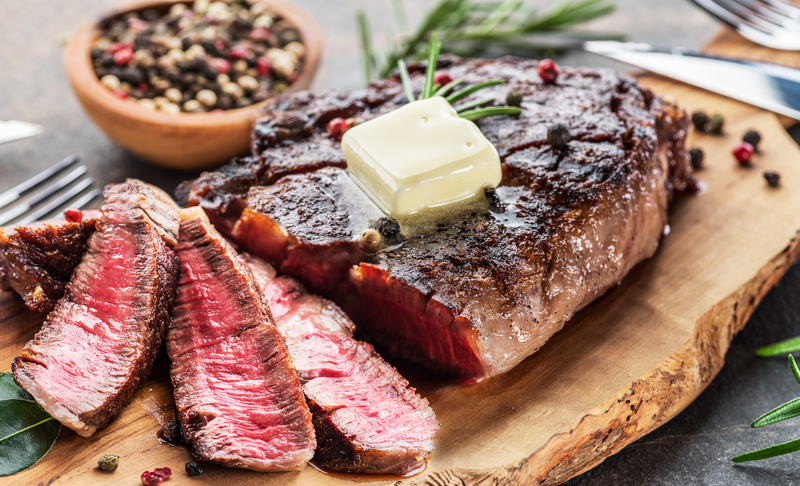 Some beef cuts need only salt, heat, and a hot grate, while others benefit from a marinade. Your choice depends on the cut’s fat content, thickness, and tenderness.
Ribeye, New York Strip, Sirloin, and Filet Mignon
These four cuts are popular choices for charcoal grilling. A ribeye steak has generous marbling that renders as it cooks, helping keep the meat juicy over direct heat.
New York strip has a firmer texture and a strong beefy flavor, with an edge of fat that crisps on the grill. Sirloin typically costs less than the other cuts and grills well when cooked carefully.
Filet mignon is the most tender of the four but has little fat, so it needs close attention.
Here’s how to choose:
- Ribeye: best for flavor and forgiveness
- New York strip: best for a firm, beefy bite
- Sirloin: best for value
- Filet mignon: best for tenderness
Choose steaks at least 1 inch thick so they can sear without overcooking inside.
When grilling steak over charcoal coals, a heavy sear creates the savory crust that defines a classic steakhouse flavor.
A properly rested grilled steak delivers juicy bites with rich, wood-fired taste.
Flank Steak and Other Cuts That Benefit From a Marinade
Flank steak comes from the abdominal area of the cow and has long muscle fibers that can make it chewy if overcooked. Marinating it for a few hours in a mixture of citrus juice or vinegar, oil, and spices adds flavor and may help tenderize the surface.
Skirt steak also benefits from a marinade. It’s thin, cooks quickly, and takes on flavor readily. Both cuts do best with direct grilling over intense heat rather than slow cooking. A fast sear cooks the steak without turning it tough.
After grilling, slice against the grain. Slicing your grilled steak this way shortens the muscle fibers and makes each bite easier to chew.
Ground Beef Burgers and Larger Cuts
Ground beef is one of the simplest options for a charcoal grill. Look for a blend with about 20 percent fat, since leaner mixes can dry out more easily.
Burgers cook quickly, often in about 4 to 5 minutes per side, depending on their thickness and grill temperature. Season them with salt and pepper, and check that they reach a safe internal temperature.
Larger cuts take more planning. A prime rib roast, whole brisket, or rack of beef ribs needs indirect heat and a much longer cooking time to become tender.
Smoking a beef brisket or cooking beef ribs low and slow breaks down tough connective tissue. Create a cooler zone away from direct coals and cook the meat slowly until tender.
Chicken and Other Poultry for the Grill
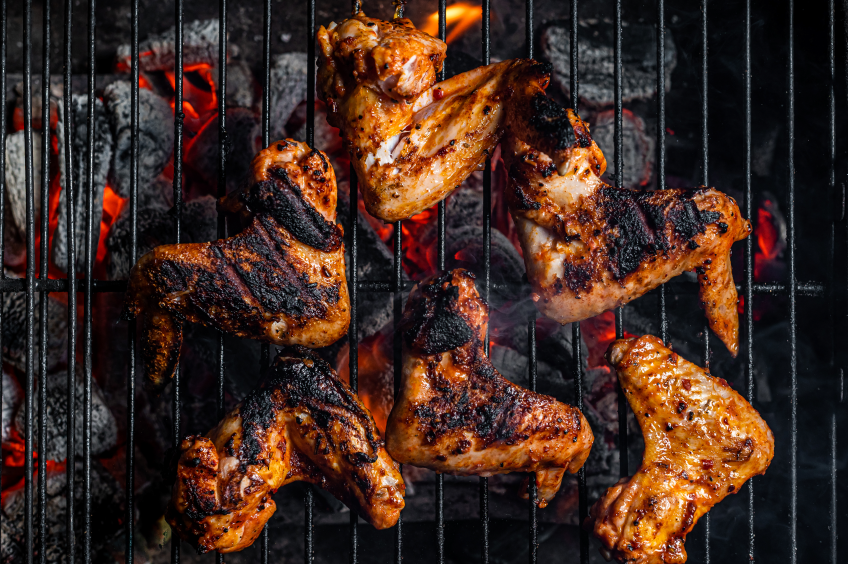 Juicy grilled chicken is a crowd favorite, but chicken and other poultry can dry out if overcooked. Success depends on choosing the right cut and matching it to the right heat setup.
Cooking bone-in chicken gives you more room for error, as the bones slow down heat transfer and help retain juices. Dark meat and chicken wings are also more forgiving, while lean cuts like breasts need closer attention.
Juicy Thighs, Wings, and Drumsticks
Bone-in chicken thighs, wings, and drumsticks are reliable choices for a charcoal grill. Their higher fat content helps keep them moist during grilling.
Cook these cuts over direct heat for crisp, charred skin, moving them to indirect heat if they brown too quickly. Crispy chicken wings often take about 20 to 25 minutes total, turning every 5 minutes to prevent burning.
Tossing chicken wings in dry rub or a flavorful glaze near the end of cooking gives them great texture and flavor. Well-seasoned grilled chicken thighs develop rich smoky flavor while remaining tender and juicy. Drumsticks take longer, often about 30 to 35 minutes, because the bone slows heat transfer.
Use a meat thermometer to check that the thickest part reaches at least 165°F without touching the bone. Bone-in cuts also hold up well to sauces added near the end of cooking.
Keeping Chicken Breasts and Whole Birds Evenly Cooked
Chicken breasts are lean and can dry out quickly if overcooked. For more even cooking, pound thicker breasts to an even thickness before grilling.
Grill breasts over direct heat, turning as needed, and check that the thickest point reaches 165°F. For a whole chicken, spatchcocking it, or removing the backbone so it lies flat, helps it cook more evenly and increases smoke contact.
This method can also reduce cooking time compared with grilling a whole bird upright. Use a meat thermometer to check several spots, since a whole chicken can cook unevenly near the joints. The thickest parts of the breast and thigh should reach 165°F.
Turkey and Duck Breast Over Indirect Heat
Turkey and duck breast benefit from indirect heat to cook through without burning the outside. Bank the charcoal on one side of the grill and place the meat on the cooler side, then close the lid to trap heat and smoke.
A whole turkey can take several hours to cook, depending on its size and grill temperature. Smoked turkey gets its flavor from slow, indirect cooking, which lets the meat absorb smoke while helping prevent the outside from burning.
Duck breast has a thick layer of fat, so score the skin to help the fat render. Start it skin-side down over indirect heat, then move it briefly over direct heat to crisp the skin. Check that it reaches a safe internal temperature before serving.
Pork Cuts for Quick Grilling or Slow Cooking
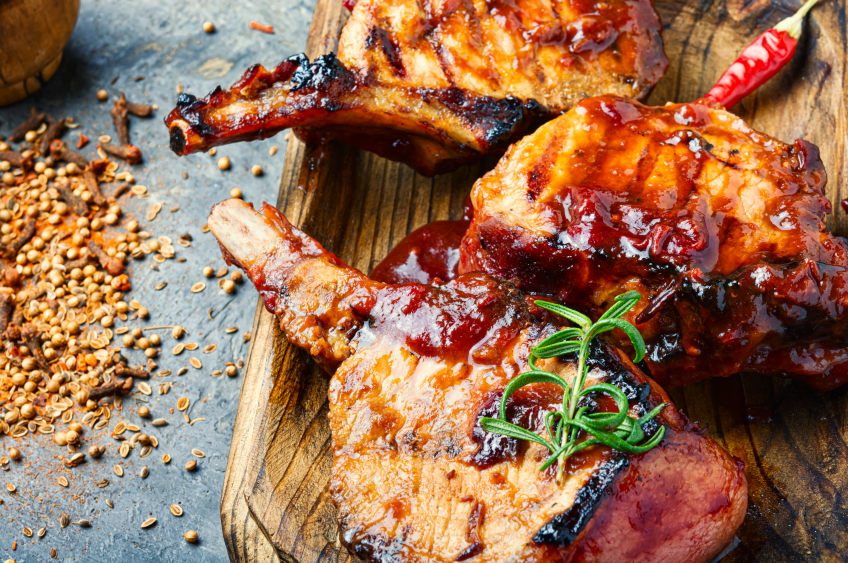 Choosing the best pork cuts to grill depends on your timing. Cook thick chops and steaks quickly over direct heat, or smoke ribs and shoulder low and slow.
Thick Pork Chops and Pork Steaks
Pork chops and pork steaks are good choices when you want dinner ready in under 30 minutes. Choose chops that are at least 1 inch thick, since thin chops dry out quickly on a hot grill. Pork steaks, cut from the shoulder, have more fat and tend to stay juicy during a longer cook.
For thick cuts, use a two-zone setup. Sear the meat over direct heat, then move it to indirect heat to finish cooking gently.
Remove pork chops from the grill at 140°F and let them rest; carryover cooking can bring them to the safe minimum internal temperature of 145°F. A short brine before grilling can also help keep lean chops moist and tender.
Baby Back Ribs, Other Ribs, and Pork Shoulder
Ribs and pork shoulder need time, not speed. Baby back ribs come from the loin and can take 3 to 4 hours at 225°F, while spare ribs often need closer to 5 to 6 hours. Ribs cook best over indirect heat, away from direct coals, so they cook evenly without burning.
Apply a dry rub before cooking, then brush on barbecue sauce near the end so its sugar doesn’t scorch. Adding barbecue sauce during the final minutes creates a rich glaze without burning the sugars.
Pork shoulder, often called Boston butt, takes longer to cook than most other cuts. At low, steady heat, it can take 10 to 14 hours for the connective tissue to break down, turning tough muscle into tender, pullable meat.
More Options for a Varied Cookout
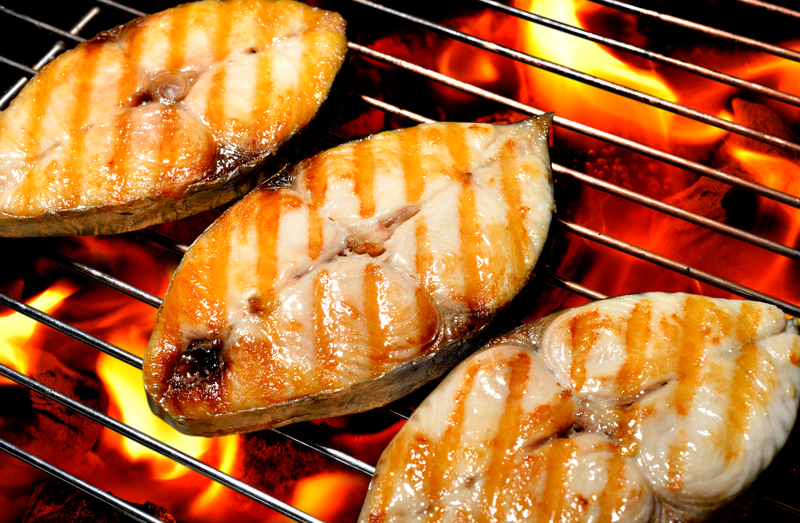 A charcoal grill can handle more than steak and burgers. You can also cook lamb, seafood, and vegetables to give your guests more choices.
Lamb Chops and Sausages
Lamb chops cook quickly over direct heat. Look for chops about 1 inch thick so the outside sears before the inside overcooks. A few minutes per side over hot coals is usually enough, depending on thickness and desired doneness. Lamb’s rich, savory flavor pairs well with high heat, making it one of the best meats to cook on high heat.
Sausages and bratwurst are also easy to cook on charcoal. They need little prep and cook evenly when turned regularly. Most sausages take about 15 to 20 minutes over medium heat. They’re convenient for groups because you can cook several at once, and their flavors appeal to a wide range of tastes.
Salmon, Tuna Steaks, Shrimp, and Scallops
Seafood cooks quickly on a charcoal grill, so it needs close attention. Start salmon skin-side down to help the fillet hold together. Cooking time varies with thickness and doneness; a salmon fillet may take about 4 to 6 minutes per side.
Tuna steaks are often served rare to medium-rare because they dry out quickly when overcooked. Sear them for about 2 minutes per side over high heat, adjusting the time for thickness and desired doneness.
Shrimp and scallops cook even faster, often in just 2 to 3 minutes per side. Use a grill basket or skewers to keep them from falling through the grates. These options add variety for guests who prefer lighter, flavorful seafood alongside heartier meats.
Vegetables to Grill Alongside the Meat
Vegetables are simple to prepare and add color and flavor to your cookout.
Some good choices include:
- Bell peppers – cut into large pieces so they don’t fall through the grates
- Zucchini – sliced lengthwise and brushed with oil
- Corn on the cob – grilled in the husk or wrapped in foil for even cooking
- Mushrooms – cooked whole or skewered, depending on size
Most vegetables take 8 to 12 minutes over medium heat, turning occasionally. Cooking them alongside meat makes efficient use of your grill space and adds a variety of textures and flavors to the meal.
How to Get the Best Results From Charcoal
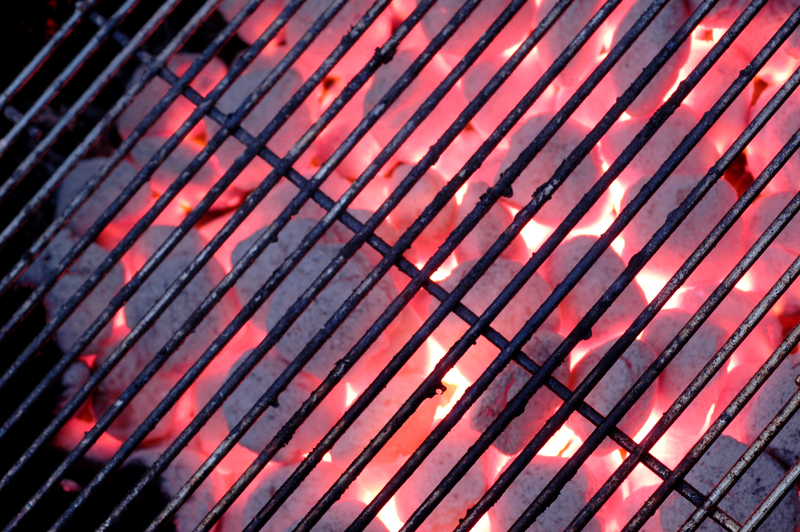 Using practical grilling tips and proven grilling techniques makes outdoor cooking straightforward and fun. Good results start with the right fuel and setup, followed by matching heat to each cut and checking doneness with a thermometer.
Choose Fuel and Set Up a Two-Zone Fire
Lump charcoal can burn hotter than briquettes, making it useful for a strong sear. Meanwhile, high-density briquettes provide consistent, steady burn times that make heat management easier.
Light your fuel with a chimney starter instead of lighter fluid, which can leave an off-flavor. Using a chimney starter also helps coals ignite quickly and heat up evenly across the grate.
Once your coals are ready, set up a two-zone fire. Push the coals to one side of the grill and leave the other side without coals.
This setup provides a hot zone for searing and a cooler zone for slower cooking. It also helps you control the grill temperature and gives you a safe spot to move food if flames get too high.
Match Direct or Indirect Heat to the Cut
Thin cuts like burgers, hot dogs, and thin steaks do well with direct grilling. Place them over the coals so they cook quickly and develop grill marks. Flip them as needed and remove them when they reach a safe internal temperature.
Thicker cuts like whole chicken, ribs, and roasts usually need indirect grilling. Place them on the cool side of your two-zone fire, away from direct flame, so the inside cooks through without burning the outside.
You can also start thick cuts over indirect heat, then finish them over direct heat for a quick sear. This two-step method works well for thick steaks and pork chops, helping cook the center evenly while browning the outside.
Mastering this technique gives you full control when grilling steak to your target level of doneness.
Season, Add Smoke, and Prevent Flare-Ups
Marinades add flavor and can help tenderize tougher cuts before grilling. Savory dry rubs also create a delicious crust on steaks, chops, and poultry.
Pat meat dry before placing it on the grill grates so it sears instead of steams. A dry surface helps seasonings adhere and brown cleanly.
Soak wood chips in water for about 30 minutes, then add them to the coals. This adds smoke flavor without requiring a specialized setup. Hickory and applewood are common choices for grilled meats.
Fat drippings can cause flare-ups when they hit hot coals. Move food to the cool zone if flames get too high. Trimming excess fat before cooking can also reduce flare-ups.
Check Internal Temperature Before Serving
A meat thermometer is the most reliable way to know when meat is safely cooked. Color and cooking time can be misleading, especially for thicker cuts. Insert the probe into the thickest part of the meat, away from bone and fat.
| Meat | Safe Internal Temperature |
|---|---|
| Chicken | 165°F |
| Ground beef | 160°F |
| Steak (medium) | 145°F |
| Pork chops | 145°F |
A separate grill thermometer can help you monitor the temperature inside your grill, especially when cooking over indirect heat. This matters whether you’re using charcoal or a gas grill, since both need steady heat to cook food evenly.
Once your meat reaches the target temperature, remove it from the grates. Resting your grilled meats for a few minutes allows juices to redistribute evenly before serving.
FAQ: What Is the Best Meat to Cook on a Charcoal Grill?
 There is no single “best” meat for a charcoal grill, but steak, burgers, chicken, and pork are particularly well suited to charcoal cooking. The high direct heat creates browning and a smoky character, while the grill can also be set up for indirect cooking.
Is Steak Good on a Charcoal Grill?
Yes. Steak is one of the most popular meats for charcoal grilling because the intense direct heat can create a well-browned crust while the charcoal adds a distinctive smoky flavor. Well-marbled cuts such as ribeye and strip steak work particularly well.
Is Chicken Good on a Charcoal Grill?
Yes, but chicken benefits from two-zone cooking. Start thicker pieces over indirect heat to cook them through, then move them over direct heat to brown the outside while reducing the risk of burning.
Are Burgers Good on a Charcoal Grill?
Yes. Burgers cook well over medium to high direct heat, allowing the outside to brown while the center cooks relatively quickly. Avoid excessive flare-ups caused by dripping fat.
Is Pork Good on a Charcoal Grill?
Yes. Pork chops, tenderloin, ribs, and other cuts can all be cooked on a charcoal grill. Thicker cuts and ribs are particularly suited to indirect or two-zone cooking, followed by direct heat when additional browning is desired.
What Meat Has the Most Charcoal Flavor?
Meats with higher fat content and longer exposure to charcoal smoke can develop a stronger smoky character. Fat dripping onto hot charcoal can also produce smoke, although excessive smoke and flare-ups should be avoided.