
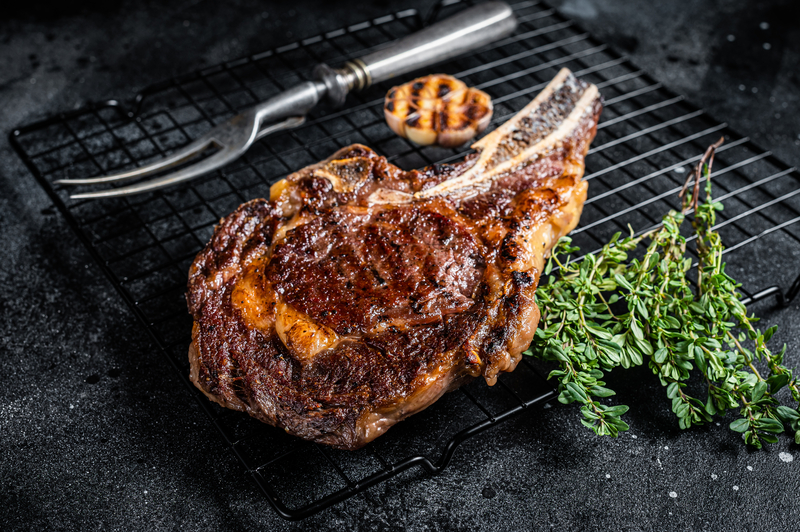
A charcoal-grilled steak has a taste you can’t get any other way. That smoky flavor comes from fat and juice dripping onto hot coals, which then rises up and coats your meat.
To get authentic charcoal taste on steak, use natural lump charcoal, build a two-zone fire, and grill thick, well-marbled cuts. Real charcoal flavor comes from dripping beef fat vaporizing over glowing coals and coating the meat in rich, woodsy smoke during searing.
This guide walks you through what you need to know to grill a perfect steak with a strong charcoal taste. Proper steak grilling techniques and good temperature control help you season your meat, set up your grill, and manage heat so every bite has that smoky flavor you’re after.
What Creates Authentic Charcoal Flavor
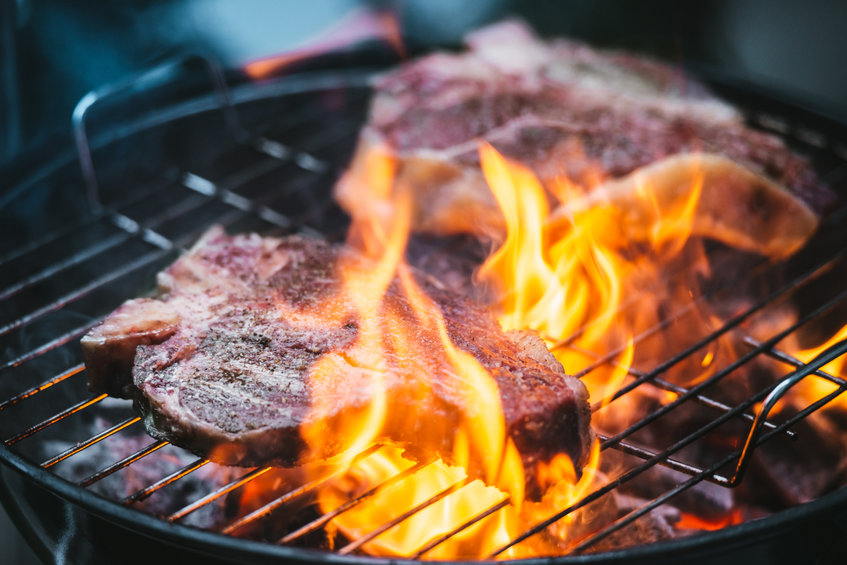 Real charcoal flavor comes from three things working together: a hot, dry sear on the meat, fat dripping onto hot coals, and smoke from the burning charcoal itself. Each one adds something different, and you need all three to get that true smoky steak taste.
The Maillard Reaction and High-Heat Searing
When you put your steak on a hot grill, the surface starts to brown fast. This is called the Maillard reaction. It happens when heat causes proteins and sugars in the meat to break down and form new flavors and smells.
You need intense heat for this chemical process to develop. Direct grate temperatures between 450 and 650°F produce a proper high-heat sear. This range builds a crisp, flavorful crust while keeping the interior juicy, delivering ideal charcoal steak texture and flavor.
A good sear also gives you those dark grill marks people look for. To develop defined crosshatch marks, position the steak at a 45-degree angle across the grates, then rotate it 90 degrees halfway through searing on each side for a classic charcoal grilled steak.
How Dripping Fat Creates Smoke Infusion
As your steak cooks, rendering fat drips down onto the coals below. When this fat strikes the superheated charcoal, it instantly vaporizes into aromatic smoke.
That vapor rises back up and envelops the meat, infusing a deep, smoky layer of taste. This process—fat vaporization and smoke infusion—is the primary reason charcoal-grilled meat delivers superior flavor compared to other cooking methods.
Fattier cuts like ribeye create more of this effect. Intramuscular fat melts directly onto hot coals during cooking, maximizing flavor through ribeye’s marbling and charcoal grilling. Leaner cuts generate fewer vaporized drippings, yielding a subtler smoke profile.
Why Charcoal Tastes Different From a Gas Grill
Charcoal cooking uses burning coals as its heat source, while a gas grill uses a flame fed by propane or natural gas. This basic difference changes how your steak ends up tasting.
Gas grills burn clean and don’t drop ash or add much smoke flavor to your food. Charcoal grills burn solid biomass that emits organic compounds, wood smoke, and radiant ember heat. This imparts distinct culinary depth when comparing charcoal and gas grilling.
Adding wood chunks to your charcoal can boost this effect even more. This gives your seared steak an extra smoky taste that plain gas heat simply can’t match.
Choose the Steak and Fuel for Better Results
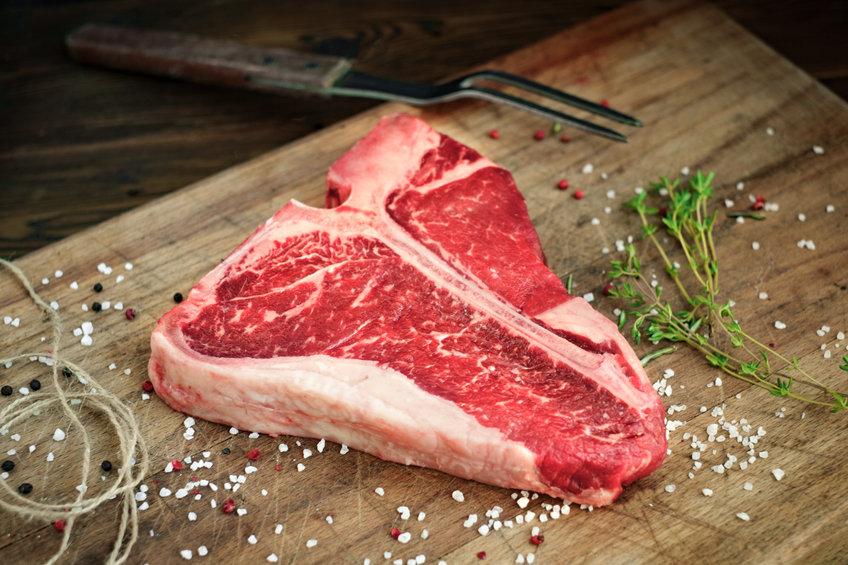 The steak cut you pick and the fuel you burn both change how much charcoal flavor ends up in your meal. Thicker cuts and the right charcoal type give smoke more time and surface area to work.
Best Steak Cuts for Live-Fire Cooking
Some beef cuts excel with charcoal cooking and pick up charcoal flavor better than others. A ribeye has thick fat marbling that drips onto the coals, and that dripping fat creates smoke that coats the meat.
New York strip steak works well too. It has a firm texture and a good fat cap along one edge.
Filet mignon, cut from the tenderloin, is leaner and more tender, but it picks up less smoky flavor because it has less fat. A tenderloin cut requires careful heat monitoring over coals to prevent it from drying out. Sirloin is a budget-friendly option with decent marbling.
Flank steak is thin and lean, so it cooks fast and only picks up a light amount of smoke flavor.
| Cut | Fat Level | Best For |
|---|---|---|
| Ribeye | High | Deep smoky flavor |
| New York Strip | Medium-High | Balanced flavor and texture |
| Filet Mignon | Low | Tenderness over smoke |
| Sirloin | Medium | Budget-friendly smoke flavor |
| Flank Steak | Low | Quick cooking, light smoke |
Why Steak Thickness Matters
Steak thickness controls how long your meat sits near the coals, and that time is what lets charcoal flavor soak in. A thin steak, like flank steak, cooks fast. It doesn’t spend much time over the fire, so it picks up less smoke.
A thick steak, at least one and a half inches, stays on the grill longer. This gives the surface more time to absorb charcoal smoke while the inside still cooks to the right temperature.
Thicker cuts also give you more control. You can sear the outside over direct heat, then move the steak to indirect heat to finish. This two-step approach is fundamental to how to charcoal grill steak, shielding the surface from over-charring while exposing the meat to ambient wood smoke.
Lump Charcoal vs. Charcoal Briquettes
The type of fuel you choose is central to charcoal cooking and changes the taste of your steak.
Lump is made from real pieces of hardwood with nothing added. It burns hot and fast, and it gives off a stronger, more natural smoke flavor.
Briquettes are made from compressed charcoal dust mixed with binders. They burn at a steady rate and hold heat longer, but the flavor is milder and sometimes has a chemical taste if lighter fluid was used to start them.
Natural briquettes, made without added chemicals, are a middle option. They burn evenly like regular briquettes but skip the added binders that can affect taste.
For clean hardwood smoke and rapid high heat, lump charcoal is the preferred fuel. Uniform hardwood briquettes excel for steady, prolonged heat output when charcoal grilling steak.
Selecting Wood for Extra Smoke
Adding hardwood chunks or wood chips to your charcoal gives your steak even more smoky flavor.
Hickory gives a strong, bacon-like taste. It works well with thick cuts like ribeye that can handle a bold flavor. Many backyard cooks blend hickory with oak to keep the flavor profile smooth.
Mesquite burns hot and gives off a sharp, earthy smoke. It’s strong, so use it in small amounts or for short cook times. Adding a single chunk of mesquite provides an intense, southwestern-style aroma without turning bitter.
Oak gives a milder, balanced smoke that works with almost any cut of beef.
Applewood gives a light, slightly sweet smoke. It works well with leaner cuts like filet mignon, tenderloin, or sirloin, where you don’t want the wood to overpower the meat.
Use dry hardwood chunks placed directly beside hot embers for a clean, sustained smoke. Avoid soaking wood; wet wood produces steam and smoldering creosote rather than aromatic thin blue smoke.
If using smaller wood chips, wrap dry chips in perforated aluminum foil pouches to regulate airflow and prevent flare-ups. A foil packet keeps wood chips smoldering steadily rather than burning up instantly over hot coals.
Prepare Steak Without Masking the Smoke
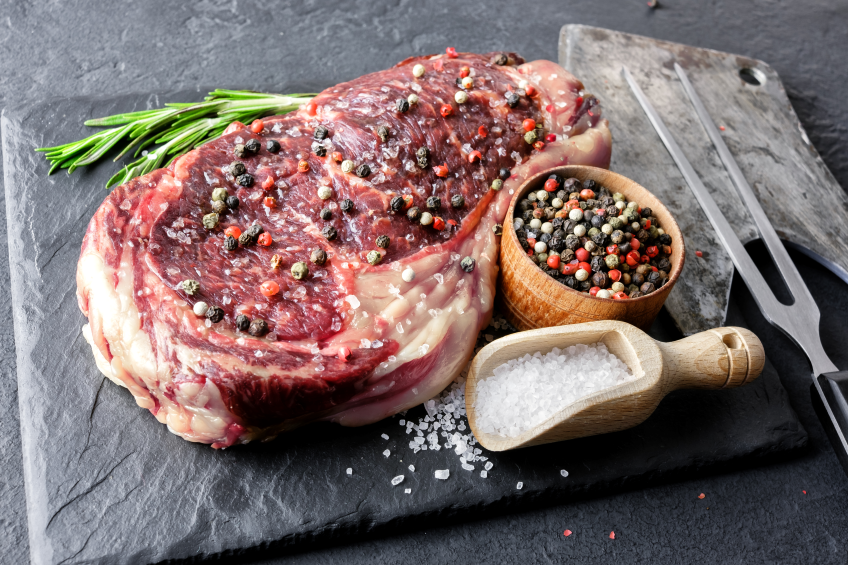 Getting real charcoal flavor starts with how you prep the meat. If you cover your steak in the wrong seasonings or soak it too long, you can block the smoke from doing its job.
Dry Brining With Salt and Black Pepper
Dry brining is the most reliable way to enhance natural beef flavor and promote surface browning. Rub coarse salt onto both sides of the steak, saving cracked black pepper for just before cooking so the spices do not burn over direct heat.
Salt your meat at least 40 to 60 minutes before cooking, or refrigerate it uncovered overnight on a wire rack. This process draws out surface moisture and reabsorbs seasoned juices deep into the muscle fibers. Sea salt or coarse kosher salt works best because it dissolves evenly without over-salting.
Avoid rubs containing sugar, which char and turn bitter over high flames. If applying oil to prevent sticking, choosing the right oil is also crucial for achieving delicious steaks with high smoke points, like avocado or canola oil.
When to Use a Marinade
A marinade can add flavor, but it can also stop your steak from picking up smoke taste if you use it wrong. Wet marinades sit on the surface of the meat and can create steam instead of a good crust.
If you want to use a marinade, keep it simple and let it work for flavor, not smoke. A basic mix of olive oil, lemon juice, soy sauce, and worcestershire sauce adds depth without being too heavy.
Always pat your steak dry before it hits the grill or pan. Wet meat won’t sear well, and a poor sear means less charcoal flavor. Marinades work best on thinner cuts or tougher meat that needs some help breaking down before cooking.
Smoky Rubs and Seasoning Blends
The right spice blend can boost the charcoal taste instead of hiding it. Look for dry ingredients that add smoky or earthy notes without drowning out the meat.
Smoked paprika is a good choice since it already carries a mild smoky flavor. Garlic powder, cumin, and dried thyme or rosemary can round out the taste without adding moisture that blocks browning.
A light touch of garlic powder sticks well to dry beef surfaces without scorching like fresh garlic. Crushed dried thyme also pairs naturally with wood smoke to accentuate the meat’s savory profile.
Stick to dry spice blends applied right before cooking. This keeps the surface dry, which helps the steak brown properly and pick up more true smoky flavor from the heat itself.
Build a Two-Zone Charcoal Fire
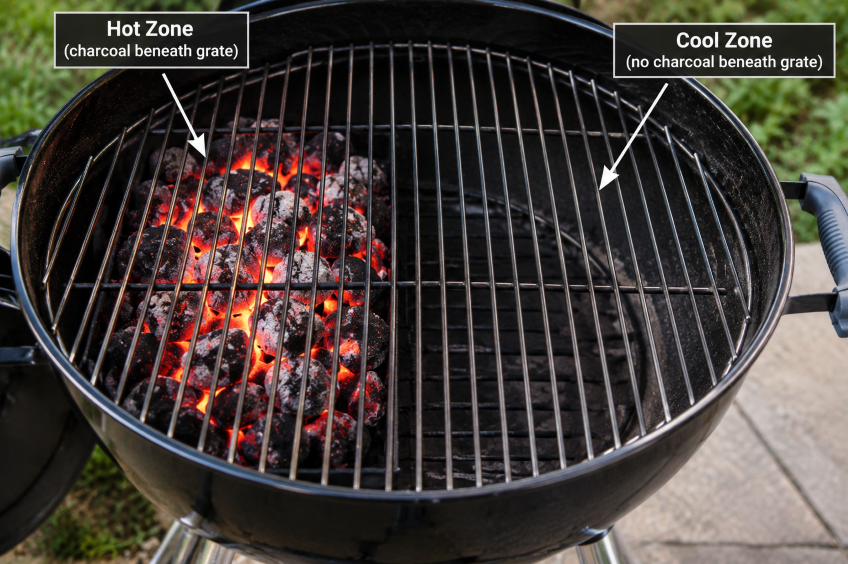 A two-zone fire splits your charcoal grill into one hot side for searing and one cool side for finishing. This setup gives you the control you need to get a smoky crust on your steak without burning it.
Lighting and Preheating the Coals
Fill a chimney starter with charcoal and light it using newspaper or a firelighter. Skip lighter fluid. It leaves a chemical taste on your meat.
Wait until the coals turn light grey and glow orange underneath. This takes about 15 to 20 minutes.
Once ready, pour the hot coals into your grill. Let the grill sit with the lid closed for 5 to 10 minutes before you cook. This step matters because it helps set up direct and indirect heat zones that are steady and predictable, not just hot in random spots.
Creating Direct and Indirect Heat Zones
Push all your lit coals to one side of the grill. Leave the other side empty. This gives you a hot side for direct heat and a cooler side for indirect heat.
The direct heat side is where you sear your charcoal steak. This is where high heat meets the meat and creates that dark, flavorful crust.
The indirect side has no coals under it. Use this space to finish cooking your steak slowly after searing, so the inside cooks through without burning the outside. For thicker cuts, this two-step method gives you more control over the final result than cooking over one heat level alone.
Mastering this zone separation is key to serving a perfect steak with deep smoky flavor.
Managing Airflow and Temperature Control
Vents control how much oxygen reaches your coals. More airflow means hotter coals. Less airflow cools things down.
Open the bottom vents fully when you want high heat for searing. Close them slightly once you move your steak to the indirect side. This slows the burn rate and helps you avoid overcooking.
A grill thermometer helps you track the exact heat level, especially on the indirect side. Watching your grill thermometer ensures you catch unexpected temperature swings before they scorch the meat.
| Vent Position | Effect |
|---|---|
| Fully open | High heat, fast burn |
| Half open | Steady, moderate heat |
| Mostly closed | Low heat, slow burn |
Practicing steady temperature control prevents sudden heat spikes. Small adjustments make a big difference, so change vent position a little at a time and give the grill a few minutes to respond before adjusting further.
Grill, Sear, and Finish to the Right Doneness
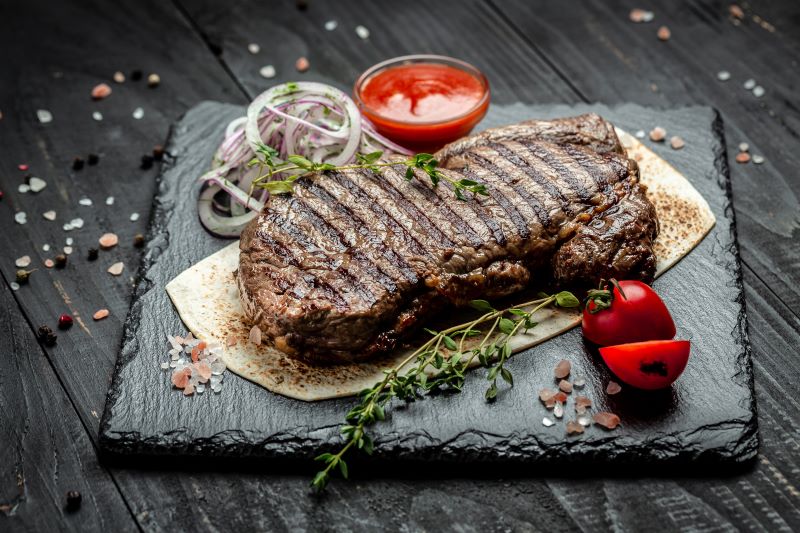 Getting a good charcoal taste on your steak depends on where you place the meat on the grill and how you manage heat during grilling steak. Successful charcoal cooking requires searing over the hottest part of the fire, then moving the steak to a cooler zone to finish cooking without burning the crust.
Searing Over the Hottest Coals
In high-heat steak grilling, push your charcoal into a pile on one side of the grill to create the hottest possible zone. This direct heat area is where you build the crust that carries the charcoal flavor.
Place your steak right over the coals and leave it alone for two to three minutes per side. Leaving the meat undisturbed helps crisp the surface and creates pronounced grill marks.
You want to hear a strong sizzle right when the steak touches the grate. If you don’t, the coals aren’t hot enough yet, and you should wait a few more minutes before starting.
Using Indirect Heat for Thick Steaks
Steak thickness changes how you should grill it. Steaks over an inch and a half thick often burn on the outside before the inside is cooked if you leave them over direct heat the whole time.
Move thick cuts to the cooler side of the grill, away from the coals, after searing. Solid temperature control on the indirect side allows the interior to warm gradually. Using a meat thermometer during this phase ensures the steak reaches medium-rare steak temperature or your preferred doneness without scorching the surface.
Close the grill lid while the steak finishes over indirect heat. This traps heat and smoke around the meat, which adds more charcoal flavor while it cooks through evenly.
Reverse Searing for Even Results
A reverse sear flips the usual order. You cook the steak low and slow first, then sear it hard at the end.
Start thick steaks on the cool side of the grill with the lid closed. Check the center with a meat thermometer as it cooks slowly until it sits just below your target temperature.
Once it’s near done, move it over the hot coals for one to two minutes per side. Some cooks prefer setting a cast iron skillet directly over the coals for a solid sear, but grates let falling fat ignite into flavorful smoke. This final sear builds a strong crust and adds charcoal flavor right before you serve it, giving you a perfect grilled steak with an evenly cooked center and a well-charred outside.
Checking Internal Temperature and Resting
An instant-read digital meat thermometer ensures reliable precision. Insert the probe horizontally into the thickest center of the cut, avoiding bone and exterior fat bands.
Here are general internal temperature targets:
- Rare: 120–125°F
- Medium-rare: 130–135°F
- Medium: 140–145°F
- Medium-well: 150–155°F
- Well-done: 160°F and above
Remove the steak approximately 5°F below your target temperature, as carryover thermal energy continues to cook the interior during the rest. Note that while chef standards often favor 130–135°F for medium-rare, the USDA recommends a minimum internal temperature of 145°F for whole cuts of beef, followed by a three-minute rest for consumer food safety.
Pulling meat off the grates at the right moment ensures a tender, juicy, perfect steak every time.
Monitor coal temperature with a grill thermometer or ambient surface probe to verify your searing zone is stabilized before the meat hits the grates.
Finish, Serve, and Reheat Charcoal-Grilled Steak
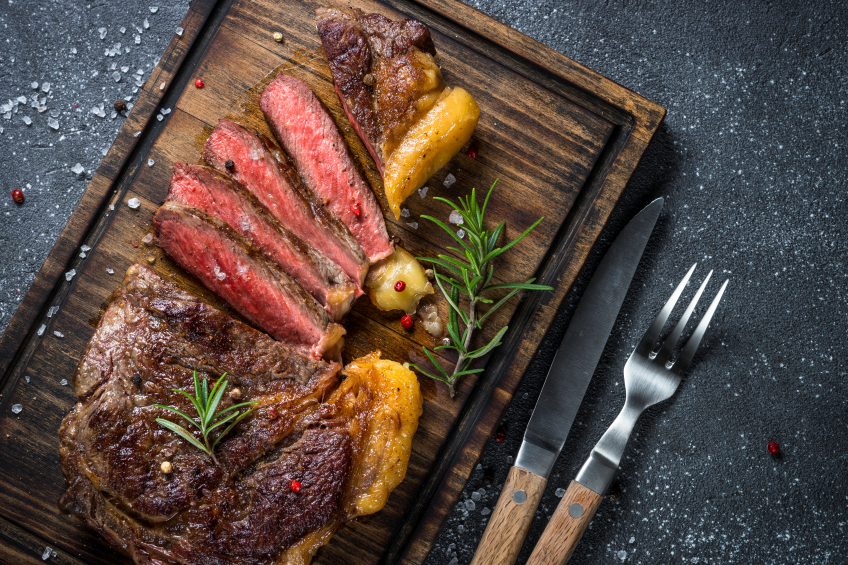 The way you rest, cut, and reheat your steak affects the smoky flavor as much as the grilling itself. A rushed slice or a hot oven can undo all the work you put into building that charcoal taste.
Resting and Slicing for Juiciness
Transfer the cooked steak to a warm plate or cutting board. Tent it loosely with foil and let it rest for 5 to 10 minutes depending on thickness. This rest period allows muscle fibers to relax and redistribute moisture throughout the meat.
Slicing prematurely drains savory juices onto the board. After resting, cut the steak against the grain into thin slices. Slicing perpendicular to muscle fibers shortens them, ensuring a tender chew that highlights the charcoal grilled steak crust.
Sauces That Complement Charcoal Flavor
A good sauce should add to the smoky flavor, not cover it up. Chimichurri is a common choice because it pairs bright, fresh herbs with the richness of grilled beef. A homemade chimichurri balances heavy smoke with clean, vibrant acidity.
Try this simple base:
- Fresh herbs like parsley, oregano, and thyme, finely chopped
- Garlic, minced
- Olive oil for richness
- Lemon juice or vinegar for acidity
- Salt and red pepper flakes to taste
Mix these together and spoon the chimichurri over your sliced steak right before serving. The acidity from the lemon juice cuts through the fat, while the garlic and herbs add sharp, fresh notes that balance the deep char flavor from the grill.
Reheating Leftover Steak Without Overcooking
Leftover steak can dry out fast if you use too much heat. The goal is to warm the meat gently so it doesn’t overcook and lose its texture.
Place a cast iron skillet over medium-low heat and add a small amount of oil or butter. Warm the steak for one to two minutes per side, just until heated through.
A heavy cast iron skillet provides even, gentle warmth that revives the crust without overcooking the center. You can also reheat it in a 250°F oven for about 10 to 15 minutes, checking often so it doesn’t dry out.
Avoid using a microwave if you can. It tends to cook unevenly and can make the meat tough. Slow, gentle reheating keeps the texture close to how it tasted fresh off the grill.
How to Get the Charcoal Taste on Steak — What Science Says
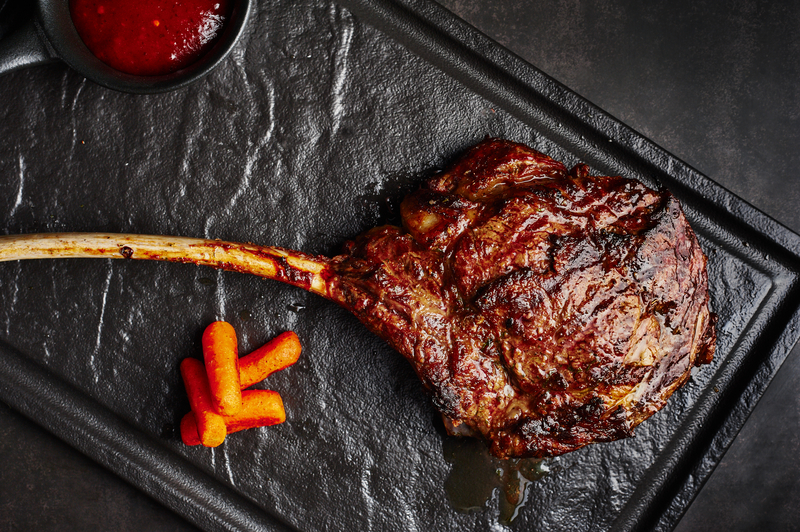 To get a strong charcoal taste on steak, cook it over very hot charcoal and allow the surface to develop a deeply browned crust. The combination of high heat, smoke, and the Maillard reaction creates the characteristic roasted flavor associated with grilled steak. North Carolina State University explains the science behind grilling steak and the Maillard reaction.
Start with fully heated charcoal covered with gray ash, then pat the steak dry before placing it directly over the hottest coals. A dry surface browns more effectively because excess moisture must evaporate before the temperature can rise enough for strong browning.
For more smoky flavor, allow a small amount of fat and meat juices to drip onto the hot charcoal, producing smoke that can flavor the steak. The University of Arkansas System Division of Agriculture discusses how dripping juices and smoke contribute to the flavor of grilled foods.
You can also add a small amount of suitable hardwood, such as hickory or oak, to increase the smoke character. USDA guidance on smoking meat and using wood for smoke flavor. Avoid excessive flare-ups, however, because burning the steak creates a bitter, burnt exterior rather than the rich browned crust you want.
Achieving Charcoal Flavor on Steak Without a Charcoal Grill
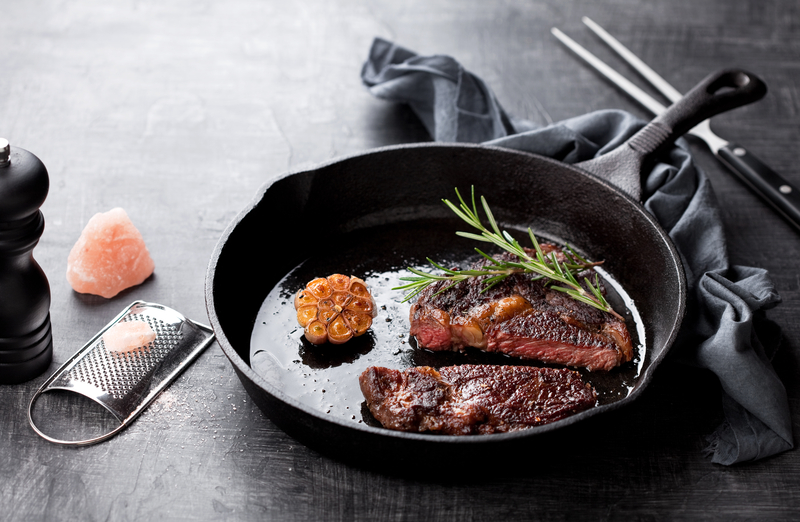 If you don’t have a charcoal grill but still want that distinctive smoky flavor on your steak, several cooking techniques can help recreate the taste and char associated with charcoal grilling.
Use a Smoky Marinade or Rub
Add smoky ingredients such as smoked paprika, chipotle powder to your marinade or dry rub.
These ingredients can add a pronounced smoky character to the steak without requiring a charcoal fire. If you’re using a marinade, allow the steak to sit for at least an hour so the seasonings have time to flavor the meat.
Infuse the Steak With Wood Smoke
You can create a simple smoking setup using a gas grill. Wrap a small amount of wood chips in aluminum foil, poke several holes in the packet, and place it near the heat source.
As the wood chips heat and begin to smolder, they release smoke that can impart a deeper smoky aroma and flavor to the steak.
Sear the Steak in a Cast Iron Skillet
A cast iron skillet can produce the intense heat needed to develop a deeply browned, flavorful crust.
The Lodge Cast Iron Pre-Seasoned Skillet is a heavy-duty option that can be used on stovetops, in ovens, on grills, and over campfires. Its ability to withstand high temperatures makes it well suited to high-heat steak searing.
Preheat the skillet thoroughly, then sear the steak for a few minutes on each side until a dark, well-browned crust develops. For additional smoky flavor, you can incorporate a small amount of liquid smoke into the seasoning or marinade.
Use the Oven Broiler
An oven broiler can replicate some of the intense, direct heat produced by a grill.
Place the steak close to the broiler and cook until the surface develops a deeply browned, charred crust. For extra flavor, brush the steak with a smoky butter or glaze during the final few minutes of cooking.
Use a Smoking Gun
A smoking gun provides a more controlled way to add real wood smoke after cooking.
The Breville Smoking Gun Food Smoker is a compact handheld smoker designed to add natural cold-smoke flavor to foods and beverages.
After cooking the steak, place it in a heatproof covered container and introduce the smoke from the smoking gun. Seal the container and allow the steak to sit for several minutes so the smoke can permeate the surface.
These techniques can add smoky flavor and a deeply browned crust to steak, even when a traditional charcoal grill isn’t available.
FAQ: How to Get the Charcoal Taste on Steak
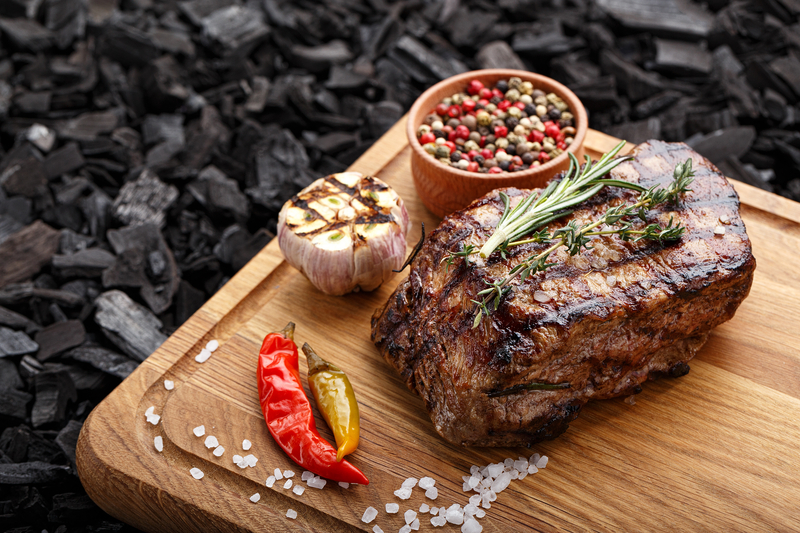 The strongest charcoal flavor comes from cooking steak directly over hot charcoal, where the heat, smoke, and dripping fat create the characteristic grilled flavor. Use fully lit charcoal with a hot cooking grate and sear the steak over direct heat.
What Charcoal Gives Steak the Best Flavor?
Natural lump charcoal generally produces a clean, distinctive charcoal flavor and reaches high temperatures quickly. Charcoal briquettes can also produce excellent results, particularly when combined with wood chunks or chips for additional smoke.
Should You Add Wood to Charcoal for More Smoke Flavor?
Yes. Adding a small amount of hardwood can increase the smoky flavor of grilled steak. Use suitable cooking wood such as oak, hickory, or mesquite, and avoid excessive smoke because it can make the steak taste bitter.
Should You Cook Steak Directly on the Charcoal?
No. Steak should normally be cooked on the grate above the charcoal, not directly on the coals. Direct grilling exposes the steak to intense radiant heat while allowing the surface to develop browning and char.
How Do You Get a Strong Charred Crust on Steak?
Pat the steak dry before cooking and use a very hot grill. Searing the steak over direct charcoal heat promotes browning and surface charring, creating a deeper grilled flavor and crust.
Does Fat Give Steak More Charcoal Flavor?
Fat dripping onto hot charcoal can produce smoke that adds grilled flavor to the steak. Well-marbled cuts can therefore develop a stronger smoky character when cooked over direct charcoal.
Can You Get Charcoal Flavor Without a Charcoal Grill?
You can create some smoky flavor with a gas grill by using suitable smoking wood, but it will not be identical to cooking directly over charcoal. A charcoal grill provides both the charcoal heat source and smoke produced during grilling.