
Rust can form on almost any grill left outdoors. Rain, humidity, and food residue can speed it up. Over time, rust can weaken parts and shorten your grill’s lifespan.
Yes, you can slow rust on a grill by cleaning it regularly, applying high-heat primer and paint to suitable exterior surfaces, keeping it covered, and storing it in a dry place. No method prevents rust forever, but these steps can reduce the risk. Use primer and paint rated for high temperatures, and prepare the surface first. Never apply paint to cooking grates or other food-contact surfaces.
Your grill’s material also matters. Some rust-resistant grills use stainless steel, which generally resists corrosion better than plain steel. Read on to learn which steps work best and how to keep your grill in good shape for years.
What Rust Protection Can and Cannot Do
 Rust forms when iron or steel is exposed to oxygen and moisture. Grease, heat, and salt air can contribute to corrosion by damaging protective coatings or leaving contaminants on metal. No coating or material makes a grill completely rust-proof, but the right care can slow corrosion.
Why Grills Rust
Rust is iron oxide. It forms when the iron in steel reacts with oxygen and water. Many grills contain steel, so parts made from unprotected steel can rust.
Several everyday factors can make grill rust form faster:
- Rain and humidity: Moisture can sit on metal. rust-resistant grills underneath if the grill is covered while wet or the cover does not allow airflow.
- Grease and food residue: Residue can hold moisture, while salty or acidic sauces can contribute to corrosion.
- Heating and cooling: Metal expands and contracts during cooking. This can damage paint and expose bare steel.
- Sun exposure: UV light can break down paint over time.
- Salt air: Grills near the ocean can corrode more quickly.
The Difference Between Rust-Resistant and Rust-Proof
Rust-resistant means a material is less likely to rust or corrodes more slowly. Rust-proof means it never rusts. No grill material is completely rust-proof.
Even stainless steel and cast iron can rust when left exposed to moisture and weather. The grade of stainless steel affects its corrosion resistance.
| Material | Rust Resistance |
|---|---|
| 430 stainless steel | Lower than 304 or 316; may corrode in damp or salty conditions |
| 304 stainless steel | Good; may still develop surface rust or staining |
| 316 stainless steel | Very good for coastal areas, including outdoor kitchen grills made with 304 or 316L stainless steel |
| Painted steel | Protected while the paint remains intact |
Coatings, covers, and regular cleaning help slow rust, but they cannot prevent it forever. Check your grill regularly and touch up worn exterior paint as needed.
Prepare the Grill and Address Existing Rust
 Rust protection works best on metal that is clean, dry, and free of loose rust. Check for weak or damaged parts, too, because no coating can repair metal that has already thinned.
Clean and Dry Surfaces Before Treatment
Grease and rust can hide each other. Clean the grill first so you can assess how much rust is present.
Work outside on a calm day.
Before you start, take these steps:
- Shut off the fuel or power. Turn off the gas and move the propane tank away. Unplug pellet or electric grills.
- Take out removable parts. This includes the grates, heat tents, and drip pans.
- Scrape off thick buildup. Dispose of it in the trash.
- Wash with hot soapy water or a grill-safe degreaser.
Plan for 2 to 4 hours for a deep clean. Rinse each part and dry it fully. Water left on bare metal can cause rust to form quickly.
Remove Surface Rust From a Rusty Grill
Start with the gentlest suitable method and use more abrasive tools only if needed. The best method depends on the material.
| Part | Method | Tip |
|---|---|---|
| Steel grates | Soak in white vinegar, then scrub with a non-metallic abrasive pad or suitable brush | Rinse and dry right away |
| Cast iron grates | Scrub with a stiff brush and rinse briefly | Avoid long soaks |
| Stainless steel | Scrub gently with a non-scratching pad | Always go with the grain |
| Lid and firebox | Use a baking soda paste on suitable uncoated surfaces | Use medium-grit sandpaper only on tough exterior spots, not on cooking surfaces or coated metal |
You can also remove surface rust with lemon juice, vinegar, or baking soda, along with a suitable grill brush and soapy water.
Wear gloves and eye protection. After scrubbing, rinse and dry each part. Then wipe bare cast-iron or steel grates with a thin coat of high-smoke-point oil, such as canola. Follow the manufacturer’s care instructions for other grate materials.
Know When a Corroded Part Needs Replacement
Surface rust is an orange film or dusty coating that usually scrubs off. Deep rust may cause flaking, bubbling, or pitting, which can indicate that the metal is thinning.
Replace a part if you see:
- Burner tubes with splits, clogged ports, or uneven flames
- Grates with holes or pieces breaking off
- Bolts rusted beyond use; replace them with compatible, corrosion-resistant bolts
- Gas hoses with cracks
Some problems may mean the whole grill needs replacement. These include holes in the firebox, a frame rusted through at the supports, or a gas leak that tightening will not fix. Left untreated, rust can weaken the grill’s structure and lead to uneven heat.
Protect Cooking Grates by Material
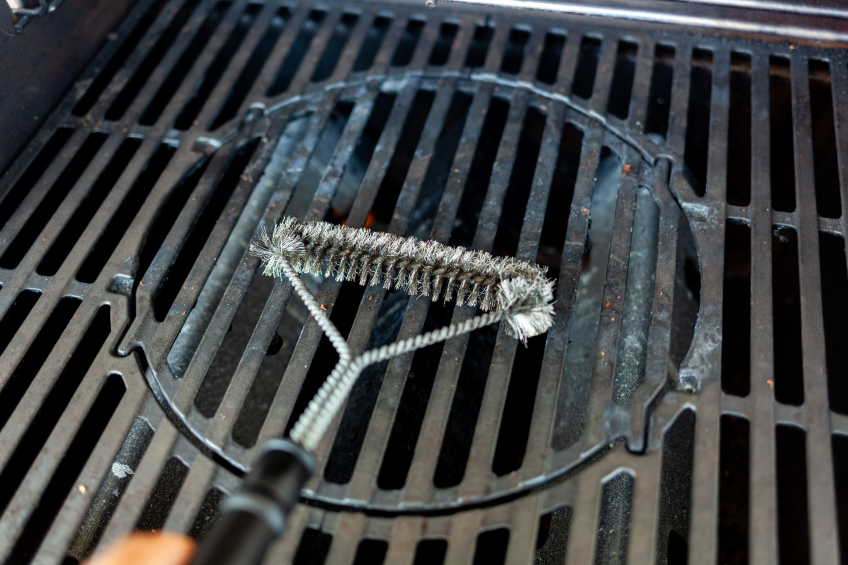 Bare cast-iron and steel grates need a baked-on oil layer, stainless steel grates need gentle cleaning tools, and porcelain-coated grates need protection from chips. Each material needs its own care to limit corrosion and damage.
Season Bare Cast-Iron and Steel Grates
Bare cast iron and plain steel can rust quickly if left wet. A layer of baked-on oil, called seasoning, helps protect the metal from moisture.
To season your grates:
- Clean and dry the grates fully.
- Rub on a thin coat of high-smoke-point oil, such as canola or vegetable oil. Cover the tops and undersides.
- Heat the grill to 400–450°F, if the grill manufacturer permits, to harden the oil into a protective film.
- Let the grates cool on their own.
Use thin coats; thick oil can turn sticky. Season again after each deep clean or when you notice a rust spot.
Clean Stainless Steel Without Damaging Its Finish
Stainless steel resists rust, and grade 304 holds up better than mild steel or plated grates. It can still develop rust spots if food residue and grease remain on the surface.
Follow these steps:
- Scrape while warm. Food comes off more easily from a warm grate.
- Use the right tools. A nylon brush or wooden scraper works well. Wire brushes can leave bristles behind that may end up in food.
- Skip harsh cleaners. Bleach and chlorine products can damage stainless steel.
- Dry the grates after washing them with soap and water.
A light wipe of oil after cleaning adds extra protection, though stainless steel does not need seasoning.
Preserve Porcelain-Coated Grates
Porcelain coating is a glass-like layer over steel or cast iron. It is easy to clean, but once it chips, the metal underneath can rust quickly.
| Do | Don’t |
|---|---|
| Use nylon or brass-bristle brushes | Use steel wire brushes or steel wool |
| Let grates cool slightly before washing | Pour cold water on hot grates |
| Set grates down gently | Bang grates against hard surfaces |
| Check for chips often | Ignore cracks in the coating |
If you find a small chip, keep the spot clean and lightly oiled. If the coating is peeling in many places, replace the grates. Rust can continue spreading beneath the damaged coating.
Protect the Grill Exterior and Non-Cooking Parts
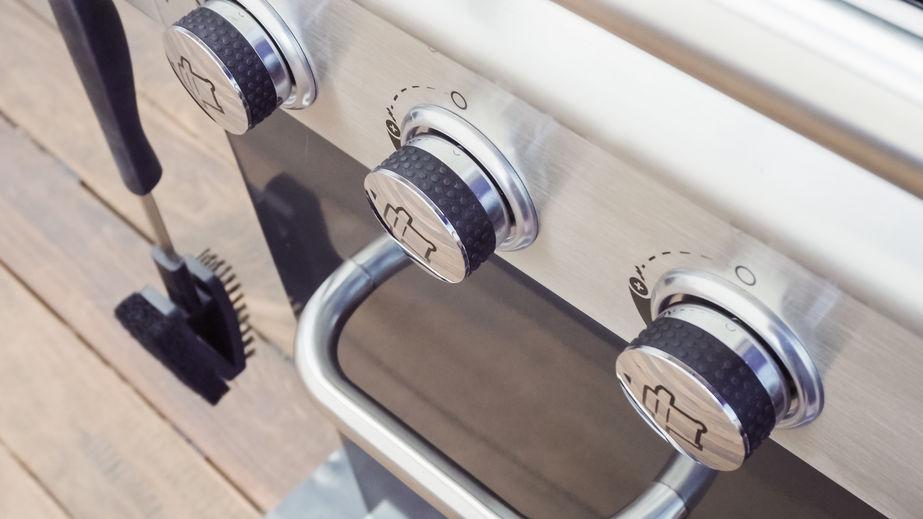 The lid, firebox, legs, cart, and shelves need different protection from the cooking grates. Choose products based on the metal, the temperatures each part reaches, and how close it is to food.
Choose Coatings Rated for the Surface and Heat
Not every coating is suitable for every part of a grill. Parts near the fire get much hotter than the legs or side shelves.
| Grill Part | Heat Level | Coating Options |
|---|---|---|
| Lid and firebox exterior | High | High-heat paint (many are rated up to 1,200°F) or a high-heat ceramic coating |
| Legs, cart, and frame | Low | Standard rust-inhibiting enamel or a ceramic coating |
| Stainless steel panels | Medium | Stainless steel cleaner and polish, or a ceramic coating |
| Porcelain enamel surfaces | High | Manufacturer-approved touch-up products only |
Some owners use a high-heat ceramic grill coating to help protect against water, grease, and sun damage. Hardware store spray paint may chip after repeated heating and cooling.
Stainless steel can still rust. Lower grades, such as 430, are more prone to rust than grade 304, especially near salt air.
Keep Paint and Rust Inhibitors Off Food-Contact Surfaces
High-heat paints and rust inhibitors are not made for food-contact surfaces. They can flake off or release fumes when heated.
Before you spray, protect nearby areas:
- Remove the grates, flavor bars, and grease tray
- Cover openings with painter’s tape and paper
- Spray outdoors on a calm day
- Let the coating cure fully before you light the grill
For grates, use a thin coat of cooking oil instead. You can protect grates with oil and heat to form a food-safe film. Use nylon brushes or wooden scrapers on finished surfaces, since steel wire can scratch them.
Applying Rust-Proofing Solutions
Once existing rust has been removed and the metal has been cleaned and dried, a suitable rust-inhibiting primer can help protect exposed exterior steel. A product such as Rust-Oleum High Heat Primer can be used on appropriate high-temperature metal surfaces. Always check the product label to confirm that it is suitable for the specific grill component.
After the primer has dried, apply a high-temperature coating designed for the temperatures that part of the grill reaches. For example, Rust-Oleum High Heat Ultra Spray Paint is designed for high-temperature applications. Apply thin, even coats and allow the recommended drying time between coats.
Before applying any primer or paint, remove loose rust, grease, and dirt and prepare the surface according to the manufacturer’s instructions. Never apply paint, primer, or rust-inhibiting coatings to cooking grates or other food-contact surfaces.
For cool exterior metal, beeswax can provide a moisture-resistant barrier, although it should not be used on surfaces that become hot during grilling. Natural treatments are generally better considered supplemental protection rather than a substitute for proper cleaning, drying, appropriate coatings, and a suitable grill cover.
Touch Up Damaged Finishes According to Manufacturer Instructions
Small chips let moisture reach bare metal. Fixing them early helps keep rust from spreading beneath the finish.
Check your owner’s manual first. Many grill brands sell touch-up paint that matches the original finish. Using the wrong product on porcelain enamel or powder coating can void your warranty.
A basic touch-up process looks like this:
- Clean the area with mild soap and water, then rinse
- Sand loose rust with fine steel wool or a scuff pad
- Dry the spot completely
- Apply thin, even coats of the approved product
- Cure the finish for the time listed on the label
You can also use corrosion-resistant materials and protective coatings to slow future damage. Check your grill about once a month for bubbles, rough spots, or changes in paint color.
Build Rust Prevention Into Regular Maintenance
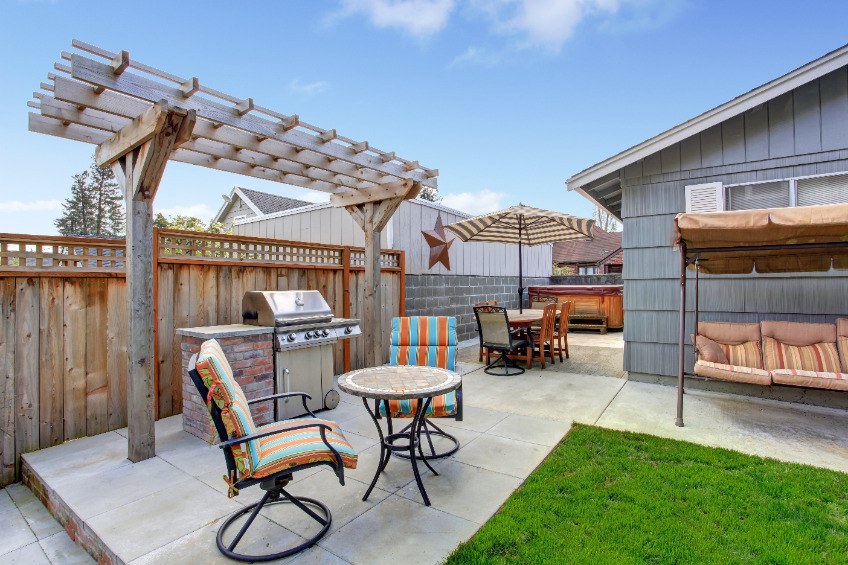 Grease, trapped moisture, and small paint chips are common starting points for grill rust. Cleaning after each cook, drying every part, and checking for damage on a regular schedule can stop rust before it spreads.
Remove Food Residue and Empty Grease Trays
Food bits and grease hold moisture against metal. Salt and acids from marinades and sauces can also speed up corrosion on grates and inside the firebox.
The best time to clean is right after you cook. Let the grill heat on high for 10 to 15 minutes to burn off residue, then scrub the warm grates with a grill brush or scraper. A good routine is to clean after every cook and deep-clean every few uses.
Don’t forget the grease system:
- Grease tray: Empty it every few cooks, or more often if you grill fatty foods.
- Drip cup: Replace foil liners or wash the cup with warm, soapy water.
- Burner shields and flavor bars: Scrape off buildup once a month during grilling season.
Old grease can trap water and attract pests, so an overfilled tray can cause more than one problem.
Dry the Grill Thoroughly After Cleaning
Rust forms when iron or steel stays in contact with water and oxygen. That’s why protecting your grates after every use matters as much as cleaning them.
After washing any part, dry it right away.
Here are simple ways to do it:
- Wipe grates, trays, and the lid with a clean, dry towel.
- Turn the grill on low for 5 to 10 minutes to evaporate water left in seams and corners.
- Let the grill cool fully with the lid open before you cover it.
Covering a warm or damp grill can trap condensation underneath. For cast iron grates, rub on a thin coat of high-heat cooking oil, such as canola or vegetable oil, once they’re dry. This adds a barrier between the metal and the air.
Inspect for Chips, Stains, and Early Corrosion
Small problems are easier to fix than large ones. Check your grill monthly for rust spots and other damage so you can catch problems early.
Focus on these areas:
| Area | What to Look For | What to Do |
|---|---|---|
| Porcelain-coated grates | Chips or cracks | Avoid metal scrapers; replace badly chipped grates |
| Painted exterior | Bubbling or flaking paint | Sand the spot and touch up with high-heat grill paint |
| Stainless steel | Brown or orange stains | Clean with a stainless steel cleaner, scrubbing with the grain |
| Firebox and burners | Flaking metal or holes | Replace parts that are thin or have holes |
Light surface rust can often be removed with a wire brush or fine steel wool. Then re-oil or re-coat the bare metal. If a part has holes or crumbles when pressed, replace it rather than trying to repair it.
Store and Cover the Grill Without Trapping Moisture
 A grill cover protects your grill when the grill is cool and dry, the cover allows airflow, and your storage plan suits the local weather. These steps help prevent moisture from sitting against the metal.
Let the Grill Cool and Dry Before Covering It
A cover does not cause rust on its own. Rust can develop when you cover a warm or wet grill. Heat and water can create steam and condensation under the cover, leaving moisture on the metal.
Many guides suggest waiting 45 to 60 minutes after cooking before covering the grill.
Use that time to finish a few simple tasks:
- Burn off food: Run the burners on high for 10 to 15 minutes after cooking.
- Brush the grates: Remove grease and food bits that can hold water.
- Empty the grease tray: Old grease can attract moisture and pests.
- Wipe off rain or dew: Use a dry towel on the lid, shelves, and frame.
If rain hits the grill, leave it uncovered until it is completely dry.
Choose a Well-Fitting, Ventilated Grill Cover
The right grill cover keeps rain out while allowing damp air to escape. Choose a water-resistant cover rather than one that is fully sealed.
Fit matters, too. A cover that is too large can form folds that collect water, while one that is too small may leave parts of the grill exposed.
The Amazon Basics Gas Grill Barbecue Cover is designed to protect your grill from rain, wind, and sun exposure.
It is waterproof, water-resistant, and UV-resistant, helping protect the grill’s exterior from the elements.
An elastic cord helps keep the cover securely fitted around the grill, even in windy conditions.
It fits grills up to 60 × 28 × 46 inches and comes in a medium-size black design.
| Feature | Why It Helps |
|---|---|
| Air vents | Let trapped moisture escape |
| Drawcord hem or straps | Keep wind from blowing the cover off |
| Correct size | Prevents sagging and water pockets |
| Polyester fabric | Resists cracking and fading |
Before you buy, measure the grill’s width with the side shelves, its depth, and its height to the top of the lid.
Adjust Storage for Humid or Coastal Conditions
Humid, salty air accelerates rust. In these areas, a non-breathable cover can create a greenhouse effect that traps damp air against the metal. Salt spray near the coast makes the problem worse.
Take these steps if you live in a damp climate:
- Lift the cover on dry, sunny days to let air circulate around the grill.
- Keep the grill off bare soil or grass, since cheap covers can trap ground moisture underneath.
- Rinse off salt residue with fresh water, then dry the grill.
For extended breaks, move the grill to a dry storage location, such as a garage or shed. Keep it covered there to block dust, but check it every few weeks for damp spots.
FAQ: Can You Rust Proof a Grill?
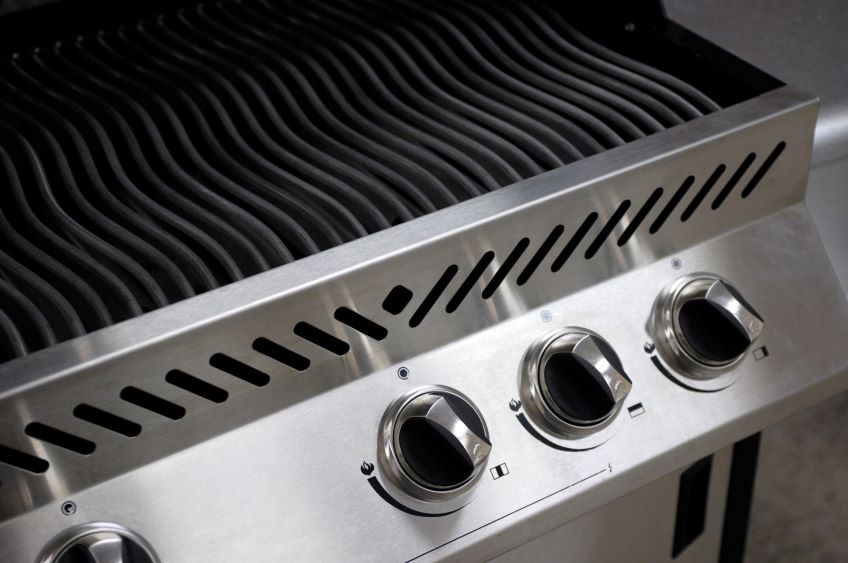 You cannot make a grill completely rust-proof, but you can significantly reduce the risk of rust by keeping it dry, cleaning it regularly, protecting exposed metal, and using a suitable grill cover. Cast iron and uncoated steel components need particular attention because they can rust when exposed to moisture.
How Do You Prevent a Grill From Rusting?
Keep the grill clean and dry, remove food residue and grease buildup, and protect exposed metal surfaces according to the manufacturer’s instructions. A properly fitted water-resistant grill cover can also help protect the grill from rain and humidity, provided the grill is dry before covering it.
Can You Oil Grill Grates to Prevent Rust?
Yes. A light coating of cooking oil can help protect uncoated cast-iron grates from moisture and oxidation. After cleaning and drying the grates, apply a thin layer of high-smoke-point cooking oil and follow the grill manufacturer’s seasoning instructions.
How Do You Protect a Grill From Rust Outside?
Position the grill in a reasonably sheltered location and use a cover designed to allow appropriate ventilation while protecting it from rain. Avoid trapping moisture underneath the cover, and periodically remove the cover to inspect and dry the grill.
Can You Rust Proof a Cast-Iron Grill?
Cast iron can be protected through seasoning, which creates a layer of polymerized cooking oil on the surface. Regular use, thorough drying, and occasional re-seasoning can help protect cast iron from moisture and corrosion.
Can You Remove Rust From a Grill?
Yes, light surface rust can often be removed from suitable metal components using an appropriate grill scraper, brush, or abrasive pad. After removing the rust, clean and dry the surface thoroughly and re-season or apply the manufacturer’s recommended protective treatment where appropriate.
Can You Paint a Grill to Prevent Rust?
Only paint external surfaces that are specifically suitable for high-temperature grill paint. Never use ordinary paint on cooking grates or other surfaces that come into direct contact with food, and follow the grill manufacturer’s recommendations for refinishing.