
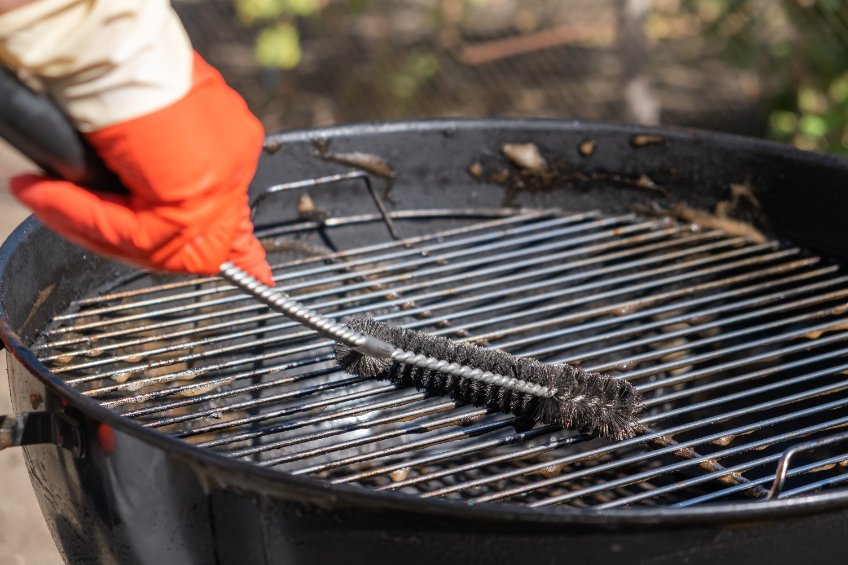
Summer cookouts often end with the same chore: grabbing a brush to clean the grill grates.
But this simple habit may carry a hidden risk. Yes, grill brushes, especially those with wire bristles, can be dangerous. Thin metal bristles can break off, stick to grill grates, and end up in food. If swallowed, a bristle can lodge in your throat, stomach, or intestines and cause serious injury or infection. Doctors have treated patients who needed surgery after a bristle traveled through the digestive tract, and wire grill brushes remain fairly common despite not being banned.
You do not have to give up grilling to stay safe. Understanding how these injuries happen, who is most at risk, and which safer cleaning tools are available can help protect your family this grilling season.
How Wire Bristles Become a Food Hazard
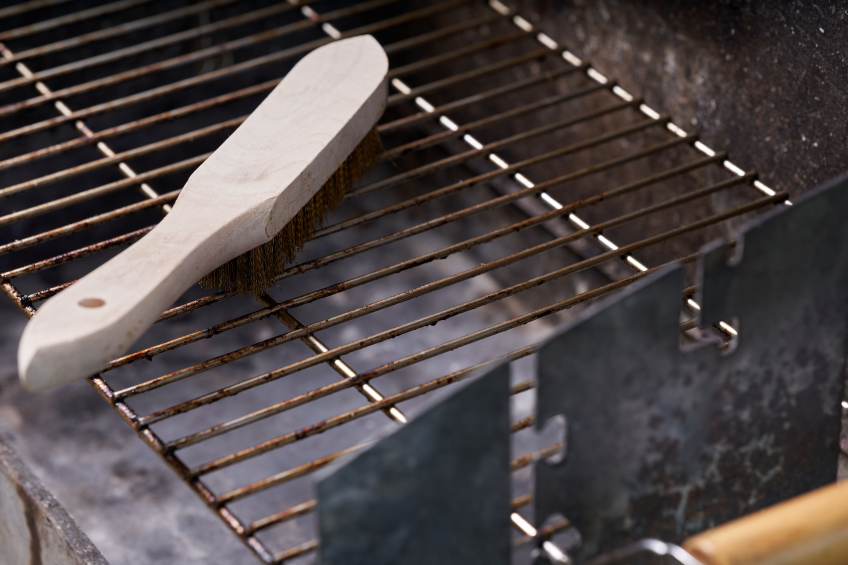 Wire bristles become a food hazard when they break off a brush, stick to a grill grate, and transfer to food. This can happen with any wire-bristle grill brush, regardless of the metal type, and the resulting injuries can be serious.
How Detached Bristles Move From Grates to Food
Wire grill brushes wear down with use. Scrubbing hot, greasy grates can bend and weaken thin metal bristles until they break off. A detached bristle may remain on the grate, where its small size and similar color can make it hard to spot.
When food touches the grate, a loose bristle can stick to it. This may happen with meats such as burgers, sausages, and chicken, whose surfaces can trap a small metal piece.
You may eat the food without noticing the bristle. Swallowing a sharp piece of wire can injure your mouth, throat, or digestive tract, as doctors have warned.
Why Stainless Steel and Brass Bristles Pose the Same Basic Risk
A sturdier metal does not eliminate the risk. Stainless steel is common, but a brass wire grill brush poses the same basic hazard.
Both materials use thin wires attached to a brush head. Heat, pressure, and repeated scrubbing can wear down wire bristles over time, regardless of their metal type.
Barbecue enthusiasts often choose wire brushes because they are durable and easy to use. However, wear can cause bristles to detach and end up on the grill or in food, regardless of which metal you choose. The material affects a brush’s price and feel, but switching from steel to brass does not eliminate the risk of loose bristles.
What Injury Reports Tell Us About the Hazard
Medical reports show that wire-bristle injuries are a documented hazard. Doctors in Providence, Rhode Island, tracked injuries from ingesting wire bristles from grill-cleaning brushes between March 2011 and June 2012 and reported recurring cases associated with grilling season.
A separate national study on the epidemiology of wire-bristle grill brush injuries in the United States examined cases from 2002 to 2014. It found that these injuries occurred across the country, not just in one region.
The U.S. Consumer Product Safety Commission has also addressed this risk. Recall notices, including a CPSC recall involving Weber wire brushes, point to the same core hazard: detached bristles can stick to food and cause internal injury if swallowed.
Injuries and Symptoms That Need Medical Attention
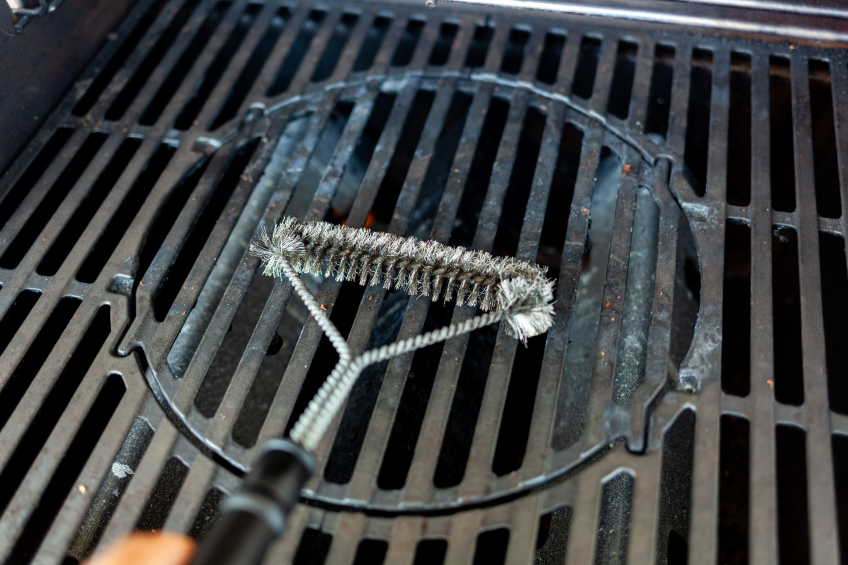 A loose wire bristle can hide in food and cause harm if swallowed. Knowing where it can lodge, which symptoms to watch for, and what steps to take can help reduce the risk of serious complications.
Where a Swallowed Bristle Can Become Lodged
A swallowed wire bristle can lodge anywhere along the digestive tract. One common location is the back of the throat, known as the oropharynx, where the bristle’s sharp ends can catch in soft tissue.
Bristles can also travel further down and lodge in the esophagus, stomach, or intestines. In rare cases, a bristle can pass through the bowel wall, causing intestinal perforation, a serious injury that requires emergency care.
Because bristles are thin and small, they may not be clearly visible on an X-ray, which can make them harder to locate.
Warning Signs After Eating Grilled Food
After eating food cooked on a grill cleaned with a wire brush, watch for unusual symptoms. Pain when swallowing is one common early sign that a bristle may be lodged in your throat.
You might also notice:
- A sharp, stabbing feeling in your mouth, throat, or chest
- Drooling or trouble swallowing normally
- Stomach pain that doesn’t go away
- Nausea or vomiting
- A feeling that something is “stuck” when you eat or drink
Symptoms can start right after a meal or appear hours later. Don’t ignore them, even if they seem mild at first.
What to Do If You Suspect You Swallowed a Bristle
If you think you swallowed a wire bristle, stop eating and drinking. Call your doctor or go to an emergency room promptly, even if your symptoms seem minor.
Tell the doctor that you recently ate grilled food and suspect you swallowed a wire bristle. This information can guide examinations and testing, since bristles may not be easy to detect with standard imaging.
Doctors may use a CT scan, endoscopy, or physical examination to locate the bristle. In some cases, it can be removed without surgery. Early treatment can lower the risk of infection, internal injury, or the bristle moving deeper into your body.
Bristle-Free Tools and Their Trade-Offs
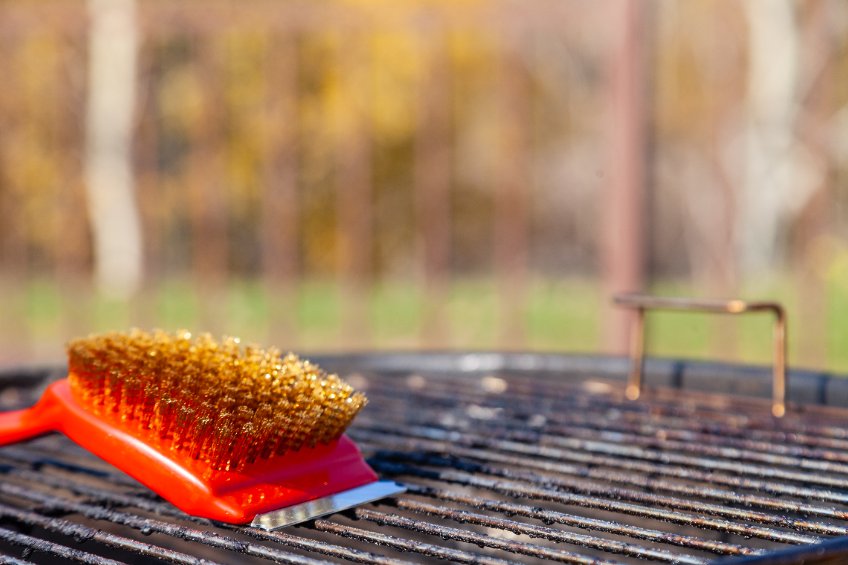 If you want to avoid wire bristles, you have several grill-cleaning tools to choose from. Each option works differently and has limitations to consider before you buy.
Wood Scrapers and Coil-Style Cleaning Tools
A wood grill scraper is a simple alternative to a wire brush. Press it against the grate while it’s still warm, and the wood wears into grooves that match the grate bars. The Easy Function wood grill scraper works this way and does not shed metal bristles.
The trade-off is that the scraper wears down over time and needs occasional replacement, especially with frequent use. Coil-style tools use a tight wire coil instead of loose bristles. They scrape away buildup without the same risk of shedding small metal bristles as a conventional wire brush.
Neither tool removes burnt-on grease as easily as a stiff brush, so you may need to scrape more to get the same result.
Grill Stones and Pumice for Stubborn Residue
A pumice stone, sometimes sold as a grill stone, can remove heavy, baked-on residue. The Earthstone grill stone is one example. Rub the stone directly on the grate to grind away grease and food bits through friction rather than bristles.
This method takes more physical effort than using a wire brush. You’ll need to press harder and spend more time on each section of the grate.
Pumice stones can crumble with heavy use, leaving small particles on the grate. Most can be brushed away, but wipe the grate down after scraping. Pumice works best on cast iron and stainless steel grates, not coated or painted surfaces, because its abrasive texture can wear down the coating.
When a Nylon Brush Is Appropriate
A nylon grill brush can work well for light, everyday cleaning. Its bristles are heat-resistant only up to a point and are made of stiff plastic rather than metal, so they do not pose the same risk as sharp wire bristles. Nylon fibers are generally too flexible and large to pose the same injury risk as a thin wire bristle if a piece breaks loose.
Nylon brushes work best on medium-heat or cooler grates because high heat can melt or warp the bristles. This Bristle Free Grill Brush Cleaner and Scraper combines a scraper edge with a bristle head, giving you two cleaning tools in one. This option can be useful if you want a brush that also scrapes without switching tools mid-cleaning.
A Safer Routine for Cleaning Grill Grates
 A good grill-cleaning routine can help prevent injuries and keep your grill working well. The steps below cover timing, tools, and a final check before you cook.
Check Your Grill Manual and Let Grates Reach a Safe Cleaning Temperature
Your grill manual explains which cleaning tools the manufacturer recommends for your specific grates. Coatings and materials respond differently to heat and scraping, so following the guidance matters.
Manufacturers may warn that improper cleaning can cause damage or injury, so follow the instructions for your grill.
Timing matters too. Grates are often easier to clean when warm, but the safe temperature depends on the cleaning tool and your grill manufacturer’s instructions.
If your manual recommends cleaning warm grates, preheat the grill for 10 to 15 minutes, then turn off the heat before scraping. This can soften stuck-on food without exposing your hands to open flames or very hot metal.
Remove Residue Without Leaving Loose Material Behind
Your cleaning tool choice affects both your safety and how clean your grates get. Traditional wire brushes can pose a risk because bristles can break off, stick to grill grates, and end up in your food.
Several tools clean grates without that risk:
- Nylon grill brushes rated for high heat, used only on cool or warm grates
- Balled-up aluminum foil, held with tongs, for scrubbing in small circles
- Wooden or bamboo scrapers, shaped to match your grate pattern
- Grill stones, which grind away buildup without shedding fragments
If you use a wire brush, inspect it often. Experts suggest replacing the brush after 100 uses or once each grill season to reduce the risk of stray bristles.
Inspect and Wipe Grates Before Cooking
Before you put food on the grill, inspect the grates closely. Run a clean paper towel or cloth across the surface and check for metal fragments, bristles, or loose debris.
This takes less than a minute and can catch anything the other steps might miss. If you find anything stuck between the grates, remove it with tongs rather than your fingers.
A quick wipe also clears away ash or grit left by your cleaning tool. Wiping the grates before every cook helps keep debris off your food.
When to Retire a Worn Cleaning Tool
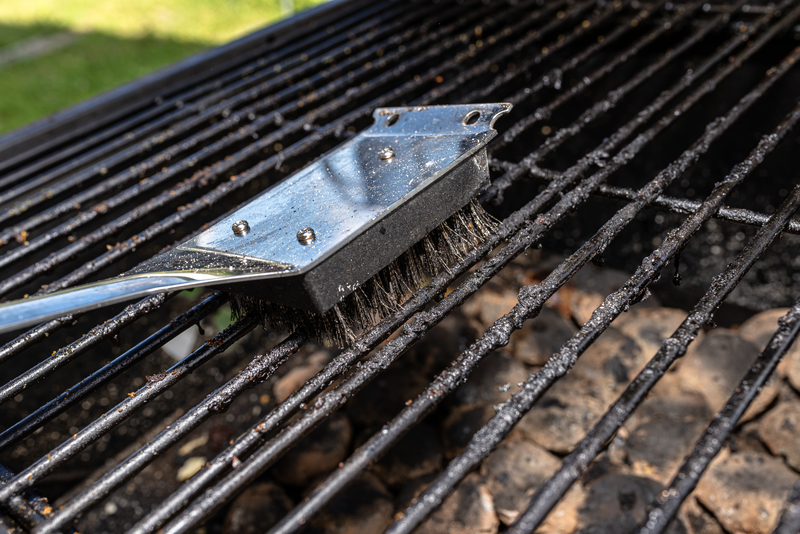 Grill brushes wear down faster than many people expect, and a damaged tool can leave debris on your grates instead of removing it. Inspect your brush, scraper, or stone before each use to catch damage early and keep your cooking surfaces safe.
Signs a Wire Brush Is Shedding Bristles
Wire bristle grill brushes can lose small metal pieces as they age, creating a safety concern. Nexgrill recalled over 10 million metal wire grill brushes after bristles broke off during use.
Check your brush for these warning signs before cleaning your grill:
- Bent or splayed bristles that no longer sit flat against the brush head
- Missing bristles or gaps where bristles used to be
- Loose bristles that wiggle when you press on them
- Visible wire fragments left on your grates after cleaning
If you spot any of these signs, stop using the brush immediately. Wire fragments in food can cause injury if swallowed.
Wear to Watch for on Nylon Brushes, Scrapers, and Stones
Nylon grill brushes wear differently from wire brushes, but they still need regular checks. Look for bristles that have melted, frayed, or become brittle from heat, as nylon can break down at high temperatures.
A grill scraper should have a straight, even edge. Once it becomes chipped, bent, or rounded, it may no longer remove buildup effectively and could slip during use.
Cleaning stones and pumice blocks wear down with each use. Replace them when they become too small to grip safely or crumble instead of scraping cleanly across the grate.
FAQ: Are Grill Brushes Dangerous?
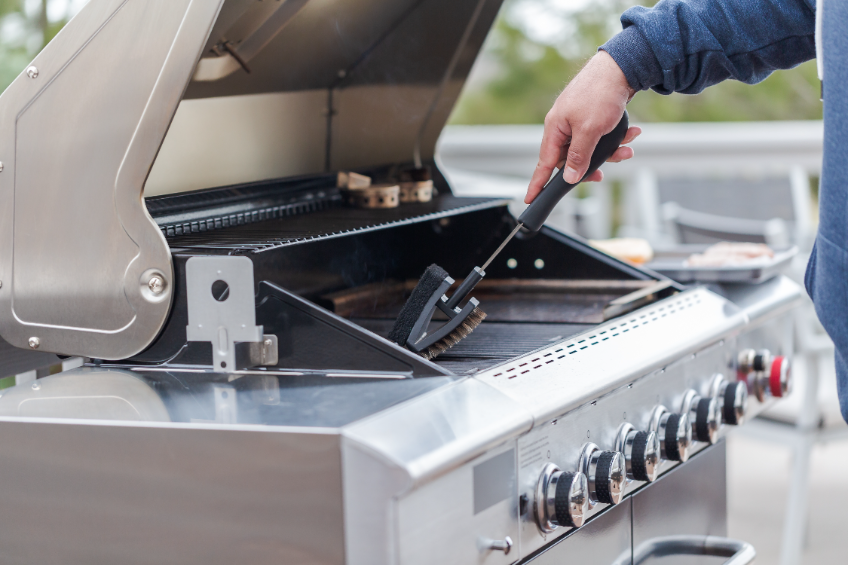 Some grill brushes can pose a safety risk if their bristles become loose and stick to the cooking grates. Wire-bristle brushes can shed bristles over time, and accidentally swallowing a loose bristle can cause serious injury.
Are Wire Grill Brushes Safe to Use?
Wire grill brushes can be used carefully, but they should be inspected regularly for loose, bent, or damaged bristles. Replace the brush if bristles are shedding or the brush head is deteriorating.
How Do You Know If a Grill Brush Is Unsafe?
Check the brush before each use for loose bristles, damaged wires, or a deteriorating brush head. Also inspect the grill grates afterward and remove any visible debris before cooking.
What Can You Use Instead of a Wire Grill Brush?
Alternatives include nylon grill brushes designed for the appropriate temperature, wooden grill scrapers, or other bristle-free grill-cleaning tools. Always check the tool’s temperature rating and follow the manufacturer’s instructions.
Can You Clean Grill Grates Without a Brush?
Yes. A grill scraper, cleaning stone, or other bristle-free tool can remove stuck-on food and carbon buildup. The appropriate method depends on the material and coating of the cooking grates.