

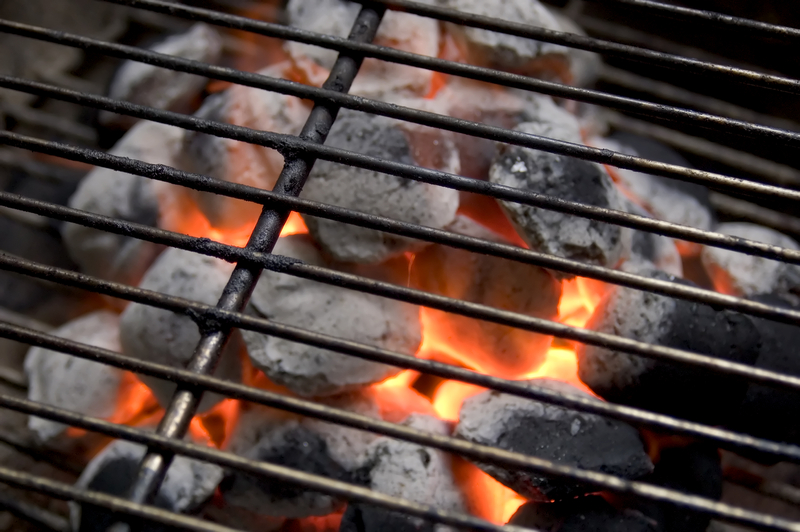
 Charcoal has served as a reliable fuel source for centuries, from ancient cooking fires to modern industrial applications.
This carbonized wood product offers distinct advantages and notable limitations that affect its suitability for various uses.
Charcoal provides excellent heat output and unique flavor benefits for cooking, but requires more preparation time and produces ash waste compared to other fuel options.
The production process through pyrolysis creates a fuel that burns hotter and cleaner than raw wood, making it popular for grilling and specialized heating applications.
Understanding charcoal’s environmental impact, economic factors, and practical applications helps determine when this traditional fuel makes sense in today’s energy landscape.
The balance between its natural origins and efficiency considerations shapes its role in both household and commercial settings.
Overview of Charcoal as a Fuel

Charcoal is a carbon-rich solid fuel created through the controlled burning or heating of wood in oxygen-limited environments.
This ancient fuel source has served human energy needs for thousands of years and continues to play a significant role in cooking, heating, and industrial applications worldwide.
What Is Charcoal?
Charcoal is an impure form of carbon that results from the incomplete combustion of organic materials, primarily wood.
The material retains the original cellular structure of the source wood while removing most volatile compounds.
Key characteristics of charcoal include:
- Dark brown to black color
- Porous, lightweight structure
- Higher carbon content than original wood (80-90% vs 45-50%)
- Lower moisture content
- Higher energy density per unit weight
The porous structure of charcoal contains trapped tar and other organic compounds within its cellular framework.
This composition gives charcoal its distinctive burning properties and higher heat output compared to raw wood.
Charcoal burns cleaner than wood, producing less smoke and fewer volatile emissions.
The material ignites at higher temperatures but burns longer and more consistently once lit.
How Charcoal Is Produced
Traditional charcoal production involves a process called pyrolysis, where wood is heated in the absence or limited presence of oxygen.
This prevents complete combustion while driving off moisture, gases, and volatile organic compounds.
Common production methods include:
- Kiln method: Wood is heated in enclosed kilns with controlled airflow
- Pit method: Wood is buried and burned slowly underground
- Retort method: Industrial process using sealed chambers with precise temperature control
The process typically requires temperatures between 400-500°C (750-930°F).
Wood loses approximately 75% of its original weight during conversion to charcoal.
Modern industrial production often uses continuous retort systems that capture and utilize the gases and liquids released during pyrolysis.
This method improves efficiency and reduces waste compared to traditional methods.
Historical and Current Uses
Charcoal has been used as a fuel source for over 30,000 years, with evidence of early use found in cave paintings and archaeological sites.
Ancient civilizations used charcoal for metalworking, cooking, and heating.
Historical applications:
- Bronze and iron smelting in ancient times
- Blacksmithing and metalworking
- Gunpowder production
- Early industrial processes before coal became widespread
Current primary uses:
- Outdoor cooking and grilling
- Heating in developing countries
- Industrial processes requiring high temperatures
- Water filtration and purification
- Art and drawing materials
Today, more than half of all wood harvested globally is used for energy purposes.
In some developing countries, wood and charcoal account for up to 80% of total energy consumption for cooking and heating needs.
Advantages of Charcoal as a Fuel
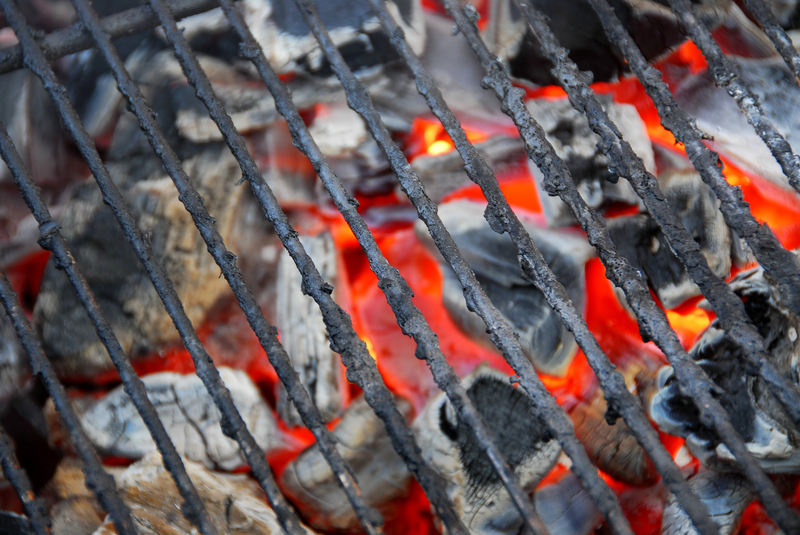
Charcoal offers several key benefits as a fuel source, including superior energy output per unit weight, minimal water content that enhances combustion efficiency, practical handling characteristics, and reliable burning properties that make it suitable for various applications.
High Energy Density
Charcoal delivers approximately 25-35 megajoules per kilogram, making it significantly more energy-dense than its source wood.
This high energy content means users need less fuel to achieve the same heating output compared to other biomass fuels.
The carbonization process removes volatile compounds and concentrates the carbon content to roughly 85-95%.
This concentration creates a fuel that burns hotter and longer than raw wood.
For cooking applications, charcoal can reach temperatures of 700-1000°F (370-540°C), which is ideal for searing meats and achieving high-heat cooking techniques.
Gas grills typically max out at lower temperatures.
The energy density advantage makes charcoal particularly valuable in regions where fuel transportation costs are high.
Users can transport more usable energy per load compared to wood or other biomass alternatives.
Low Moisture Content
Quality charcoal contains only 3-6% moisture content, compared to seasoned firewood which typically contains 15-20% moisture.
This low moisture level provides immediate combustion benefits.
Dry fuel ignites faster and burns more efficiently because energy isn’t wasted evaporating water.
The reduced moisture also prevents the production of excess smoke during the initial burning phase.
Storage becomes simpler with low-moisture fuel.
Charcoal resists moisture absorption better than wood, maintaining its burning characteristics even in humid conditions when properly stored.
The consistent low moisture content means users can expect predictable performance.
There’s no variation in burning quality due to seasonal moisture changes that affect other wood-based fuels.
Ease of Transportation and Storage
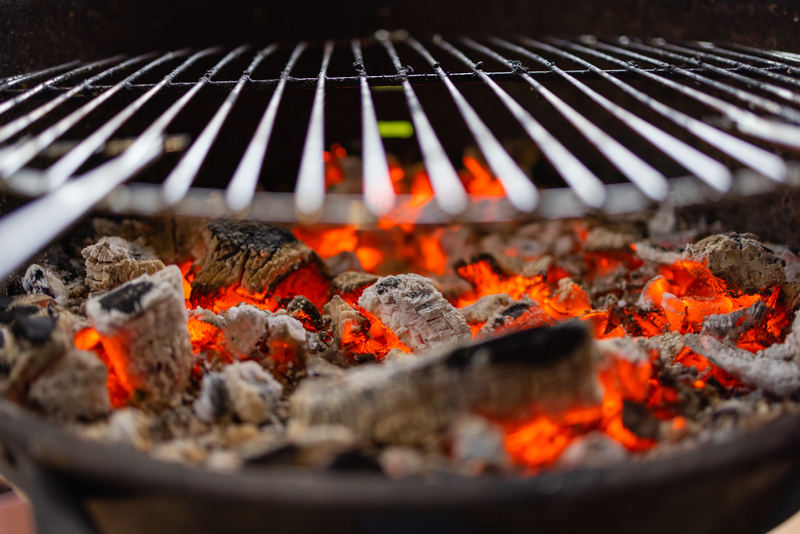
Charcoal weighs approximately 25-30% less than the original wood used to create it.
This weight reduction significantly decreases transportation costs and makes handling easier for end users.
The uniform size and shape of charcoal briquettes allow for efficient packaging and stacking.
Bags can be loaded more densely than irregularly shaped wood pieces.
Storage requirements are minimal compared to cord wood:
- Takes up less space per BTU delivered
- Doesn’t require seasoning time
- Resistant to insect infestation
- Won’t rot or decay when kept dry
Charcoal maintains its quality indefinitely when stored in dry conditions.
Users can purchase larger quantities without concern about deterioration over time.
Consistent Combustion
Charcoal burns with steady, predictable heat output once properly lit.
The uniform composition ensures consistent temperature maintenance throughout the burning process.
The fuel produces minimal smoke after the initial lighting phase, making it suitable for indoor use with proper ventilation.
This clean-burning characteristic reduces air quality concerns.
Combustion efficiency reaches 80-85% under optimal conditions, meaning most of the fuel converts to useful heat rather than waste products.
This efficiency surpasses many other solid fuels.
Temperature control becomes more manageable with charcoal because it responds predictably to airflow adjustments.
Users can maintain specific temperature ranges for extended periods by controlling ventilation.
Environmental Benefits of Charcoal
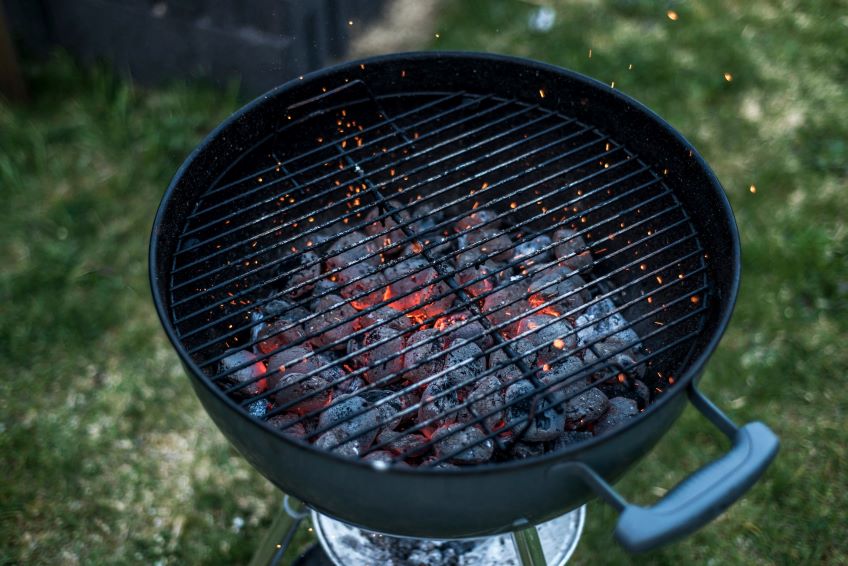
Charcoal offers several environmental advantages when produced and used sustainably, including its potential for carbon neutrality, ability to utilize waste materials, and cleaner burning characteristics compared to raw biomass.
Carbon Neutral Potential
Charcoal can achieve carbon neutrality when produced from sustainably managed forests or renewable biomass sources.
The carbon released during burning equals the carbon absorbed by plants during growth.
This closed-loop system maintains atmospheric carbon balance.
Trees planted to replace harvested wood continue absorbing CO2 from the atmosphere.
Sustainable production methods include:
- Managed forest harvesting with replanting programs
- Using fast-growing species like bamboo or eucalyptus
- Implementing rotation cycles that allow forest regeneration
The carbonization process concentrates carbon into a stable form.
This concentrated carbon burns more efficiently than raw wood, requiring less fuel volume for equivalent energy output.
Responsible forestry practices ensure long-term carbon sequestration.
Properly managed charcoal operations can support forest ecosystems rather than depleting them.
Waste Biomass Utilization
Charcoal production transforms agricultural and forestry waste into valuable fuel, reducing disposal problems and methane emissions from decomposing organic matter.
Common waste materials include rice husks, coconut shells, corn cobs, and sawmill residues.
These materials would otherwise decay naturally, releasing methane and CO2.
Converting waste biomass prevents open burning practices.
Open burning releases harmful particulates and greenhouse gases without energy recovery.
Benefits of waste utilization:
- Reduces landfill pressure
- Prevents methane emissions from decomposition
- Creates economic value from waste streams
- Supports circular economy principles
Agricultural residues represent abundant feedstock sources.
Countries with large agricultural sectors can convert millions of tons of crop residues into charcoal annually.
This approach eliminates disposal costs for farmers while creating local energy sources.
Rural communities gain access to clean-burning fuel from locally available materials.
Reduced Smoke Production
Properly produced charcoal burns with minimal smoke compared to raw wood or other biomass fuels.
The carbonization process removes volatile compounds that create smoke and harmful emissions.
High-quality charcoal contains 85-95% carbon with low moisture content.
This composition enables clean combustion with reduced particulate matter.
Emission reductions include:
- Lower particulate matter (PM2.5)
- Reduced volatile organic compounds
- Minimal tar and creosote production
- Decreased indoor air pollution
Clean-burning charcoal improves air quality in homes and communities.
This benefit particularly matters in developing regions where biomass burning causes respiratory health issues.
Modern carbonization techniques further reduce emissions during production.
Retort systems capture and burn volatile gases, preventing their release into the atmosphere.
Efficient combustion requires proper airflow and quality charcoal.
Well-designed stoves maximize these benefits while minimizing fuel consumption.
Limitations and Drawbacks of Charcoal
Despite its widespread use, charcoal presents significant environmental and health challenges.
The fuel source contributes to deforestation, produces harmful emissions, and poses serious indoor air quality risks.
Deforestation and Unsustainable Harvesting
Charcoal production drives extensive deforestation across developing nations.
The process requires large quantities of wood, with approximately 6-10 tons of wood needed to produce one ton of charcoal.
Illegal logging operations frequently target old-growth forests to meet charcoal demand.
These ecosystems provide critical carbon sequestration and biodiversity conservation services.
Sub-Saharan Africa experiences particularly severe forest loss from charcoal production.
Countries like Somalia, Kenya, and Nigeria face rapid woodland depletion as urban populations rely heavily on charcoal for cooking fuel.
Harvesting practices often lack sustainability measures:
- No replanting programs
- Selective cutting of mature trees
- Conversion of protected forest areas
- Inadequate regeneration periods
The charcoal supply chain frequently operates outside regulatory frameworks.
This creates challenges for implementing sustainable forestry practices and monitoring environmental impacts.
Air Pollution and Emissions
Charcoal combustion releases multiple air pollutants that affect both local and global environments.
The burning process produces carbon monoxide, particulate matter, and volatile organic compounds.
Primary emissions include:
- Carbon dioxide (CO₂): 2.9 kg per kg of charcoal burned
- Carbon monoxide (CO): 0.2-0.4 kg per kg of charcoal
- Particulate matter (PM2.5): 0.05-0.1 kg per kg of charcoal
Traditional charcoal stoves operate with low combustion efficiency.
This incomplete burning increases pollutant emissions compared to cleaner fuel alternatives.
Urban areas experience elevated air pollution levels in neighborhoods with high charcoal use.
Cities in developing countries often exceed WHO air quality guidelines partly due to charcoal burning.
Health Risks from Indoor Use
Indoor charcoal burning creates dangerous concentrations of toxic gases and particles.
Carbon monoxide poisoning represents the most immediate life-threatening risk from improper ventilation.
Household air pollution from charcoal affects approximately 2.8 billion people globally.
Women and children face the highest exposure levels due to their proximity to cooking areas.
Health impacts include:
- Respiratory infections and pneumonia
- Chronic obstructive pulmonary disease
- Low birth weight in newborns
- Cataracts and eye irritation
The WHO estimates that household air pollution causes 3.2 million premature deaths annually.
Charcoal burning contributes significantly to this burden in regions where it serves as the primary cooking fuel.
Inadequate ventilation in cooking spaces compounds these risks.
Many households lack proper chimney systems or windows to allow toxic fumes to escape safely.
Economic Considerations
Charcoal’s economic viability depends on production costs, transportation expenses, and market availability.
The fuel’s cost-effectiveness varies significantly based on regional factors and intended use, with production efficiency playing a crucial role in determining overall market competitiveness.
Cost of Production
Traditional charcoal production requires substantial wood resources, with approximately 4-7 tons of wood needed to produce one ton of charcoal.
This conversion ratio directly impacts production costs and resource availability.
Labor costs represent a significant portion of traditional production expenses.
The process requires skilled workers to monitor kilns and manage carbonization temperatures over several days.
Modern production methods using retort kilns can reduce labor requirements but demand higher initial capital investments.
Equipment costs for industrial charcoal production facilities typically range from $50,000 to $500,000 depending on capacity.
Key production cost factors:
- Raw material acquisition (wood sourcing)
- Labor expenses for kiln operation
- Transportation of materials
- Equipment maintenance and replacement
- Regulatory compliance costs
Market Accessibility
Charcoal markets vary dramatically between developed and developing regions.
In sub-Saharan Africa, charcoal serves as a primary cooking fuel for over 80% of urban households, creating consistent demand.
Transportation costs significantly affect market accessibility due to charcoal’s relatively low energy density.
Shipping costs can double the final consumer price in remote areas.
Storage requirements add complexity to market distribution.
Charcoal must remain dry to maintain quality, necessitating covered storage facilities and protective packaging.
Urban markets typically offer higher prices but require consistent supply chains.
Rural producers often face price volatility and limited buyer options.
Comparison With Alternative Fuels
Charcoal pricing typically falls between firewood and liquefied petroleum gas (LPG) in most markets.
Initial purchase costs appear lower than gas equipment, but long-term expenses often exceed modern alternatives.
Fuel cost comparison per cooking session:
- Charcoal: $0.15-0.35
- Firewood: $0.10-0.25
- LPG: $0.20-0.40
- Electricity: $0.08-0.30
Energy efficiency rates affect overall cost-effectiveness.
Charcoal achieves approximately 25-30% thermal efficiency compared to LPG’s 50-55% efficiency.
Infrastructure requirements differ substantially between fuel types.
Charcoal needs no gas lines or electrical connections, reducing setup costs in rural areas.
Market subsidies for alternative fuels can shift economic advantages.
Government LPG subsidies in many countries make gas cooking more affordable than charcoal despite higher equipment costs.
Applications of Charcoal Fuel
Charcoal serves as a versatile fuel source across multiple sectors, from residential kitchens to heavy manufacturing facilities.
Its unique properties make it particularly valuable for cooking applications, metallurgical processes, and soil enhancement practices.
Domestic Cooking
Charcoal provides exceptional heat control for grilling and barbecuing applications.
When properly ignited, it burns without producing smoke or open flames, creating consistent temperatures ideal for cooking meat and vegetables.
Key cooking advantages include:
- High calorific value producing intense heat
- Long burning duration reducing fuel consumption
- Clean combustion without excessive smoke production
- Temperature stability for even cooking results
Restaurants and commercial kitchens frequently use charcoal for specialized cooking techniques.
The fuel’s ability to reach temperatures between 500-700°F makes it suitable for searing meats and achieving desired flavor profiles.
Home users benefit from charcoal’s portability for outdoor cooking events.
Unlike gas alternatives, charcoal requires no permanent installations or fuel line connections, making it practical for camping and picnic applications.
Industrial Uses
Manufacturing industries rely on charcoal for high-temperature processes requiring consistent heat output.
Steel production facilities use charcoal as a reducing agent in blast furnaces, where temperatures exceed 2000°F.
Primary industrial applications:
- Metallurgy: Iron and steel smelting operations
- Chemical production: Activated carbon manufacturing
- Filtration systems: Water and air purification processes
- Cement production: High-temperature kiln operations
Paper manufacturing plants utilize charcoal in bleaching processes and as a component in specialty paper products.
The material’s porous structure makes it effective for removing impurities from industrial solutions.
Pharmaceutical companies incorporate activated charcoal derived from fuel-grade charcoal in medical applications.
This includes poison treatment products and digestive health supplements.
Agricultural Applications
Farmers use charcoal as a soil amendment to improve crop yields and soil structure.
When incorporated into agricultural land, charcoal increases nutrient retention and enhances water absorption capacity.
Agricultural benefits include:
- pH level stabilization in acidic soils
- Increased microbial activity promoting plant growth
- Enhanced fertilizer efficiency through nutrient binding
- Improved soil drainage in clay-heavy compositions
Biochar production from agricultural waste creates sustainable charcoal alternatives for farming operations.
This process converts crop residues into valuable soil conditioners while reducing waste disposal costs.
Livestock operations utilize charcoal as a feed additive to reduce methane emissions and improve animal digestive health.
The material absorbs toxins and excess gases in animal digestive systems, leading to better overall herd health.
Sustainability and Future Perspectives
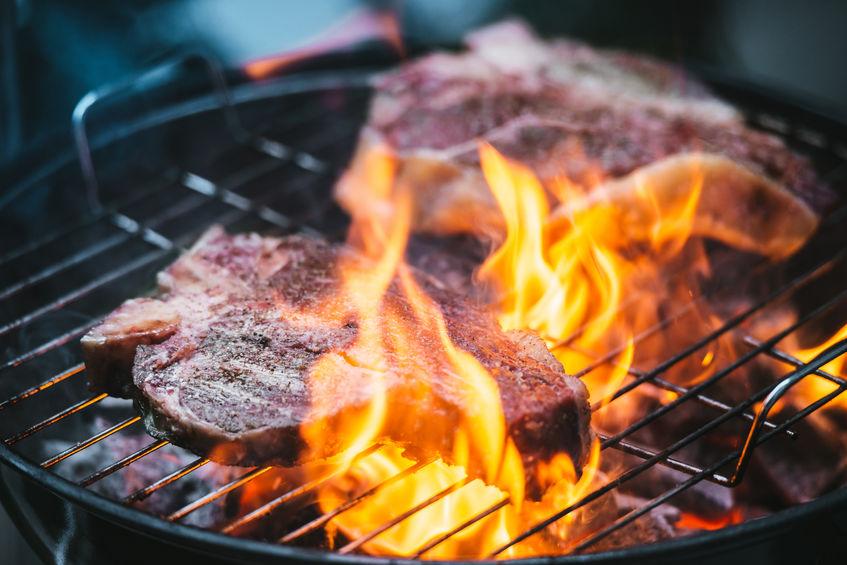
The sustainability of charcoal depends on production methods, regulatory frameworks, and its integration into modern energy systems.
Technological advances are creating cleaner production processes while policies shape market dynamics and environmental standards.
Innovations in Charcoal Production
Modern charcoal production technologies focus on efficiency improvements and emissions reduction.
Traditional kilns waste significant energy and release harmful pollutants during the carbonization process.
New retort systems capture volatile compounds that would otherwise escape as smoke.
These systems can achieve 25-30% charcoal yield compared to 10-15% in traditional earth kilns.
Pyrolysis reactors represent the most advanced production method.
They operate in controlled environments with minimal oxygen, producing higher-quality charcoal while generating useful byproducts like bio-oil and syngas.
Some facilities now integrate waste heat recovery systems.
The heat generated during production powers other operations or generates electricity for local communities.
Sustainable feedstock sourcing has become equally important.
Producers increasingly use agricultural residues, bamboo, and fast-growing wood species instead of harvesting natural forests.
Government Policies and Regulations
Policy frameworks significantly influence charcoal sustainability across different regions.
Many African countries have implemented licensing systems for charcoal producers and traders to prevent illegal harvesting.
Forest management regulations require producers to source materials from designated areas or plantations.
Kenya’s charcoal rules mandate that 60% of production must come from private land or community forests.
Tax structures affect market dynamics.
Some governments impose higher taxes on charcoal to discourage use, while others provide subsidies for sustainable production methods.
Import and export restrictions help protect domestic forests.
Several countries have banned charcoal exports to preserve their forest resources for local needs.
Technology incentives support cleaner production.
Brazil offers tax breaks for companies investing in efficient carbonization equipment and sustainable forest management.
Role in Sustainable Energy Solutions
Charcoal occupies a transitional position in sustainable energy strategies.
It serves as a bridge fuel in regions where modern energy infrastructure remains limited.
Urban energy security depends heavily on charcoal in many developing countries.
Approximately 900 million people rely on charcoal for cooking and heating needs.
Sustainable charcoal can complement renewable energy systems.
It provides reliable backup energy when solar or wind power is unavailable, particularly in rural areas.
Carbon-neutral potential exists when charcoal comes from sustainably managed forests or agricultural waste.
The carbon released during burning equals what growing plants absorbed.
Integration challenges include competing with cleaner alternatives like LPG and electricity.
Charcoal must become more efficient and cleaner to remain viable long-term.
Research focuses on biochar applications where charcoal serves dual purposes as fuel and soil improvement agent, creating additional value streams for producers.
Conclusion

Charcoal presents a mixed profile as a fuel source with distinct trade-offs.
Its ability to reach high temperatures quickly makes it valuable for specific cooking applications.
Key Advantages:
- Produces distinctive smoky flavor
- Reaches higher temperatures than many alternatives
- Relatively affordable and accessible
- Burns with less visible smoke than raw wood
Primary Drawbacks:
- Energy losses during production process
- Environmental concerns from tree clearing
- Longer preparation time compared to gas
- Creates ash disposal requirements
The production method through pyrolysis reduces overall energy efficiency.
This process converts biomass under limited oxygen conditions but involves inherent energy losses.
Environmental impact remains a significant consideration.
Mass clearing of trees for charcoal production can contribute to deforestation and habitat loss.
Performance varies by type:
- Hardwood charcoal offers better heat output
- Briquettes provide more consistent burning
- Lump charcoal ignites faster
Cost factors depend on location and availability.
Transportation challenges can affect pricing in certain regions.
Users must weigh convenience against flavor preferences.
Gas alternatives offer easier operation while charcoal provides traditional taste benefits.
The fuel choice ultimately depends on specific needs and priorities.
Cooking requirements, environmental concerns, and convenience preferences all influence the decision-making process.