
Cold weather or rain might make you think about moving your grill inside. But before you do, you need to know the risks.
Using a propane grill indoors is not safe, and safety experts strongly advise against it. Propane grills produce carbon monoxide, a gas you cannot see or smell. Without adequate ventilation, this gas can build up quickly and put your health in danger.
This post will explain the dangers of indoor propane grilling, what fire and safety codes say about it, and what steps you can take to keep your family safe. You will also learn about safer options if you still want grilled flavor without stepping outside. Propane grill safety is not something to guess about, so let us break down the facts.
The Short Answer: Keep Propane Grills Outdoors
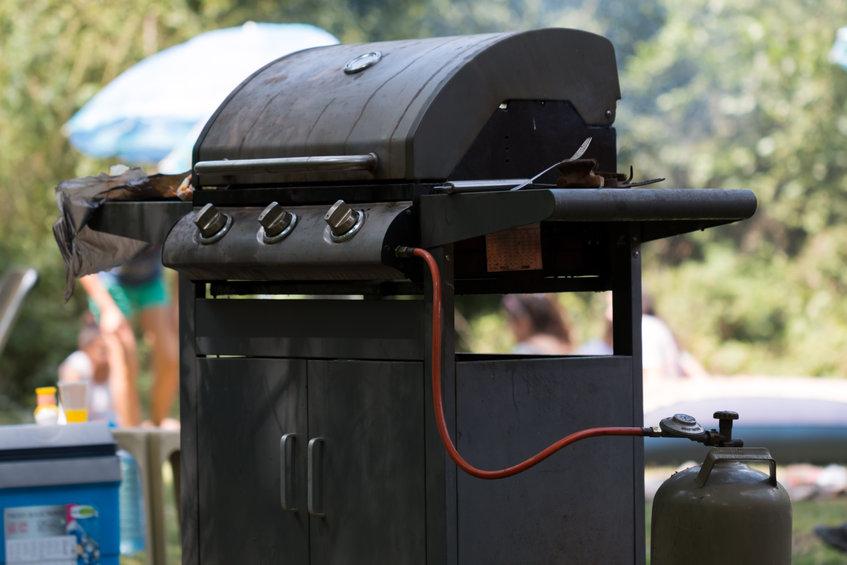 The short answer is simple: propane grills are designed for outdoor cooking only, and using a propane grill indoors puts you at risk of carbon monoxide poisoning and fire.
Operating an indoor propane grill in residential living areas is never endorsed by manufacturers or safety standards. No certified indoor propane grill exists for typical home use. Even small changes, such as opening a window or moving your grill to a garage, do not make indoor use safe.
Why Outdoor Grills Are Not Rated for Indoor Use
Propane grills are designed to release heat and combustion gases into the open air. Because outdoor grilling relies on open-air circulation, these grills do not have the components needed to control indoor air quality or heat buildup.
When propane combustion takes place, it can produce carbon monoxide. Outdoors, this gas disperses and becomes less concentrated. Indoors, it can accumulate quickly and become deadly.
Propane grills also lack the insulation and safeguards required for indoor appliances.Outdoor grills can become extremely hot and pose serious risks if brought indoors. This heat can damage floors, walls, and furniture, increasing the risk of a fire.
Indoor stoves are tested and rated for safe indoor use. Your propane grill has not undergone the same testing, so using it inside introduces dangerous fire hazards.
Why Opening Windows Does Not Make Indoor Use Safe
You might think that cracking a window or turning on a fan will clear out the danger. It will not.
Carbon monoxide can accumulate faster than a window or fan can remove it. This is especially true in small rooms or during cold weather, when airflow may be limited.
Even with airflow, you cannot fully control how combustion gases spread through a room. Dangerous concentrations can still form in corners or near the ceiling without any warning smell or visible sign.
Proper ventilation systems, such as those used in professional kitchens, are designed to manage heat and combustion gases. A window fan cannot safeguard indoor air quality or provide proper ventilation to clear toxic fumes. Relying on a window or fan is a common mistake when attempting indoor propane grilling during bad weather.
Garages, Tents, Balconies, and Other Enclosed Spaces
Many people assume that a garage, tent, or covered balcony is safer than a fully enclosed room. It is not.
These spaces can still trap heat and combustion gases, even if they have some airflow. In fact, using a propane grill indoors or inside an attached garage can fill the space with carbon monoxide just as quickly as in a kitchen.
Tents pose an added fire risk because their materials can ignite easily. Balconies may seem open, but if they have walls or a roof, gas can still accumulate in corners and other low-airflow areas.
Local fire codes often restrict this type of use for good reason. Many cities and apartment complexes classify garages, tents, and covered balconies as enclosed or restricted spaces under fire safety rules, meaning propane grills may not be allowed there. Always check your local rules before assuming a space is safe for outdoor cooking equipment.
Carbon Monoxide and Indoor Air Hazards
 Propane grills produce dangerous combustion gases when they burn fuel, and carbon monoxide is the greatest health threat. Running what you might consider an indoor propane grill traps these gases instead of allowing them to disperse. Ultimately, using a propane grill indoors puts you and your family at serious risk.
In addition to toxic fumes, cooking over gas creates microscopic particulate matter that damages indoor air quality. Without proper ventilation, inhaling this particulate matter in an enclosed room can irritate the lungs and harm your health.
How Propane Combustion Produces Carbon Monoxide
When complete propane combustion occurs, it mainly produces carbon dioxide and water vapor. Complete combustion requires sufficient oxygen, and indoor spaces may not provide adequate airflow around a grill.
With insufficient oxygen or poor burner operation, incomplete combustion can occur. This process produces carbon monoxide instead of only the expected combustion byproducts.
Carbon monoxide is invisible and odorless, making it extremely difficult to detect without a carbon monoxide detector.
Poorly ventilated areas make this problem worse. Garages, basements, and closed rooms trap the gas instead of allowing it to disperse, so concentrations can rise quickly when you use a propane grill indoors.
Carbon Monoxide Poisoning Symptoms and Immediate Actions
Carbon monoxide poisoning symptoms often start out mild, so you might not notice them right away.
Watch for these signs:
- Headache
- Dizziness
- Nausea
- Confusion
- Weakness
- Chest pain
If you notice any of these symptoms while using a propane appliance indoors, get to fresh air immediately. Leave the building and call emergency services from outside.
Do not go back inside until trained responders say it is safe. Severe exposure can cause you to lose consciousness or die, so do not wait to see whether symptoms get worse.
Long-term exposure to lower carbon monoxide levels can also cause health problems. You might experience ongoing headaches, memory problems, or difficulty concentrating.
Why CO Detectors Are Essential but Not a Substitute for Outdoor Use
A carbon monoxide detector adds a layer of protection, but it should never be your only safety measure. You should install CO detectors on every floor of your home, especially near bedrooms.
CO detectors alert you when gas levels reach a set threshold. By that time, carbon monoxide may already have spread through your indoor air.
Detectors also have limits. Batteries can die, sensors can wear out, and alarms may not provide enough warning to prevent harm in a small, enclosed space.
The safest choice is to keep propane appliances outside where air can circulate freely. No detector replaces proper ventilation and safe outdoor use.
Fire, Grease, and Explosion Risks
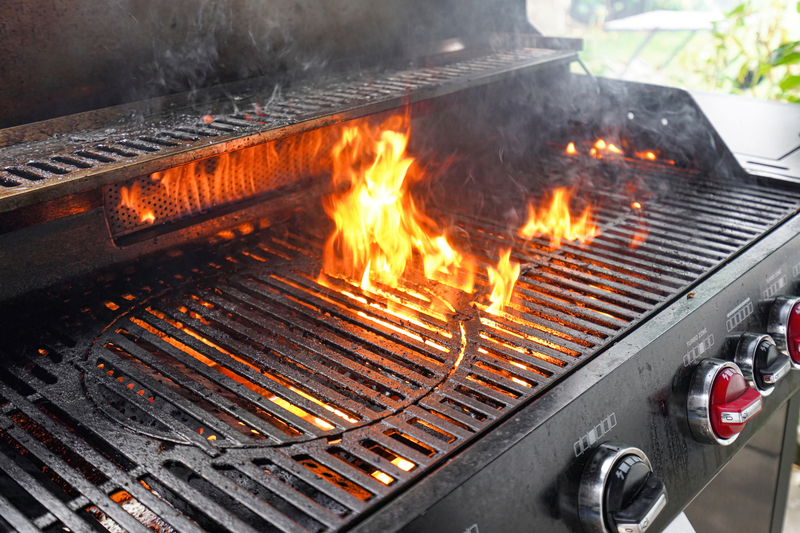 Propane grills create several dangers when used indoors, including open flames near flammable items, gas leaks that accumulate in enclosed spaces, and grease that can catch fire. Each risk becomes more serious without adequate outdoor ventilation.
Open Flames and Nearby Combustible Materials
Your grill’s open flame can easily ignite curtains, paper towels, wooden cabinets, or other combustible materials in a kitchen or garage. Indoors, rooms are full of flammable materials, creating severe fire hazards. Outdoors, maintaining safe clearance from flammable materials is far easier.
Indoors, heat cannot disperse as freely around the grill. Instead, it can remain trapped in the room and raise the temperature of nearby surfaces. Even items that seem far from the flame can become fire hazards if the surrounding area becomes hot enough.
You should also know that grease splatter from cooking can travel farther than expected. If it lands on a flammable surface near an open flame, it can ignite within seconds.
Propane Leaks, Gas Accumulation, and Ignition Sources
Propane gas is heavier than air, so it can sink and pool near the floor instead of rising and dispersing. This means a propane gas leak indoors can go unnoticed, especially in a poorly ventilated space such as a basement or closed garage.
As gas accumulates, the explosion risk and danger of fire increase. A small spark from a light switch, pilot light, electrical appliance, or static electricity can ignite the gas.
You may not smell a propane leak immediately, especially in a large room. By the time you notice it, gas may already have spread across the floor.
Grease Buildup and Grease Fires
Grease buildup in a grill’s drip tray or burner area is common, even after only a few uses. Indoors, this buildup is more dangerous because limited airflow cannot cool hot grease or clear smoke effectively.
A grease fire can start suddenly and spread quickly if it reaches nearby curtains, paper, or wooden cabinets. Never use water to extinguish a grease fire, since water can cause burning grease to splatter and spread the flames.
You should keep a fire extinguisher rated for grease fires nearby when using any type of grill. Indoors, a grease fire can fill a room with smoke within seconds, making it difficult to see or breathe.
What to Do if You Smell Gas or Suspect Carbon Monoxide
 A propane grill used indoors can cause a gas leak or carbon monoxide buildup, and both are dangerous. Knowing how to respond quickly can protect you and your family.
Evacuate and Avoid Creating a Spark
If you smell gas or your CO detectors sound, get everyone out of the building immediately. Do not stop to collect belongings or determine where the leak is coming from.
As you leave, avoid touching anything that could create a spark. Do not flip light switches, unplug appliances, or use a phone inside the building. These actions can create ignition sources that start a fire or explosion if propane gas has accumulated.
Do not light a match, use a lighter, or smoke near the area. Once you are outside, move away from the building and keep others away too, according to propane.com.
When to Call Emergency Services or Your Propane Supplier
Once you are safely outside, call 911 or your local fire department. Tell them you suspect a propane gas leak or carbon monoxide problem inside your home.
You should also call your propane supplier so they can send someone to inspect the propane tank and system for leaks. Do not try to locate or repair the leak yourself.
If you can safely reach the tank without going back inside, turn off the valve by turning it clockwise. Skip this step if the leak appears to be coming from the tank itself.
Do Not Re-Enter Until the Area Is Declared Safe
Stay outside until a firefighter, emergency responder, or qualified professional tells you it is safe to return. This can take time, so be patient and stay away from the building.
Returning too early can expose you to carbon monoxide poisoning, which can cause headaches, dizziness, confusion, and, in serious cases, death. Carbon monoxide has no smell, color, or taste, so you cannot rely on your senses to know when it is gone.
Before using your propane grill or any other propane appliance again, have a professional inspect the entire system for leaks, following guidance from kuaffmangas.com.
Safer Ways to Get Grilled Flavor Indoors
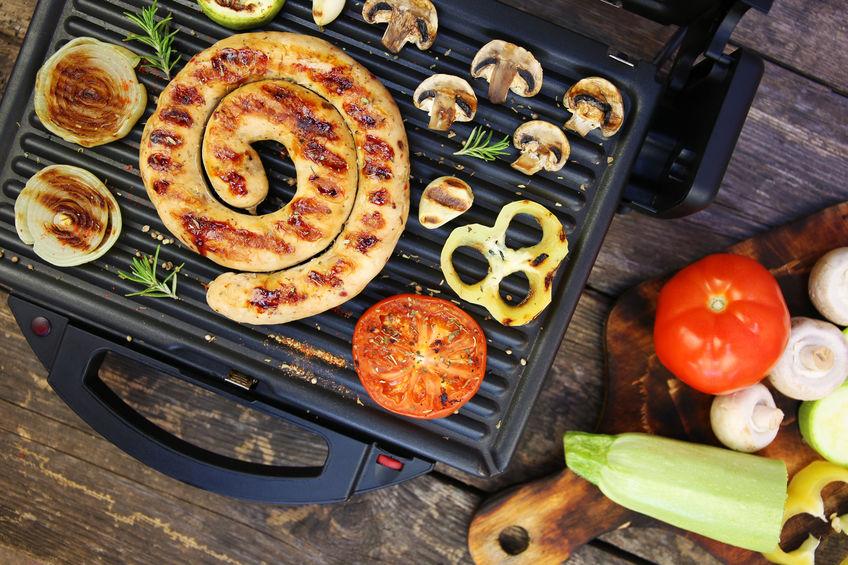 You can get a rich smoky flavor and charred taste without the fire risk. Electric grills, stovetop grill pans, cast-iron skillets, and your oven’s broiler can produce good results with less danger.
Electric Grills and Smokeless Indoor Grills
An electric grill plugs into a wall outlet and heats metal plates. You don’t need propane or charcoal, so there is no open flame or fuel gas. Many electric grills are called smokeless indoor grills because they use a fan or vent system to reduce smoke as you cook.
These grills work well for burgers, chicken, and vegetables. Reliable temperature control gives you precise heat adjustments to prevent burning and smoking.
They provide an effective way to handle indoor grilling without the fire hazards of an open gas flame. They also protect indoor air quality by avoiding gas emissions entirely.
The ridged plates on an electric grill create grill marks, similar to those from an outdoor grill. This makes indoor grilling on your kitchen counter simple and safer, as noted in this guide on indoor grilling safety.
The George Foreman Indoor/Outdoor Electric Grill with Stand is a versatile option for grilling when you want the convenience of electric cooking. Its stand can be used outdoors, while the grill can also be used indoors, making it particularly useful when the weather is unsuitable for outdoor grilling.
It provides a generous cooking surface for family meals and gatherings without the need for charcoal or gas. For convenient everyday grilling, it offers a simple alternative to traditional outdoor grills.
Stovetop Grill Pans and Cast-Iron Skillets
A stovetop grill pan sits on your burner and works with gas or electric stoves. The pan has raised ridges that lift food slightly above the hot surface. This creates grill marks and lets some fat drain away from meat as it cooks.
A cast-iron skillet is another good choice, although it doesn’t have ridges. It heats evenly and retains heat well, helping food cook at a steady pace. Practicing good temperature control on the burner ensures you get a great sear without smoking out your kitchen.
Stovetop grilling works best with a hot, dry pan and a small amount of oil. Press your food down for a few seconds at the start to create darker grill marks. Both tools provide good browning and help capture that smoky flavor without relying on an open flame.
Oven Broiling for Direct Heat and Browning
Your oven’s broiler provides direct heat from above, much like turning a grill upside down. While broilers offer less granular temperature control than an outdoor grill, adjusting the rack height allows you to manage heat exposure easily. This is an easy indoor grilling method to replicate outdoor grilling flavors indoors.
To use it, place your oven rack near the top and turn the broiler on high. Put your food on a broiler pan so fat can drain away. Watch it closely, since broiling cooks quickly and can burn food within minutes.
Broiling works well for steak, fish, and chicken. It creates a browned, slightly charred top layer without requiring an open flame, as explained in this breakdown of how to grill indoors.
Building Flavor Without an Outdoor Barbecue
You can still add smoky flavor without using an outdoor barbecue. Try a few drops of liquid smoke in your marinade or sauce. This gives food a flavor similar to what wood chips provide on an outdoor grill.
Smoked paprika, chipotle powder, or a splash of Worcestershire sauce can also enhance grilled flavors. Marinating meat for a few hours before cooking helps the flavor penetrate more deeply.
You can pair these flavor additions with any of the indoor cooking methods above. This gives you a barbecue-style taste while keeping your kitchen safer.
Safe Practices for Outdoor Propane Grilling
 Grilling outdoors with a propane grill is safer when you follow a few basic rules. Choose the right location, inspect your equipment regularly, manage heat and grease, and store the propane tank properly.
Choosing a Clear, Open Outdoor Location
Your propane grill needs open air around it to operate safely. Place it at least 10 feet away from your house, deck railings, and overhanging branches.
Never grill under a covered patio roof or in a garage, even with the door open. Propane and combustion gases can still accumulate in these spaces.
Make sure the ground under your grill is flat and stable. A grill that tips over can spill hot grease or damage a gas line.
Keep children and pets away from the cooking area. Set up a simple boundary, such as a small fence or cones, if you frequently host groups.
Checking Hoses and Connections for Leaks
Propane leaks are among the biggest dangers associated with propane grills. Before each grilling season, inspect all hoses and fittings for cracks, rust, or soft spots.
A simple soap-and-water test can help identify leaks. Mix dish soap with water, brush it onto the connections, and turn on the gas without lighting the grill. Bubbles indicate a leak.
If you smell gas or see bubbles, turn off the tank immediately and move the grill to an open area if it is safe to do so. Do not use the grill until a professional repairs or replaces the hose.
Store your grill in a dry place. Moisture can accelerate rust and damage hose material over time.
Managing Heat, Flare-Ups, and Grease
Good temperature control keeps food safe and lowers fire risk. Preheat your grill for 10 to 15 minutes, then adjust the burners based on what you are cooking.
Grease buildup is a common cause of grease fires. Clean grease trays and drip pans after every use, and scrape the grates once they are safe to handle.
Keep a fire extinguisher rated for grease fires within reach whenever you grill. Baking soda can also help smother small flare-ups.
Watch for flammable materials near your grill, including these common items:
- Paper plates or napkins
- Dry leaves or mulch
- Aerosol cans
- Loose clothing or apron strings
Storing Propane Tanks Correctly
Proper propane tank storage protects your home and grill. Always store tanks outdoors and upright, away from direct sunlight, heat sources, and ignition sources.
Never store a propane tank in a basement, garage, or poorly ventilated shed. Leaking propane can collect in enclosed areas and create a severe explosion risk as well as a fire hazard.
Check your tank’s expiration date, which is usually stamped near the valve. Most propane tanks must be recertified 12 years after their manufacture date, although local requirements may vary.
Many areas also follow local fire codes that limit how many tanks you can store and how far they must be from a building. Contact your local fire department if you are unsure about the rules in your area.
Can You Use a Propane Grill Indoors? Expert Safety Advice
 No, a propane grill should never be used indoors, in a garage, or in another enclosed or partially enclosed space. According to the U.S. Consumer Product Safety Commission (CPSC), indoor grill use can cause carbon monoxide poisoning and fires. The CPSC also recommends keeping a grill at least 10 feet away from a house or other building.
The National Fire Protection Association (NFPA) also advises that propane grills should be used outdoors and kept away from the home, deck railings, eaves, and overhanging branches. Its safety guidance recommends checking propane connections for leaks, keeping the grill clean, opening the lid before lighting it, and never leaving it unattended.
What Makes Indoor Propane Grilling Dangerous?
When propane burns, it can produce carbon monoxide, a poisonous gas that is colourless and odourless. In an enclosed area, carbon monoxide can build up quickly without being noticed. West Virginia University Extension warns that people should never use a gas grill indoors or in a garage because exposure can lead to serious illness or death.
Opening a window or garage door does not make indoor grilling safe. A propane grill also produces intense heat and open flames, which can ignite walls, furniture, curtains, wooden structures, or other combustible materials. The CPSC specifically states that grills should not be used in garages, breezeways, carports, porches, or beneath surfaces that can burn.
Is a Covered Patio or Balcony Safe?
A covered patio, balcony, porch, shed, or tent may still be too enclosed for a propane grill. The University of Texas at Austin Fire Prevention Department states that propane grills should only be used in well-ventilated outdoor spaces.
For safer cooking, use the grill outdoors on a stable, level surface and follow the manufacturer’s instructions. Keep children, pets, and flammable objects away from the grill, and never move a lit or recently used grill indoors. If the weather is unsuitable, use an appliance specifically designed and approved for indoor cooking instead.
Safety information should not replace local regulations or the instructions supplied with your specific grill. Always contact your local fire department or a qualified professional if you are unsure whether a location is safe.
FAQ: Can You Use a Propane Grill Indoors?
 No. Propane grills should never be used indoors, including inside a house, garage, tent, shed, or other enclosed space. Burning propane produces carbon monoxide, an odorless and potentially fatal gas that can build up quickly in enclosed areas.
Why Is It Dangerous to Use a Propane Grill Indoors?
A propane grill produces carbon monoxide (CO) during combustion. Indoors, there may not be enough ventilation to safely disperse the gas, creating a serious risk of carbon monoxide poisoning.
Can You Use a Propane Grill in a Garage?
No. A garage is not considered a safe location for operating a propane grill, even if the garage door is open. The grill should be used outdoors in a properly ventilated area away from buildings and combustible materials.
Can You Use a Propane Grill on a Covered Patio?
It depends on the structure and the grill manufacturer’s instructions. A covered patio can restrict ventilation, so never use a propane grill in an enclosed or partially enclosed area unless the manufacturer specifically states that it is designed and approved for that type of use.
Can You Use a Propane Grill Near an Open Window?
No. An open window does not provide sufficient protection from carbon monoxide or the risk of heat and flames. Keep the grill outdoors and well away from windows, doors, vents, and other openings.
Where Should You Use a Propane Grill?
Use a propane grill outdoors in a well-ventilated area, positioned safely away from the house, combustible structures, and overhead materials. Always follow the clearance requirements and other safety instructions provided by the grill manufacturer.